Our verdict
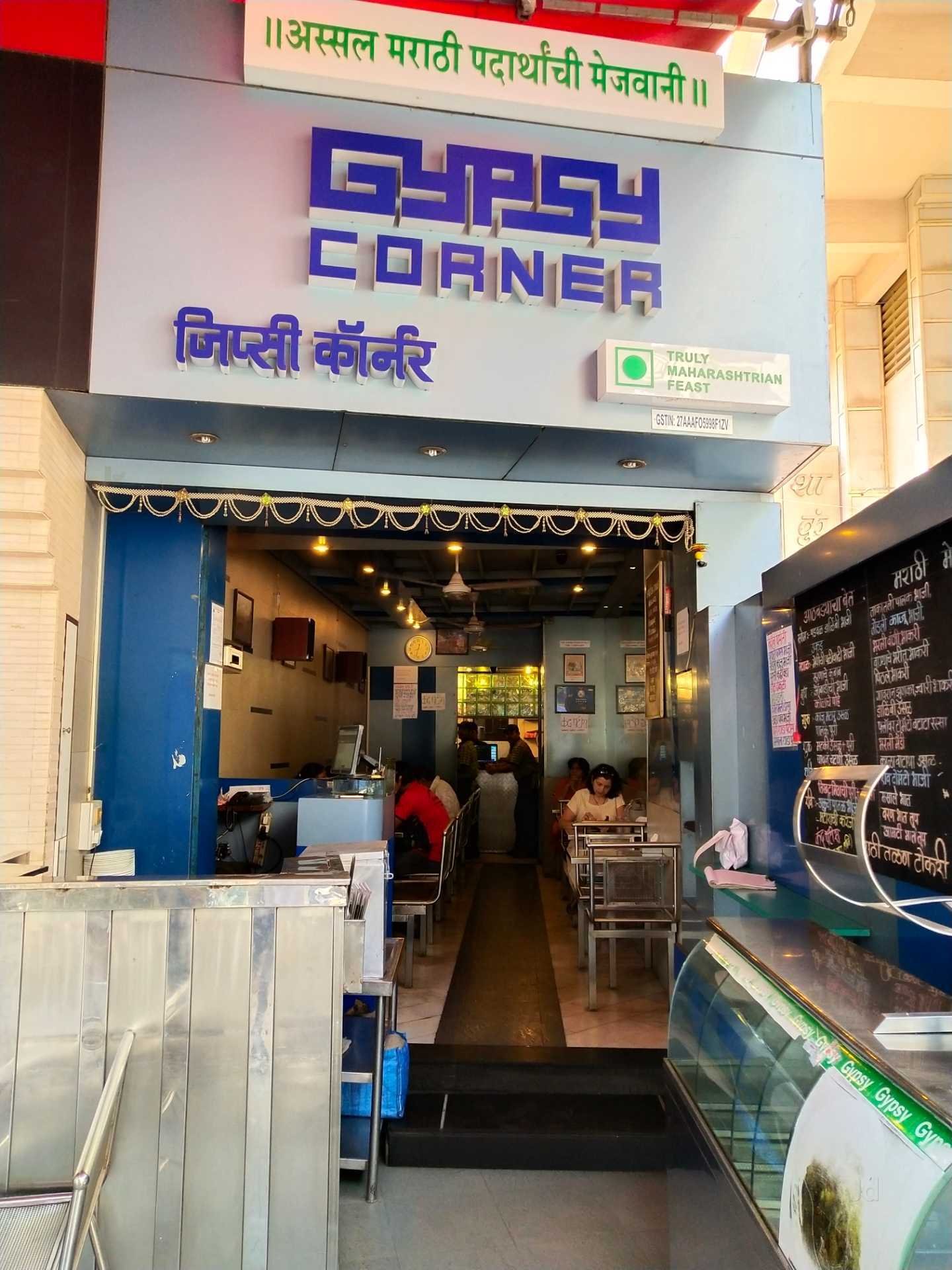
Gypsy CORNER operates out of Dadar West's Shivaji Park neighbourhood, a part of Mumbai where the city's older food culture runs closer to the street than to the restaurant. Positioned opposite Shiv Sena Bhavan on Keluskar Road, it draws from a locality with deep roots in Maharashtrian everyday cooking rather than the curated, chef-driven circuit that dominates South Mumbai and Bandra.

Pearl is the En Primeur Club membership app — saves, bookings, and concierge access live there. Same editors, same standards.
- Address
- Maryland Corner,Dadar, 121, Keluskar Rd, opposite Shiv Sena Bhavan, Dadar West, Shivaji Park, Mumbai, Maharashtra 400028, India
- Phone
- +91 22 2445 5965
- Website
- gypsyrestaurant.in
- Directions
- Get directions
Where Dadar West Eats: The Neighbourhood Before the Restaurant
Shivaji Park in Dadar West occupies a distinct position in Mumbai's food geography. While the city's contemporary dining conversation tends to concentrate south of Mahim Creek or along the Bandra-Kurla axis, this part of the western suburbs has historically operated on its own terms. The neighbourhood around Keluskar Road carries decades of Maharashtrian food culture: the kind built on early-morning vada pav, afternoon thalis, and evening street snacks rather than tasting menus or imported wine lists. It is the sort of area where ingredient sourcing decisions are made not by a procurement team but by whoever is first at the market that morning. Gypsy CORNER sits inside that context, opposite Shiv Sana Bhavan on Keluskar Road, in a part of the city where proximity to local supply chains is not a marketing position but an operational reality.
Mumbai's most-discussed restaurants, among them Masque (Contemporary Indian) and The Table (Contemporary Indian), have built their reputations on formal ingredient sourcing programs: named farms, documented supply chains, seasonal menus adjusted around what arrives. The kitchens operating in Dadar West approach the same underlying logic from a different direction. Supply chains here tend to be shorter, less documented, and more vernacular. That gap between the two approaches is where Gypsy CORNER's neighbourhood context becomes relevant for any reader trying to understand what they are likely to find.
The Ingredient Logic of a Locality-Driven Kitchen
Dadar's wholesale markets, particularly Dadar Flower Market and the produce lanes adjacent to the railway station, form one of the city's oldest civilian supply corridors. What arrives in neighbourhood kitchens in this part of Mumbai reflects Maharashtra's agricultural rhythms more directly than what reaches the cold-chain logistics of a fine-dining operation in Lower Parel. Alphonso mangoes in late spring, fresh turmeric in winter, coastal fish from markets still linked to Koli fishing communities: these are the ingredients that define what cooking in this part of the city has historically meant.
That pattern contrasts with what Mumbai's higher-profile operations have built. The Bombay Canteen (Indian) has formalised Indian regional sourcing into a documented program, while Americano (Indian Fusion) works at the intersection of imported format and local ingredient. Avatara has taken vegetarian sourcing into a fine-dining register entirely. These are operations that have made sourcing a visible, articulable part of their identity. Neighbourhood spots in Dadar operate with the same raw materials but without the editorial layer. What you get is less mediated.
Across India, this tension between vernacular and documented ingredient sourcing is playing out in interesting ways. Farmlore in Bangalore has made hyper-local sourcing the structural premise of its entire format. Naar in Kasauli works with mountain-region produce in ways that are fundamentally different from urban supply chains. Even Kappa Chakka Kandhari in Chennai has built its identity around sourcing from Kerala's interior. The point is not that one approach is superior to the other, but that ingredient proximity shapes what ends up on the plate, regardless of whether anyone has written it into a mission statement.
Dadar West as a Dining Destination: What the Area Offers
Keluskar Road and the surrounding streets of Shivaji Park present a version of Mumbai eating that the city's food press covers less frequently than the Bandra or Colaba corridors. The area's restaurant character leans toward mid-century Maharashtrian establishments, Udupi joints, and the kind of Irani café culture that defines the western suburbs' older social architecture. This is not the territory of twelve-course tasting menus or natural wine lists. It is, instead, a part of the city where the cooking tends to be calibrated around regulars rather than visitors, around familiarity rather than novelty.
That demographic reality matters for anyone planning a visit. The Dadar West food strip is most active around lunch and early evening, aligned with the rhythms of the surrounding residential and commercial neighbourhood rather than the late-sitting dinner culture of South Mumbai. Transport access is a practical advantage: Dadar railway station, one of the city's highest-traffic interchange points, connects both Central and Western railway lines, making the area reachable from most parts of the metropolis without a car. The station is a short walk from Keluskar Road.
For visitors who have been spending time at the restaurant-dense end of Mumbai's food scene, with stops at operations like The Bombay Canteen or exploring the more formal end of the spectrum covered in our full Mumbai restaurants guide, Dadar West offers a different register. The cooking here is less likely to have been shaped by culinary school training or international stage experience and more likely to reflect what the neighbourhood has eaten for decades. Whether that trades as an advantage depends on what you are looking for.
Positioning Within Mumbai's Broader Food Conversation
Mumbai's food culture has developed two largely parallel tracks over the past decade. One runs through the high-visibility operations: Michelin-considered kitchens, 50 Best-adjacent programs, and chef-driven venues with articulated philosophies. The other runs through the city's older neighbourhood eating culture, which is less documented and less travelled by visitors on structured food itineraries. The gap between these two tracks is widening as the first becomes more internationally recognised, even as the second remains Mumbai's daily eating reality for most of its population.
Gypsy CORNER's position on Keluskar Road places it firmly in the second track. Its significance, if it has one, is contextual: it is part of the fabric of a neighbourhood that the city's dining press tends to pass through rather than stop at. For the reader who wants to understand Mumbai eating beyond the venues that make international lists, that neighbourhood context is itself the point.
Comparable in spirit, if not in geography, to operations like Bomras in Anjuna or Dining Tent in Jaisalmer, venues that operate outside metropolitan food circuits but carry real local relevance, Gypsy CORNER exists in the category of places that reward a reader willing to step away from the documented tier. Other Indian operations worth cross-referencing for their neighbourhood-rooted approach include Adaa at Falaknuma Palace in Hyderabad, Leela Kerala Terrace in Trivandrum, Neel in Patiala, Palaash in Yavatmal, and Inja in New Delhi. Each occupies its own tier within India's layered dining structure. At the furthest end of the international spectrum, operations like Le Bernardin in New York City and Lazy Bear in San Francisco illustrate how far the formalisation of sourcing and format can go when a kitchen operates with full documentation and international visibility. The contrast is instructive, not hierarchical.
Planning a Visit
Gypsy CORNER is located at 121, Keluskar Road, opposite Shiv Sena Bhavan, Dadar West, Shivaji Park, Mumbai 400028. Visitors should plan to arrive without a reservation and adjust expectations accordingly for wait times during peak meal periods. For updated information on hours and availability, direct contact with the venue or a check closer to your visit date is advisable.
Frequently asked questions
How do I find Gypsy CORNER?
Gypsy CORNER is located at Maryland Corner,Dadar, 121, Keluskar Rd, opposite Shiv Sena Bhavan, Dadar West, Shivaji Park, Mumbai, Maharashtra 400028, India, Mumbai.
How easy is it to reach Gypsy CORNER by public transport in Mumbai?
Gypsy CORNER is located at 121, Keluskar Road, Dadar West, directly opposite Shiv Sena Bhavan. Dadar station sits at the junction of Mumbai's Western and Central railway lines, making it one of the city's most connected interchange points. From either Bandra or Churchgate, a direct train to Dadar followed by a short walk puts Keluskar Road within straightforward reach.
Do they take walk-ins at Gypsy CORNER?
No booking method — phone or online — is recorded for Gypsy CORNER at 121, Keluskar Road. That absence is consistent with how most neighbourhood spots in Dadar West operate: walk-in, seat yourself, order when ready. Arriving during off-peak hours improves your odds during busy periods around Shivaji Park.
What makes Gypsy CORNER worth seeking out?
Gypsy CORNER sits on Keluskar Road in Dadar West, a part of Mumbai that the city's food press covers far less than Bandra or Lower Parel. The Shivaji Park locality has a distinct eating culture built around daily-market produce and long-standing neighbourhood patronage rather than trend cycles. For anyone tracing how Mumbai actually eats outside its high-visibility corridors, this area makes a legitimate case.
What if I have allergies at Gypsy CORNER?
The practical approach is to raise allergy concerns directly with staff on arrival at 121, Keluskar Road, Dadar West. For severe or complex allergies, visiting in person during a quieter period gives staff the time to advise properly.
Quick Comparison
Comparable options at a glance, pulled from our tracked venues.
| Venue | Cuisine | Price | Awards | Notes |
|---|---|---|---|---|
| Gypsy CORNERThis venue — the venue you are viewing | Authentic Maharashtrian | Not listed | Not listed | Not listed |
| O Pedro | Modern Goan-Portuguese | $30–50 | Not listed | Goan |
| Ziya | Modern Indian Fine Dining | $50–100 | La Liste Top Restaurants | Indian |
| Masque | Modern Indian Tasting Menu | $100–150 | World's 50 Best #15 · La Liste Top Restaurants | Contemporary Indian |
| The Bombay Canteen | Modern Regional Indian | $30–50 | World's 50 Best #91 · La Liste Top Restaurants | Indian |
| Indigo | Modern Italian Deli | $30–50 | Not listed | Indian |
Details
- Cozy
- Casual
- Casual Hangout
- Family
- A La Carte
- Vegetarian Friendly
- Vegan Options
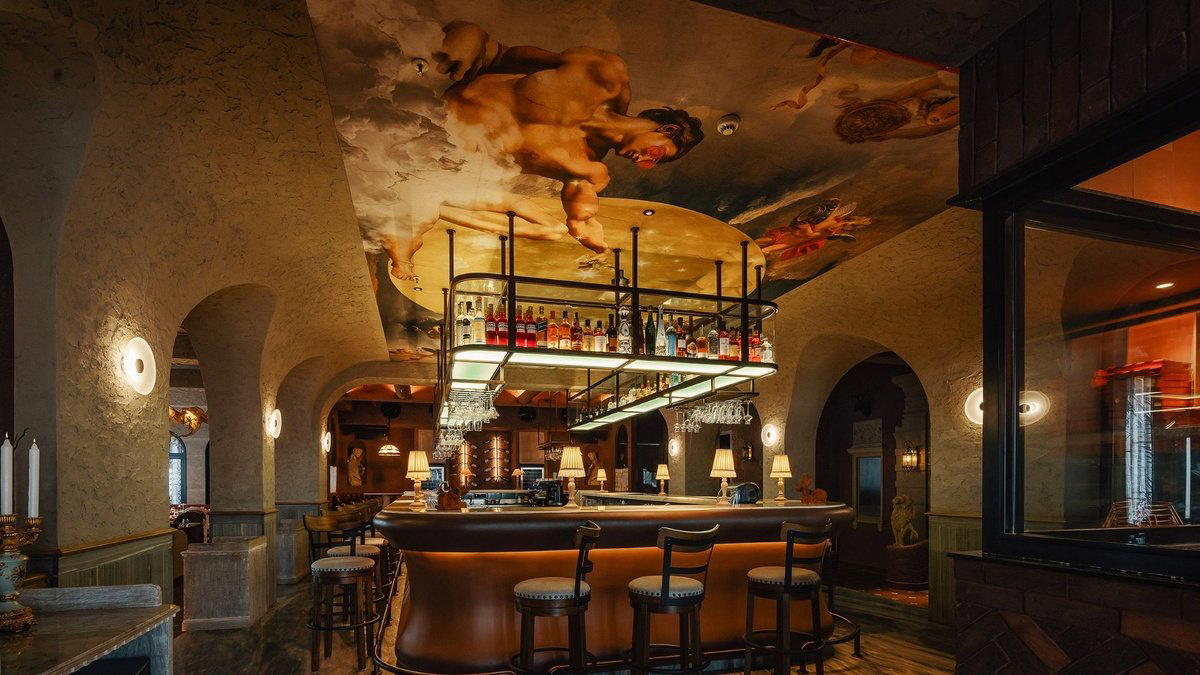
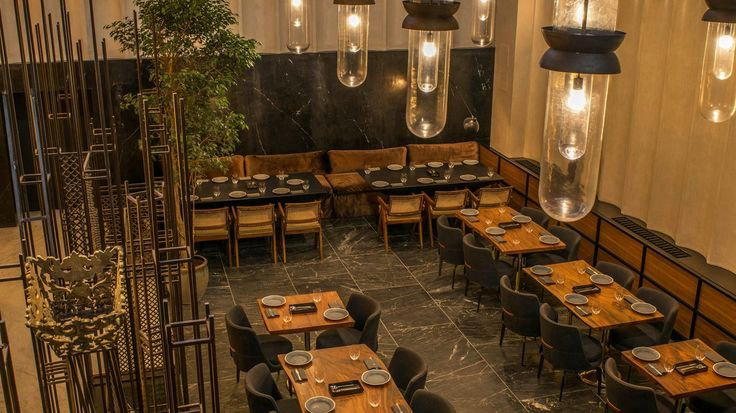
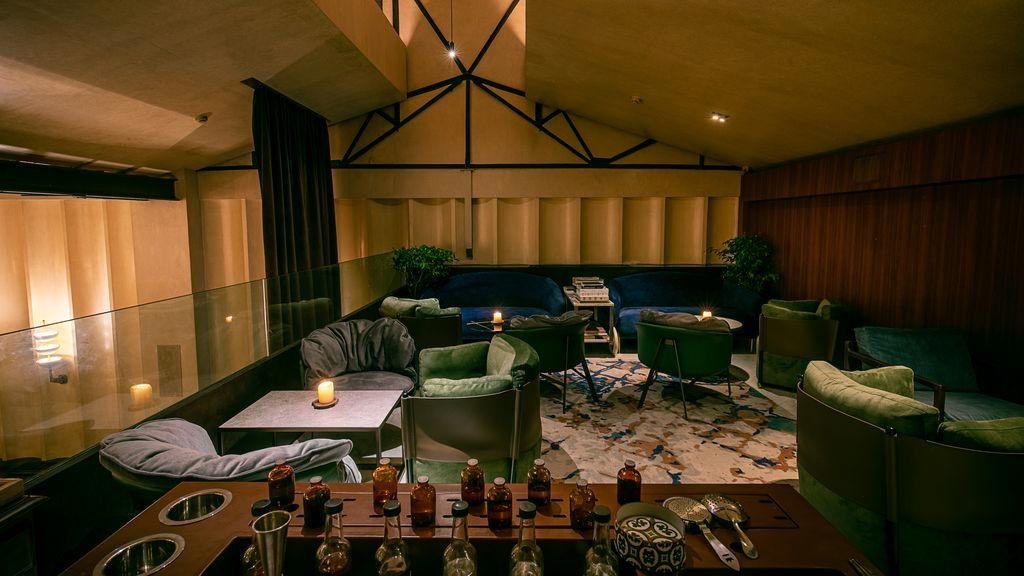
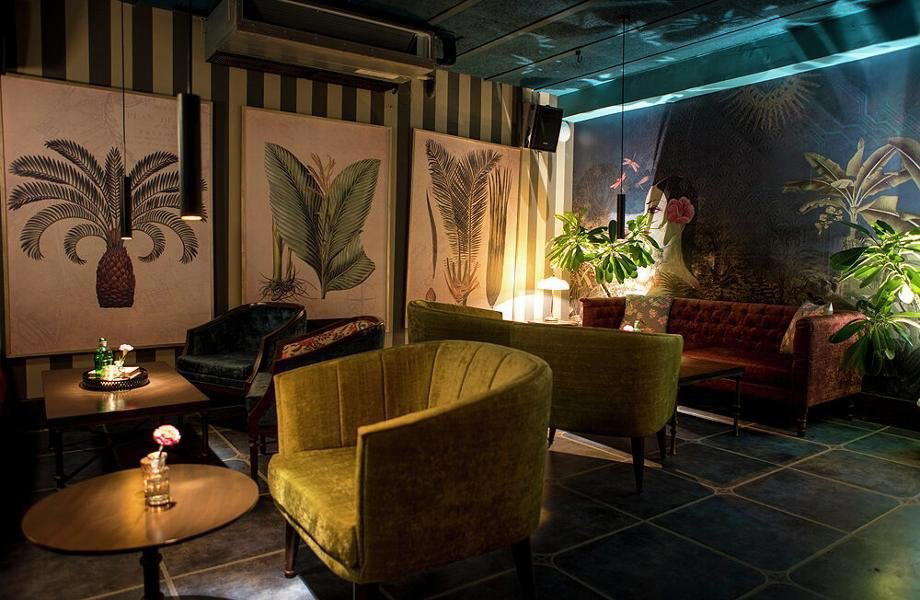
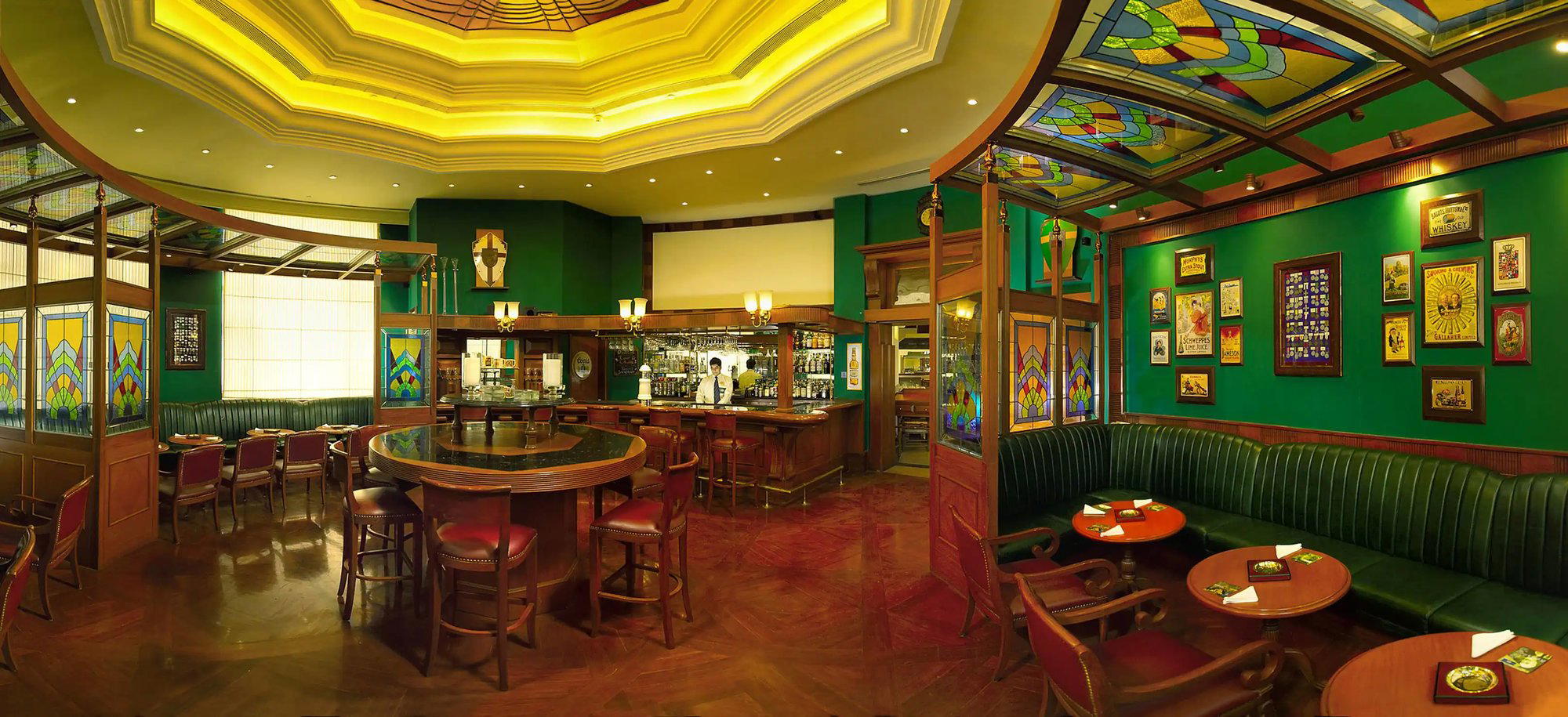
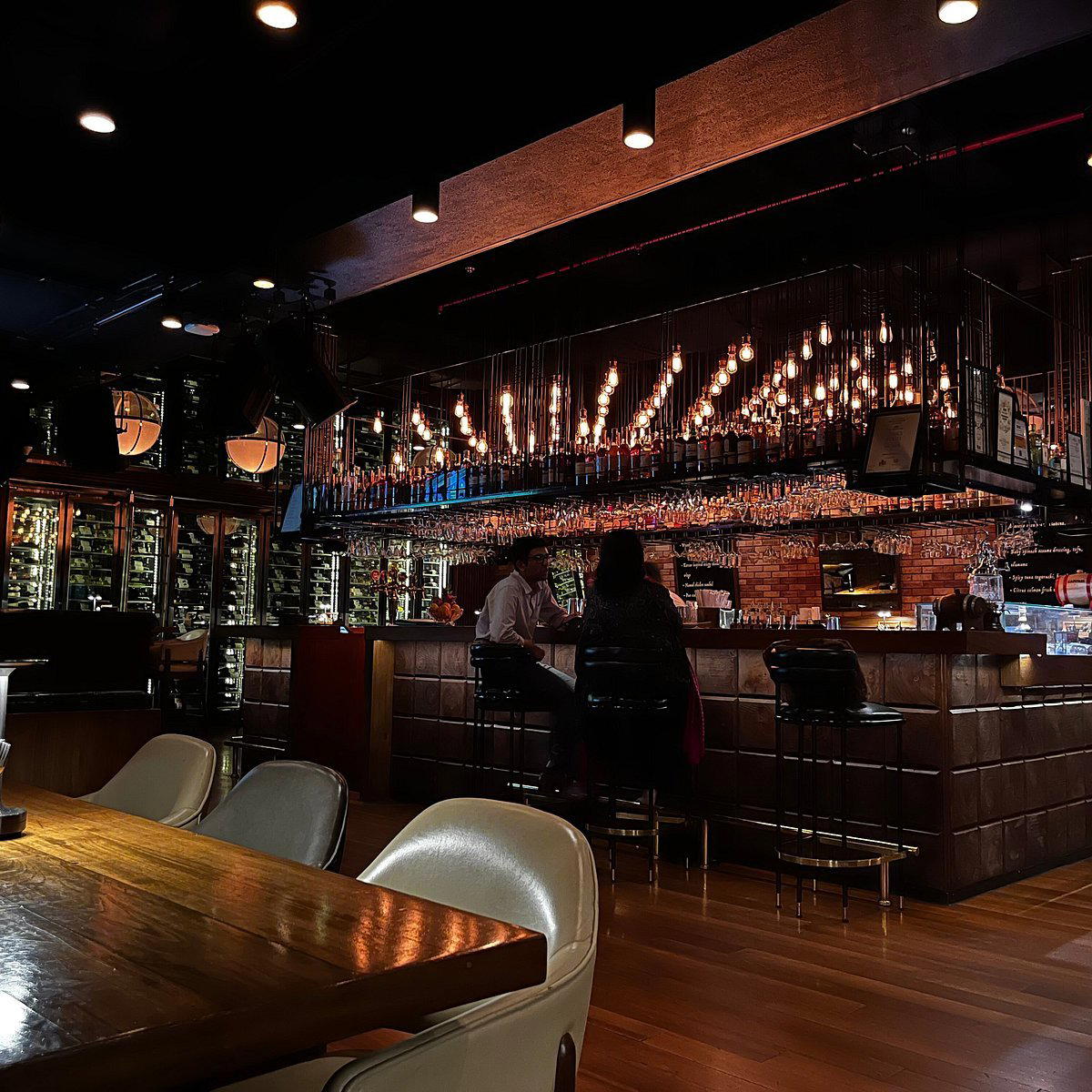
Casual, cozy neighborhood eatery serving comforting home-cooked meals.