
Pore Pore belongs to Sapporo’s soup curry culture at its practical, neighborhood-driven end: casual, curry-focused, and recognized by Tabelog Curry EAST 100 in 2019, 2020, 2023, and 2024. Its menu architecture links soup curry with Southeast Asian and cafe cues, giving it a broader register than a single-style curry counter.
Pearl is the En Primeur Club membership app — saves, bookings, and concierge access live there. Same editors, same standards.
- Address
- 北海道札幌市白石区栄通17丁目1-26
- Phone
- +81118510086
 Saves & bookings on Pearl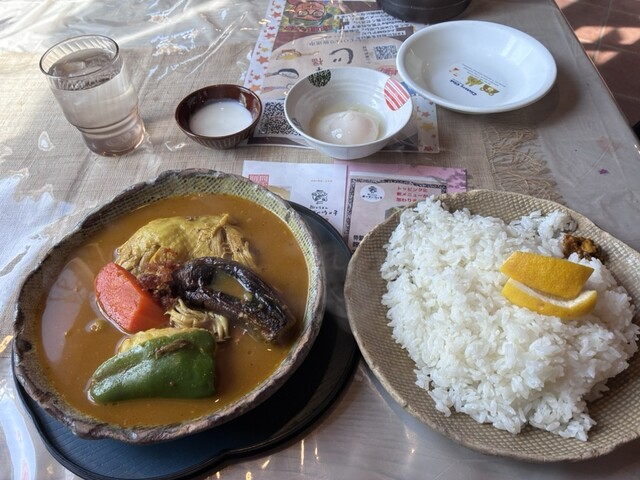
Approaching a Sapporo soup curry room, the first cue is rarely formality. The genre grew around warmth, spice, and repeat local use rather than ceremony, and that shapes how a place like Pore Pore should be read. This is not the city’s sushi-counter grammar, nor the ramen-shop tempo that defines another side of Hokkaido dining. It sits in a house-restaurant format, where curry is the anchor and the room’s scale keeps the experience closer to a neighborhood table than a destination dining room.
Sapporo’s soup curry scene has long rewarded specialization. The city’s diners understand the difference between a curry built for rice-plate comfort and one structured around broth, spice, vegetable volume, and modular choice. Pore Pore’s categories, soup curry, Southeast Asian, and cafe, place it in the part of the field where the menu can stretch beyond a narrow curry-shop template without leaving curry behind. Its repeated selection for Tabelog Curry EAST 100 in 2019, 2020, 2023, and 2024 gives that format a public marker beyond local habit.
Soup curry with a cafe register, not a formal tasting format
The useful way to understand the menu is as architecture rather than inventory. Soup curry is the main frame: a broth-led curry tradition associated strongly with Sapporo, built around spice level, protein or vegetable choice, and rice as a companion rather than a base. The Southeast Asian tag suggests a wider spice vocabulary, while the cafe category points to a more relaxed service rhythm than the city’s counters built around speed or chef-led progression. That combination matters because it tells travelers what not to expect: no dégustation logic, no omakase hierarchy, no grand-room pacing.
Within Sapporo, this positions Pore Pore alongside a practical curry tier rather than luxury dining. Ichimonji Curry Ten and Curry Kibun sit in a similar accessible bracket, while Yoshoku Konoyoshi Kiyotaku kitano ten moves partly into Western-style Japanese comfort cooking at a higher dinner band. Twilight and Ramen Shinwa show how broad Sapporo’s low-to-mid price dining can be, from curry to ramen, but soup curry carries a different local identity: it is more customizable, more vegetable-forward by convention, and less bound to a single bowl-and-noodle rhythm.
That distinction is useful for visitors building a Sapporo itinerary. Ramen may be the city’s default shorthand, especially in winter, but soup curry has become one of its clearest everyday signatures. The format handles cold weather without needing heaviness, and it gives the table more choice than many single-specialty counters. The restaurant’s recognition in the Curry EAST 100 list places it inside a broader eastern Japan curry conversation, yet its relevance is specifically Sapporo: this is a city where curry broth, rice, spice, and casual repetition form a local dining language.
Why the room and format matter in Shiroishi
Shiroishi does not carry the same visitor shorthand as Susukino or the station-side hotel zones, which is part of the editorial point. Sapporo’s strongest casual eating is not confined to nightlife blocks. A house-restaurant setting changes expectations: the appeal is not spectacle, but a room scaled for locals, families, and friends, with curry doing the work that a tasting menu might do elsewhere. The format also explains why the restaurant’s recognition carries weight; Tabelog’s Curry 100 selection is competitive precisely because it spans low-key rooms as well as more visible urban addresses.
The practical character is part of the cuisine’s culture. Soup curry restaurants are often judged on repeatability: whether the menu structure lets diners return, change spice or composition, and still understand the house style. The presence of take-out also fits that pattern, aligning the restaurant with everyday use rather than special-occasion performance. For travelers, that makes the stop more useful as a calibrated lunch or early dinner choice than as a night built around courses, pairings, and a long reservation arc.
The Sapporo map around the restaurant can be read through nearby category contrasts. For noodle heat and sesame-chile intensity, 175°DENO Tantanmen Sapporo kitaguchi ten points to a different comfort-food grammar. For curry comparison, [Curry Senmon Ten] Maruyama Kyoju., Ajanta Indo Curry Ten, and Ajanta Sohonke help show how varied the city’s curry culture can be, from specialist shops to Indian-influenced lineages. Aigues Vives belongs to another register altogether, useful for travelers pairing casual curry with Sapporo’s broader food range.
How to place it in a Sapporo food itinerary
The restaurant makes sense when the day calls for a specific local genre rather than a prestige meal. The Tabelog score of 3.61 and repeated Curry EAST 100 selections give it credible external footing, but the stronger argument is structural: it represents the part of Sapporo dining where modest price, neighborhood setting, and a focused curry identity meet. That is a valuable counterweight to hotel dining, seafood counters, and ramen circuits.
For planning, treat it as a soup curry stop with local recognition and a casual operating style. The restaurant’s family-friendly positioning and table-based room make it more flexible than counter-only formats, while the absence of private rooms keeps expectations grounded. Payment and opening patterns in Japan can be specific at small restaurants, so the structured details should be checked before making the trip across town.
For the wider city edit, start with Our full Sapporo restaurants guide, then build around lodging, drinking, and side trips through Our full Sapporo hotels guide, Our full Sapporo bars guide, Our full Sapporo wineries guide, and Our full Sapporo experiences guide. Travelers extending beyond Hokkaido can compare other casual and specialist formats through -Grilled beef Sukiyaki- KAMAKURA TANUKIAN 鎌倉 たぬき庵 in Kamakura. 鮪と炭火焼き うお炭 秋葉原店 in Tokyo.cafe in Osaka.know in Kumamoto, (Shoku) Vietnam in Kawasaki, [ki:] in Kyoto, Jōdo Saké Bar in Los Angeles, and Onigiri Time in Pasadena.
Similar Picks
Comparable venues for orientation by cuisine and category.
| Venue | Cuisine | Price | Notes |
|---|---|---|---|
| Pore PoreThis venue — the venue you are viewing | Sapporo soup curry | $ | Not listed |
| Spice&mill | Japanese Soup Curry | $ | Shiroishi |
| Menya Takahashi | Tsukemen & ramen shop | $ | Toyohira |
| Menya 169 | Modern Japanese Ramen | $ | Chūō |
| Hokkaido Meibutsu La-men Ebi Soba Ichigen Souhonten | Hokkaido shrimp ramen (ebisoba) | $ | Chūō |
| Ame wa, Yasashiku | Modern Sapporo Ramen | $ | Shiroishi |
Recognition history
Dated appearances from independent guides and award organizations, with the underlying list record or original source where available.
Tabelog 100 #12 · No. 12
Tabelog · Tabelog 100 - Curry - EAST - 2024




At a Glance
- Cozy
- Classic
- Casual Hangout
- Family
- Solo
- Group Dining
- After Work
- Standalone
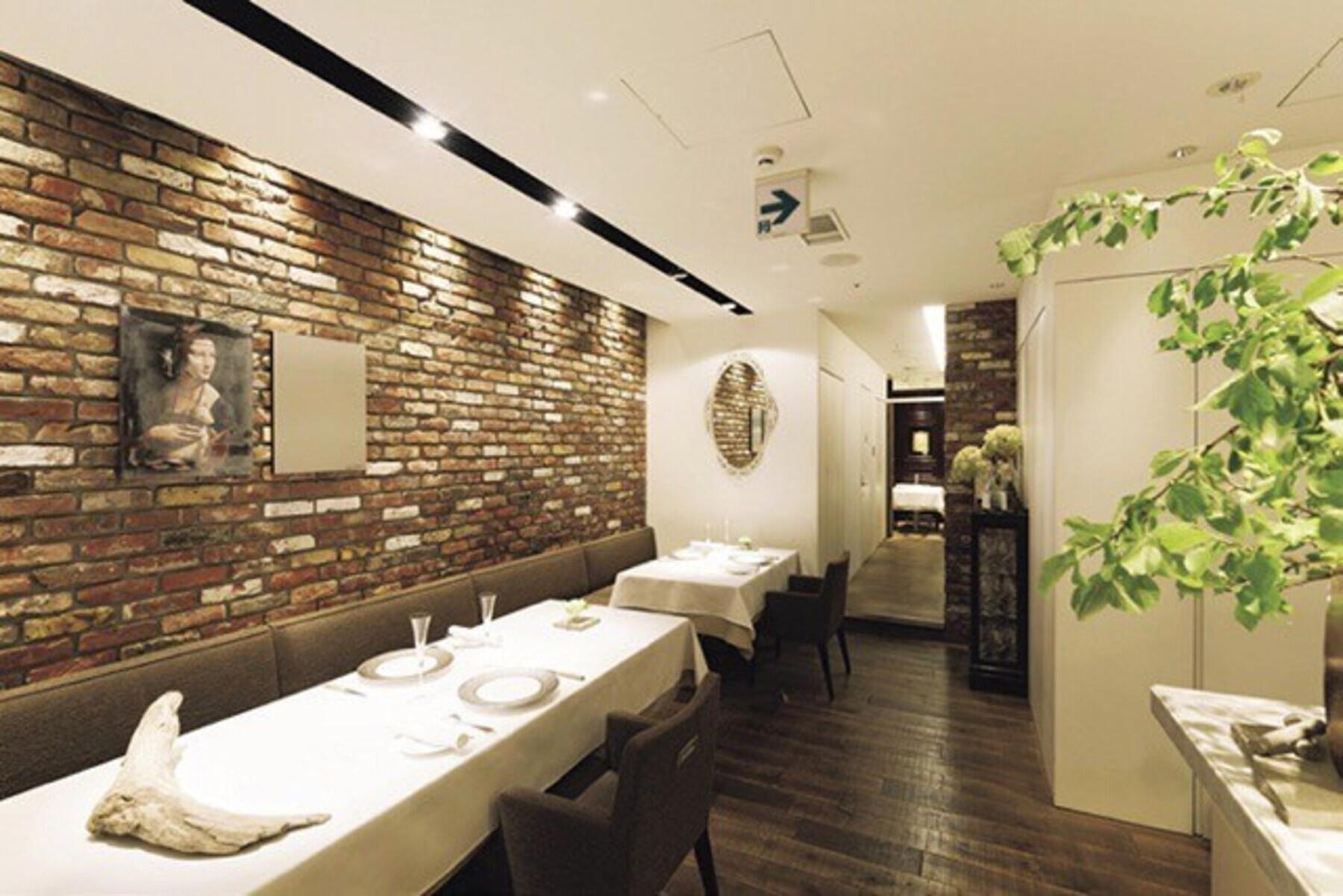
Warm and unpretentious, with the feel of a neighborhood curry shop: simple decor, close-set tables, and a relaxed pace that encourages lingering over a bowl of rich soup curry.