
Ame wa, Yasashiku sits in Sapporo’s serious ramen conversation through a compact Shiroishi format, a ramen and tsukemen focus, and selection for Tabelog Ramen HOKKAIDO 100 in 2024 and 2025. The draw is not luxury theatre but planning discipline: a small room, no reservations, and a local audience that treats ramen as a precise, queue-worthy meal rather than a casual fallback.
Pearl is the En Primeur Club membership app — saves, bookings, and concierge access live there. Same editors, same standards.
- Address
- Japan, 〒003-0824 Hokkaido, Sapporo, Shiroishi Ward, Kikusui Motomachi 4 Jo, 2 Chome−1−7 古川ビル 1F
- Phone
- +81 11-871-3922
- Website
- instagram.com
 Saves & bookings on Pearl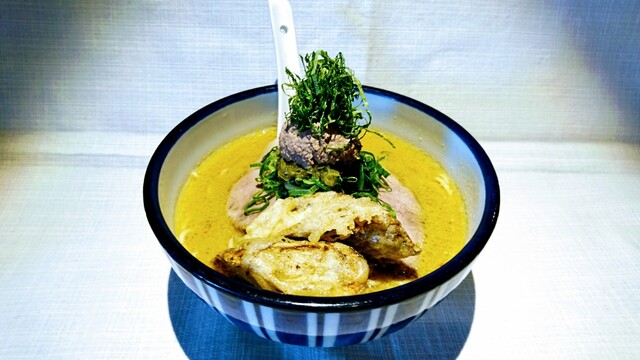
Shiroishi does not announce itself with the downtown polish of Sapporo Station or Susukino. The appeal is more workaday: low-rise blocks, local traffic, and ramen rooms where the queue is often the first piece of evidence. In that setting, Ame wa, Yasashiku belongs to a Sapporo category that rewards intent. This is ramen as a planned stop, not a convenience bowl between sightseeing appointments.
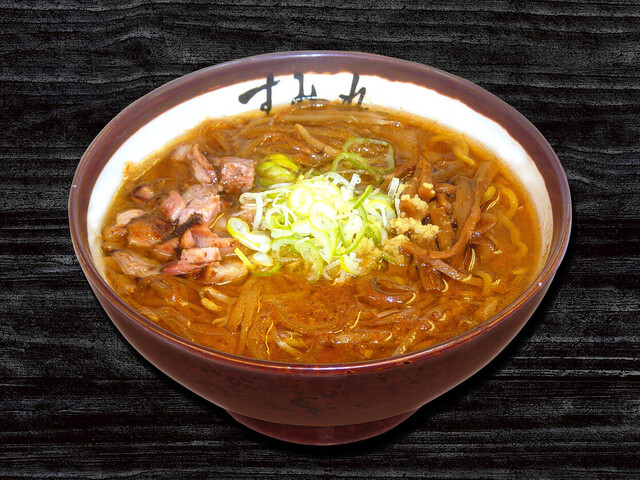
Sapporo’s noodle culture is often flattened into miso ramen shorthand, but the city is broader than that. The current scene runs from heavy soup-curry adjacency to tantanmen specialists, chicken paitan counters, tsukemen rooms, and shops that use seafood-driven broths with a level of detail that rarely fits the tourist postcard. Ame wa, Yasashiku is listed for ramen and tsukemen, and its public description points to white liver niboshi ramen with a shift from light to rich. That is a useful signal: this is a shop working inside the city’s ramen grammar while pushing beyond the standard butter-corn caricature outsiders still attach to Sapporo.
Shiroishi ramen with award pressure and no reservation cushion
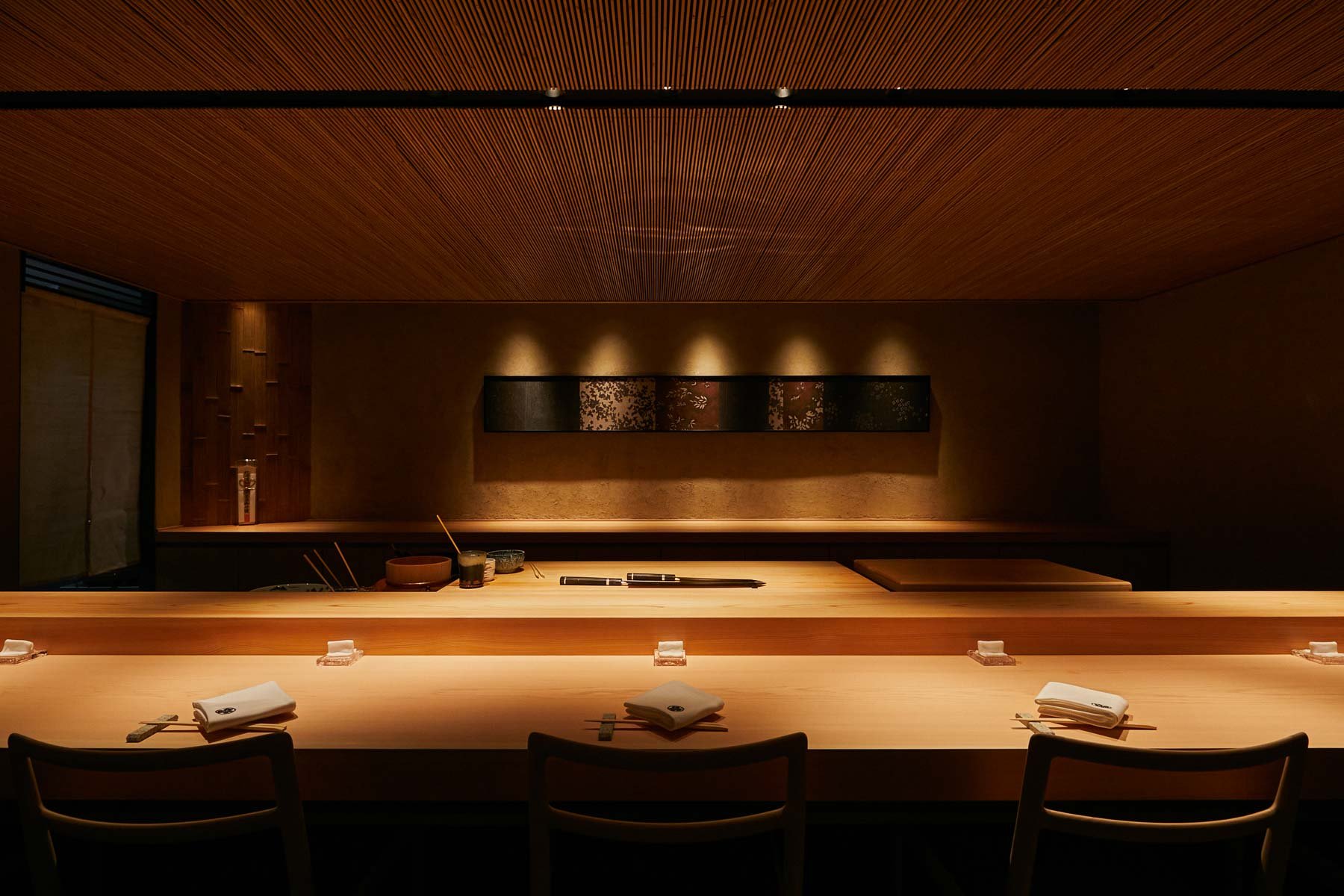
The booking experience here is defined by absence. Reservations are unavailable, which changes the meal from a calendar booking into a timing decision. In a 14-seat room, that matters. A seven-seat counter and two four-person tables create the kind of turnover rhythm common to serious ramen shops: diners arrive with purpose, eat with focus, and free the seat for the next party. For travelers used to dining rooms that absorb lateness, this format is less forgiving.
The trust signal is clear. Ame wa, Yasashiku was selected for Tabelog Ramen HOKKAIDO 100 in both 2024 and 2025, and carries a Tabelog score of 3.69. In Japan’s user-review culture, a score in that range for a specialist ramen shop is not casual noise; it places the restaurant inside a competitive regional field where repeat local judgment matters. The list placement should be read as curation rather than a global trophy, but within Hokkaido ramen it is a meaningful marker.
That context also explains why the practical experience can feel more demanding than the price tier suggests. Ramen at this level often remains financially accessible while becoming logistically competitive. The gap between cost and effort is part of the Japanese ramen paradox: a bowl can sit in a modest price band and still require planning because the room is small, the operating rhythm is narrow, and the local following is committed.
Why Sapporo's serious bowls increasingly sit outside the obvious tourist loop
The Sapporo visitor circuit tends to concentrate around station hotels, Susukino drinking, seafood markets, and snow-season landmarks. Ramen specialists outside that orbit ask for a different kind of itinerary. Shiroishi is not remote, but it is not the default first-night dining zone either. That distance from the hotel-heavy core filters the audience. The room is more likely to suit solo diners, small groups, and families prepared for a compact specialist format than travelers seeking a long, lingering dinner.
Within Sapporo, this is also where comparisons become useful. Menya Ozawa sits in a similar sub-¥1,000 ramen price conversation, while Toripaitan Soba Yuu moves in a slightly higher listed band around JPY 1,000 to JPY 1,999. The soup-curry side of the city, represented in the comparison field by Ka~ru Ma~ru, Asian N Soup Curry Besu, and Spice Pot Kikusui honten, works at a different tempo and often a different meal structure. The restaurant is better understood against noodle peers than against the broader Hokkaido comfort-food category.
For readers mapping a fuller Sapporo eating day, the city’s range matters. Tantanmen specialists such as 175°DENO Tantanmen Sapporo kitaguchi ten show the Chinese-Japanese heat-and-sesame branch of the noodle scene, while curry addresses like [Curry Senmon Ten] Maruyama Kyoju., Ajanta Indo Curry Ten, and Ajanta Sohonke underline how Hokkaido comfort food extends beyond ramen. Aigues Vives points in another direction again, toward the region’s bakery and coastal-day-trip appeal.
The reader decision: plan for the seat, not the ceremony
The restaurant is not a chef-biography restaurant. No public chef narrative is needed to understand its position. The evidence is structural: a small ramen-and-tsukemen shop, no reservation system, repeat selection on a Hokkaido ramen list, and a format that compresses the entire experience into timing, seat availability, and the bowl itself. That is enough to place it in the Sapporo conversation.
The better expectation is precision without ceremony. Counter seating gives solo diners a natural place in the room, while the two tables make the shop workable for small groups and families. The family-friendly listing, children welcome policy, kids menu availability, and stroller acceptance are notable in a category that can skew cramped and adult-focused. Non-smoking status also matters in Japan’s older casual-dining culture, where comfort can vary sharply from shop to shop.
Payment is part of the planning culture. Cash remains the relevant assumption because cards, electronic money, and QR payments are not accepted. Parking is also part of the equation, with eight spaces listed, including three in front and five elsewhere. Those details shift the audience slightly: this is not only a train-and-walk ramen run, but also a local car-access meal, which fits the Shiroishi setting.
Use the city around it rather than treating the stop as an isolated trophy. Our full Sapporo restaurants guide gives the broader dining frame, while Our full Sapporo hotels guide, Our full Sapporo bars guide, Our full Sapporo wineries guide, and Our full Sapporo experiences guide help place the meal inside a wider itinerary. For readers following Japanese dining beyond Hokkaido, the archive moves from -Grilled beef Sukiyaki- KAMAKURA TANUKIAN 鎌倉 たぬき庵 in Kamakura and. 鮪と炭火焼き うお炭 秋葉原店 in Tokyo to.cafe in Osaka.know in Kumamoto, (Shoku) Vietnam in Kawasaki, and [ki:] in Kyoto. The wider Japanese-food diaspora appears through Jōdo Saké Bar in Los Angeles and Onigiri Time in Pasadena, but Sapporo’s ramen logic remains its own: small rooms, tight timing, and local scrutiny expressed bowl by bowl.
Cuisine and Recognition
Comparable venues at similar price and category levels.
| Venue | Cuisine | Price | Notes |
|---|---|---|---|
| Ame wa, YasashikuThis venue — the venue you are viewing | Modern Sapporo Ramen | $ | Not listed |
| Ramenya Kirita Seimen | Sapporo Ramen Counter | $ | Chūō |
| Twilight | Yoshoku (Japanese-style Western cuisine) | $ | Kiyota |
| Ajanta Indo Curry Ten | Japanese-Indian Curry / Soup Curry | $ | Chūō |
| Kokumin Shokudo | Japanese Ramen | $ | Kita |
| Sapporo Menya Mitsuba | Sapporo-style ramen shop | $ | Nishi |
Recognition history
Dated appearances from independent guides and award organizations, with the underlying list record or original source where available.
Tabelog 100 #7 · No. 7
Tabelog · Tabelog 100 - Ramen - HOKKAIDO - 2025
At a Glance
- Cozy
- Trendy
- Modern
- Solo
- Casual Hangout
- Late Night
- Family
- Standalone
- Design Destination
Current opening hours
- Monday
- Closed
- Tuesday
- 11 AM–3 PM, 6–8 PM
- Wednesday
- 11 AM–3 PM, 6–8 PM
- Thursday
- 11 AM–3 PM, 6–8 PM
- Friday
- Closed
- Saturday
- 11 AM–3 PM, 6–8 PM
- Sunday
- 11 AM–3 PM
Hours can change for holidays and private events. Last verified .
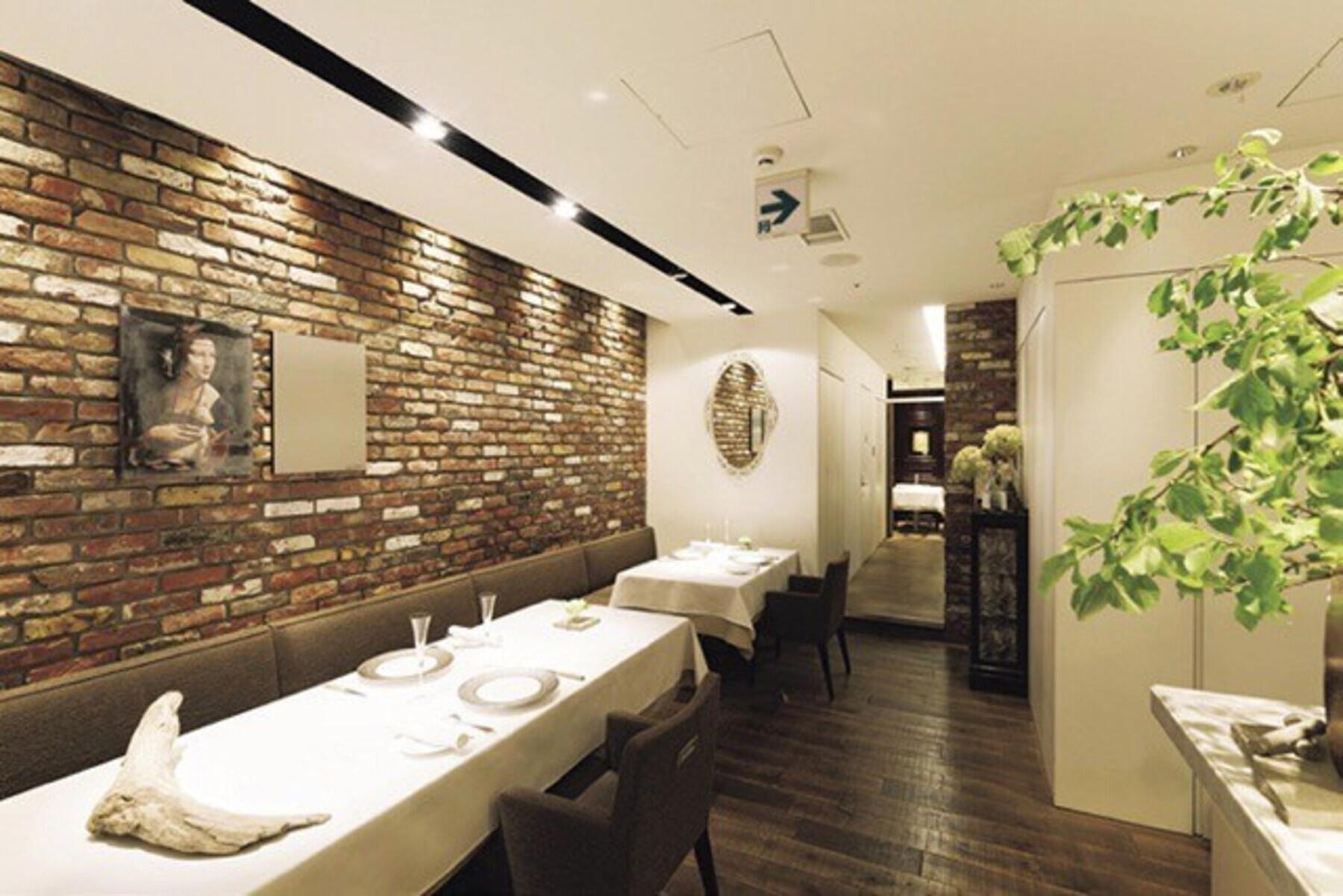
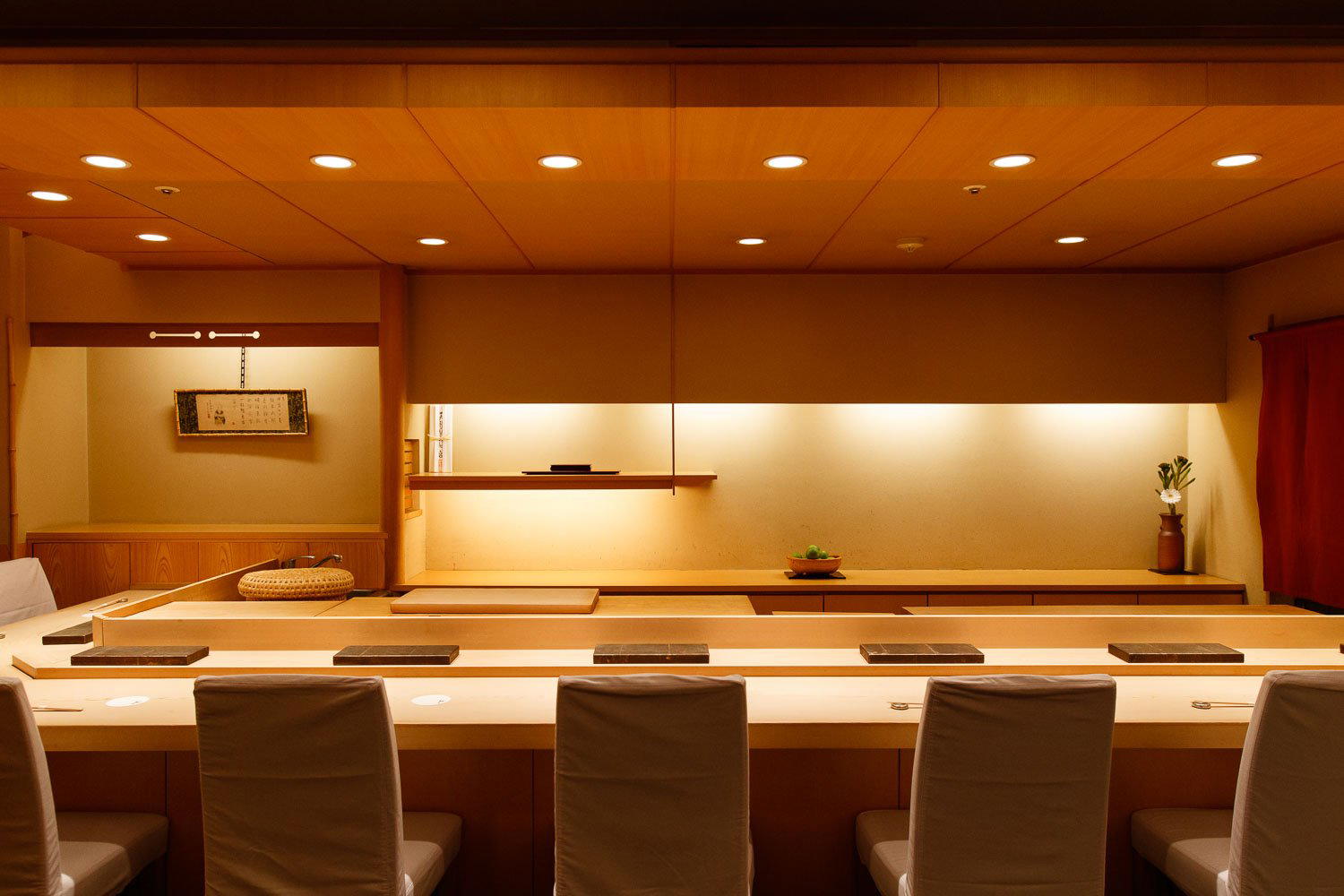
A compact, clean ramen shop with counter and a couple of small tables, warm lighting, and a relaxed neighborhood feel; it often has a line, but the atmosphere inside is calm, focused on the ramen rather than bustle.