Poondang Kaengron

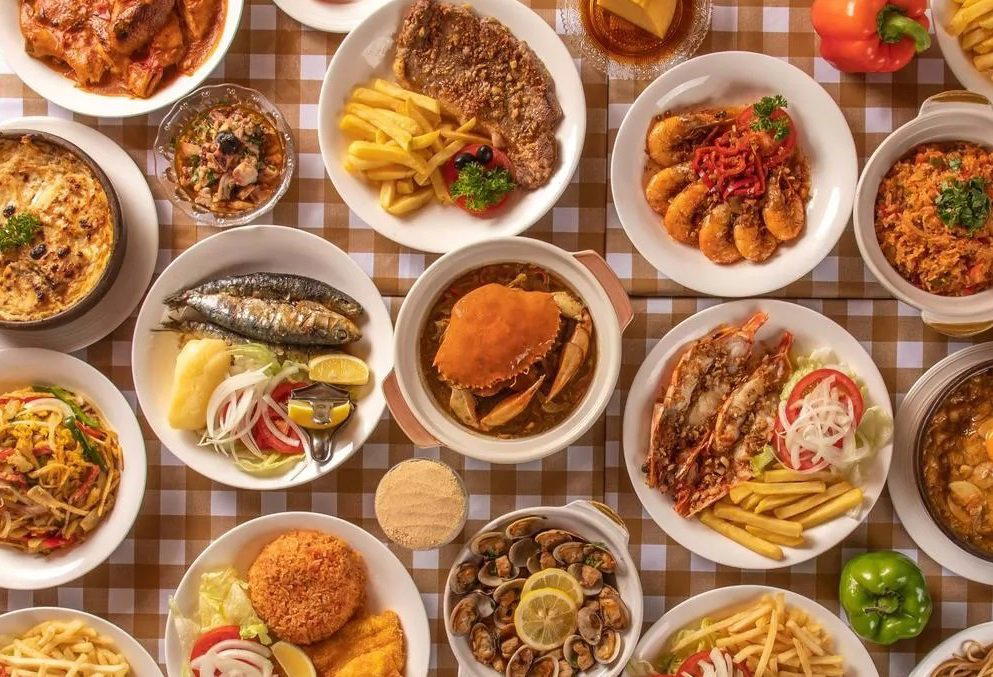
A clay-pot Thai kitchen in a wooden house on the edge of Saraphi District, Poondang Kaengron serves shareable plates rooted in central Thai cooking with Northern inflections. The room is deliberately unfussy, textured walls, rustic furnishings, unhurried service, and the menu rewards those who order broadly. The fried tiny shrimp with chilli and salt is the dish that earns repeat visits.
Pearl is the En Primeur Club membership app — saves, bookings, and concierge access live there. Same editors, same standards.
- Address
- 24 หมู่ที่ 2 Tambon Pa Bong, Saraphi District, Chiang Mai 50140, Thailand
- Phone
- +66 80 287 1666
- Website
- facebook.com
 Saves & bookings on Pearl
A Wooden House on the Edge of Saraphi
Chiang Mai's dining scene divides neatly between two gravitational pulls: the dense concentration of restaurants inside and just outside the Old City moat, and the quieter, more residential kitchens that sit further out in districts like Saraphi. Poondang Kaengron belongs to the second category. The address, Tambon Pa Bong, Saraphi District, places it beyond the usual tourist circuit, in the kind of neighbourhood where the clientele arrives by motorbike and the parking lot fills with regulars rather than hotel concierge referrals.
The physical setting does much of the framing before you order a thing. The wooden house carries the weathered, warm-toned character of older Thai domestic architecture: clay pots arranged with casual purpose, walls with visible texture, furnishings that suggest long use rather than careful curation. This is a room designed around comfort and ease, not around an aesthetic brief. In a city where heritage-house dining can tip into self-conscious styling, think polished teak and theatrical lighting, Poondang Kaengron reads as the real article: a functional, welcoming space that happens to look good because nobody tried to make it look good.
The Menu: Central Thai Logic with Northern Inflections
Northern Thai cooking has a distinct identity, milder curries, fermented flavours, sticky rice as the default carbohydrate, dishes like khao soi and sai oua that belong almost exclusively to this latitude. But Chiang Mai's everyday restaurant scene has always sat on a spectrum between pure Northern tradition and the broader central Thai repertoire that most Thais across the country grow up eating. Poondang Kaengron occupies that middle ground: a menu of Thai dishes with a few Northern touches, built around stir-fried and deep-fried preparations rather than the slow-cooked curry formats more common in destination Northern Thai restaurants.
That orientation toward wok work matters in terms of what the kitchen does well. Stir-frying and deep-frying demand precise heat management, quick timing, and reliable sourcing, you cannot hide average ingredients behind a long simmer. The food here works because the ingredients are taken seriously and the technique is applied with consistency, not because the menu chases novelty or regional purity.
The fried tiny shrimp with chilli and salt is the dish that earns greater attention, and for reasons that hold up under scrutiny. The preparation is structurally simple, small shrimp fried to a light crisp, seasoned with chilli and salt, but the execution requires confidence in the fry temperature and restraint in the seasoning. The result is dry rather than oily, spiced rather than hot, and more-ish in the way that well-calibrated snacking food always is. It functions as both an opener and a table anchor, the kind of dish that gets ordered again without discussion. Dishes of this type, technically modest but texturally precise, appear across Thai regional cooking from Sorn in Bangkok to AKKEE in Pak Kret, though in those contexts they sit inside tightly composed tasting formats. Here, the format is the opposite: arrive, order broadly, share.
How the Room Operates
The kitchen, service, and front of house work in a relaxed rhythm here. At a counter-format restaurant like Le Bernardin in New York City or Atomix in New York City, the team dynamic is staged and visible: choreographed service, timed courses, synchronized communication between pass and floor. At the restaurant, the dynamic is different in character but not in importance. The room works because the kitchen produces food at a pace that matches a relaxed table rhythm, because portions are calibrated for sharing rather than individual plating, and because the service operates without pressure or theatre.
That low-friction quality is not accidental. The down-to-earth feel described by regular visitors reflects a deliberate calibration of hospitality, the sense that the team is comfortable with the pace and the format, not performing ease but actually at ease. Among the Northern Thai and broader Thai restaurant options in Chiang Mai, from Baan Landai and Baan Suan Mae Rim to more casual formats like Aunt Aoy Kitchen, the restaurant sits at the informal, neighbourhood end of the spectrum, closer in atmosphere to a local favourite than a destination dining exercise.
Where It Sits in the Chiang Mai Price Tier
The restaurant fits a ฿฿ context, above street-food pricing but below tasting-menu territory. The restaurant's positioning at the southern end of Saraphi District, combined with its wooden-house setting and quality-ingredient approach, suggests a ฿฿ context: above street-food pricing but not in the range of curated tasting menus or heritage-house destination restaurants.
That positioning makes the value calculus relatively clear. For the price of a mid-tier restaurant meal, you get quality ingredients, generous shareable portions, and a physical setting that most formal restaurants would spend significant design budget trying to replicate. The comparison holds even against well-regarded mid-range Thai spots elsewhere in the region: PRU in Phuket and Angeum in Phra Nakhon Si Ayutthaya operate in similar value-for-context territory, though with different culinary ambitions.
Planning the Visit
The restaurant's location in Saraphi District means transport planning matters more than it would for a central Chiang Mai address. A ride-hailing app or private songthaew is the practical solution from the Old City or Nimman area; the address at 24 หมู่ที่ 2, Tambon Pa Bong, Saraphi District is specific enough to enter directly into navigation. Walk-ins are one reliable approach, and the informal nature of the room suits that format. Arriving early in the evening service is advisable if you prefer to avoid a wait, as the local following for this kind of neighbourhood kitchen tends to cluster around standard dinner hours.
For Thai cooking at the opposite end of the formality spectrum, tasting-menu or chef-table formats, Agave in Ubon Ratchathani and The Spa in Lamai Beach illustrate how different the category can look when the format shifts entirely.
Cuisine Lens
Comparable venues nearby, for context on price, style, and recognition.
| Venue | Cuisine | Price | Awards | Notes |
|---|---|---|---|---|
| Poondang KaengronThis venue — the venue you are viewing | Northern-influenced Thai | $$ | Michelin Plate | Not listed |
| Laab Ton Yang (San Phi Suea) | Northern Thai Laap | $$ | Michelin Plate | Mueang Chiang Mai |
| We-La-Dee | Central Thai | $$ | Michelin Plate | San Sai |
| CHAWEE | Northern Thai | $$ | Bib Gourmand | Mueang Chiang Mai |
| Baan Landai (Phra Pok Klao Road) | Refined Pan-Thai Cuisine | $$ | Michelin Plate | Mueang Chiang Mai |
| Kang | Southern Thai, Indonesian & Malaysian Flavors | $$ | Michelin Plate | Mueang Chiang Mai |
Recognition history
Dated appearances from independent guides and award organizations, with the underlying list record or original source where available.
Michelin Plate
Michelin
Continue exploring
More in Chiang Mai
Restaurants in Chiang Mai
Browse all →
Bars in Chiang Mai
Browse all →

At a Glance
- Rustic
- Cozy
- Intimate
- Family
- Casual Hangout
- Standalone
Current opening hours
- Monday
- 10:30 AM–10:30 PM
- Tuesday
- 10:30 AM–10:30 PM
- Wednesday
- 10:30 AM–10:30 PM
- Thursday
- 10:30 AM–10:30 PM
- Friday
- 10:30 AM–10:30 PM
- Saturday
- 10:30 AM–10:30 PM
- Sunday
- 10:30 AM–10:30 PM
Hours can change for holidays and private events. Last verified .
Warm, down-to-earth atmosphere in a cosy old wooden house with clay pots, textured plaster walls, and sturdy rustic furnishings that evoke a welcoming home.