
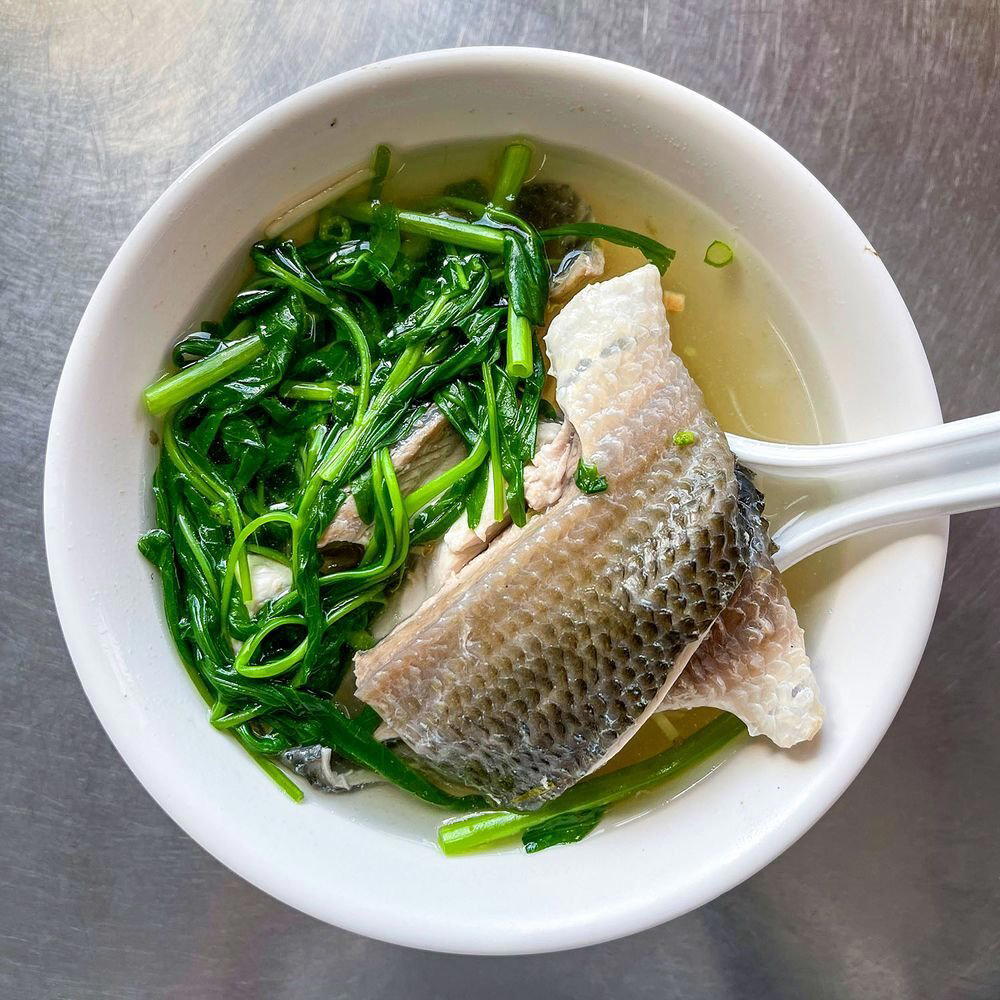
Plum Chang holds a 2024 Michelin Plate in Xinying District, placing it among the recognised Taiwanese restaurants operating outside Tainan's historic centre. The kitchen focuses on Taiwanese cooking in a district better known for its agricultural surroundings than its dining scene.
Pearl is the En Primeur Club membership app — saves, bookings, and concierge access live there. Same editors, same standards.
- Address
- No. 270, Section 2, Xinjin Rd, Xinying District, Tainan City, Taiwan 730
- Phone
- +886 6 656 5828
- Website
- facebook.com
- Directions
- Get directions
 Saves & bookings on Pearl
Where Xinying's Dining Scene Earns Its Recognition
Xinying District sits at the northern edge of Tainan City, a stretch of flat coastal plain where fishing villages and farmland define the character more than temple lanes and night markets. The dining culture here operates on different terms than the historic core: fewer tourists, longer tables, and a clientele that treats lunch and dinner as practical, daily commitments rather than occasions for culinary theatre. Against that backdrop, a Michelin Plate is a significant signal. It places Plum Chang inside a comparable set that most establishments in this part of the city never enter.
The 2024 Michelin Plate designation tells a specific story about how the guide's Taiwan coverage has extended beyond Taipei and the heritage precincts of central Tainan. Since Michelin began evaluating Taiwan in 2018, its footprint has broadened steadily outward, and Plate-level recognition in a district like Xinying reflects an acknowledgement that quality Taiwanese cooking exists at every tier of the price spectrum, not only in chef-driven tasting rooms. Plum Chang operates at the $$ price tier, which positions it in line with Taiwanese mid-range peers such as Amei and Hsin Hsin, well below the three-figure-per-head French Contemporary format at venues like Principe or L'herbe.
What the Numbers Say About Standing
5 drawn from 1,558 reviews is a data point that deserves attention. At that volume, the average is no longer shaped by enthusiasts or detractors alone; it reflects a broad population of diners returning consistently enough to keep both the score and the count moving. For context, few restaurants in mid-sized Taiwanese cities outside Taipei accumulate review counts in that range. The figure suggests Plum Chang functions as a destination within its district, pulling traffic from beyond its immediate neighbourhood rather than serving only a walking-distance clientele.
The combination of Michelin recognition and high-volume public rating is not common at the $$ tier in Taiwan. It tends to appear at restaurants where the kitchen is technically grounded and the pricing is accessible enough to generate repeat visits. That is the competitive logic the restaurant appears to occupy in Xinying: a kitchen producing food that meets a formal critical standard, at prices that make it a regular choice rather than a special-occasion one.
Taiwanese Cooking in Northern Tainan
Tainan's reputation as Taiwan's food capital rests largely on its capacity to maintain older forms of Taiwanese cooking at a high level of execution. The city has more Michelin-recognised restaurants per capita than most Taiwanese cities outside Taipei, and many of those recognitions sit at the affordable end of the spectrum. The restaurant's placement within that tradition connects it to a broader pattern: the guide finding kitchens in Tainan that hold technique and ingredient sourcing seriously without translating that effort into luxury-tier pricing.
The Taiwanese cuisine category in Tainan covers considerable range, from seafood-forward preparations drawing on the southern coast's supply to stewed and braised formats rooted in the city's Hokkien heritage. Dong Shang Taiwanese Seafood anchors the marine end of that range; places like Eat to Fat and Jin Xia represent other directions within the same broad category. The restaurant's position in Xinying, a district with direct access to agricultural and coastal produce from the surrounding plains, is not incidental to what it serves.
Planning Your Visit
Xinying District is approximately 40 kilometres north of Tainan's main railway station, reachable by local bus or taxi. The $$ price tier means the meal will not demand the forward booking commitment of a tasting-menu restaurant, but popular mid-range Taiwanese kitchens in Tainan can fill quickly on weekends. The address is No. 270, Section 2, Xinjin Rd, Xinying District, Tainan City, Taiwan 730.
Plum Chang in the Wider Taiwan Context
Understanding the restaurant requires reading it against the wider pattern of how Michelin has treated Taiwanese cooking across the island. In Taipei, recognised Taiwanese restaurants tend to cluster around refined formats: Fujin Tree Taiwanese Cuisine and Champagne, Golden Formosa, and Mipon each represent different registers of formal Taiwanese presentation in the capital. In Tainan, the guide's recognition has more often landed on kitchens where the food itself carries the weight without the backing of elaborate service formats or architect-designed rooms.
Across Taiwan more broadly, the Michelin footprint has reached into smaller cities and districts at a pace that reflects genuine cooking quality distributed through the island rather than concentrated in two or three urban centres. JL Studio in Taichung and logy in Taipei represent the high-concept end of that recognition. At the other end, Plate-level acknowledgements in districts like Xinying signal that the guide is paying attention to where the population actually eats, not only where visiting writers and food tourists tend to gather. GEN in Kaohsiung occupies a comparable position in the south's second city; indigenous-focused kitchens like Akame in Wutai Township show how the guide has moved into remote areas as well.
For those approaching Tainan through the lens of formal critical recognition, the restaurant offers a point of entry into the city's northern reaches that most itineraries, which concentrate on the Anping and East District precincts, do not include. The effort to reach Xinying is not incidental: it reframes what the Tainan food scene actually covers geographically.
For broader Tainan planning, see our full Tainan restaurants guide, our full Tainan hotels guide, our full Tainan bars guide, our full Tainan wineries guide, and our full Tainan experiences guide. Those travelling further into the mountains or southern coast may also find context in Volando Urai Spring Spa and Resort in Wulai District for a sense of how quality dining operates in Taiwan's more remote settings.
Standing Among Peers
Comparable venues nearby, for context on price, style, and recognition.
| Venue | Cuisine | Price | Awards | Notes |
|---|---|---|---|---|
| Plum ChangThis venue — the venue you are viewing | Plum-Inspired Taiwanese | $$$ | Michelin Plate | Not listed |
| Jin Xia | Modern Taiwanese Coastal Cuisine | $$$ | Michelin Plate | East District |
| A-Yu Beef Shabu Shabu (Kunlun Road) | Taiwanese Beef Shabu-Shabu Hotpot | $$ | Michelin Plate | Rende District |
| Hsin Hsin | Traditional Taiwanese | $$ | Michelin Plate | West Central District |
| Good Hunan Cuisine | Authentic Hunan Cuisine | $$ | Michelin Plate | West Central District |
| è®é§è ³ç¾è | Traditional Taiwanese Beef Noodle Soup | $$$ | Not listed | West Central District |
Recognition history
Dated appearances from independent guides and award organizations, with the underlying list record or original source where available.
Michelin Plate
Michelin

At a Glance
- Cozy
- Elegant
- Intimate
- Special Occasion
- Standalone
- Local Sourcing
Current opening hours
- Monday
- 5–11 PM
- Tuesday
- 5–11 PM
- Wednesday
- 5–11 PM
- Thursday
- 5–11 PM
- Friday
- 11 AM–2 PM, 5–11 PM
- Saturday
- 11 AM–2 PM, 5–11 PM
- Sunday
- 11 AM–2 PM, 5–11 PM
Hours can change for holidays and private events. Last verified .
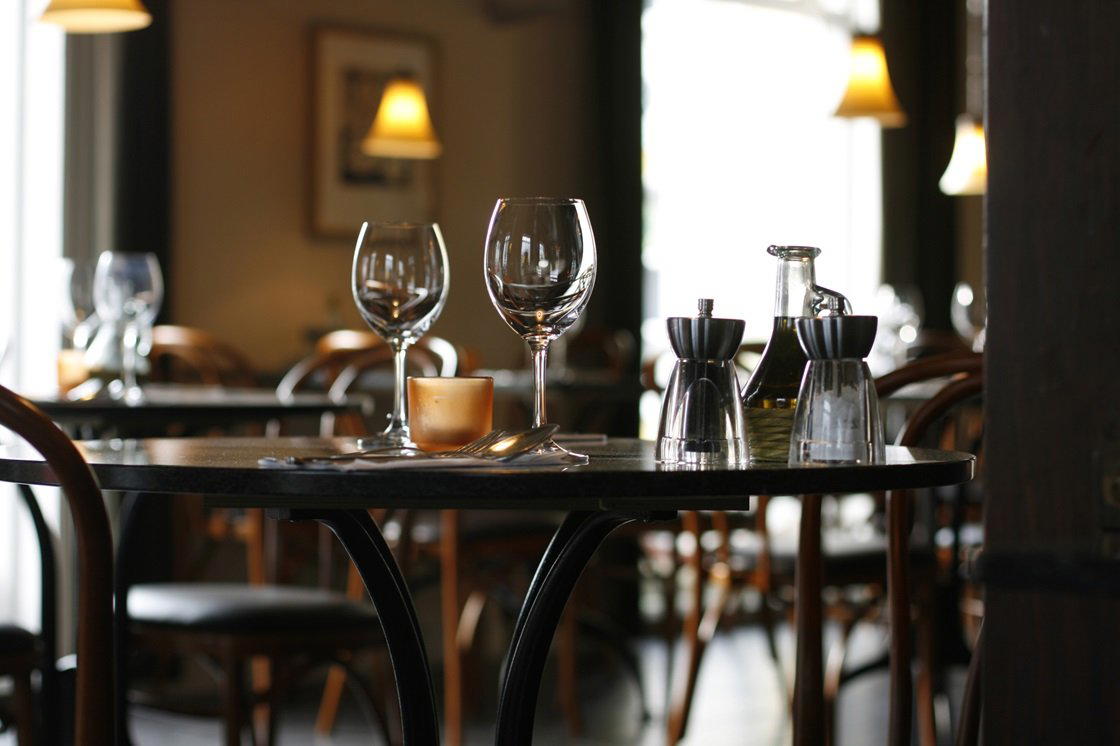
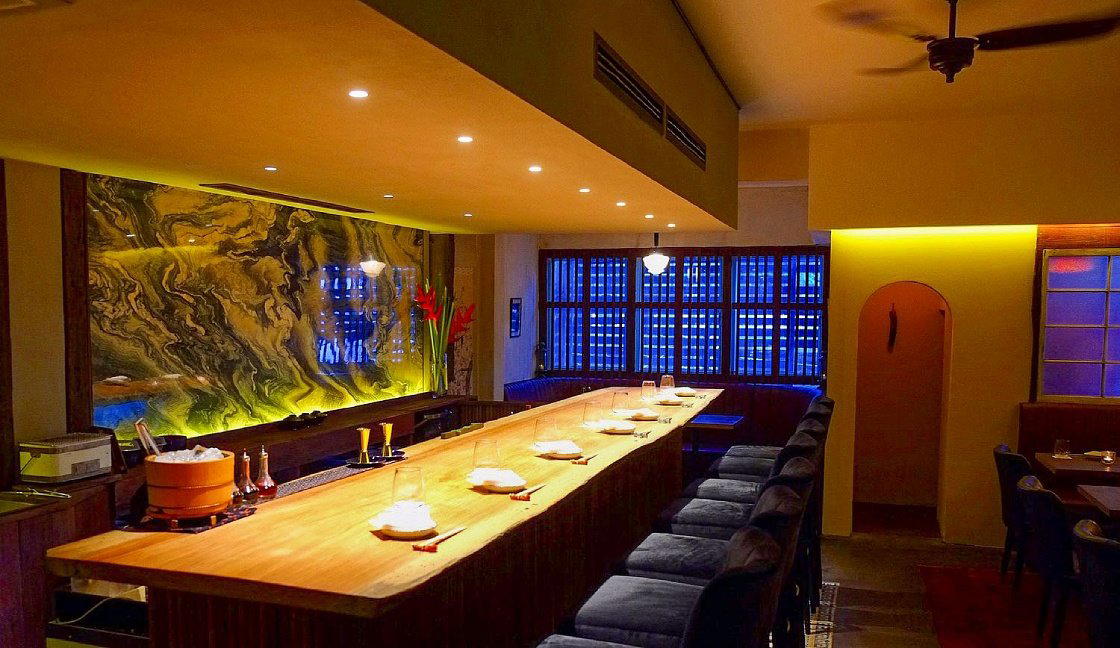
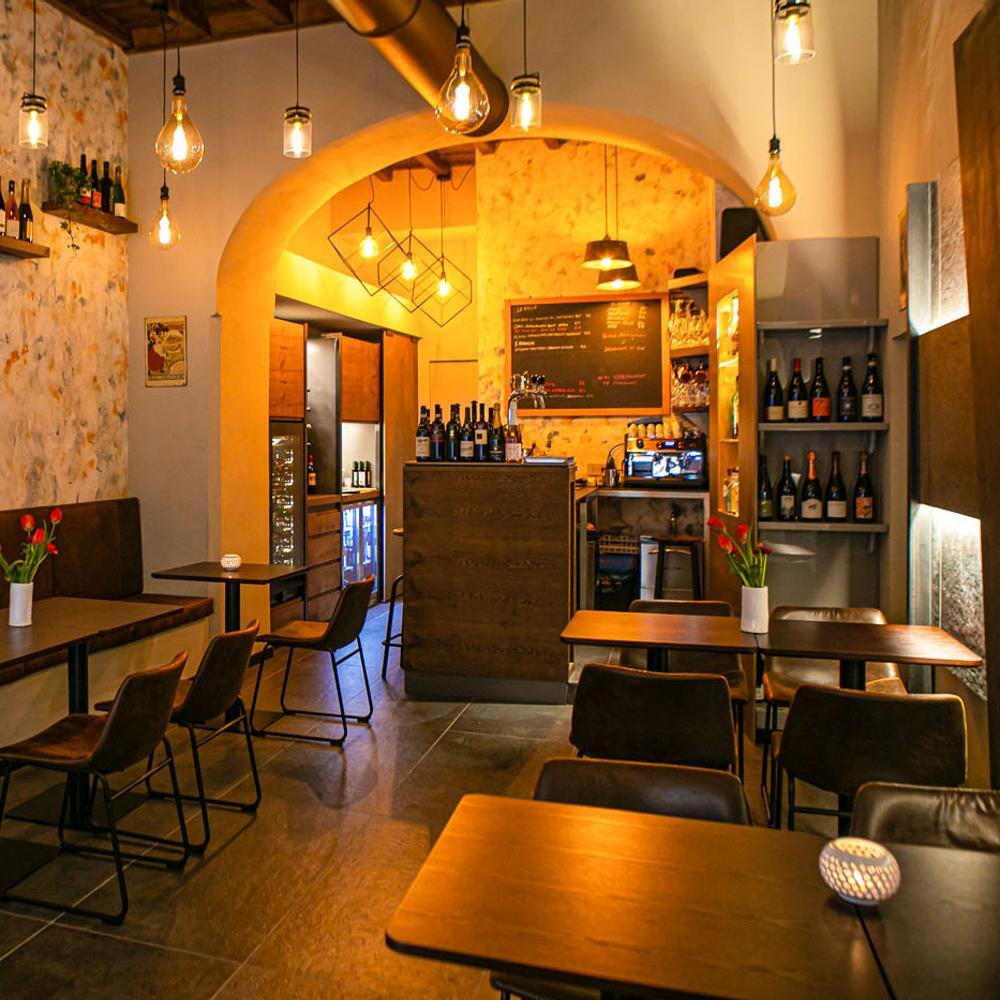
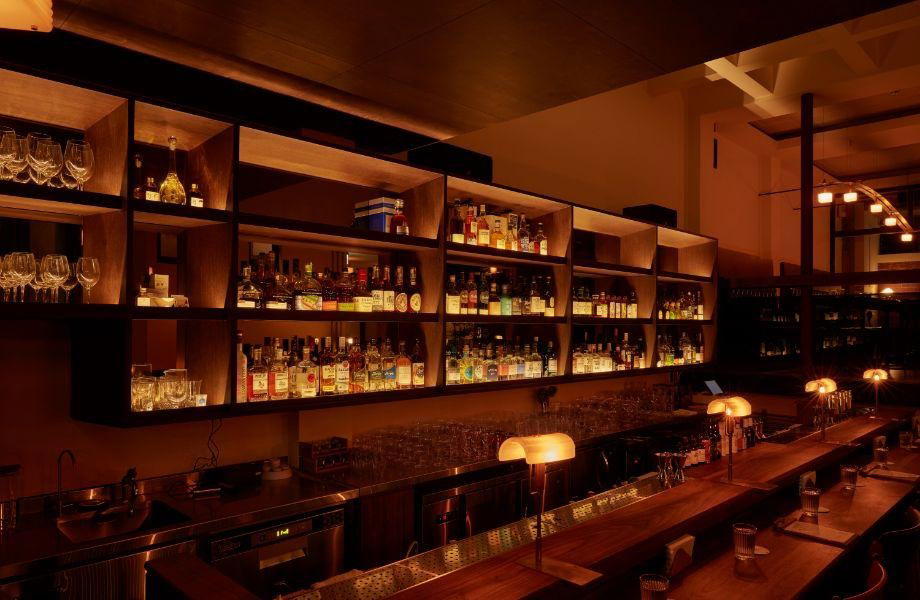
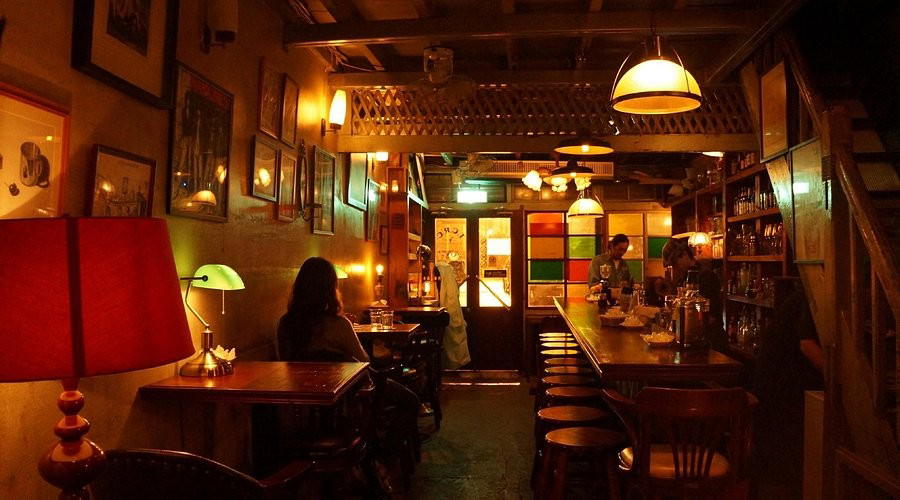
Warm and composed dining room where the orchard’s spirit finds elegant expression.