On a residential stretch of Via Giovanni Modugno in the Libertà quarter, Pizzeria Di Cosimo Mauro occupies the kind of address that Bari's pizza tradition has always favoured: unglamorous, local, and focused entirely on what arrives at the table. In a city where pizza culture runs deep and ingredient provenance matters more than décor, this is the type of pizzeria that earns its reputation through repetition and sourcing discipline rather than positioning.
Pearl is the En Primeur Club membership app — saves, bookings, and concierge access live there. Same editors, same standards.
- Address
- Via Giovanni Modugno, 1, 70124 Bari BA, Italy
- Phone
- +39 080 321 3236
- Website
- facebook.it.com
- Directions
- Get directions
 Saves & bookings on Pearl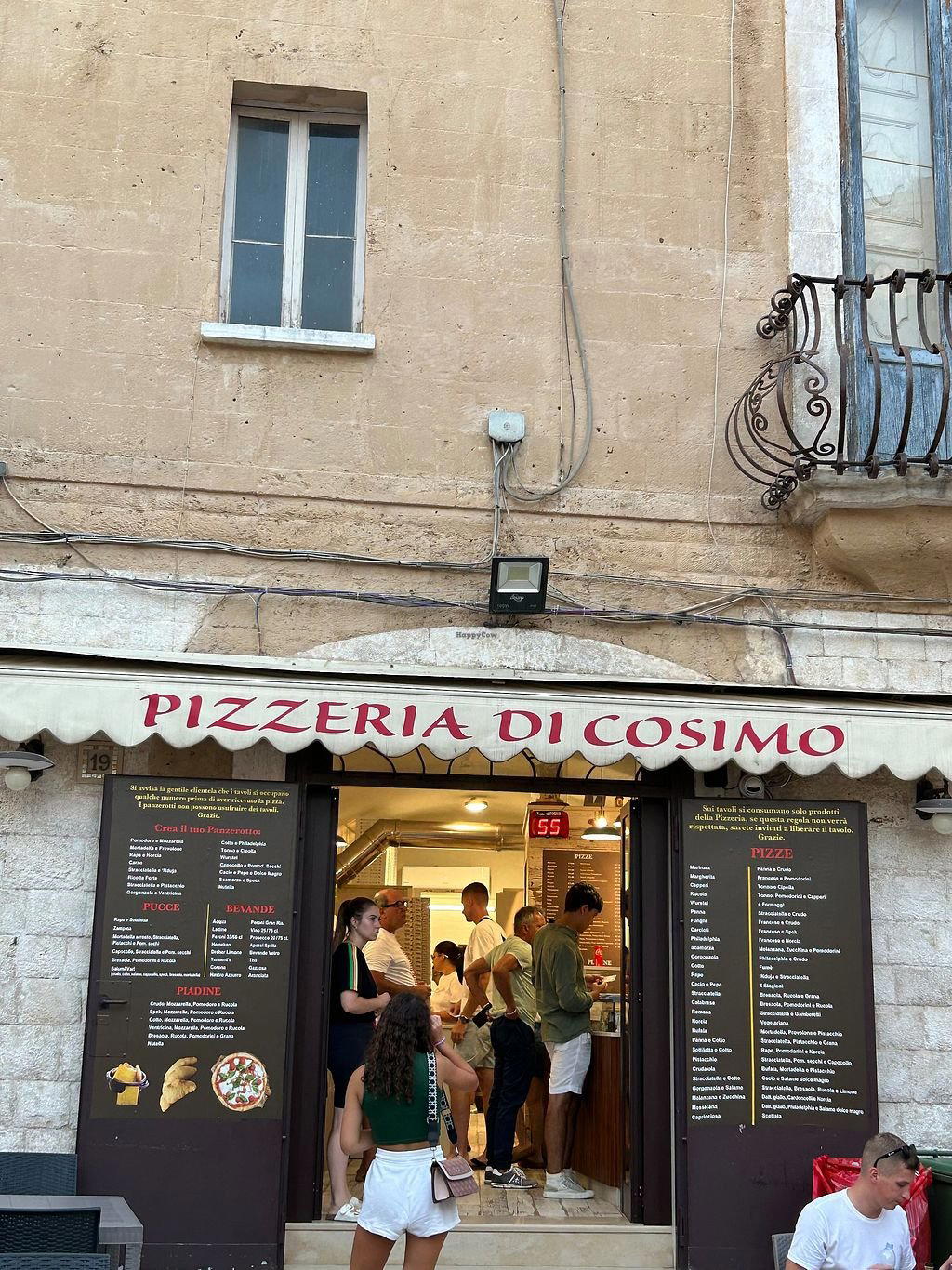
Pizza in Bari: A Tradition Built on Sourcing, Not Spectacle
Bari's relationship with pizza is older and more specific than the Neapolitan narrative that dominates international conversation. In Apulia, the wheat is different, the water is different, and the culture around pizza consumption skews local and unsentimental. Pizzerias here are not stages for chef performance; they are neighbourhood institutions where the quality of the flour, the provenance of the tomato, and the temperature of the oven determine the outcome far more than any front-of-house drama. Pizzeria Di Cosimo Mauro is a restaurant serving Traditional Neapolitan Pizza & Panzerotti at Via Giovanni Modugno, 1, 70124 Bari BA, Italy, and it belongs squarely to that tradition. The address is residential, the surroundings unremarkable, and the draw is almost entirely culinary, which, in the context of Bari pizza culture, is exactly the point.
For visitors accustomed to the theatrics of Italy's more publicised dining scenes, the tasting menus at Osteria Francescana in Modena, the architectural precision of Le Calandre in Rubano, or the Adriatic refinement of Uliassi in Senigallia, a neighbourhood pizzeria in Bari operates at a fundamentally different register. That is not a qualification; it is a description of what makes it worth understanding on its own terms.
What the Libertà Quarter Signals
The Libertà neighbourhood sits west of Bari's historic centre, a working-class district that has long functioned as a counterweight to the tourist-facing posture of Bari Vecchia. Pizzerias in this part of the city tend to serve a local clientele with specific expectations: dough that has had adequate time to ferment, tomato that tastes of the season it came from, and fior di latte that holds its structure under heat rather than collapsing into a watery pool. These are not abstract standards, they are what regular customers notice and return for.
Via Giovanni Modugno itself is not a destination street. There is no pedestrian foot traffic, no adjacent wine bar pulling diners into an evening itinerary. The location functions as a mild form of self-selection: the people who find Pizzeria Di Cosimo Mauro are, with rare exceptions, the people who were looking for it. That pattern of purposeful, repeat custom is one of the more reliable signals of a pizzeria's standing in its own community. Contrast this with the more internationally oriented end of Bari's dining scene, venues like La Bul, which operates in a different register altogether, pitching modern cuisine at a different audience, and the distinction in audience and intention becomes clear.
Apulian Ingredients and Why They Define the Category
Southern Italian pizza culture is inseparable from the agricultural geography surrounding it. Apulia produces roughly 40 percent of Italy's wheat, and the region's durum varieties have long informed the texture and flavour profile of local breads and pizza bases. While the Neapolitan tradition draws from Campanian flour blends and San Marzano tomato cultivation, the Barese approach has its own sourcing logic: local flour strains, regional olive oil, and a tomato culture that connects more directly to Apulian growing conditions than to the volcanic soils further north.
For a pizzeria operating in this context, the sourcing decisions are inseparable from the product. The character of the dough, its chew, its crust coloration, its fermentation flavour, reflects choices made before anything enters the oven. This is why Apulian pizza culture resists the kind of direct comparison that visitors sometimes attempt with Neapolitan benchmarks. The two traditions share a format and diverge in almost every underlying variable. Understanding that divergence is one of the more useful frames a visitor can bring to a meal on Via Giovanni Modugno.
Italy's most decorated restaurants, from Piazza Duomo in Alba to Reale in Castel di Sangro to Dal Pescatore in Runate, are routinely analysed for their sourcing philosophies. The same scrutiny, applied at the neighbourhood pizzeria level, reveals that the sourcing logic is present throughout Italian food culture, not just at its Michelin-starred apex. A pizzeria that treats its flour, tomato, and dairy with the same intentionality that Atelier Moessmer Norbert Niederkofler in Brunico applies to its alpine ingredient programme is operating from the same underlying principle, expressed at a radically different scale and price point.
How to Approach a Meal Here
Bari rewards visitors who move between registers. An evening that begins with a pizza on Via Giovanni Modugno and ends with a glass of Primitivo in the old city is not a compromise, it is how the city actually functions for people who live there. Practical logistics for Pizzeria Di Cosimo Mauro follow the rhythms of a neighbourhood rather than a restaurant district: walk-in visits during off-peak hours are one direct approach, given that walk-in friendly. Arriving early in the dinner service, before the local crowd fills the room, is generally the lower-friction option in pizzerias of this type across southern Italy.
Visitors planning a wider Italian circuit who want to benchmark against the country's formal fine dining tier will find relevant reference points at Enoteca Pinchiorri in Florence, Enrico Bartolini in Milan, Villa Crespi in Orta San Giulio, Da Vittorio in Brusaporto, La Pergola in Rome, Casa Perbellini 12 Apostoli in Verona, and Quattro Passi in Marina del Cantone. For international comparison beyond Italy, particularly around how ingredient sourcing drives reputation at opposite ends of the price spectrum, Le Bernardin in New York City and Atomix in New York City offer instructive contrast cases.
In Context: Similar Options
Comparable venues nearby, for context on price, style, and recognition.
| Venue | Cuisine | Price | Awards | Notes |
|---|---|---|---|---|
| Pizzeria Di Cosimo MauroThis venue — the venue you are viewing | Traditional Neapolitan Pizza & Panzerotti | $ | Not listed | Not listed |
| La Bul | Modern Puglian Fine Dining | $$$ | Michelin Plate | central Bari |
| Gelateria Vernazza | Artisanal Italian Gelato | $ | Not listed | Vernazza |
| Arso Trattoria Moderna | Traditional Roman Trattoria | $$ | Not listed | .null |
| Ristorante L'Aratro | Traditional Puglian Trattoria | $$ | Not listed | Rione Monti |
| Alberto Gelateria | Artisanal Italian Gelato | $ | Not listed | Corniglia |
Continue exploring
More in Bari
Restaurants in Bari
Browse all →
At a Glance
- Lively
- Rustic
- Well Known
- Casual Hangout
- Group Dining
- Solo
- After Work
- Late Night
- Open Kitchen
- Standalone
- Historic Building
- Beer Program
- Street Scene
Current opening hours
- Monday
- Closed
- Tuesday
- 6 PM–12 AM
- Wednesday
- 6 PM–12 AM
- Thursday
- 6 PM–12 AM
- Friday
- 6 PM–12 AM
- Saturday
- 6 PM–12 AM
- Sunday
- 6 PM–12 AM
Hours can change for holidays and private events. Last verified .
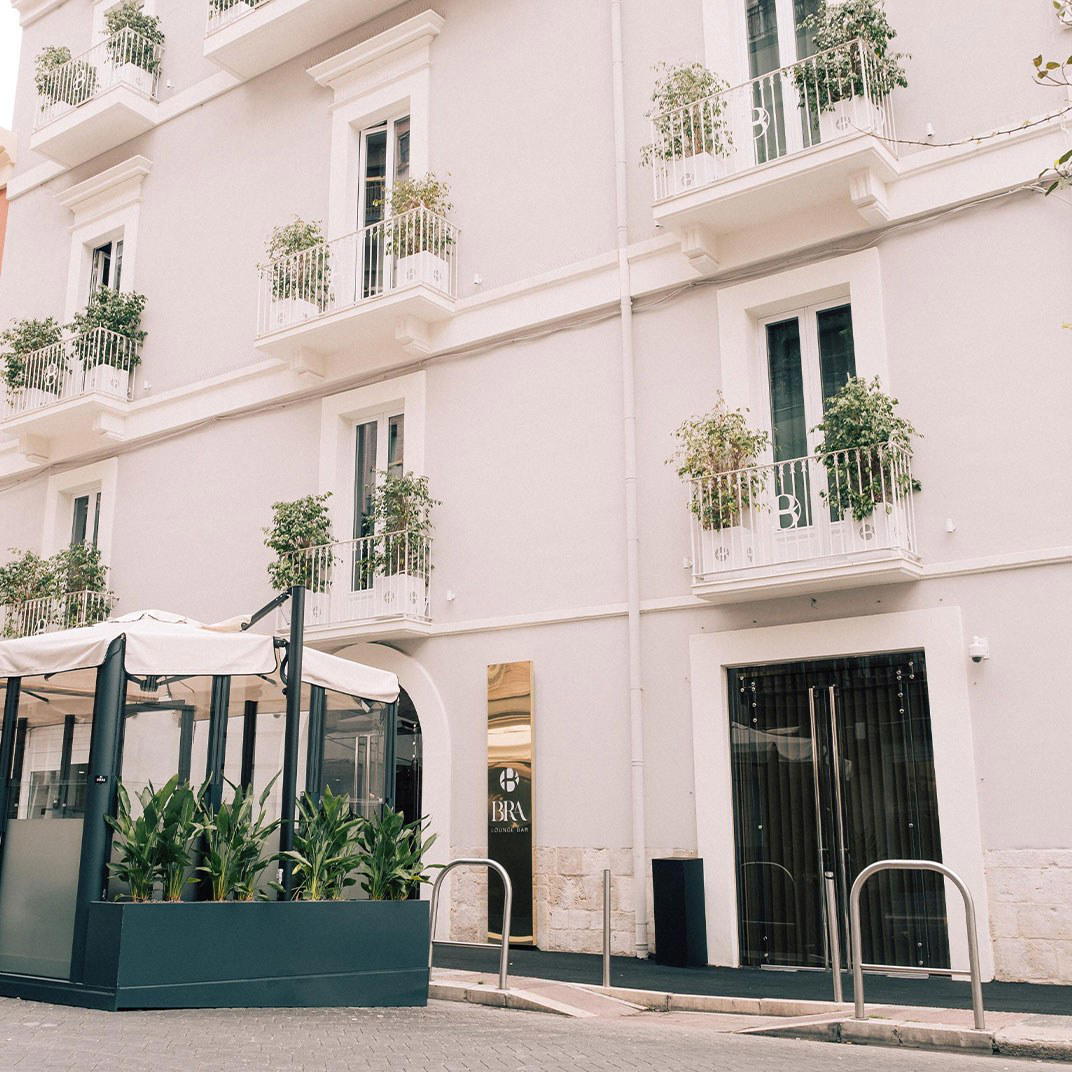
Lively evening atmosphere with warm lighting in a charming piazza setting; casual no-frills environment with communal seating on benches and tables, creating an authentic Italian social experience reminiscent of a Federico Fellini film.