Masseria Le Torri

Michelin Selected
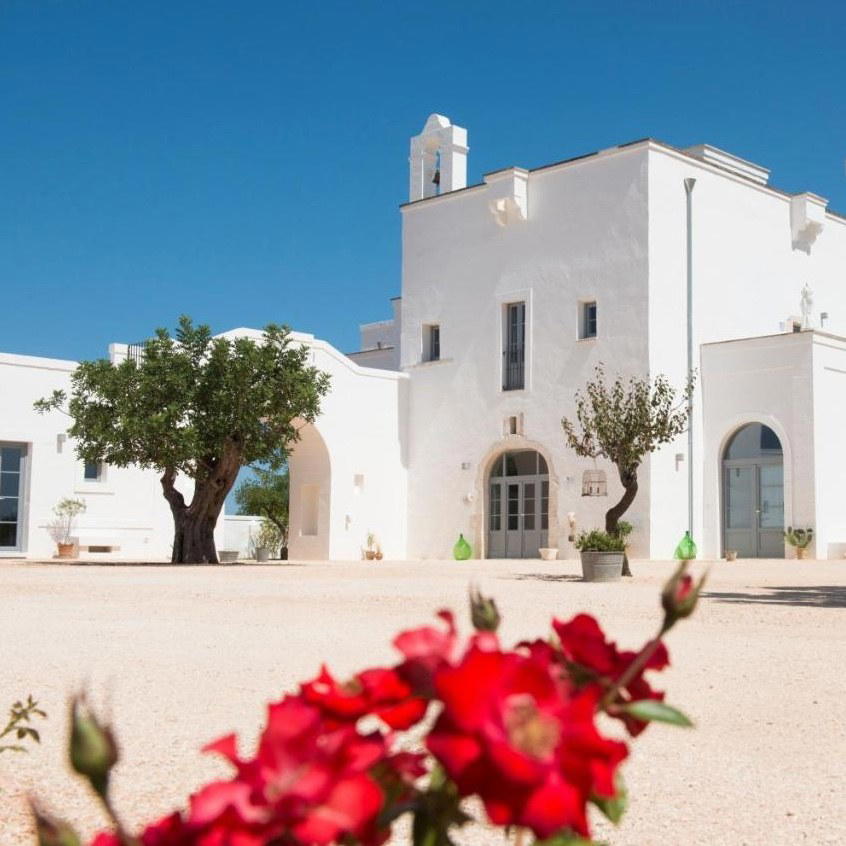
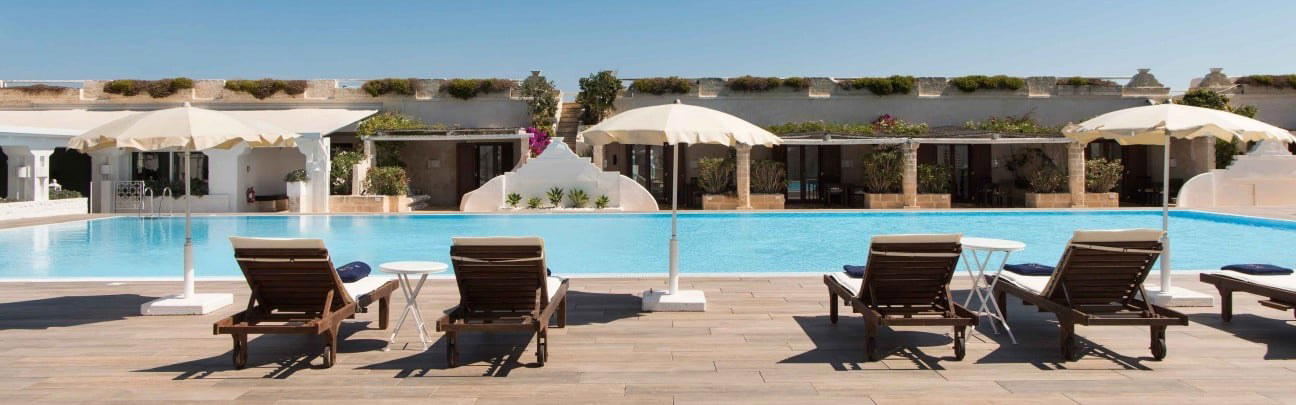
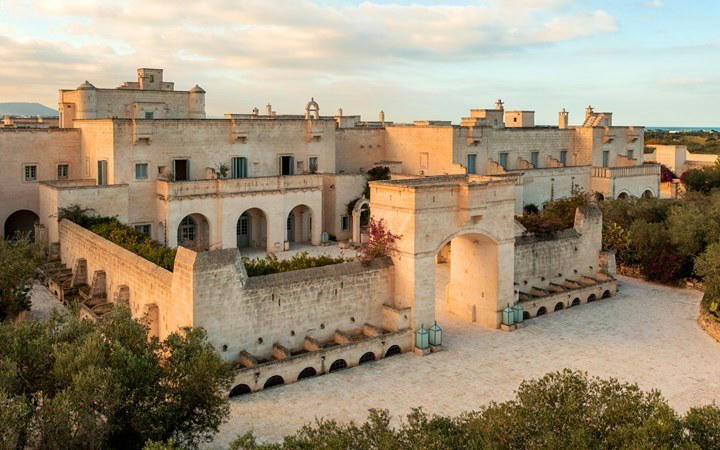
A Michelin Selected masseria outside Polignano a Mare, Masseria Le Torri sits within the dry-stone and whitewashed vernacular that defines Puglia's most distinctive rural accommodation tier. The converted farmstead occupies a position between the coast's limestone cliffs and the interior's olive groves, offering a slower, more architecturally rooted alternative to the resort hotels clustered along the Adriatic shoreline.

Pearl is the En Primeur Club membership app, where members save venues, book tables and use the concierge.
Stone, Silence, and the Puglian Masseria Tradition
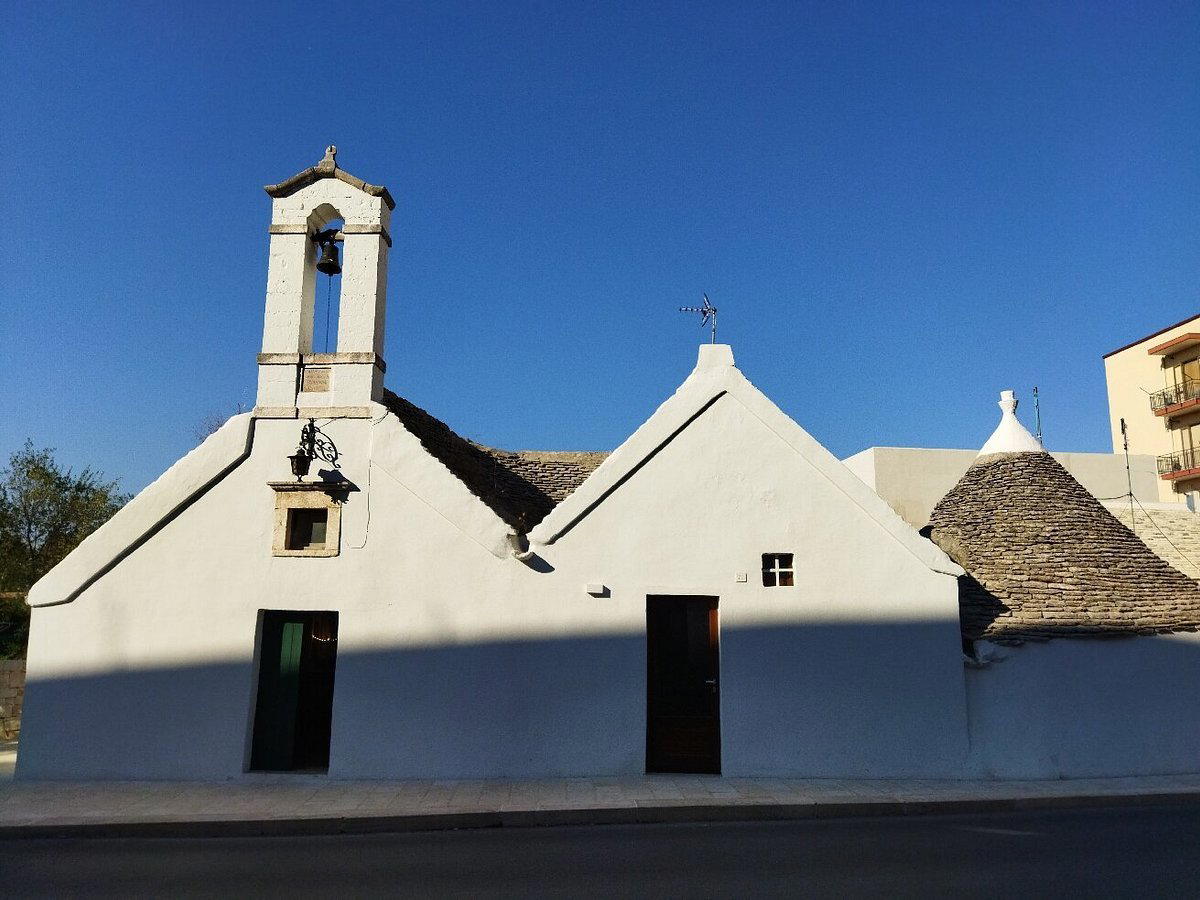
The approach to a Puglian masseria tells you most of what you need to know before you arrive. Flat roads lined with centuries-old olive trees, dry-stone walls running to the horizon, and the occasional trullo punctuating a landscape that has resisted ornament for a very long time. Masseria Le Torri, reached via Strada Comunale Le Torri on the outskirts of Polignano a Mare, sits squarely inside this tradition. The towers referenced in its name are the defensive structures that once identified working farm estates across the Valle d'Itria and the broader Murgia plateau, functional architecture that has since become one of southern Italy's most sought-after accommodation formats.
The masseria hotel category has expanded considerably over the past two decades. What began as a niche conversion format, attracting guests willing to trade amenity density for spatial authenticity, has split into recognisable tiers. At the upper end sit large-scale operations like Borgo Egnazia in Savelletri di Fasano, which functions more as a self-contained resort. The mid-tier, where Masseria Le Torri operates, prizes the original farmstead character more explicitly: thicker walls, fewer rooms, a closer relationship between interior and agricultural exterior. Michelin's 2025 Selected designation confirms that the property meets a credentialled standard within this category.
Architecture as the Primary Experience
Masseria building type emerged from practical necessity. Thick limestone walls regulated interior temperature through the heat of Puglian summers. Tower structures allowed visibility across exposed terrain. Courtyards centralised both domestic and agricultural activity. What makes the format compelling as a hotel type is precisely that none of this was designed for hospitality, the adaptation of these spaces requires restraint and editorial judgment. Properties that simply layer contemporary comfort onto historical fabric tend to read as incongruous; the more considered conversions work with the building's existing proportions rather than against them.
Polignano a Mare's immediate hinterland provides a specific architectural register that differs from the more heavily touristed trullo districts around Alberobello or the baroque streetscapes of Lecce. The buildings here are lower, more defensive, more integrated with the agricultural terrain. That context shapes what a stay at a property like Masseria Le Torri actually delivers: an experience grounded in vernacular southern Italian construction, set against the Adriatic rather than the interior hills.
For travellers comparing options along the Puglia coast, the choice between a masseria property and a coastal resort is less about amenity comparison than about what kind of physical environment you want to inhabit for several days. The limestone-and-whitewash interior of a converted farmstead, with its uneven floors and light filtered through small windows designed to exclude heat, reads differently from the open terraces and sea-facing rooms of a property positioned directly on the water. Both serve the region well; they are simply answering different questions.
Polignano a Mare as Context
Polignano a Mare occupies a specific position in the Italian coastal hierarchy. It is neither as remote as the Gargano promontory to the north nor as heavily trafficked as the Amalfi Coast properties further west, where places like Borgo Santandrea and Il San Pietro di Positano operate at a consistently higher price point driven by topographical drama and international name recognition. Polignano's appeal is more concentrated: a limestone promontory town with a historic centre built directly over the Adriatic cliffs, a strong local food culture built around seafood and the cucina povera tradition, and an agricultural hinterland that supplies some of the leading produce in southern Italy.
That food culture is worth understanding before arrival. Puglia produces more olive oil than any other Italian region and grows a significant proportion of the country's durum wheat. The local kitchen draws on those raw materials rather than on imported technique, which means the most honest eating in the area tends to happen at tables where the distance between field and plate is short. The town itself rewards exploration: the old quarter's narrow lanes and cliff-edge terraces are accessible on foot, and the Thursday market draws suppliers from the surrounding countryside. For a more detailed breakdown of where to eat and drink in and around the town, see our full Polignano a Mare restaurants guide.
Where Masseria Le Torri Sits in the Puglia Accommodation Picture
Puglia's hotel market has diversified significantly. The region now holds properties across most of the premium tiers that Italian travel commands, from the large-scale resort model to the intimate converted estate. Masseria Le Torri occupies the latter category, where Michelin's Selected status functions as a signal of consistency and considered hospitality rather than spectacle. The nearby Masseria Almadava operates in the same immediate area, making Polignano a Mare's hinterland a concentration point for the format.
Travellers building a longer Italian itinerary sometimes pair a Puglian stay with properties in regions that offer a contrasting architectural and cultural register. The design-led farmstead model finds its central Italian counterpart at Castello di Reschio in Lisciano Niccone or Rosewood Castiglion Del Bosco in Montalcino, both of which work within a similar logic of restored agricultural estates. For urban counterpoints, Bulgari Hotel Roma, Portrait Milano, and Four Seasons Hotel Firenze each represent city-centre luxury at a different register entirely. The lake district offers Passalacqua in Moltrasio, Il Sereno in Torno, and Grand Hotel Tremezzo as further points of contrast.
Planning Your Stay
The Adriatic coast runs hottest from late June through August, when Polignano a Mare draws both Italian and international visitors in significant numbers and the town's cliff-leading centre becomes congested by midday. May, June, and September offer more navigable conditions: warm enough for the coast, uncrowded enough to appreciate the town's architecture and the surrounding countryside at a slower pace. The nearest major airport is Bari Karol Wojtyla, approximately 35 kilometres north along the coast road, with direct connections from most major European hubs. Hiring a car for the duration of a Puglian stay is standard practice; the masseria properties and the region's agricultural interior are not accessible by public transport in any practical sense. Advance booking through the Michelin guide listing is advisable, particularly for late summer dates, which fill well ahead of arrival.
FAQ
What is Masseria Le Torri leading at?
Masseria Le Torri holds Michelin Selected status in the 2025 guide, placing it within the credentialled tier of Puglian masseria accommodation. Its position outside Polignano a Mare gives guests access to both the coast and the inland agricultural terrain that defines the region's character. The property is leading understood as a base for experiencing the Puglian landscape and food culture rather than as a destination built around on-site amenity density. Travellers who respond to vernacular architecture and quieter surroundings will find it better suited to their needs than a large coastal resort format.
What is the leading room type at Masseria Le Torri?
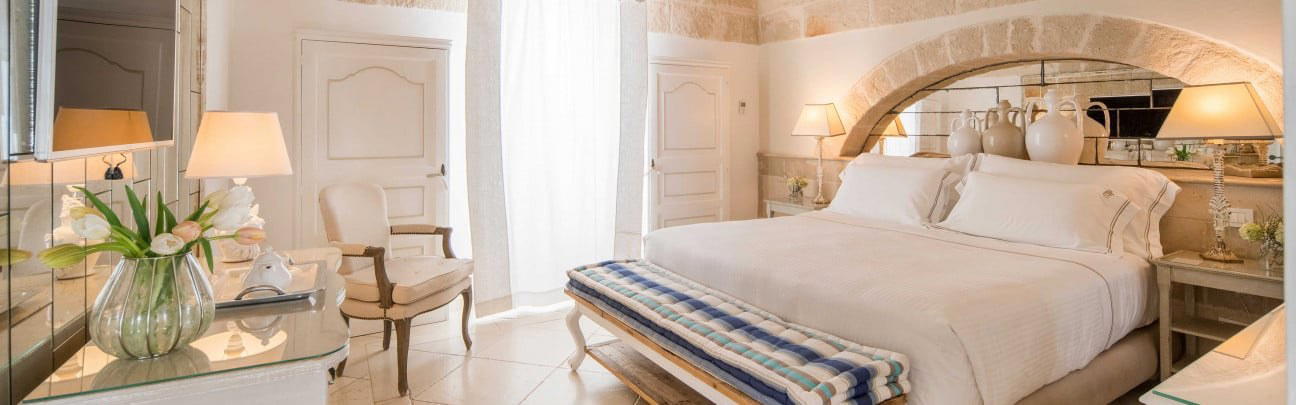
As a general principle within the masseria conversion format, rooms occupying the original farmhouse core tend to retain the most architectural character: thicker walls, original stone detailing, and proportions shaped by the building's agricultural history rather than by hotel convention. Confirming specific room options directly with the property before booking is advisable, particularly for guests with preferences around outdoor space or ground-floor access.
Comparable Spots, Quickly
Comparable venues nearby, for context on price, style, and recognition.
| Venue | Cuisine | Price | Awards | Notes |
|---|---|---|---|---|
| Masseria Le TorriThis venue (the venue you are viewing) | Restored 18th-century masseria | $300–500 | Michelin Selected | Not listed |
| Masseria Almadava | Boutique heritage farmhouse with meticulous restoration emphasizing authentic Apulian rural tradition and unconventional design choices using recovered materials. | Not listed | Michelin Selected | Polignano a Mare |
| Borgo Canonica | Restored 19th-century rural village with traditional trulli architecture | $200–300 | Michelin Selected · Mr & Mrs Smith Seal of Approval | Valle d'Itria |
| Leonardo Trulli Resort | Restored trulli and Liberty-style masseria in countryside oasis | Not listed | 1 Michelin Key | Locorotondo |
| Soho House Rome | Members-only club-hotel blending industrial aesthetics with Roman elegance using upcycled materials. | $200–300 | Michelin Selected · Mr & Mrs Smith Seal of Approval | San Lorenzo |
| Palazzo Tiglio | Restored 17th-century noble palazzo blending historical Tuscan character with modern comforts. | Not listed | Michelin Selected | San Pancrazio |
Recognition history
Dated appearances from independent guides and award organizations, with the underlying list record or original source where available.
Michelin Selected
Michelin
Continue exploring
More in Polignano a Mare
Hotels in Polignano a Mare
All hotels in Polignano a Mare →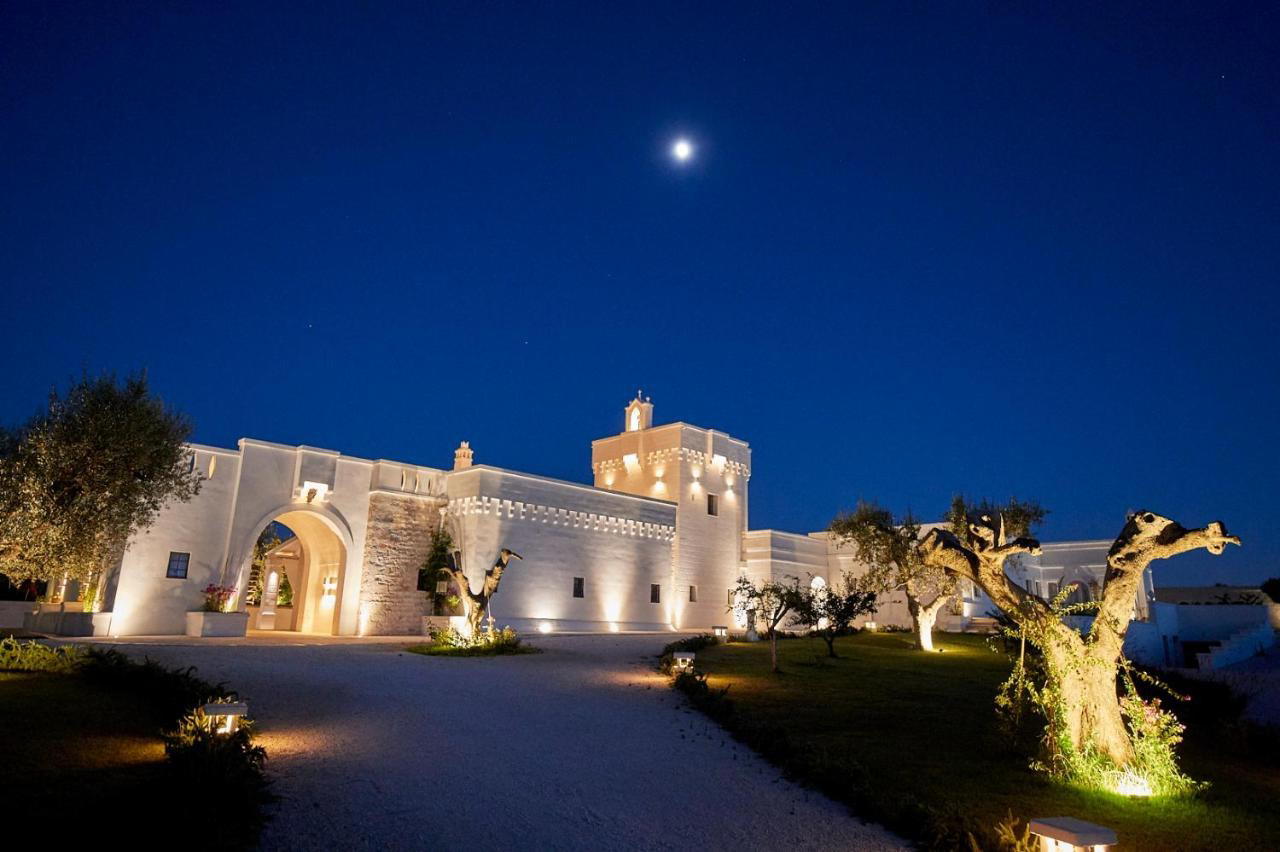
Bars in Polignano a Mare
All bars in Polignano a Mare →


Details
- Romantic
- Quiet
- Elegant
- Rustic
- Intimate
- Romantic Getaway
- Honeymoon
- Weekend Escape
- Historic Building
- Garden
- Terrace
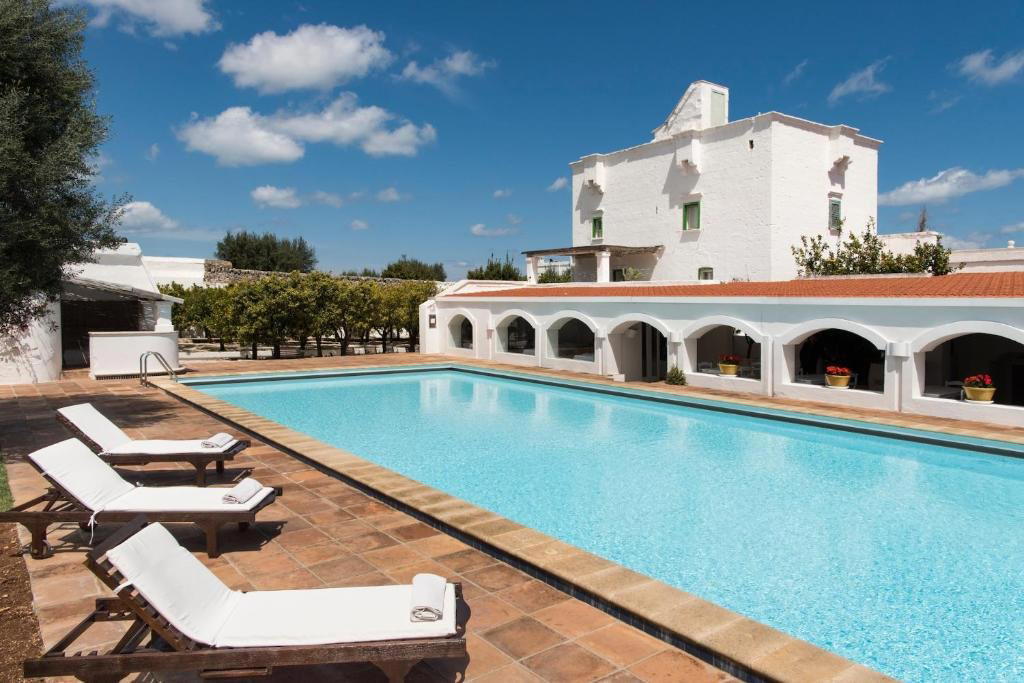
- Infinity Pool
- Pool
- Wi Fi
- Spa
- Concierge
- Free Parking
- Airport Transfer
- Garden
- Garden
Blissful serenity with noble interiors featuring museum-quality art, designer furniture, and historic frescoes, surrounded by lush countryside.