Bosco de Lobos Madrid occupies a setting inside the COAM building on Calle de Hortaleza, placing it within Madrid's Chueca and Centro corridor where the city's more considered dining addresses have quietly gathered. The venue sits in a tier of Madrid restaurants where atmosphere and culinary intent carry equal weight, drawing comparisons to the capital's broader creative dining scene rather than its highest-volume tourist trade.
Pearl is the En Primeur Club membership app — saves, bookings, and concierge access live there. Same editors, same standards.
- Address
- COAM, C/ de Hortaleza, 63, Centro, 28004 Madrid, Spain
- Phone
- +34 915 24 94 64
- Website
- grupotragaluz.com
- Directions
- Get directions
 Saves & bookings on Pearl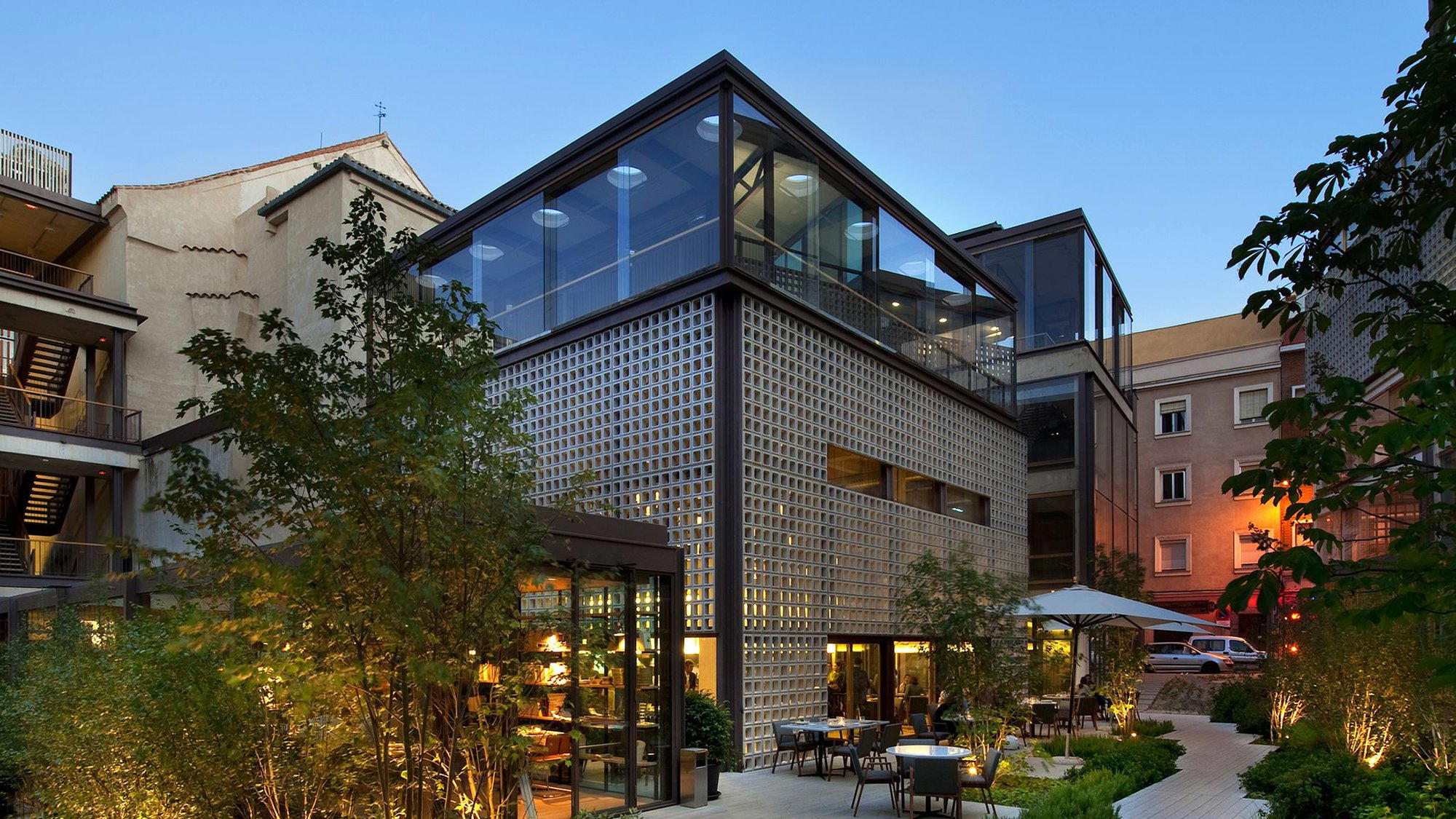
A Room That Arrives Before the Food
The approach along Calle de Hortaleza already signals something. This stretch of Centro, bleeding into Chueca's northern edge, has accumulated a concentration of addresses that take food seriously without performing that seriousness loudly. The building that houses Bosco de Lobos is the COAM, the official seat of Madrid's architects' association, a detail that matters because the architecture here is not incidental backdrop. Spaces like this carry a particular atmosphere: considered proportions, materials that absorb rather than amplify sound, the kind of room that makes a table feel placed rather than squeezed in. Before a dish arrives, you are already reading the room, and the room is already framing expectations.
In Madrid's current dining scene, the physical environment of a restaurant has become an increasingly deliberate signal. Where the highest-investment creative addresses, places like DiverXO or Coque, construct theatrical environments to match ambitious tasting menus, a different cohort of addresses uses architecture and setting more quietly, letting the space do its work without spectacle. Bosco de Lobos belongs to the latter tendency.
Where This Address Sits in Madrid's Creative Dining Tier
Madrid's fine dining map has expanded and stratified over the past decade. At the top of the price and ambition bracket, a handful of Michelin-starred addresses compete on the same European stage as El Celler de Can Roca in Girona and Mugaritz in Errenteria. Below that, a wider tier of creative and modern Spanish kitchens has grown more confident, offering serious cooking without the full apparatus of a multi-course omakase-style sequence. Bosco de Lobos occupies a position within that second tier, where the guest experience depends less on ceremony and more on the coherence between room, plate, and service register.
For context, Madrid's most awarded creative addresses, including Deessa and DSTAgE, operate with explicit Michelin recognition and corresponding price points in the €€€€ bracket. Paco Roncero similarly occupies that high-investment creative register. Bosco de Lobos is positioned within this broader creative dining conversation in Madrid, though the specifics of its current pricing, menu format, and recognition are best confirmed directly with the venue before visiting.
The Sensory Register of This Part of Centro
Calle de Hortaleza at number 63 sits in a section of Madrid that rewards pedestrian attention. The neighbourhood is neither the tourist-dense corridor around Sol nor the fully residential quiet of outer barrios. It occupies a middle register: enough foot traffic to feel alive, enough architectural variation to keep the eye engaged. Arriving in the early evening, the light along this street does what Madrid evening light does, which is to flatten shadows and make facades read differently than at midday. Sound from nearby bar terraces carries but does not intrude. The COAM building's entrance provides a distinct threshold, a moment of transition between street and interior that sharper dining rooms use deliberately.
That threshold matters because the sensory contract with a guest starts at arrival, not at the table. The leading rooms in Spain's creative dining scene understand this. Aponiente in El Puerto de Santa María uses the setting of a tidal mill to establish its context before a dish appears. Azurmendi in Larrabetzu works with its Basque landscape as a first course. These are large-scale examples, but the principle applies at every tier: the physical approach and entry shape what follows.
Spanish Creative Dining and the City's Wider Context
Madrid is not the only city making this argument. Spain's creative dining scene extends from the Basque Country, where addresses like Arzak in San Sebastián and Martin Berasategui in Lasarte-Oria defined a generation of technique-led cooking, through to Catalonia with Cocina Hermanos Torres in Barcelona, and down to Valencia with Ricard Camarena. Madrid's contribution to this map has grown more assured, with the capital now capable of holding its own against the regional strongholds.
What distinguishes Madrid's creative dining tier from, say, the Basque model, is a certain urbanism. These are city restaurants, shaped by city rhythms, city guests, and city architecture. The comparison is instructive when thinking about addresses like Bosco de Lobos: the context here is metropolitan rather than destination-rural, and the experience reflects that. For international reference points, the controlled, atmosphere-led tasting format at places like Le Bernardin in New York City or the communal-creative format at Lazy Bear in San Francisco show how different cities build distinct identities around serious food. Madrid's version has its own character, and Bosco de Lobos is part of that character.
The broader Spanish fine dining context also includes Quique Dacosta in Dénia and Atrio in Cáceres, addresses that demonstrate how Spain's creative dining identity extends well beyond its major cities. Placing Bosco de Lobos within this wider picture helps set expectations: this is a capital city address, shaped by Madrid's particular energy, not a destination built around a remote landscape.
Planning a Visit
The address at COAM, Calle de Hortaleza 63, places Bosco de Lobos within comfortable walking distance of the Chueca and Alonso Martínez metro stations, making access from most central Madrid hotels direct. For visitors building a broader Madrid dining itinerary, the venue fits logically alongside a broader exploration of the city's creative restaurant tier, which our full Madrid restaurants guide maps in detail. The COAM building's working function as an architects' professional body means access and atmosphere can vary by day and time, which makes a direct pre-visit inquiry worthwhile.
How Bosco de Lobos Madrid compares with similar nearby venues.
| Venue | Cuisine | Price |
|---|---|---|
| Hortensio | Spanish | Not listed |
| La Llorería | Modern Cuisine | €€ |
Continue exploring
More in Madrid
Restaurants in Madrid
Browse all →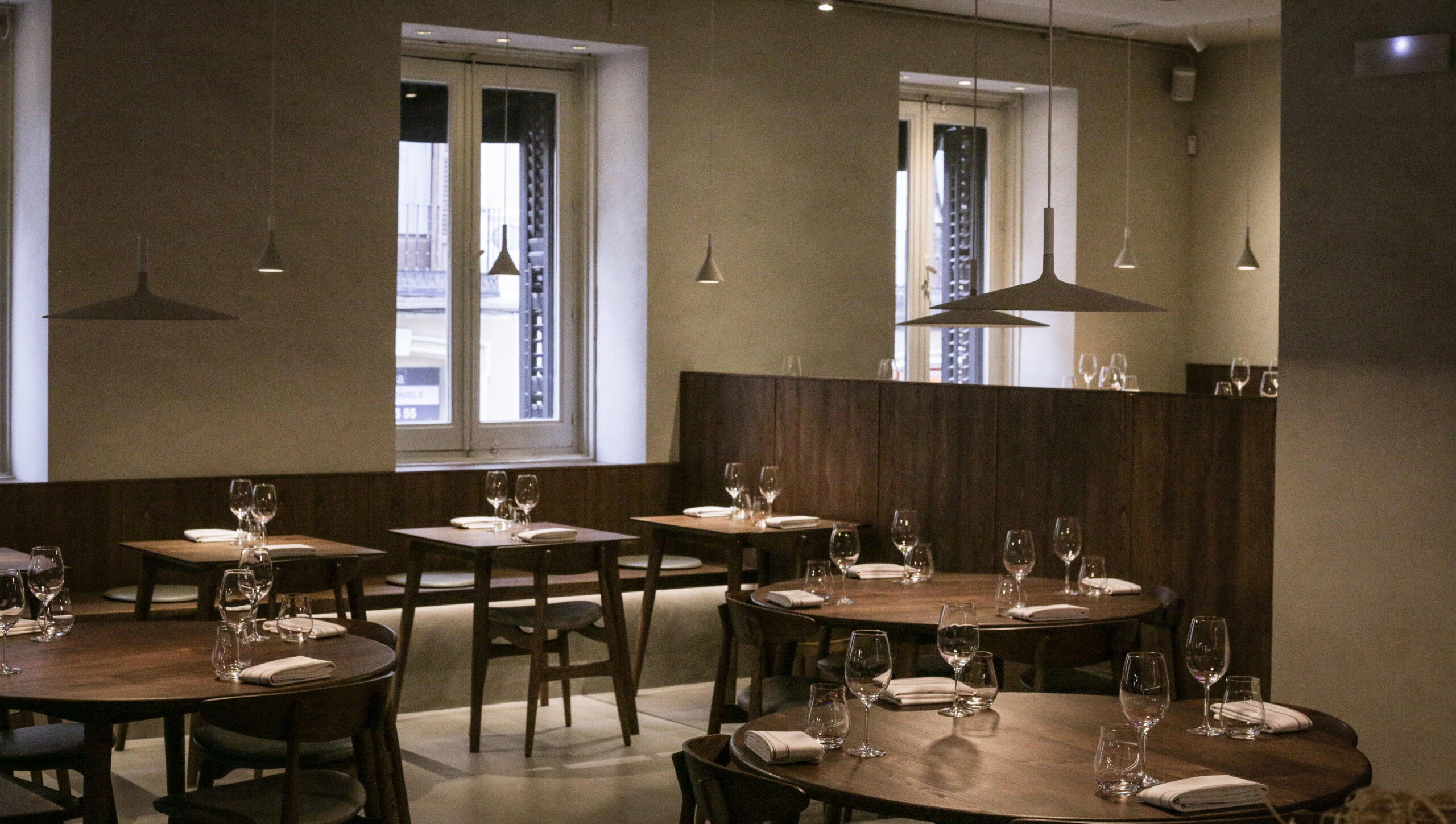
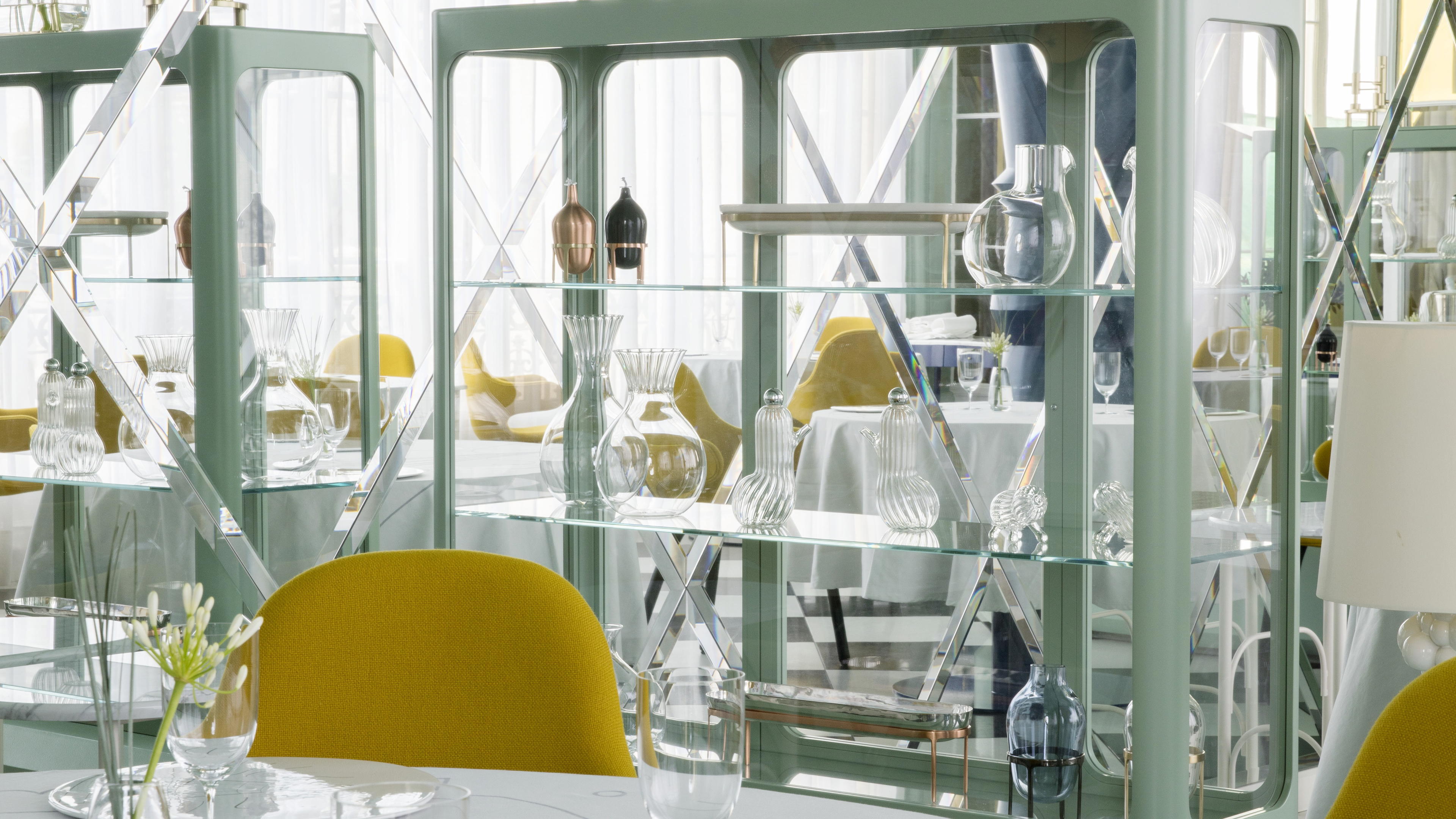
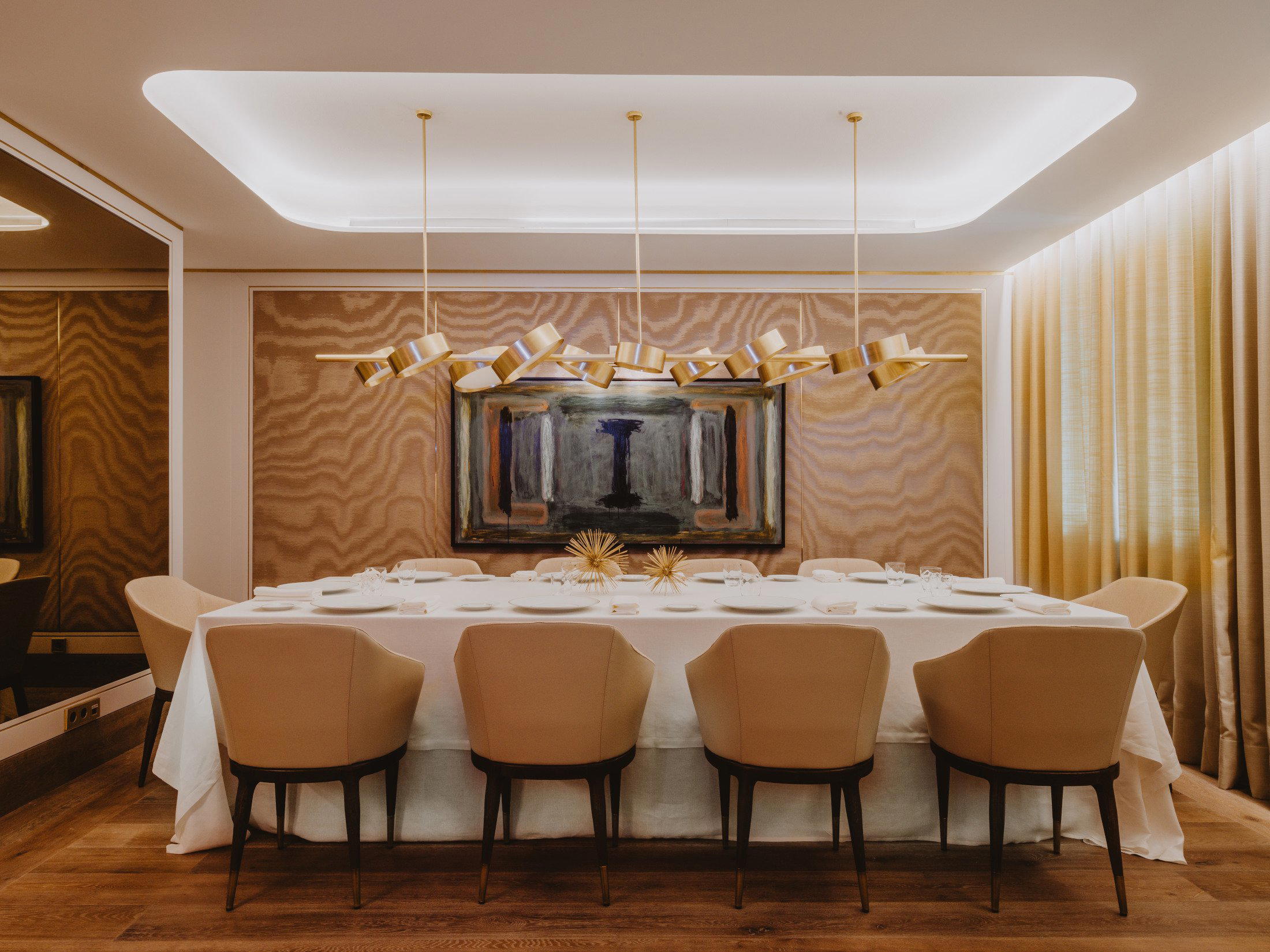
Bars in Madrid
Browse all →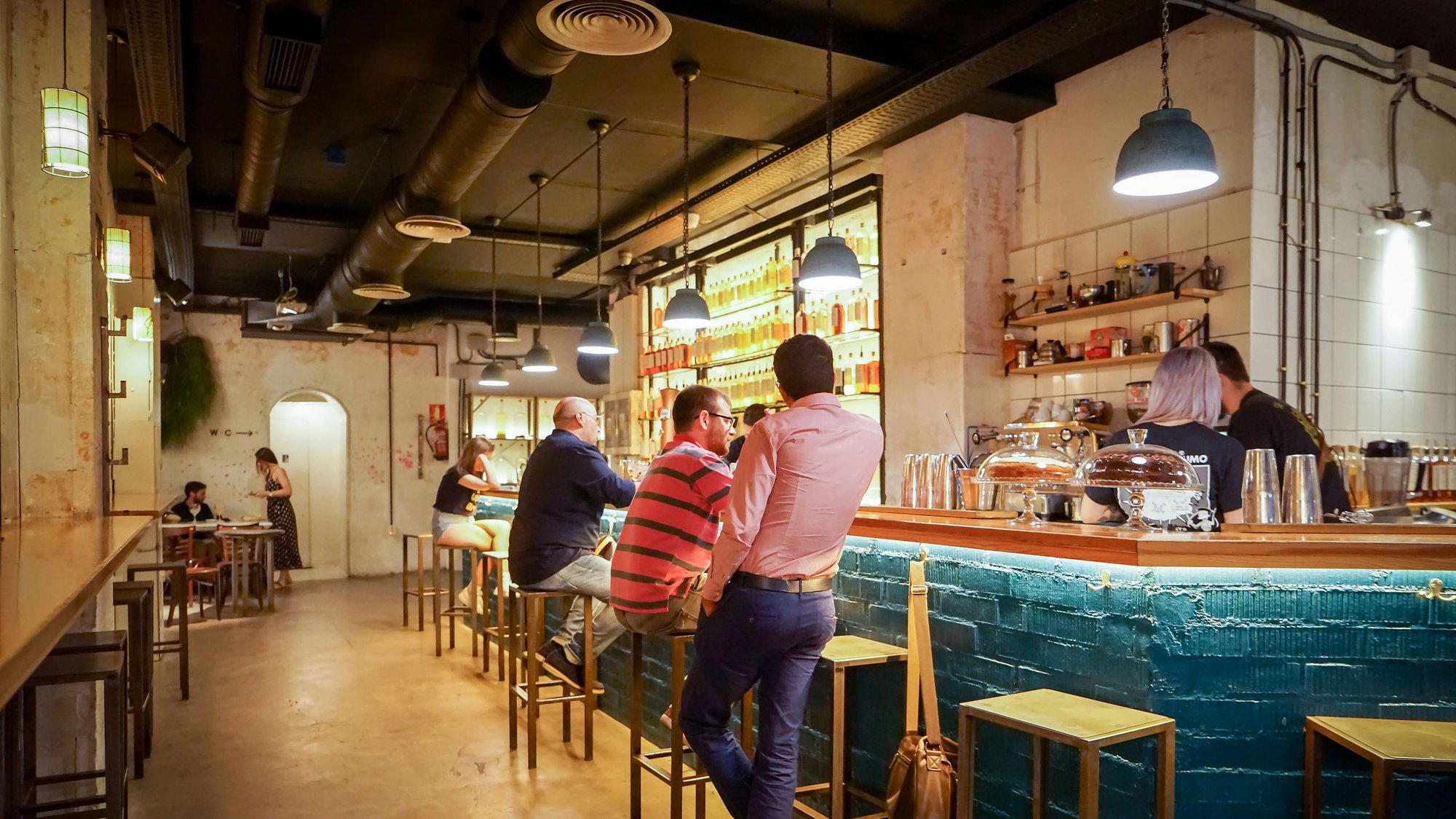
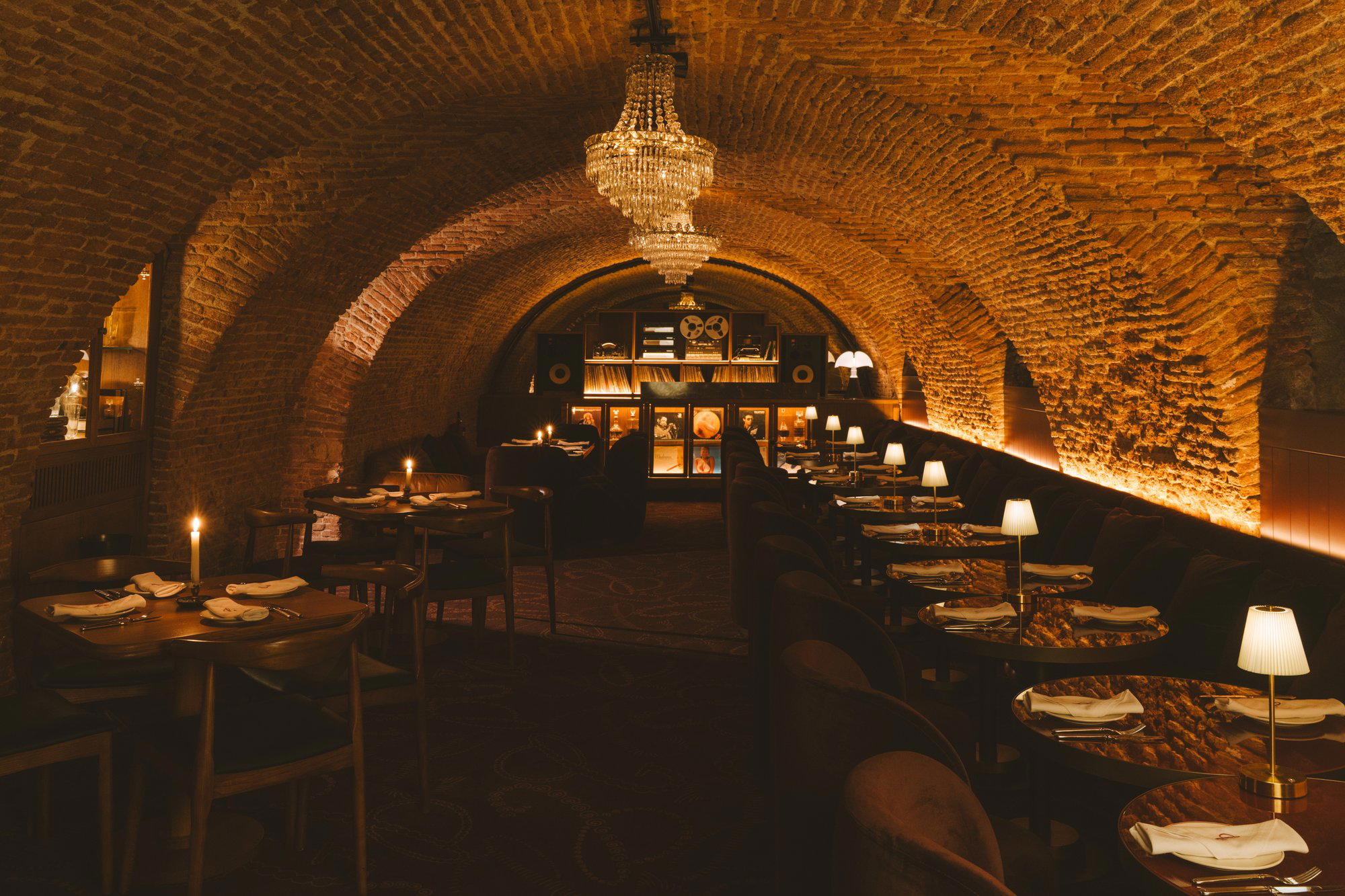
Hotels in Madrid
Browse all →

At a Glance
- Cozy
- Modern
- Date Night
- Casual Hangout
- Brunch
- Garden
- Terrace
- Open Kitchen
- Craft Cocktails
- Garden
Current opening hours
- Monday
- 1 PM–1 AM
- Tuesday
- 1 PM–1 AM
- Wednesday
- 1 PM–1 AM
- Thursday
- 1 PM–1 AM
- Friday
- 1 PM–2 AM
- Saturday
- 1 PM–2 AM
- Sunday
- 1 PM–1 AM
Hours can change for holidays and private events. Last verified .
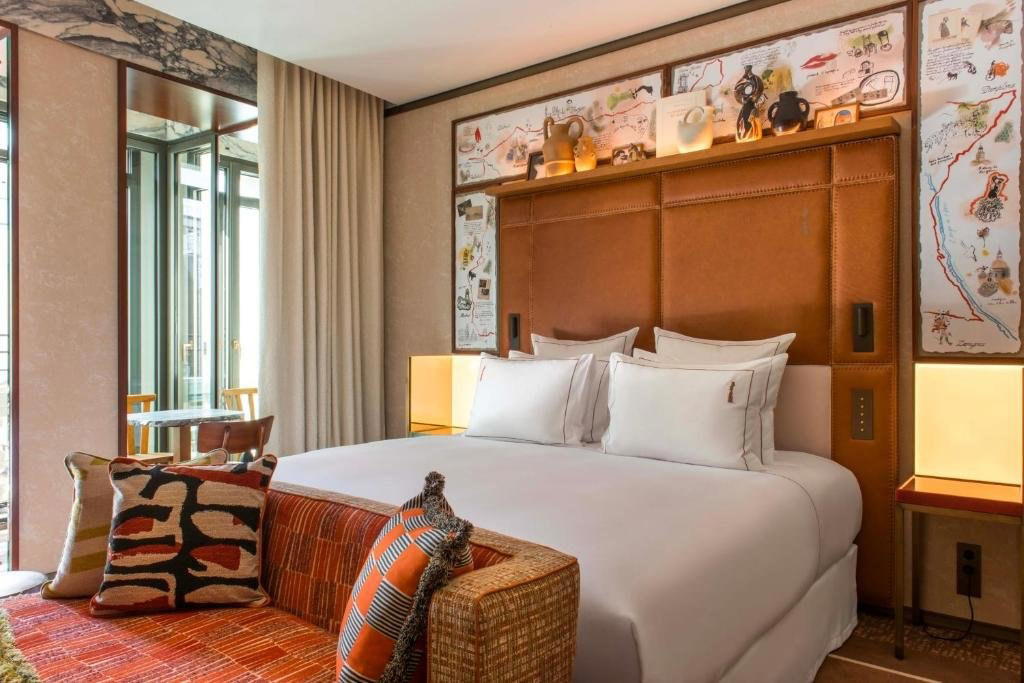
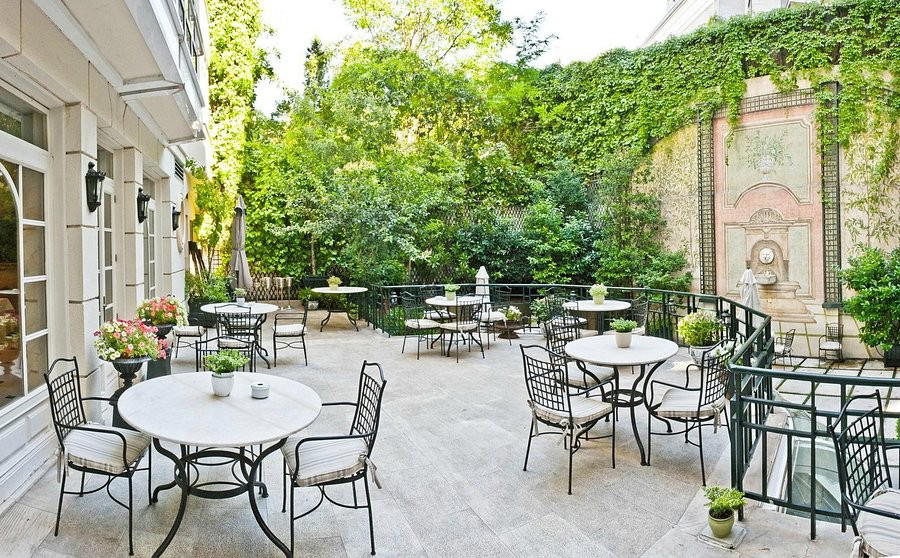
Cozy and chic atmosphere with modern decor, open kitchen, and inviting garden terrace surrounded by greenery.
Know Before You Go
- Getting there
- COAM, C/ de Hortaleza, 63, Centro, 28004 Madrid, Spain