Our verdict
Peruvian cooking in Toronto occupies a narrow but confident niche, and Pisac Peruvian Bistro on Carlton Street sits near its centre. The kitchen draws on Peru's ingredient traditions, coastal, Andean, and jungle, to produce a bistro format that reads as accessible without flattening the source material. For a city where Latin American dining still skews Mexican or Brazilian, Pisac represents a distinct counterpoint.

Pearl is the En Primeur Club membership app, where members save venues, book tables and use the concierge.
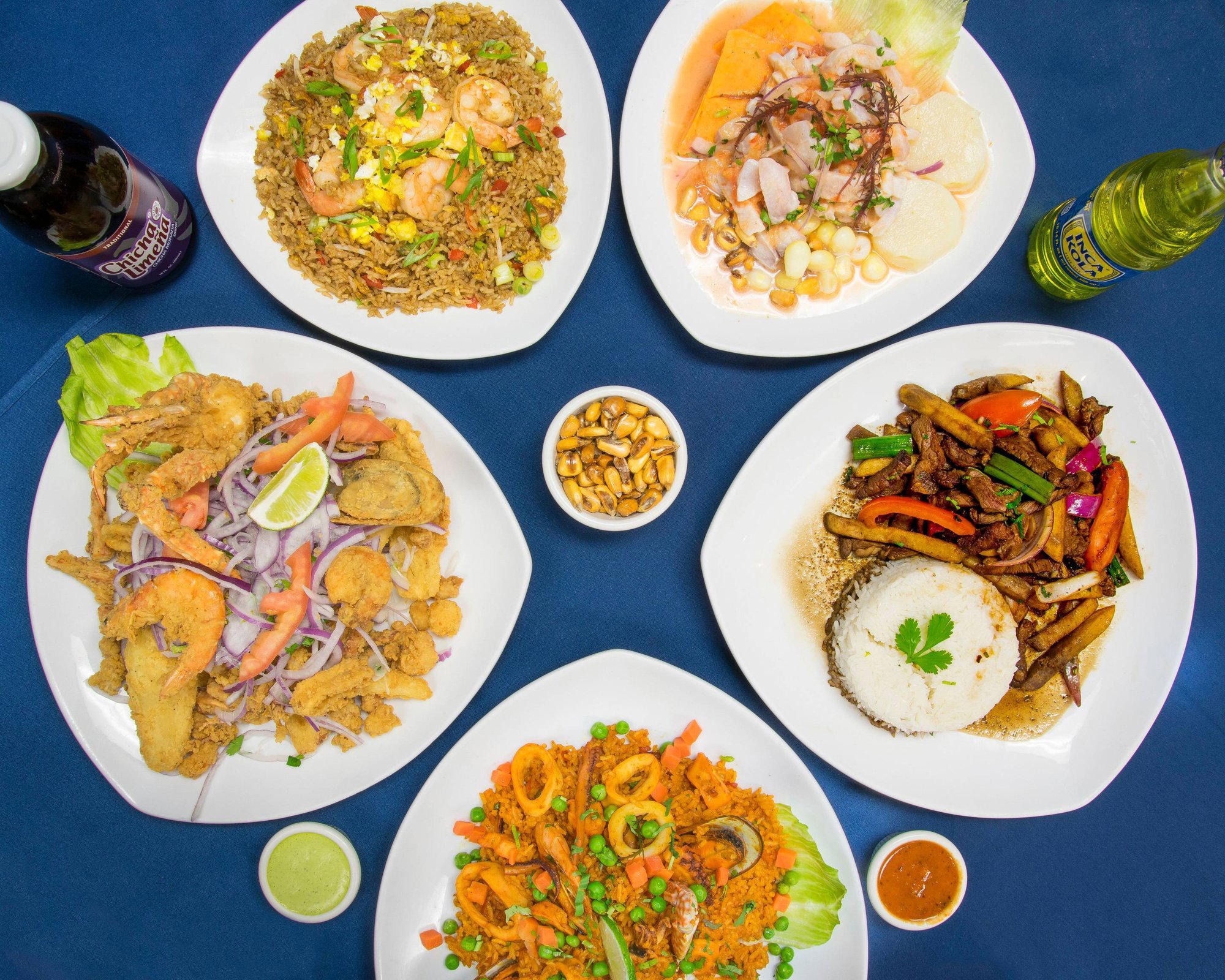
Carlton Street and the Case for Peruvian Cooking in Toronto
Toronto's Latin American restaurant scene has long been weighted toward Mexican and Brazilian formats, where volume and familiarity drive foot traffic. Peruvian cooking occupies a smaller, more considered corner of that map. It draws on one of the most ingredient-diverse food cultures on the planet, coast, highlands, and Amazon basin each contributing distinct produce, proteins, and techniques, and translates poorly when simplified for mass appeal. The bistro format, at a fixed address on Carlton Street in Cabbagetown, is one way that complexity gets made legible without losing its edge.
Pisac Peruvian Bistro takes its name from the market town of Písac in the Sacred Valley, a reference point that signals where the kitchen's ingredient logic is anchored. Andean markets like Písac are where Peru's staggering biodiversity becomes tangible: hundreds of potato varieties, dozens of chilli types, quinoa in colours rarely seen outside the highlands. That sourcing depth is the argument behind serious Peruvian cooking, and it's what separates the cuisine from more streamlined Latin American formats.
What Peruvian Ingredient Logic Looks Like on a Toronto Menu
Peru's culinary geography is the defining fact about its food. The country runs from Pacific coastline to Andean plateau to Amazonian lowland within a few hundred kilometres, and each zone produces ingredients that don't overlap. Coastal cooking is built around ceviche and tiradito, acid-cured fish, leche de tigre, ají amarillo, while highland preparations lean on tubers, dried chillies, and slow braises. Jungle cooking introduces ingredients that most diners outside South America have never encountered: cocona, camu camu, paiche.
A Peruvian kitchen operating in Toronto faces a specific sourcing problem: most of those regional ingredients require import or substitution. How a restaurant resolves that tension determines whether it reads as an honest representation of the cuisine or an approximation of it. The bistro format Pisac operates within, neighbourhood-scale, accessible pricing implied by the category, no theatrical tasting-menu architecture, suggests a kitchen working within practical constraints rather than trying to replicate a high-concept Lima restaurant in a Canadian city. That's not a criticism; it's a positioning choice that shapes what the food can and should do.
Among Toronto's Peruvian options, the Carlton Street address places Pisac in a residential neighbourhood rather than the downtown core or the west-end restaurant corridors where most of the city's dining attention concentrates. Cabbagetown dining operates at a different register than, say, the density around King West or the Ossington strip. The comparison set for Pisac is not Alo (Contemporary) at the top of the tasting-menu tier, or Sushi Masaki Saito and Aburi Hana in the specialist Japanese category, or the Italian formality of DaNico and Don Alfonso 1890. It sits in a different tier entirely: neighbourhood bistro, cuisine-specific, built for repeat local use rather than destination dining.
Toronto's Broader Latin American Dining Context
The city's Latin American dining has expanded steadily over the past decade, but Peruvian representation remains thin relative to the cuisine's complexity and global standing. Lima has produced some of the most-discussed restaurants in the world over the past fifteen years, its influence on acid-forward, product-driven cooking has been measurable across multiple continents. Toronto has absorbed some of that influence indirectly, through technique and ingredient crossover in broader contemporary cooking, but dedicated Peruvian spaces remain few.
This is the gap Pisac occupies. For diners who have eaten at serious Peruvian restaurants elsewhere, in Lima, New York, London, or even other Canadian cities, a neighbourhood bistro format will read as an entry point rather than a ceiling. For diners encountering Peruvian cooking seriously for the first time, it functions as a useful introduction. Restaurants like Tanière³ in Quebec City or AnnaLena in Vancouver demonstrate how Canadian kitchens can build serious ingredient sourcing stories around regional produce; the Peruvian bistro format asks a version of the same question applied to South American ingredients within a Canadian supply chain.
The broader Canadian dining conversation around ingredient provenance is active. Places like Restaurant Pearl Morissette in Lincoln, Eigensinn Farm in Singhampton, and The Pine in Creemore have built identities entirely around sourcing discipline. A Peruvian kitchen in Toronto is working a different version of that argument: not hyper-local, but hyper-specific to a culinary tradition with its own ingredient canon.
Planning a Visit
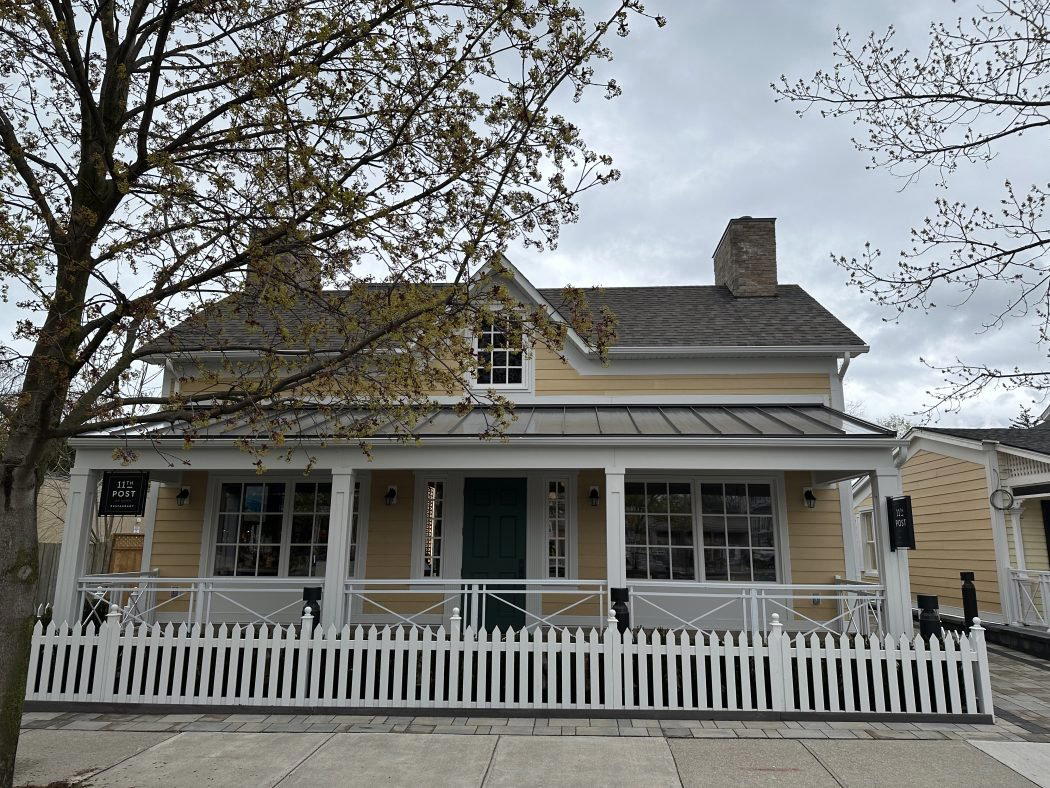
Pisac sits at 195 Carlton St. in Cabbagetown, accessible by TTC along Carlton or a short ride from the downtown core. As a neighbourhood bistro, it operates without the booking infrastructure of the city's tasting-menu restaurants; walk-in availability is likely more flexible than at the reservation-only counters in the fine dining tier. Visitors coming from further afield would do well to check current hours directly, as neighbourhood bistro schedules are subject to change. The Cabbagetown location means parking is available on surrounding streets, and the area is walkable from Wellesley and Parliament.
How Pisac Compares in Toronto's Restaurant Tiers
| Venue | Cuisine | Price Tier | Format | Booking Lead Time |
|---|---|---|---|---|
| Pisac Peruvian Bistro | Peruvian | Mid-range (est.) | Neighbourhood bistro | Low (est.) |
| Alo | Contemporary | $$$$ | Tasting menu | Weeks to months |
| Sushi Masaki Saito | Sushi, Japanese | $$$$ | Omakase counter | Months |
| DaNico | Italian | $$$$ | À la carte / tasting | Days to weeks |
For a wider view of where Pisac fits within the city's full dining range, see our full Toronto restaurants guide. Those planning a broader Canadian dining itinerary might also consider Jérôme Ferrer - Europea in Montreal, Narval in Rimouski, or Aux Anciens Canadiens in Quebec for regional comparison. Further afield, Barra Fion in Burlington and Bearspaw Golf Club in Calgary represent the breadth of Canada's mid-tier dining. For international reference points on how ingredient-driven Latin-influenced cooking performs at the highest level, Le Bernardin and Atomix in New York City sit at the top of that conversation.
Frequently asked questions
Where is Pisac Peruvian Bistro in Toronto?
Pisac Peruvian Bistro is located at 195 Carlton St. Toronto, ON M5A 2K7, Canada, Toronto.
How does Peruvian food at Pisac differ from other Latin American restaurants in Toronto?
Most Latin American restaurants in Toronto are built around Mexican or Brazilian formats, where familiar dishes drive volume. Pisac's Peruvian focus at 195 Carlton St. introduces a distinct culinary logic: the menu reflects a country whose food is shaped by Pacific fishing traditions, high-altitude Andean agriculture, and Amazonian ingredients, three systems that rarely overlap in Toronto dining. That geographic breadth is what separates Peruvian cooking structurally from other Latin American cuisines represented in the city.
What's the must-try dish at Pisac Peruvian Bistro?
Pisac draws on Peru's three distinct culinary geographies, Pacific coast, Andean plateau, and Amazonian lowland, so the most telling orders tend to be those that reflect that range. Coastal preparations like ceviche showcase the acidic, ají-driven logic central to Peruvian cooking and are a reliable starting point for first-time visitors at 195 Carlton St.
Is Pisac Peruvian Bistro reservation-only?
Pisac operates as a neighbourhood bistro in Cabbagetown, a format that typically allows for walk-ins alongside bookings. Contacting the restaurant directly before visiting is advisable, particularly on weekend evenings when Carlton Street foot traffic increases.
What's the standout thing about Pisac Peruvian Bistro?
In a Toronto Latin American dining scene weighted heavily toward Mexican and Brazilian formats, Peruvian representation remains thin. Pisac addresses that gap at 195 Carlton St. bringing ingredient logic rooted in three distinct ecological zones to a city where that approach is rarely explored at the neighbourhood bistro level.
Can Pisac Peruvian Bistro handle vegetarian requests?
Peruvian cooking draws on a wide base of plant staples, native potato varieties, choclo, quinoa, and ají peppers, that sit at the centre of the cuisine rather than on its margins. This ingredient depth gives a kitchen like Pisac's in Toronto's Cabbagetown genuine structural room to accommodate vegetarian requests beyond token substitutions.
Side-by-Side Snapshot
Comparable venues nearby, for context on price, style, and recognition.
| Venue | Cuisine | Price | Notes |
|---|---|---|---|
| Pisac Peruvian BistroThis venue (the venue you are viewing) | Authentic Peruvian Bistro | Not listed | Not listed |
| Khao San Road | Northern Thai | $20–30 | Entertainment District |
| Maker Pizza Cameron | Modern Pizza | $20–30 | Chinatown |
| El Rancho | Latin American Steakhouse | $30–50 | Harbord Village |
| 887 Dundas St W | Asian Fusion Brunch | $10–20 | Trinity Bellwoods |
| Playa Cabana Barrio Coreano | Korean-Mexican Fusion | Not listed | Koreatown |
Continue exploring
More in Toronto
Restaurants in Toronto
All restaurants in Toronto →
Bars in Toronto
All bars in Toronto →

Details
- Cozy
- Intimate
- Rustic
- Date Night
- Casual Hangout
- Standalone
- A La Carte
- Vegetarian Friendly
Current opening hours
- Monday
- Closed
- Tuesday
- 5–9:30 PM
- Wednesday
- 5–9:30 PM
- Thursday
- 5–9:30 PM
- Friday
- 12–10 PM
- Saturday
- 12–10 PM
- Sunday
- 12–9 PM
Hours can change for holidays and private events. Hours as of .
Cozy, intimate, and rustic atmosphere with warm hospitality and personalized service in a small space.