Skip to Main Content
Korean Mexican Fusion
← Collection
Toronto, Canada

Playa Cabana Barrio Coreano

Price≈$25
Dress CodeCasual
ServiceUpscale Casual
NoiseLively
CapacitySmall

Playa Cabana Barrio Coreano on Euclid Avenue sits at the intersection of Mexican and Korean cooking traditions, a pairing that reflects Toronto's west-side neighbourhood character more than any deliberate trend-chasing. The kitchen draws on two distinct ingredient cultures to produce a menu that reads as genuinely hybrid rather than novelty. For diners moving between Annex and Little Italy, it anchors a block worth knowing.

Pearl is the En Primeur Club membership app — saves, bookings, and concierge access live there. Same editors, same standards.

Plan your visit on PearlPlan Your Visit
Address
690 Euclid Ave, Toronto, ON M6G 2T9, Canada
Phone
+1 416 546 1592
Playa Cabana Barrio Coreano restaurant in Toronto, Canada
About

Where Two Ingredient Cultures Meet on Euclid Avenue

The stretch of Euclid Avenue running through Toronto's west end has long operated as a quiet connector between the Annex's bookshop-and-cafe density and the older Portuguese and Italian blocks of Little Italy and Dufferin Grove. That relative obscurity is partly what allows a restaurant like Playa Cabana Barrio Coreano to do something genuinely specific rather than commercially calibrated: put Mexican and Korean pantries in conversation without leaning on either one as a novelty prop for the other.

The name itself signals the premise clearly. "Barrio Coreano", Korean neighbourhood, placed against the Playa Cabana lineage, which has built a recognizable presence in Toronto's casual Mexican dining tier, suggests a kitchen that is treating the Korean side of the equation as a co-equal ingredient system rather than a seasoning layer applied over a taco template. Toronto has seen fusion concepts where one cuisine is the canvas and another is the accent. The more durable model is one where both culinary repertoires contribute source material: fermented pastes alongside chilli-based sauces, banchan logic alongside antojito structure, umami built from doenjang rather than from dried chillies alone.

The Ingredient Logic Behind Korean-Mexican Cooking

Korean and Mexican pantries share structural similarities that make their combination less arbitrary than it might first appear. Both cuisines are built around fermentation as a primary flavour mechanism: kimchi and gochujang on the Korean side, masa fermentation and vinegar-spiked salsas on the Mexican side. Both use chilli as a base note rather than a finishing heat, and both carry strong acidic counterpoints, the citrus of Mexican cooking finds a loose parallel in the vinegared brine of Korean preserved vegetables. Chefs working in this hybrid register are not simply mixing cuisines; they are finding where the flavour architectures already overlap and then building outward from that common ground.

Across North America, Korean-Mexican fusion gained public visibility through the Los Angeles taco truck scene of the late 2000s and early 2010s, but that moment was largely about portability and price point. The more recent iteration is slower and more ingredient-focused: it asks what happens when Korean fermentation techniques are applied to Mexican proteins, or when Mexican masa-based vessels carry Korean preparations built for rice. That is a kitchen question rather than a marketing question, and it produces a different kind of menu, one where the sourcing of gochugaru alongside dried ancho, or the decision to ferment something rather than fresh-dress it, carries editorial weight.

For diners who have spent time with Toronto's Korean dining corridor along Bloor West, or with the city's increasingly serious Mexican restaurant tier, the Barrio Coreano format offers a reading experience that rewards that dual literacy. You are not being introduced to either cuisine; you are watching the kitchen arbitrate between two confident culinary languages it appears to know well.

Toronto's West Side and the Case for Neighbourhood Dining

Toronto's most interesting mid-market restaurant moves tend to happen in residential neighbourhoods rather than in the city's visible dining precincts. The Annex, Christie Pits, and the blocks immediately south of Bloor between Bathurst and Dufferin have absorbed a generation of restaurants that opened without fanfare and built audiences through word of mouth over several years. Playa Cabana Barrio Coreano belongs to that pattern geographically, even if its parent brand carries some prior recognition.

That neighbourhood positioning can shape sourcing and menu flexibility. The Kensington Market area nearby, and the established Korean grocery infrastructure along Bloor, both support the kind of dual-pantry sourcing this format requires. Neither gochujang nor decent dried chillies are difficult to source in this part of the city, and that access matters for the quality of the baseline ingredients reaching the kitchen.

For comparison, the upper tier of Toronto's restaurant scene operates at a price point and format density that requires long booking windows and formal commitment. Barrio Coreano sits several tiers below that register, which means it serves a different purpose in a dining week: it is the place you go when you want something genuinely specific without the choreography of a full tasting-menu evening.

Situating Barrio Coreano in the Broader Canadian Dining Conversation

Canada's most discussed ingredient-led restaurants tend toward either high-formalism or extreme regionalism. Places like Eigensinn Farm in Singhampton and Fogo Island Inn Dining Room in Joe Batt's Arm have built reputations on hyper-local sourcing as a philosophical position. Tanière³ in Quebec City, Restaurant Pearl Morissette in Lincoln, and AnnaLena in Vancouver each pursue ingredient sourcing as a front-of-house narrative. Barrio Coreano operates from a different premise: the ingredients it sources are not local in the terroir sense, but they are specific in the cultural sense. Gochujang from a particular Korean producer, dried chillies with a traceable regional origin in Mexico, these are sourcing decisions that reflect a kitchen's engagement with its ingredient cultures rather than its geography.

That is a legitimate and underexplored form of ingredient commitment, and it places Barrio Coreano in a different conversation than either the white-tablecloth local-seasonal format or the casual-dining tier that treats ingredients as interchangeable commodities. Across Canada, restaurants like Cafe Brio in Victoria, Jérôme Ferrer - Europea in Montreal, and Narval in Rimouski each argue for regional ingredient integrity. Barrio Coreano argues for cultural ingredient integrity, which is a different but equally serious claim.

Internationally, the Korean-Mexican format has proven more durable than many critics predicted when it first surfaced. Restaurants in Los Angeles, New York, and London have moved it from the street-food tier into sit-down formats with serious drink programs and considered plating. Toronto, with its unusually dense Korean and Mexican dining populations, is a natural city for that format to mature further. Barrio Coreano, on a residential stretch of Euclid, is a plausible place for that maturation to happen quietly, without the pressure of a high-profile address.

For comparable ingredient-driven formats in other North American cities, Lazy Bear in San Francisco and Le Bernardin in New York City represent how seriously a kitchen can treat sourcing at a higher price register.

Signature Dishes
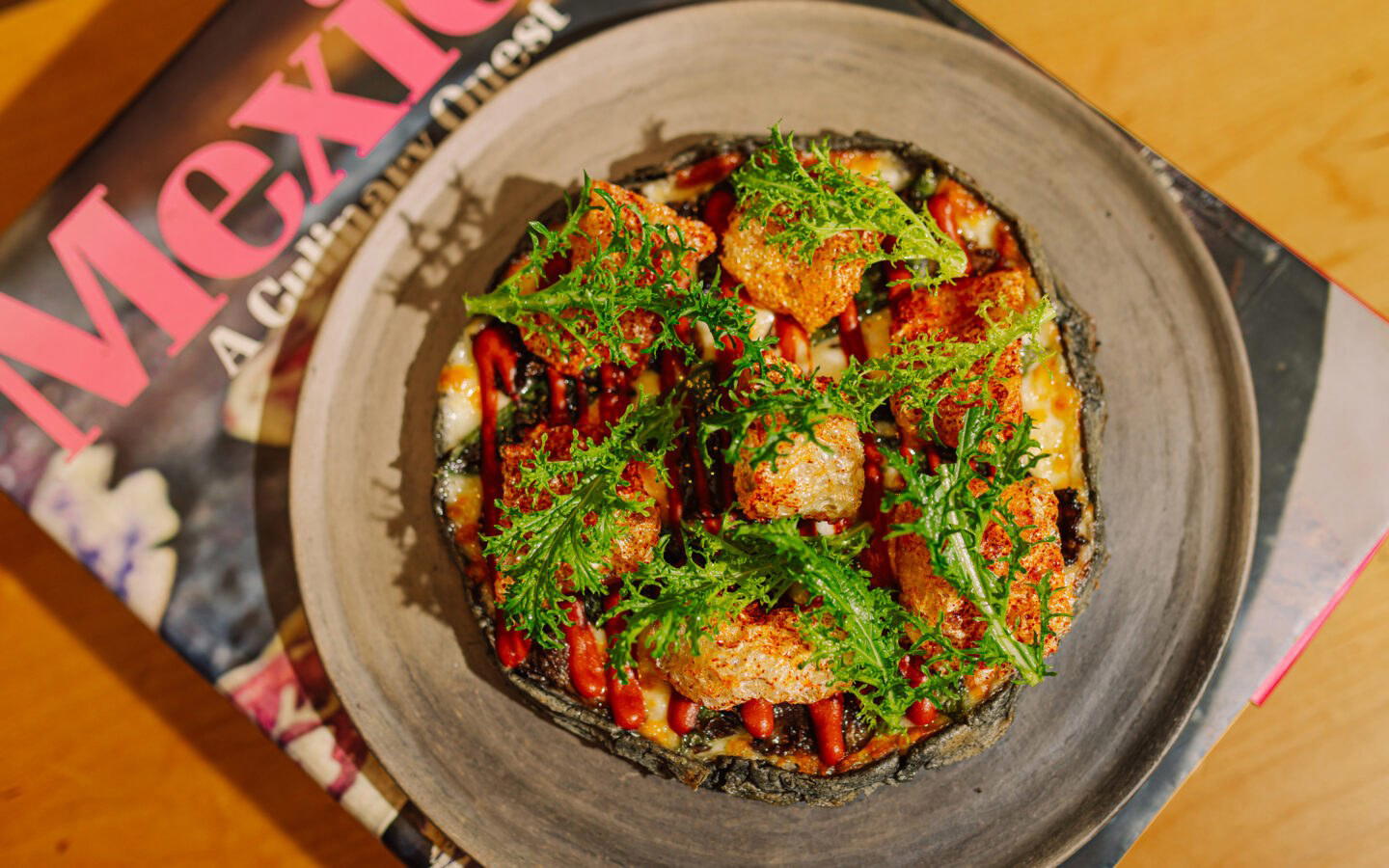
K-Mex SlawSoft Shell Crab TacoKalbi Ribs

Price and Positioning

Comparable venues nearby, for context on price, style, and recognition.

At a Glance
Vibe
  • Lively
  • Trendy
  • Cozy
Best For
  • Casual Hangout
  • Group Dining
  • Date Night
Experience
  • Open Kitchen
Drink Program
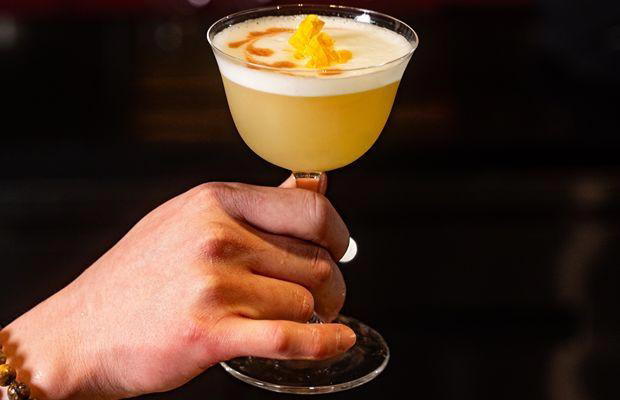
  • Craft Cocktails
Dress CodeCasual
Noise LevelLively
CapacitySmall
Service StyleUpscale Casual
Meal PacingStandard

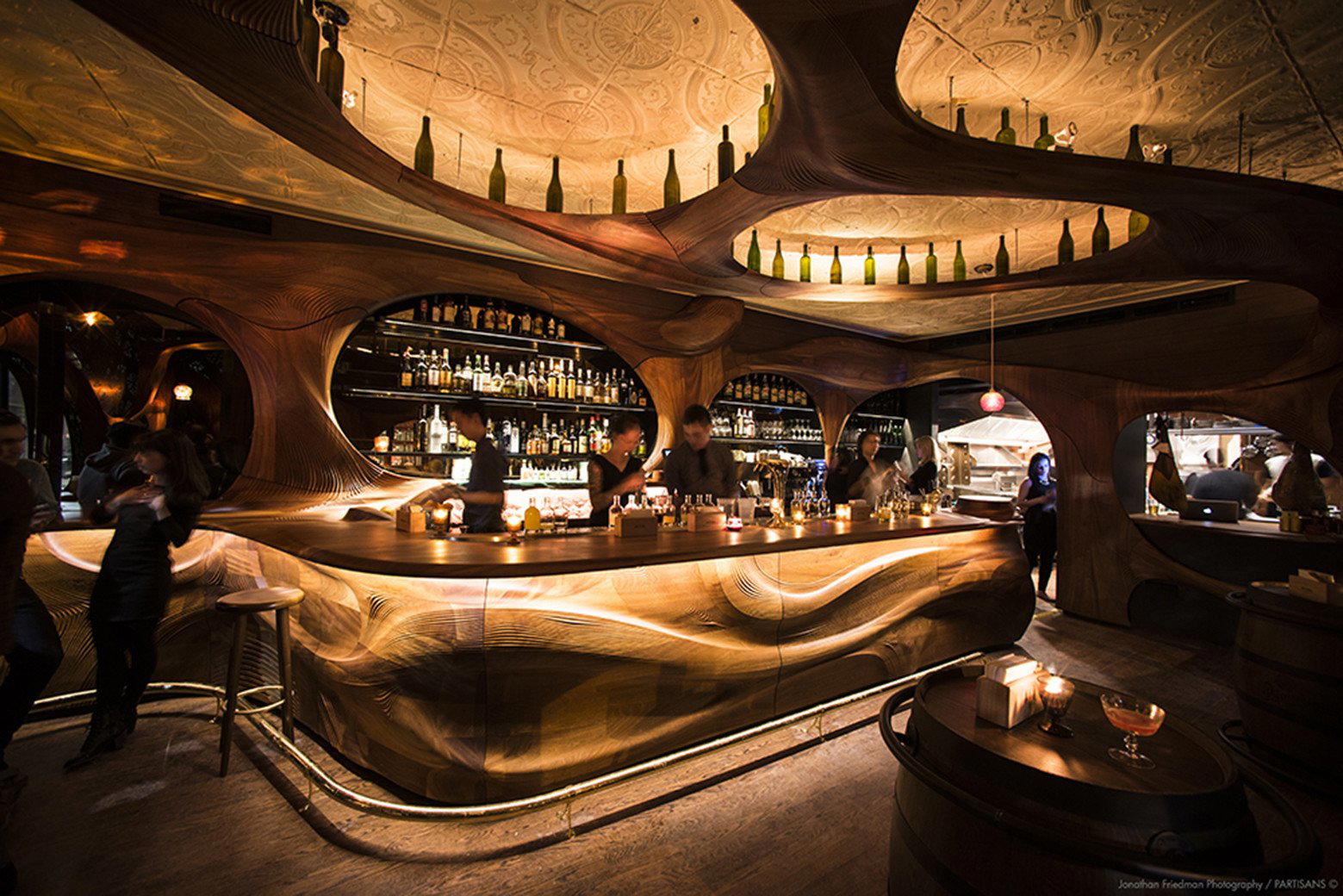
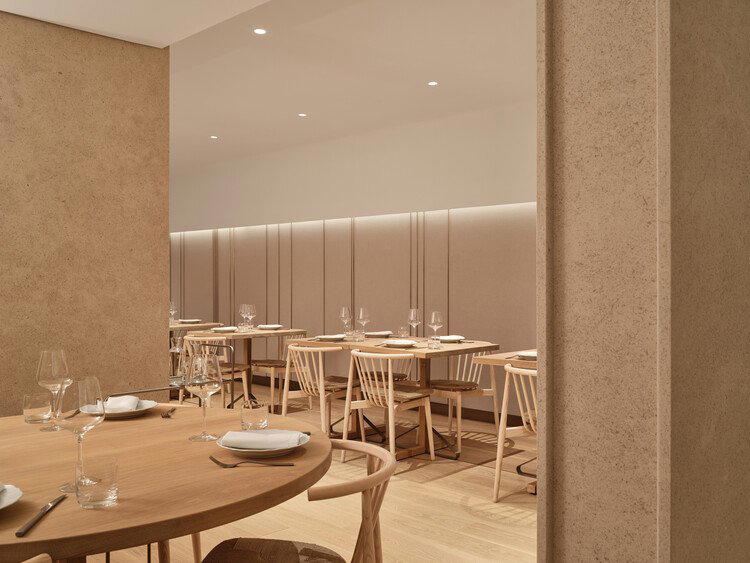
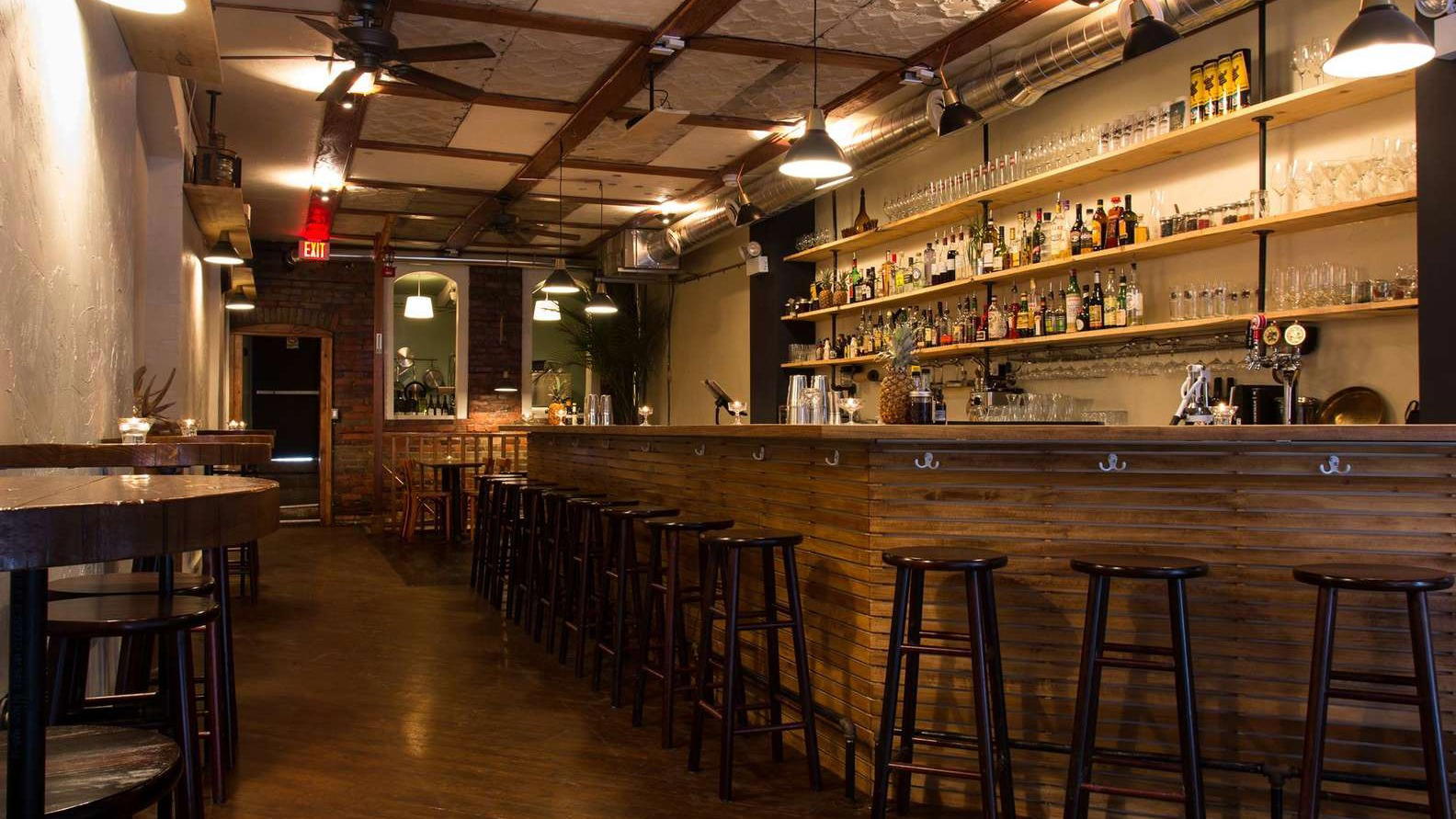
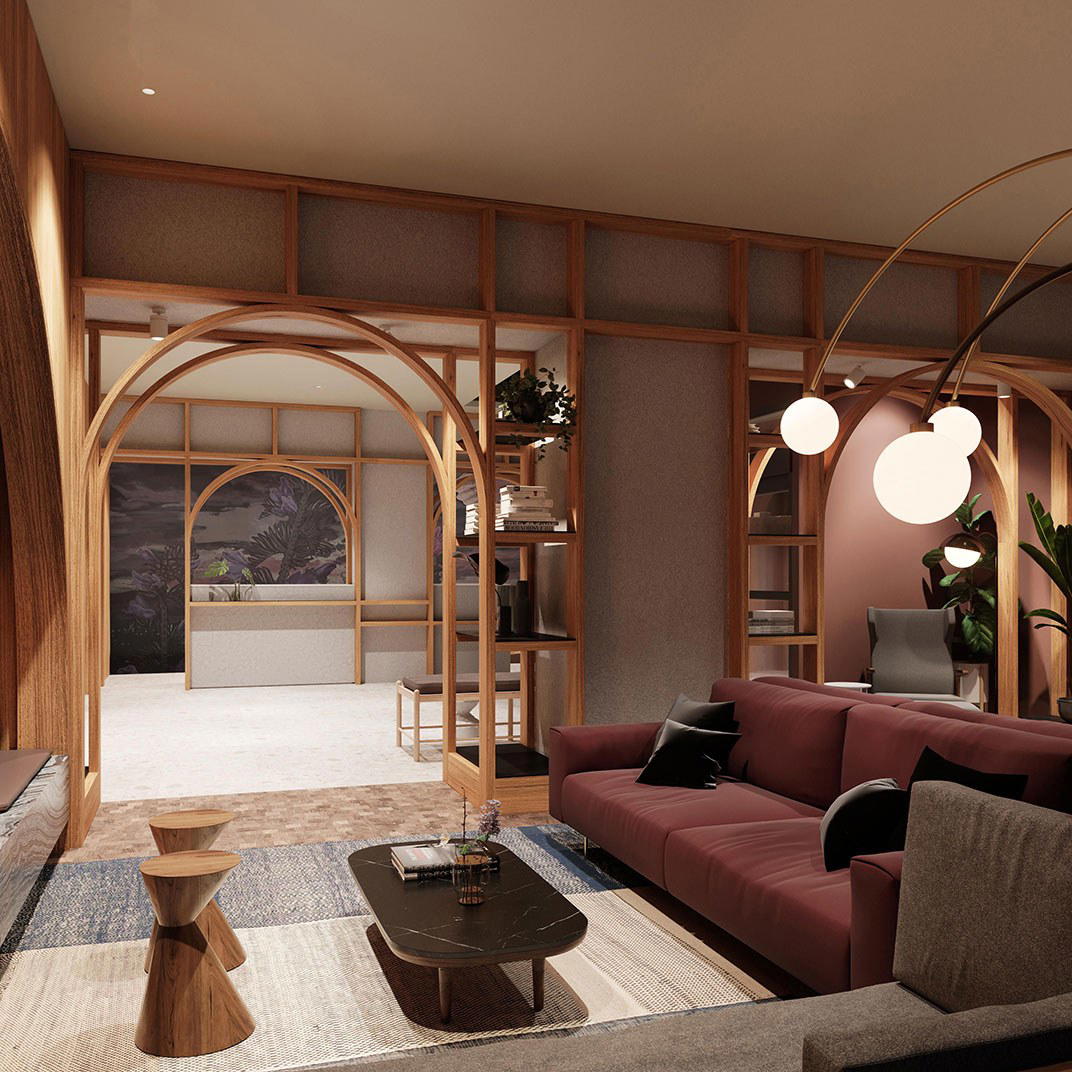
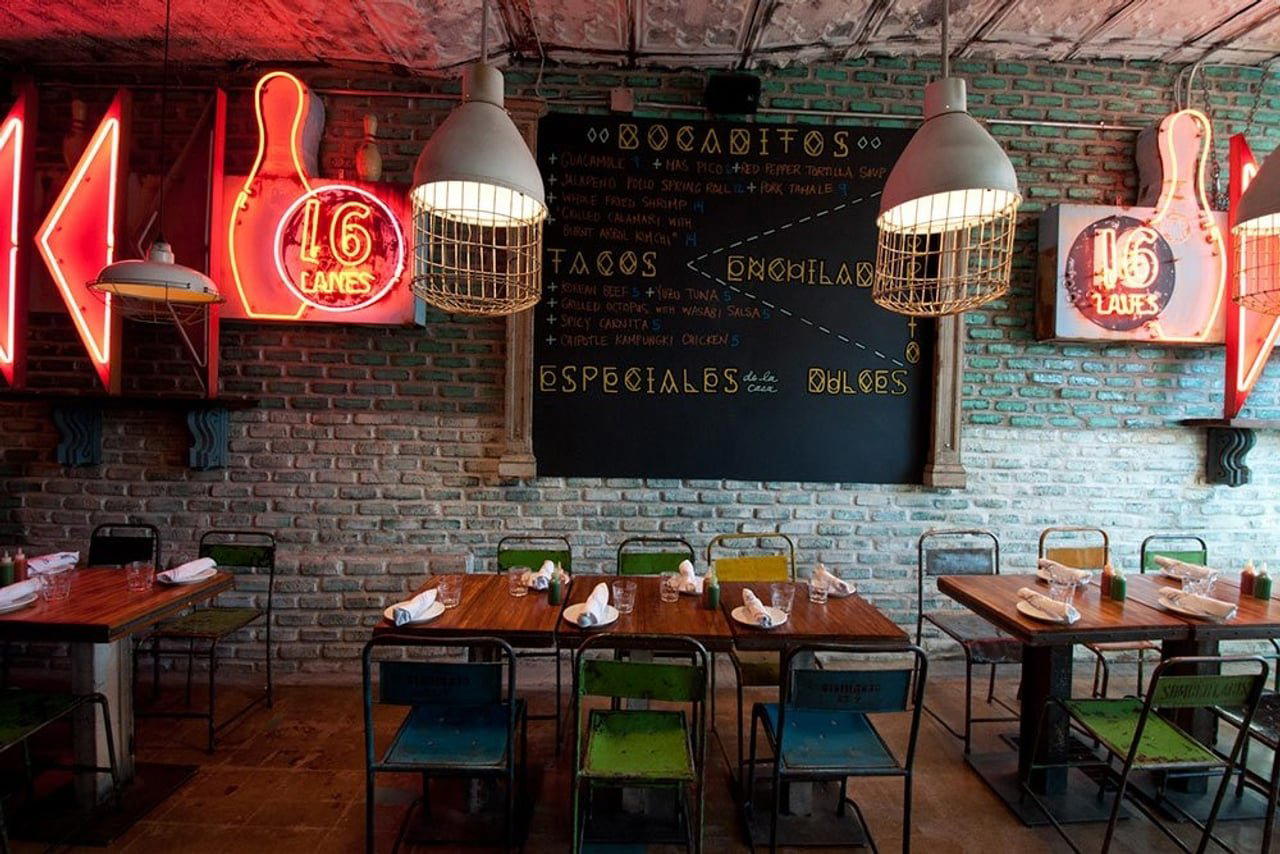
Dim lighting with a chilled yet loud and energetic vibe, featuring K-Pop music and cool decor.

Signature Dishes
K-Mex SlawSoft Shell Crab TacoKalbi Ribs