Google: 4.0 · 1,494 reviews

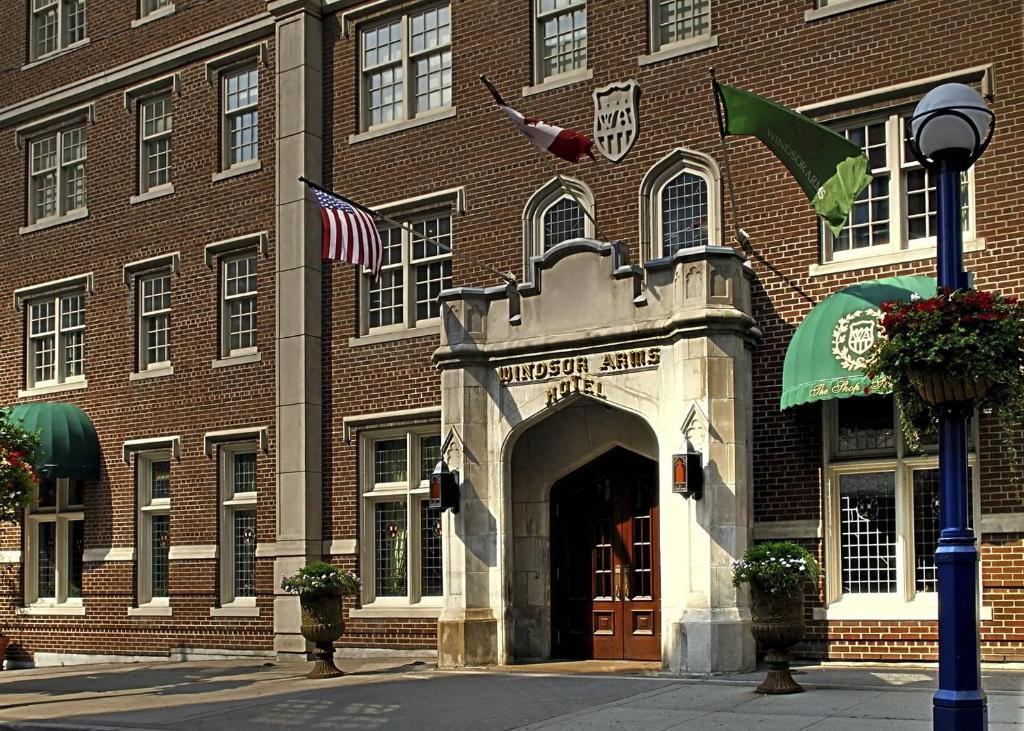
On a quiet block just off Bloor in the Annex-adjacent pocket of Yorkville, Windsor Arms has occupied its 1927 Tudor-Gothic building long enough to become part of Toronto's architectural record. The hotel operates at a small scale — 28 suites — that places it in a different competitive register from the city's large-flag luxury properties. It is the kind of address that rewards guests who prioritise architecture and discretion over amenity breadth.
 Discover on Pearl
Pearl is the En Primeur Club membership app — saves, bookings, and concierge access live there. Same editors, same standards.
A Building That Predates Toronto's Luxury Hotel Market
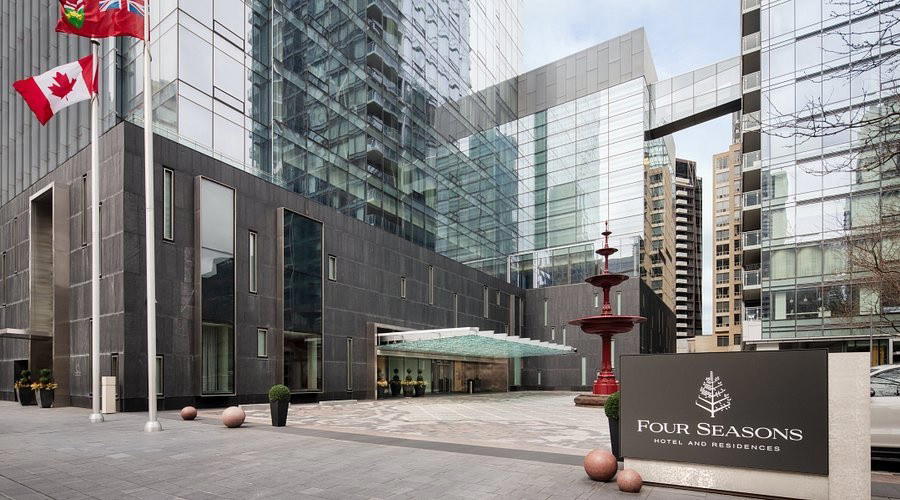
The corner of St Thomas Street and Bloor is quieter than its proximity to Yorkville suggests. Windsor Arms sits at 18 St Thomas St, a Tudor-Gothic structure completed in 1927 that was already a Toronto institution before most of the city's current luxury hotel stock existed. Where properties like the Four Seasons Hotel Toronto and Hotel, Toronto represent the city's post-2010 luxury expansion, Windsor Arms represents something older: the tradition of the small, architecturally specific hotel that draws its identity from the building rather than from a brand standard.
The facade reads as ecclesiastical from certain angles — pointed arches, stone detailing, a verticality that feels out of step with the surrounding Yorkville retail. That friction is the point. The building was not designed to blend into a commercial district; it preceded one. Walking in from St Thomas Street, the shift from Bloor's energy to the hotel's interior register is abrupt in a way that larger lobbies, which use volume to create transition, cannot replicate. Small-scale buildings earn their atmosphere through detail rather than space.
Where Windsor Arms Sits in Toronto's Boutique Hotel Tier
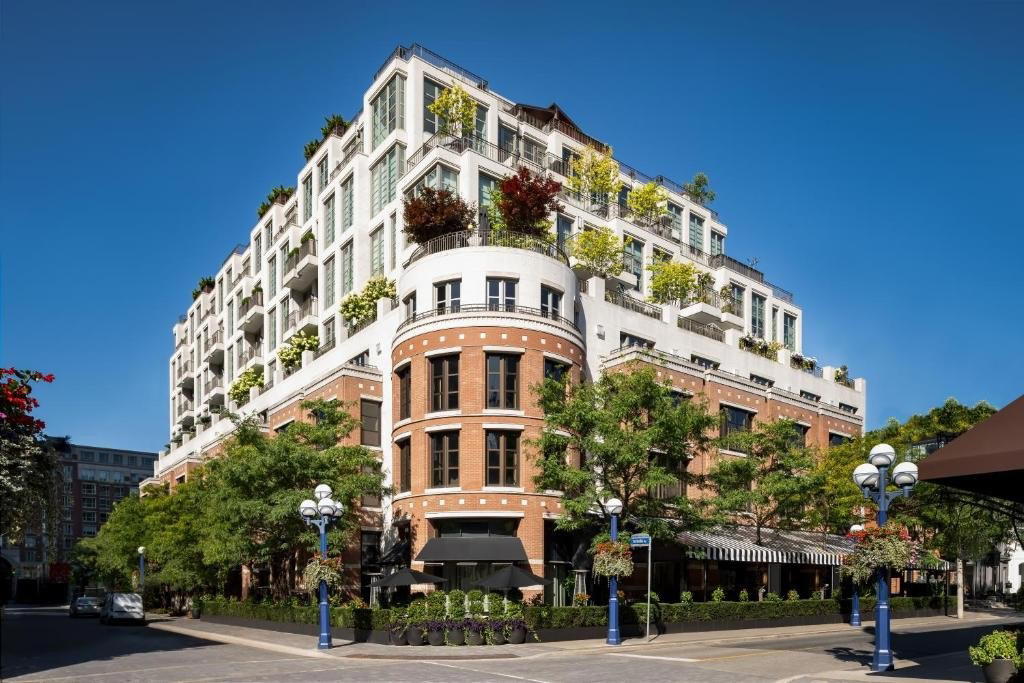
Toronto's premium hotel market has bifurcated over the past decade. On one side sit the large international-flag properties — the Park Hyatt Toronto, the Fairmont Royal York , with their full amenity suites, loyalty ecosystems, and scale-driven service models. On the other sit properties where limited keys and architectural specificity define the proposition. Windsor Arms, at 28 suites, belongs firmly to the second group, alongside Toronto's other design-conscious independents like The Hazelton Hotel in the same Yorkville pocket.
The distinction matters practically. A 28-suite hotel cannot compete on pool decks, conference space, or restaurant programming at the scale that a 200-room property can. What it can do , and what Windsor Arms does , is maintain a staff-to-guest ratio that changes the texture of service, and curate physical spaces with a specificity that larger properties rarely sustain across their full footprint. Guests choosing between Windsor Arms and, say, the Bisha Hotel Toronto or Ace Hotel Toronto are making a decision about what kind of hotel experience they want, not merely about price tier.
The Architecture as the Primary Amenity
The Tudor-Gothic idiom is not common in Canadian hospitality. The style arrived in North American institutional architecture through universities and private clubs in the early twentieth century , places where permanence and tradition were the intended signals. Windsor Arms borrowed that vocabulary for a different use, and the result is a building that carries the visual grammar of an older, more formal city.
Interior detailing at this category of historic hotel tends to work in one of two directions: preservation-focused, where original materials and spatial arrangements are maintained as closely as possible, or reinterpretation, where contemporary design layers over the historic shell. Windsor Arms has undergone renovation across its long history, and the interiors reflect accumulated decisions rather than a single design moment. That layering is characteristic of buildings with genuine age , it is distinct from the manufactured patina that newer boutique hotels sometimes attempt. For context on how Canadian properties handle historic architecture at different scales, the Fairmont Banff Springs in Banff and Fairmont Chateau Lake Louise in Lake Louise represent the grand-railway-hotel tradition; Windsor Arms is smaller and urban, but shares the premise that the building itself is the draw.
The suite-only format reinforces the architectural proposition. In a building of this age and scale, converting to suites rather than standard rooms preserves spatial proportions that smaller guestrooms would compromise. The result is a set of accommodations where the room dimensions feel calibrated to the building's structure rather than to a revenue-per-square-foot calculation.
Yorkville as Context
The neighbourhood around Windsor Arms has changed considerably since the hotel's 1927 opening. Yorkville shifted from countercultural hub in the 1960s to Toronto's primary luxury retail and gallery district over subsequent decades. The current street-level character , flagship boutiques, the Gardiner Museum nearby, Hazelton Lanes a short walk , places the hotel in a neighbourhood where the surrounding density of premium spending has, if anything, increased its relevance.
For guests interested in Toronto's dining and cultural programming, the location is practical. Bloor Street's access to the subway system means the wider city is reachable without a car, which matters in a city where driving and parking add friction to most itineraries. Our full Toronto restaurants guide covers the neighbourhood and the broader dining context. For comparison across Canada's small luxury hotel tier, properties like Manoir Hovey in North Hatley, Hôtel Quintessence in Mont-Tremblant, and Fogo Island Inn in Joe Batt's Arm each pursue the limited-key, architecture-forward model in different regional registers. Windsor Arms does it in an urban context, which creates a different use case: it is a city hotel first, with the boutique-property ethos layered on leading.
Planning a Stay
Windsor Arms is an independent property without a loyalty programme affiliation, which means booking direct is typically the most direct approach. The 28-suite inventory means availability tightens during Toronto's festival calendar , the Toronto International Film Festival in September historically compresses luxury accommodation across the city, and Windsor Arms draws a specific subset of guests for whom the property's scale and discretion are features rather than limitations. For comparable properties in other Canadian cities, the Rosewood Hotel Georgia in Vancouver and Hotel Le Germain Montreal in Montreal occupy analogous positions in their respective markets. Internationally, those drawn to Windsor Arms' combination of historic architecture and small-scale luxury will find points of comparison at Aman Venice in Venice, where historic palaces host similarly limited guest counts, and at Aman New York in New York City, which occupies the Crown Building and draws from a comparable architectural-prestige proposition. Toronto's own 1 Hotel Toronto sits in a different design lineage , sustainability-led rather than historic preservation , but targets a similar guest profile in terms of design attention.
Comparable Spots, Quickly
A small set of peers for context, based on recorded venue fields.
| Venue | Cuisine | Price | Awards | Notes |
|---|---|---|---|---|
| Windsor Arms Hotel | This venue | |||
| Four Seasons Hotel Toronto | Michelin 2 Key | |||
| Park Hyatt Toronto | Michelin 1 Key | |||
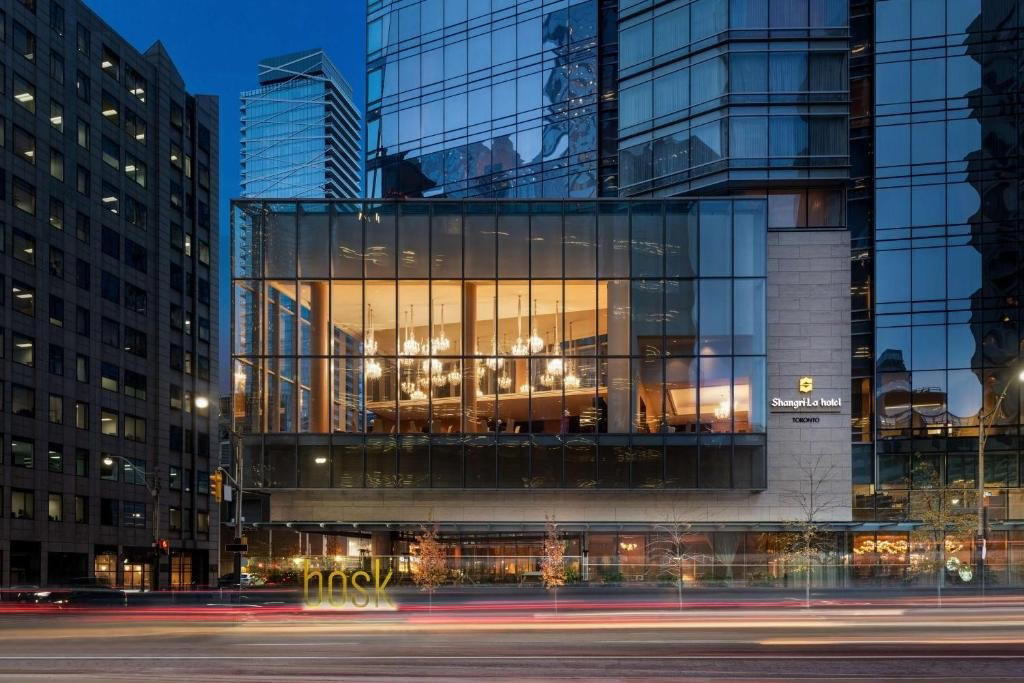
| Shangri-La Hotel, Toronto | Michelin 1 Key | |||
| The Ritz-Carlton, Toronto | ||||
| The Hazelton Hotel | Michelin 2 Key |
Continue exploring
More in Toronto
Hotels in Toronto
Browse all →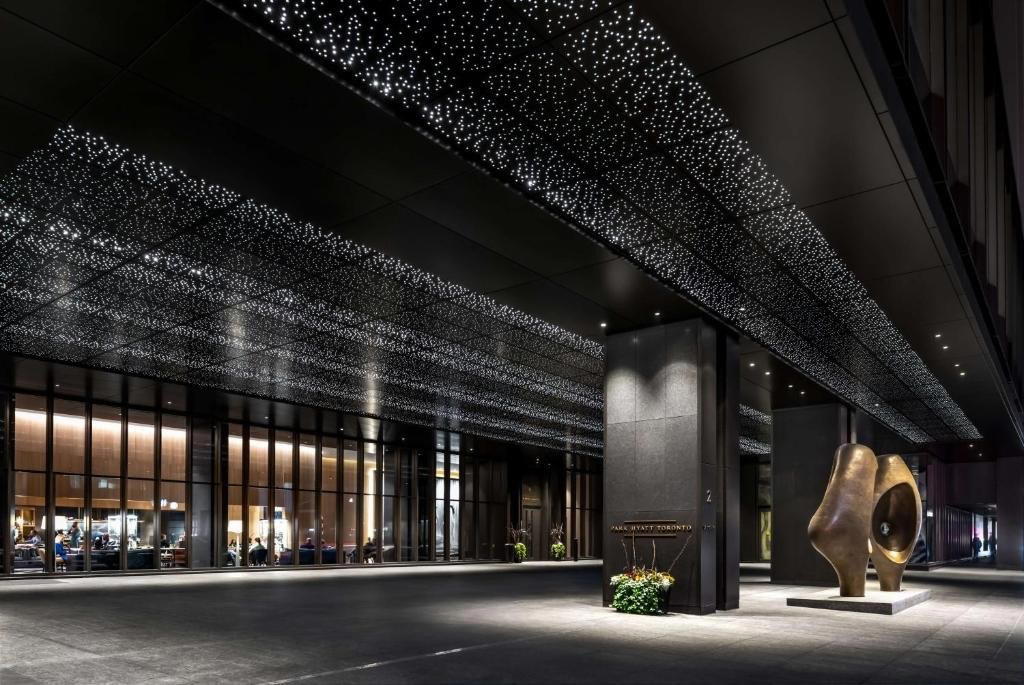
Bars in Toronto
Browse all →

Restaurants in Toronto
Browse all →
Wineries in Toronto
Browse all →
At a Glance
- Elegant
- Classic
- Sophisticated
- Opulent
- Intimate
- Romantic Getaway
- Anniversary
- Business Trip
- Historic Building
- Spa
- Pool
- Fitness Center
- Room Service
- Concierge
- Restaurant
Warm old-world gilded style with plush traditional decor, polished brass, dark tones, and cozy intimacy in common areas and suites.