
World's 50 Best #28 · Canada's 100 Best Restaurants #30
Our verdict
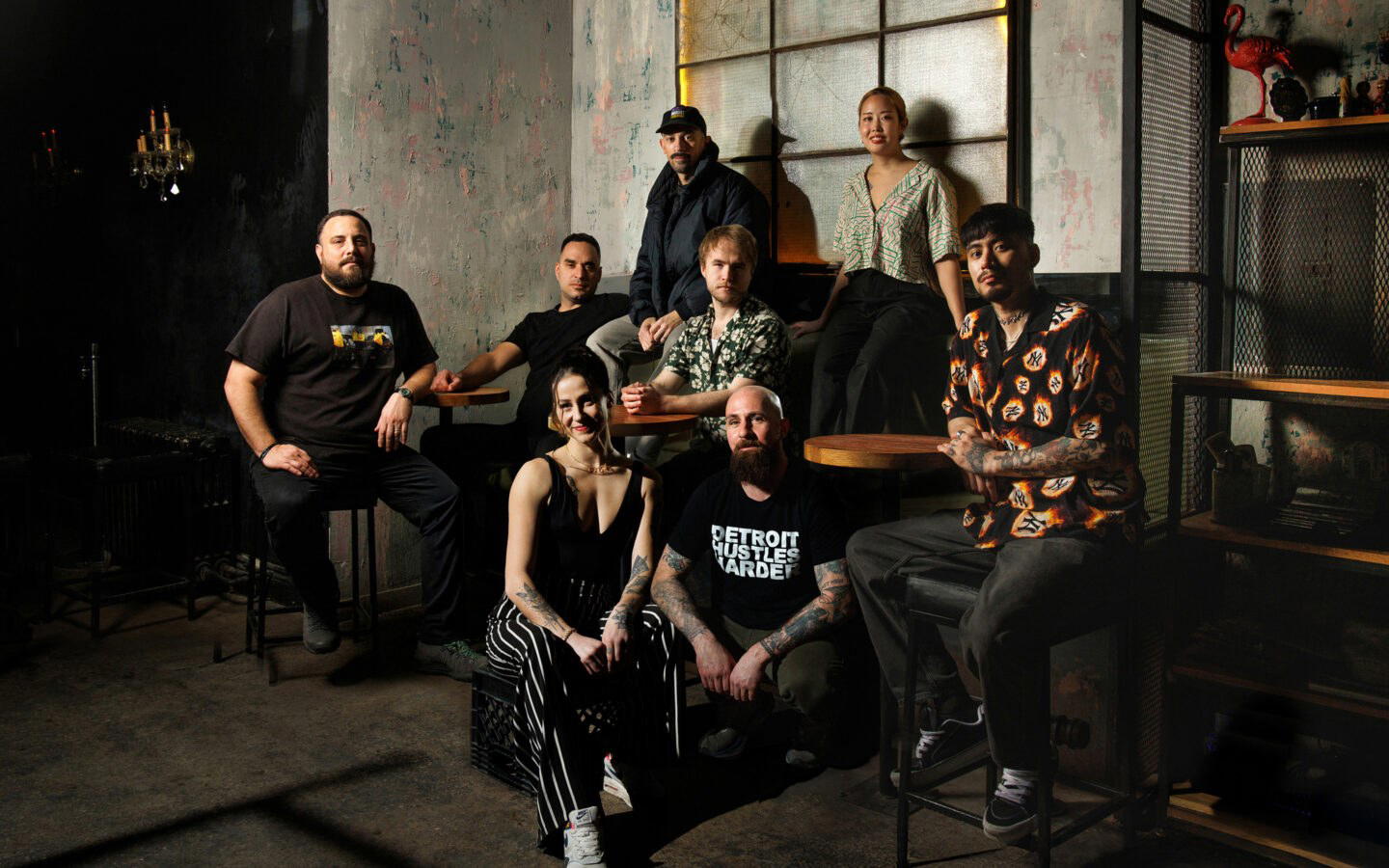
On a quiet Bloorcourt side street, Mhel is a 32-seat Korean-Japanese small plates bar where husband-and-wife team Hoon Ji and Min Yi serve sake alongside charcoal-grilled fish, homemade kimchi, and Ontario-sourced ingredients. The name translates to 'anchovy' in Jeju dialect, and the focus on umami-forward, fish-centred cooking runs through every dish on the menu.

Pearl is the En Primeur Club membership app, where members save venues, book tables and use the concierge.
Where Izakaya Ritual Meets Bloorcourt Quiet
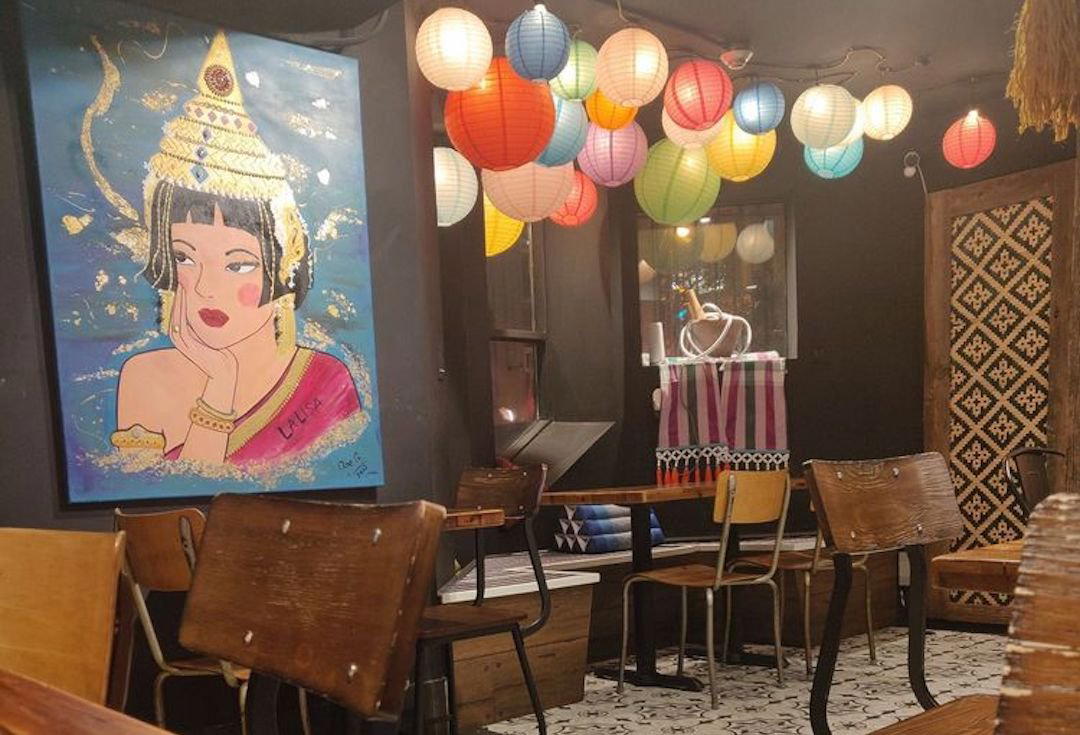
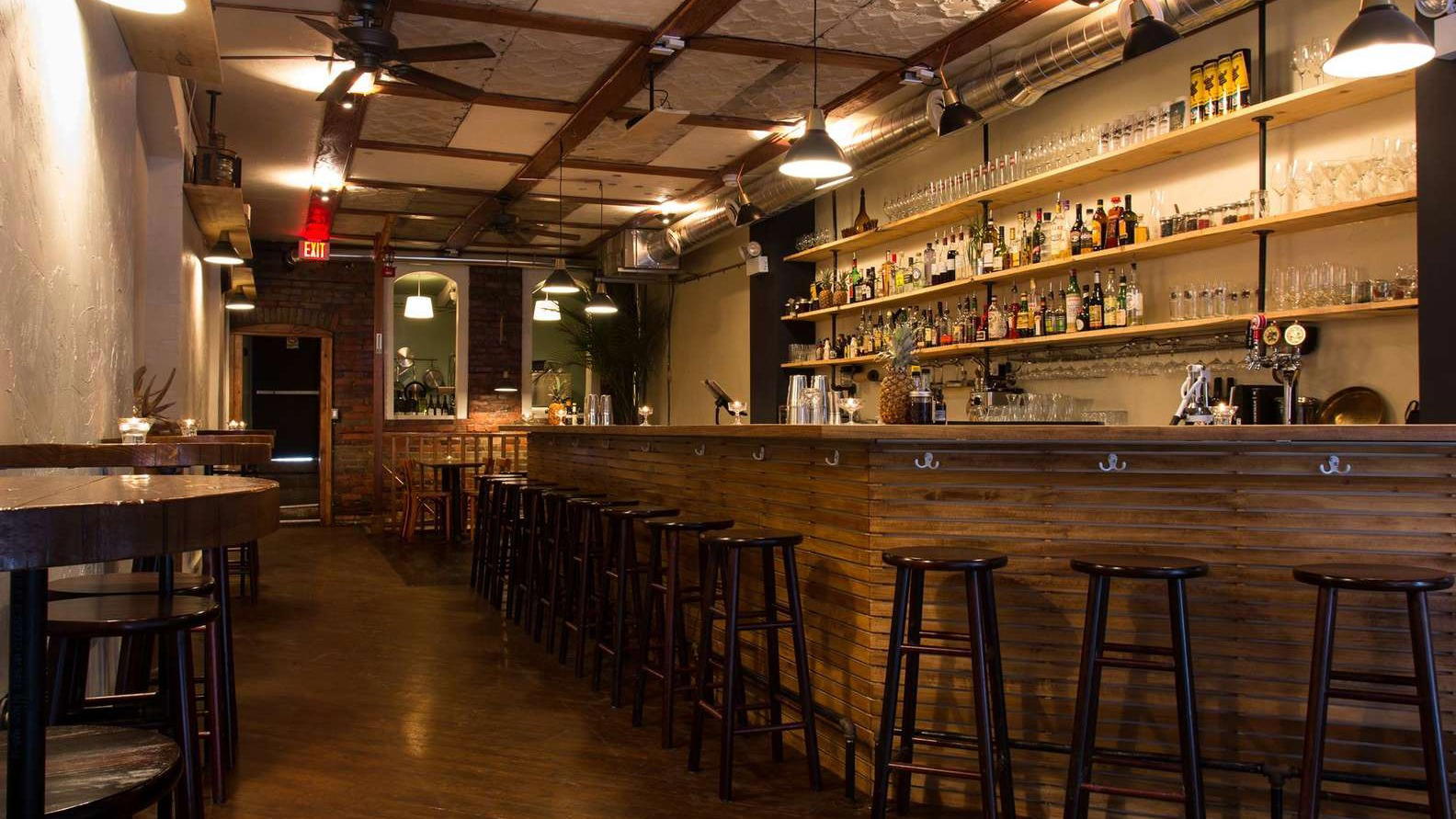
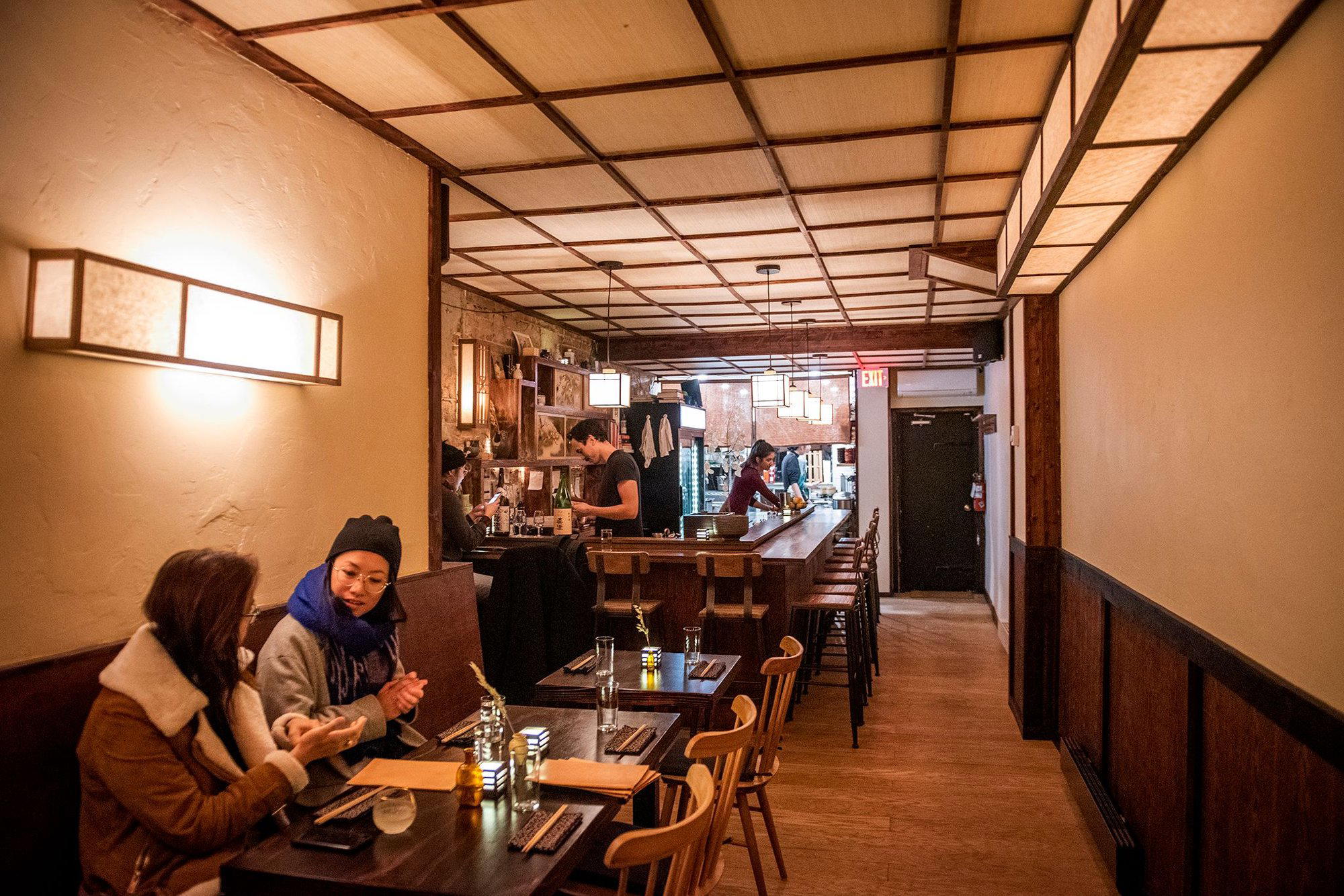
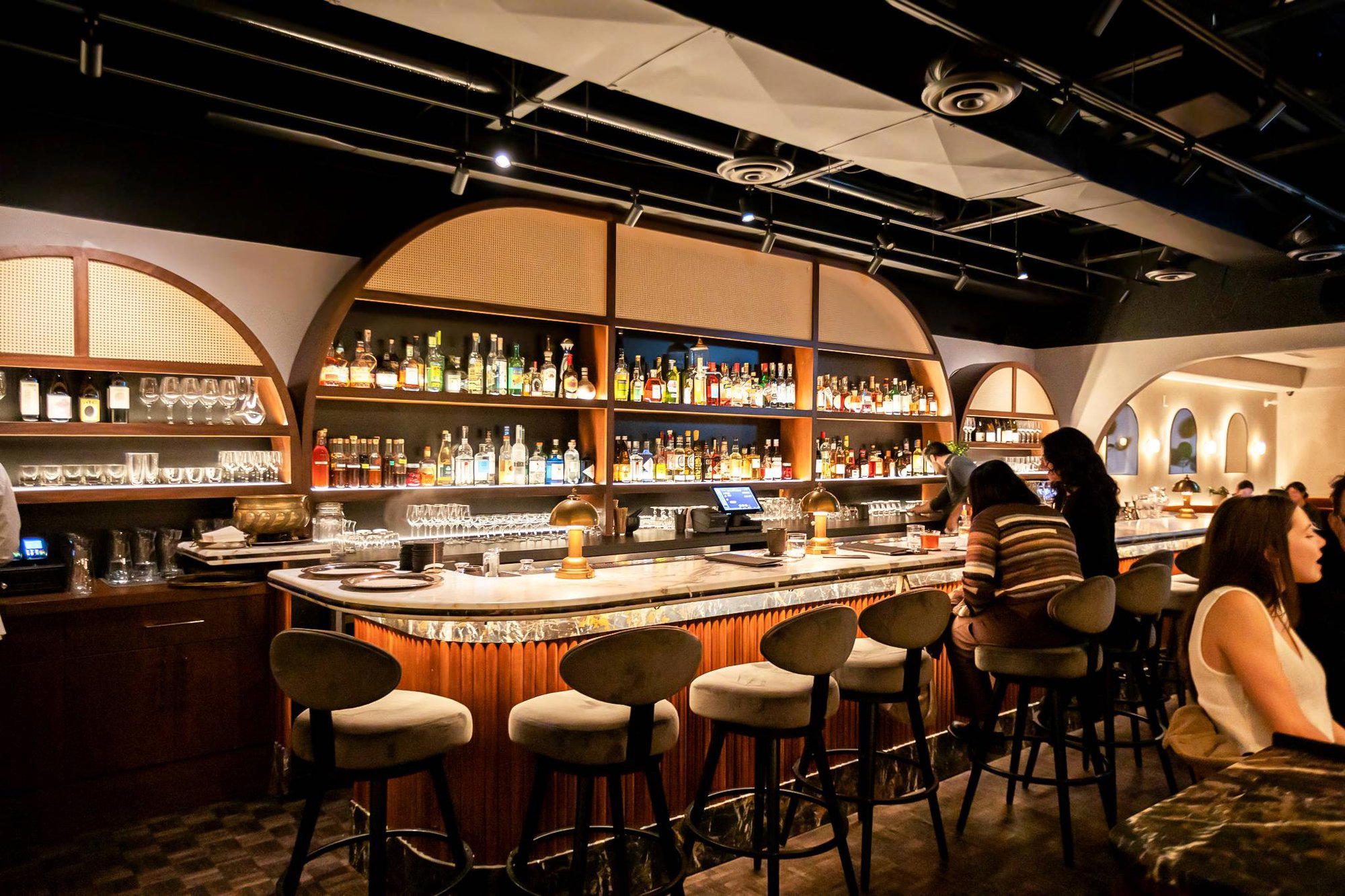
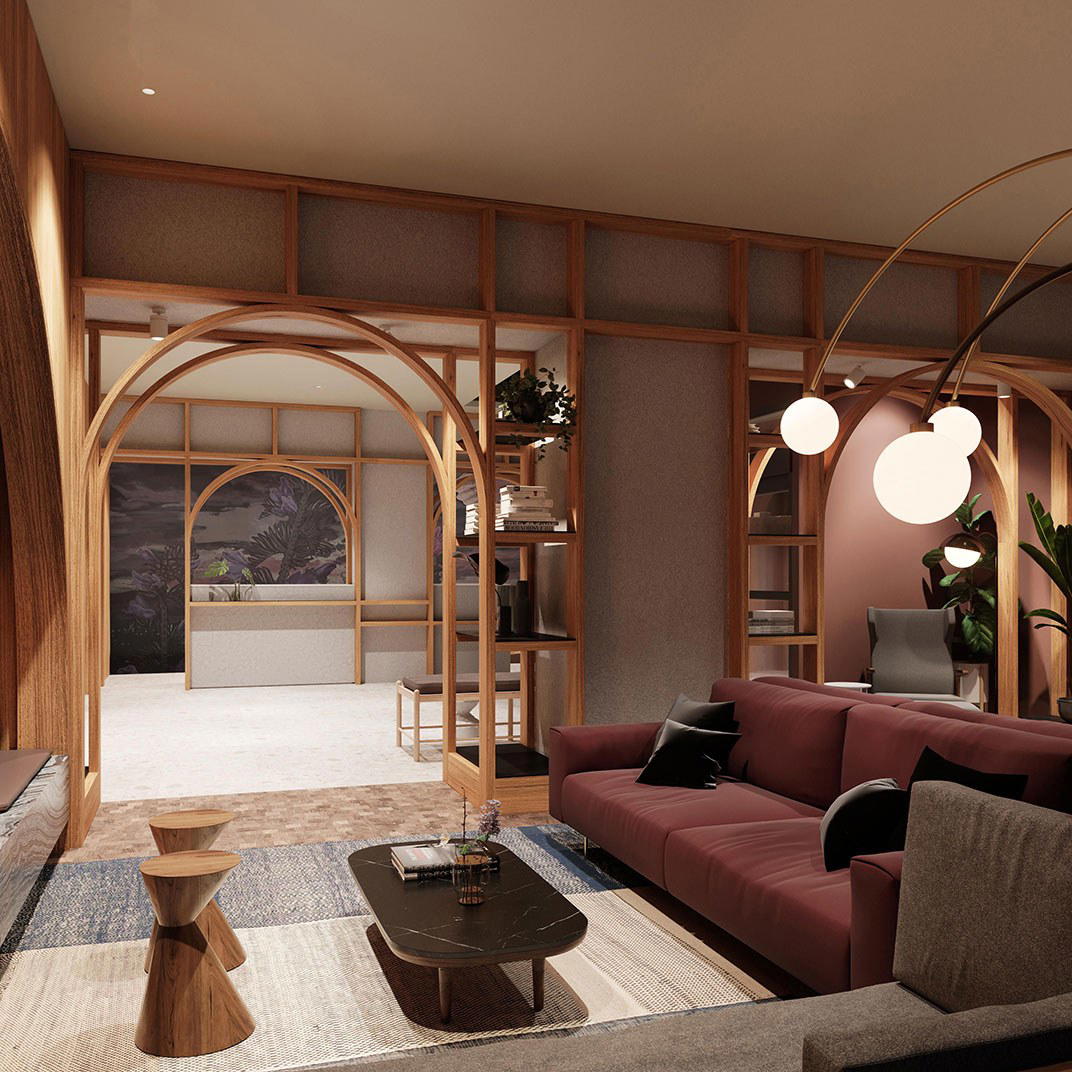
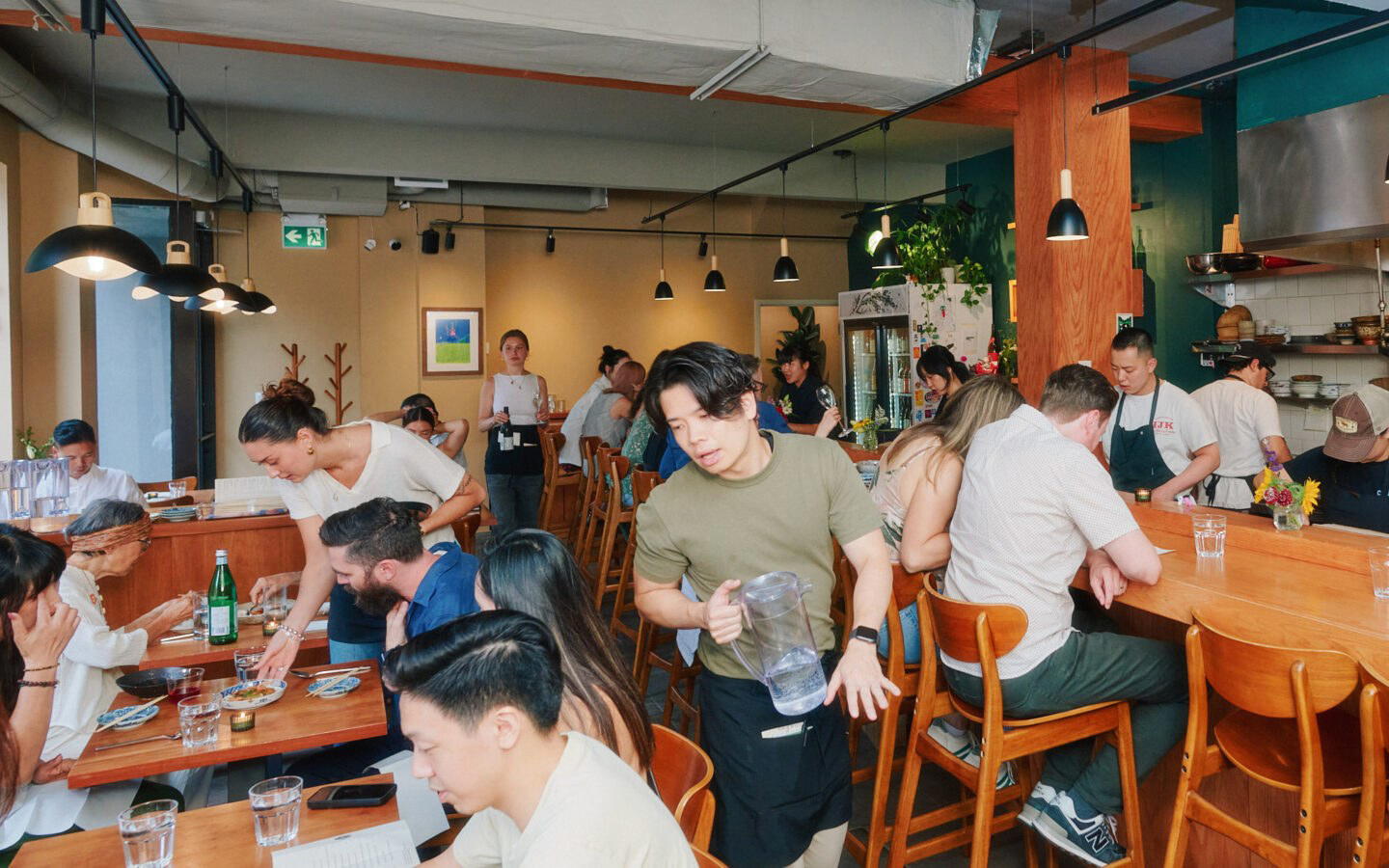
Bloorcourt sits at an odd, useful remove from Toronto's more conspicuous dining corridors. The neighbourhood draws regulars rather than tourists, and the restaurants that take root here tend to reward that loyalty with a specific kind of atmosphere: close, unhurried, built around repetition. Mhel, at 276 Havelock St, fits that pattern precisely. The 60-square-metre room holds 32 seats, including 12 bar stools along an open kitchen, and the wood-lined interior keeps things warm without straining for effect. You're not meant to pass through quickly.
The format is izakaya in the truest sense of the word: small plates arrive in a loosely ordered sequence, the sake list sets the pace, and the kitchen is close enough that you register the smell of charcoal before the food reaches you. Korean bar culture layers in quietly alongside it, particularly in the drink list's structure and in certain dishes that carry generational weight. Together, the two traditions produce a particular dining rhythm that differs from both a tasting menu and a conventional à la carte service. There's no performance here, no formal staging. The meal unfolds at the counter and table without instruction.
The Logic of the Menu
Anchovy as a concept does real structural work in the kitchen. The name 'mhel' comes from the Jeju dialect spoken in Dangjin, and it carries a specific resonance in both Korean and Japanese cooking: anchovies are a foundational flavour agent, present in dashi, in fermented condiments, in the base registers of countless dishes. At Mhel, that sensibility extends outward into a menu built on umami depth and seasonal discipline rather than spectacle.
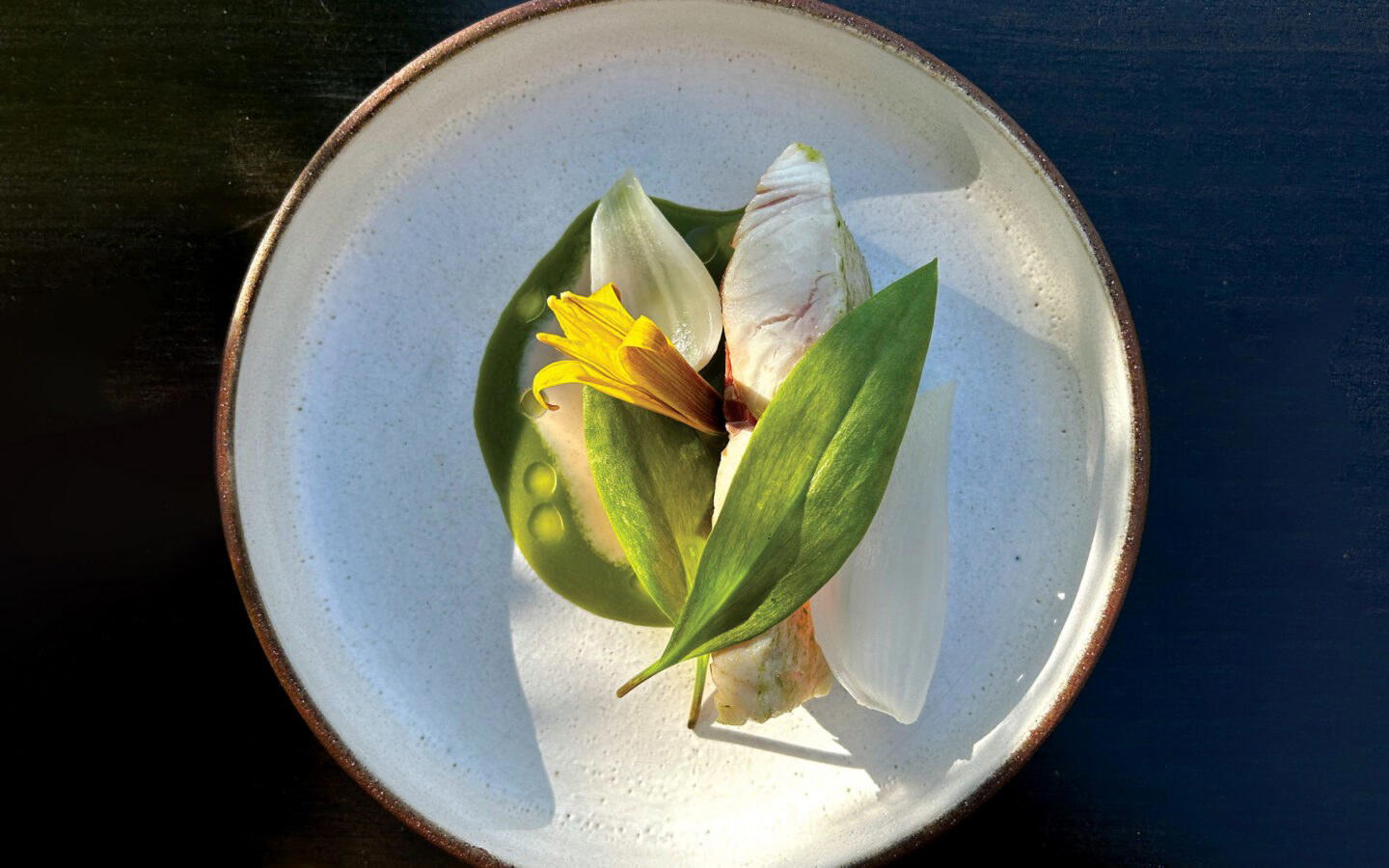
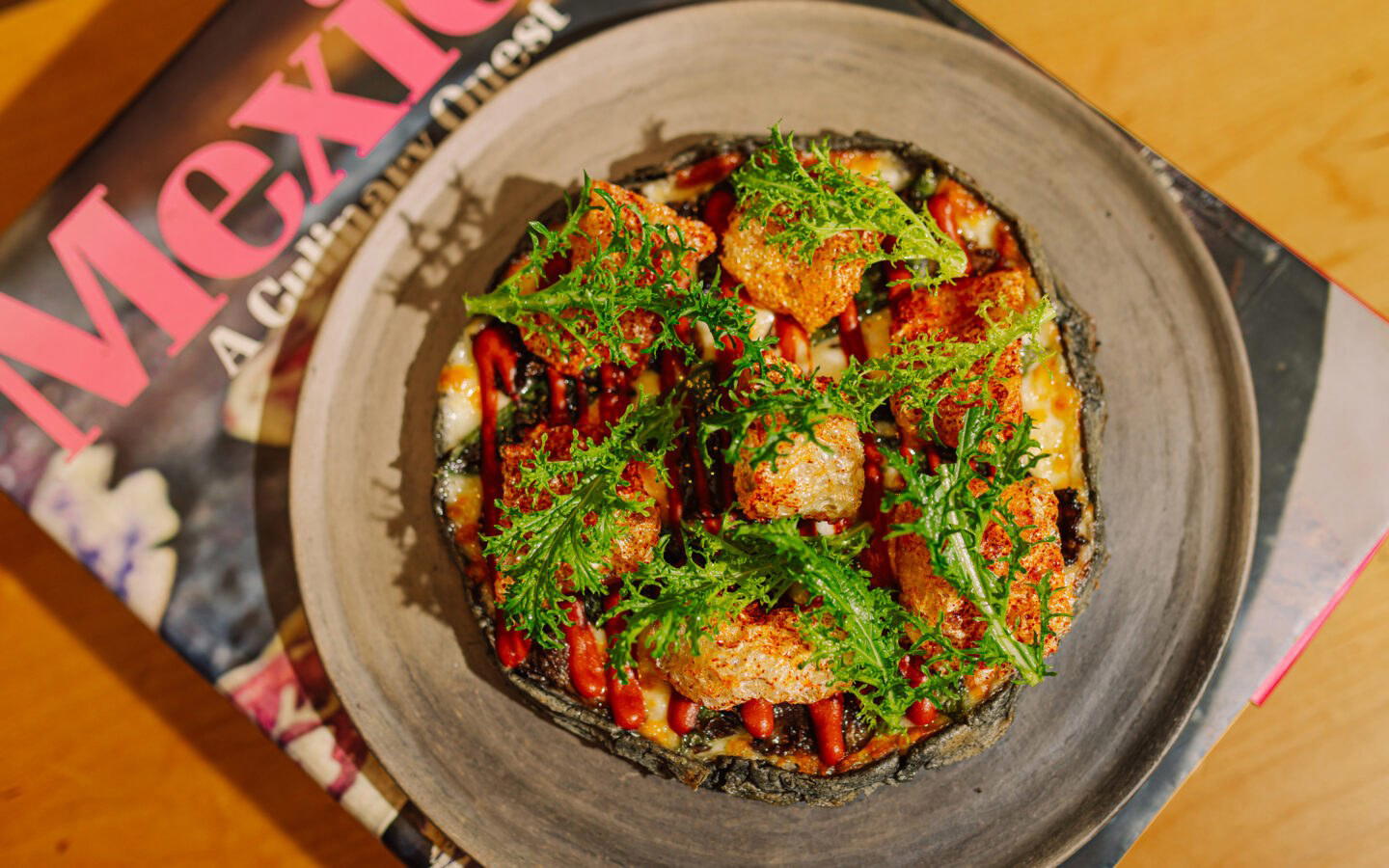
The small plates draw from Ontario producers including Aldergrove and Kuramoto Farms, Linton Pasture Pork, and Affinity and Oroshi Fish, with selected imports such as koshihikari rice filling in where local sourcing reaches its limits. Charcoal-grilled kanpachi (yellowtail), fresh wakame, shirasu, and sababushi cream represent the kitchen's handling of fish across multiple preparations and temperatures. Saikyoyaki, the miso-marinated fish technique with roots in Kyoto's temple cooking, appears alongside napa cabbage kimchi following a family recipe. A dish simmered in homemade dashi anchors the menu's more contemplative end, while purin, a Japanese custard pudding made with Sheldon Creek cream and Tamarack Farm maple syrup, closes the savoury-to-sweet arc with restraint.
This kind of sourcing specificity, naming individual farms and producers, has become a credibility marker in Toronto's mid-tier independent restaurant scene. At Mhel, it functions less as a statement and more as an operational commitment: the menu changes with what's available, and the kitchen's skill is tested by working within those constraints rather than around them.
The Sake List as Structural Element
At most Korean and Japanese restaurants in Toronto, sake is an afterthought or a transaction. At Mhel, the drink list takes a dominant position, with sake as the primary vehicle for pacing the meal rather than wine or cocktails. Sparkling tea alternatives add a non-alcoholic dimension that's genuinely considered rather than obligatory. Ceramic dishware sourced from Korea and Japan frames the drinks and food together as a single aesthetic argument.
Toronto's sake scene has been slow to develop depth outside of formal Japanese dining, where venues like Sushi Masaki Saito and Aburi Hana operate at the kaiseki and omakase tier with corresponding price points. Mhel occupies a different position in that structure: accessible enough that the sake list functions as a regular evening's companion rather than a special-occasion calculation, yet considered enough to reward engagement. That positioning matters in a city where the top end of Japanese dining has concentrated around a small number of high-formality formats.
Credentials and Context
The kitchen's lineage runs through several of Toronto's more technically oriented dining rooms. Hoon Ji cooked at Pompette and Grey Gardens before spending six months in Seoul at Ichie, a seafood-focused restaurant. Min Yi's background in hospitality was shaped at Early Bird Coffee in Toronto before a Seoul placement at Joo Ok in the Plaza Hotel. That combination of local grounding and Korean immersion is visible in the menu's dual fluency: neither cuisine is subordinated to the other.
Toronto's independent restaurant scene has produced a wave of small-format venues where a two-person team operates a focused, neighbourhood-facing room at a price tier that sits well below the city's formal tasting menu circuit. Alo, DaNico, and Don Alfonso 1890 represent the formal, higher-spend end of Toronto dining. Mhel operates at the neighbourhood end of that spectrum, where the emphasis is on regularity rather than occasion. Across Canada, a similar sensibility shows up at AnnaLena in Vancouver and at Tanière³ in Québec City, both of which combine local sourcing discipline with formats designed for repeat visits rather than single milestone meals. Internationally, the Korean fine-dining conversation includes venues like Atomix in New York City, where Korean cuisine operates in a very different register, and the fish-focused precision of Le Bernardin provides a useful reference point for how a kitchen can build an entire identity around a single protein category.
Within Ontario specifically, venues like Restaurant Pearl Morissette in Lincoln and The Pine in Creemore reflect the same farm-sourcing rigour in different genre contexts, while Narval in Rimouski and Jérôme Ferrer - Europea in Montréal extend the Canadian small-plate and seasonal sourcing conversation into their respective regional settings.
For a broader view of where Mhel sits within Toronto's dining landscape, our full Toronto restaurants guide maps the city's current range. You'll also find relevant context in our Toronto bars guide, our Toronto hotels guide, our Toronto wineries guide, and our Toronto experiences guide.
Know Before You Go
- Address: 276 Havelock St, Toronto, ON M6H 3B9
- Neighbourhood: Bloorcourt, West End Toronto
- Capacity: 32 seats total, including 12 bar stools at the open kitchen
- Format: Korean-Japanese small plates, izakaya-style pacing
- Drink focus: Sake-dominant list with sparkling tea alternatives
- Key producers: Aldergrove Farm, Kuramoto Farms, Linton Pasture Pork, Affinity and Oroshi Fish, Sheldon Creek, Tamarack Farm
- Bookings: Contact via venue directly; advance booking recommended given the 32-seat capacity
Frequently asked questions
Is Mhel better for a quiet night or a lively one?
Mhel seats 32 guests across a 60-square-metre wood-lined room, including 12 bar stools at an open kitchen, a format built for conversation rather than volume. Bloorcourt draws locals over tourists, which keeps the room grounded. Expect low-key evenings with focused service rather than the high-energy atmosphere of Toronto's busier dining corridors.
Has Mhel won any awards?
Mhel has received recognition including: Husband-and-wife team Hoon Ji (ex-Pompette) and Min Yi, two self-described “little anchovies”, assemble Korean-Japanese small plates from seasonal local and imported ingredients. A skill with all manner of fish (mhel means “anchovy”) is r….
What dish is Mhel famous for?
The kitchen's identity is rooted in fish: kanpachi guyi (charcoal-grilled yellowtail) and saikyoyaki (miso-marinated fish) are recurring reference points, alongside Ji's mother's napa cabbage kimchi and purin, a Japanese custard pudding made with Sheldon Creek cream and Tamarack Farm maple syrup. Anchovy, which gives the restaurant its name from the Jeju dialect, threads through the menu conceptually and literally.
Where exactly is Mhel?
Mhel is located at 276 Havelock St, Toronto, ON M6H 3B9, Canada, Toronto.
Should I book Mhel in advance?
With only 32 seats total and a 12-stool counter at the open kitchen, Mhel has limited capacity by design. The restaurant draws a regular Bloorcourt crowd, and that consistency makes walk-in availability unreliable, particularly on weekends. Booking ahead is the straightforward approach here.
Cuisine and Credentials
| Venue | Cuisine | Price | Awards | Notes |
|---|---|---|---|---|
| MhelThis venue (the venue you are viewing) | Korean-Japanese Fusion Small Plates | $100–150 | World's 50 Best #28 · Canada's 100 Best Restaurants #30 | Not listed |
| Alo | Modern French Fine Dining with Asian Influences | $200–300 | 1 Michelin Star · La Liste Top Restaurants | Contemporary |
| Sushi Masaki Saito | Edomae-Style Omakase | $500+ | 1 Michelin Star · La Liste Top Restaurants | Sushi, Japanese |
| Aburi Hana | Modern Japanese Kyō-Kaiseki | $300–500 | 1 Michelin Star · The Best Chef One Knife | Kaiseki, Japanese |
| Don Alfonso 1890 | Modern Italian Fine Dining | $200–300 | 1 Michelin Star · La Liste Top Restaurants | Contemporary Italian, Italian |
| Edulis | Mediterranean Seafood Tasting Menu | $150–200 | 1 Michelin Star · World's 50 Best #25 | Canadian, Mediterranean Cuisine |
Recognition history
Dated appearances from independent guides and award organizations, with the underlying list record or original source where available.
World's 50 Best North America's Best Restaurants #28
World's 50 Best
Canada's 100 Best Restaurants #30
Canada's 100 Best
Full recognition history (4 entries)
Canada's 100 Best Restaurants #81
Canada's 100 Best
World's 50 Best North America's Best Restaurants #44
World's 50 Best