La Costa West Town
La Costa West Town occupies a stretch of North Ashland Avenue where Chicago's West Town dining scene has steadily traded neighborhood-bar informality for something more considered. The address places it within reach of a corridor that now draws comparisons to the city's more established dining districts, making it a reference point for the area's culinary direction rather than simply another entry on the block.
Pearl is the En Primeur Club membership app — saves, bookings, and concierge access live there. Same editors, same standards.
- Address
- 1132 N Ashland Ave, Chicago, IL 60622
- Phone
- +17733601226
- Website
- lacostachicago.com
- Directions
- Get directions
 Saves & bookings on Pearl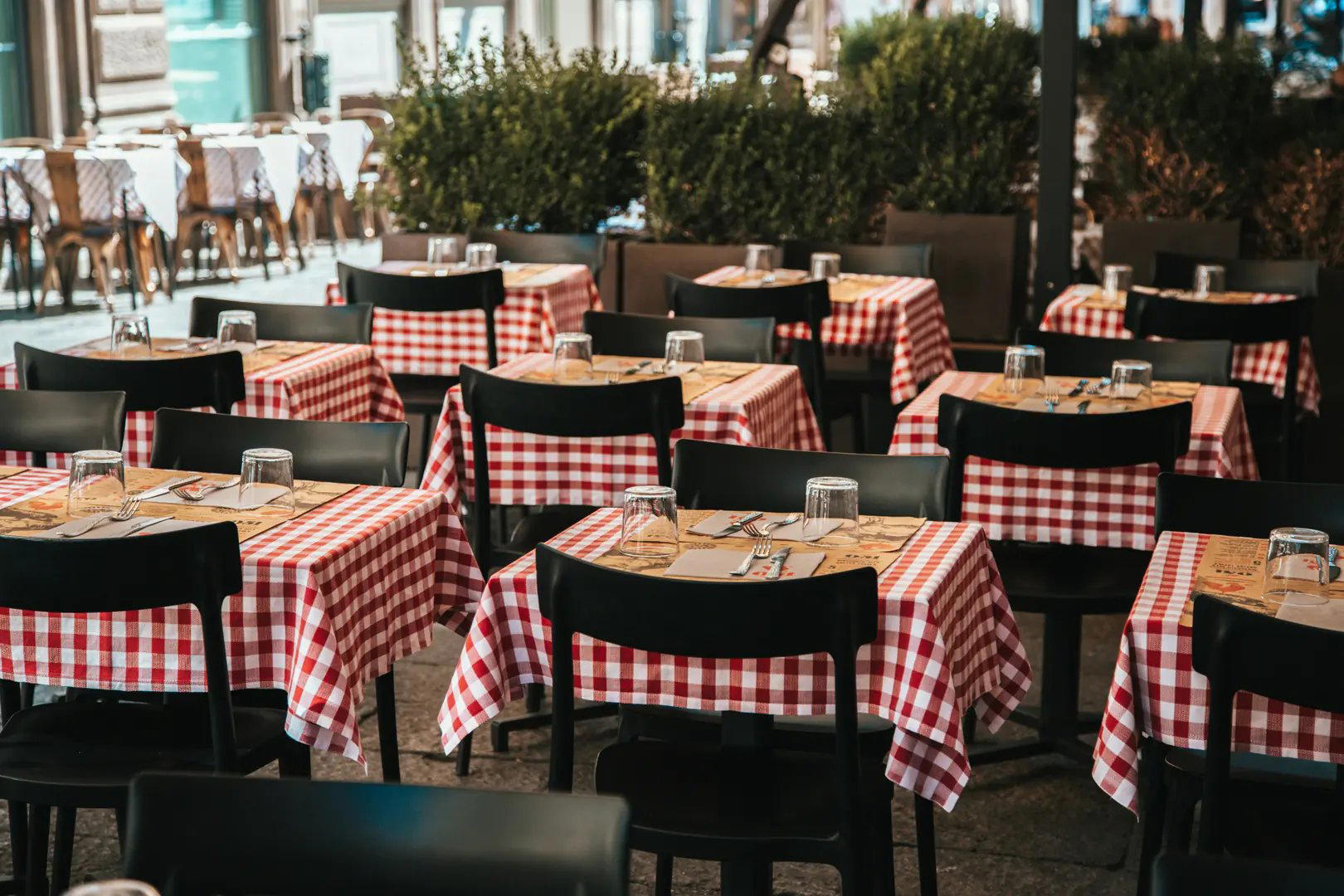
North Ashland and the Shifting Weight of West Town Dining
La Costa West Town is an Authentic Mexican Mariscos restaurant in Chicago's West Town neighborhood at 1132 N Ashland Ave. The neighborhood sits between Wicker Park's more saturated restaurant density and the Ukrainian Village's quieter residential grain, which creates a pocket where operators have more room to define terms on their own. Unlike the busier corridors to the east, a block like the 1100 stretch of North Ashland tends to attract the kind of room that is built around a point of view rather than foot traffic. La Costa West Town, at 1132 N Ashland Ave, arrives in that context.
At the high-commitment end, tasting-menu formats at places like Alinea and Smyth demand significant investment in time, money, and advance planning. At the other end, the neighborhood bistro format has recovered much of its pre-pandemic appeal, particularly in areas where rents allow operators to keep covers manageable and menus focused. West Town sits comfortably in the middle, which is exactly where a venue building a local following tends to take root.
Reading the Room: Environment and First Impressions
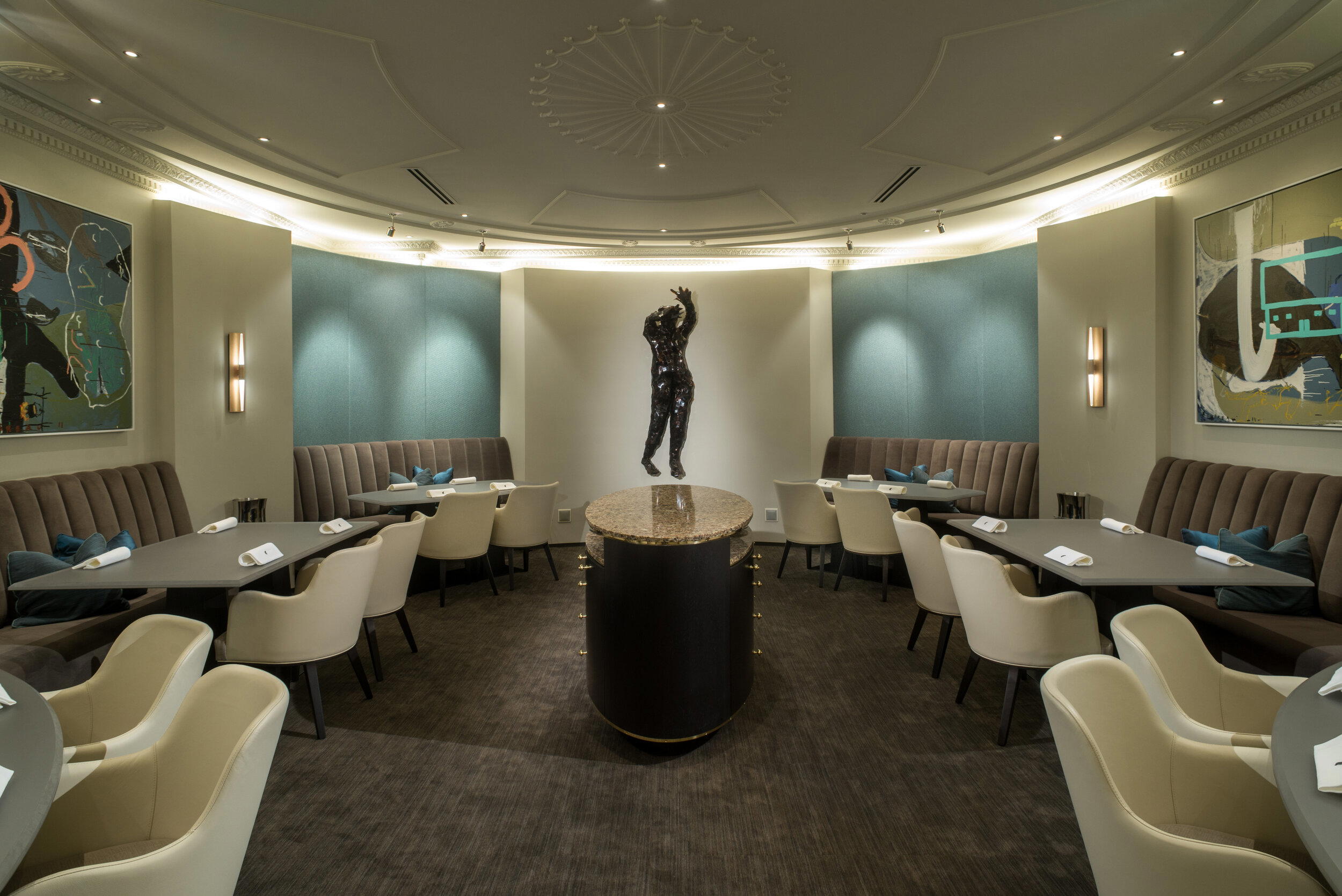
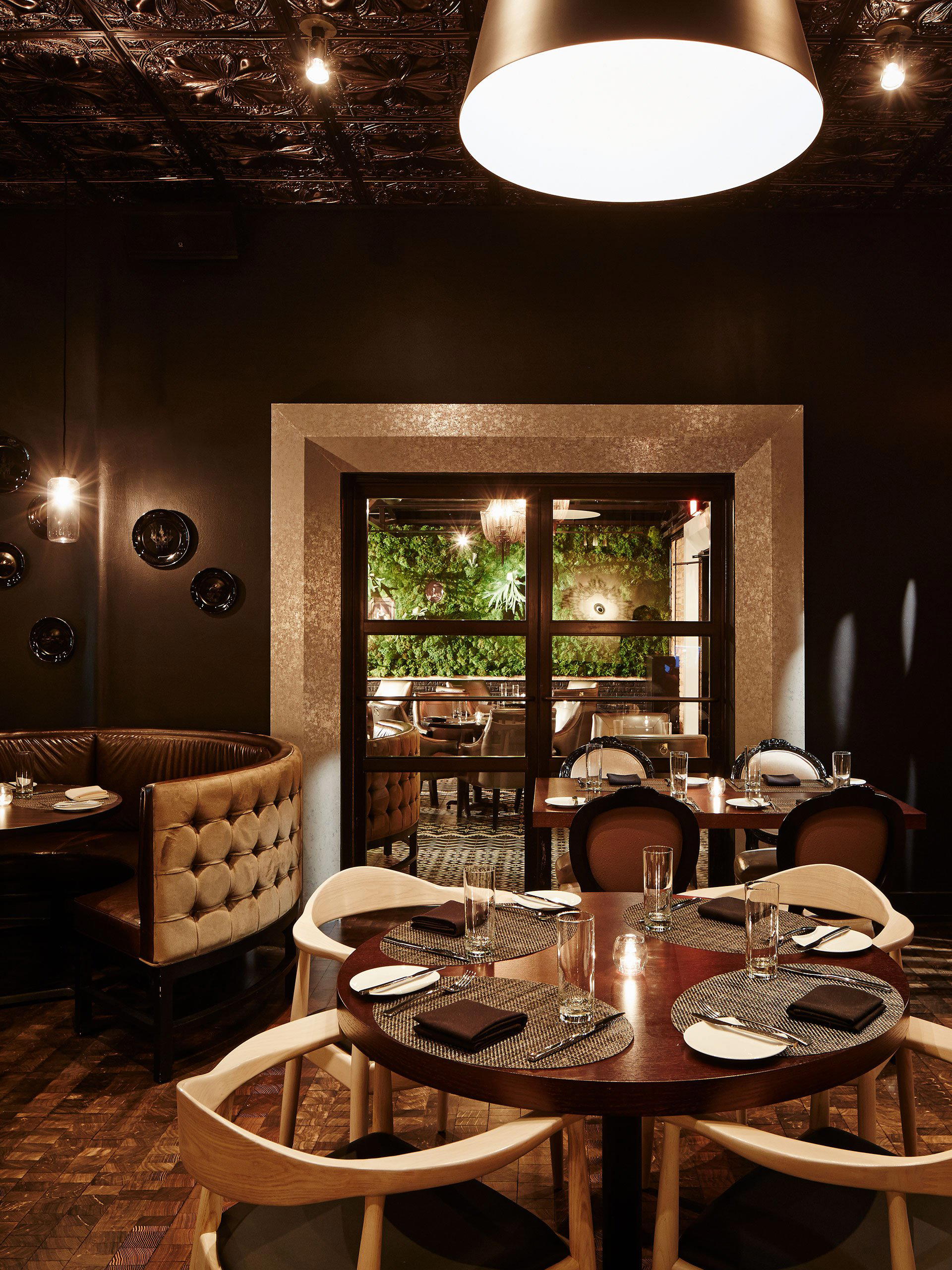
Approaching 1132 N Ashland, the street-level experience is one of restraint. North Ashland at this block carries the quieter register of a residential avenue that happens to have been colonized by a handful of deliberate food and drink operations, rather than the louder commercial energy of a destination dining strip. That physical setting shapes expectations before you have stepped inside: this is a neighborhood place that earns repeat business through consistency and familiarity, not spectacle.
West Town as a dining district increasingly reflects a pattern visible across American cities where mid-sized neighborhoods absorb serious cooking without the overhead or theatrical pressure of the city's marquee addresses. Lazy Bear in San Francisco and Blue Hill at Stone Barns in Tarrytown operate at the production-intensive end of that spectrum; the neighborhood dining room that Chicago does well sits at a different register, one where the meal is the focus rather than the event surrounding it.
The Tasting Progression: How a Meal Builds Here
The editorial angle that makes West Town venues worth examining closely is the question of sequencing: how does a meal move from arrival to close, and does the kitchen have the range to sustain interest across that arc? In Chicago's more competitive dining tier, this is where the separation between good and genuinely considered becomes clear. The format at venues in this price corridor typically runs from something bright and acidic at the front, through a more textural middle section, toward a richer or more concentrated close. The logic is borrowed from the longer tasting menus at places like Oriole and Next Restaurant, but applied to a shorter, less ceremonial frame.
The leading neighborhood rooms in Chicago manage this without the formal architecture of a tasting menu, instead using the ordering format to allow guests to construct their own sequence. When that works, the meal feels complete rather than assembled. When it does not, the kitchen reads as a collection of individual dishes rather than a coherent statement.
For context, the same principle applies at different price points across American fine dining. Le Bernardin in New York City and The French Laundry in Napa build their reputations partly on the discipline of pacing: nothing arrives before the diner is ready for it, and nothing outstays its welcome. At the neighborhood level, that discipline is rarer and worth rewarding when it appears.
West Town in the Chicago Dining Conversation
Chicago's dining geography tends to be discussed in terms of its flagship addresses: the River North tasting rooms, the Fulton Market corridor, the Lincoln Park establishments that have accumulated decades of local loyalty. West Town has historically been underrepresented in that conversation, in part because its leading rooms operate without the marketing infrastructure that comes with hotel backing or group ownership. Kasama, which earned a Michelin star for its Filipino-inflected tasting menu, demonstrated that the city's recognition apparatus eventually catches up with neighborhoods that produce consistent, specific cooking.
The comparison matters here because it illustrates what the neighborhood can support. Venues in adjacent districts that have earned sustained recognition, from Addison in San Diego to Providence in Los Angeles, tend to share a quality of place-specificity: the cooking reflects the neighborhood it occupies rather than aspiring to a generic fine-dining register. West Town's leading operators understand that their address is an asset rather than a liability, and build menus and atmospheres accordingly.
Beyond Chicago, the pattern of neighborhood rooms punching above their apparent weight is visible in cities from Atlanta, where Bacchanalia anchored a dining district before its neighborhood had a dining reputation, to New Orleans, where Emeril's helped establish a template for serious cooking outside the tourist-facing French Quarter. The through-line is operator commitment to a specific place rather than a generic concept.
comparable set and Price Positioning
West Town's dining tier sits below the full tasting-menu price point occupied by Atomix in New York City or 8 1/2 Otto e Mezzo Bombana in Hong Kong, and above the purely casual end of the neighborhood spectrum. That middle band is where Chicago's most interesting independent operators tend to cluster, because it allows for genuine kitchen ambition without the financial structure that makes full tasting-menu formats viable. The trade-off is that venues in this bracket must sustain repeat local business rather than relying on a destination-dining audience, which creates a different set of pressures and disciplines. The Inn at Little Washington operates at the opposite end of that spectrum, where destination and occasion dining carry the volume. West Town's model is almost entirely different in its dependencies.
Know Before You Go
- Address: 1132 N Ashland Ave, Chicago, IL 60622
- Neighborhood: West Town, between Wicker Park and Ukrainian Village
- Booking: Walk-ins are welcome.
- Hours: Mon to Thu and Sun, 11 AM to 10 PM; Fri and Sat, 11 AM to 11 PM.
- Price range: About $25 per person.
- Getting there: 1132 N Ashland Ave, Chicago, IL 60622.
In Context: Similar Options
Comparable venues nearby, for context on price, style, and recognition.
| Venue | Cuisine | Price | Notes |
|---|---|---|---|
| La Costa West TownThis venue — the venue you are viewing | Authentic Mexican Mariscos | $$ | Not listed |
| Casa Tequila Chicago | Authentic Mexican Grill | $$ | Wicker Park |
| Estrella Negra | Modern Mexican Gourmet Street Food | $$ | Bucktown |
| El Jardin | Authentic Central Mexican | $$ | Lakeview |
| Ayayay - Chicago | Mexican Street Food with Peruvian Fusion | $$ | The Loop |
| Tortazo | Modern Mexican Taqueria | $$ | Loop |

At a Glance
- Lively
- Energetic
- Trendy
- Group Dining
- Casual Hangout
- Celebration
- Open Kitchen
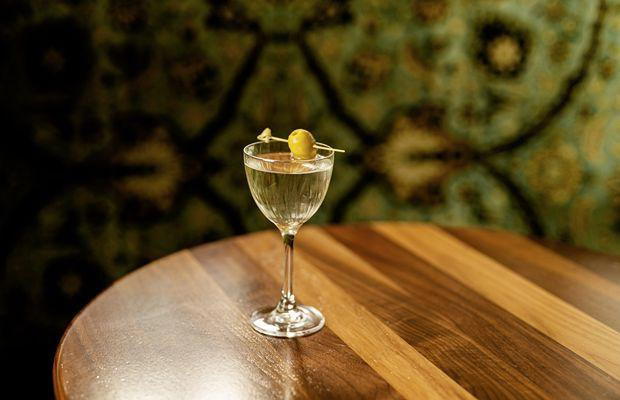
- Craft Cocktails
Current opening hours
- Monday
- 11 AM–10 PM
- Tuesday
- 11 AM–10 PM
- Wednesday
- 11 AM–10 PM
- Thursday
- 11 AM–10 PM
- Friday
- 11 AM–11 PM
- Saturday
- 11 AM–11 PM
- Sunday
- 11 AM–10 PM
Hours can change for holidays and private events. Last verified .
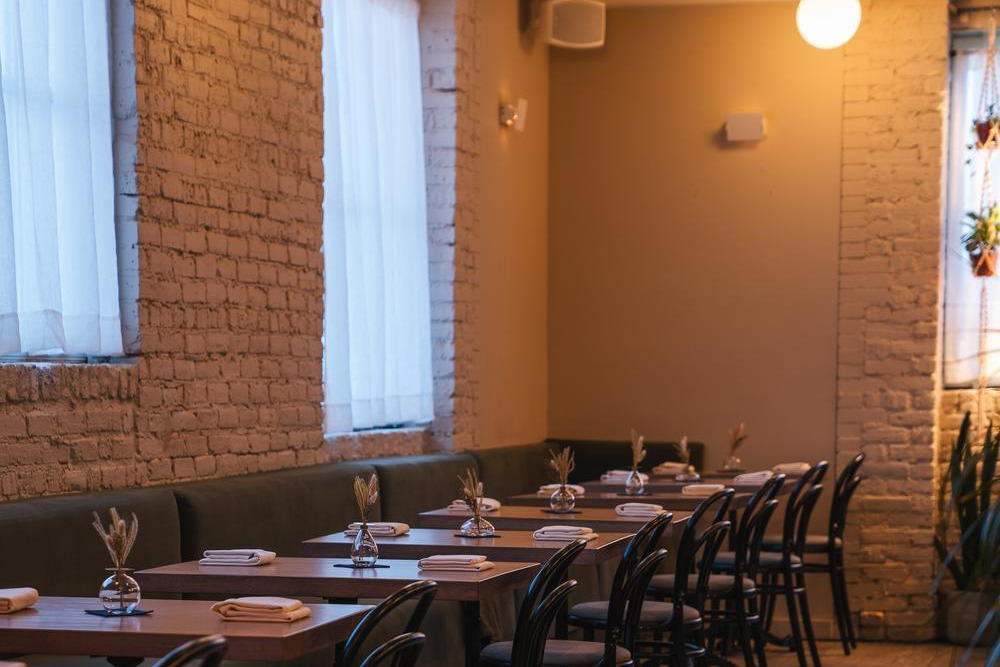
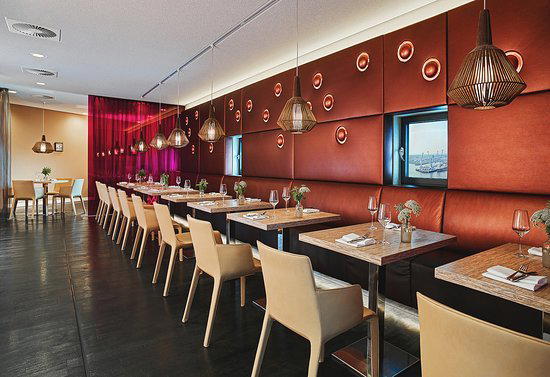
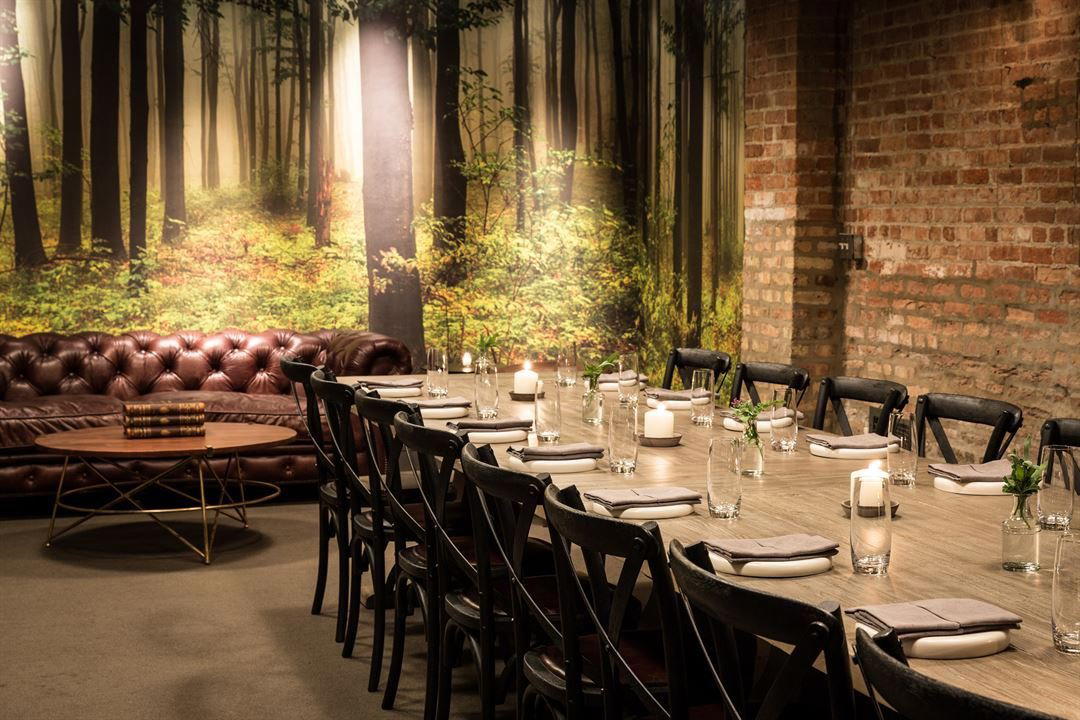
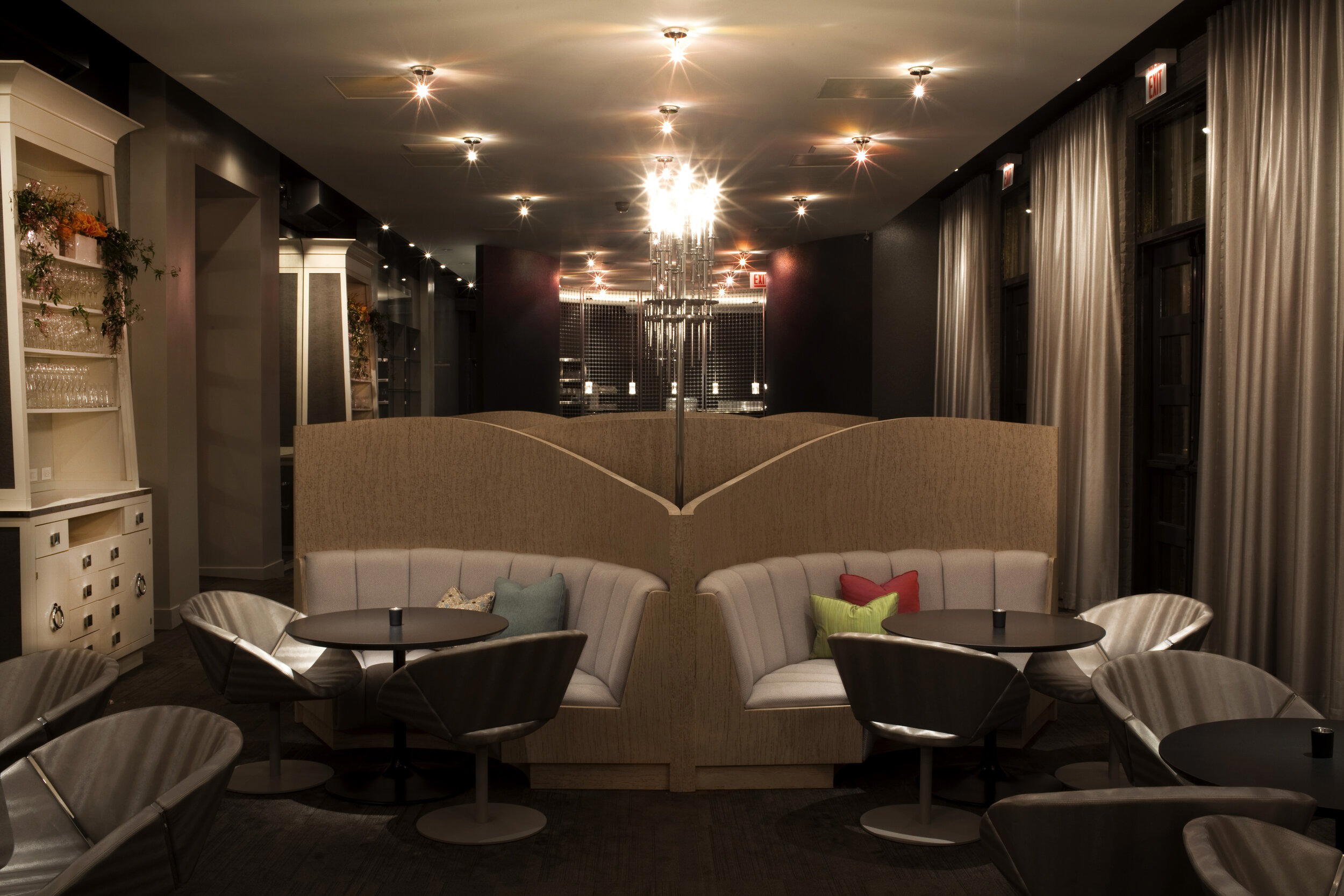
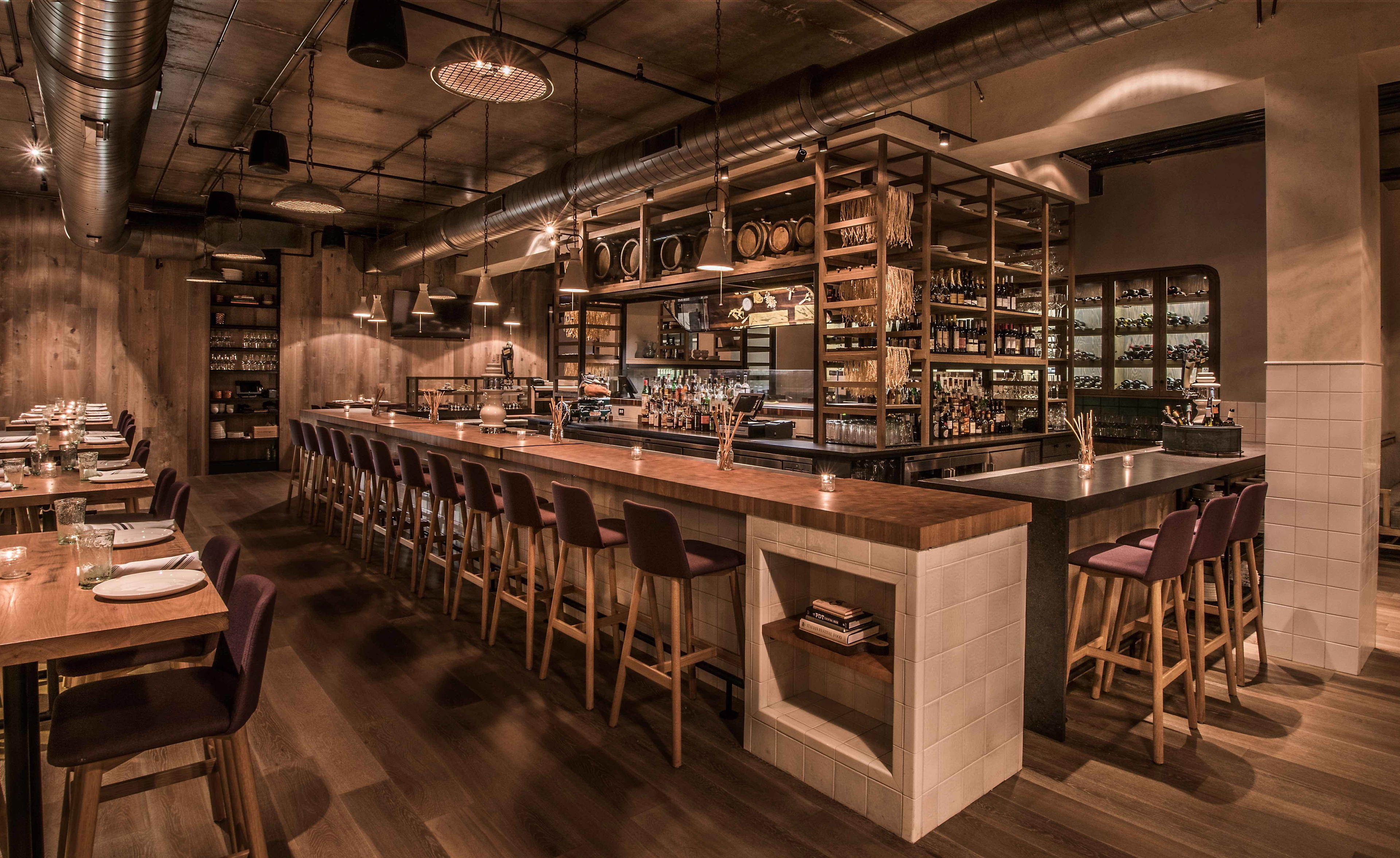
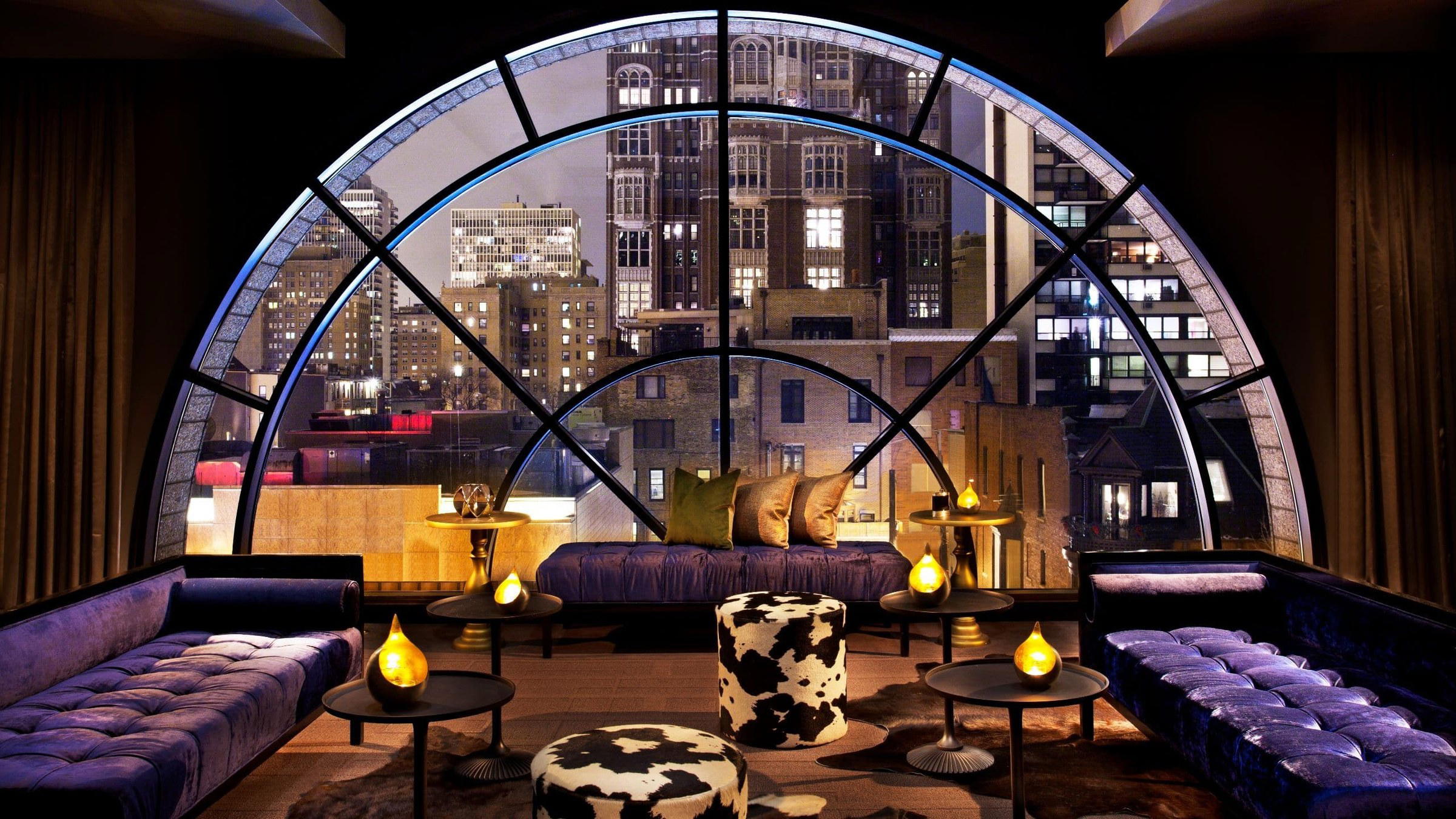
Lively and fun beachy decor with upbeat music like banda and cha cha, creating a casual festive atmosphere.