Pierre Reboul

Pierre Reboul holds a Michelin star at the Renaissance Hotel in Aix-en-Provence, where a surprise tasting menu channels Mediterranean produce through technically precise, playful cooking. The interior takes its cue from the olive — natural materials, green-hued tones, and a counter seat overlooking the open kitchen. For creative fine dining in Aix, this is the reference address.
 Discover on Pearl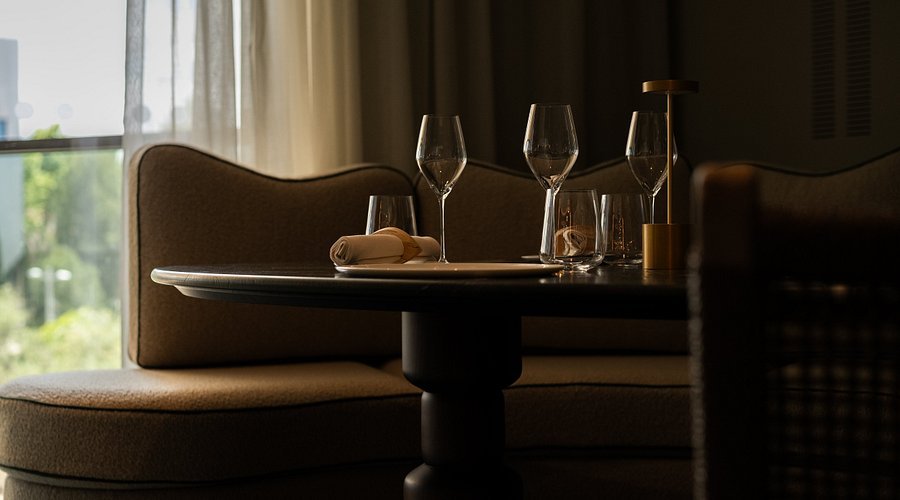
Olive Architecture: The Space That Sets the Tone
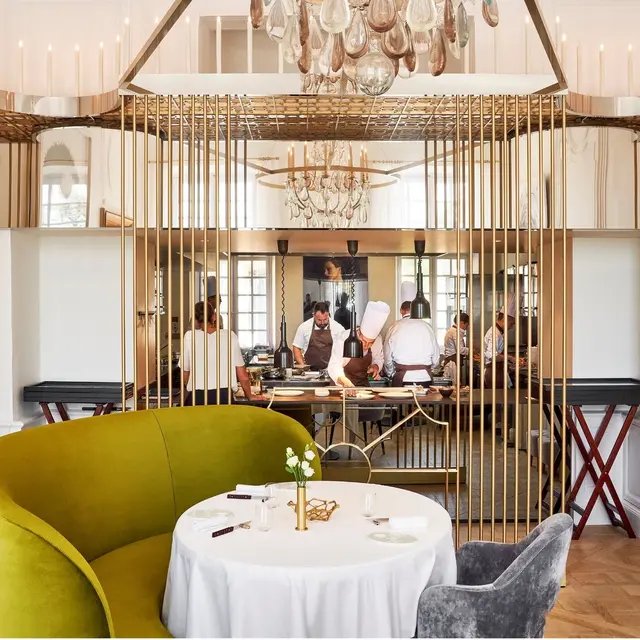
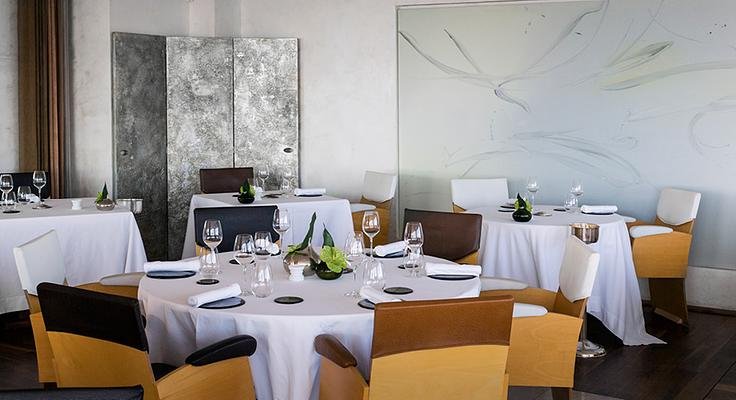
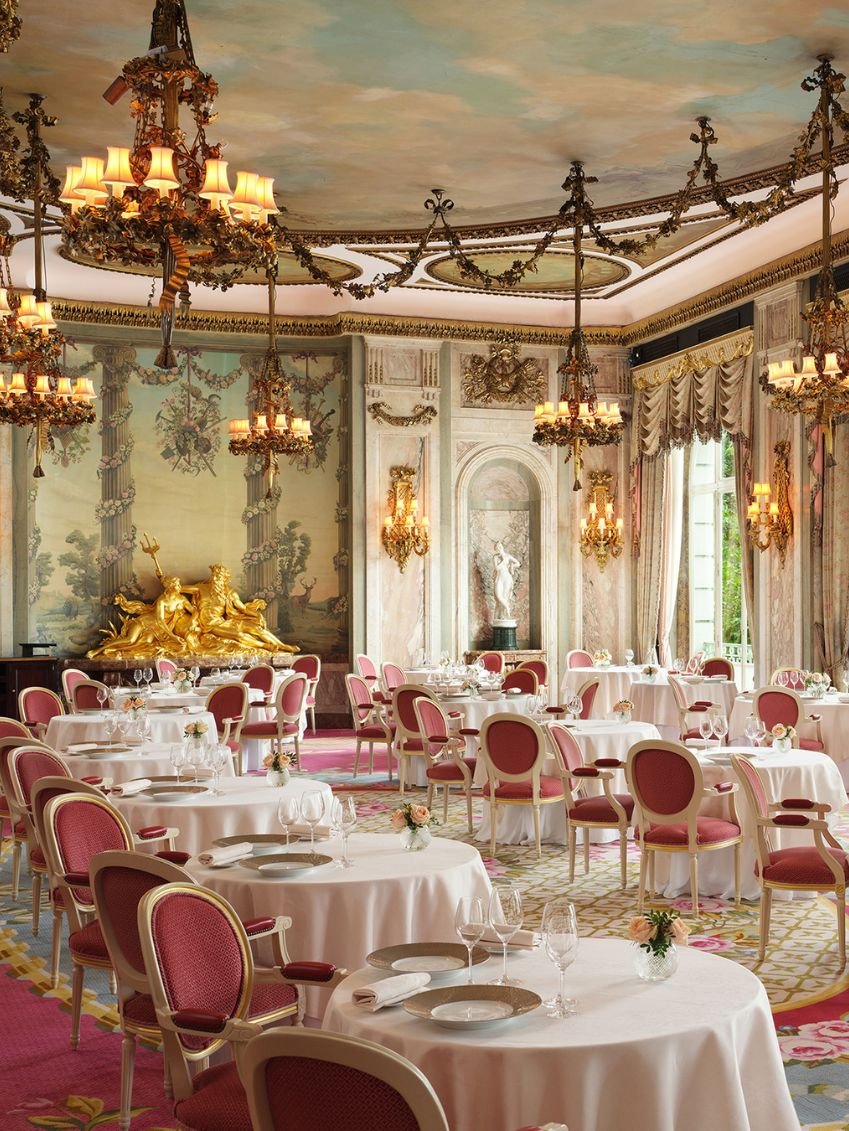
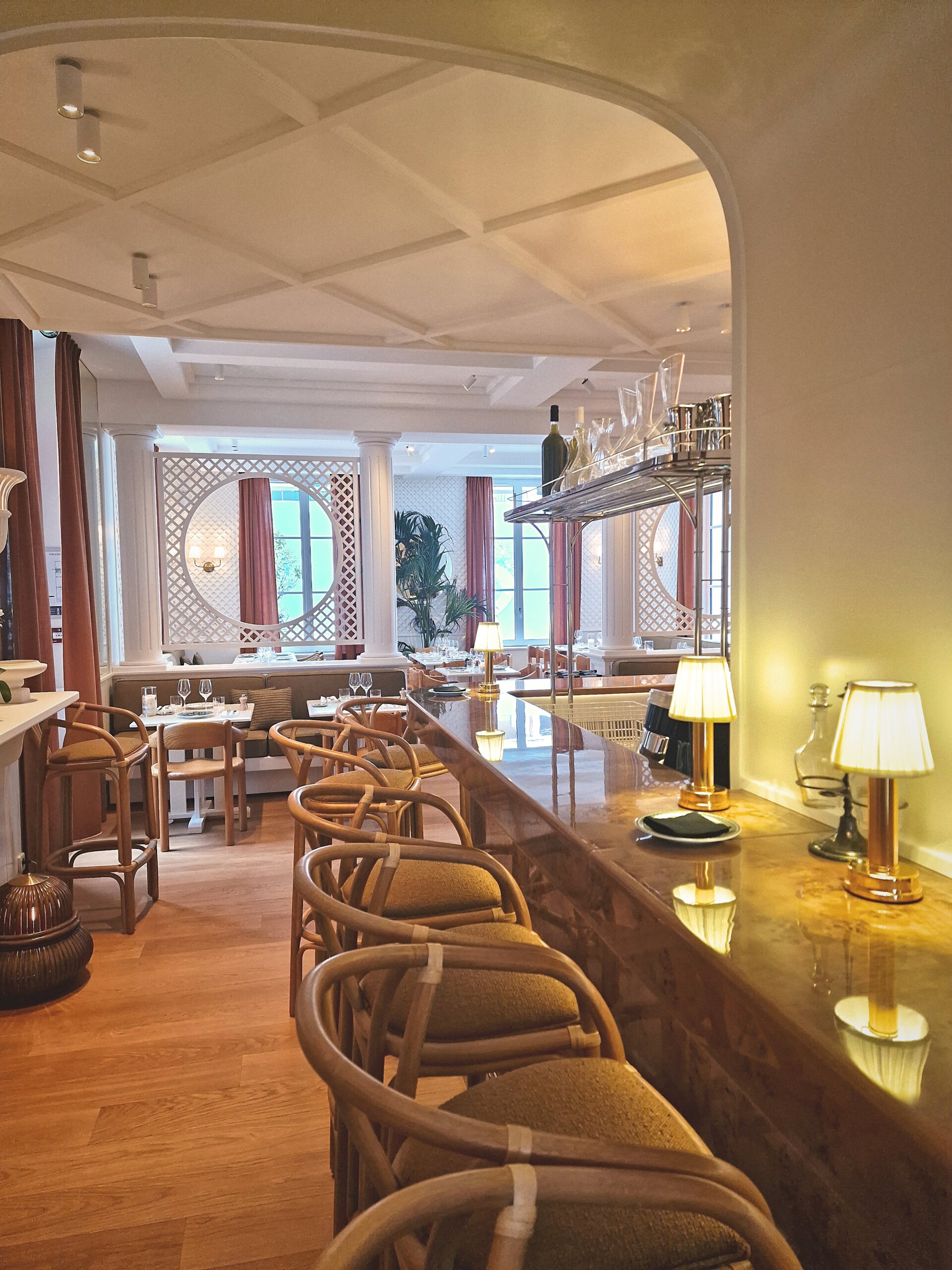
There is a particular discipline to restaurants that commit to a single material or motif and carry it through without apology. At Pierre Reboul, that motif is the olive — not as decoration, but as a structural idea. The interior of the dining room at the Renaissance Hotel uses olive-green shades, natural materials, and a quietly considered restraint that reads less as hotel fine dining and more as a Mediterranean farmhouse filtered through a contemporary lens. The terrace, framed by two olive trees, continues the logic outdoors. Nothing in the space is accidental.
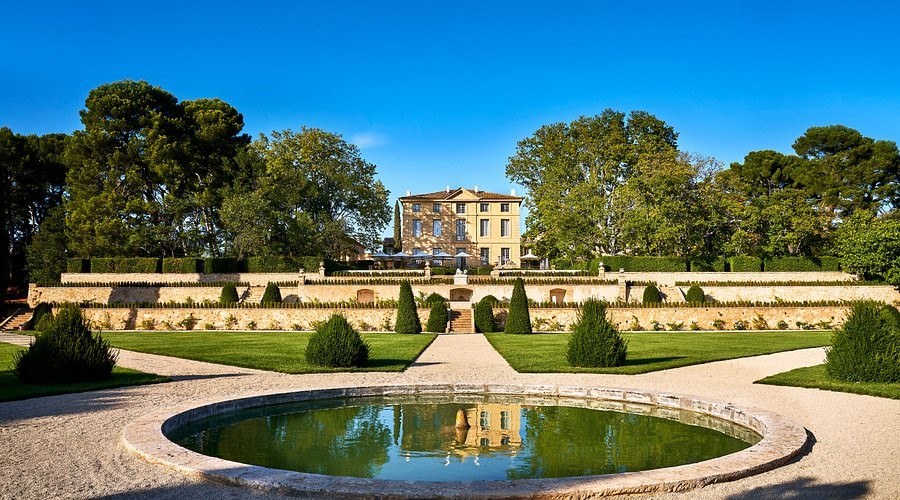
Hotel fine dining in Provence has a complicated reputation. The larger châteaux properties, including Château de la Pioline, tend toward grandeur: high ceilings, formal service, a certain weight of expectation in every room. Pierre Reboul operates differently. The setting at the Renaissance Hotel at 320 Avenue Wolfgang Amadeus Mozart is intimate by design, with the counter overlooking the open kitchen functioning as the room's focal point. That counter seat allows you to follow the kitchen's logic in real time — a feature that collapses the usual distance between table and technique, and one that positions the experience closer to the Parisian counter tradition than to traditional Provençal hotel dining.
The space rewards attention. The olive-green palette could easily tip into cliché in a region this closely associated with the ingredient, but here the references stay on the right side of specificity. The materials , natural in finish, low-key in statement , give the room a tone that matches the cooking: precise, grounded in place, and confident enough not to shout.
The Menu: Surprise Structure and Mediterranean Produce
Pierre Reboul operates on a surprise menu format. This is increasingly common in the Michelin-starred tier of French regional dining , you commit to a sequence, and the kitchen commits to building a coherent argument through it. The upside is a progression that reflects the chef's current thinking and seasonal availability rather than a printed list managed to order. The constraint, for the guest, is trust. At this price tier (€€€€), that trust is a reasonable ask.
What the verified record indicates about the menu's character is worth dwelling on. The trompe-l'oeil olive , a preparation that mimics the fruit's exterior while delivering a burst of concentrated flavour , is the kind of dish that only works when technique and concept are in precise alignment. Too heavy and it becomes a gimmick. At the right calibration, it reads as the thesis of the meal: we are in Provence, these ingredients matter, and we are going to play with that seriously. A Mediterranean shrimp trilogy described as delicate and inventive, and a courgette flower stuffed with langoustine, suggest a kitchen working in a register that values structural contrast , crunchy against soft, familiar against unexpected , over accumulation of luxury ingredients.
This positions Pierre Reboul within a broader shift in French regional fine dining: away from Escoffier-inflected luxury protein and toward produce-led creativity that treats Mediterranean ingredients as the main event rather than as supporting cast. Restaurants like Mirazur in Menton have made the Mediterranean coastal garden the organizing principle of an entire menu philosophy. Pierre Reboul operates within a similar latitude of thinking, though firmly grounded in Aix and its inland Provençal context rather than the Ligurian coast.
For comparison within Aix, the city's other €€€€ creative-leaning address, Le Art, takes a different approach to modern cuisine. Those choosing between them are making a decision not just about food but about format and atmosphere. La Taula Gallici offers classic cuisine at the same price point, providing a useful triangulation for readers trying to map Aix's fine dining tier.
Creative Fine Dining in the French Regional Context
A single Michelin star in provincial France carries a different weight than it does in Paris. In a city like Aix-en-Provence, where the density of starred addresses is lower than in Lyon or Bordeaux, a one-star restaurant at the leading of its local price bracket is effectively the reference point for serious dining in the city. Pierre Reboul earned its 2024 star in that context.
The broader cohort of French creative fine dining is a demanding peer set. Internationally recognised addresses like Alléno Paris au Pavillon Ledoyen, Flocons de Sel in Megève, and Troisgros in Ouches define the upper registers of what French creativity in fine dining looks like. Regional one-star addresses operate at a different scale, but the standard of technique expected , particularly in the Michelin system , is not adjusted for geography. A star is a star. The trompe-l'oeil dishes and structural complexity described in Pierre Reboul's verified record suggest a kitchen working to that expectation, not coasting on regional charm.
For readers who follow creative fine dining across Europe, addresses like Enrico Bartolini in Milan and JAN in Munich provide a useful cross-reference for what the creative starred tier looks like outside France. Pierre Reboul belongs to the same conversation , regional in its ingredient sourcing and environmental references, but not regional in its ambition or technique. Other French institutional references, including Paul Bocuse , L'Auberge du Pont de Collonges and Bras in Laguiole, illustrate how French fine dining has historically used terroir as both constraint and springboard. Pierre Reboul sits in that lineage without being defined by it.
Aix-en-Provence as a Fine Dining City
Aix has never quite positioned itself as a dining destination in the way that Lyon, Bordeaux, or even Marseille have. It is primarily a city of markets, terraces, and confident everyday eating , rosé on the Cours Mirabeau, tapenade with good bread, the olive oil of the Baux valley used as a finishing note rather than a cooking medium. Fine dining arrives here as a complement to that culture, not a replacement for it.
The city's better restaurants reflect this balance. Côté Cour and La Petite Ferme represent the traditional end of the spectrum: cooking rooted in Provençal technique and ingredient familiarity. Pierre Reboul represents the other pole , same regional ingredients, different conceptual register. The two ends of the market exist without tension because they are answering different questions. Pierre Reboul's question is: what happens when Provençal produce is handled with the discipline of a contemporary fine dining kitchen that happens to be located here?
The answer, based on the verified record and the 2024 Michelin recognition, is a restaurant that earns its price tier with specificity rather than luxury signalling. Whether you are planning a broader stay in the city or simply building a fine dining itinerary through southern France, our full Aix-en-Provence restaurants guide provides the wider context. The city's hotels, bars, wineries, and experiences round out the picture for readers treating Aix as a destination rather than a stop.
Planning Your Visit
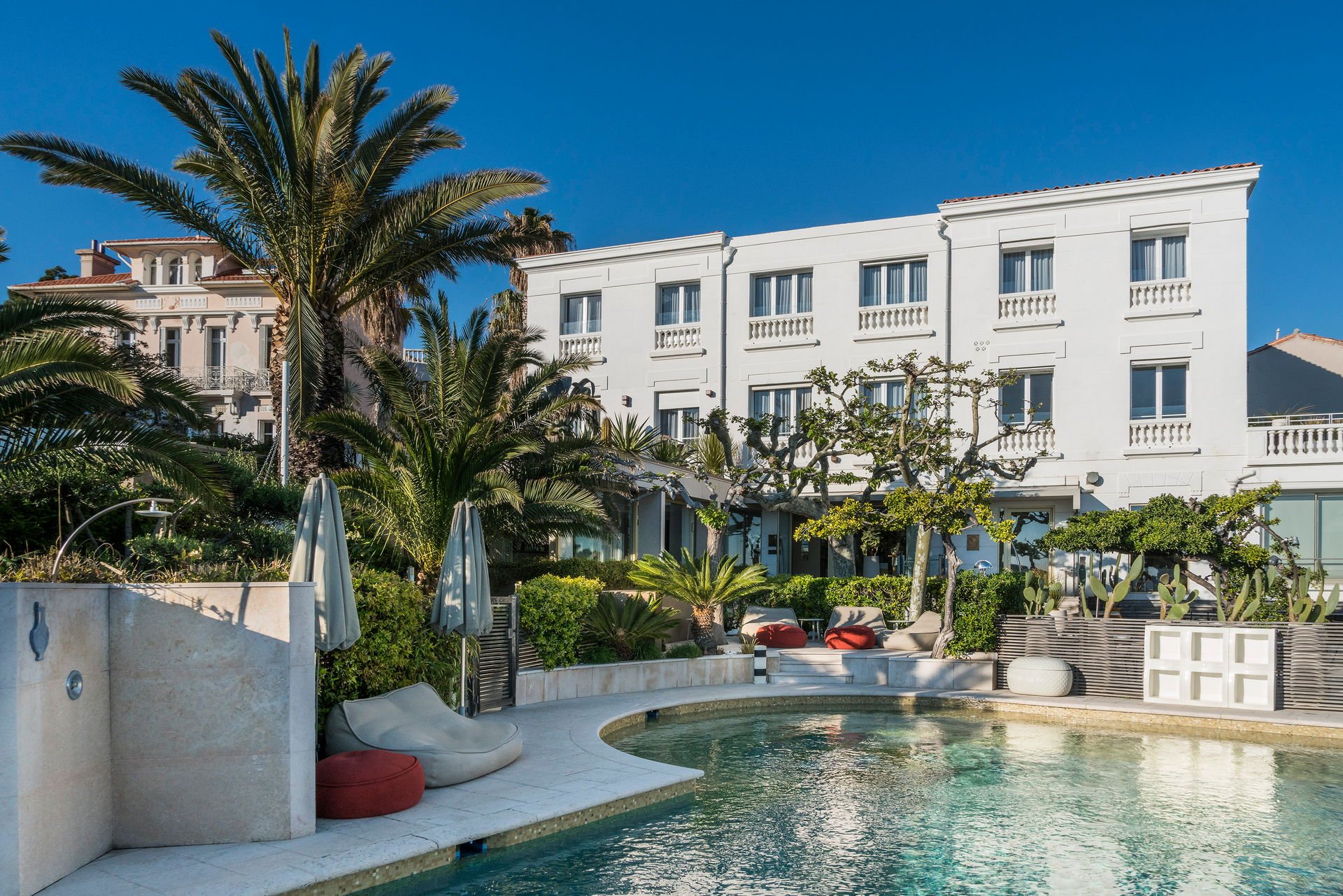
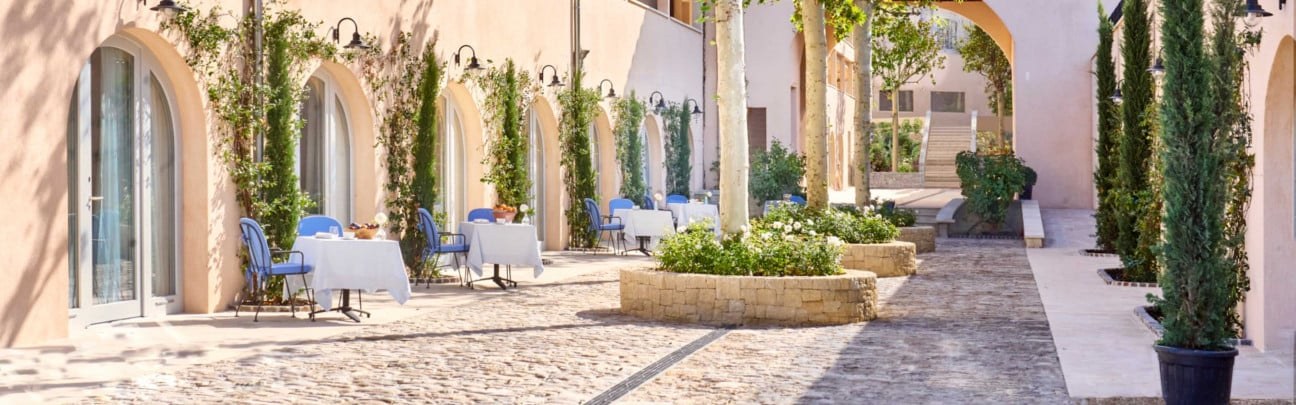
Pierre Reboul is located within the Renaissance Hotel at 320 Avenue Wolfgang Amadeus Mozart, in the southeast quarter of Aix-en-Provence. The hotel setting means some infrastructure , parking, concierge logistics , is handled at the property level. For a restaurant operating a surprise tasting menu at the €€€€ price tier with Michelin recognition, advance booking is not optional in any practical sense. In French regional fine dining at this level, tables move weeks ahead of service, particularly on weekends and during the summer months when Aix draws significant visitor traffic from across Europe. The counter overlooking the open kitchen represents a specific seating experience within the room; if that is a priority, it is worth noting at time of reservation. The terrace seats, framed by olive trees, add a seasonal option that aligns the physical experience with the cooking's Mediterranean framing.
Comparison Snapshot
A compact peer set to orient you in the local landscape.
| Venue | Cuisine | Price | Awards | Notes |
|---|---|---|---|---|
| Pierre Reboul | Creative | €€€€ | Michelin 1 Star | This venue |
| Le Art | Modern Cuisine | €€€€ | Michelin 1 Star | Modern Cuisine, €€€€ |
| Château de la Pioline | French | French | ||
| La Taula Gallici | Classic Cuisine | €€€€ | Classic Cuisine, €€€€ | |
| Les Galinas | Provençal | €€ | Provençal, €€ | |
| La Petite Ferme | Traditional Cuisine | €€€ | Traditional Cuisine, €€€ |
Continue exploring