Picnic Grove
Picnic Grove sits on Pamalican Island within the Amanpulo resort on Palawan's outer reef, placing it among the more geographically isolated dining settings in the Philippine archipelago. The format leans toward casual open-air dining against a backdrop of sand and sea, with ingredients shaped by what the surrounding waters and island ecology can provide. Access is exclusively via chartered flight, making the setting as much a part of the experience as anything on the table.
Pearl is the En Primeur Club membership app — saves, bookings, and concierge access live there. Same editors, same standards.
- Address
- Amanpulo, Pamalican Island, 5320 Agutaya, Palawan
- Website
- aman.com
- Directions
- Get directions
 Saves & bookings on Pearl
Dining at the Edge of the Sulu Sea
There is a particular quality to eating outdoors on a private island that no amount of interior design can replicate. The light changes angle by the hour, the sound of water is never absent, and the distance from any urban supply chain forces a kind of honesty about what ends up on the plate. Picnic Grove, set within the Amanpulo compound on Pamalican Island off the coast of Palawan, operates at the far end of that logic. The island sits in the Sulu Sea roughly 300 kilometres south-west of Manila, reachable only by chartered aircraft to its private airstrip. That isolation is not incidental to the dining experience, it defines it.
Amanpulo, one of the Aman group's founding properties in Southeast Asia, has long occupied a specific tier in the Philippine resort market: private island access, extremely limited capacity, and a guest profile that tends toward those for whom discretion matters more than visibility. Within that setting, Picnic Grove represents the more informal end of the resort's dining spectrum. Where the main Clubhouse Restaurant at Amanpulo sits closer to structured dining, Picnic Grove leans into the island's outdoor character.
What the Island Can and Cannot Provide
The sourcing situation on a private Philippine island in the Sulu Sea is not direct. Pamalican is a small coral island with no agricultural hinterland to speak of, no vegetable farms, no livestock, no freshwater streams. What the surrounding reef and sea provide, however, is considerable. Philippine waters support particularly biodiverse marine ecosystems in the world, and the catch from local fishing communities in the broader Palawan region has historically underpinned the resort's kitchen. The logic of ingredient sourcing here runs roughly in this order: what the sea gives immediately, then what can be brought from Palawan's mainland markets, then what must arrive via Manila.
That layered supply chain is not unusual for premium island resorts in this part of Southeast Asia, but it does shape the menu's character in ways that distinguish it from Philippine urban dining. In Manila's current modern Filipino scene, places like Gallery By Chele and Hapag in Makati are working through a different set of sourcing conversations, about indigenous ingredients, fermentation traditions, and regional Filipino produce networks. The island context at the restaurant makes those conversations largely academic. Here, the sea is the primary pantry, and proximity to the water determines what is on the table.
Philippine coastal cooking has deep roots in this kind of immediacy. Grilled and simply prepared seafood, coconut-based preparations, and reliance on what the morning's catch delivers are patterns that run through Filipino fishing communities across the archipelago, from Luzon to the Visayas. The restaurant, positioned as it is on a reef island in the Palawan chain, operates within that same tradition, however much the resort setting wraps it in a different register. Compare this with coastal mainland operations like Linamnam in Parañaque, where the seafood tradition is expressed through a more structured urban dining framework.
The Atmosphere and What It Asks of You
Open-air dining in this part of the Philippines is governed by conditions that no reservation policy can fully anticipate. The northeast monsoon, locally called the amihan, runs roughly from November through April and brings the clearest skies and calmest seas to Palawan's western side. The southwest monsoon, the habagat, arrives from May onward and can make outdoor settings on exposed reef islands less predictable. Pamalican's orientation within the Sulu Sea means weather patterns are a real factor in what the restaurant experience actually delivers on a given day.
When conditions align, the setting is straightforwardly difficult to match in the Philippine context. A low-lying coral island with a working reef visible at low tide, towering coconut palms providing intermittent shade, and the particular silence that comes from being genuinely far from mainland infrastructure: these are the physical conditions that define the atmosphere. The comparison to continental resort dining or even to other Philippine island destinations like Balesin (see Balesin Dining Room in Polillo) illustrates how much the degree of isolation shapes the overall register. Amanpulo has fewer neighbours. That translates directly to what the restaurant sounds and feels like.
The informality of the format is deliberate. Picnic-style dining in a resort context is not an absence of intention, it is a specific choice to let the environment carry most of the weight. The table, the chair, and the plate matter less than the light, the proximity to water, and the particular quality of air that comes from being on a coral island with no combustion engines nearby. Among the Philippine resort dining experiences that lean into outdoor informality, this approach sits at one end of the spectrum. More structured island dining programs, like those found at resorts further into the Visayas, tend toward pavilion settings that mediate between guest and environment. The restaurant does less mediating.
Getting There and Planning Your Visit
Access to Pamalican Island is exclusively via Amanpulo's private charter flights, which operate from Ninoy Aquino International Airport in Manila. There is no public transport connection, no ferry service, and no alternative route in or out. This means the restaurant is generally for Amanpulo guests. Hapag in Makati, Gallery By Chele, Asador Alfonso in Cavite, and more casual nationwide chains like Gerry's Grill, Gerry's Xentro Mall Ilagan, Gerry's Dumaguete, Gerry's Grill SM City Bataan, and Gerry's Robinsons Lipa illustrate the full breadth of what the Philippine dining ecosystem contains outside this island context. At the global level, the gap between the restaurant's remote island register and a technically driven tasting menu at, say, Le Bernardin in New York City or Atomix is instructive: what the restaurant offers is not technical ambition but environmental specificity, and those are different currencies entirely. Dampa in Quezon City, Honesty Coffee Shop in Ivana, Italianni's SM Clark in Mabalacat, and Jollibee in Pasay.
At-a-Glance Comparison
Comparable venues nearby, for context on price, style, and recognition.
| Venue | Cuisine | Price | Notes |
|---|---|---|---|
| Picnic GroveThis venue — the venue you are viewing | International Beachside Dining | $$ | Not listed |
| Clubhouse Restaurant | Filipino and International | $$$$ | Pamalican Island |
| Nanyang | Authentic Singaporean | $$ | Legazpi Village |
| Casa Italianos | Northern Italian-Filipino Fusion | $$ | Salcedo Village |
| Lydia's Lechon Fairview - The Lechon in Manila | Filipino Lechon Specialist | $$ | Fairview |
| Sulu Restaurant | Filipino-International Seafood | $$ | Bulalacao Island, Coron |
Continue exploring
More in Agutaya
Restaurants in Agutaya
Browse all →
Bars in Agutaya
Browse all →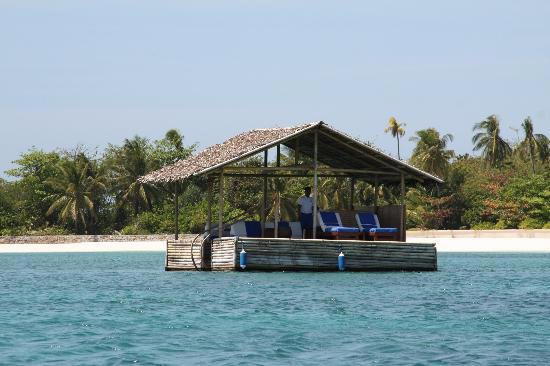
Hotels in Agutaya
Browse all →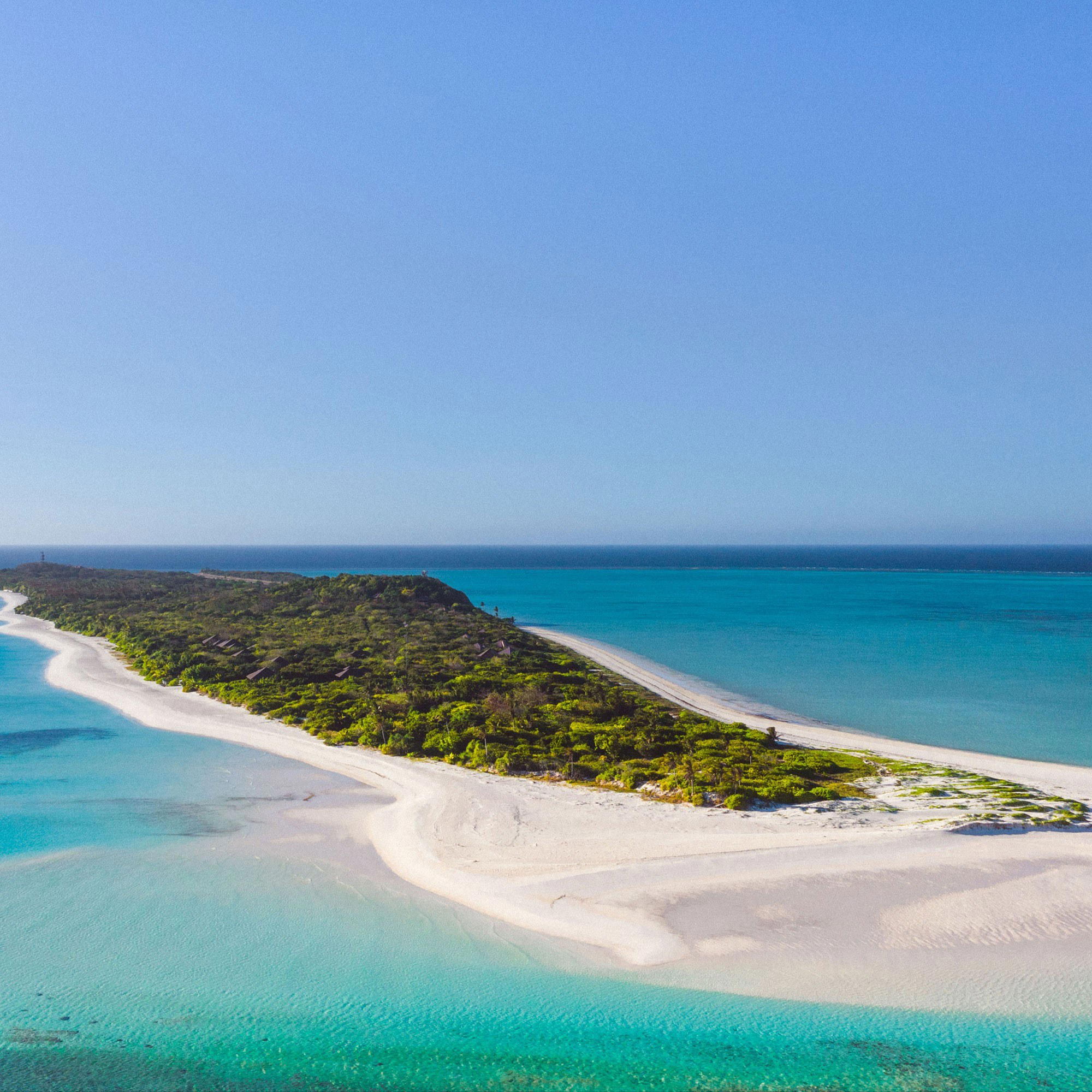
At a Glance
- Scenic
- Rustic
- Relaxed
- Casual Hangout
- Celebration
- Private Event
- Beachfront
- Terrace
- Craft Cocktails
- Local Sourcing
- Waterfront
Breezy, relaxed beachside atmosphere with lanterns creating magical night experiences amid natural surroundings.