Clubhouse Restaurant
The Clubhouse Restaurant sits at the heart of Amanpulo on Pamalican Island, one of the Philippines' most deliberately secluded private-island resorts. Dining here operates within the logic of the resort itself: remote, self-contained, and shaped by the realities of supply and distance. For guests already committed to the island, it functions as the primary table and the clearest expression of the property's relationship with its surroundings.
Pearl is the En Primeur Club membership app — saves, bookings, and concierge access live there. Same editors, same standards.
- Address
- 9P4G+FM9, Amanpulo, Pamalican Island, Cuyo, Palawan, Philippines
- Website
- aman.com
- Directions
- Get directions
 Saves & bookings on Pearl
Eating at the Edge of the Sulu Sea
There is a particular kind of dining that only makes sense in the context of where it sits. The Clubhouse Restaurant on Pamalican Island, part of the Amanpulo resort complex in Palawan's Cuyo archipelago, belongs squarely in that category. The island is reached by charter flight from Manila, and that fact alone shapes everything about how food is sourced, prepared, and eaten here. There are no delivery trucks or neighbouring kitchens to borrow from. The supply chain for a meal here begins long before the plate arrives.
Pamalican sits roughly 400 kilometres southwest of Manila in a stretch of the Sulu Sea that is calm, shallow, and still largely untouched by large-scale commercial fishing. The surrounding waters are one immediate source of what arrives at the table: reef fish, cephalopods, and shellfish that reflect the season and the catch, not a standing menu. Philippine island kitchens at this level of remoteness have always organised themselves around what the sea provides, and the Clubhouse sits within that tradition even as it operates inside a resort framework that would otherwise suggest the opposite.
The Logic of Island Sourcing
In Philippine fine dining more broadly, the conversation around ingredient provenance has accelerated significantly over the past decade. Restaurants like Toyo Eatery in Manila and Linamnam in Parañaque have built their reputations on a direct relationship between Filipino producers and the plate. At Pamalican, that relationship is less a philosophy than a structural necessity. The island's isolation means that anything not caught locally or grown on-site must be flown in, which concentrates the kitchen's attention on what is already present and viable.
This kind of localism is not distinctive to Palawan. Remote resort dining across Southeast Asia has long grappled with the same tension: how do you maintain quality and consistency when your supply chain is a chartered aircraft and a cooler? The better properties resolve this by building menus around what the location provides rather than approximating a continental dining room. When that works, the result is food with a specificity that restaurant destinations in major cities spend considerable effort trying to manufacture. At the Clubhouse, that specificity is baked into the geography.
For comparison, restaurants at accessible Philippine destinations like Antonio's Restaurant in Tagaytay or Lantaw in Cebu operate with far greater supply flexibility. They can draw from multiple regional markets and adjust weekly. At Pamalican, the menu is, by necessity, a more direct reflection of what the island and its surrounding waters can offer at any given moment.
Setting and Atmosphere
The physical environment of the Clubhouse is shaped by the same restraint that defines Amanpulo as a property. The resort operates on a restrained scale: casitas distributed across the island, a beach club, and the Clubhouse as the central social and dining space. The structure opens toward the water, and the proximity to the shoreline means that the light and sound of the sea are present throughout a meal. This is not an incidental design choice. At this latitude, with this kind of seclusion, the environment is the primary sensory context.
Dining at a resort of this nature carries different expectations than a restaurant visit in Manila or Cebu. The meal does not begin at a booking and end at the bill. It is embedded in a longer stay, shaped by the rhythm of the island rather than the logic of a restaurant service. That distinction matters when assessing the Clubhouse against urban peers. This is not a venue competing with Celera in Makati or Terraza Martinez in Taguig on culinary ambition alone. It is operating in a different register, where context and setting carry as much weight as what is on the plate.
The Philippine Island Dining Tradition
The archipelago's island dining culture has deep roots. Filipino coastal communities have historically organised meals around the sea's daily output, with dishes built from whatever the morning catch produced. Techniques of grilling over coals, curing with vinegar, and cooking in coconut milk reflect the available ingredients and the practical demands of kitchens without refrigeration. Modern resort dining in the islands draws from that tradition selectively, preserving certain preparations while adapting them to the expectations of an international guest profile.
This tension between tradition and guest expectation is visible across Philippine resort dining. The more considered properties treat it as an opportunity to introduce guests to regional specificity. A ceviche-adjacent preparation using local reef fish reads as both familiar and local. A coconut-based broth made with ingredients from Palawan's waters connects the table to the surrounding ecology. The Clubhouse, by virtue of where it sits, has more raw material for that kind of connection than almost any comparable dining room in the country.
For those tracking the evolution of Filipino cuisine from afar, urban reference points like MŌDAN in Quezon or Osteria Antica in Mandaluyong offer a different angle on where Philippine dining is moving. The Clubhouse sits outside that urban conversation, but it connects to the same underlying interest in place-specific food.
Planning a Visit
Access to Pamalican Island and the Clubhouse Restaurant runs through Amanpulo's own charter flight service from Manila, which means the restaurant is, in practical terms, only accessible to resort guests. There is no walk-in option and no separate reservation channel. Booking a stay at Amanpulo is the booking. Given the resort's scale and profile, lead times of several months are standard for high-season travel, particularly around the dry season months from November through May when the Palawan coast is most settled. Guests planning around Philippine holiday periods or the Christmas-to-Easter window should book further ahead still.
For those building a broader Philippine itinerary, the island works as a terminus rather than a stopover. The Clubhouse is the dining anchor of the stay, which makes it worth factoring into the overall experience rather than treating it as a secondary consideration. Venues like Picnic Grove offer a different register of local dining for those exploring the Cuyo archipelago more broadly.
For context on how remote island dining compares to tightly controlled urban experiences in other markets, the sourcing discipline at play in places like Le Bernardin in New York City or the produce-led format of Lazy Bear in San Francisco offers a useful frame, even if the context is radically different. The underlying principle, that where ingredients come from shapes what is possible at the table, travels well.
Comparable Venues
Comparable venues nearby, for context on price, style, and recognition.
| Venue | Cuisine | Price | Notes |
|---|---|---|---|
| Clubhouse RestaurantThis venue — the venue you are viewing | Filipino and International | $$$$ | Not listed |
| Picnic Grove | International Beachside Dining | $$ | Long Beach |
| Sariwon | Authentic Korean Barbecue | $$$ | Bonifacio Global City |
| Barcino Wine Resto and Bar | Spanish Tapas & Wine Bar | $$ | Manila |
| Antonio's Restaurant | French-Italian Fine Dining | $$$$ | Barangay Neogan |
| Casa Italianos | Northern Italian-Filipino Fusion | $$ | Salcedo Village |
Continue exploring
More in Agutaya
Restaurants in Agutaya
Browse all →
Bars in Agutaya
Browse all →
Hotels in Agutaya
Browse all →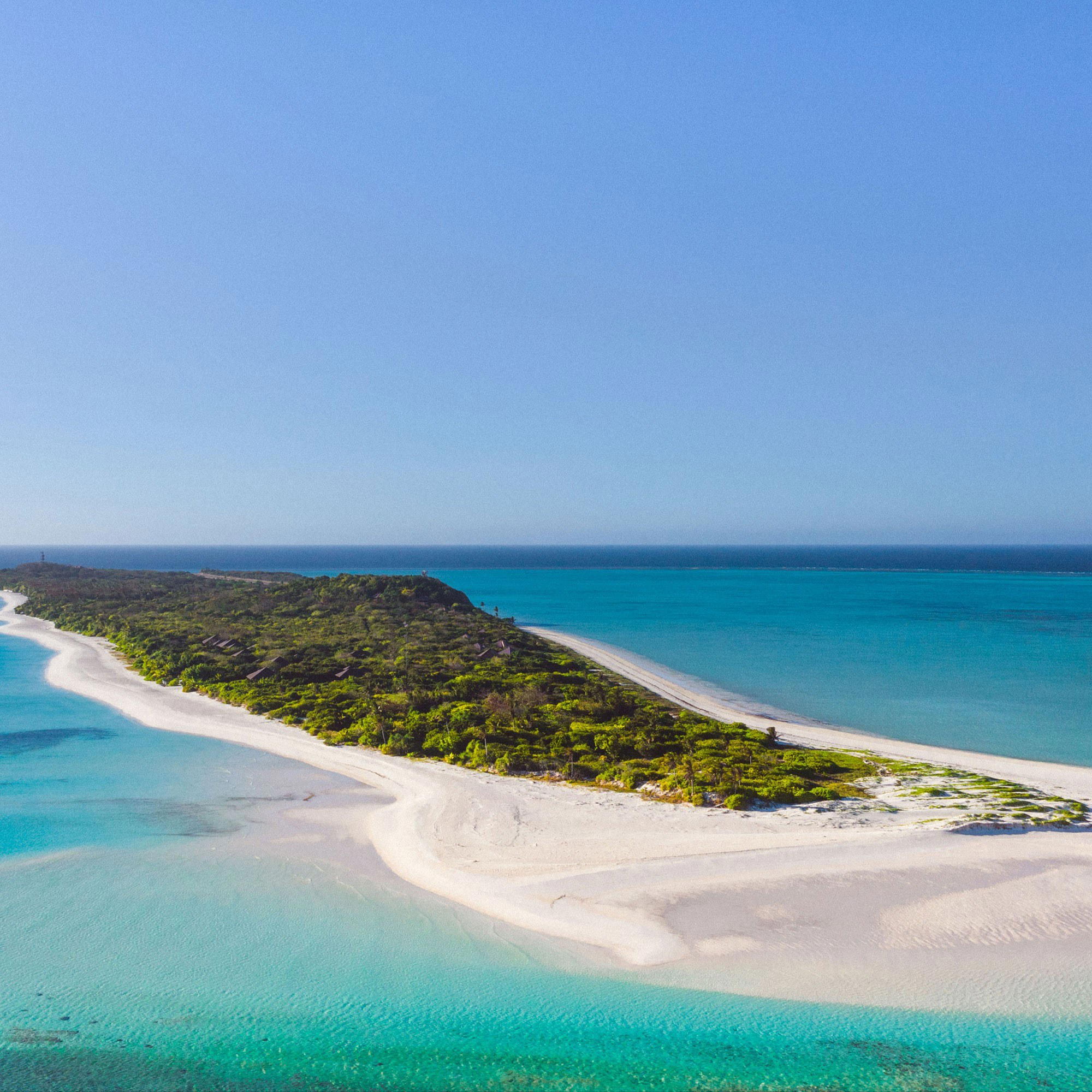
At a Glance
- Elegant
- Scenic
- Sophisticated
- Special Occasion
- Celebration
- Date Night
- Waterfront
- Open Kitchen
- Terrace
- Farm To Table
- Local Sourcing
- Waterfront
- Street Scene
Current opening hours
- Monday
- 7:30 AM–10 PM
- Tuesday
- 7:30 AM–10 PM
- Wednesday
- 7:30 AM–10 PM
- Thursday
- 7:30 AM–10 PM
- Friday
- 7:30 AM–10 PM
- Saturday
- 7:30 AM–10 PM
- Sunday
- 7:30 AM–10 PM
Hours can change for holidays and private events. Last verified .
Light-filled space finished in Philippine lawan wood and Brazilian narra floors, with cozy Lobby Bar views of the sea and terrace seating under the stars.