Sulu Restaurant
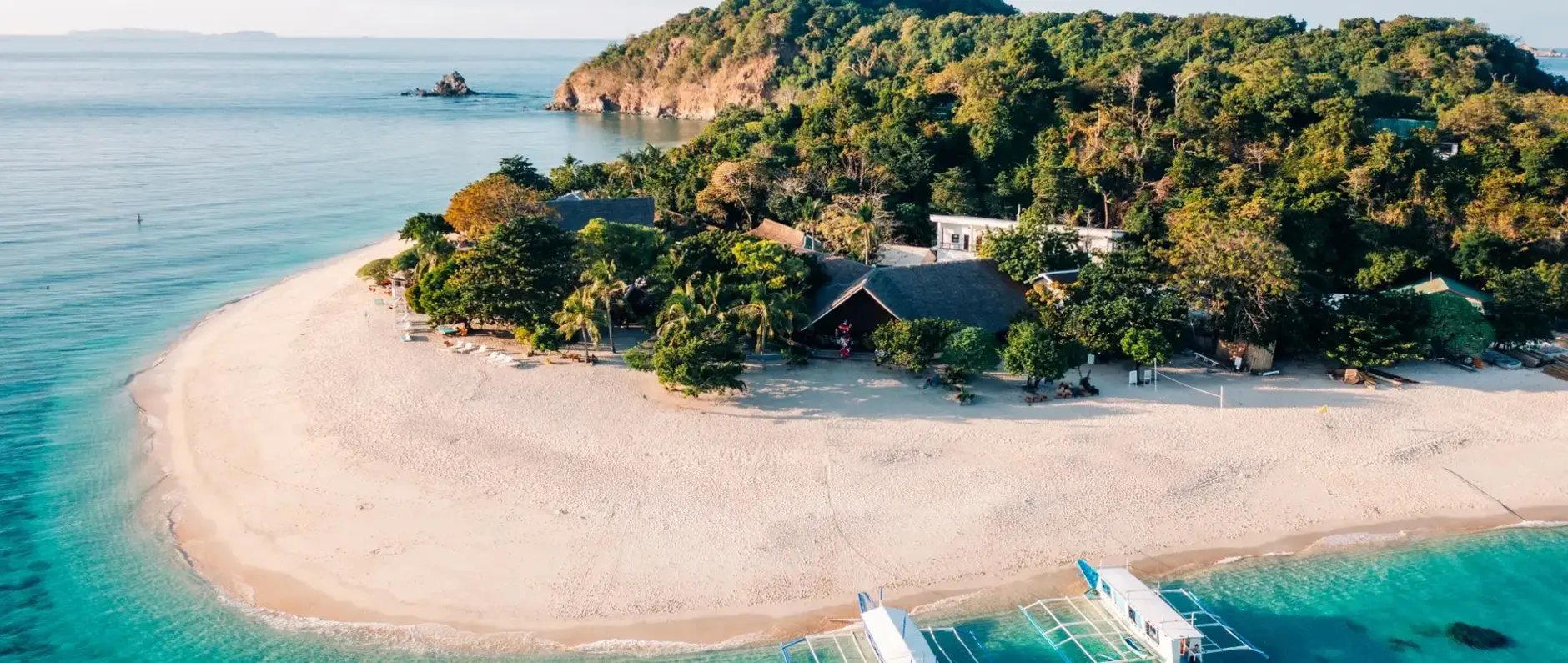
Sulu Restaurant sits in Coron, Palawan, where the surrounding Calamian waters set the terms for what ends up on the plate. In a town where the quality of a meal often tracks directly to the morning catch, Sulu draws from one of the Philippines' most productive marine environments. For travellers moving through Coron's island-hopping circuit, it registers as a reliable address for direct Filipino cooking grounded in local ingredients.
Pearl is the En Primeur Club membership app — saves, bookings, and concierge access live there. Same editors, same standards.
- Address
- 5316 Coron, Palawan
- Directions
- Get directions
 Saves & bookings on Pearl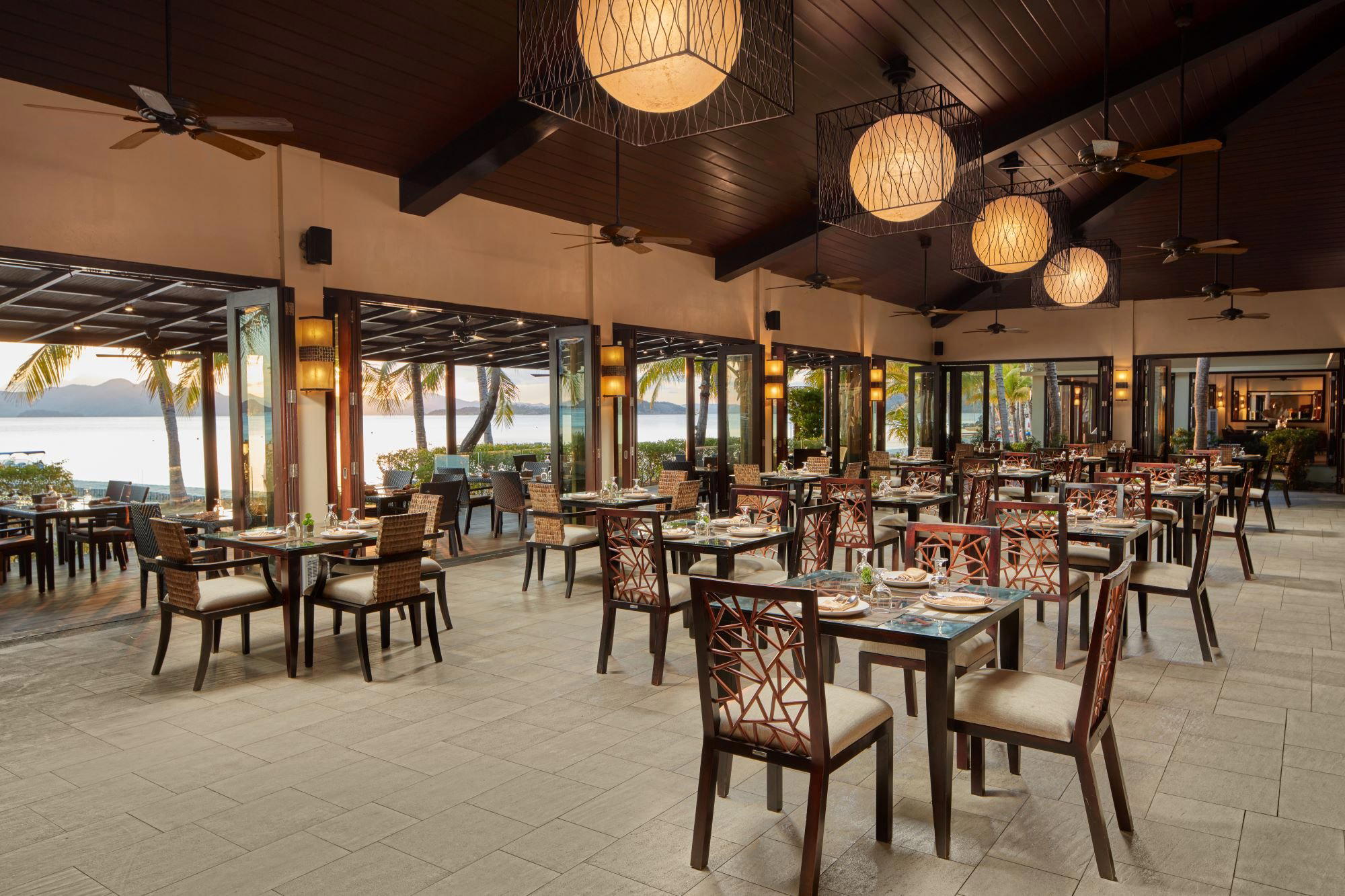
Where the Plate Follows the Water
Coron is not a dining destination in the way Manila or Cebu are. Restaurants here do not compete on tasting menus or wine programs. They compete on access: to freshly caught fish from the Calamian Sea, to reef-pulled shellfish, to vegetables grown on Busuanga Island's agricultural interior. In that context, a restaurant's relationship to its supply chain matters more than its design or its credentials. Sulu Restaurant, at 5316 Coron, Palawan, sits within that supply-driven ecosystem, where the morning's catch shapes the afternoon's menu more reliably than any printed card can.
This is the foundational logic of Philippine island dining: proximity to source is the quality signal. Coron's position at the northern tip of Palawan places it within reach of some of the country's least-pressured fishing grounds, which matters considerably to what ends up in front of a diner. The Calamian archipelago has long operated as one of the quieter stretches of Philippine waters, with smaller-scale fishing activity compared to more commercially intensive zones further south. That relative restraint shows in the fish: grouper, snapper, barracuda, and squid that arrive in kitchens with texture and clarity that more industrialised supply chains rarely deliver.
Ingredient Geography in a Town Built on Water
Filipino coastal cooking at its most functional is a study in restraint applied to notable raw material. The dominant preparations in towns like Coron lean toward sinigang (the tamarind-soured broth that draws out the clean flavour of white fish), kinilaw (a ceviche-adjacent preparation where acidity from vinegar or citrus does the work that heat would elsewhere), and grilled whole fish served with fermented shrimp paste and calamansi. These techniques exist precisely because the fish does not need much intervention. In Manila's more ambitious restaurants, such as Hapag in Makati or Gallery By Chele, Filipino ingredients are the intellectual raw material for refined, technique-driven cooking. In Coron, the same ingredients arrive with fewer intermediary steps, and a different kind of honesty governs what you eat.
That sourcing geography extends beyond the sea. Palawan's agricultural output includes locally grown vegetables and tropical fruit that fill out the coastal diet: bitter melon, kangkong (water spinach), green mango, and young coconut. A meal in Coron built on these ingredients is not a curated experience in the Manila sense; it is a function of what the island produces and what arrived at the market that morning. For travellers who have been moving through the island-hopping circuit visiting Kayangan Lake or Barracuda Lake, returning to a meal like this carries its own coherence. The food and the landscape share the same source material.
Coron's Dining Pattern and Where Sulu Fits
Coron town proper has a concentrated restaurant strip oriented toward the tourism trade that flows through the island-hopping industry. Visitors typically arrive on overnight ferries from Manila or short flights through Francisco B. Reyes Airport in Busuanga, then base themselves in town for two to four nights before moving on. The dining scene reflects that transient pattern: restaurants here prioritise approachability and speed over formality. There are few venues that position themselves as destination restaurants in their own right.
Sulu operates within that context. It is a town-proper address in a market where the comparable set is defined by similar informal Filipino restaurants rather than by the kind of tasting-menu establishments you find at Linamnam in Parañaque or Asador Alfonso in Cavite. For comparison, the broader Filipino casual-dining chain format, represented by venues like Gerry's Grill across multiple Philippine cities, operates on a standardised national menu. What distinguishes Coron's independent restaurants from that format is the absence of a standardised supply chain. Local sourcing is not a marketing position here; it is simply how the economics of a remote island work.
Travellers planning around Coron's peak season, roughly November through May when the Habagat (southwest monsoon) has passed and sea conditions allow island-hopping, will find restaurant seats generally available without advance booking. The town does fill during Holy Week and the Christmas-New Year window, when domestic Philippine tourism peaks, and competition for tables at the better-known spots increases accordingly. For the rest of the year, Coron's dining scene is low-friction to access.
The Wider Philippine Coastal Dining Argument
The broader question Sulu and its peers raise is about what Filipino coastal cooking is for when it is not filtered through the lens of Metro Manila's restaurant culture. Places like Dampa in Quezon City offer a palengke-style (wet market) model where diners select live seafood and pay for preparation separately, bringing the ingredient sourcing logic to the surface explicitly. At the other end of the register, Balesin Dining Room in Polillo operates within a private island resort framework where sourcing is curated and controlled. Coron's town restaurants occupy a middle position: not a wet-market free-for-all, not a resort-controlled experience, but a local supply chain made legible through everyday cooking.
That middle position is worth understanding for any traveller who has eaten well through the Philippine archipelago. The islands with particularly constrained logistics, where food cannot easily be trucked in from a central distribution hub, often produce particularly coherent meals. Coron qualifies on that count. The ferry journey from Manila takes over twelve hours; the airport serves limited routes. What the island eats is substantially what the island catches and grows. For a certain kind of traveller, that constraint is precisely the appeal.
Planning a Meal at Sulu
In Coron generally, restaurants of this type operate on a walk-in basis, and the practical approach is to arrive in the late afternoon to confirm what the kitchen is running that evening, particularly for fresh seafood, which can sell out by mid-service. For travellers comparing Coron's restaurant options against a broader Philippine itinerary that might include Manila's more structured dining scene, the reference point shifts considerably: this is island-town cooking, priced at about $20 per person, and paced to match. The address at 5316 Coron, Palawan places it within the main town cluster, walkable from the majority of accommodation in Coron proper.
A Quick Peer Check
Comparable venues nearby, for context on price, style, and recognition.
| Venue | Cuisine | Price | Awards | Notes |
|---|---|---|---|---|
| Sulu RestaurantThis venue — the venue you are viewing | Filipino-International Seafood | $$ | Not listed | Not listed |
| Dampa | Filipino Seafood Paluto | $$ | Not listed | Libis |
| Lantaw (Compostela) | Filipino Seafood and Grill | $$ | Michelin Plate | Compostela |
| Gerry's Antipolo Sumulong | Filipino Grill | $$ | Not listed | Antipolo City |
| Italianni's Restaurant - Venice Grand Canal Mall | American-Italian Pasta & Pizza | $$ | Not listed | McKinley Hill |

At a Glance
- Modern
- Scenic
- Date Night
- Celebration
- Special Occasion
- Hotel Restaurant
- Local Sourcing
- Waterfront
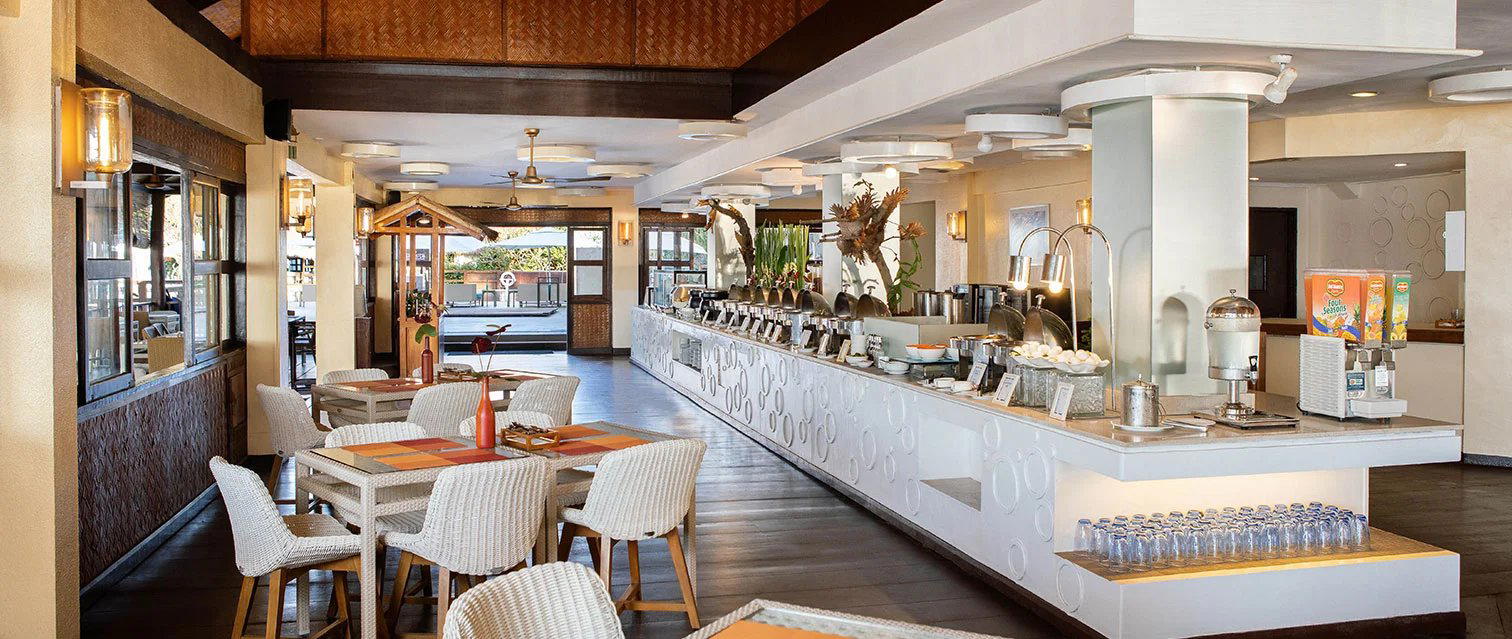
Modern resort dining with a scenic, polished atmosphere.