Casa Italianos
Casa Italianos belongs to Manila’s Italian dining conversation, where pasta is the useful test of seriousness: dough handling, sauce restraint, and regional discipline matter more than decorative Mediterranean cues. With no awards or chef credentials attached publicly, it is better read through the broader question of how Italian cooking translates in a city that often rewards generosity, comfort, and group dining.

Pearl is the En Primeur Club membership app — saves, bookings, and concierge access live there. Same editors, same standards.
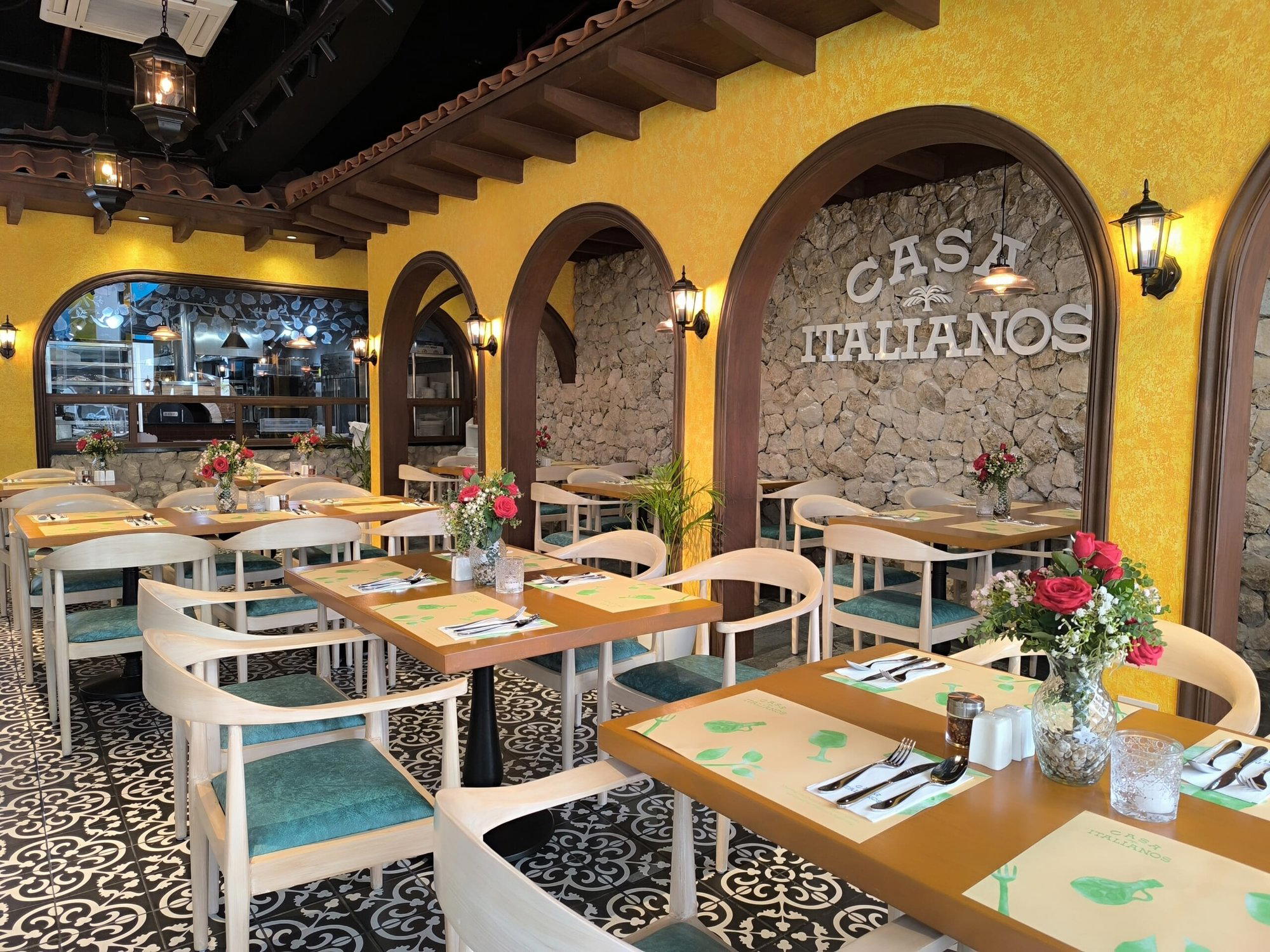
Italian restaurants in Manila often announce themselves before the first plate arrives: the room tends to carry the warmth of long tables, the low clatter of shared service, and the social rhythm of a city that rarely treats dinner as a solitary exercise. Casa Italianos sits inside that expectation. The useful lens is not spectacle, but pasta: how an Italian kitchen in the Philippines handles flour, sauce, timing, and the balance between regional fidelity and local appetite.
Manila has a broad restaurant culture, from hotel dining rooms and business-district steakhouses to independent kitchens that read more like neighborhood fixtures. For a wider map of that spread, see our full Manila restaurants guide, alongside city context in our full Manila hotels guide, our full Manila bars guide, our full Manila wineries guide, and our full Manila experiences guide. Within that wider field, Italian cooking occupies a particular role: familiar enough for mixed groups, technical enough to expose shortcuts, and flexible enough to move between casual comfort and formal service.
Manila Italian dining is judged at the pasta stage
Handmade pasta changes the conversation because it gives a restaurant fewer places to hide. Dried pasta can still be handled with skill, but fresh dough brings texture, hydration, cut, and sauce adhesion into sharper focus. Tagliatelle, pappardelle, ravioli, and filled pastas each ask different questions of a kitchen. A heavy sauce can flatten fresh pasta; a thin one can leave it exposed. In a humid city, dough management also matters, because pasta that works in a temperate European kitchen does not automatically behave the same way in Metro Manila.
Casa Italianos is listed simply as Italian, which keeps the critical frame broad rather than tied to a named regional school. That matters. Italian cooking is often flattened abroad into a single red-sauce vocabulary, while the actual tradition is regional, sometimes radically so: Emilia-Romagna prizes egg pasta and meat ragù; Liguria leans toward herbs, oil, and seafood; Rome keeps its pastas forceful and spare; Sicily brings Arab, Spanish, and island influences into the pantry. A Manila Italian restaurant does not need to reproduce every regional code, but it does need to choose a position. Pasta is where that position becomes visible.
The city’s diners also shape the form. Manila restaurants often serve groups spanning ages and preferences, so Italian menus tend to carry an unusual burden: they must satisfy diners looking for comfort while giving more technical eaters evidence of craft. That tension is not a weakness. It is the local operating condition. The stronger Italian rooms in the city usually understand that generosity and discipline are not opposites. A plate can feel abundant without drowning the pasta; a sauce can be familiar without turning sweet or heavy.
Context matters more than ceremony here
Without a public awards trail or named chef narrative attached to Casa Italianos, the stronger editorial reading is category-based. This is not a restaurant to judge through trophy signals. It belongs instead to the everyday premium end of Manila’s Italian appetite, where diners are likely assessing comfort, consistency, pasta execution, and suitability for shared meals. In that bracket, the questions are practical and culinary at once: Does the kitchen understand sauce restraint? Are pasta shapes chosen for the sauce rather than for menu variety? Does the meal work for a table that wants both ease and structure?
That distinction separates Italian dining from several other Manila formats. A business steakhouse such as 22 Prime is usually judged by sourcing, grill handling, and formality. A waterfront or club dining room such as Admiral Club Manila Bay draws attention to setting and occasion. A modern Indian address such as Agni by Mantra asks different questions about spice architecture and regional translation. Blackbird Makati operates in another register again, where heritage architecture and international cooking shape the meal’s meaning. The restaurant is simpler to read: Italian technique has to carry the room.
That does not make the category less demanding. Pasta is unforgiving because small errors show quickly. Overcooking erases shape. Excess oil turns gloss into weight. Cheese used as a blanket can mute the sauce rather than complete it. The better measure is proportion: pasta, sauce, fat, salt, and serving temperature working in sequence. In a city where diners often order communally, the kitchen also has to manage pacing, because pasta that waits too long loses its point.
How to place it in a Manila dining itinerary
For travelers building a Manila food itinerary, the restaurant works well as the Italian anchor rather than the headline contrast. It can sit between broader city meals: a contemporary Japanese-leaning table such as 12/10 in Makati, a provincial Filipino reference point such as Abaseria Deli & Cafe in Cebu, or destination dining outside the capital such as Antonio's in Manilla and Asador Alfonso in Cavite. For resort or out-of-city context, Amianan, Pangulasian Island in El Nido and Anila Poolside Restaurant in Tagaytay City show how Philippine dining changes when setting becomes part of the experience. Breezes belongs to that wider hospitality conversation as well.
International Italian comparisons should be handled carefully, because Manila’s Italian scene operates under different expectations from Hong Kong, Tokyo, or New York. A benchmark such as 8 1/2 Otto e Mezzo Bombana (Hong Kong) reflects a luxury Italian model shaped by tasting-menu discipline and high-end wine culture, while 112 Eatery, Italian in Minneapolis points to a looser, city-specific interpretation of Italian-American appetite. The restaurant should not be forced into either template. Its natural test is Manila itself: whether it gives local diners a credible Italian meal built around pasta logic rather than imported mood.
The verdict is measured rather than inflated. The restaurant is worth considering when the brief is Italian in Manila and the table wants familiarity with enough technique to justify the choice. The smart order is to read the pasta section first, then let the rest of the meal support that decision. In this category, the pasta tells the truth early.
Comparable Venues Nearby
Comparable venues nearby, for context on price, style, and recognition.
| Venue | Cuisine | Price | Notes |
|---|---|---|---|
| Casa ItalianosThis venue — the venue you are viewing | Northern Italian-Filipino Fusion | $$ | Not listed |
| Agni by Mantra | Modern Regional Indian | $$$ | Makati |
| Manam Comfort Filipino | Filipino Comfort Food | $$ | Pasay |
| Cabel | Filipino Heritage (Luzon, Visayas, Mindanao) | $$ | San Miguel |
| Blackbird Makati | International Fusion | $$$ | Ayala Triangle |
| El Poco Cantina (Malate) | Casual Mexican Taqueria | $ | Malate |


At a Glance
- Cozy
- Intimate
- Modern
- Classic
- Date Night
- Family
- Group Dining
- Celebration
- Casual Hangout
- Private Event
- Open Kitchen
- Private Dining
- Standalone
- Corkage Allowed
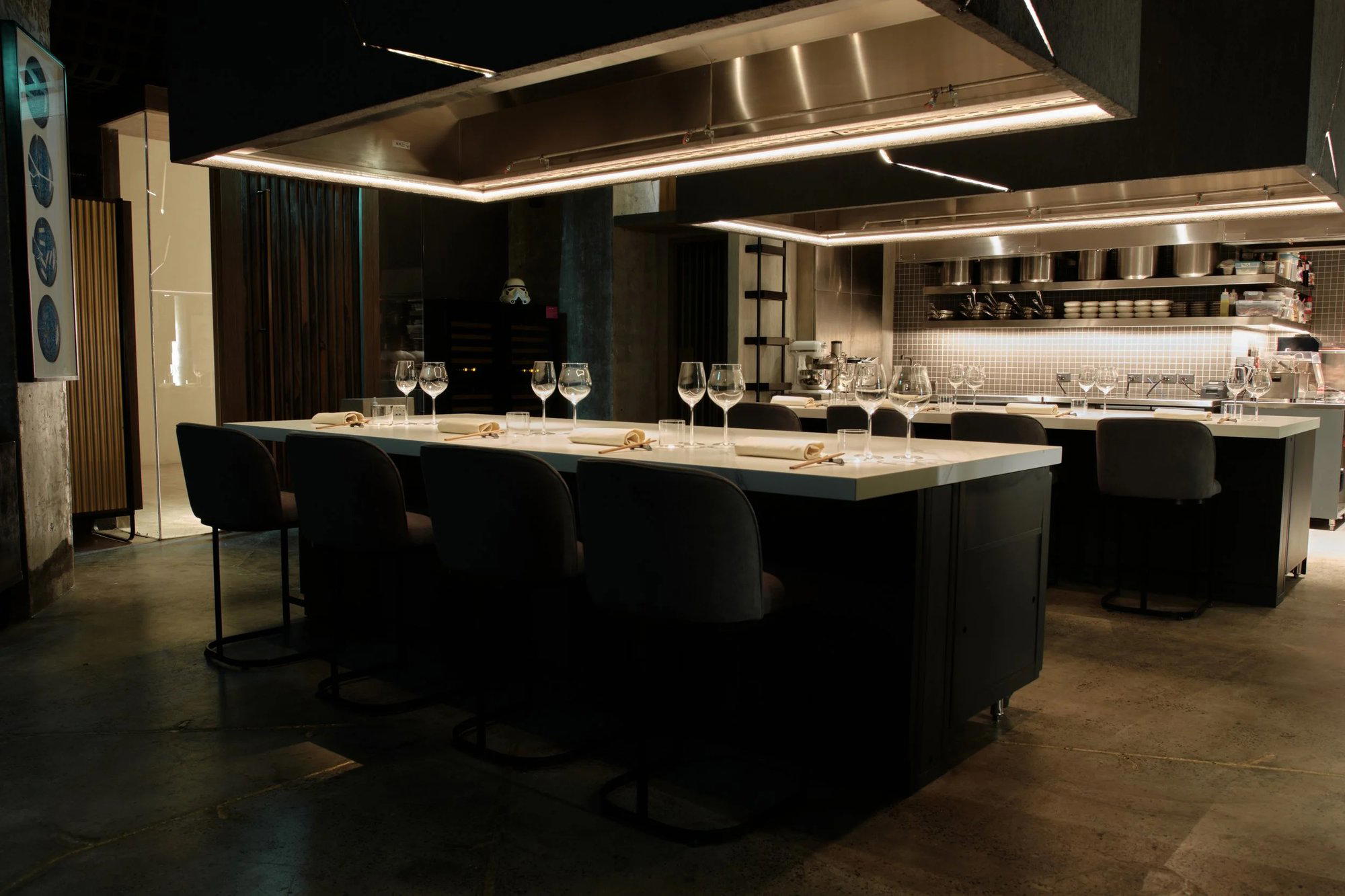
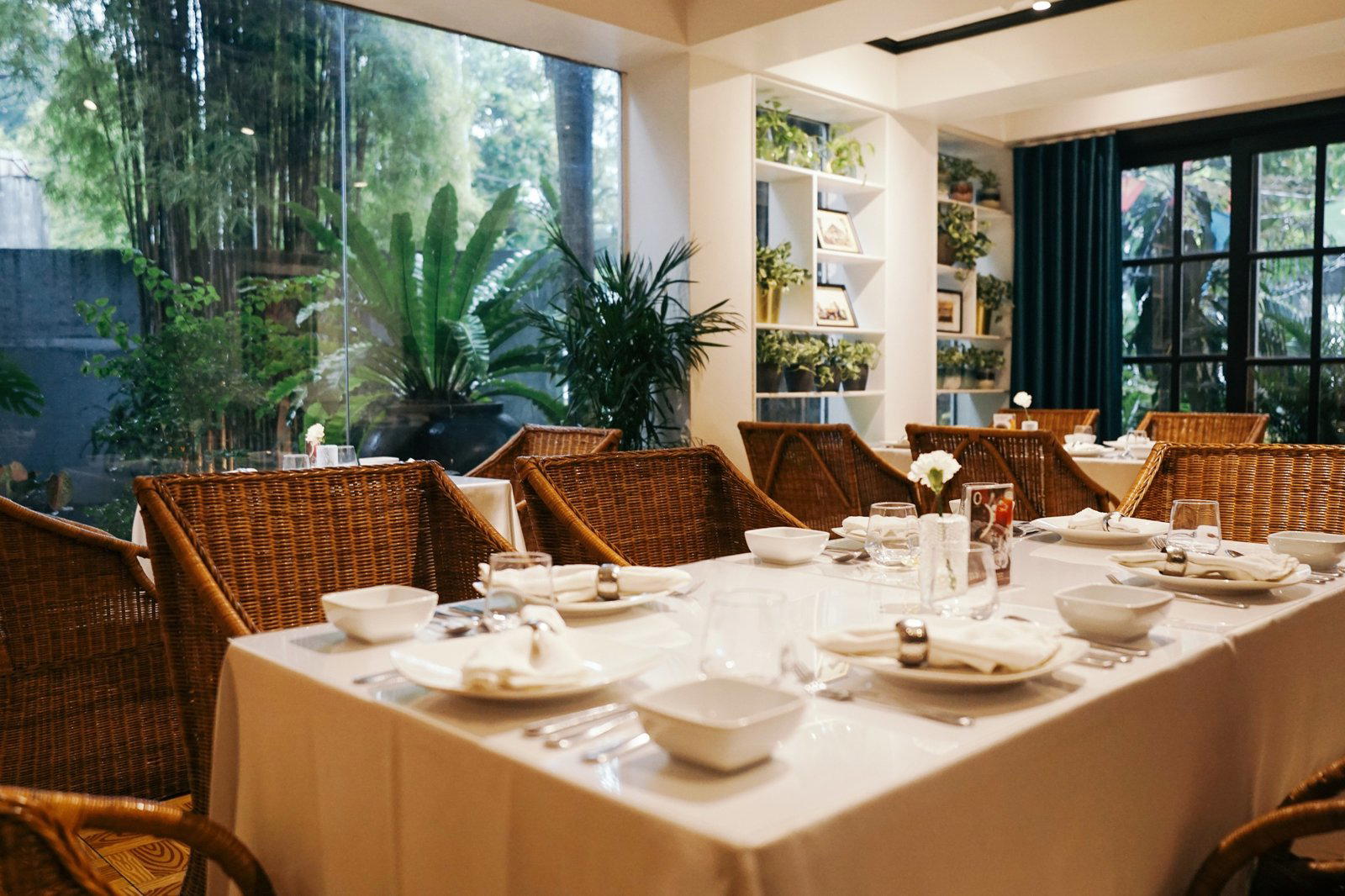
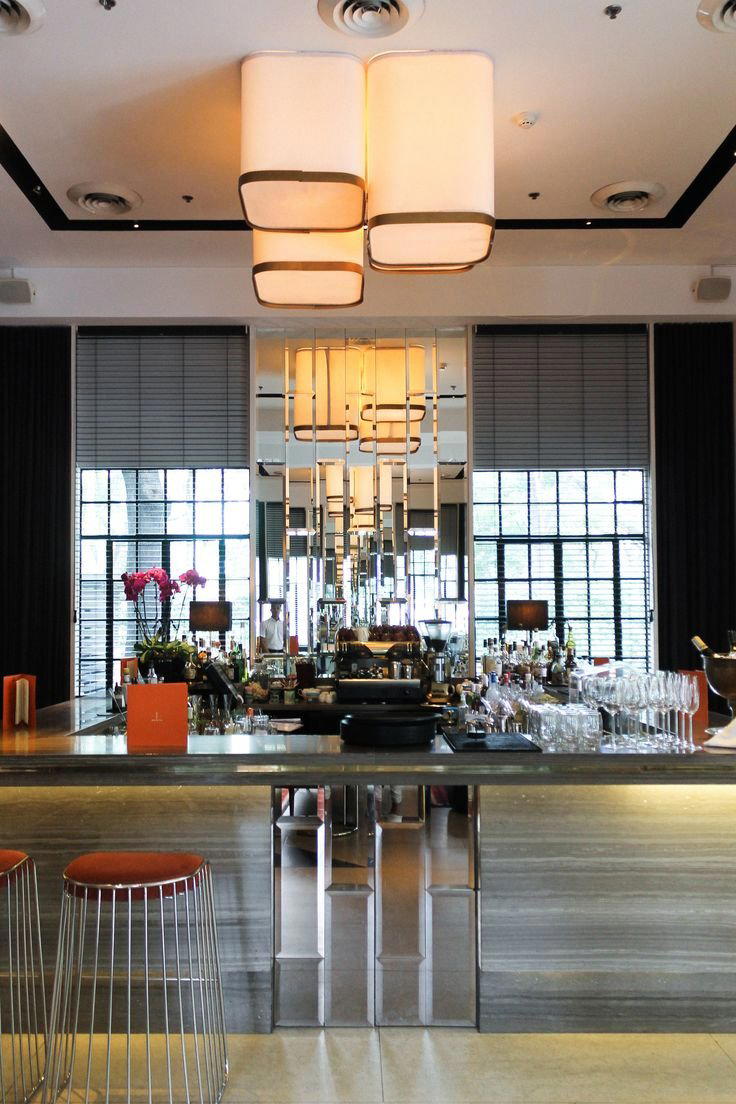
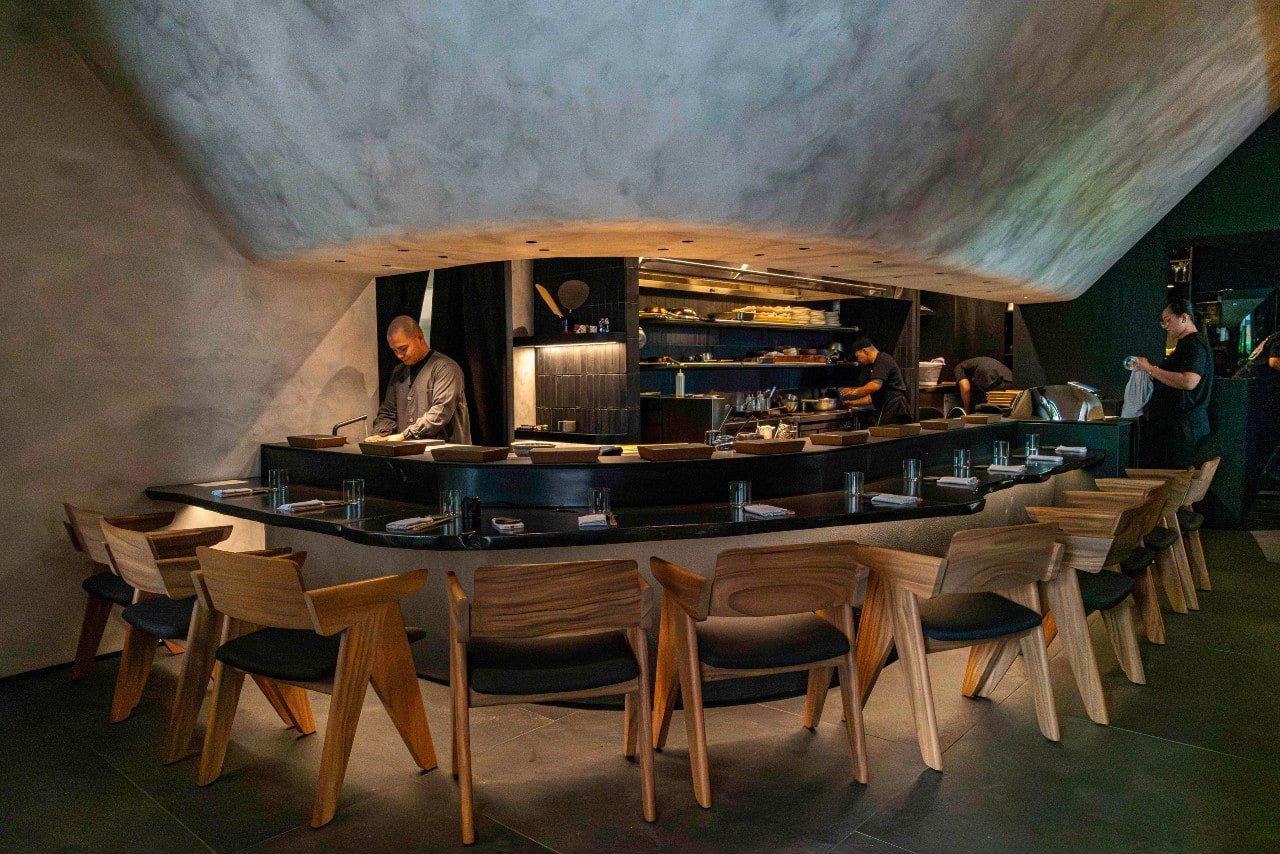
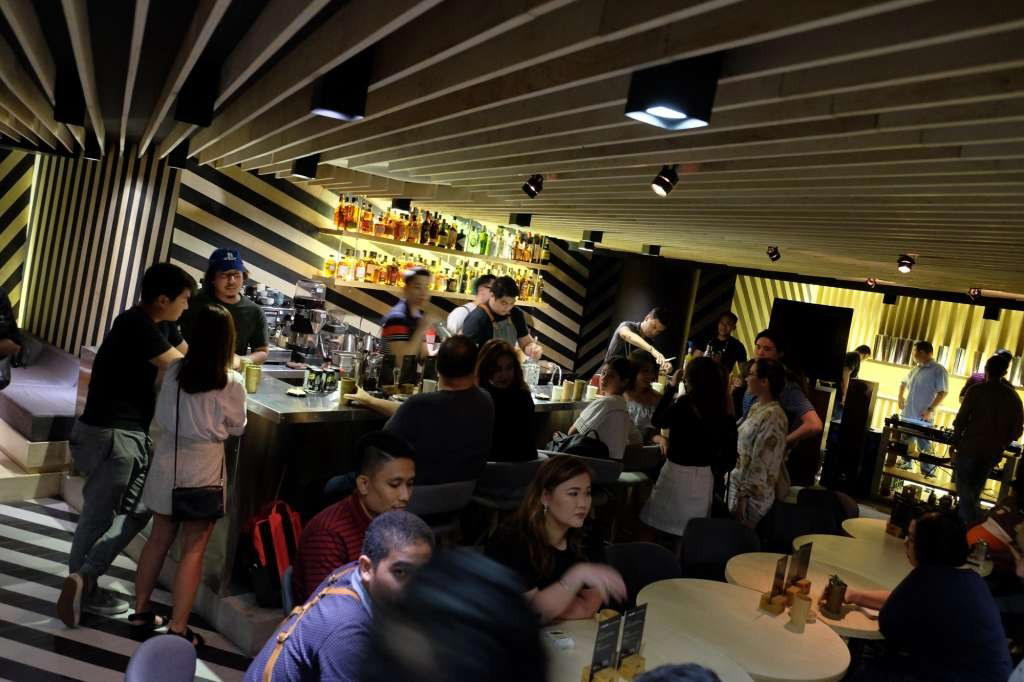
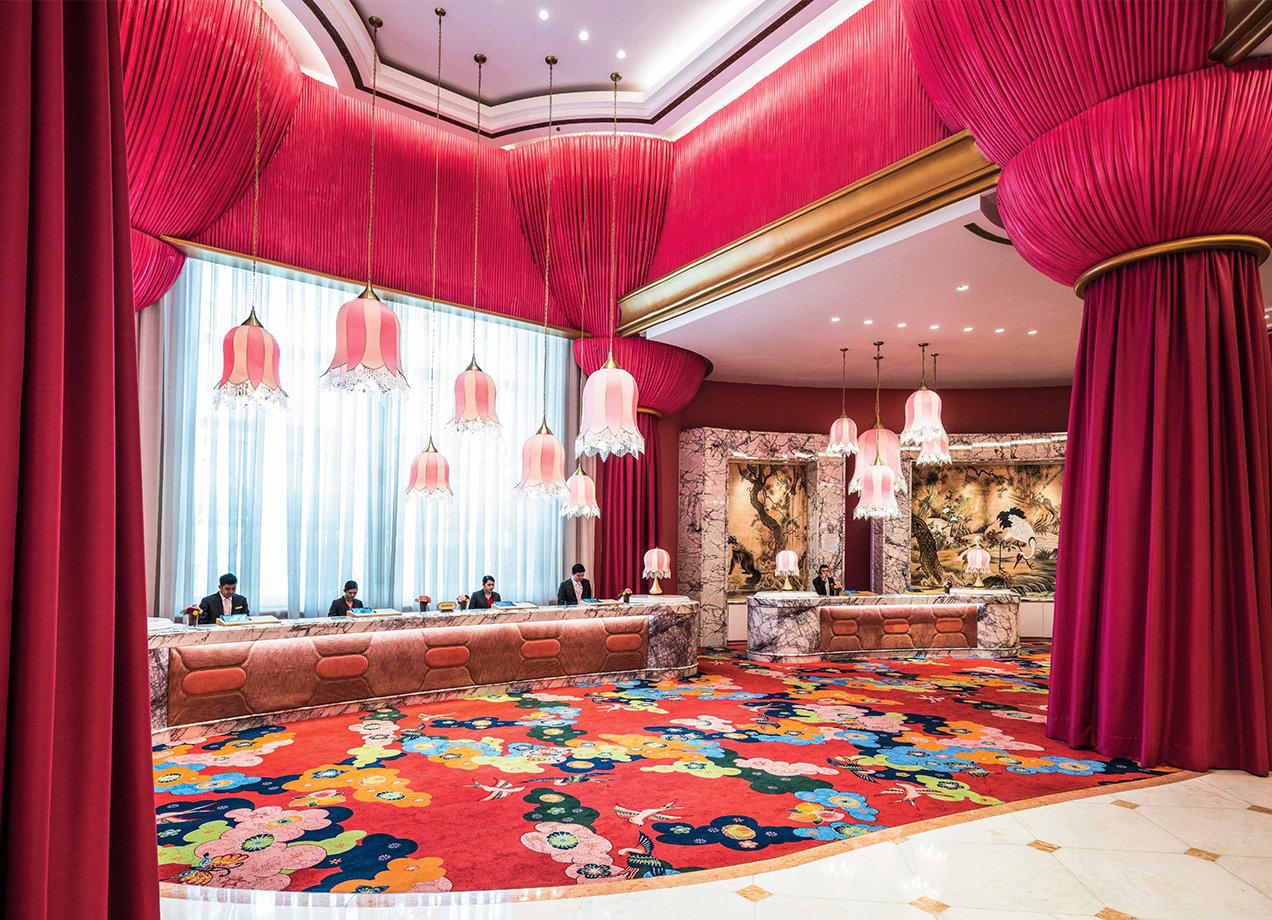
Warm, rustic, and cozy with a relaxed neighborhood feel and visible open-kitchen energy around the pizza oven.