Ăn Chơi
Ăn Chơi brings Vietnamese street-food culture to Sheung Wan's Mercer Street, translating the casual, convivial rhythms of Hanoi and Saigon dining into a Hong Kong neighbourhood setting. The name itself, loosely rendered as 'eat and play', signals the intended register: informal, social, and rooted in the pleasures of sharing food without ceremony. It sits in a part of Central and Western that has grown into one of the district's more considered dining corridors.
 Discover on Pearl
Pearl is the En Primeur Club membership app — saves, bookings, and concierge access live there. Same editors, same standards.
- Address
- Shop A, 15, 17 Mercer St, Sheung Wan, Hong Kong
- Phone
- +85252861517
- Website
- anchoi.hk
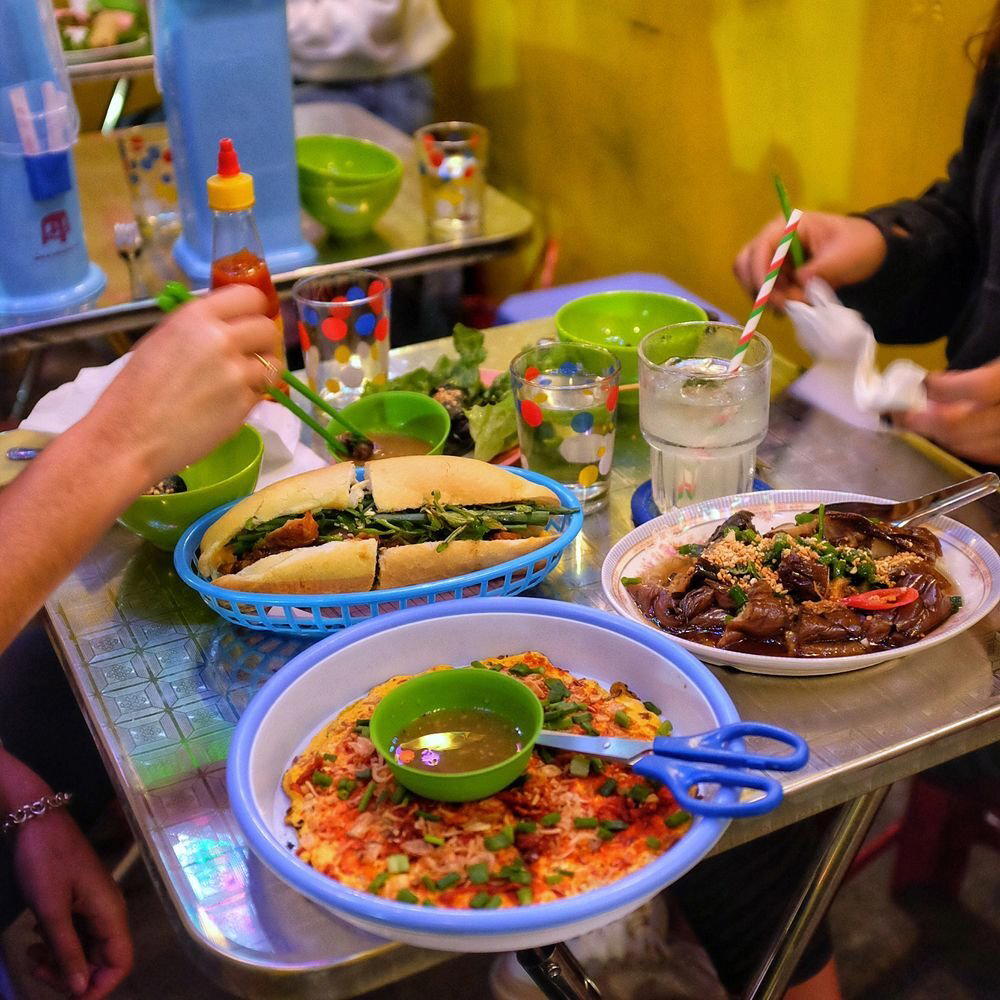
Eat, Play, Repeat: How Ăn Chơi Fits Into Sheung Wan's Dining Character
Ăn Chơi is a restaurant in Sheung Wan, Hong Kong, serving Authentic Vietnamese Street Food. It is not the grand-gesture corridor of Central, where 8½ Otto e Mezzo BOMBANA and Amber in Hong Kong anchor a Michelin-heavy upper tier. Nor is it the purely functional eating streets that run through older residential blocks. Sheung Wan's lower streets have, over the past decade, filled in with a more considered mid-register: venues that serve a food-aware local crowd and a design-industry neighbouring community without tipping into formal territory. Ăn Chơi belongs to this current. The name translates, roughly, to 'eat and play', a phrase that in Vietnamese carries the connotation of leisure without obligation, of time spent at the table as an end in itself rather than a prelude to anything else.
The Ritual Before You Sit Down
Vietnamese dining, in its street-food tradition, has always operated on a logic of accumulation rather than sequence. You do not wait for a starter to clear before the next course arrives. Dishes come as they are ready; the table fills, then empties, then fills again. This rhythm is central to understanding what Ăn Chơi is trying to do at Shop A, 15-17 Mercer Street. The address sits in a ground-floor shopfront in the section of Sheung Wan that connects the antique district of Cat Street to the wider commercial grid, meaning foot traffic skews toward people who already know the neighbourhood rather than tourists arriving by itinerary.
The 'eat and play' framing is not merely branding. It positions the venue against the more structured dining formats that have proliferated in Hong Kong's upper-mid sector. Where a restaurant like Aaharn in the same district treats Southeast Asian cuisine through a refinement lens, Ăn Chơi's register is deliberately lower-pressure. This is a meaningful distinction in a city where dining formality often correlates with price, and where the space between street-food stalls and white-tablecloth rooms can feel artificially wide.
The Pacing of the Meal
In Vietnam, the verb ăn chơi describes eating for pleasure rather than sustenance, snacking, grazing, moving between dishes without the structure of a formal meal. Applied to a restaurant format, this ethos tends to produce menus that reward sharing and resist the Western tasting-menu model of one-dish-at-a-time progression. The Hong Kong Vietnamese dining scene has a reasonably long history, running from older Cantonese-Vietnamese hybrid spots in Wan Chai and Causeway Bay to newer, more citation-conscious openings. Ăn Chơi in Sheung Wan sits in a cohort that has arrived with more deliberate reference to the northern Vietnamese kitchen, Hanoi pho culture, bun cha's charcoal-grilled pork and dipping broth, the herb-heavy plates of the north, rather than the southern, Chinese-inflected cooking that shaped Hong Kong's Vietnamese restaurant history.
This matters for how you approach the meal. Dishes intended for sharing in the Vietnamese street-food tradition are leading ordered in waves, and the table experience depends on a certain willingness to let dishes overlap and accumulate. Visitors arriving with a Western sequencing instinct, starter, main, dessert, bill, will find the experience more interesting if they abandon that structure at the door. The same observation applies at a broader level across Southeast Asian dining rooms in Hong Kong; it is particularly relevant here given the explicit 'eat and play' mandate in the name.
Sheung Wan as Context
The district's evolution as a dining area is worth understanding before visiting. Sheung Wan was, for much of the twentieth century, primarily a wholesale and storage district: dried seafood, antiques, paper goods. The gradual conversion of its ground-floor commercial spaces into restaurants and cafés began in earnest around 2010 and accelerated through the mid-2010s. By the time venues like AMMO and Bayi had established themselves in the Central and Western corridor, Sheung Wan had developed a dining identity distinct from Central's finance-driven formality. The neighbourhood now supports a range of registers, from the hotel-anchored formats of cafe TOO to compact independent rooms with tightly focused menus.
Mercer Street specifically sits within walking distance of the Hollywood Road gallery strip, which has shaped its dining audience. The crowd skews creative-professional and internationally mobile, people who have eaten Vietnamese food in Hanoi, Ho Chi Minh City, or in the Vietnamese communities of Sydney and Paris, and who bring those reference points with them. This is a different audience from the one that built Hong Kong's older Vietnamese restaurant scene, and it creates different expectations around authenticity and sourcing.
Further afield, Le Salon de Thé de Joël Robuchon Hong Kong (ifc mall) in Central represents the district's more ceremonial French register, while across the harbour, Block 18 Doggie's Noodle in Yau Tsim Mong shows how the city's noodle culture operates at a completely different price point and pace. The contrast illustrates Hong Kong's dining range more clearly than any single venue can.
Getting There and Planning Your Visit
The Mercer Street address is reachable on foot from Sheung Wan MTR station in approximately ten minutes, walking up Queen's Road West and cutting north. The immediate neighbourhood becomes noticeably quieter by mid-evening on weekdays, so the venue draws a crowd that is either already in the area or has made a specific trip rather than stumbled in from a main drag. Booking is recommended, and regular hours run Mon to Thu 11:30 AM to 10 PM, Fri and Sat 11:30 AM to 11 PM, and Sun 11:30 AM to 10 PM. For visitors building a wider eating itinerary across Hong Kong, Chin Sik in Tsuen Wan, Habib's Indian and Middle Eastern Food in Kwun Tong, Enchanted Garden Restaurant in Islands, King Of Soybeans in Wong Tai Sin, Hoi Tin Garden in Tuen Mun, and Lei Garden in Sha Tin represent different districts and dining registers worth mapping against each other. Also, Former Jumbo Floating Restaurant in Aberdeen serves as a reminder of how dramatically Hong Kong's dining culture has shifted away from spectacle-led formats toward the kind of low-ceremony neighbourhood rooms that Ăn Chơi represents.
Cuisine Lens
Comparable venues nearby, for context on price, style, and recognition.
| Venue | Cuisine | Price | Awards | Notes |
|---|---|---|---|---|
| Ăn ChơiThis venue — the venue you are viewing | Authentic Vietnamese Street Food | $$ | , | |
| Café Hunan | Authentic Hunan Chinese | $$ | , | Central And Western |
| MâmAmis | Modern Vietnamese with French Flair | $$$ | , | Sheung Wan |
| Fiata Pizza | Authentic Neapolitan Pizza | $$ | , | Central |
| The Wise King | Spanish Tapas & Cocktails | $$$ | , | Central |
| Honjo | Modern Japanese | $$$ | , | Sheung Wan |
Continue exploring
More in Central And Western
Restaurants in Central And Western
Browse all →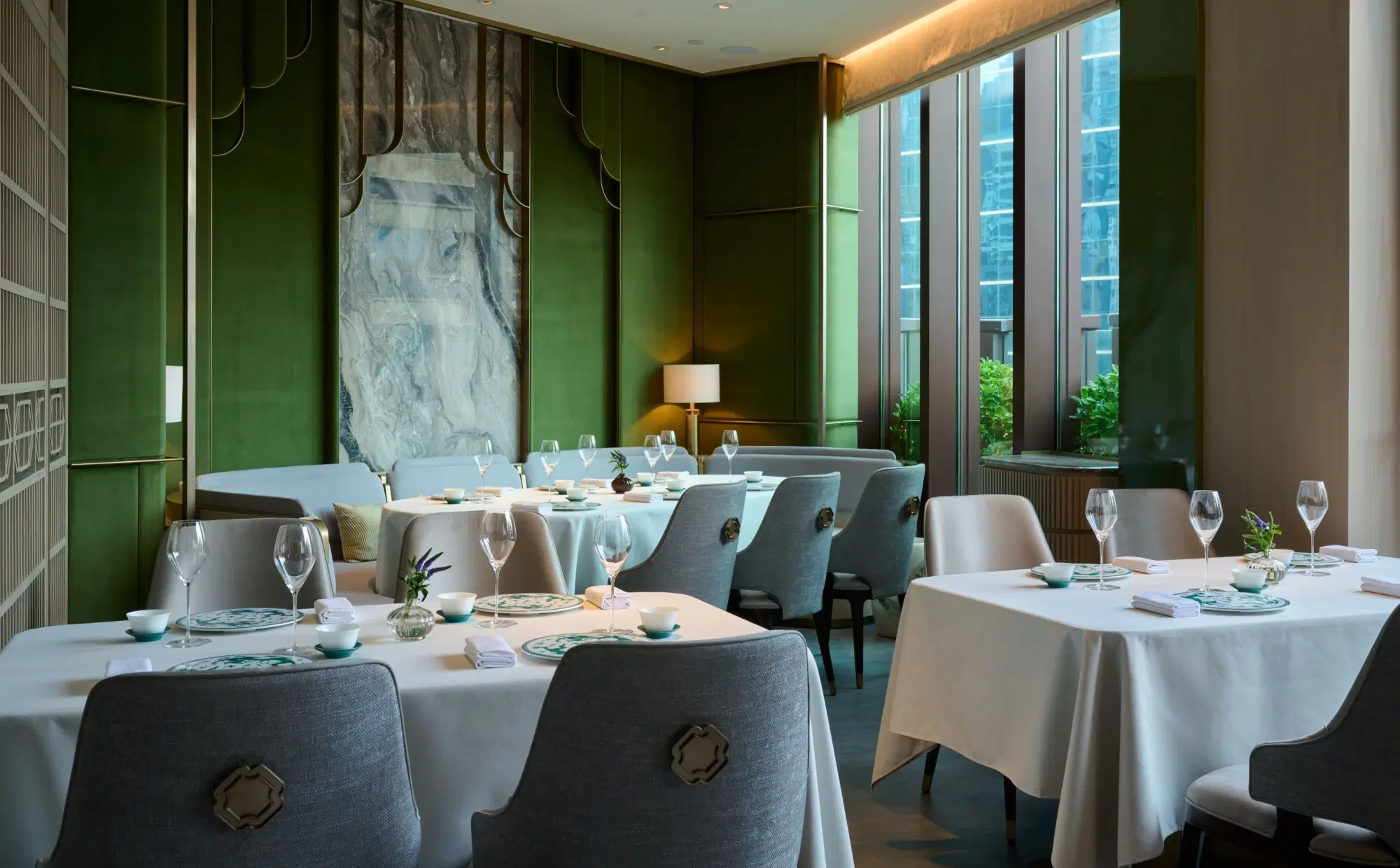
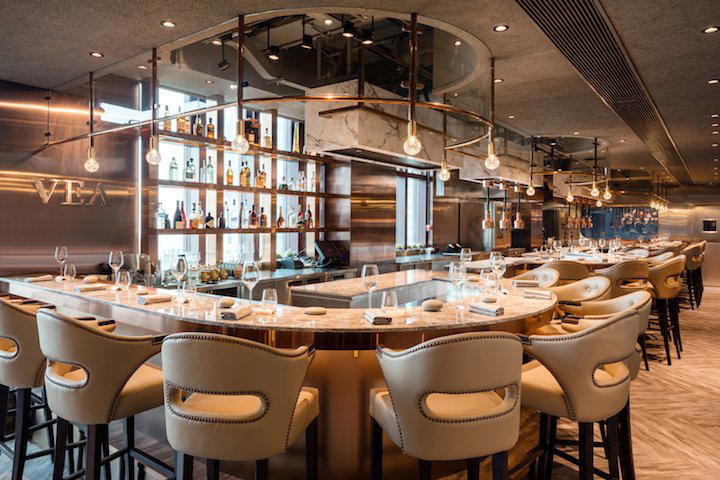
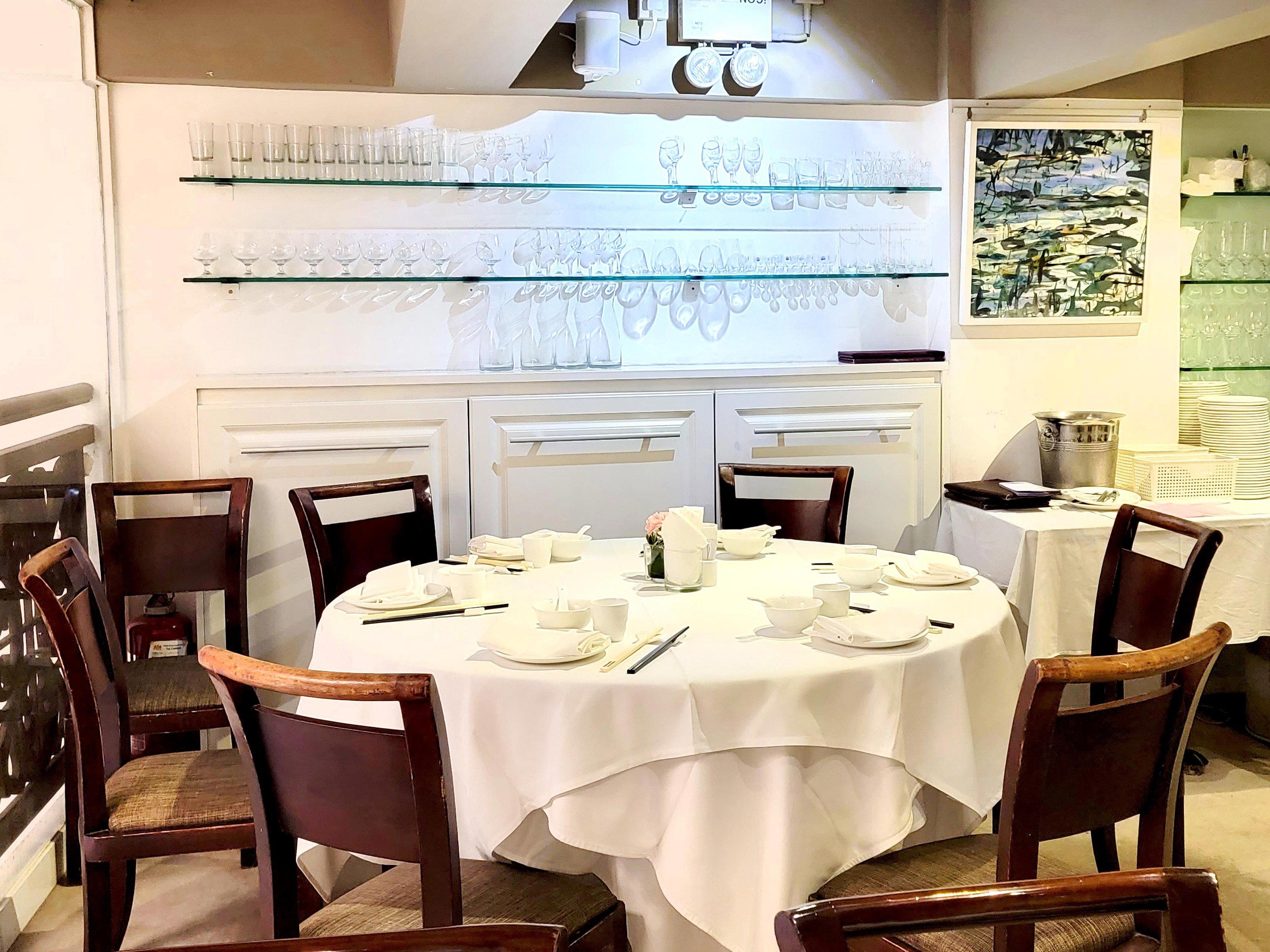
Bars in Central And Western
Browse all →
At a Glance
- Lively
- Hidden Gem
- Rustic
- Energetic
- Casual Hangout
- After Work
- Open Kitchen
- Standalone
- Beer Program
- Local Sourcing
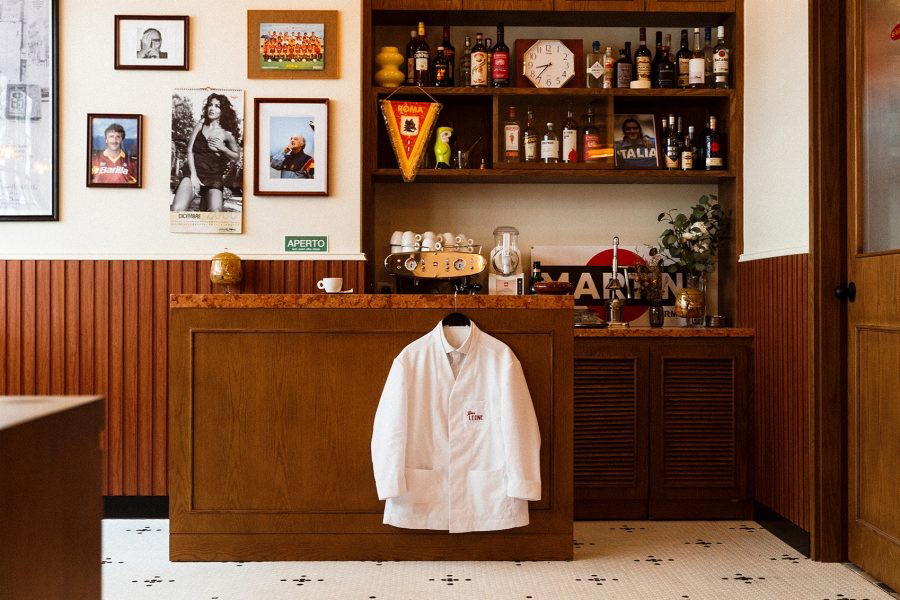
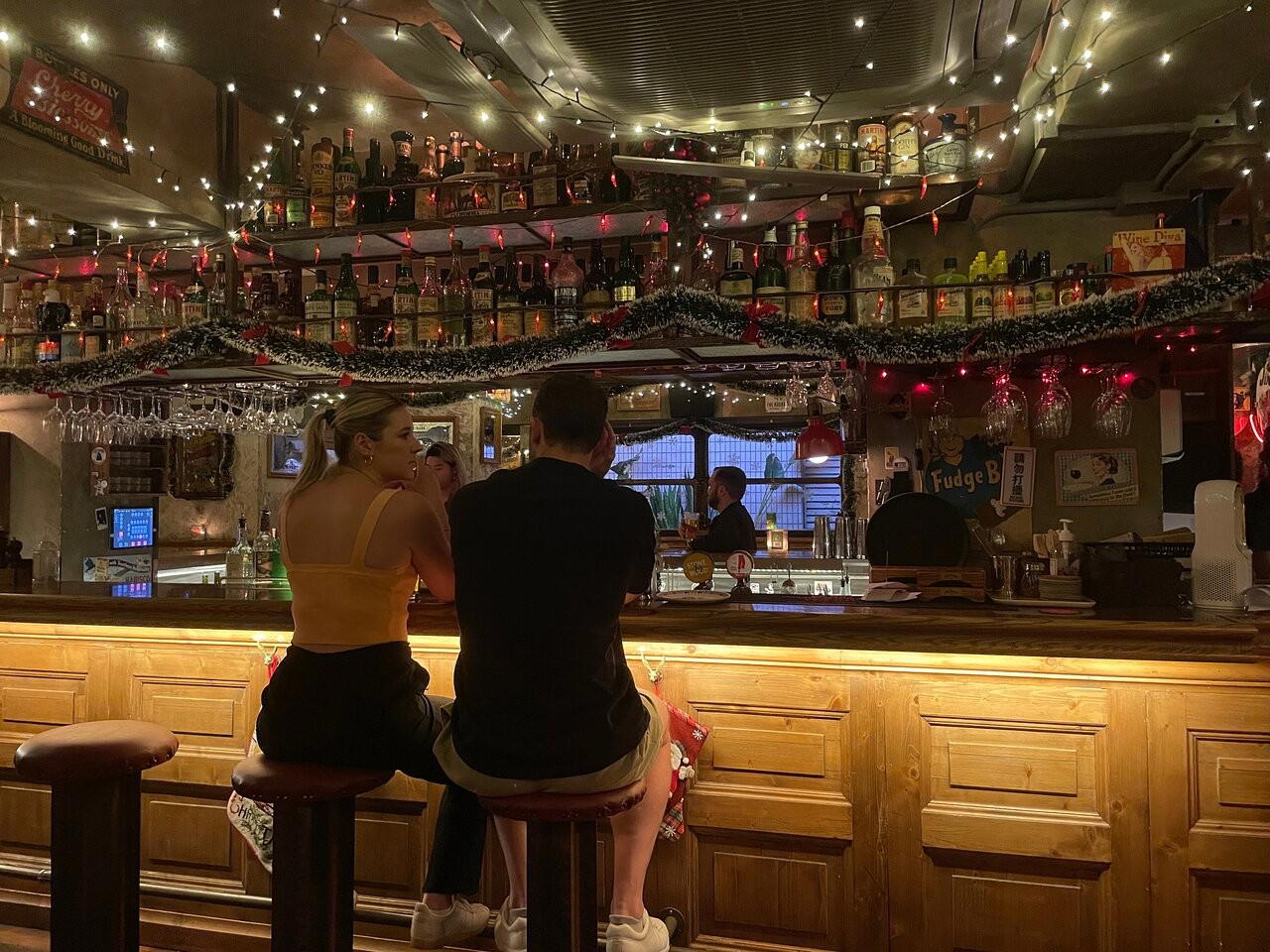
Informal and vibrant with plastic stools and close seating that captures the liveliness of Vietnamese street stalls; colorful and energetic atmosphere reminiscent of Saigon's bustling alleys.