Piccadilly sits on Nieuwpoortlaan in De Panne, a Belgian coastal town where the North Sea dictates the kitchen calendar as much as any chef does. The venue operates in a dining scene defined by proximity to some of Belgium's most productive fishing grounds and agricultural hinterland, placing it in a category of coastal addresses where ingredient provenance is the primary editorial argument.
Pearl is the En Primeur Club membership app — saves, bookings, and concierge access live there. Same editors, same standards.
- Address
- Nieuwpoortlaan 32, 8660 De Panne, Belgium
- Phone
- +3258627673
- Directions
- Get directions
 Saves & bookings on Pearl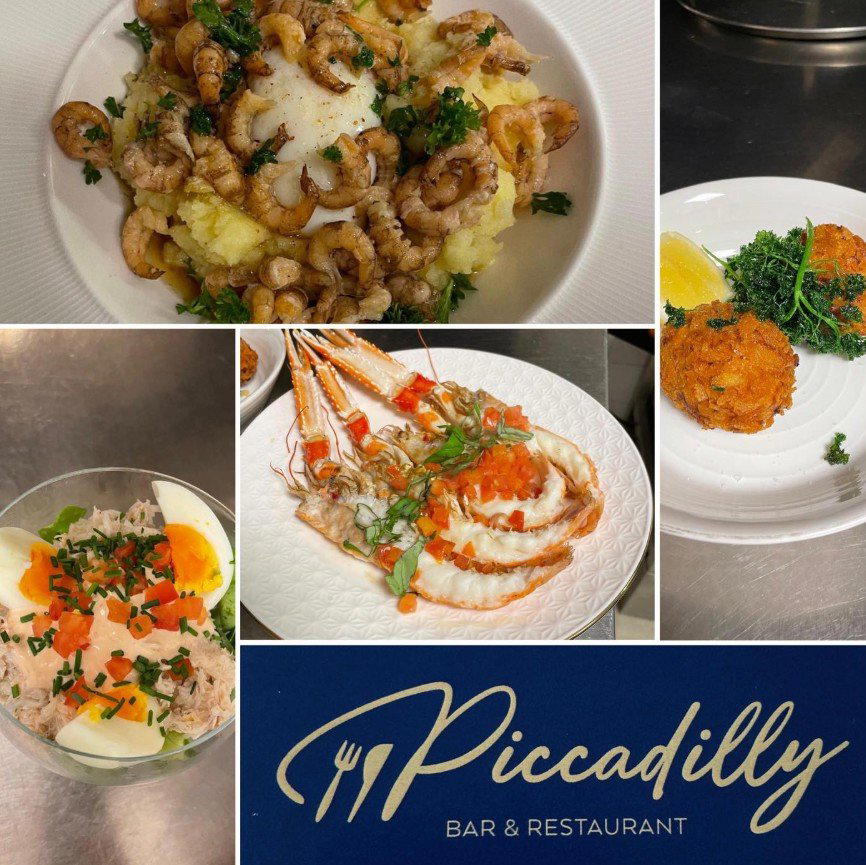
The Coast as Kitchen
De Panne occupies the southwestern tip of the Belgian coast, a few kilometres from the French border and roughly equidistant from Dunkirk and Calais on one side and Ostend on the other. That geography is not incidental to how the town eats. The North Sea here delivers a specific catch profile: sole, turbot, and grey shrimp pulled from cold, shallow waters that produce a firmness and salinity you won't replicate inland. The farms of the West Flemish interior sit equally close, which means that kitchens in this town have access to a sourcing range that larger coastal cities often have to work harder to assemble. Piccadilly, at Nieuwpoortlaan 32, sits inside that context. The address alone places it in a neighbourhood that runs between the beach dunes and the town's commercial spine, an area that reads more residential than resort-strip, which sets the register before you've even opened the door.
Belgium's coastal dining scene has never quite resolved its own identity. The larger resort towns, Knokke-Heist and Blankenberge most prominently, have pulled investment toward conspicuous leisure dining, with seafood brasseries designed to absorb summer tourist volumes. De Panne has largely sidestepped that trajectory. Smaller, less trafficked, and positioned near the protected dune reserve of De Westhoek, it has retained a local-use character that tends to select for ingredient-forward cooking over theatrical presentation. That's the category Piccadilly belongs to, judged by its location in a town where the dining room regulars are as likely to be year-round residents as seasonal visitors.
What the North Sea Brings to the Table
The sourcing argument for this stretch of coastline is direct to make on the facts. Belgian grey shrimp, peeled by hand in the traditional method, come from waters fished by small-vessel day boats operating out of Nieuwpoort, less than ten kilometres from De Panne. That proximity matters: shellfish quality degrades measurably with transport time, and a kitchen working from a local supply chain is dealing with a materially different product than one buying through a central wholesale market. Turbot and sole from these grounds are fished under Belgian federal quotas, and the seasonal fluctuations in availability are real constraints that shape menus week to week. A restaurant on Nieuwpoortlaan has a logistical relationship with those supply chains that an inland address in Brussels or Antwerp simply cannot replicate.
Belgium's most cited coastal seafood reference point is Bartholomeus in Heist, which has built a reputation across the broader West Flanders coast for treating North Sea catch with technical precision. Further along the Flemish coast, Willem Hiele in Oudenburg has made provenance-led cooking a central argument in its programming. Both represent the upper bracket of what coastal Belgian kitchens can produce when sourcing is treated as a creative constraint rather than a logistical given. De Panne's dining scene operates at a different scale, without that level of documented recognition, but the raw material access is comparably direct. Within De Panne itself, La Coupole works explicitly in the seafood register, and Octopus has positioned itself around farm-to-table sourcing, both at the €€ price tier that reflects the town's practical rather than aspirational dining character.
Where De Panne Sits in the Belgian Dining Map
Belgium's most formally recognised restaurants cluster inland or in the larger cities. Hof van Cleve in Kruishoutem, Boury in Roeselare, and Zilte in Antwerp operate in an entirely different competitive bracket, with the infrastructure, press exposure, and booking queues that formal recognition produces. Bozar Restaurant in Brussels and De Jonkman in Sint-Kruis represent the kind of programmatic ambition that requires a large urban audience to sustain. De Panne is not that kind of town, and its restaurants are not that kind of proposition. What the town offers instead is cooking with direct access to some of the country's most distinctive raw materials, served in a format calibrated for a smaller, more local audience.
That calibration has its own value. The €€ tier that characterises De Panne's mid-range restaurants, including Subtiel alongside La Coupole and Octopus, positions them as accessible rather than occasion-only. Comparable sourcing credentials at a Bruges or Ghent address would likely attract a price premium that reflects urban real estate and audience expectations. In De Panne, the supply chain proximity doesn't get marked up in the same way, which is one of the structural arguments for eating here rather than in a larger coastal city. For context on what Belgian coastal sourcing can produce at its technical ceiling, addresses like L'air du temps in Liernu and La Durée in Izegem demonstrate how seriously Belgian kitchens at the higher end treat provenance as a structuring principle. De Panne operates below that tier, but within the same sourcing logic.
Planning a Visit
Piccadilly is at Nieuwpoortlaan 32 in De Panne, reachable by car from Bruges in under an hour via the E40 and N8, or from Dunkirk across the French border in roughly twenty minutes. De Panne's tram stop on the Belgian Coast Tram line connects the town to Oostende and the broader coast without a car, which matters in summer when parking near the dunes fills quickly. The shoulder seasons, April through June and September through October, tend to be the more reliable windows for coastal dining in West Flanders: tourist volumes drop, local supply chains are active, and the kitchen is more likely to be cooking for regulars than managing seasonal service peaks.
Side-by-Side Snapshot
Comparable venues nearby, for context on price, style, and recognition.
| Venue | Cuisine | Price | Awards | Notes |
|---|---|---|---|---|
| PiccadillyThis venue — the venue you are viewing | Classic Belgian Brasserie | $$ | Not listed | Not listed |
| Hostellerie Le Fox | Dining | Not listed | Not listed | De Panne |
| Subtiel | Classic Cuisine, Seafood | $$$$ | Michelin Plate | De Panne |
| Octopus | Modern Seafood Fine Dining | $$ | Michelin Plate | De Panne |
| La Coupole | Seafood Bistro | $$$ | Michelin Plate, World's 50 Best #13 | De Panne |
| Poincaré | Modern Belgian Bistro | $$ | Not listed | Wenduine |
At a Glance
- Classic
- Cozy
- Elegant
- Casual Hangout
- Group Dining
- Family
- Date Night
- Terrace
Current opening hours
- Monday
- 12–2 PM, 6:30–9 PM
- Tuesday
- Closed
- Wednesday
- Closed
- Thursday
- 6:30–9 PM
- Friday
- 12–2 PM, 6:30–9 PM
- Saturday
- 12–2 PM, 6:30–9 PM
- Sunday
- 12–2 PM, 6:30–9 PM
Hours can change for holidays and private events. Last verified .
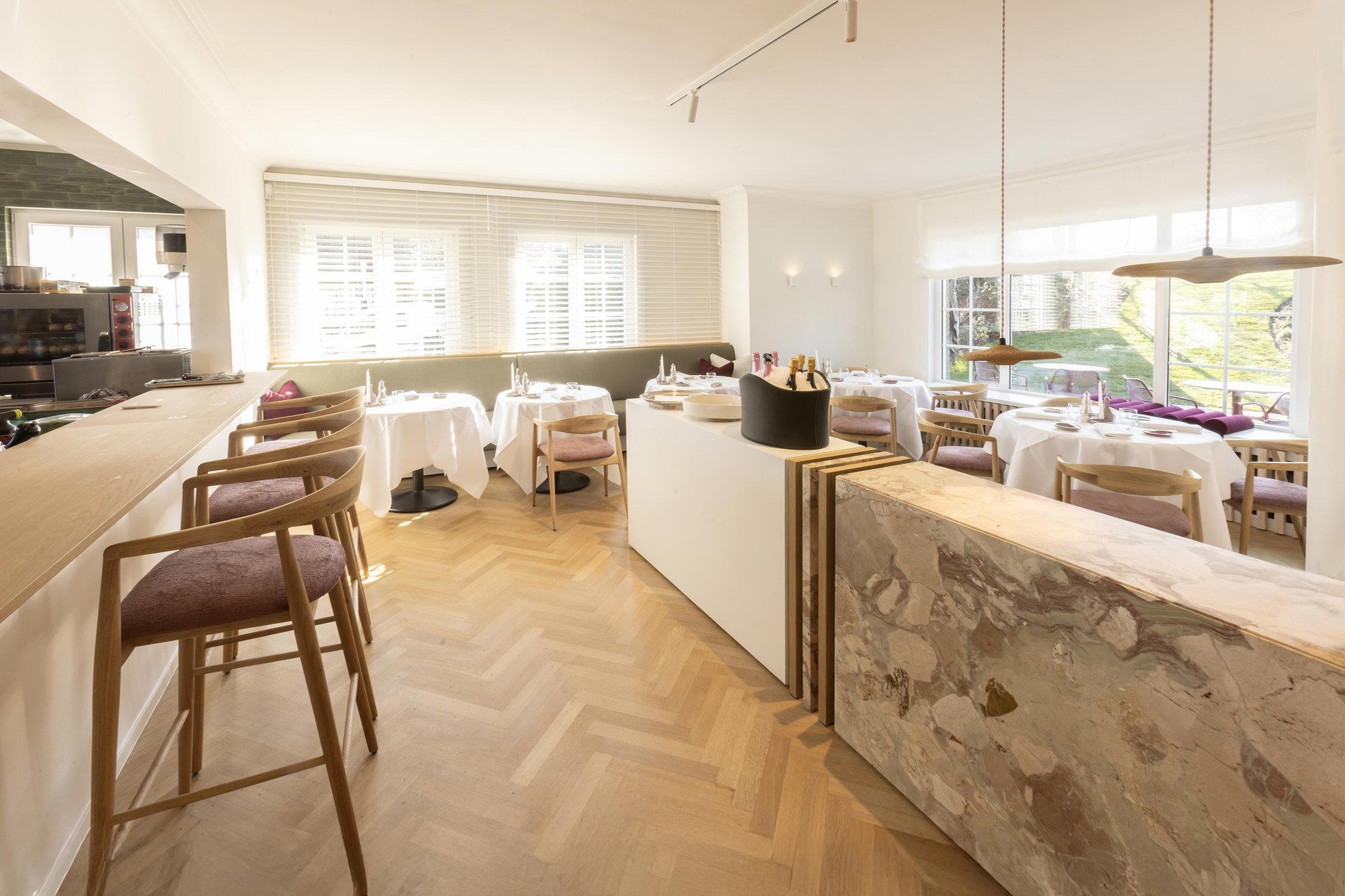
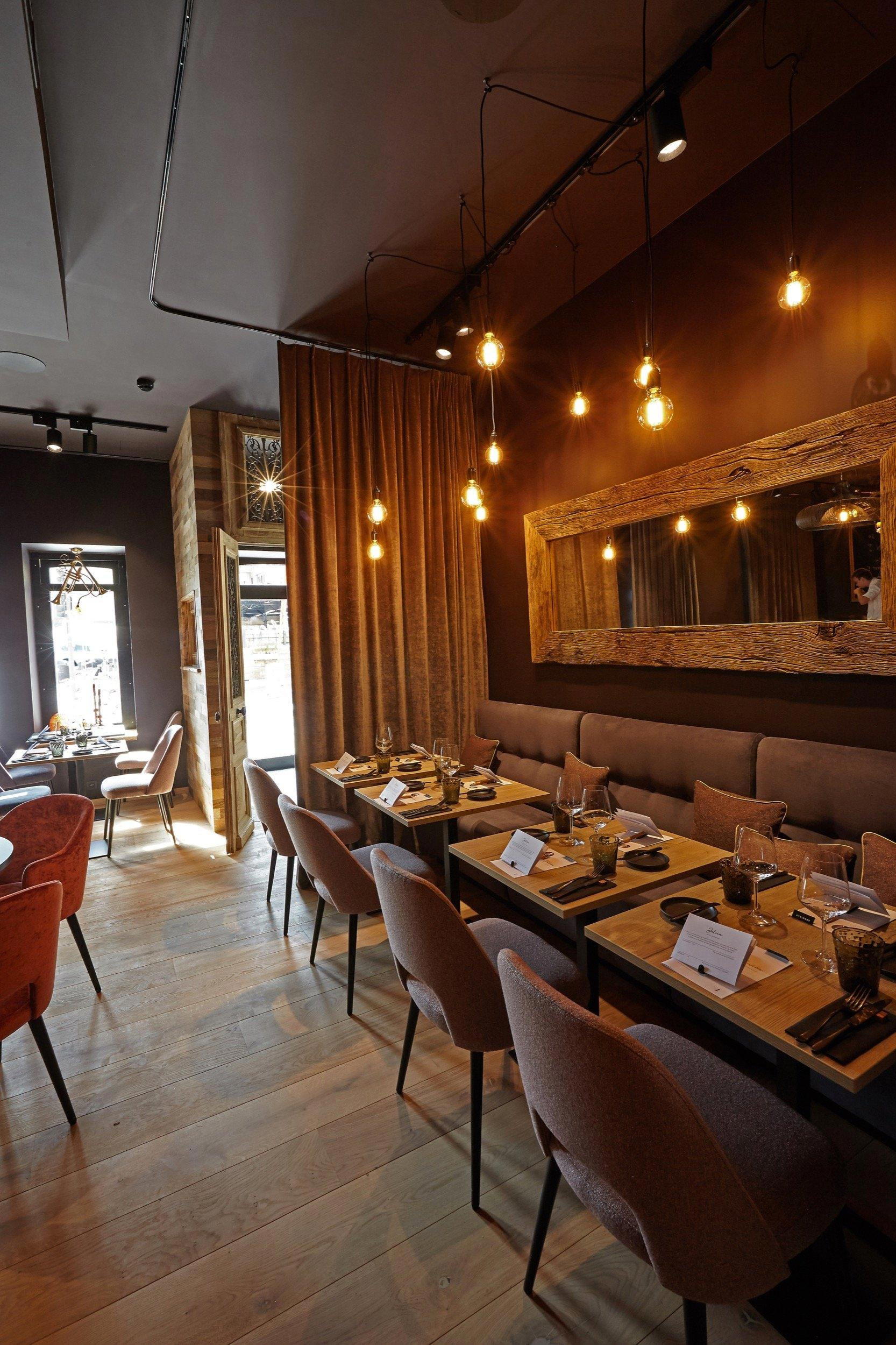
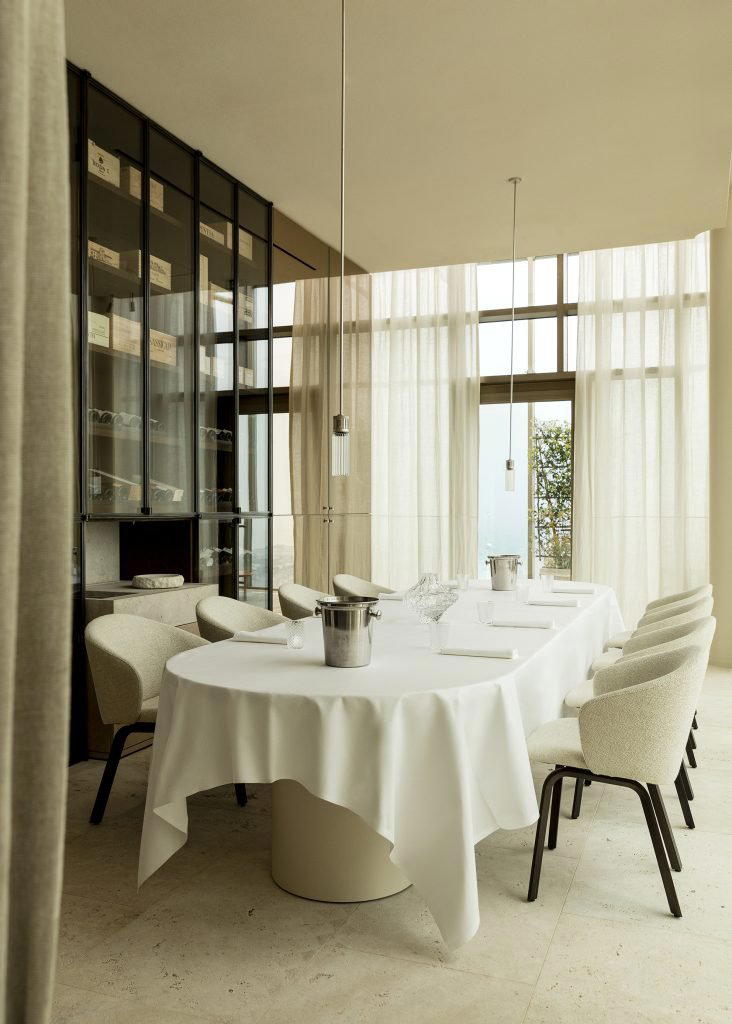
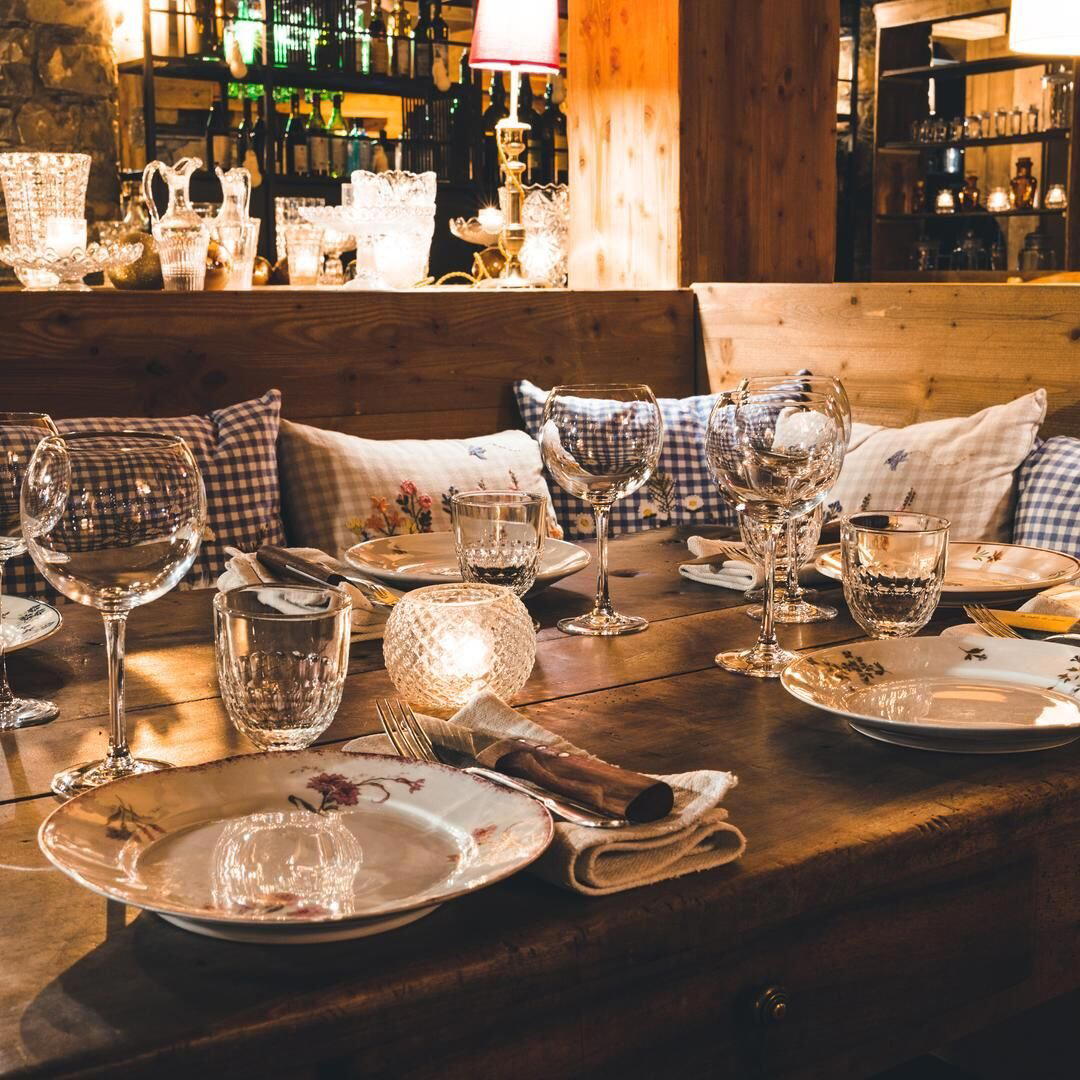
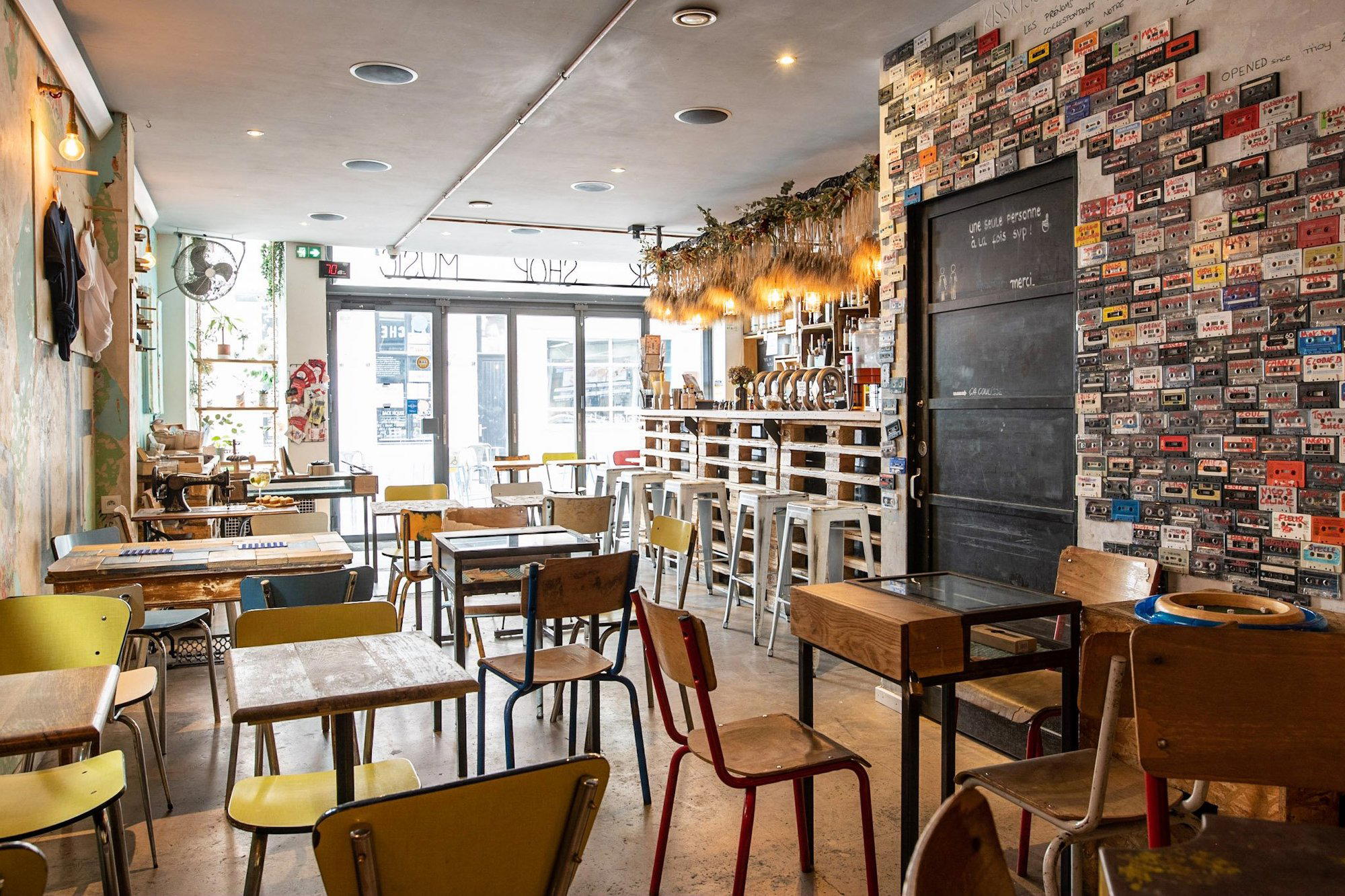
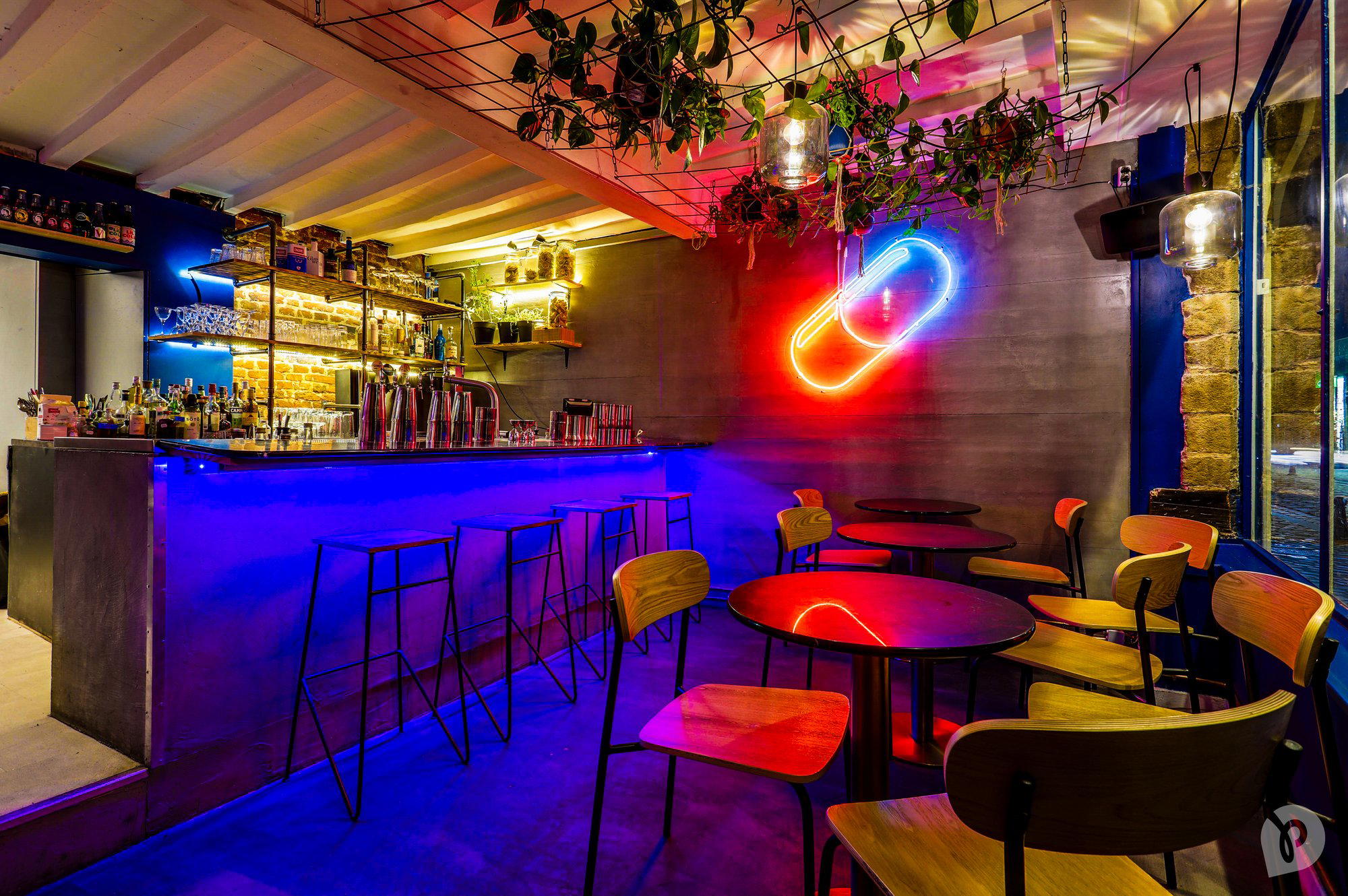
Warm and inviting with a characterful brasserie atmosphere, featuring classic decor and a welcoming environment for both casual and special dining occasions.