
Michelin Plate
Our verdict
A Michelin Plate recipient in 2024 and 2025, Octopus brings farm-to-table cooking to De Panne at a mid-range price point, sitting at Walckierstraat 8 in Belgium's Flemish coastal strip.

Pearl is the En Primeur Club membership app, where members save venues, book tables and use the concierge.
The menu
What to order
- Octopus skewers
- Homemade cheese croquettes
Farm-to-Table on the Flemish Coast
The Belgian coast has long operated as a culinary afterthought in national food conversation, its restaurant culture historically dominated by fried seafood shacks serving tourists between dune walks and the North Sea wind. De Panne, at the far western edge of the coastline where Belgium meets France, follows that pattern in many places. What makes Octopus, at Walckierstraat 8, worth attention is the degree to which it departs from it. Farm-to-table cooking at a mid-range price point, holding a Michelin Plate in both 2024 and 2025, places it in a small local tier that takes ingredients seriously without the ceremony or spend of the region's tasting-menu set.
The Michelin Plate designation, often misread as a consolation award, is in practice a deliberate signal: the inspectors found cooking worth noting, even without the stars. For context, consider the price gap between Octopus at the €€ tier and celebrated West Flemish tables like Boury in Roeselare or Willem Hiele in Oudenburg, both operating at the €€€€ level. Octopus sits two tiers below those addresses in price, which means it is serving a different kind of diner: one who wants ingredient-led cooking without the full tasting-menu architecture.
What Farm-to-Table Means in This Context
Belgium's farm-to-table movement draws on a particular agricultural geography. West Flanders is genuinely productive farmland. The polders behind the dunes grow root vegetables, the fishing ports at Nieuwpoort and Oostende are close enough to supply fresh catch, and the French border introduces cross-cultural sourcing patterns. A kitchen aligned with those supply lines is working from a more interesting larder than the cuisine type might suggest in, say, an urban context where the term often means little more than seasonal salads and branded provenance labels.
Across Belgium, the farm-to-table sensibility has been adopted at very different price and ambition levels. At the leading end, restaurants like Hof van Cleve in Kruishoutem or Zilte in Antwerp treat sourcing as one pillar of a larger, technically demanding program. Further along the spectrum, you find tables where ingredient quality is the primary story, where technique steps back to let produce speak.
That rating, while based on a small sample, holds at a level consistent with genuine repeat satisfaction rather than novelty. A single high-profile opening tends to generate reviews with more variance; a sustained 4.9 usually reflects consistent execution over time.
De Panne in the Belgian Dining Map
De Panne rarely features in the national dining conversation, which runs more naturally through Brussels, Ghent, and Bruges, with coastal prestige concentrated at Knokke-le-Zoute at the other end of the shoreline. That geographic marginalisation has an upside: kitchens that earn recognition here do so without the visibility advantage of a high-footfall city address. The Michelin Plate at Octopus carries more relative weight in this context than the same designation might at a restaurant on Brussels' central circuit.
For comparison, the broader Belgian scene at the ambitious end of the spectrum runs through addresses like Bozar Restaurant in Brussels, La Durée in Izegem, or d'Eugénie à Emilie in Baudour, all operating at higher price tiers and with distinct classical or creative-French identities. Octopus does not compete directly with that group. Within that group, two consecutive Michelin Plate recognitions represent meaningful external validation.
If you are building a coastal itinerary around De Panne, the immediate restaurant context also includes La Coupole, which takes a seafood-focused approach. The two restaurants serve different appetites and sit at different points in the local scene. For the broader De Panne picture across dining, accommodation, and drink, EP Club's full De Panne restaurants guide, hotels guide, bars guide, wineries guide, and experiences guide map the full territory.
Farm-to-Table at a European Scale
For readers tracking this cooking philosophy across borders, the farm-to-table format shows up at different levels of ambition in Germany and the Netherlands as much as in Belgium. In Germany, tables like BOK in Münster and Clostermanns Le Gourmet in Niederkassel operate with a similar sourcing-led identity. The approach is consistent across these addresses: procurement from identified regional producers, shorter supply chains, menus that shift with what is available rather than what is printed in advance. The cultural logic is the same even when the specific products differ.
What distinguishes the Belgian iteration is how naturally it integrates with the country's existing food culture. Belgium has strong local food traditions at every price tier, from frituur to starred dining, and a deeply embedded respect for seasonal produce that predates the trend cycle. A kitchen working this way on the Flemish coast is drawing on genuine regional logic, not importing a borrowed framework.
Planning a Visit
Octopus is at Walckierstraat 8 in De Panne. The mid-range €€ price positioning means a meal here represents reasonable spend by any Belgian coastal benchmark. The Flemish coast peaks in July and August, and tables at restaurants with external recognition tend to fill earlier in those months than walk-in visitors typically expect.
For readers also interested in comparable Belgian tables working outside the metropolitan circuit, Bartholomeus in Heist, Ralf Berendsen in Neerharen, and L'Eau Vive in Arbre each represent different points on the regional ambition spectrum and are worth cross-referencing when building a Belgian itinerary.
Frequently asked questions
Where do I go for Octopus?
Octopus is located at Walckierstraat 8, 8660 De Panne, Belgium, De Panne.
Is Octopus award-winning?
Octopus has received recognition including: Michelin Plate (2025); Michelin Plate (2024).
What's the must-try dish at Octopus?
Octopus builds its menu around West Flanders farm sourcing, so the strongest choices tend to follow what the surrounding polderland and local producers are delivering that season. The Michelin Plate recognition in both 2024 and 2025 points to consistent kitchen discipline rather than a single showcase dish. At a €€ price point, the format rewards ordering across multiple courses rather than anchoring on one item.
Cost and Credentials
| Venue | Cuisine | Price | Awards | Notes |
|---|---|---|---|---|
| OctopusThis venue (the venue you are viewing) | Modern Seafood Fine Dining | Not listed | Michelin Plate | Not listed |
| Boury | Creative French Fine Dining | $300–500 | 3 Michelin Stars · La Liste Top Restaurants | Modern Frlemish, Creative French |
| Comme chez Soi | French - Belgian, Classic Cuisine | Not listed | Michelin 1 Star | Not listed |
| Hertog Jan at Botanic | Modern Japanese Omakase Fine Dining | Not listed | 2 Michelin Stars · La Liste Top Restaurants | Modern Flemish, Creative |
| L'Eau Vive | Modern French Fine Dining | $150–200 | 2 Michelin Stars · La Liste Top Restaurants | French, Modern French |
| La Durée | Modern French Fine Dining | $150–200 | 2 Michelin Stars · La Liste Top Restaurants | French-Belgian, Creative |
Recognition history
Dated appearances from independent guides and award organizations, with the underlying list record or original source where available.
Michelin Plate
Michelin
Full recognition history (3 entries)
Michelin Plate
Michelin
Michelin Plate
Michelin
Continue exploring
More in De Panne
Restaurants in De Panne
All restaurants in De Panne →
Bars in De Panne
Browse all →
Hotels in De Panne
Browse all →
Wineries in De Panne
Browse all →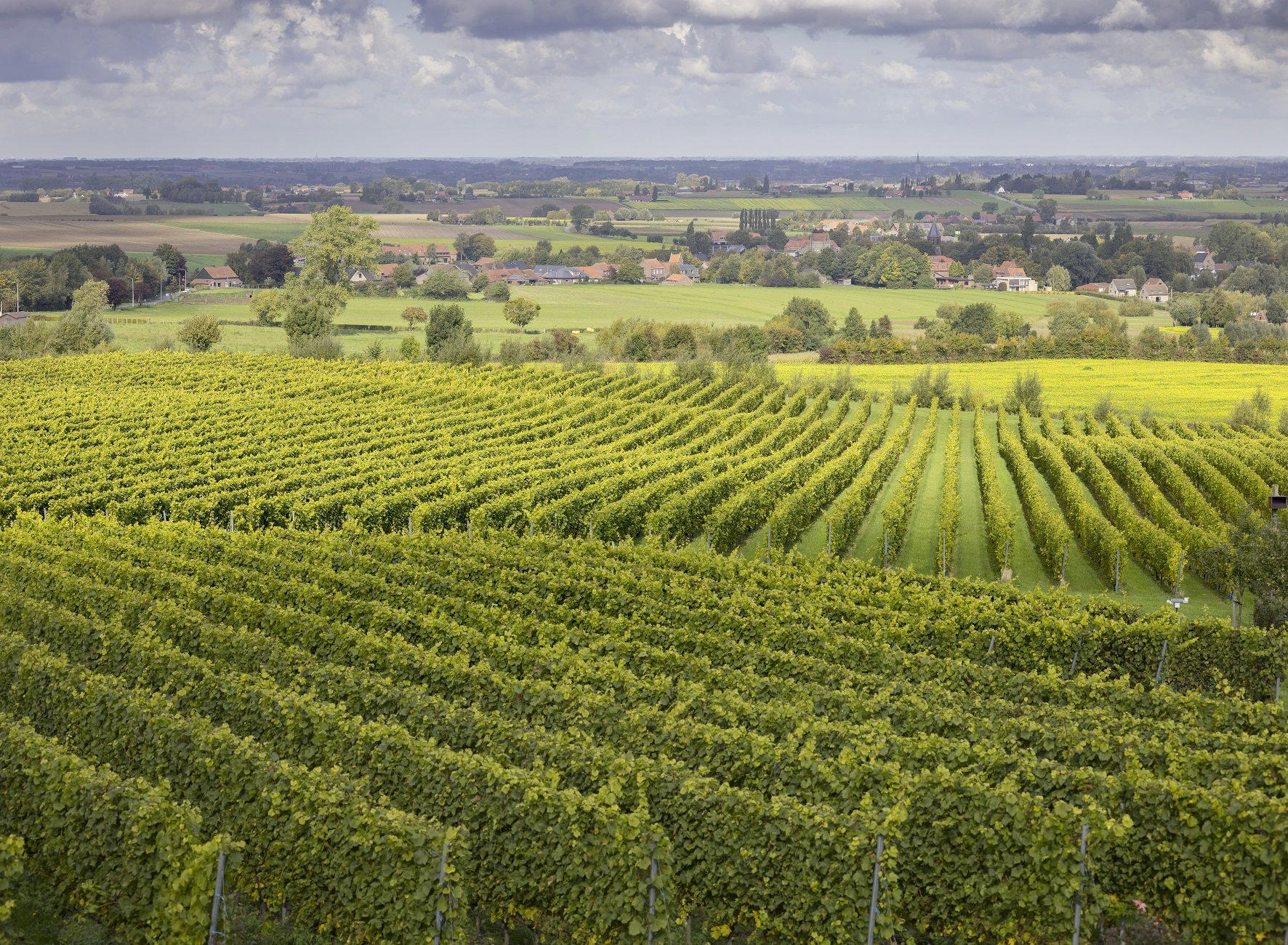
Details
- Cozy
- Intimate
- Elegant
- Date Night
- Special Occasion
- Open Kitchen
- Extensive Wine List
- Farm To Table
- Local Sourcing
- A La Carte
- Tasting Menu
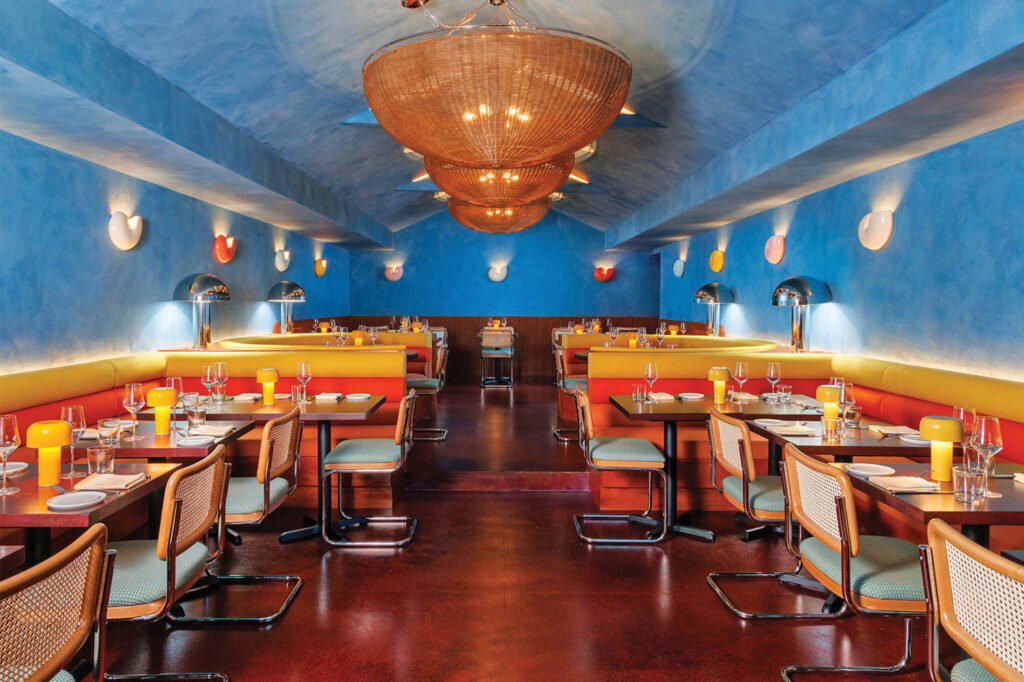
Warm, cozy setting with distinctive octopus artwork, calm and relaxed atmosphere, and personal service from owners.