Phá» Viá»t Nam
On Phạm Hồng Thái in Quận 1, Phở Việt Nam occupies the kind of address that Ho Chi Minh City's street-food tradition has long depended on: close to Bến Thành, accessible at ground level, and built around a bowl that needs no elaboration. The restaurant sits inside a dining culture where phở is both daily sustenance and national shorthand, placing it in a category that rewards context as much as appetite.
 Discover on Pearl
Pearl is the En Primeur Club membership app — saves, bookings, and concierge access live there. Same editors, same standards.
- Address
- 14 Phạm Hồng Thái, Phường Bến Thành, Quận 1, Thành phố Hồ Chí Minh, Vietnam
- Phone
- +84902682214
- Website
- phovietnam.vn
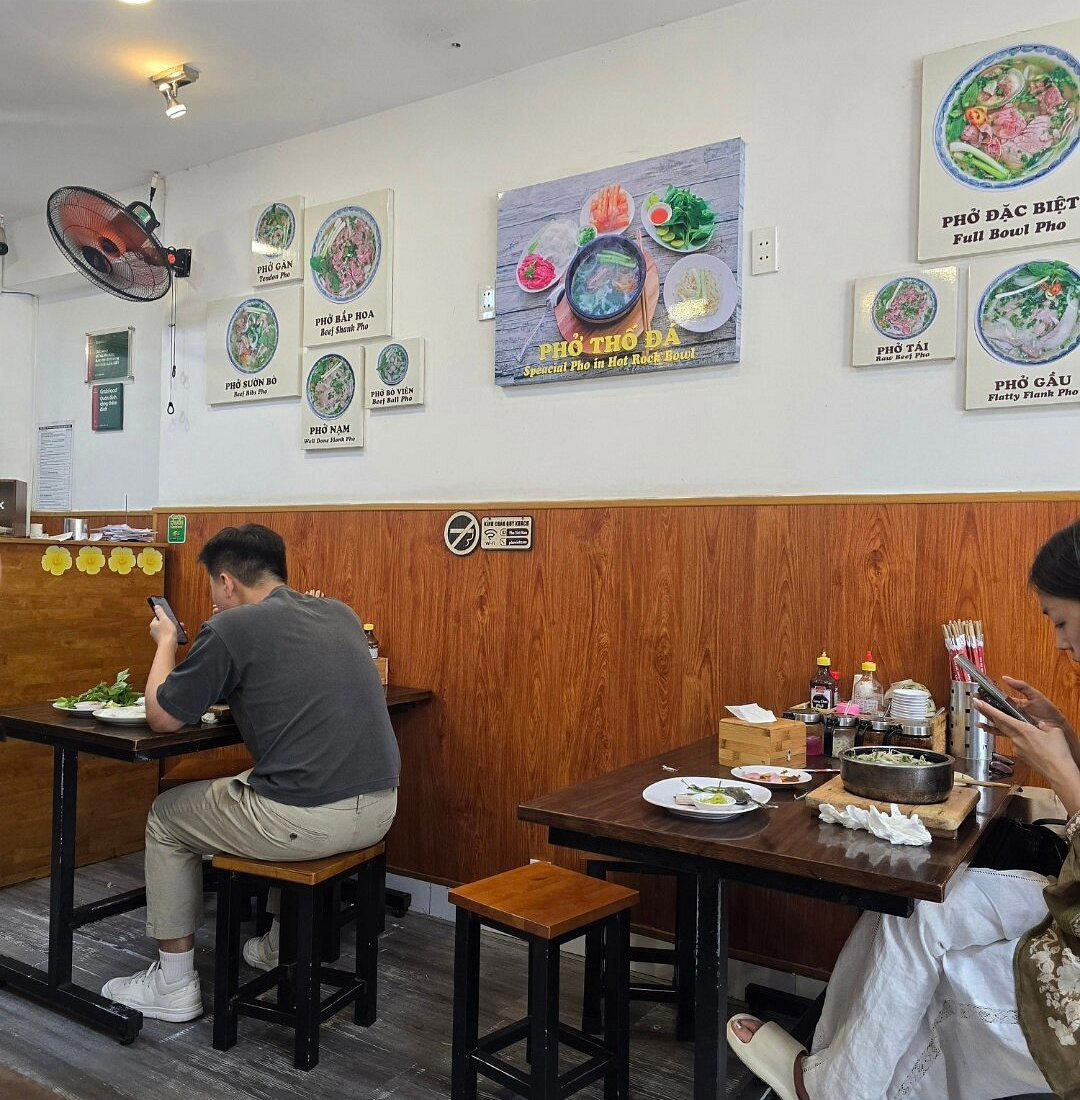
Phở as Cultural Argument: What a Bowl in Quận 1 Actually Means
Walk the streets around Bến Thành Market before 8am and you will encounter a specific kind of discipline: elbows on formica, heads down, ceramic spoons moving with purpose. Phở in Ho Chi Minh City is not a restaurant category so much as a civic institution, and the addresses that serve it well tend to accumulate regulars the way other establishments accumulate press clippings. Phở Việt Nam is a restaurant serving Traditional Vietnamese Phở at 14 Phạm Hồng Thái in Phường Bến Thành, Quận 1, Thành phố Hồ Chí Minh, with a casual dress code, walk-in-friendly service, and a price point of about $5 per person. It sits inside that tradition rather than above it.
The address itself carries meaning. Phạm Hồng Thái runs through a part of Quận 1 that has long functioned as a transit zone between the tourist geometry of Bến Thành and the working residential blocks to the west. Restaurants here serve both populations without conceding much to either. That geographic positioning tends to produce a particular kind of kitchen: one calibrated to repetition and consistency rather than novelty, where the measure of quality is how closely Tuesday's bowl resembles Monday's.
The Southern Phở Tradition and Why It Diverges from Hanoi
Any serious engagement with phở in Ho Chi Minh City has to reckon with geography. The dish originated in the north, almost certainly in the Red River Delta region in the early twentieth century, and the Hanoi version remains defined by restraint: a clear, lean broth, minimal garnish, precise seasoning. The southern iteration that took hold after the partition of 1954, when large numbers of northern Vietnamese resettled in Saigon, diverged steadily under the influence of the Mekong Delta's agricultural abundance. The result is a broth that runs sweeter and more aromatic, a garnish plate that arrives substantial enough to constitute its own course, and a tolerance for condiment customisation that northern traditionalists still regard with polite scepticism.
Bean sprouts, fresh basil, saw-tooth herb, lime wedges, hoisin sauce, chilli sauce: the southern table sets these out as standard rather than optional. The beef itself tends toward variety, with different cuts ordered by texture preference rather than hierarchy. Rare sliced beef (tái) finishes cooking in the bowl. Well-done brisket (chín) or tendon (gân) requires longer preparation and signals a kitchen willing to manage multiple timelines simultaneously. Restaurants like Anan Saigon have built a reputation by treating these same street-food foundations as serious culinary material, while the phở-specific addresses in Quận 1 tend to preserve the format in a more direct register.
Where Phở Việt Nam Sits in Ho Chi Minh City's Dining Spectrum
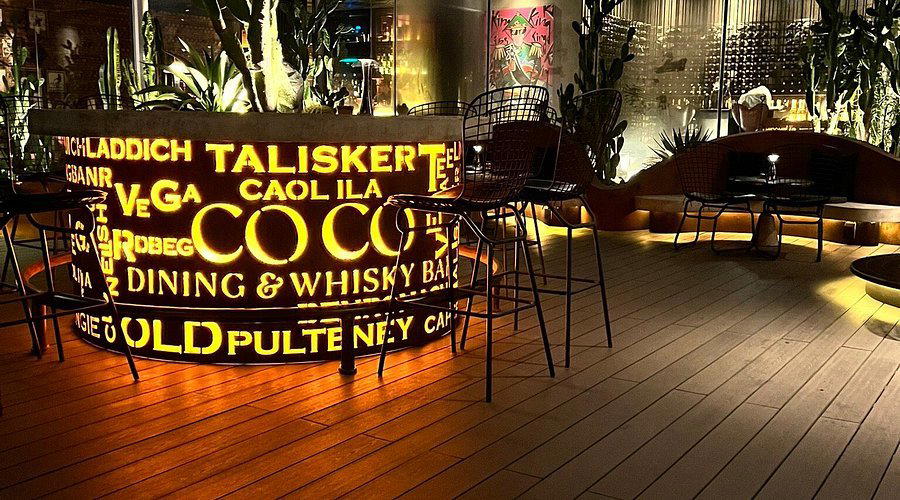
Ho Chi Minh City's restaurant culture has stratified considerably in the past decade. At one end, venues like Akuna and CieL operate at the highest price tier, building tasting menus that treat Vietnamese ingredients as fine-dining vocabulary. Coco Dining occupies a mid-tier innovative position. Long Trieu represents the premium Cantonese segment. At the opposite end, addresses like Bánh Xèo 46A anchor the single-dish Vietnamese category at its most accessible price point.
Phở Việt Nam belongs to the category that functions between those poles: a named restaurant built around a traditional format, located in a high-footfall district, where the competitive pressure comes from the dozens of similar addresses within walking distance rather than from fine-dining alternatives. In this tier, differentiation is subtle and often invisible to first-time visitors. It lives in broth depth, in the quality of the bone stock, in how long the kitchen maintains its simmer overnight. These are not details that appear on a menu. They are discovered through return visits.
Planning a Visit: Logistics and Expectations
Phở Việt Nam sits at 14 Phạm Hồng Thái, within Phường Bến Thành, placing it a short walk from both the Bến Thành Market area and the main arterial routes through Quận 1. For visitors staying in the District 1 hotel corridor, this is an on-foot proposition. Grab and ride-hailing apps cover the address easily from elsewhere in the city.
Traditional phở houses in this part of the city often run long daily hours, and Phở Việt Nam follows that pattern. Arriving after 10am at a well-regarded phở address in Quận 1 often means navigating reduced broth volume and a diminished garnish plate; the kitchen's energy concentrates in the first few hours of service. Visiting between 7am and 9am aligns with peak broth quality and the densest local attendance, which is itself a useful proxy for consistency.
Seating is allocated on arrival. For context on how this experience compares across Vietnam's other notable dining destinations, Gia in Hanoi offers a useful northern counterpoint, and White Rose in Hoi An illustrates how central Vietnamese traditions handle a different kind of single-dish specialisation. Further afield, La Maison 1888 in Da Nang represents the formal end of Vietnamese hospitality for comparison.
Elsewhere across Vietnam's regions, the dining picture continues to diversify: Bien 14 Seafood Buffet in Halong, King BBQ Vincom Kiên Giang in Rach Gia, GoGi House in Bac Lieu, Dookki in Minh Xuan, Big Bowl in Cam Ranh, Big Chill Food Court in Phan Thiet, and Jollibee in Kon Tum each reflect a different facet of how Vietnam's eating culture varies across geography and price tier. Internationally, the craft that defines serious Vietnamese broth-work finds a different kind of expression at long-form tasting menus like Le Bernardin in New York City or the Korean-American precision of Atomix, where stock and broth construction carry comparable structural weight.
Comparable Spots, Quickly
Comparable venues nearby, for context on price, style, and recognition.
| Venue | Cuisine | Price | Awards | Notes |
|---|---|---|---|---|
| Phá» Viá»t NamThis venue — the venue you are viewing | Traditional Vietnamese Phở | $ | , | |
| Nhà hàng chay Zen House | Vietnamese Vegetarian | $ | , | Tan Binh |
| Cơm Niêu Sài Gòn | Traditional Vietnamese Clay Pot Rice | $$ | , | Quan 3 |
| Xôi Gà Number One | Traditional Vietnamese Sticky Rice (Xôi Gà) | $ | Michelin Plate | Quan 1 |
| Pizza 4P’s Lê Thánh Tôn | Japanese-Italian Fusion Pizza | $$ | , | Quan 1 |
| Phở Minh | Traditional Vietnamese Phở | $ | Bib Gourmand | Quan 1 |
Continue exploring
More in Ho Chi Minh City
Restaurants in Ho Chi Minh City
Browse all →
Bars in Ho Chi Minh City
Browse all →
At a Glance
- Lively
- Casual Hangout
- Standalone
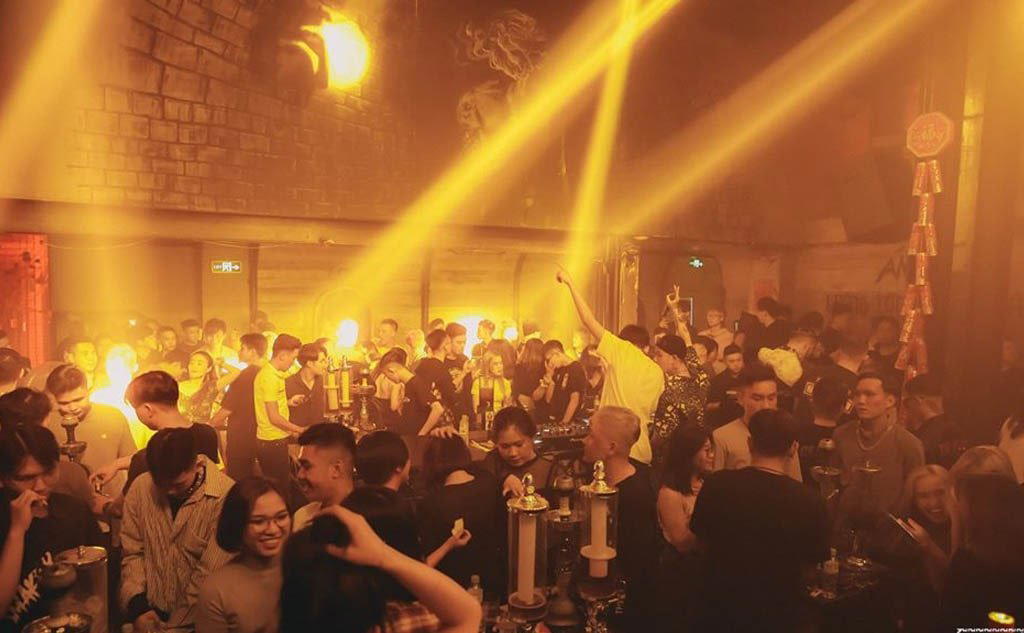
Casual cafeteria-like space bustling with locals enjoying flavorful pho.