Nhà hàng chay Zen House
Zen House is a vegetarian restaurant in Ho Chi Minh City's Tân Sơn Nhất area, operating within a city where plant-based dining has moved from temple canteen to considered cuisine. The address on Đường Vân Côi places it slightly off the main tourist circuit, making it a practical choice for visitors who prioritise chay cooking over convenience. Daytime service draws a local crowd; evenings shift the mood toward quieter, longer meals.
Pearl is the En Primeur Club membership app — saves, bookings, and concierge access live there. Same editors, same standards.
- Address
- 60/2 Đ. Vân Côi, Phường Tân, Sơn Nhất, Thành phố Hồ Chí Minh 70000, Vietnam
- Phone
- +84868960788
- Website
- zenhousevietnam.com
- Directions
- Get directions
 Saves & bookings on Pearl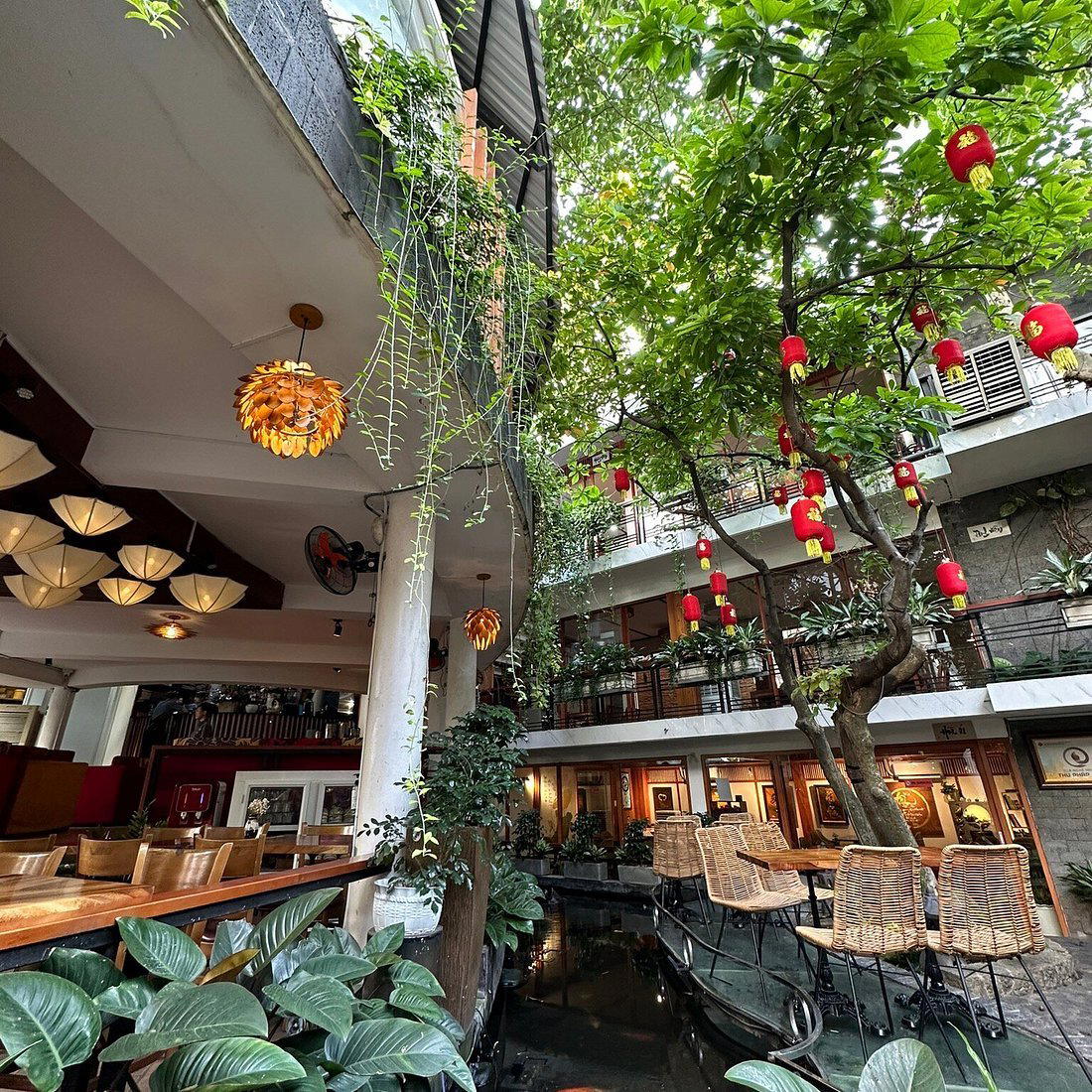
Where Ho Chi Minh City's Chay Tradition Meets Everyday Dining
Vietnamese vegetarian cooking, known as chay, carries a weight that has little to do with contemporary wellness trends. Rooted in Buddhist practice, chay cuisine has its own grammar: mock meats rendered from wheat gluten and tofu, broths built on roasted vegetables and dried mushrooms rather than pork bones, and a seasoning logic that leans on fermented soy and fresh aromatics rather than fish sauce. In Ho Chi Minh City, this tradition spans a wide range, from single-dish street stalls serving banh mi chay to multi-room restaurants drawing on decades of temple-kitchen technique. Nhà hàng chay Zen House occupies that middle tier of the city's chay scene: a neighbourhood restaurant on Đường Vân Côi in the Tân Sơn Nhất area, positioned for regulars rather than passing foot traffic.
The address itself says something about the audience. Tân Sơn Nhất draws a different dining crowd than District 1's restaurant rows or the renovated shophouses around Bui Vien. Locals who eat chay with regularity, particularly on the first and fifteenth of the lunar month when observant Buddhist households avoid meat, tend to know where their neighbourhood chay restaurant is. Zen House exists within that local knowledge network rather than the international review circuit, which sets it apart from higher-profile addresses like Anan Saigon, where Vietnamese culinary tradition is refracted through a more internationally visible lens. For the full range of Ho Chi Minh City dining, our Ho Chi Minh City restaurants guide covers the spectrum from street-level vendors to fine dining.
Lunch and Dinner: Two Different Restaurants in the Same Room
In Ho Chi Minh City's chay restaurants, the gap between lunch service and evening service is not merely a shift in hours. It reflects two distinct use patterns, each with its own pace, clientele, and expectations. Understanding this divide matters for anyone deciding when to visit.
Lunchtime at a neighbourhood chay restaurant like Zen House functions as a working meal. The pace is faster, the menu selection often anchored around rice-plate combinations and noodle soups that can be prepared and served quickly. In Ho Chi Minh City's broader chay category, midday lunch sets, where rice is served with several small dishes and a soup, represent the format most rooted in everyday Buddhist household cooking. Prices at this hour tend to reflect the local market rather than any premium positioning. The crowd skews toward nearby residents, office workers, and regulars who treat the restaurant as an extension of the kitchen they might not have time to run at midday.
Evening service in comparable neighbourhood chay restaurants shifts toward longer meals, table-sharing among families, and a broader sweep of the menu. In this context, the kitchen has more time, and dishes that require slower preparation, such as braised mock-meat preparations or multi-component vegetable stews, are more likely to appear in their complete form. Atmosphere quiets down relative to the lunchtime turnover, and the meal becomes less transactional. For comparison, higher-end innovative formats at addresses like Akuna or CieL operate on an entirely different register, where evening tasting formats are the primary service mode. Zen House's evening service sits in a different category entirely: communal, unpretentious, and grounded in the vegetarian cooking traditions that predates Ho Chi Minh City's contemporary fine dining moment.
Chay Cooking in Context: A City with Deep Plant-Based Roots
It is worth situating Zen House against the broader chay culture of southern Vietnam. Ho Chi Minh City has a denser concentration of vegetarian restaurants than most Southeast Asian cities of comparable size, driven by a large Buddhist population and a strong tradition of periodic fasting days. The cooking varies considerably across price points and neighbourhood. At the budget end, bánh mì chay and cơm chay stalls serve single-item meals for a few thousand dong. In the mid-tier, where Zen House operates, restaurants typically offer a wider menu, table service, and the kind of chay cooking that involves more preparation time: slow-cooked broths, layered tofu preparations, and mock-meat dishes that require craft to execute without the textural crutch of animal protein.
This places Ho Chi Minh City's mid-tier chay scene in interesting contrast with the plant-based dining conversation happening globally. Where Western plant-based restaurants often foreground novelty and chef-driven technique, Vietnamese chay draws authority from continuity. Dishes prepared for Buddhist observance have been refined across generations in temple kitchens, and the leading neighbourhood chay restaurants function as an accessible extension of that tradition. Compared to internationally recognised Vietnamese fine dining, such as Gia in Hanoi or the colonial-heritage setting of La Maison 1888 in Da Nang, Zen House operates closer to the ground, without the trappings of award recognition or tasting menus.
Across Vietnam's other dining contexts, plant-based options appear more sporadically. At seafood-focused formats like Bien 14 Seafood Buffet in Hạ Long, or grilled-meat chains such as GoGi House in Bạc Liêu, vegetarian accommodation tends to be incidental rather than central. The dedicated chay restaurant format remains specific to cities with strong Buddhist community ties, and Ho Chi Minh City is among the strongest examples of that in the region.
Planning Your Visit
Zen House sits at 60/2 Đường Vân Côi in the Tân Sơn Nhất area, a part of the city more associated with airport logistics than dining destinations. That said, the location near Tan Son Nhat International Airport makes it a pragmatic option for travellers with time before or between flights who want to eat something substantive and local rather than airport-terminal food. Visitors exploring other Ho Chi Minh City dining, including the street-food energy of Anan Saigon, the innovative contemporary format at Coco Dining, or the Cantonese tradition represented by Long Trieu, will find Zen House in a different neighbourhood pocket that requires deliberate navigation rather than casual discovery. Prioritising the lunch window gives you one active version of service, while the evening offers a slower meal.
Cuisine-First Comparison
Comparable venues nearby, for context on price, style, and recognition.
| Venue | Cuisine | Price | Notes |
|---|---|---|---|
| Nhà hàng chay Zen HouseThis venue — the venue you are viewing | Vietnamese Vegetarian | $ | Not listed |
| Be Che Inside Ben Thanh Market | Southern Vietnamese Sweet Soups (Chè) | $ | District 1 |
| Phở Hoàng | Traditional Vietnamese Pho | $ | Quan 10 |
| Cơm Niêu Sài Gòn | Traditional Vietnamese Clay Pot Rice | $$ | Quan 3 |
| The Long @ Time Square | Italian Pizza & Asian-Western Fusion | $$ | Quan 1 |
| Quán Ụt Ụt | American BBQ | $$ | Quan 2 |
Continue exploring
More in Ho Chi Minh City
Restaurants in Ho Chi Minh City
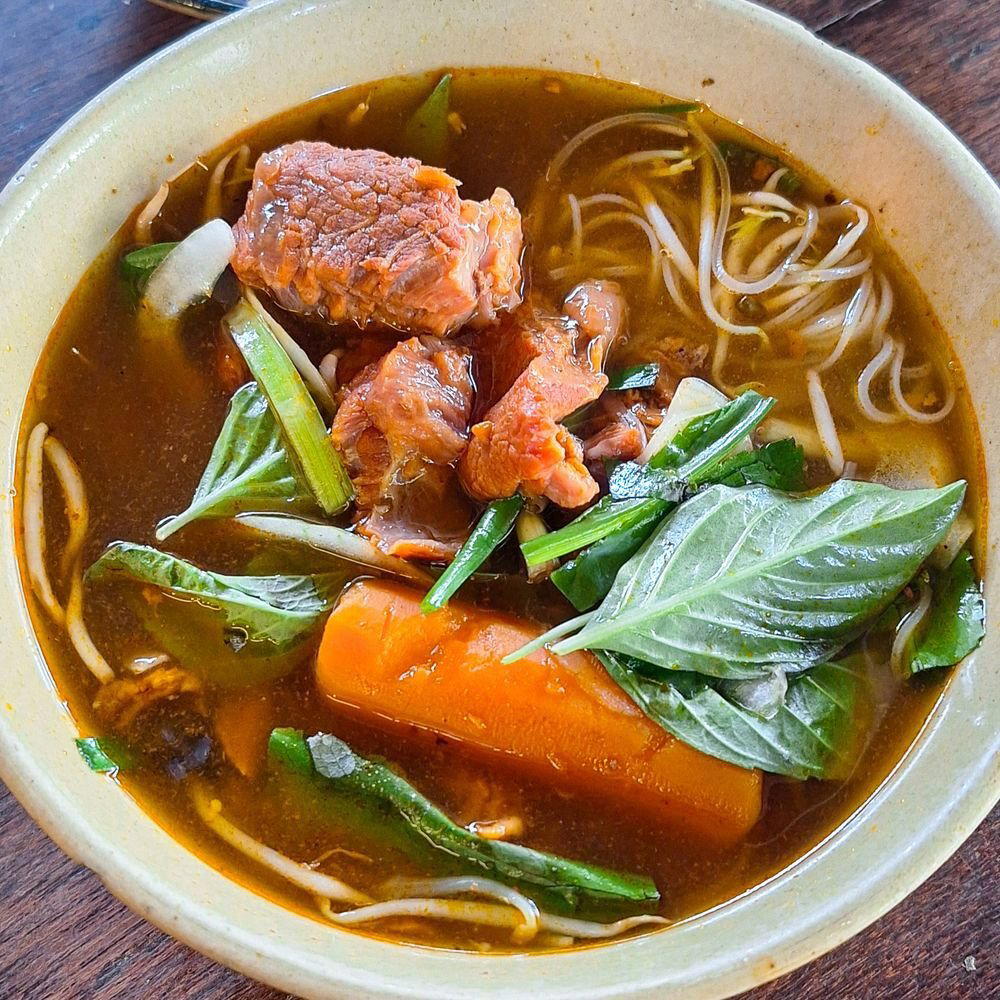
Browse all →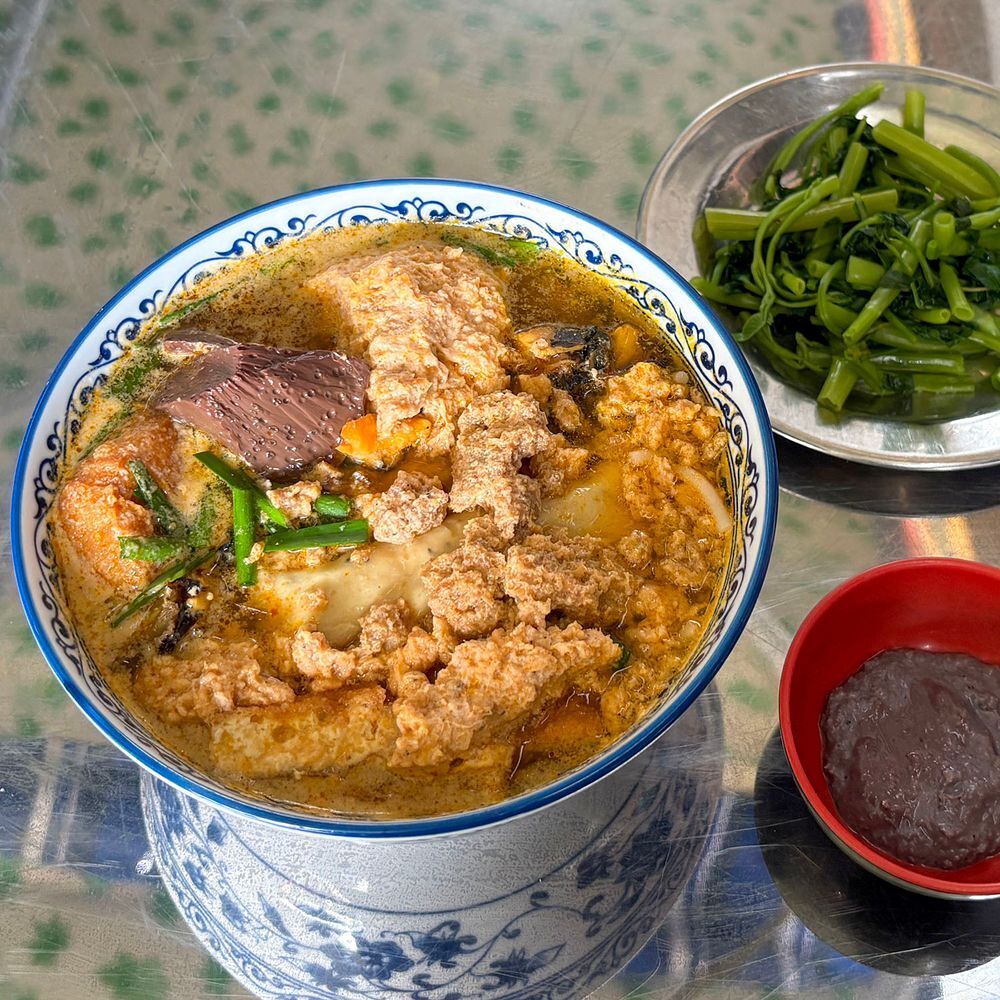
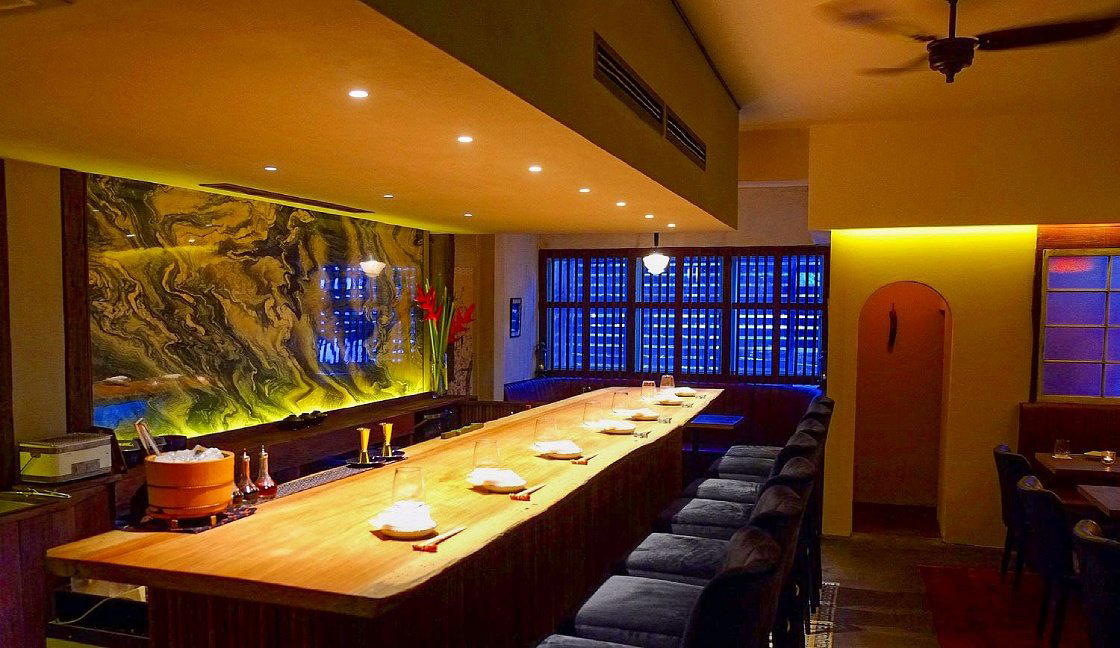
Bars in Ho Chi Minh City
Browse all →
At a Glance
- Quiet
- Scenic
- Cozy
- Casual Hangout
- Family
- Group Dining
- Solo
- Garden
- Standalone
- Organic
- Garden
Current opening hours
- Monday
- 7:30 AM–10 PM
- Tuesday
- 7:30 AM–10 PM
- Wednesday
- 7:30 AM–10 PM
- Thursday
- 7:30 AM–10 PM
- Friday
- 7:30 AM–10 PM
- Saturday
- 7:30 AM–10 PM
- Sunday
- 7:30 AM–10 PM
Hours can change for holidays and private events. Last verified .
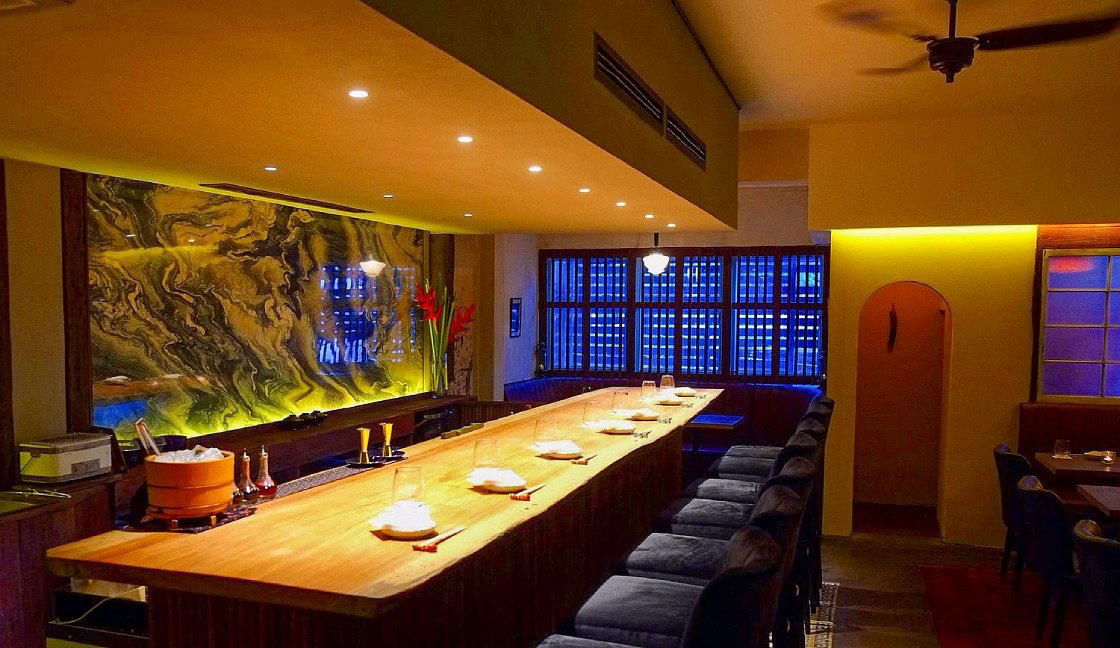
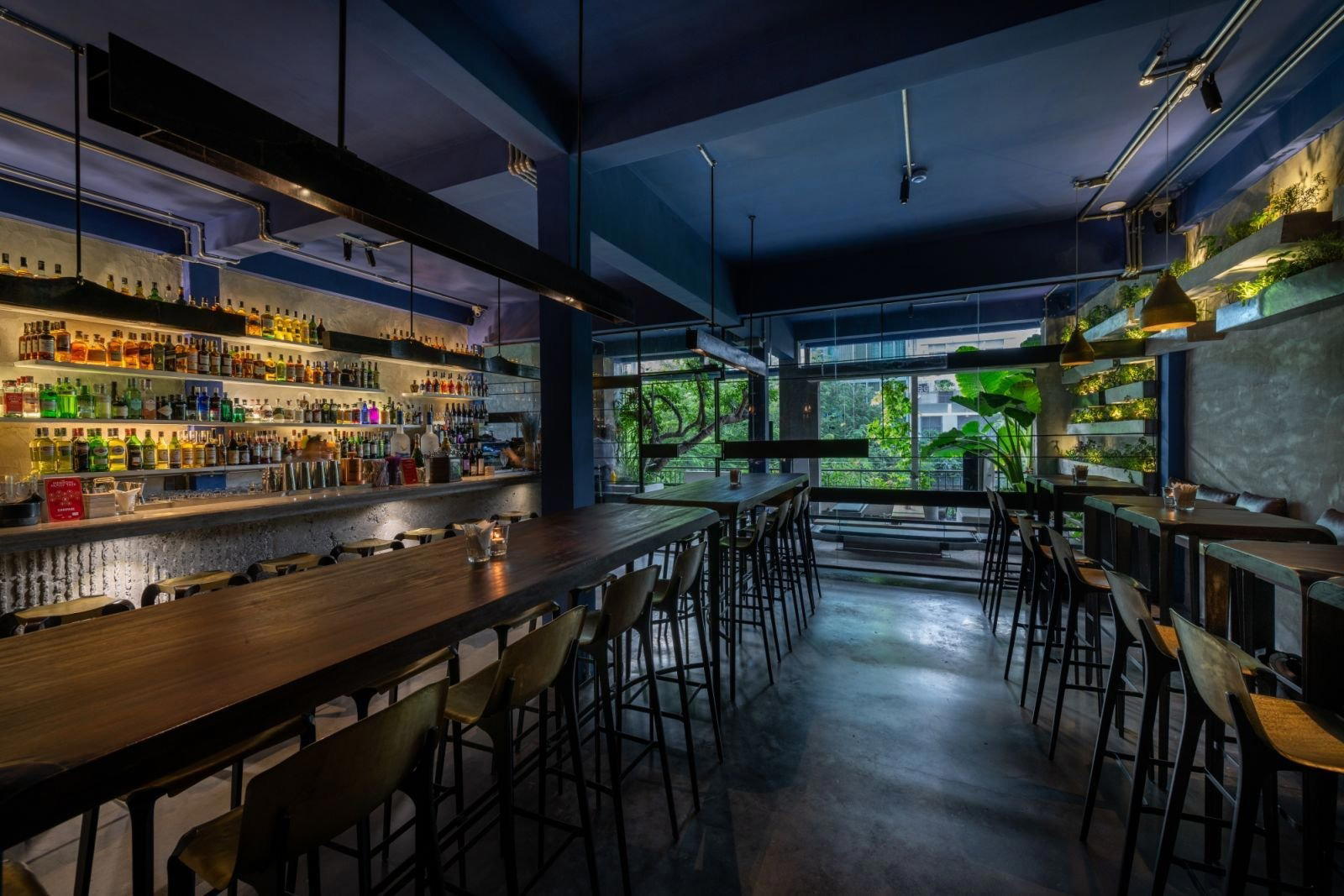
Tranquil garden atmosphere with natural greenery and koi pond, creating a meditative and peaceful dining environment away from city bustle.