Quince Eatery


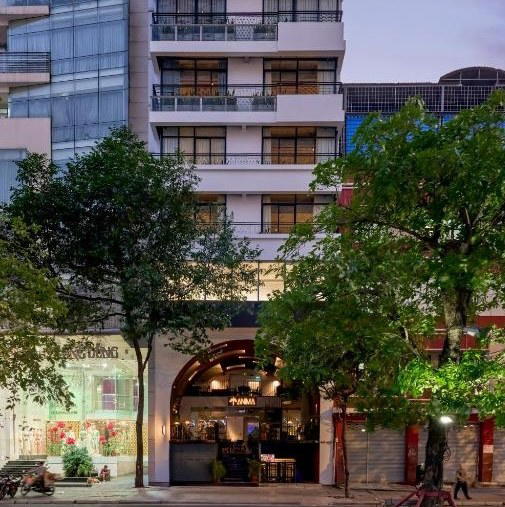
A Michelin Plate recipient for two consecutive years (2024 and 2025), Quince Eatery occupies a colonial-era house on Ký Con Street in District 1, where charcoal grills and wood-fired ovens anchor a menu that pairs European technique with Vietnamese and regional ingredients. The copper counter facing the open kitchen and bistro-style furniture set a tone that sits closer to serious neighbourhood restaurant than formal fine dining.
Pearl is the En Primeur Club membership app — saves, bookings, and concierge access live there. Same editors, same standards.
- Address
- 37bis Ký Con, Phường Nguyễn Thái Bình, Quận 1, Thành phố Hồ Chí Minh, Vietnam
- Phone
- +84 28 3821 8661
- Website
- quincesaigon.com
- Directions
- Get directions
 Saves & bookings on Pearl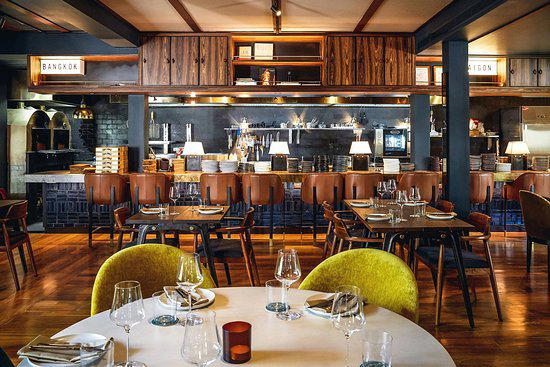
Fire, Wood, and a Colonial Frame: Dining at Quince Eatery
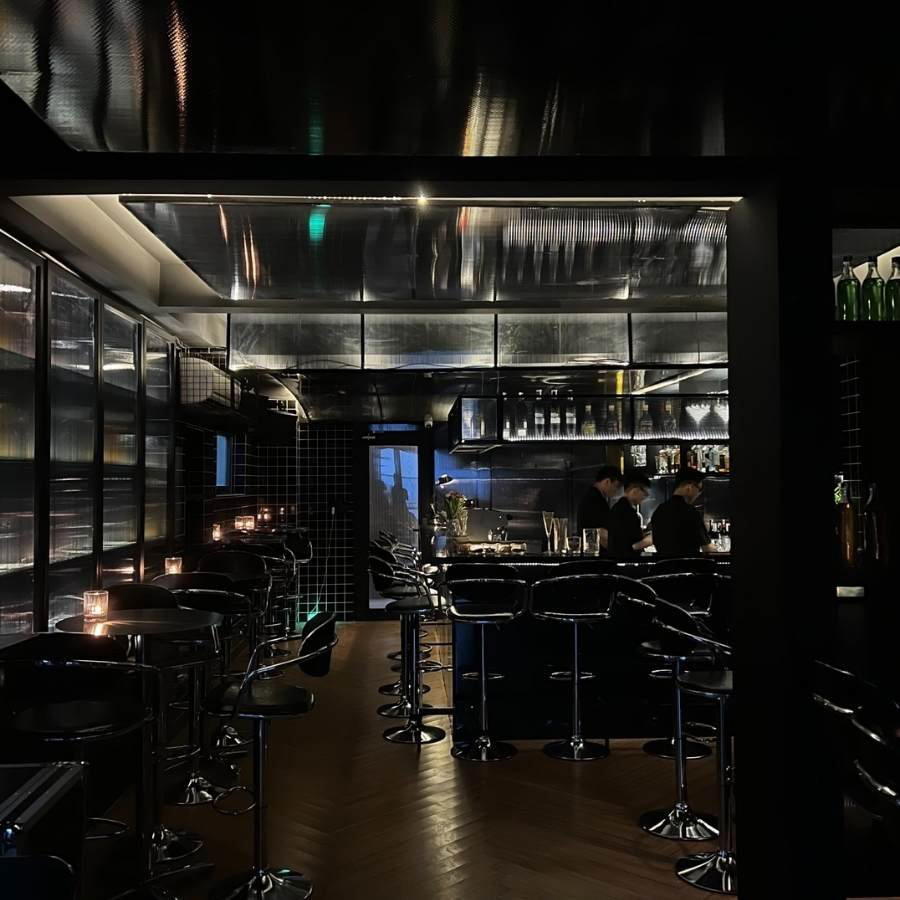
There is a particular quality to eating in a well-preserved colonial house in Ho Chi Minh City: the thick walls hold the heat at bay, the ceiling height creates breathing room, and the architecture does half the atmospheric work before a single plate arrives. At Quince Eatery on Ký Con Street in District 1, that structural inheritance is put to deliberate use. Charcoal grills and wood-fired ovens occupy the kitchen's core, and the heat and smoke from those fires thread through the dining room in ways that air-conditioned hotel restaurants, however polished, cannot replicate. The open kitchen faces a copper counter, allowing guests at that perch a direct line of sight to the fire work, a format that frames cooking as craft rather than concealment.
Where Mediterranean Technique Meets the Southern Vietnamese Pantry
Mediterranean cuisine as a category covers considerable ground, from the restraint of Ligurian olive oil cookery to the charcoal intensity of eastern Iberian grilling, and Saigon's most interesting operators in this space tend to locate themselves somewhere specific within that range rather than averaging across it. Quince plants its flag at the fire end. The charcoal grill and wood-fired oven are not decorative gestures; they are the technical foundation around which the menu is designed. That agrarian, live-fire sensibility connects the kitchen to a broader global tradition in which wood and smoke are understood as ingredients in their own right, carrying flavour that no controlled-temperature oven can contribute.
What distinguishes the approach at Quince from a direct import of European technique is the active incorporation of regional produce and Vietnamese ingredients into a Mediterranean framework. Dishes such as aged duck breast and smoked marrow cappelletti signal a kitchen working at the intersection of French-trained precision and Southeast Asian sourcing. The cappelletti format, a Northern Italian filled pasta, applied to smoked marrow speaks to a kitchen that understands its European references closely enough to adapt them rather than simply replicate them. This is the more interesting creative territory in Ho Chi Minh City's international dining scene, where restaurants with a considered approach treat the city's extraordinary ingredient base as a resource rather than a constraint. For context on this approach elsewhere in the city, Anan Saigon works a comparable fusion logic from the opposite direction, taking Vietnamese street food as its base and elevating through technique.
The Farm-to-Fire Thread
Quince's position in Saigon's dining tier is defined not by fusion for its own sake but by a commitment to ingredient quality expressed through high-heat, agrarian cooking methods. Wood-fired and charcoal cooking traditions across the Mediterranean, from Catalan brasa grilling to Neapolitan wood-oven discipline, share a common dependency on excellent primary produce. Fire amplifies, concentrates, and clarifies; it does not disguise. A kitchen built around live fire is implicitly making a statement about the quality of what it sources, because the technique leaves nowhere to hide. The aged duck breast on Quince's menu is illustrative: aging as a process intensifies flavour and requires confidence in both sourcing and execution. That commitment to process-driven cooking with quality primary ingredients is the connective thread between the Mediterranean tradition and what Quince is doing in District 1.
Saigon's surrounding agricultural regions, the Mekong Delta, the Central Highlands, the coastal provinces, supply an ingredient range that matches or exceeds what many European kitchens can access locally. The logic of bringing Mediterranean fire technique to bear on those regional ingredients is sound, and the leading version of that project produces something that neither cuisine alone could achieve. Quince's evolving menus suggest a kitchen that treats this as an ongoing experiment rather than a fixed formula, which is appropriate given how quickly both the local supply chain and the dining audience in Ho Chi Minh City have developed over the past decade.
Atmosphere and Setting
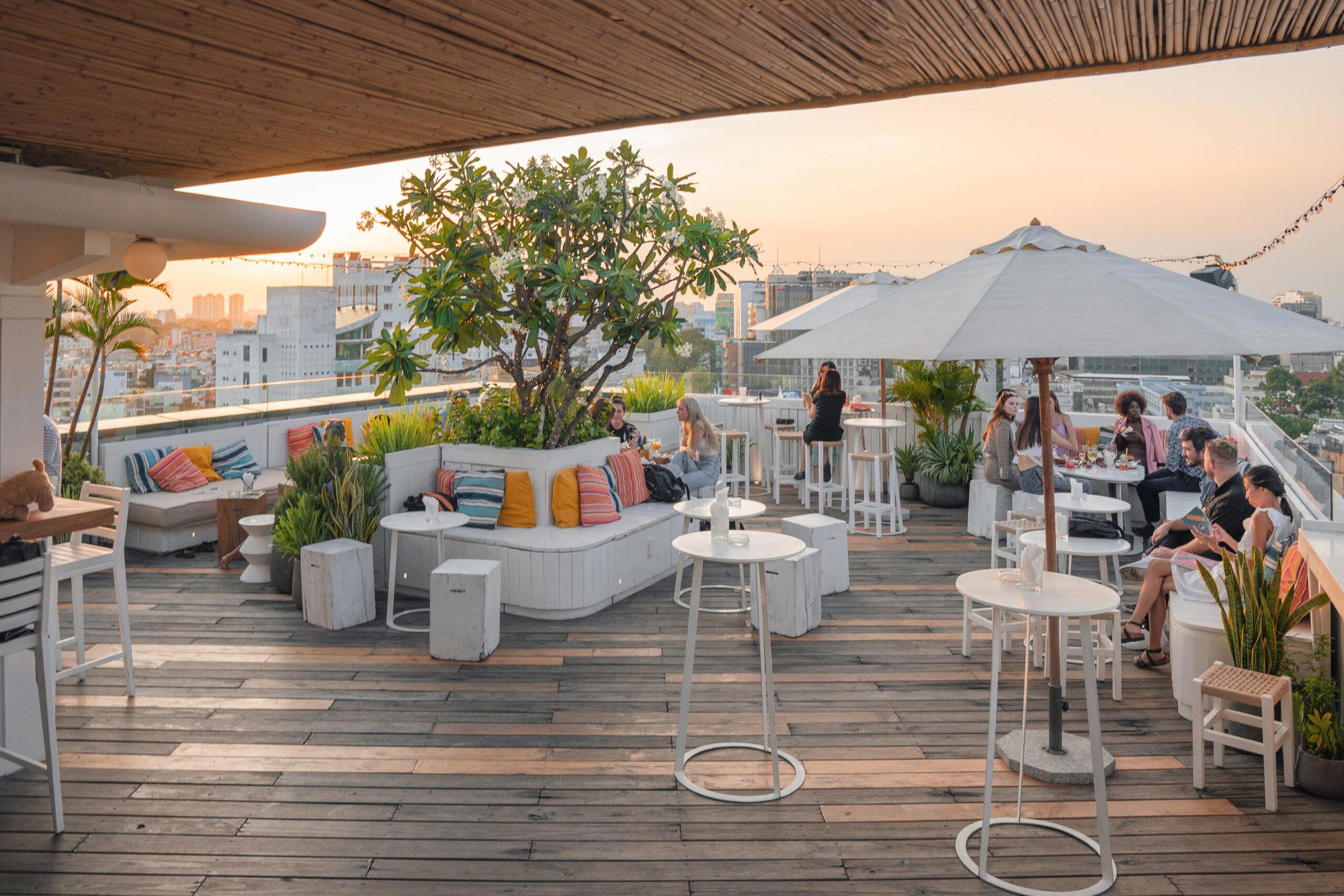
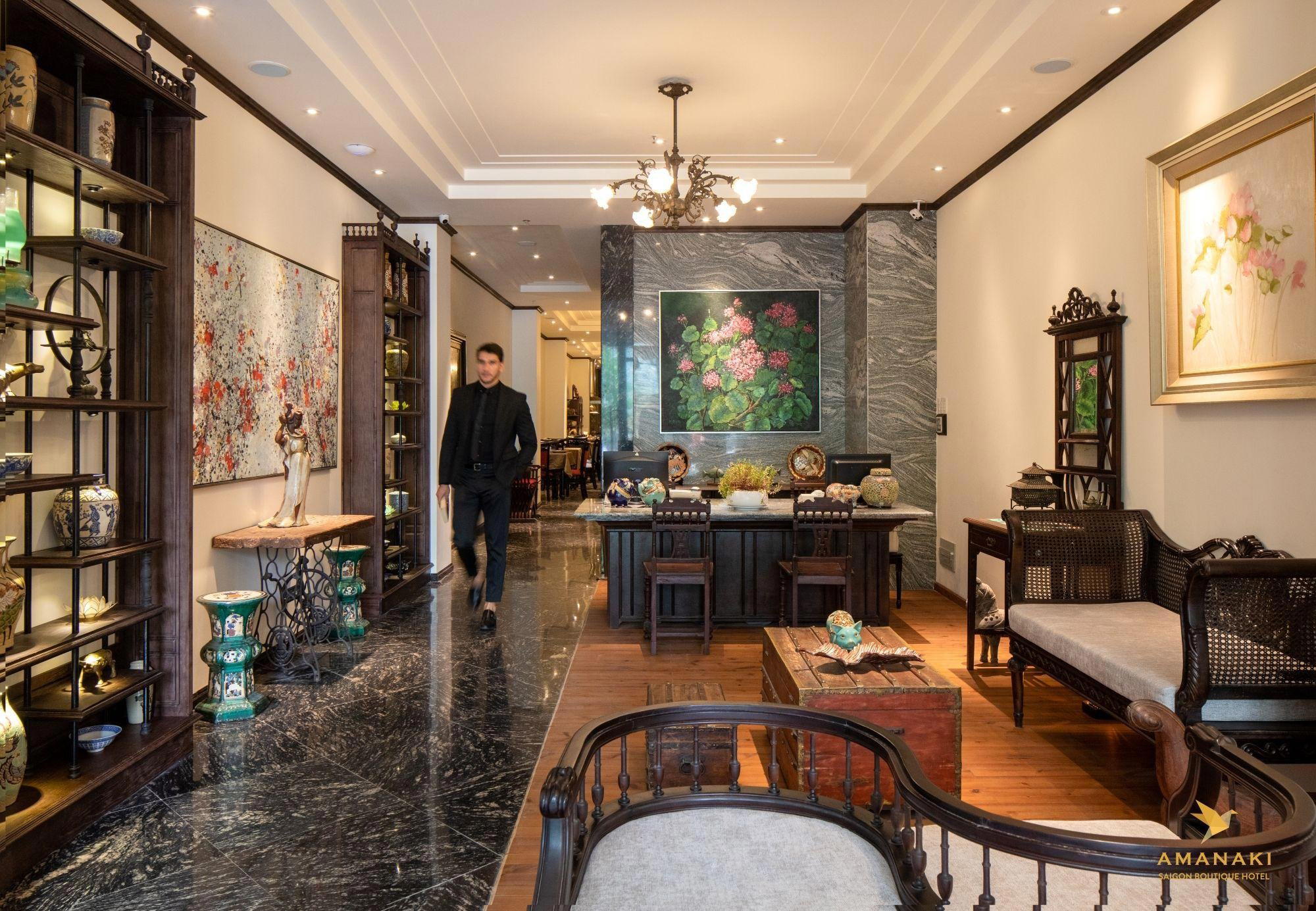
The dining room pairs bistro-style furniture with soft lighting, a combination that keeps the atmosphere from tipping into the stiffness that sometimes afflicts colonial-house restaurants when they over-invest in formality. The copper counter is the room's most considered design choice: it positions a specific kind of guest, one who wants proximity to the cooking, at the literal center of the experience, while the broader dining room accommodates those who prefer a more conventional table-service format. The result is a space that reads as welcoming without sacrificing the signals of seriousness that a twice-Michelin-recognised kitchen warrants.
Quince at ₫₫₫ sits in a mid-to-upper price tier that is increasingly competitive in District 1.
Mediterranean Dining Beyond Saigon
For readers tracking Mediterranean cooking across Asia and Europe, Ho Chi Minh City is producing some of the more interesting iterations of the form, partly because the ingredient base is so strong and partly because the city's international dining culture has matured rapidly. In Vietnam more broadly, Hibana by Koki in Hanoi and La Maison 1888 in Da Nang represent other high-credential international dining addresses worth tracking on the same itinerary.
Within Mediterranean cuisine specifically, the fire-centered approach that defines Quince finds natural comparisons in European addresses such as Beat in Calp, Bessem in Mandelieu-La Napoule, Caracol in Bacoli, Cannavacciuolo Countryside in Ticciano, La Brezza in Ascona, and Arnaud Donckele and Maxime Frédéric at Louis Vuitton in Saint-Tropez. Each works within the broad Mediterranean tradition but with distinct regional anchors, useful context for readers who want to map where Quince sits in a global category rather than just a local one.
Planning Your Visit
Quince Eatery is located at 37bis Ký Con in the Nguyễn Thái Bình ward of District 1, a central address that is reachable by taxi or ride-share from most hotel clusters in the district. The ₫₫₫ price positioning means a dinner for two with drinks will represent a meaningful spend by local standards but sits below the ₫₫₫₫ tier occupied by some of Saigon's most formal international restaurants. Arriving with an appetite for the full menu will likely yield one representative experience of what Quince is doing.
For broader planning across Ho Chi Minh City, see our guides to restaurants, hotels, bars, wineries, and experiences across the city.
What's the leading thing to order at Quince Eatery?
The menu at Quince evolves seasonally, so no fixed dish is guaranteed across visits. The kitchen's fire-driven approach is represented by protein-led preparations that benefit from charcoal or wood-fired cooking: the aged duck breast and smoked marrow cappelletti illustrate the restaurant's technique most directly, sitting at the intersection of European craft and regional sourcing that defines the restaurant's position. The copper counter seats offer the clearest view of that cooking process, which adds a layer of context to what arrives on the plate. Given that menus evolve with available produce, asking the kitchen about current fire-cooked preparations is one practical approach to ordering.
Peers Worth Knowing
Comparable venues nearby, for context on price, style, and recognition.
| Venue | Cuisine | Price | Notes |
|---|---|---|---|
| Quince EateryThis venue — the venue you are viewing | Modern Wood-Fire Mediterranean | $$$ | Not listed |
| Lửa | European Contemporary with Japanese influences | $$$ | Quan 2 |
| Lai | Modern Cantonese | $$$ | Quan 1 |
| Kobe Bistro | French Contemporary with Kobe Wagyu | $$$ | Quan 1 |
| Lüne | Modern French | $$$ | Quan 1 |
| Thúy 94 Cũ | Vietnamese Crab Seafood | $$ | Quan 1 |
Recognition history
Dated appearances from independent guides and award organizations, with the underlying list record or original source where available.
Michelin Plate
Michelin
Star Wine List
Star Wine List
Michelin Plate
Michelin
Michelin Plate
Michelin
Continue exploring
More in Ho Chi Minh City
Restaurants in Ho Chi Minh City
Browse all →
Bars in Ho Chi Minh City
Browse all →
At a Glance
- Elegant
- Cozy
- Trendy
- Modern
- Intimate
- Date Night
- Special Occasion
- Business Dinner
- Open Kitchen
- Extensive Wine List
Current opening hours
- Monday
- 5:30–10:30 PM
- Tuesday
- 5:30–10:30 PM
- Wednesday
- 5:30–10:30 PM
- Thursday
- 5:30–10:30 PM
- Friday
- 5:30–10:30 PM
- Saturday
- 5:30–10:30 PM
- Sunday
- 5:30–10:30 PM
Hours can change for holidays and private events. Last verified .
Colonial-style house featuring lively decor, bistro-style furniture, soft lighting, and a trendy rustic atmosphere with an open kitchen.