Sylvain
Sylvain occupies a converted carriage house on Chartres Street in the French Quarter, where the food program draws on New Orleans' deep Creole and Southern traditions without reducing them to nostalgia. The bar program holds equal weight with the kitchen, and the room rewards repeat visits more than first impressions. It sits in the mid-tier of serious French Quarter dining, above tourist-facing Cajun houses and below the white-tablecloth Creole establishment.
Pearl is the En Primeur Club membership app — saves, bookings, and concierge access live there. Same editors, same standards.
- Address
- 625 Chartres St, New Orleans, LA 70130
- Phone
- +1 504 265 8123
- Website
- sylvainnola.com
- Directions
- Get directions
 Saves & bookings on Pearl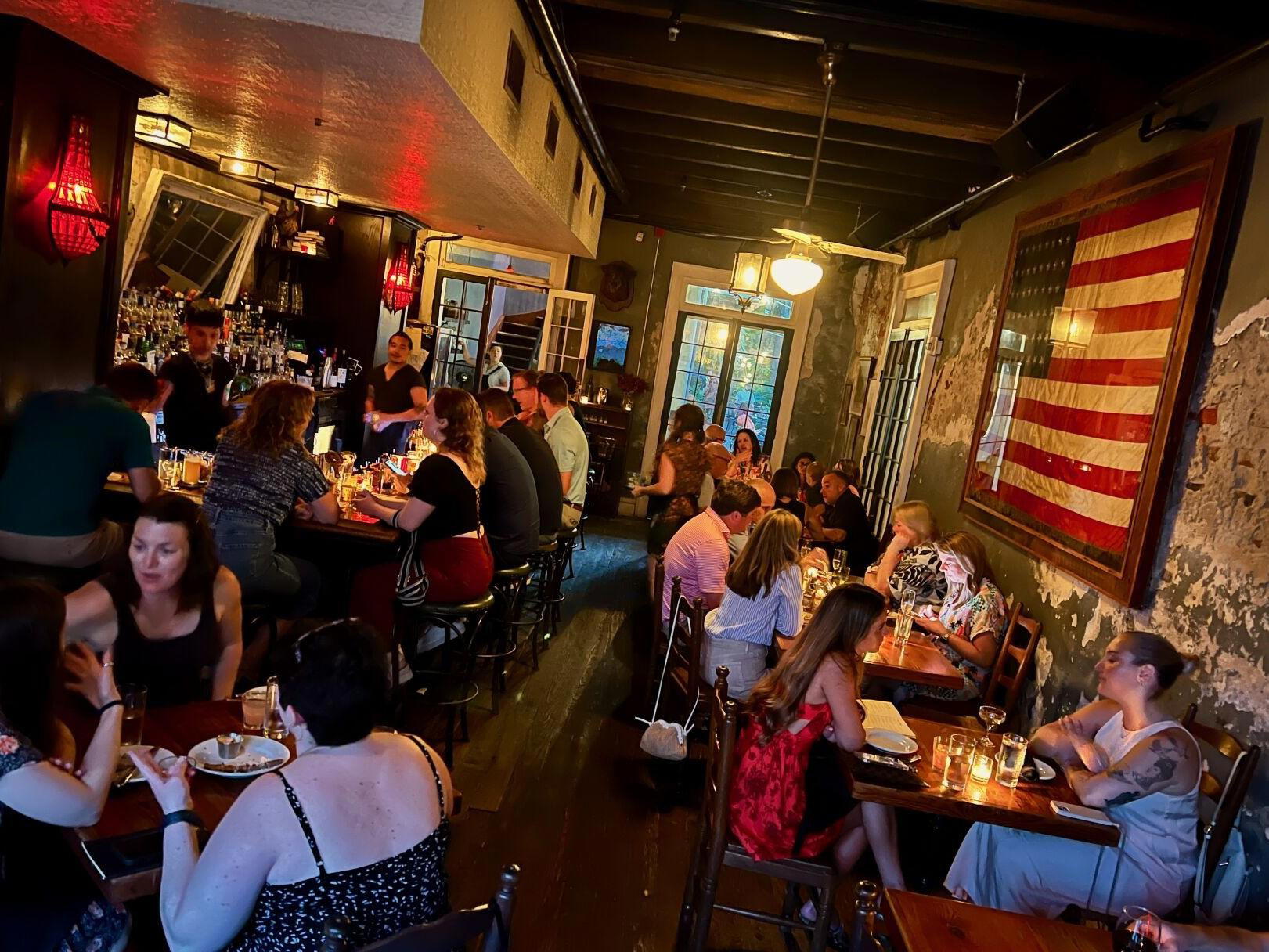
What the Chartres Street Carriage House Tells You About the French Quarter
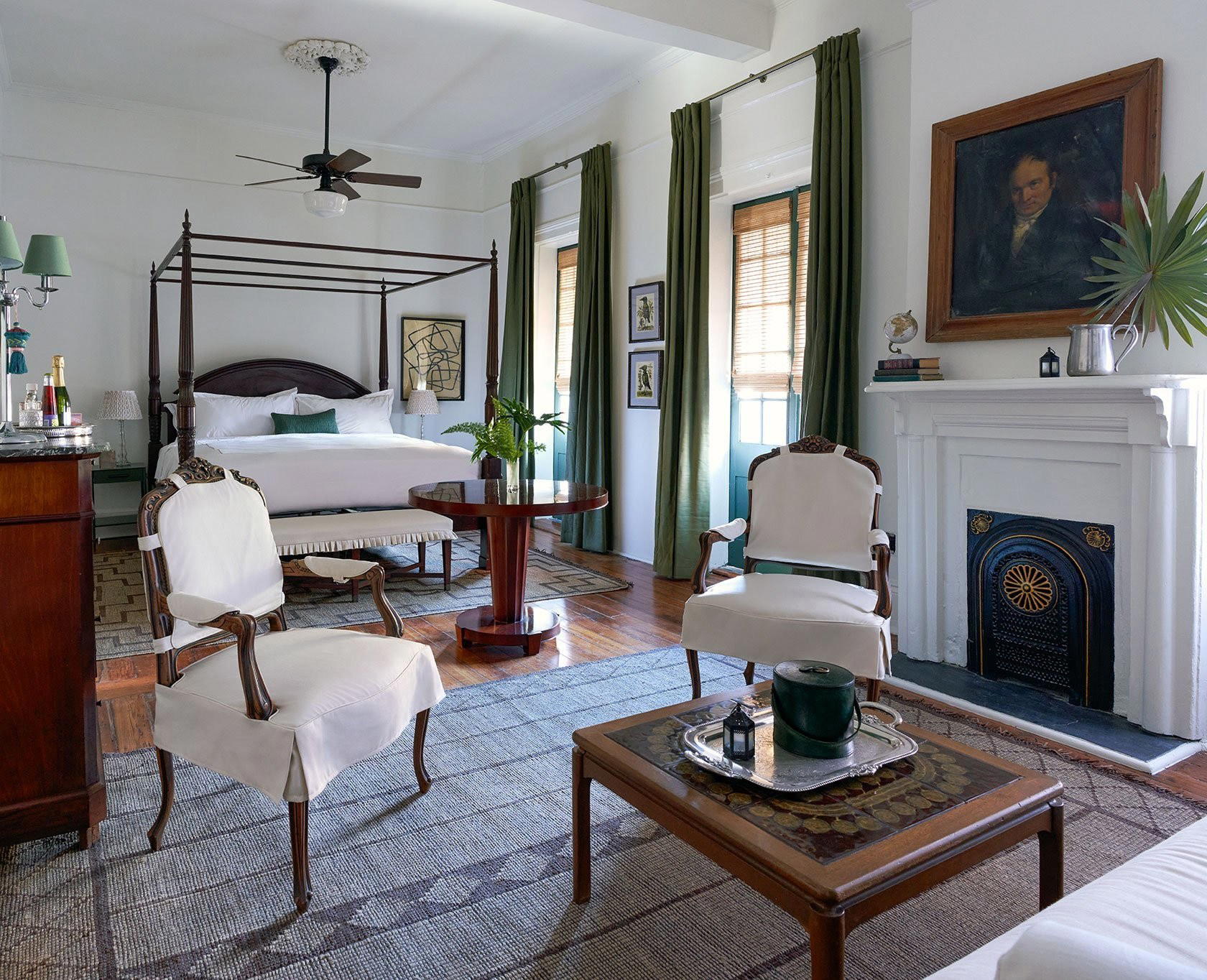
The French Quarter operates on two tracks that rarely intersect. The first is high-volume, tourist-facing dining concentrated around Bourbon Street, where the product is atmosphere sold as food. The second is a smaller circuit of rooms that have earned a local following by treating the Quarter's address as incidental rather than the point. Sylvain is a Southern Gastropub at 625 Chartres St in New Orleans. The space itself, a converted carriage house with exposed brick and a courtyard, is the kind of setting the Quarter produces in abundance, but what matters here is what happens after you sit down.
Sylvain occupies a particular register: relaxed enough that regulars treat it as a weeknight option, serious enough that the kitchen and bar are both taken seriously by the local dining community. That dual quality is harder to calibrate than it sounds, and most rooms in the Quarter fail at one end or the other.
The Room and Who Fills It
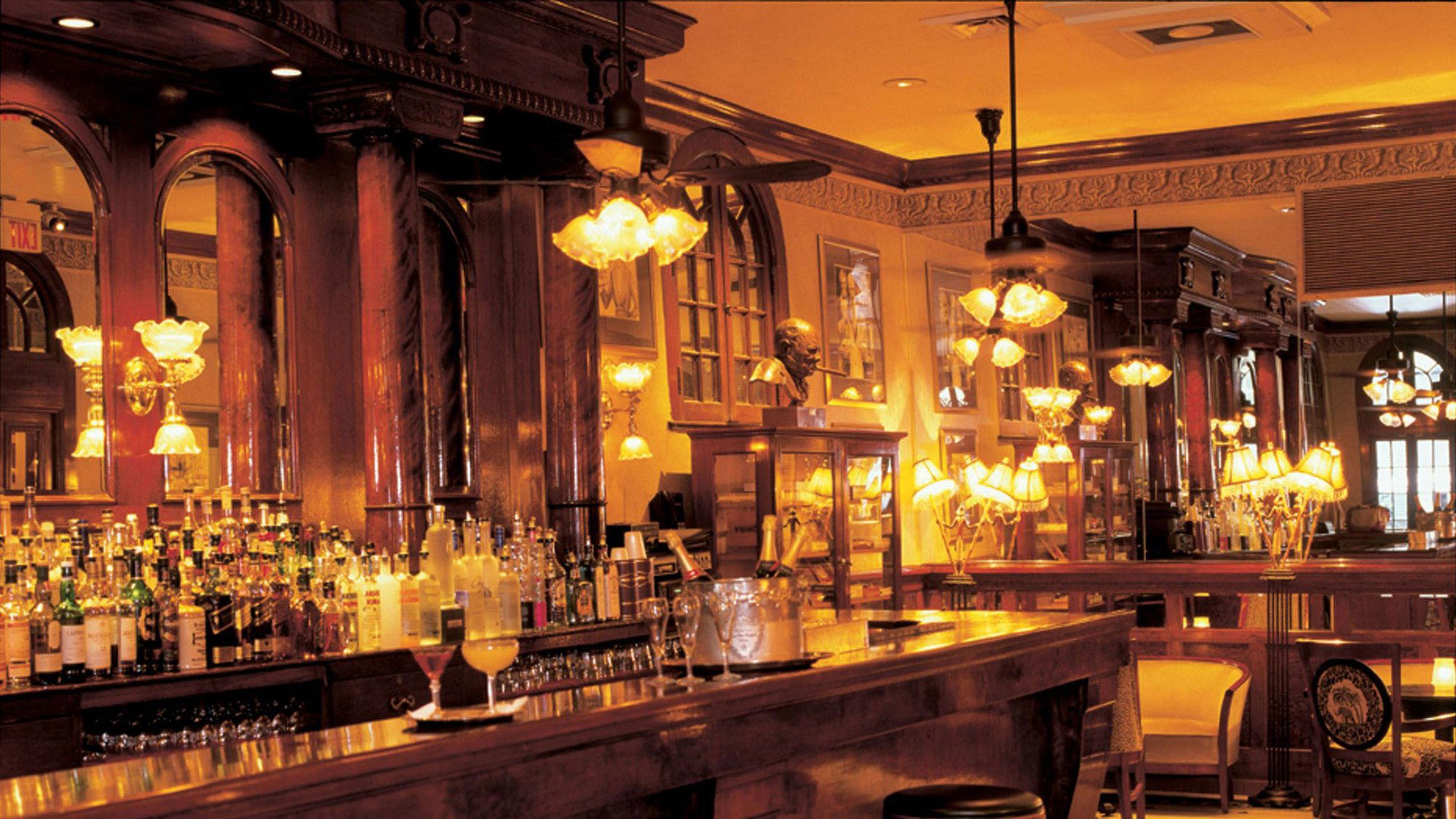
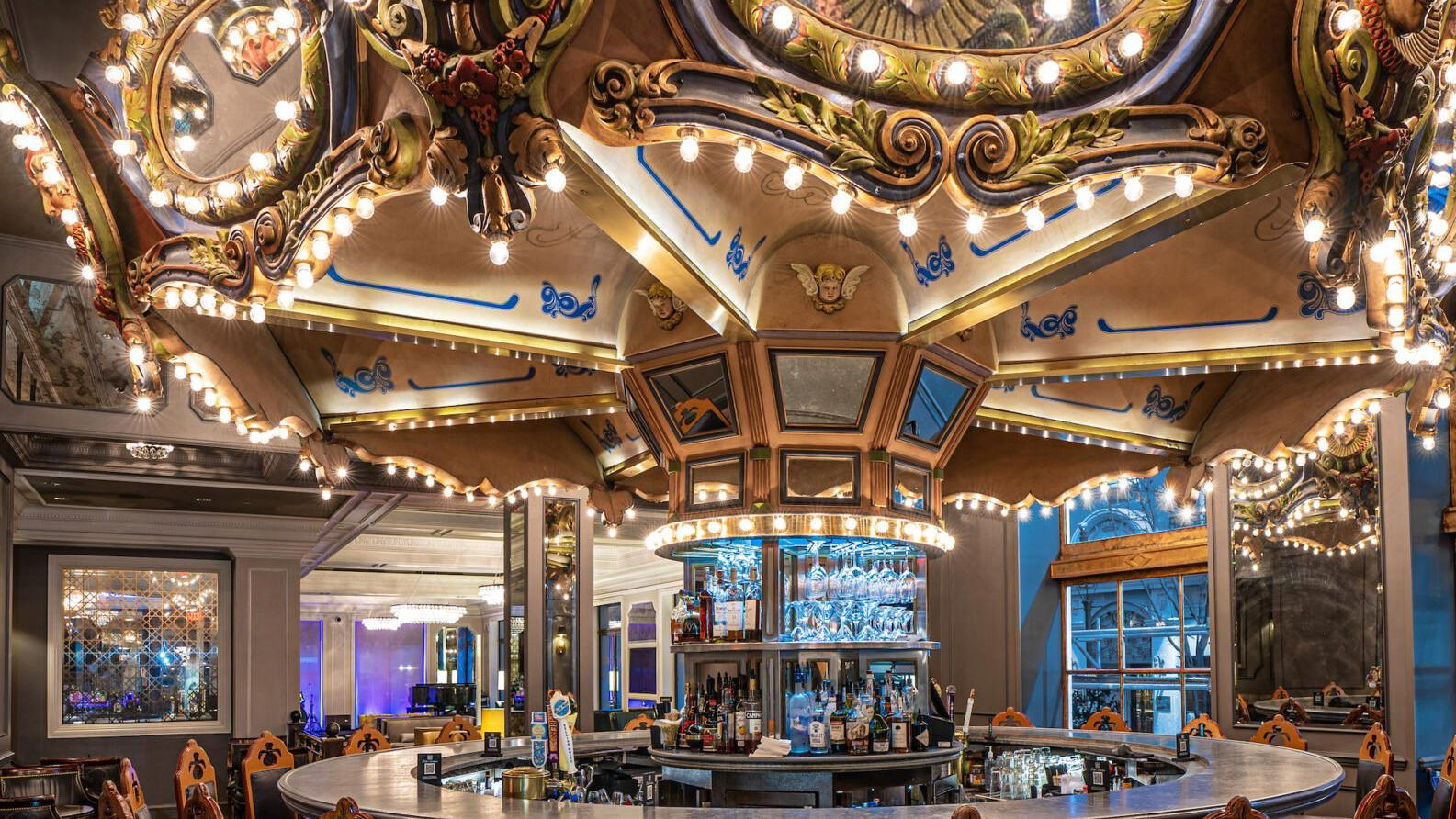
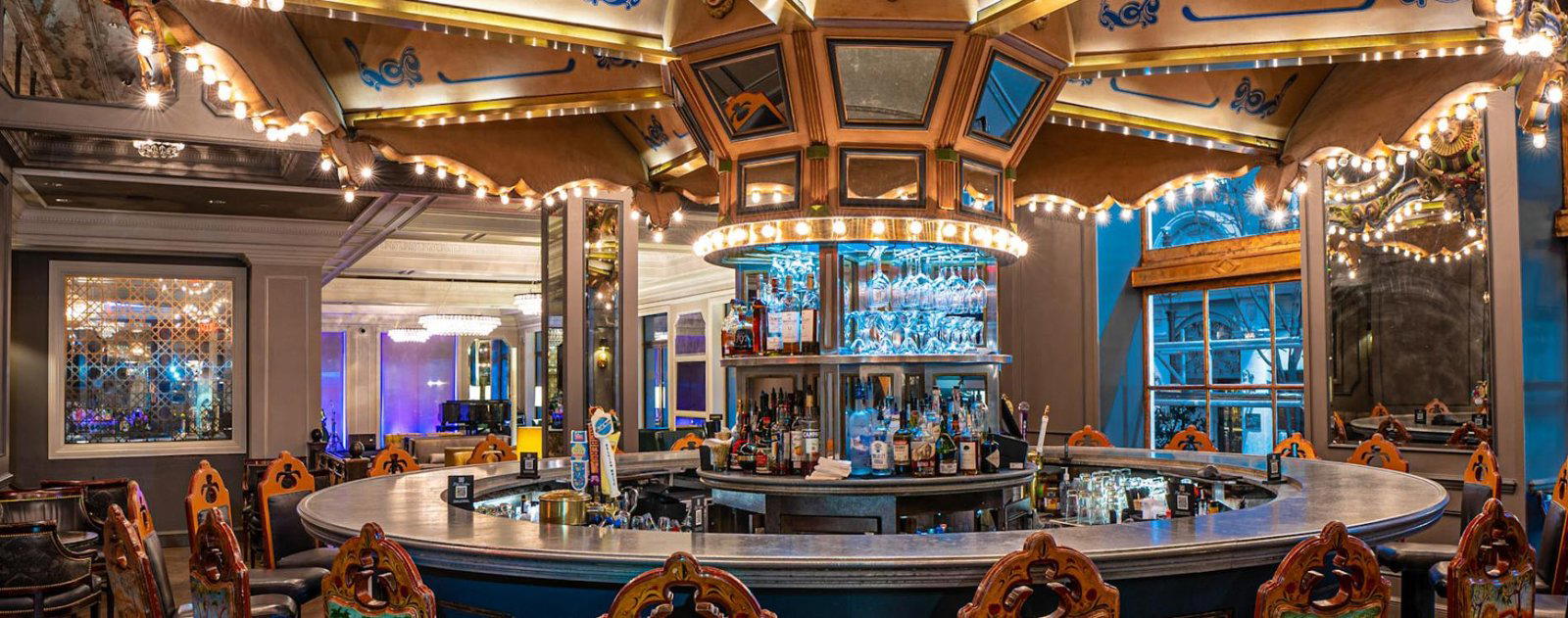
Walk into Sylvain and you are reading a room built for people who already know it. The carriage house architecture does the atmospheric work quietly, without demanding attention. Dim lighting, worn wood surfaces, and a bar that pulls equal visual weight with the dining area signal that this is a place where the bar seat is as legitimate a destination as the dinner table. That physical arrangement matters because it shapes who comes and why they return.
The regulars here are not the white-tablecloth Creole crowd who anchor Commander's Palace on Washington Avenue, nor the expense-account circuit that gravitates toward Saint-Germain at the summit of the contemporary tier. Sylvain draws the working food-and-drink crowd, the local professionals who want cooking that respects Southern and Creole traditions without staging them as museum pieces, and out-of-town visitors who have done enough research to know that the French Quarter's most interesting rooms are almost never on the main tourist circuit.
What keeps that group returning is consistency in tone as much as execution. The room does not chase trends. In a city where dining culture runs deep enough that locals have strong opinions about what counts as authentic and what counts as posturing, Sylvain has earned a stable position by not overreaching.
The Kitchen's Position in the New Orleans Conversation
New Orleans dining operates under more accumulated culinary weight than almost any American city outside New York. The Creole tradition, shaped by French, Spanish, African, and Caribbean influences over three centuries, produces a set of reference points, gumbo, red beans, po'boys, barbecue shrimp, that every serious kitchen in the city must address. The question is not whether to engage with that canon but how. Emeril's built a national profile on Cajun and Creole cooking scaled for broad appeal. Commander's Palace maintains the white-tablecloth Creole establishment at its most formal.
Sylvain operates at a different register, where Southern cooking and Creole technique inform the menu without dominating it as a theme. The approach is closer to what Zasu does in the American Contemporary tier: rooted in regional tradition, presented without ceremony. That positioning is increasingly common in cities with strong culinary identities, where particularly interesting mid-tier rooms are neither revisionist nor reverential but simply competent and honest about what they are cooking.
Nationally, the equivalent positioning appears in rooms like Smyth in Chicago or Frasca Food and Wine in Boulder, where the kitchen's connection to a regional or European tradition provides the foundation rather than the performance. The difference in New Orleans is that the tradition itself carries more concentrated pressure, and a kitchen that handles it well earns local respect in a way that a comparable room in a less food-obsessed city might not.
The Bar as a Parallel Program
One of the more reliable indicators of a room's seriousness is whether the bar program can stand independently of the food. In the tier of American dining occupied by places like Lazy Bear in San Francisco or Atomix in New York, the cocktail and wine programs are developed with the same intentionality as the tasting menu. Sylvain operates at a less formal register than those rooms, but the bar holds a similar structural importance to the overall experience.
New Orleans has one of the deepest cocktail cultures in America, rooted in a nineteenth-century tradition that produced the Sazerac and the Vieux Carré and that has never fully disconnected from its classic canon the way New York and San Francisco have cycled through movements. A bar in the French Quarter that takes that tradition seriously and executes it competently is not doing anything novel, but it is doing something that a significant portion of the city's bar program fails to do consistently. Sylvain's bar draws regulars who arrive specifically for it, not as a warm-up to dinner but as the point of the visit.
Practical Notes for Planning a Visit
Sylvain is on Chartres Street in the French Quarter, walkable from most Quarter hotels and a short ride from the Warehouse District properties. The room works as a dinner destination or a late-evening bar stop, and the format is informal enough that it does not require the kind of planning that the city's more formal rooms demand. Bayona books further in advance and requires more deliberate scheduling; Sylvain sits in the tier where a same-day or next-day reservation is often achievable, particularly at the bar.
The French Quarter's dining concentration means that Sylvain sits within walking distance of a significant portion of the city's serious restaurant options, which makes it useful as an anchor point for an evening that might start or end elsewhere. The room is not the place to arrive if you want to understand New Orleans Creole cooking at its most formal or ambitious, but it is a reliable and locally respected option for cooking that engages honestly with the city's traditions at a pitch that works for a regular Tuesday as much as a celebratory Saturday.
Comparable Venues
Comparable venues nearby, for context on price, style, and recognition.
| Venue | Cuisine | Price | Notes |
|---|---|---|---|
| SylvainThis venue — the venue you are viewing | Southern Gastropub | $$ | Not listed |
| DISTRICT Donuts Sliders Brew | American Donuts, Sliders & Coffee | $$ | Lower Garden District |
| Cafe Maspero | Cajun & Creole Cafe | $$ | French Quarter |
| Revel Cafe & Bar | American Gastro-Lounge | $$ | Mid-City |
| New Orleans Hamburger & Seafood Co | New Orleans Cajun Seafood & Burgers | $$ | Milan |
| Satsuma Maple | Organic American Cafe | $$ | East Carrollton |
Continue exploring
More in New Orleans
Restaurants in New Orleans
Browse all →
Bars in New Orleans
Browse all →
At a Glance
- Lively
- Cozy
- Trendy
- Energetic
- Date Night
- Casual Hangout
- Late Night
- Historic Building
- Craft Cocktails
Current opening hours
- Monday
- 4–11 PM
- Tuesday
- 4–11 PM
- Wednesday
- 4–11 PM
- Thursday
- 4–11 PM
- Friday
- 10:30 AM–12 AM
- Saturday
- 10:30 AM–12 AM
- Sunday
- 10:30 AM–10 PM
Hours can change for holidays and private events. Last verified .
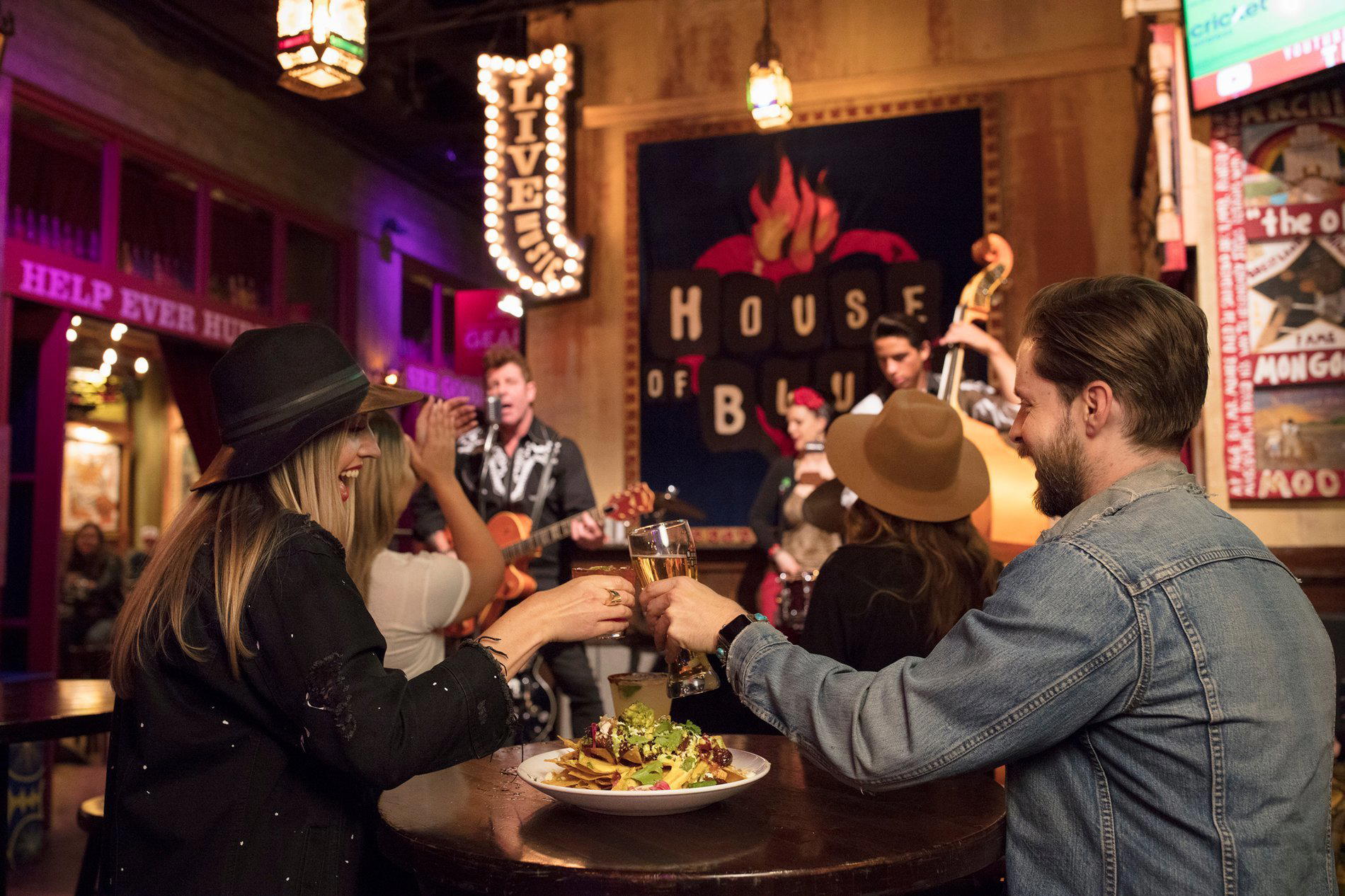
Lively and laid-back atmosphere where guests laugh loudly, shoot whiskey, and linger among friends in a space honoring the neighborhood's artistic, non-conformist legacy.