Our verdict
TAMU occupies a quiet address in Kebayoran Baru, one of South Jakarta's more settled residential corridors, where a growing number of kitchens are applying continental and Japanese techniques to Indonesian ingredients. The venue sits in a tier of Jakarta dining that prioritises sourcing specificity and format discipline over volume or spectacle.

Pearl is the En Primeur Club membership app — saves, bookings, and concierge access live there. Same editors, same standards.
- Address
- Jl. Aditiawarman I No.8, Melawai, Kec. Kby. Baru, Kota Jakarta Selatan, Daerah Khusus Ibukota Jakarta 12160, Indonesia
- Phone
- +6281330979989
- Hours
- Daily 10 AM–10 PM
- Website
- chope.co
- Directions
- Get directions
- Booking
- Book on Chope
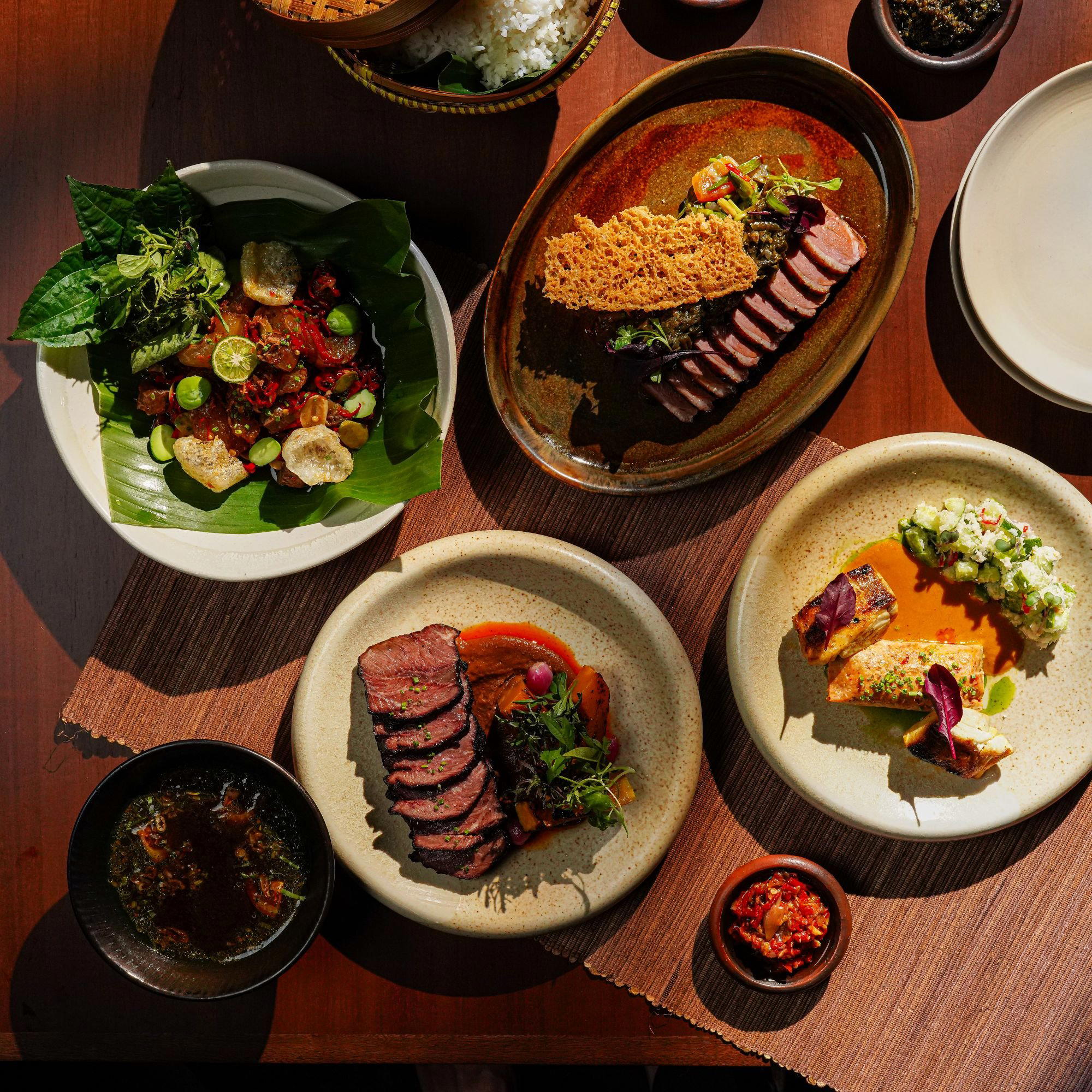
The menu
What to order
- Sate Ayam Madura
- Ikan Bakar
- Soto Ayam
- Sambal Goreng Otot
South Jakarta's Quieter Dining Register
Kebayoran Baru has long operated as one of Jakarta's more composed neighbourhoods, a district where colonial-era street grids give way to tree-lined lanes and where the dining scene has developed at a pace determined more by local taste than by tourist footfall. Jalan Aditiawarman, the address TAMU occupies, sits within the Melawai pocket of this district, a short corridor that has attracted a particular kind of restaurant: smaller in scale, more deliberate in format, and oriented toward a clientele that lives or works nearby rather than one travelling across the city for a destination meal. That context matters. In Jakarta, as in most large Southeast Asian cities, the premium dining tier has split between large hotel operations in the CBD and a growing number of independently run rooms in residential enclaves. TAMU belongs to the latter category.
The Technique-and-Territory Question in Jakarta Kitchens
The most interesting tension in Jakarta's contemporary dining scene is not between Indonesian and international food but between the methods arriving from abroad and the ingredients already present in the archipelago. Kitchens across the city have spent the past decade working through that intersection at varying levels of discipline. At one end, the approach is largely cosmetic: European plating applied to local proteins with little change to the underlying cooking logic. At the more considered end, imported techniques function as tools for unlocking what Indonesian produce can express when handled with precision rather than familiarity.
This is the frame through which TAMU is most usefully read. The editorial question for any restaurant operating in this space is whether the technique is serving the ingredient or simply decorating it. Jakarta diners who follow this conversation closely will recognise the distinction immediately. Those arriving from international markets can use it as a calibration: restaurants where local sourcing is a genuine driver of the menu rather than a branding note tend to show their workings in texture and seasoning rather than in how they describe themselves.
For regional comparison, Locavore NXT in Ubud has set a reference point for what hyper-local Indonesian sourcing looks like when applied through a fine-dining lens. Jakarta's version of that conversation is necessarily different: the city does not have Bali's proximity to small farms and fisheries, which means urban kitchens here must work harder on supply relationships and are more likely to draw from across the archipelago rather than from a single island's terroir.
Where TAMU Sits Among South Jakarta Peers
The residential dining tier in South Jakarta is not monolithic. It ranges from casual neighbourhood spots to rooms with serious kitchen ambition, and the signal value of an address in Kebayoran Baru or Kemang depends heavily on what the kitchen is actually doing. August has established itself as one of the more technically grounded operations in the city, and its presence in this part of Jakarta has helped define what the neighbourhood's upper register looks like. Abunawas Restaurant's Kemang branch approaches the Indonesian dining tradition from a different angle, anchoring its identity more firmly in regional recipes and social format.
TAMU occupies its own coordinates in this set. Without a published award record or a named chef to use as a positioning shortcut, the relevant signals come from location, format, and the broader category it appears to address. Restaurants in this part of Kebayoran Baru operating without the volume economics of a large hotel dining room are typically working with a tighter seat count and a more fixed format, which is itself an editorial statement about what the kitchen believes it can execute consistently. That model, when it works, produces dining rooms with a different kind of consistency than those optimised for throughput.
For reference across the city's meat-led dining tier, Aged + Butchered Jakarta and Bistecca represent the more produce-forward European approach that has found a committed audience in Jakarta. The city's hotpot and Chinese dining offer, anchored by operations like Chongqing Liuyishou Hotpot and Hai Di Lao, serves a different appetite entirely. TAMU is not competing in those categories.
The Broader Indonesian Dining Conversation
Jakarta's position in the wider Indonesian restaurant scene is sometimes underestimated by visitors who arrive expecting Bali's more internationally visible fine-dining infrastructure. The capital has its own serious kitchens, and some of the more interesting work is happening in exactly the kind of residential neighbourhood where TAMU is located. Venues like Kita Restaurant and Bar in Menteng are part of the same broader movement: kitchens applying considered technique to local produce in rooms that are scaled for quality rather than capacity.
The archipelago's ingredient diversity is a genuine advantage that the better Jakarta kitchens are beginning to treat seriously. Spices, fermented pastes, tropical proteins, and regional staples that have long been considered the domain of home cooking or warung culture are appearing in more technically demanding preparations. This is not nostalgia dressed up in fine-dining clothing; at its more rigorous end, it is a renegotiation of what Indonesian produce can do when the cooking logic changes. The comparison point for how that renegotiation can operate at the highest level of technique sits further afield: operations like Le Bernardin in New York City and Atomix demonstrate what it looks like when a culinary tradition is examined through a lens of technical rigour without losing its cultural foundation.
Planning a Visit
TAMU is located at Jalan Aditiawarman I No. 8 in Melawai, Kebayoran Baru, South Jakarta. The address sits within a walkable section of the neighbourhood and is accessible by ride-hailing services from most central Jakarta hotels in under thirty minutes outside peak traffic hours. Given that specific booking details, hours, and pricing are not published through standard channels, the practical approach is to visit the venue directly or search current reservation availability through Jakarta dining platforms. For restaurants of this type in South Jakarta, midweek evenings typically carry less pressure than Friday and Saturday services, and arriving with flexibility on timing is useful where a fixed-format menu is in play. Our full Jakarta restaurants guide covers the broader dining map across the city's neighbourhoods and price tiers.
Frequently asked questions
What should I eat at TAMU?
Do I need a reservation for TAMU?
What do critics highlight about TAMU?
Can TAMU accommodate dietary restrictions?
Is TAMU worth it?
How does TAMU fit into Jakarta's broader movement toward Indonesian fine dining?
At a Glance
Comparable venues nearby, for context on price, style, and recognition.
| Venue | Cuisine | Price | Notes |
|---|---|---|---|
| TAMUThis venue — the venue you are viewing | Modern Indonesian | Not listed | Not listed |
| Rumah Makan SURYA Masakan Padang | Authentic Padang (Nasi Padang) | $1–10 | Bendungan Hilir, Authentic Padang (Nasi Padang) |
| Gurēsu | Modern Japanese Omakase | $30–50 | Bangka, Modern Japanese Omakase |
| Kinshamo Japanese Restaurant | Authentic Japanese Robata & Omakase | Not listed | Grogol Utara, Authentic Japanese Robata & Omakase |
| Kimukatsu PIM 3 | Japanese Katsu Specialist | $10–20 | Pondok Pinang, Japanese Katsu Specialist |
| Kaum | Modern Indonesian | $30–50 | Menteng, Modern Indonesian |
Details
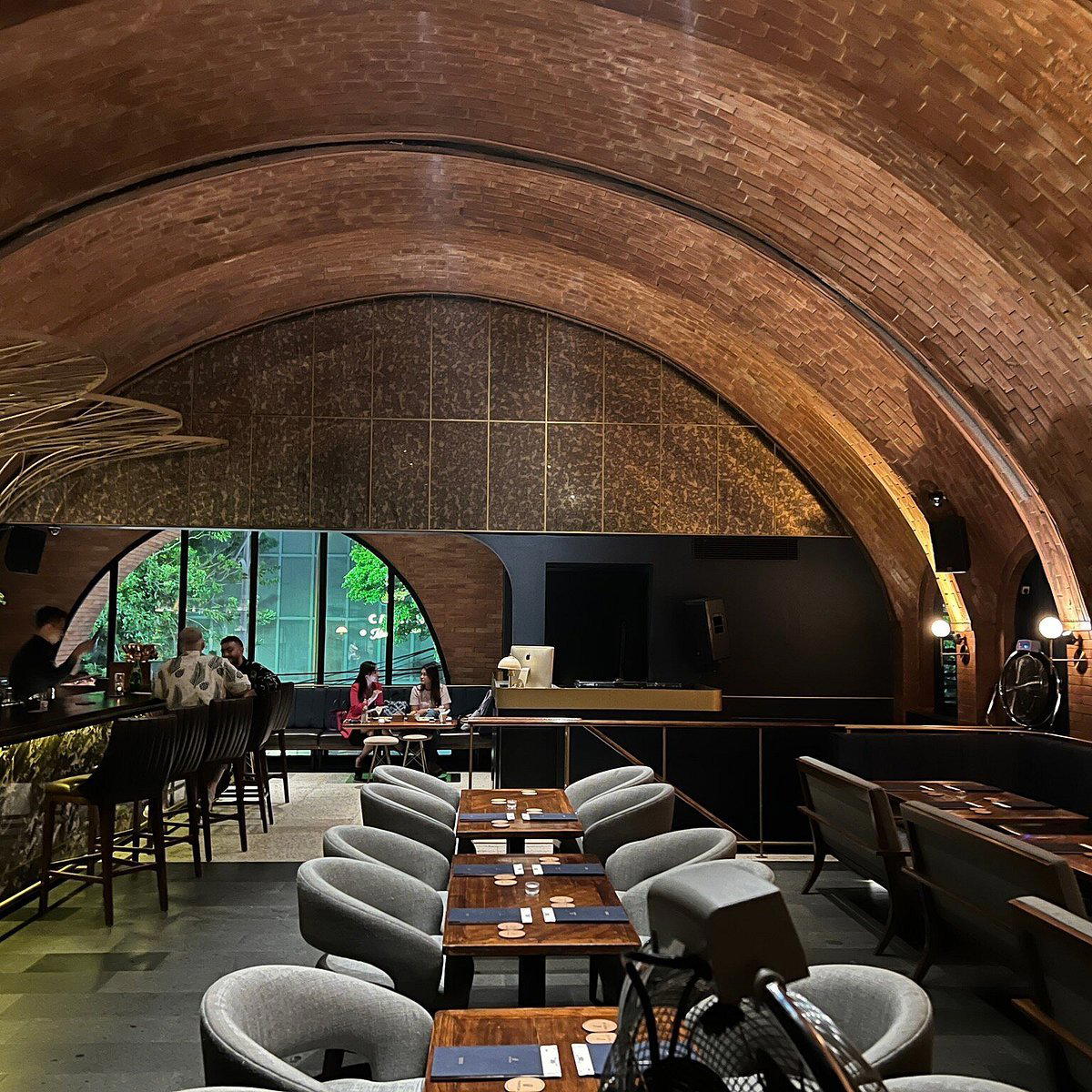
- Lively
- Modern
- Cozy
- Group Dining
- Celebration
- Casual Hangout
- Private Dining
- A La Carte
Current opening hours
- Monday
- 10 AM–10 PM
- Tuesday
- 10 AM–10 PM
- Wednesday
- 10 AM–10 PM
- Thursday
- 10 AM–10 PM
- Friday
- 10 AM–10 PM
- Saturday
- 10 AM–10 PM
- Sunday
- 10 AM–10 PM
Hours can change for holidays and private events. Last verified .
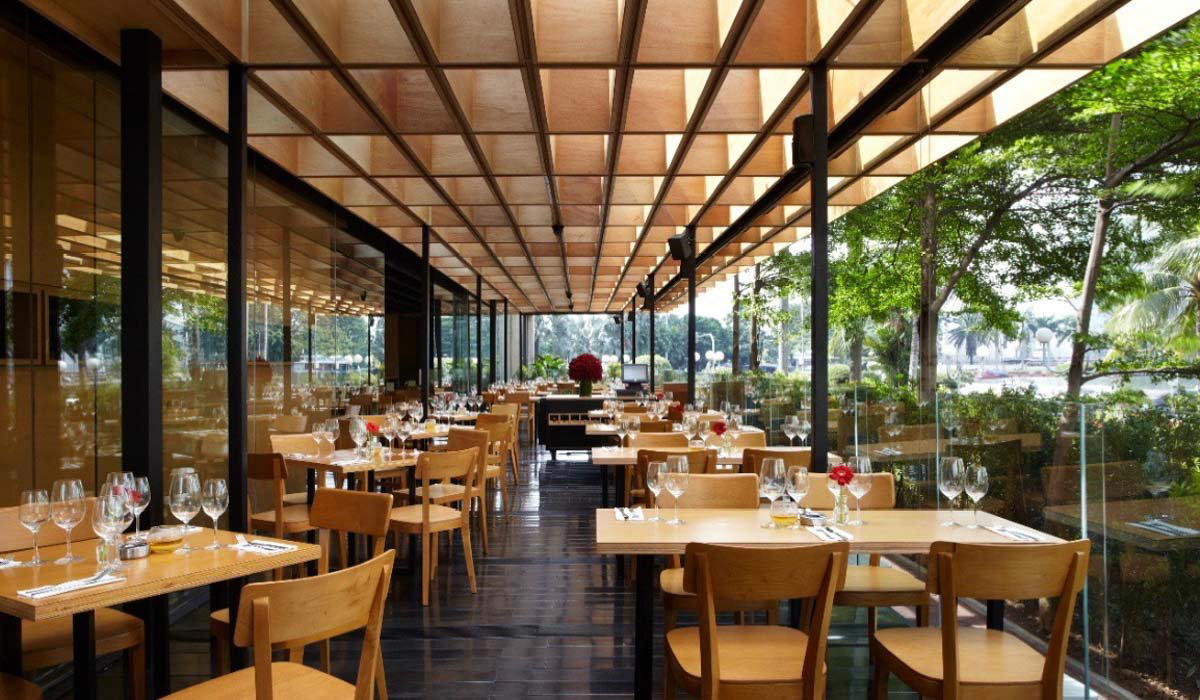
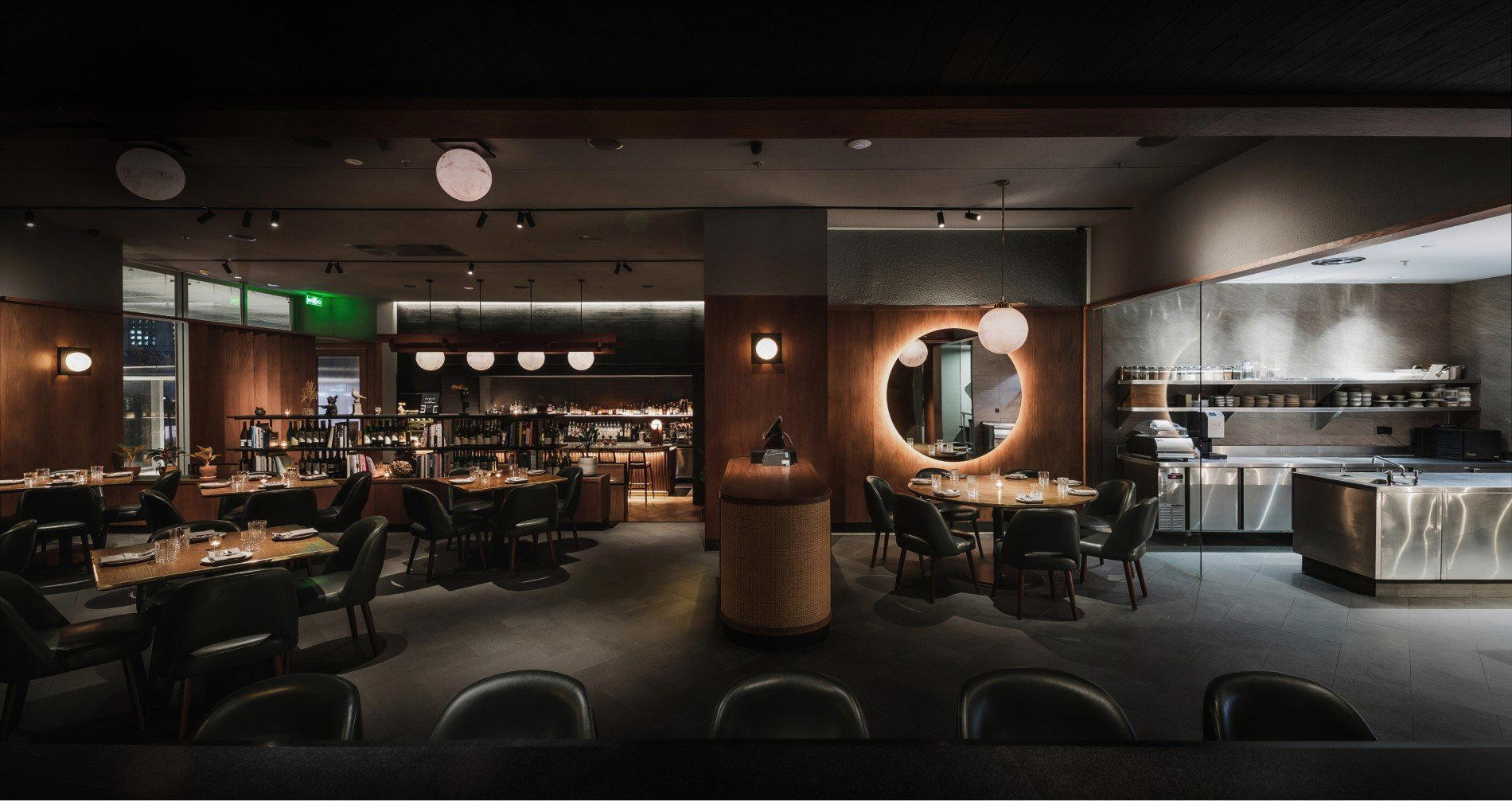
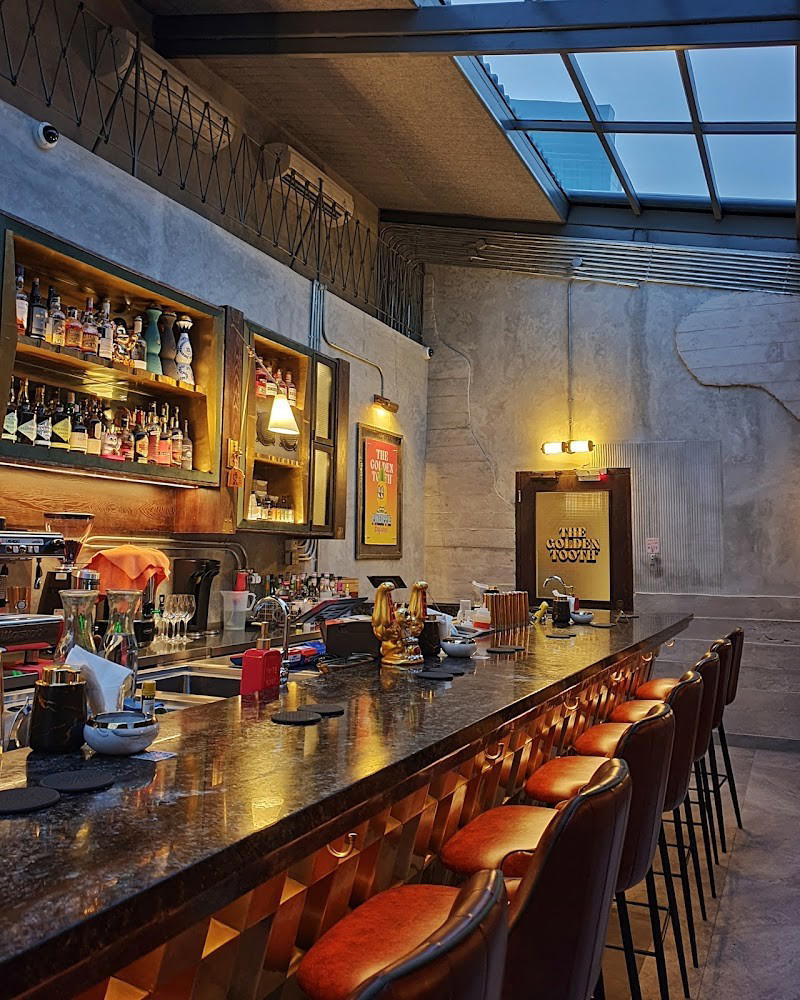
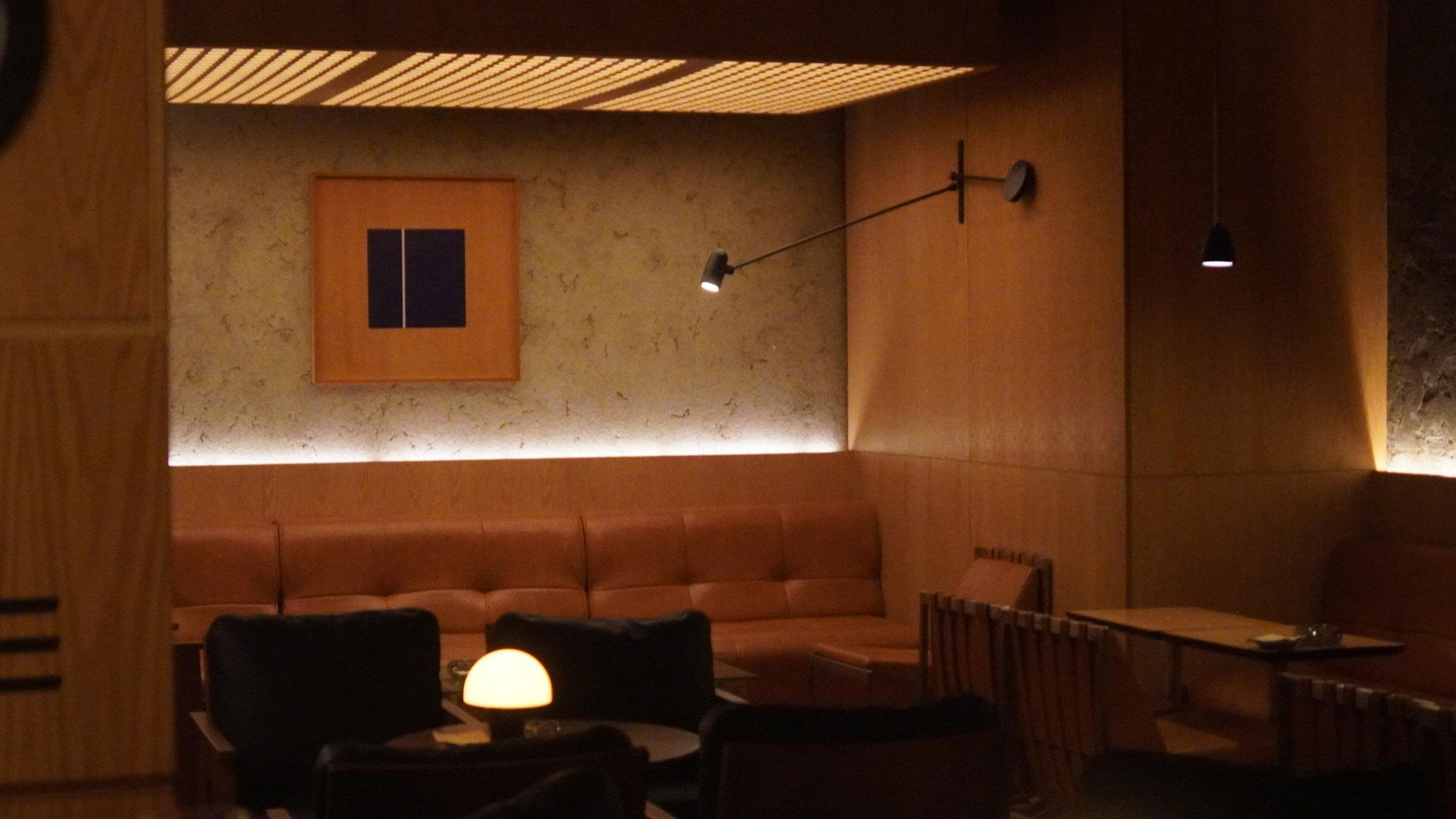
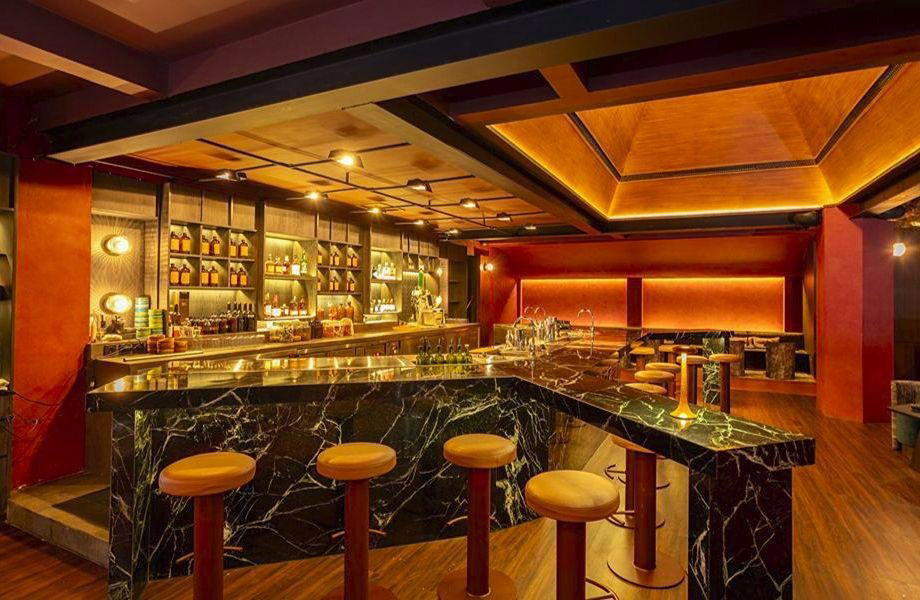
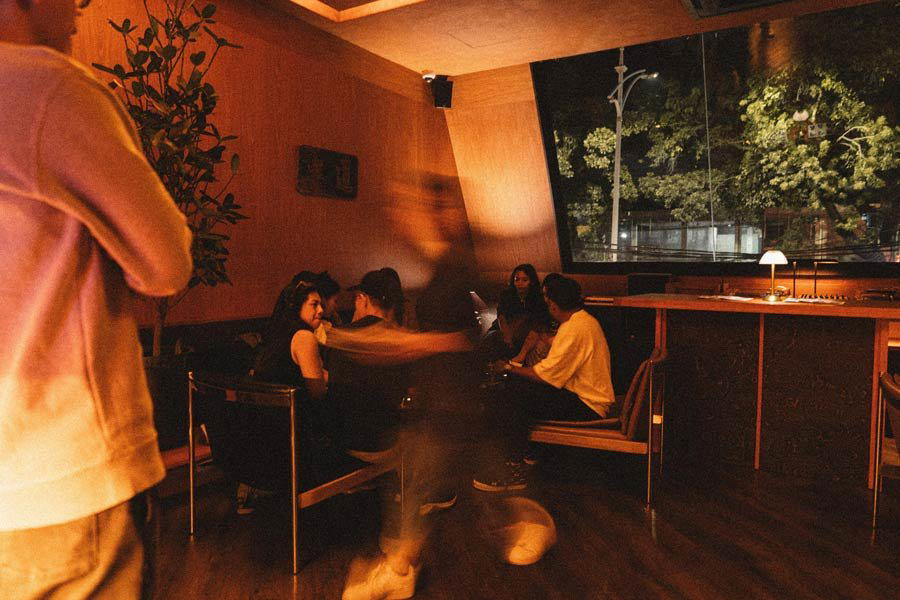
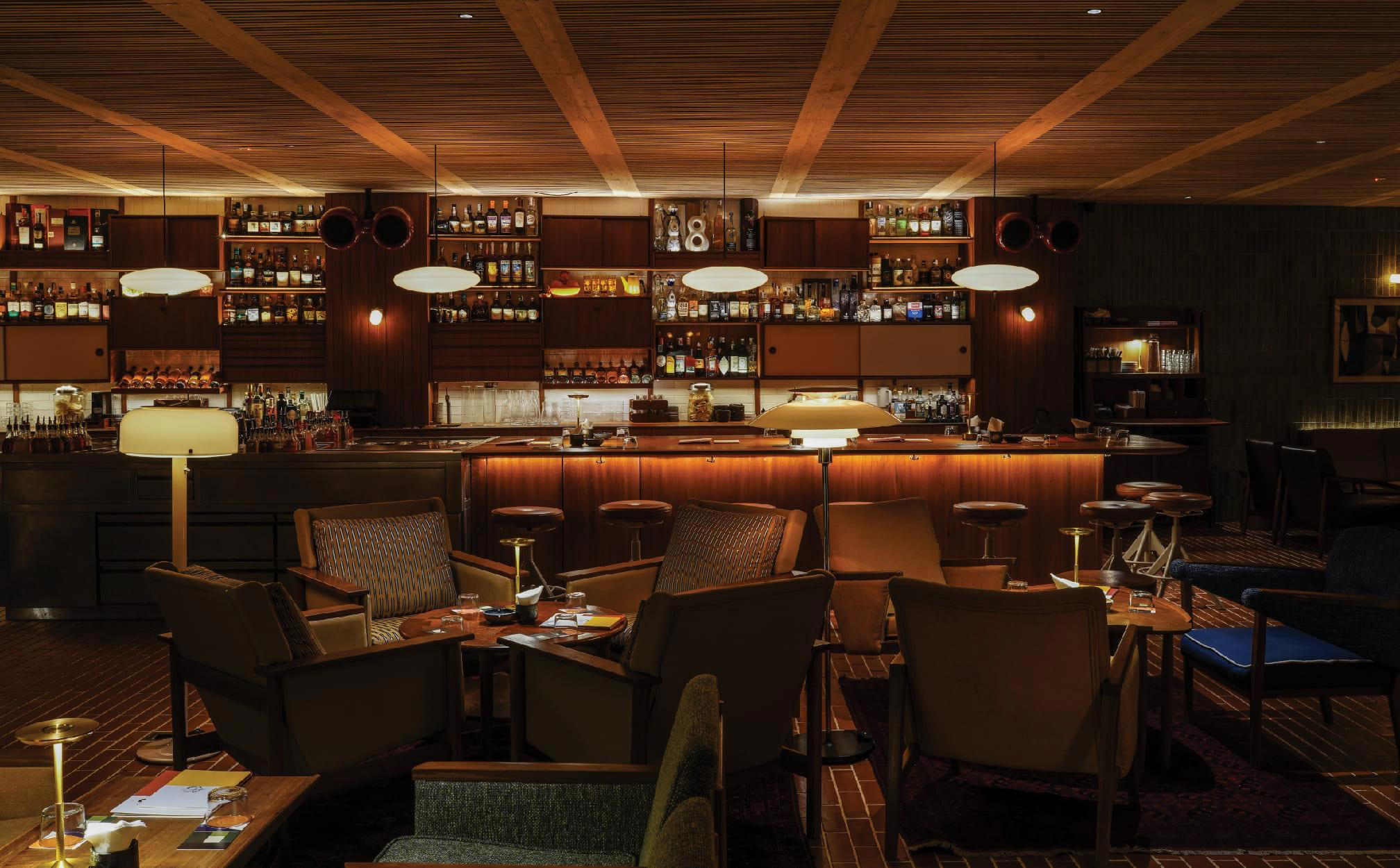
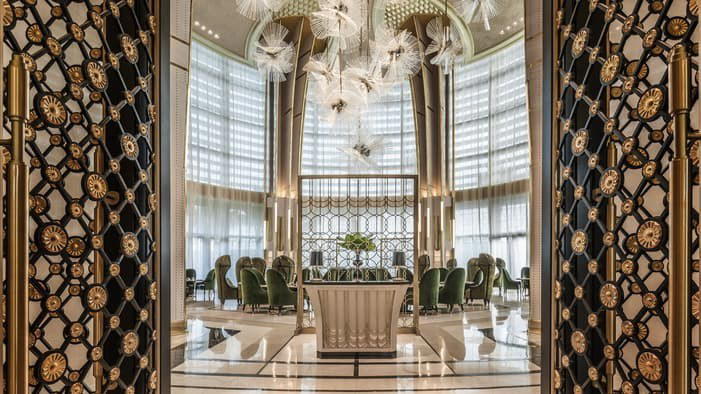
Warm and welcoming with a nostalgic yet dynamic atmosphere that combines cultural heritage and modern energy.