Per Bacco occupies a quiet address on Sint-Jacobsnieuwstraat in Ghent's medieval core, where the city's appetite for serious Italian wine culture has found a natural home. The name alone signals a particular sensibility: wine first, table second, conversation always. It sits within a Ghent dining scene that has grown increasingly confident in its European references over the past decade.
 Discover on Pearl
Pearl is the En Primeur Club membership app — saves, bookings, and concierge access live there. Same editors, same standards.
- Address
- Sint-Jacobsnieuwstraat 56, 9000 Gent, Belgium
- Phone
- +3293248332
- Website
- perbacco.be
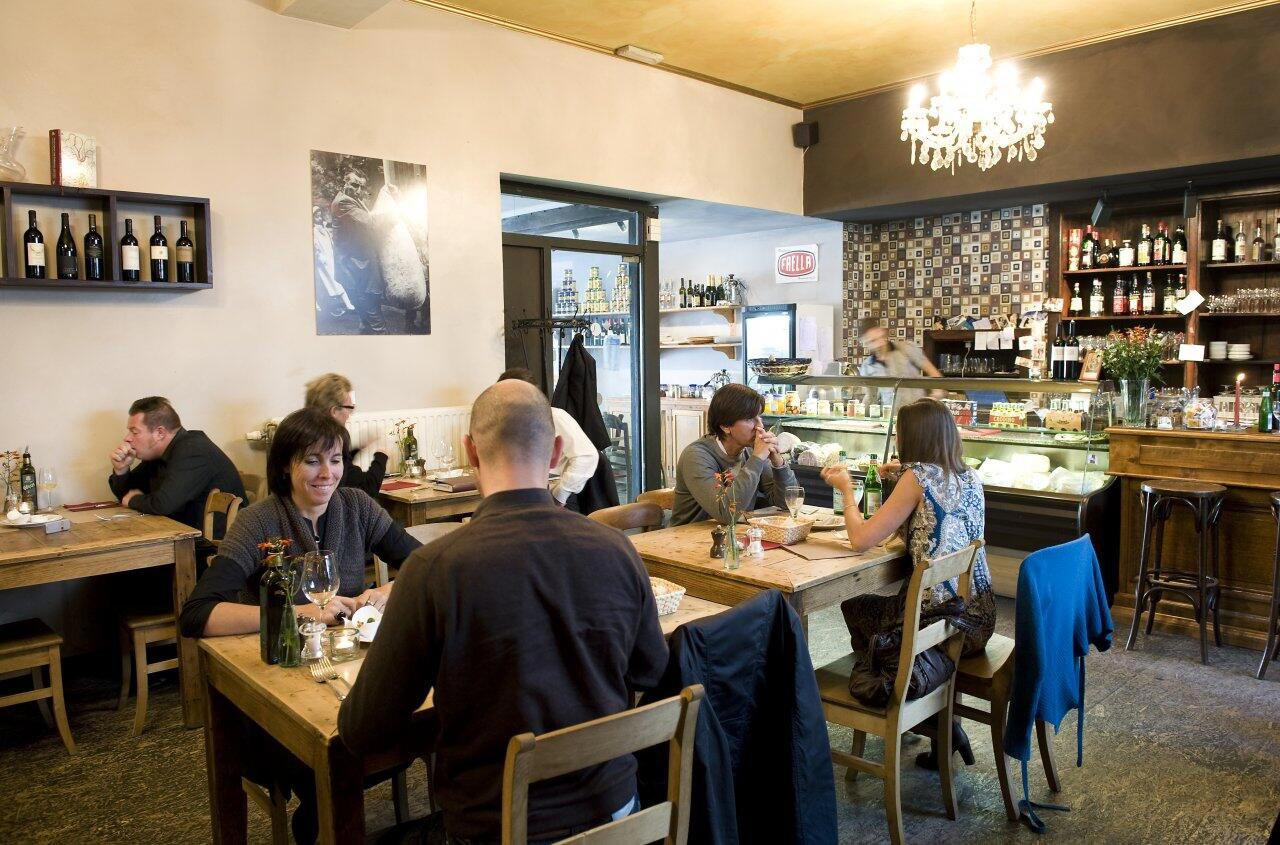
A Street, a Name, a Signal
Sint-Jacobsnieuwstraat does not announce itself. Running through one of Ghent's older residential quarters, it lacks the tourist foot traffic of Graslei or the design-bar density of the Patershol. That relative quiet has made it hospitable to a certain kind of address: places that rely on returning custom rather than passing trade. Per Bacco is a Traditional Italian Trattoria in Ghent. The name is a mild Italian oath of surprise, an exclamation invoking Bacchus, and its use here signals an Italian wine-and-table sensibility operating well outside the circuit of Ghent's more conspicuous dining destinations.
Ghent's food culture has shifted noticeably over the past fifteen years. The city built an early reputation on vegetarian-forward cooking and civic food politics, but that identity has since been joined by a second current: smaller, reference-heavy rooms drawing on French and Italian traditions, positioned against a comparable set that includes addresses like Arbane and Astro Boy. Per Bacco belongs to this second wave, where the editorial frame is classical European rather than locally politicised.
How the Room Has Changed
Italian-inflected wine bars in Belgian cities have gone through a legible evolution. The first generation, arriving in force in the 1990s and early 2000s, leaned on red-checked tablecloths and a roster of Chianti and house pasta. The second generation, from roughly 2010 onward, sharpened its references: natural and low-intervention Italian producers, regional specificity over generic category labels, and a kitchen posture closer to cicchetti and small-plate sharing than to three-course set menus. Per Bacco's position on Sint-Jacobsnieuwstraat places it within this second generation, operating in a city where the audience for serious Italian wine has grown and become more literate.
That audience matters because it changes what an address like this can do. When regulars arrive already knowing the difference between a Frappato and a Nerello Mascalese, a wine bar can build its list with fewer concessions to the familiar. The Belgian drinking public, historically skewed toward French bottles and the country's own exceptional beer culture, has developed a genuine interest in Italian regional wine over the past decade. Per Bacco sits at the intersection of that shift and Ghent's appetite for rooms that feel curated rather than formatted.
The Scene It Belongs To
Positioning Per Bacco within Ghent's dining geography requires looking at what the city does well at the neighbourhood-level. Ghent does not organise its restaurant culture around a single dominant district the way Antwerp concentrates energy around the Zuid or Brussels around the European Quarter. Instead, addresses surface across the medieval core and the inner residential rings, connected by cycling distance and word of mouth rather than proximity to a hotel cluster. Beiruti, BABÚ, and Bij Den Wijzen en Den Zot each occupy a different corner of this dispersed map. Per Bacco adds an Italian-wine anchor to a quarter that would otherwise have few formal reasons to draw a dinner reservation.
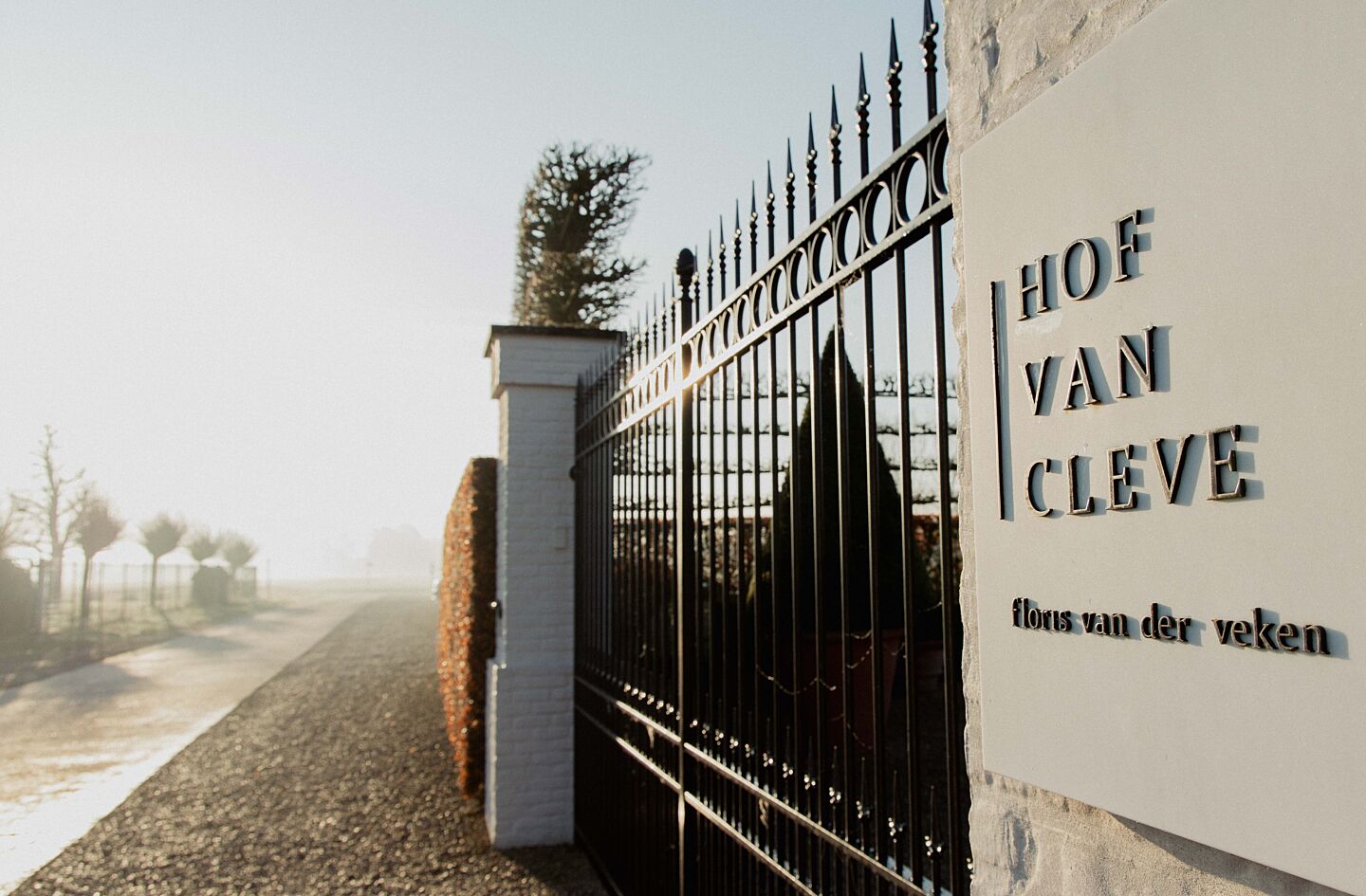
For the wider Belgian fine-dining context, the reference points are different in register. Belgium's most decorated tables, including Hof van Cleve in Kruishoutem, Boury in Roeselare, and Zilte in Antwerp, operate in a register of formal tasting menus and Michelin accountability. Per Bacco does not compete in that tier. Its comparable set is the informal-but-serious room: a place where the list is the main event and the kitchen provides intelligent support rather than the evening's structural arc. That is a different kind of competence, and one that Belgian cities have increasingly come to value alongside their Michelin-facing addresses.
What Draws Regulars Back
In wine-bar formats that succeed over time, the pull is rarely a single dish or a marquee bottle. It is the consistency of curation: the sense that whoever selects the list knows where they are going and why. Italian wine, more than almost any other category, rewards that kind of editorial confidence. The peninsula's regional diversity, from Etna's volcanic whites to the gastronomic specificity of Friuli or the Langhe, requires a curator willing to make choices rather than cover all bases. Rooms that do this well tend to develop a repeat-visit logic where the list changes faster than the audience's familiarity with it.
Comparison addresses with similar profiles, such as Castor in Beveren or the more kitchen-forward De Jonkman in Sint-Kruis, demonstrate that Belgian diners within driving range of Ghent have calibrated expectations for this kind of room. The bar for list depth and kitchen coherence has moved upward across the region.
Planning a Visit
Sint-Jacobsnieuwstraat 56 is reachable on foot from Ghent-Sint-Pieters station in under twenty minutes, or by a short tram ride into the city centre followed by a brief walk through the medieval street grid. Ghent's compact core means most central hotels put the address within easy range. Reservations are recommended, particularly on weekends. The dining room fills quickly from Thursday through Sunday evenings. For broader orientation across Ghent's dining options,
For those building a wider Belgian itinerary, Bozar Restaurant in Brussels and L'air du Temps in Liernu represent the country's more formally ambitious register, while Willem Hiele in Oudenburg, Bartholomeus in Heist, and d'Eugénie à Emilie in Baudour demonstrate how Belgium's regional cooking has diversified well beyond the capital. At the international reference level,
Reputation First
Comparable venues nearby, for context on price, style, and recognition.
| Venue | Cuisine | Price | Awards | Notes |
|---|---|---|---|---|
| Per BaccoThis venue — the venue you are viewing | Traditional Italian Trattoria | $$$ | , | |
| Trattoria Della Mamma | Traditional Italian Trattoria | $$ | , | Binnenstad |
| John Dory | Modern Seafoodbar | $$$ | , | Binnenstad |
| Raaf | Modern Belgian Neo-Bistro | $$$ | , | Macharius - Heirnis |
| Van Hoorebeke | Artisan Belgian Chocolatier | $$$ | , | Binnenstad |
| bistrobastien | French Bistro | $$ | , | Binnenstad |

At a Glance
- Cozy
- Elegant
- Romantic
- Classic
- Date Night
- Business Dinner
- Group Dining
- Special Occasion
- Terrace
- Wine Cellar
- Extensive Wine List
- Natural Wine
- Sommelier Led
- Organic
- Natural Wine
- Local Sourcing
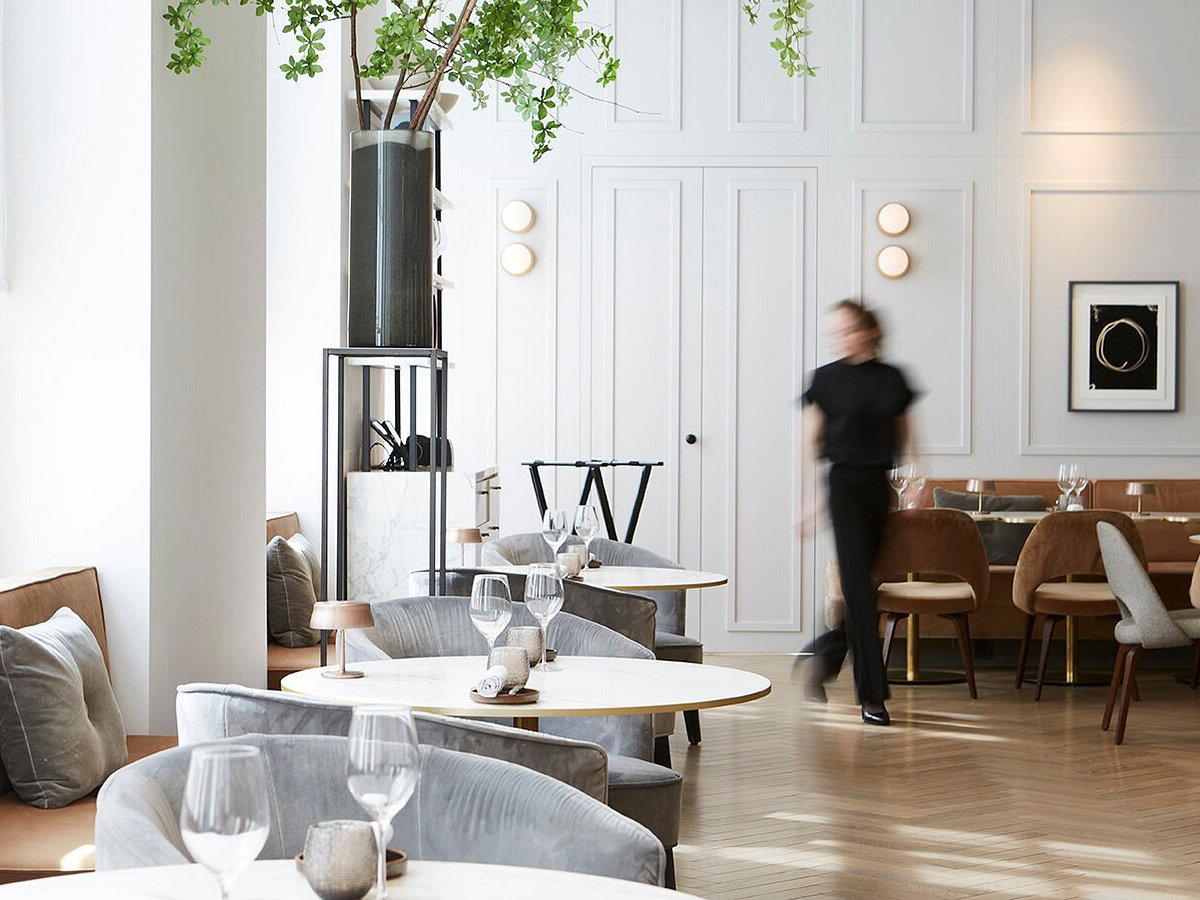
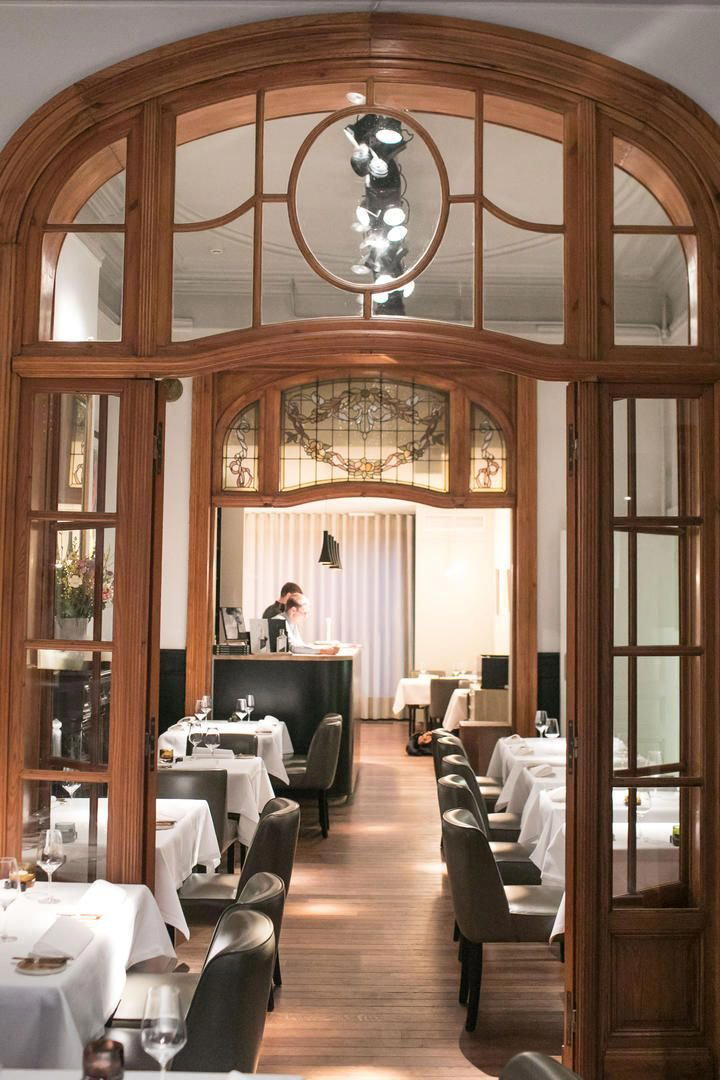
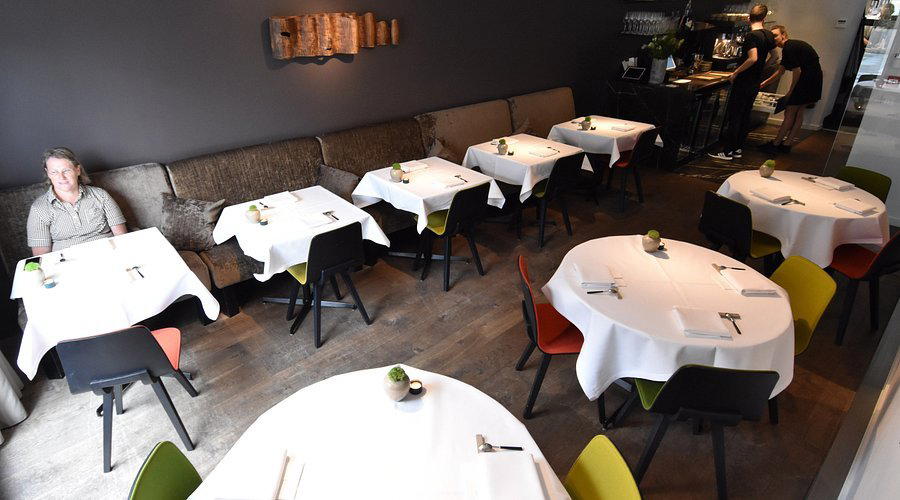
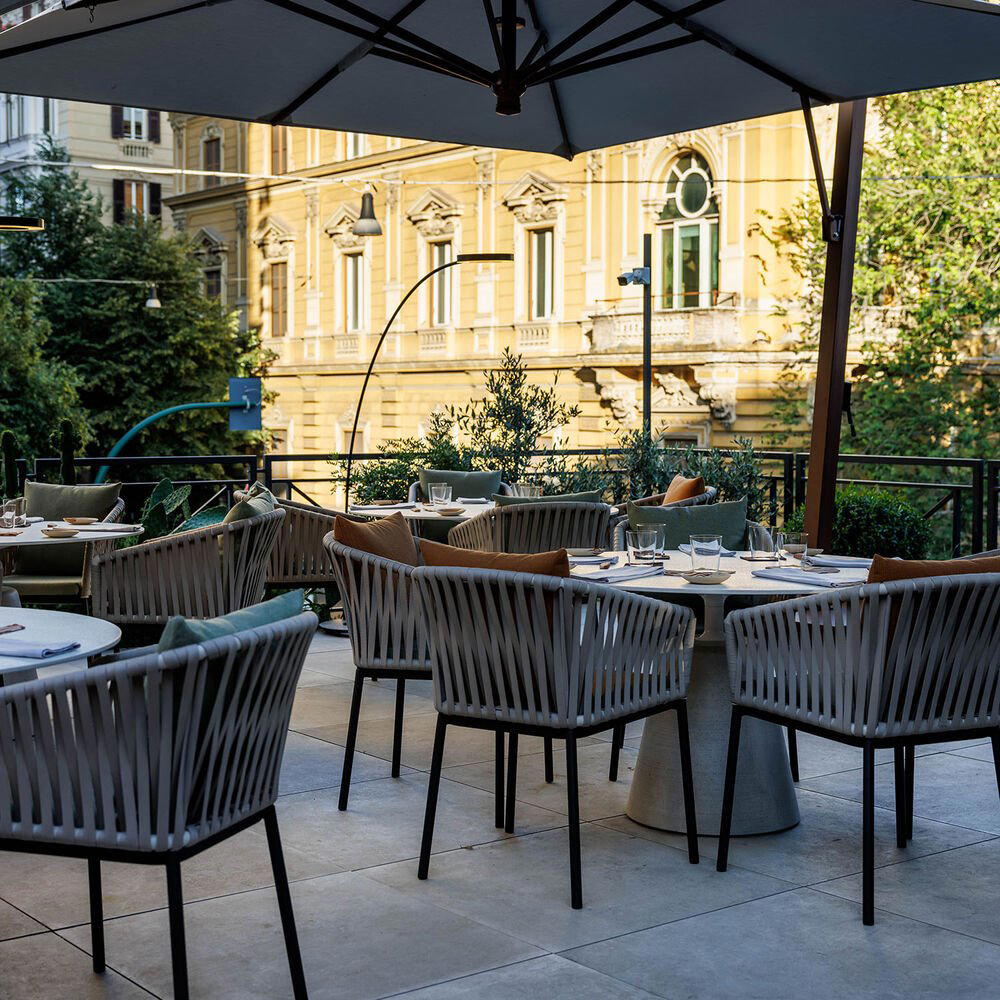
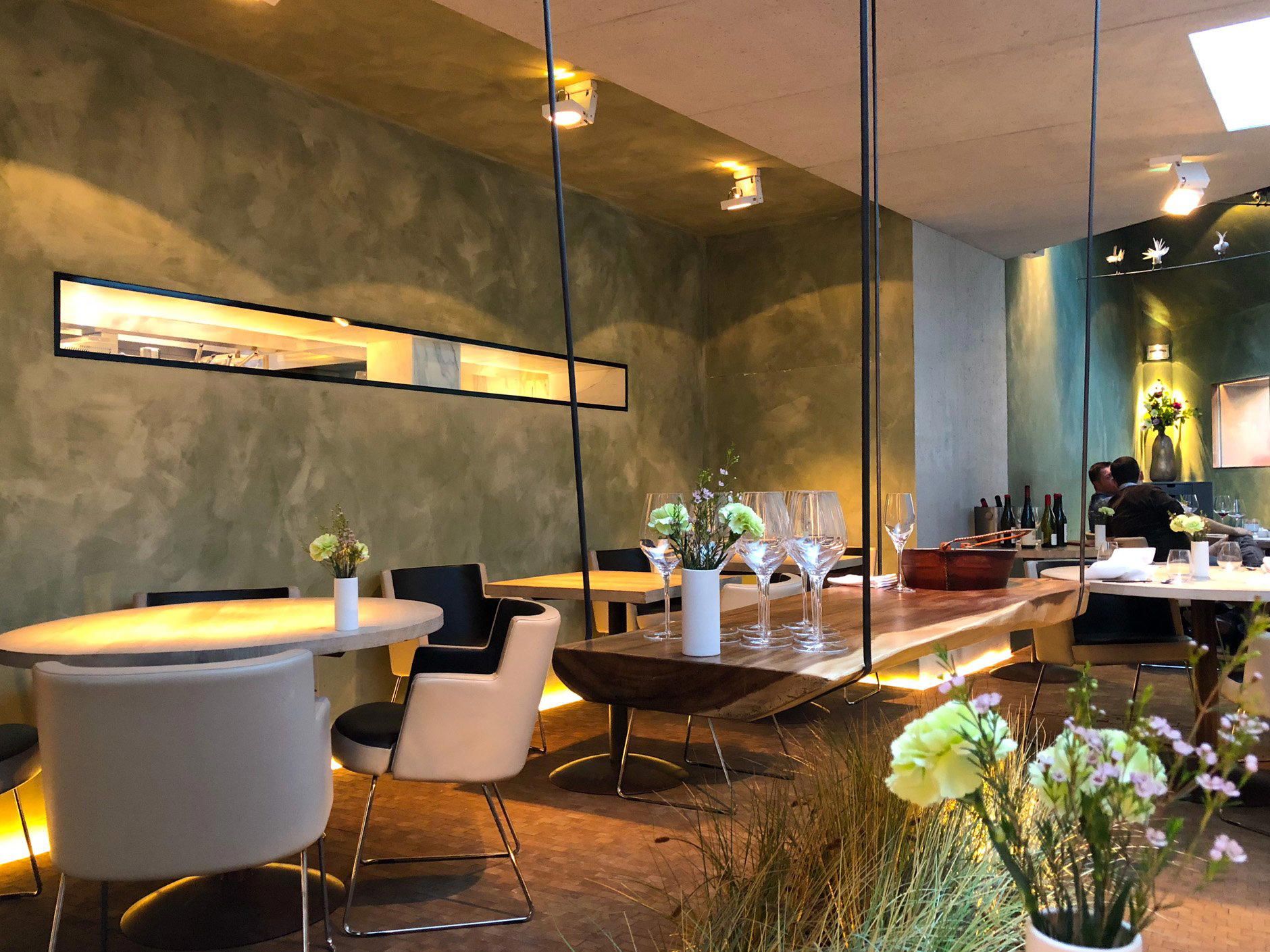
Warm southern interior with good acoustics; intimate terrace seating available for outdoor dining in pleasant weather.