Pepper Lunch serves Japanese Sizzling Steak in Dededo, Guam. Counter service and a quick-bite pace suit lunch or dinner, with Beef Pepper Rice and Classic Beef Pepper Rice Jumbo.
Pearl is the En Primeur Club membership app — saves, bookings, and concierge access live there. Same editors, same standards.
- Address
- Dededo GU 96929
- Directions
- Get directions
 Saves & bookings on Pearl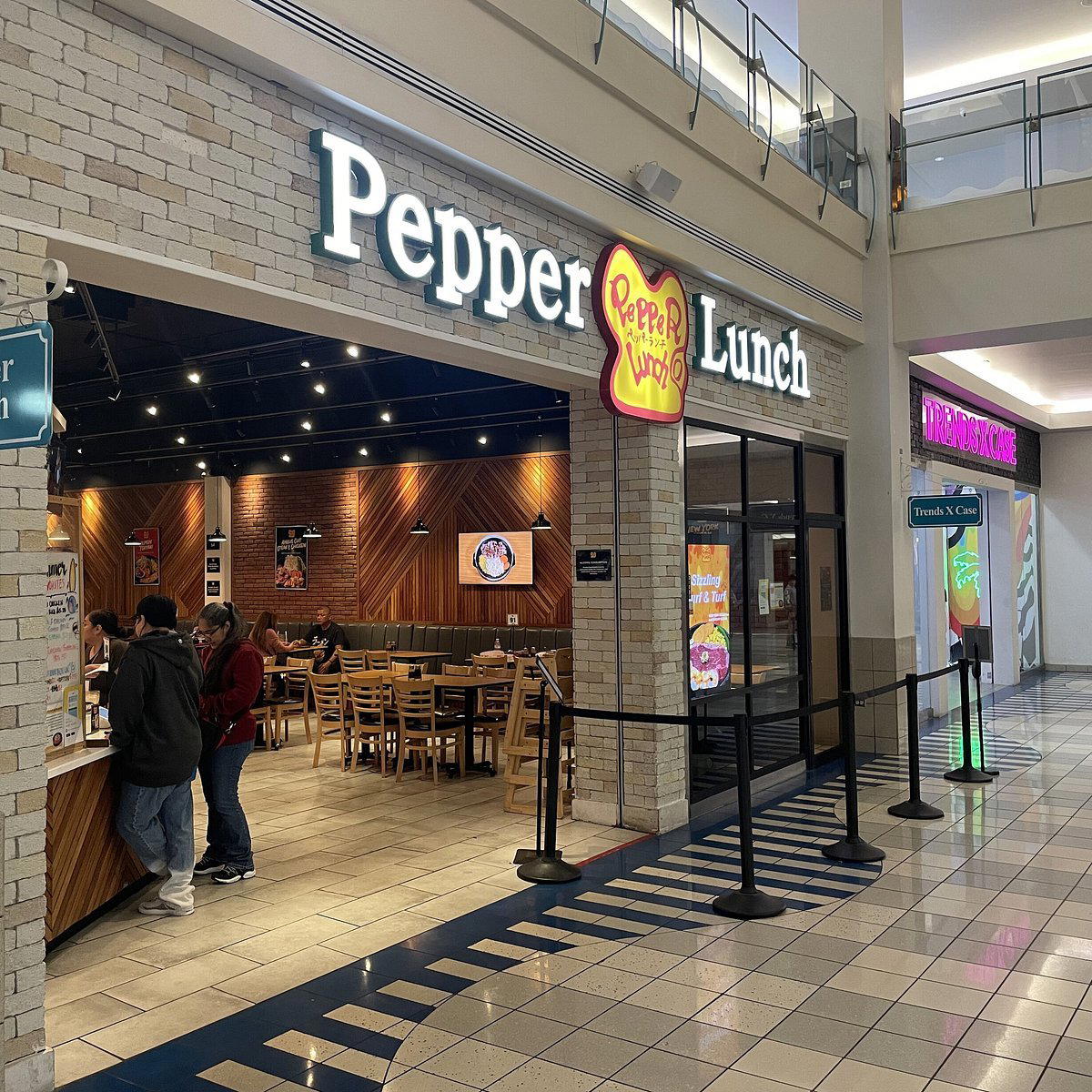
The DIY Sizzle Format That Travelled the Pacific
There is something instructive about the spread of Japanese fast-casual dining across Pacific Island communities. Guam, sitting at the crossroads of American, Japanese, and Chamorro culinary influence, has absorbed formats from all three directions, and the island's northern districts reflect that layering clearly. In Dededo, one of Guam's most densely populated municipalities, the dining strip runs the practical range: Korean barbecue, Filipino comfort plates, Japanese noodle houses. Pepper Lunch fits inside that mix as a representative of a format that originated in Japan and found consistent traction across Southeast Asia and the Pacific before arriving here.
The concept itself deserves a word before the specific location: Pepper Lunch is built around a superheated iron plate delivered to the table at temperatures high enough to finish cooking the protein in front of the diner. The format eliminates the gap between kitchen and table, placing the cooking's final stage in the diner's hands. That structure has proven durable across markets because it works equally well as a solo lunch and a casual group meal, and because the visual drama of the sizzling plate functions as its own form of entertainment without requiring theatre or ceremony.
Ingredient Logic in a Sizzle-Plate Format
The iron-plate format that defines Pepper Lunch globally is, at its core, an ingredient transparency mechanism. When the cooking happens at the table, there is nowhere for the protein to hide. The quality of the beef, the freshness of the corn, the fat content of the rice, all become immediately legible. Chains that have built their model around this format are therefore implicitly making a claim about their sourcing, because the diner will know within the first thirty seconds of receiving the plate whether the beef was worth ordering.
Across Pepper Lunch's broader network, the house approach to sourcing has leaned toward grain-fed beef, with the signature item in most markets being a thinly sliced beef plate served over white rice with a pat of seasoned butter and whole peppercorns. The diner stirs and portions at will, adjusting doneness by moving meat toward or away from the plate's centre. This is a format that rewards attentiveness, which makes it an interesting choice for Guam, where dining culture tends toward generous portions and a relaxed, unhurried pace.
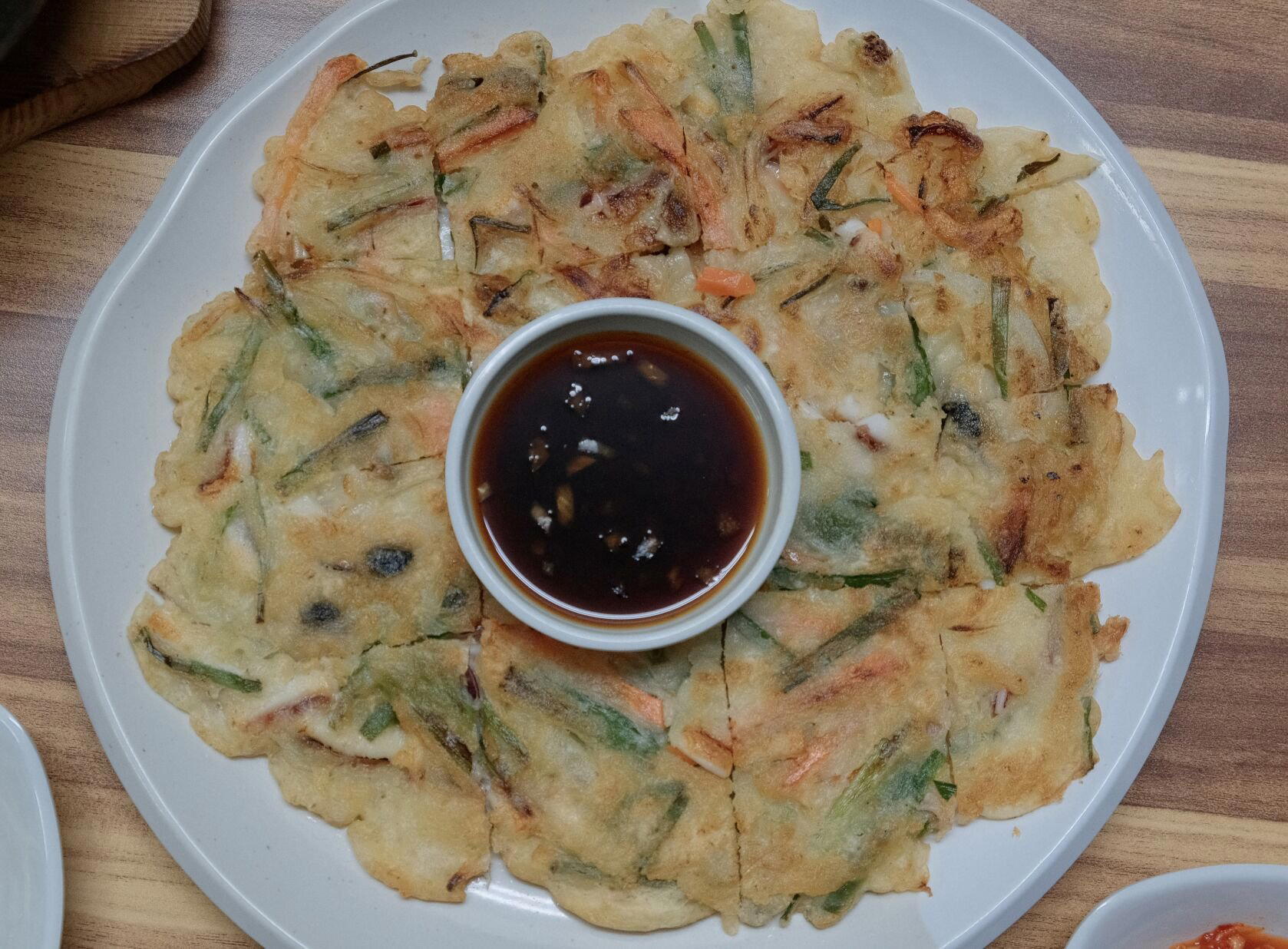
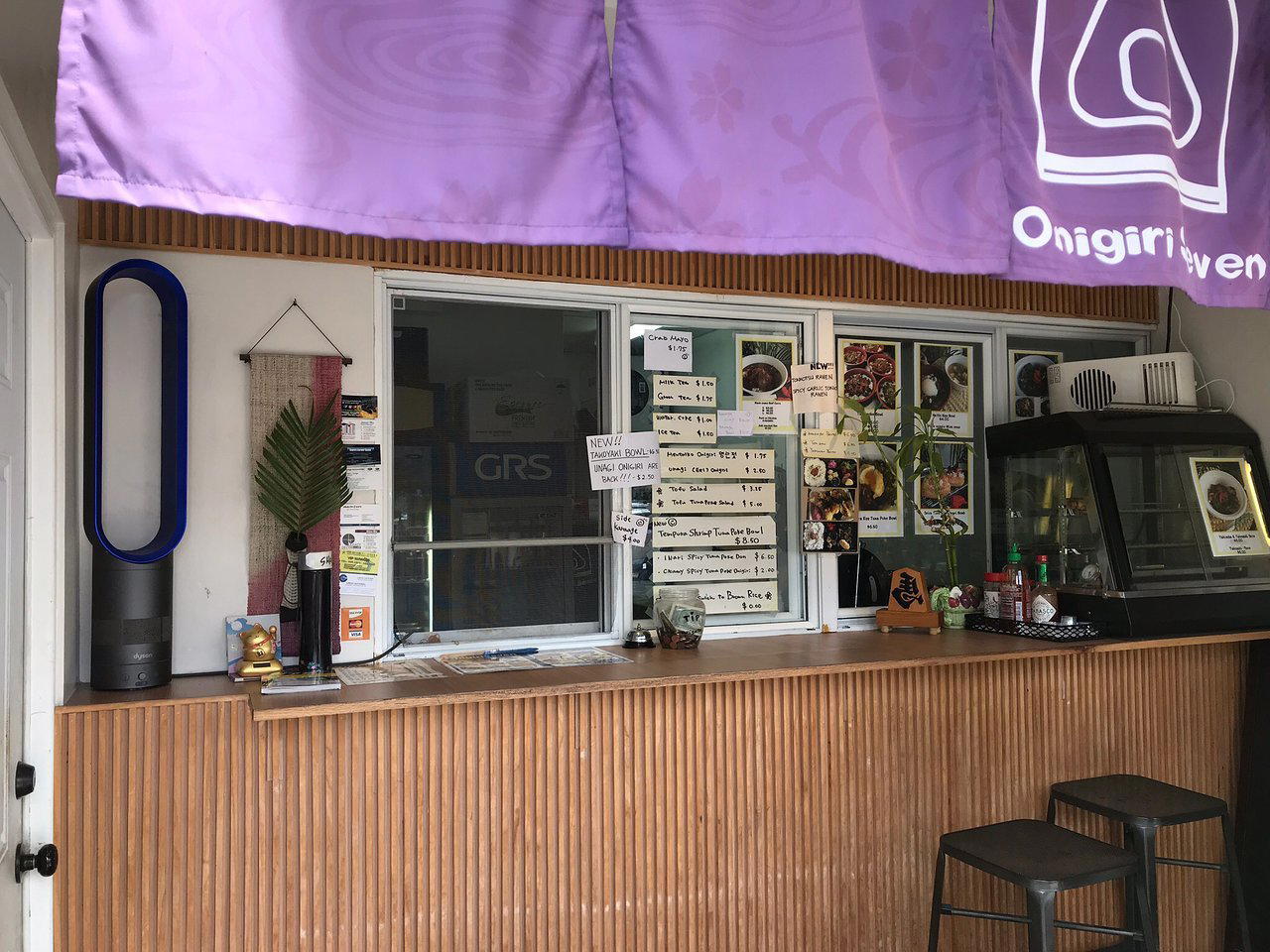
Dededo's position in Guam's northern corridor means the surrounding competition is a cross-section of the island's broader casual dining scene. Nearby, Jin Mi in Harmon occupies the Korean comfort tier, while L.A. Tofu & Galbi in Tamuning handles the tofu-and-galbi niche that travels well across Japanese-Korean dining crossovers. Onigiri Seven in Tumon addresses the grab-and-go rice ball segment. Pepper Lunch sits in a different tier, offering a sit-down format with a defined theatrical element that those alternatives do not replicate.
Who the Format Serves
The iron-plate sizzle format has historically skewed toward speed-conscious diners who still want a hot, composed meal rather than a sandwich or a bowl assembled from a counter. In Pacific markets, including Guam, that demographic includes families, workers on a lunch window, and younger diners drawn to the interactive element. The format is direct enough for children to participate in, with the caveat that the plate surface itself requires adult supervision at the table, which is a consistent feature of the Pepper Lunch experience globally.
For the family-dining category specifically, Guam's casual restaurant circuit has always competed on value and volume. Pepper Lunch, as a format, addresses both: the plates are generous, the concept requires no elaborate knowledge to enjoy, and the theatre of the sizzling iron holds attention across age groups. Compared to a full-service Korean barbecue experience, which demands more engagement and tends to run longer, Pepper Lunch operates at a tighter time scale that suits weekday dining.
For context on where Guam's more formal dining ambitions sit, venues like Coffee Club Guam in Barrigada represent a different register entirely, oriented toward café culture and brunch formats. The gap between that kind of venue and a sizzle-plate chain is wide, and both serve distinct purposes in an island dining scene that runs from roadside taco trucks to hotel restaurants serving Japanese resort tourism.
Situating Dededo in Guam's Dining Map
Dededo is not Tumon, Guam's concentrated resort and dining corridor, where hotel-group restaurants and tourist-facing menus set the tone. Dededo is a residential and commercial district, and its food scene reflects local priorities over visitor optics. The venues that perform well here are the ones that Guam residents return to regularly, not the ones that capture a tourist's first or last meal. That distinction matters when evaluating whether a chain format like Pepper Lunch is a relevant choice: in Dededo, the diner base is primarily local, and local repeat business in Guam tends to be loyal when the format delivers consistency.
The broader Guam casual dining scene, as seen across Dededo's northern corridor and the nearby municipalities, has absorbed a significant amount of Japanese and Korean fast-casual influence over the past two decades, a pattern that reflects both the island's historical ties to Japan via tourism and the sizeable Korean-American and Japanese-American population segments. For a fuller picture of how this dining mix plays out across the island, our full Dededo restaurants guide maps the options by neighbourhood and format.
For reference points far outside Guam's casual register, the editorial range of venues EP Club covers includes destinations like Alinea in Chicago, Arpège in Paris, Arzak in San Sebastián, Amber in Hong Kong, 8 1/2 Otto e Mezzo Bombana in Hong Kong, Alain Ducasse Louis XV in Monte Carlo, Alléno Paris au Pavillon Ledoyen, Aponiente in El Puerto de Santa María, Aqua in Wolfsburg, Le Bernardin in New York City, Atomix in New York City, Emeril's in New Orleans, and Lazy Bear in San Francisco. The contrast is instructive: those venues operate where sourcing provenance is documented on the menu and service architecture is a core part of the offer. Pepper Lunch's sourcing logic is implicit in its format rather than narrated at the table, which suits the price point and the audience it serves in Dededo.
Planning Your Visit
The chain globally operates on a walk-in basis without reservations, and that policy is consistent across the Pepper Lunch network in Pacific markets, so advance booking is not expected to be required. Lunch and early dinner tend to be the peak windows for this format across the region. Given the location in Dededo's commercial zone, street parking is the standard approach rather than structured valet or garage access. Visitors combining this stop with broader exploration of Guam's northern dining corridor would find the area compact enough to cover on foot between neighbouring blocks.
Comparison Snapshot
| Venue | Cuisine |
|---|---|
| Pepper LunchThis venue — the venue you are viewing | This venue |
Continue exploring
More in Dededo
At a Glance
- Lively
- Modern
- Casual Hangout
- Family
- Open Kitchen
Casual mall atmosphere with the lively sizzle of hot plates and energetic cooking sounds.
Know Before You Go
- Getting there
- Dededo GU 96929