Jin Mi sits in Harmon, Tamuning, within the layered Korean-influenced dining corridor that has developed across Guam's northern villages.
Pearl is the En Primeur Club membership app — saves, bookings, and concierge access live there. Same editors, same standards.
- Address
- Harmon Tamuning
- Directions
- Get directions
 Saves & bookings on Pearl
Where Guam's Korean Dining Corridor Meets the Pacific Table
Harmon and the adjacent Tamuning district form the densest concentration of Korean-influenced restaurants on Guam, a pattern that reflects the island's decades-long demographic and tourism ties with South Korea. Dining here operates differently from the resort strip in Tumon: the format tends toward communal, the pace is unhurried, and the sourcing logic leans on what the western Pacific actually provides rather than what a mainland supply chain can ship in. Jin Mi sits inside that corridor, at an address in Harmon Tamuning that places it among neighbours running the full range of East and Southeast Asian cuisines. For context on how the broader area eats, our full Harmon restaurants guide maps the key players across cuisine types and price tiers.
The Ingredient Argument at the Pacific's Edge
The most interesting editorial question around a Korean restaurant on Guam is not whether the cooking matches Seoul benchmarks — it rarely does in a diaspora context, and that framing misses the point entirely. Guam's retail and restaurant supply chains run through a relatively small network of distributors, and freight costs from the continental United States or South Korea compound quickly. Restaurants that manage this well tend to do one of two things: they absorb the cost and charge accordingly, or they adapt the menu to weight local and regional Pacific ingredients more heavily, keeping the Korean flavour architecture while shifting the protein and produce sourcing toward what the island can actually produce or receive cost-effectively from nearby markets. Neither approach is inherently superior, but they imply different value propositions for the diner.
This sourcing reality shapes the character of Guam's Korean dining scene in ways that have no real parallel in a city like New York, where Atomix can access both premium Korean imports and hyper-local American producers simultaneously, or in Hong Kong, where Amber operates within one of the most sophisticated ingredient supply networks in Asia. On Guam, the supply chain is the editorial. What a kitchen chooses to import, what it substitutes, and what it leans into from regional Pacific availability tells you more about its identity than any menu description.
The Harmon Setting and What It Signals
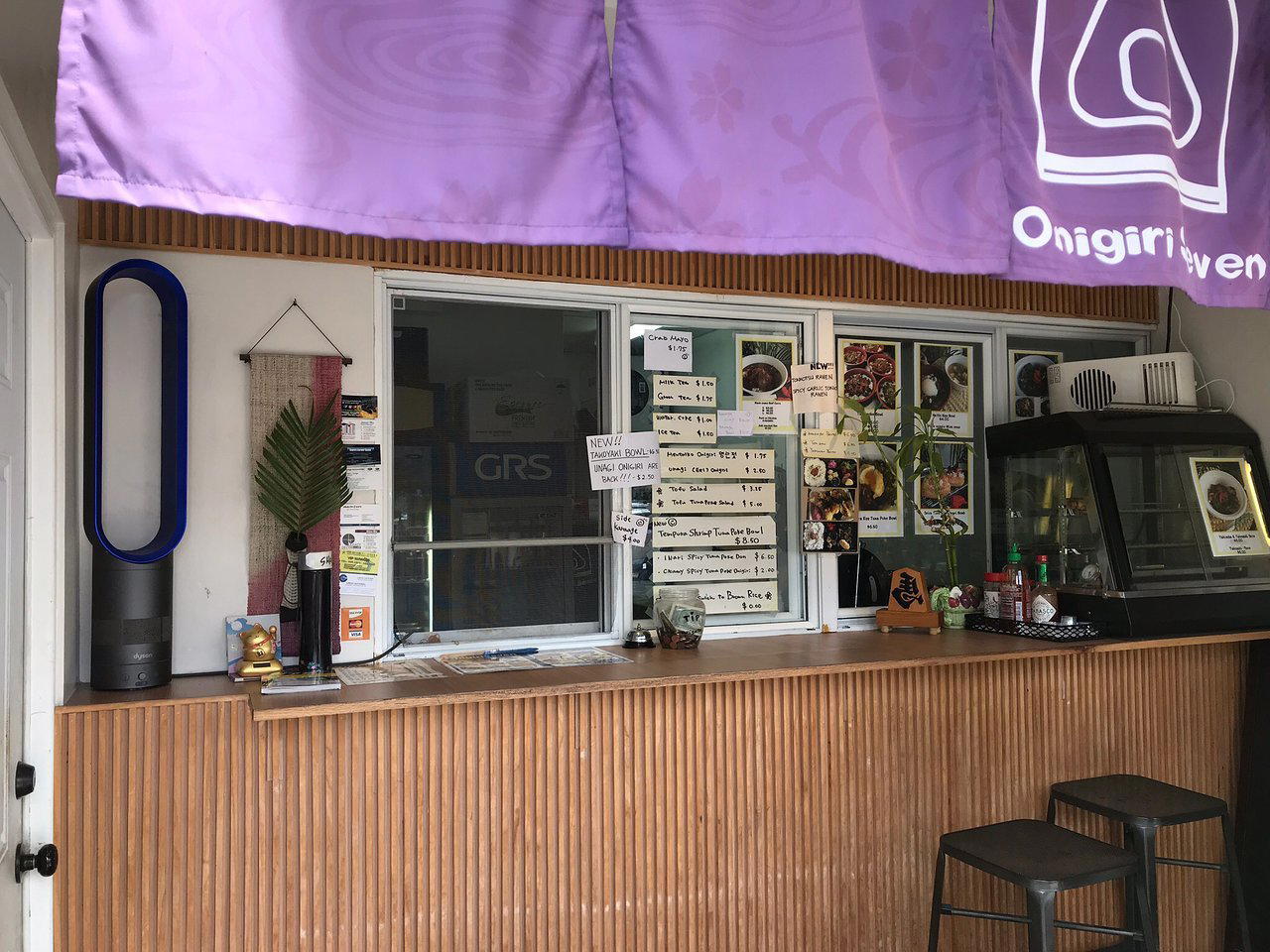
Harmon's dining character differs from Tumon's tourist-facing restaurant row. The Tumon strip, where venues like Onigiri Seven serve a heavily Japanese-visitor market, operates on a different economic logic than the Harmon corridor, which draws more from Guam's resident population and the Korean visitor segment that tends to stay and eat outside the main resort zone. That residential orientation typically produces a different relationship between kitchen and customer: regulars set the quality bar through repeated visits, seasonal shifts in what's available become apparent to the diner base, and price sensitivity is calibrated to local income levels rather than resort-area tourism margins.
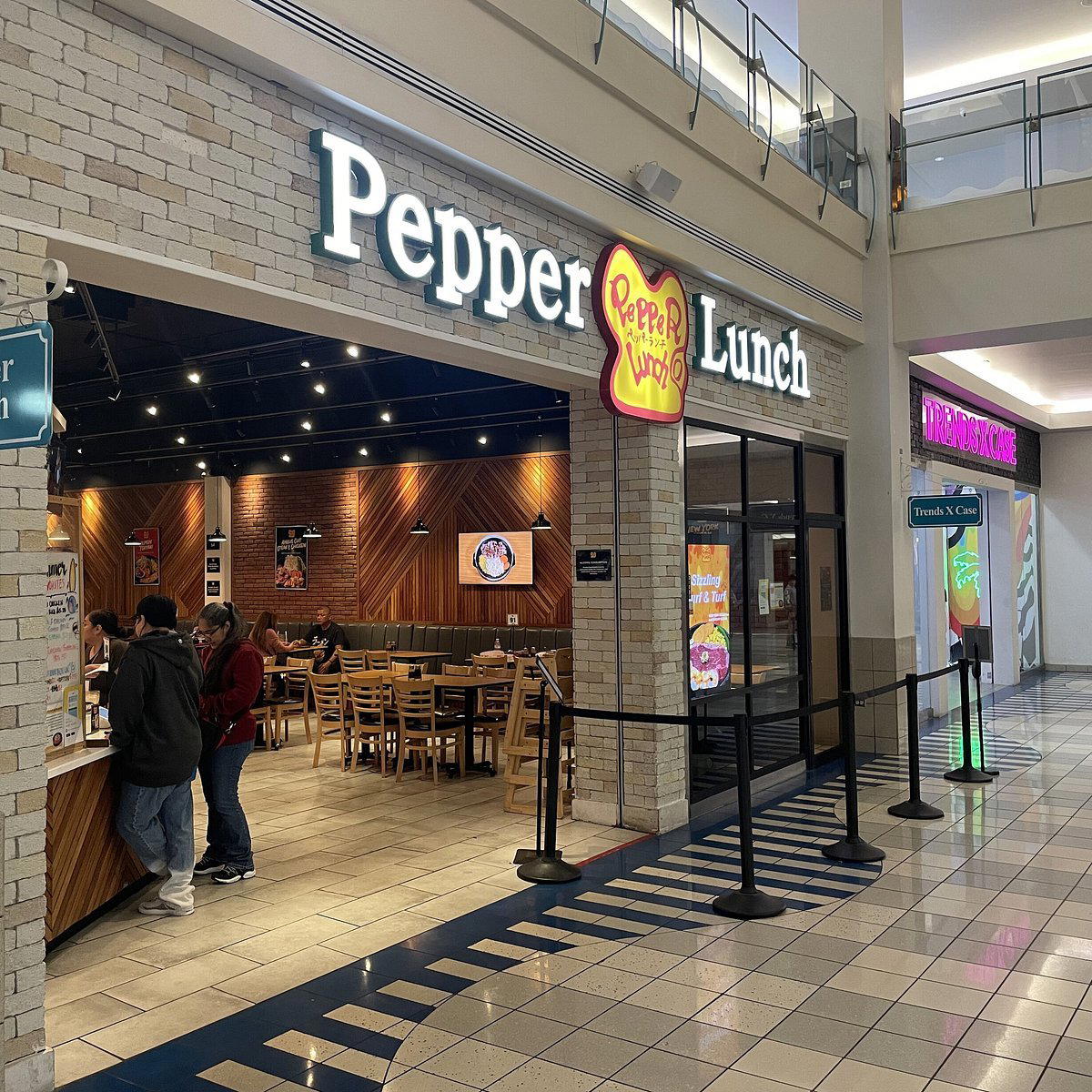
The northern village dining belt — running through Harmon, Tamuning, and into Dededo, where venues like Pepper Lunch serve a fast-casual format, is where Guam's everyday restaurant culture is most legible. It is less photogenic than Tumon and more honest about what Pacific island dining actually is: practical, community-oriented, and shaped by the logistics of a remote island economy.
Korean Cuisine in the Pacific Context
Korean food has expanded globally through a combination of fermentation-forward flavours, high-heat grilling formats, and banchan culture, the small shared plates that frame a meal and signal generosity and hospitality simultaneously. On Guam, that tradition meets a local dining culture shaped by Chamorro foodways, Japanese influence from the tourism economy, and a Filipino-American community that represents a significant share of the island's population. The result, across the Harmon Korean dining corridor, is a scene that has absorbed multiple culinary reference points without fully resolving them into a single hybrid identity. That ambiguity is not a weakness; it is what makes eating across the island's northern villages genuinely interesting compared to a more culturally homogeneous dining scene.
The comparison set for a Harmon Korean restaurant is not Le Bernardin in New York or Arzak in San Sebastián or even the focused tasting formats of Lazy Bear in San Francisco. Those venues operate in urban markets with deep ingredient ecosystems and a critic infrastructure that rewards innovation. The relevant comparison is the broader category of diaspora Korean restaurants in Pacific and Southeast Asian markets: how do kitchens maintain culinary integrity when the supply chain is expensive and the diner base is mixed? The answer varies by kitchen, and it is the answer worth paying attention to.
Planning a Visit
Jin Mi is located in Harmon Tamuning, accessible by car from the Tumon resort corridor in a short drive north along Route 1 or the connecting Harmon Loop Road. Guam does not have a public transit system that makes cross-village dining practical for visitors without rental vehicles, so arranging transport in advance is worth factoring into any plan. For visitors spending time in Barrigada, Coffee Club Guam provides a useful daytime anchor before an evening dinner further north. Korean restaurants in the Harmon area generally operate lunch and dinner services, with the dinner hour drawing a more local residential crowd. Contact details and current hours were not available at time of publication; confirming hours directly before visiting is the practical approach on an island where independent restaurants adjust schedules seasonally and around local holidays.
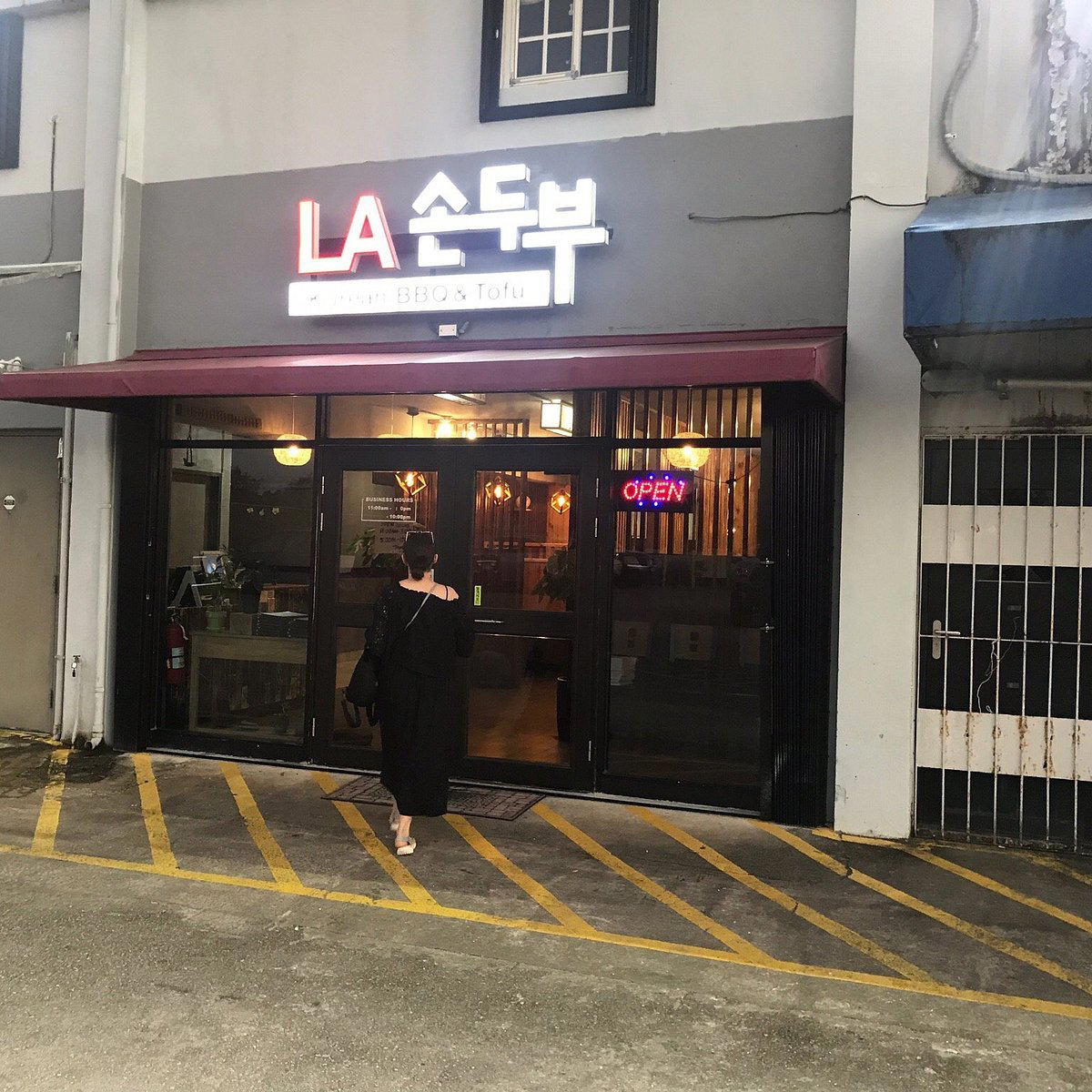
For Korean dining comparison across Guam's northern restaurant belt, L.A. Tofu & Galbi in Tamuning provides a useful reference point in the same district, with a menu built explicitly around the tofu stew and galbi formats that anchor Korean-American comfort dining.
| Venue | Cuisine |
|---|---|
| Jin MiThis venue — the venue you are viewing | This venue |
Continue exploring
More in Harmon
At a Glance
- Group Dining
- Casual Hangout
Casual no-frills atmosphere focused on food rather than decor
Know Before You Go
- Getting there
- Harmon Tamuning