Men Kui Noodle House serves Japanese ramen in Tamuning, with Chashu Men, Special Negi Ramen, and Miso Tantan Ramen fitting lunch or dinner plans.
Pearl is the En Primeur Club membership app — saves, bookings, and concierge access live there. Same editors, same standards.
- Address
- Tamuning Tamuning
- Directions
- Get directions
 Saves & bookings on Pearl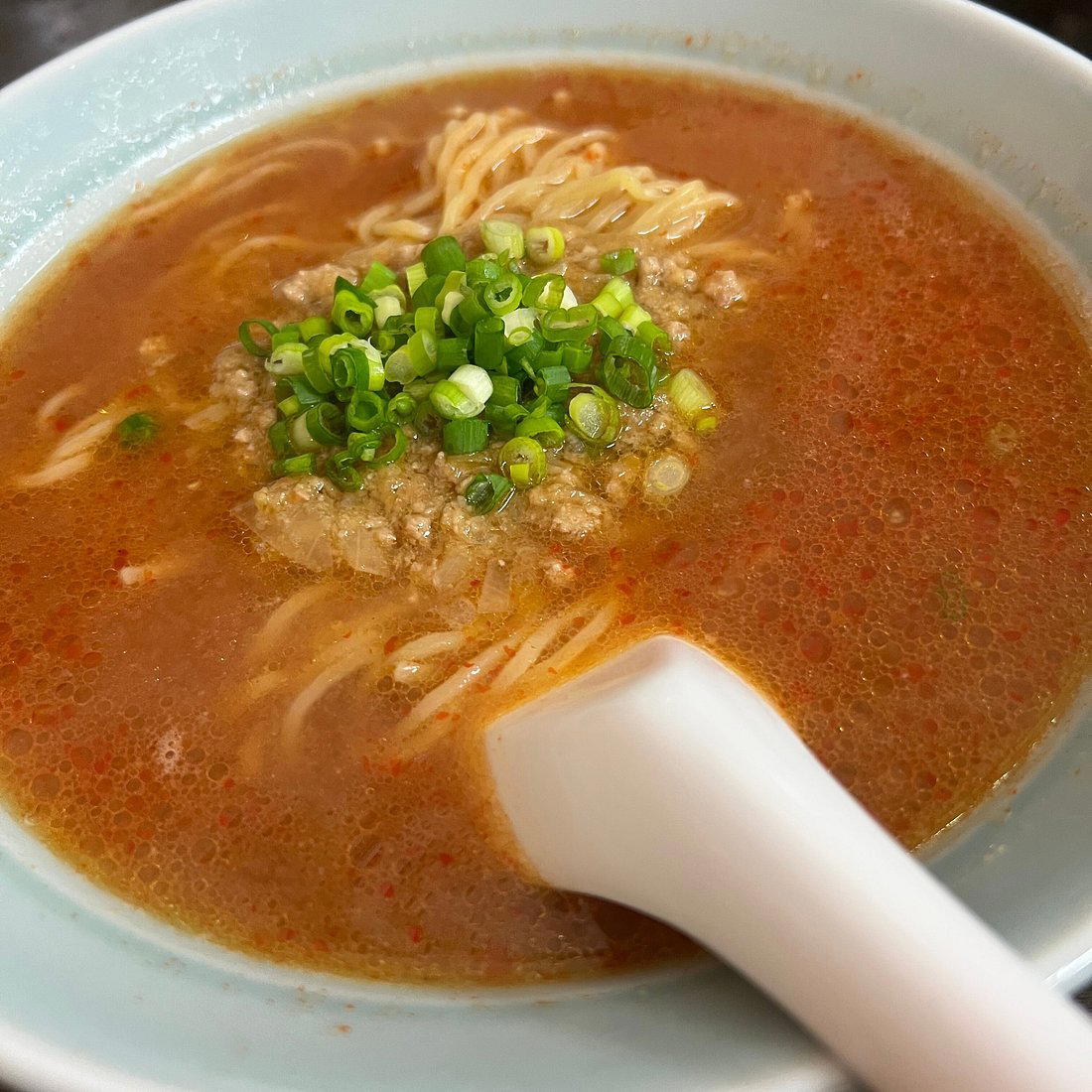
Noodle Culture in the Pacific: What Guam's Tamuning District Tells You
Tamuning sits at the commercial and cultural crossroads of Guam, a district where the island's layered identity, shaped by Chamorro tradition, Japanese influence, Korean migration, and American administrative history, expresses itself most legibly through its restaurants. The neighborhood's dining strip pulls together a range of Asian cuisines that reflects Guam's position as a genuine Pacific intersection rather than a resort monoculture. Within that context, noodle-focused houses occupy a particular role: they are the daily-frequency venues that locals return to repeatedly, the places where the practical rhythm of eating in a place reveals more about its food culture than any special-occasion restaurant could. Men Kui Noodle House operates in that register, in Tamuning, as part of a broader pattern of Japanese-influenced noodle dining that has found consistent footing on the island.
The Cultural Weight of Ramen and Noodle Traditions in a Pacific Context
To understand a noodle house in Guam, it helps to understand what ramen and its related traditions mean in the Pacific more broadly. Japan's postwar economic and cultural presence across Micronesia left culinary imprints that persist decades later. In Guam specifically, the volume of Japanese tourism through the 1980s and 1990s, combined with a resident Japanese-American community, created sustained demand for Japanese food formats, noodles included. Ramen in this context is not a trend import, as it has been in certain American mainland cities. It is part of the established texture of the island's food culture, sitting alongside Chamorro staples and Korean barbecue as a dietary constant rather than a novelty.
This matters when placing a venue like Men Kui Noodle House. Within that local competition, a noodle house earns its standing through consistency, broth character, and whether the room functions as a genuine neighborhood anchor.
Tamuning's Asian Dining Corridor: Where Men Kui Sits
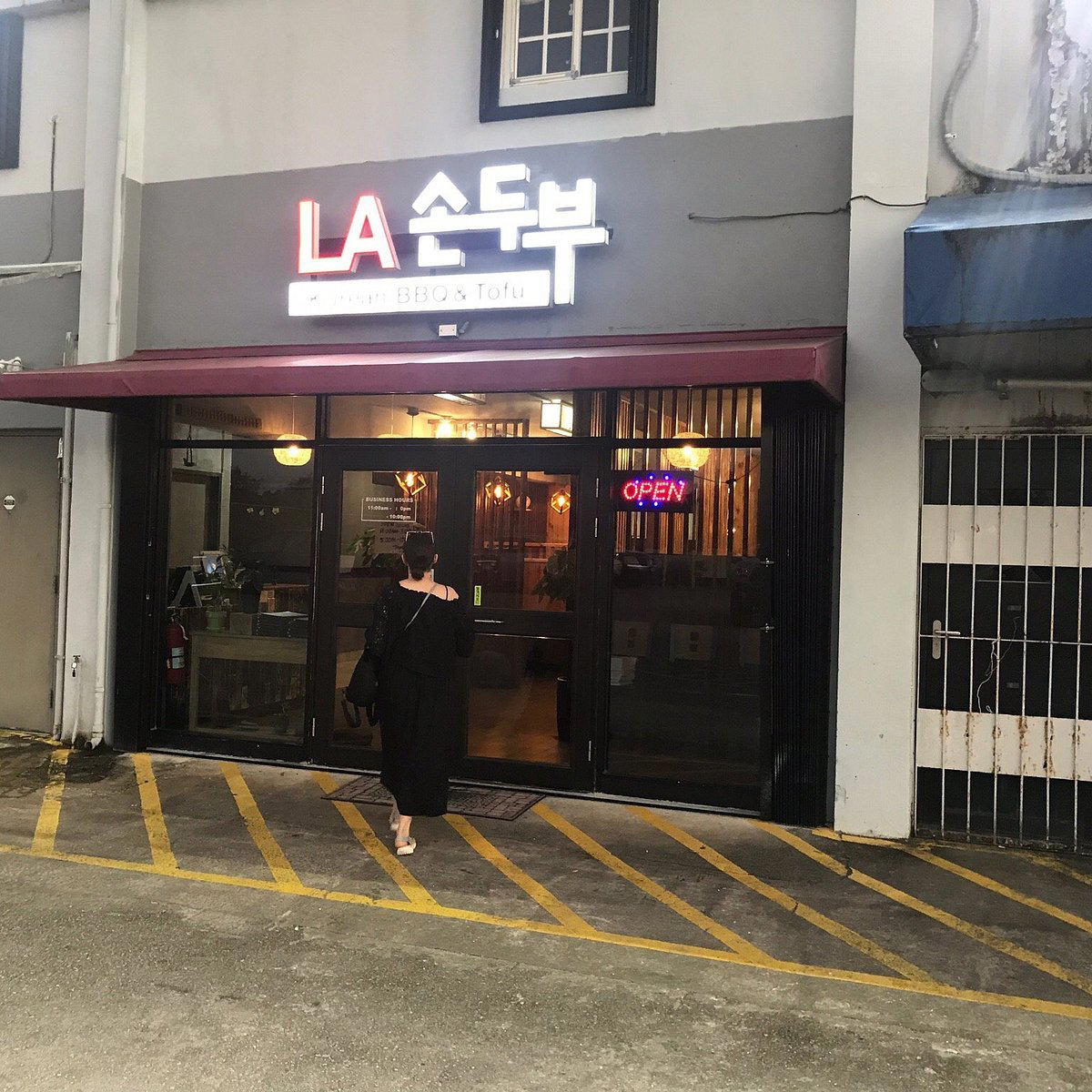
Tamuning's restaurant density is higher than any other district on the island, and its Asian food options span a range that would be creditable in a much larger city. Thai, Korean, Japanese, and pan-Asian formats all have representation here. Cham's Thai Cuisine covers the Southeast Asian register; Tokyo Mart anchors Japanese retail and prepared food; L.A. Tofu & Galbi draws Korean-American comfort diners. Men Kui operates in the noodle-specific tier of this ecosystem, a category that does not require large footprints or elaborate service formats to function well. The format itself, a focused menu built around broth and noodle combinations with limited table-service overhead, is efficient by design, which is one reason noodle houses sustain themselves in mid-market dining environments across the Pacific Rim.
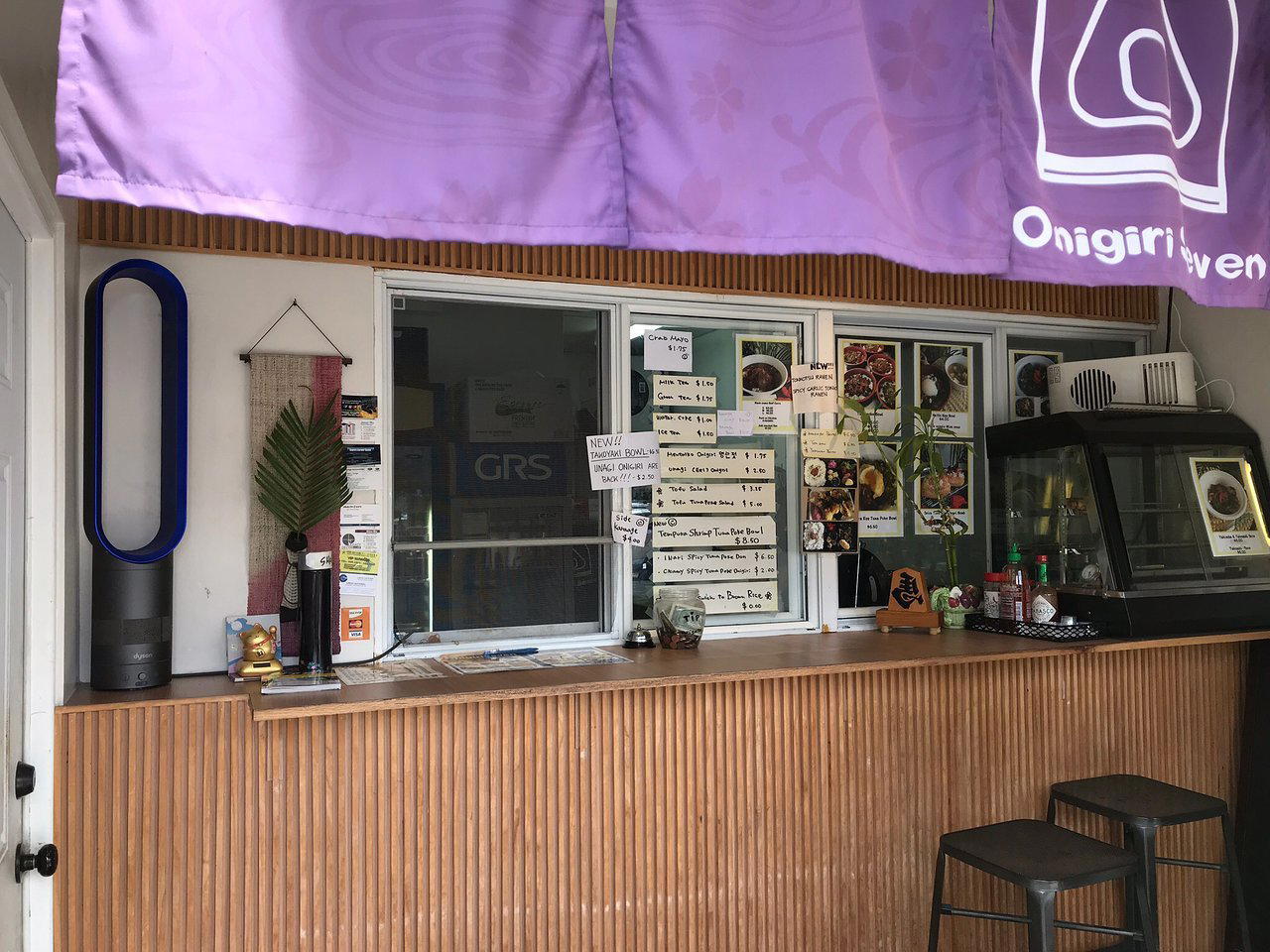
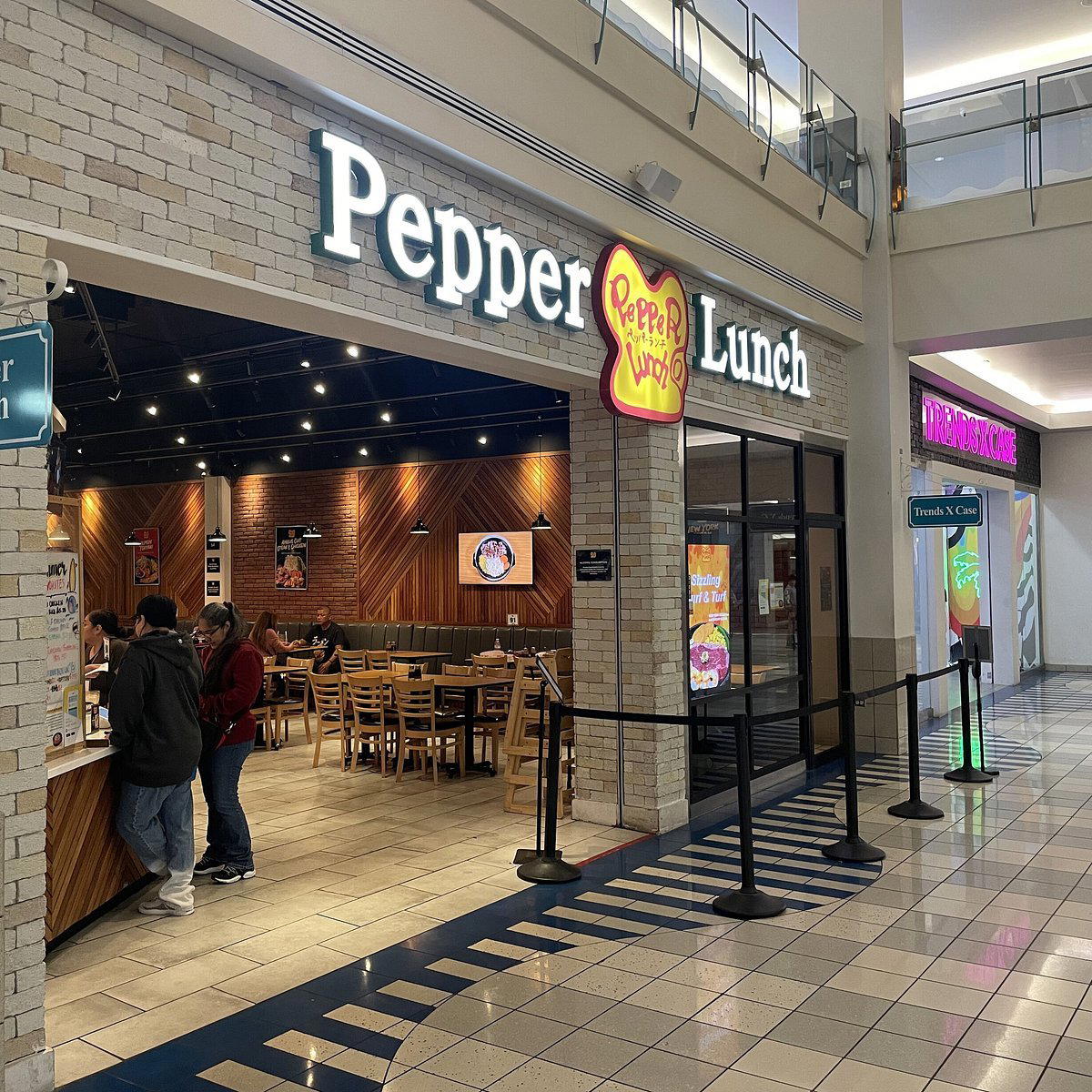
For travelers moving between Guam's districts, the surrounding area offers useful reference points. Jin Mi in Harmon covers Korean cuisine nearby, Onigiri Seven in Tumon represents the lighter Japanese snack format, and Pepper Lunch in Dededo anchors quick Japanese-style hot plate dining further north. Coffee Club Guam in Barrigada rounds out the broader island picture for those planning a multi-neighborhood itinerary. Men Kui occupies a distinct niche within this geography: specifically focused, noodle-led, and positioned for repeat local visits rather than destination dining.
What the Noodle Format Demands, and What It Rewards
The discipline of a good noodle house is underappreciated in markets where tasting menus and chef-driven concepts draw most critical attention. At venues like Le Bernardin in New York City, Atomix in New York City, or Alinea in Chicago, the entire experience is engineered around a single visit of extended duration. A noodle house operates on a completely different logic: the product must be consistent enough to sustain multiple visits per week from the same customers, delivered within a time window that fits a lunch break or a quick dinner before other plans. That is a different kind of culinary rigor, not lesser, but different. Compared to the longer-occasion dining at Emeril's in New Orleans, Lazy Bear in San Francisco, or Alain Ducasse at Louis XV in Monte Carlo, a noodle house answers a different question entirely: not what is possible in a single exceptional meal, but what sustains a community's daily eating life.
In Asian food cities, the noodle shop often functions as the most revealing indicator of a neighborhood's culinary health. The same principle applies in Tamuning, where the density and quality of quick-format Asian dining reflects the resident population's expectations as much as the tourist market's. Men Kui's presence in that landscape speaks to sustained local demand for this format on the island.
Planning a Visit: What to Know Before You Go
Venue-specific booking details, operating hours, and pricing for Men Kui Noodle House are not publicly confirmed in available databases at the time of writing, and travelers should verify current hours and access directly before visiting. As a general pattern across Tamuning's casual noodle and quick-service venues, walk-in dining is the norm rather than the exception, and the format typically suits solo diners, couples, and small groups equally well. The district is accessible by car, and parking in the commercial Tamuning corridor is generally available, though midday service periods at popular lunch spots can see brief waits. For anyone building a wider Guam dining itinerary that extends beyond the island, the reference tier for comparison sits at venues like 8 1/2 Otto e Mezzo Bombana in Hong Kong, Alléno Paris au Pavillon Ledoyen, or Amber in Hong Kong at the far end of the formality spectrum. Men Kui sits at the opposite end of that scale, where informality and focus are the relevant values.
Budget Reality Check
Comparable venues nearby, for context on price, style, and recognition.
| Venue | Cuisine | Price |
|---|---|---|
| Men Kui Noodle HouseThis venue — the venue you are viewing | Tamuning, Japanese Ramen | $$ |
| Tokyo Mart | Tamuning, Japanese Bento Boxes | $ |
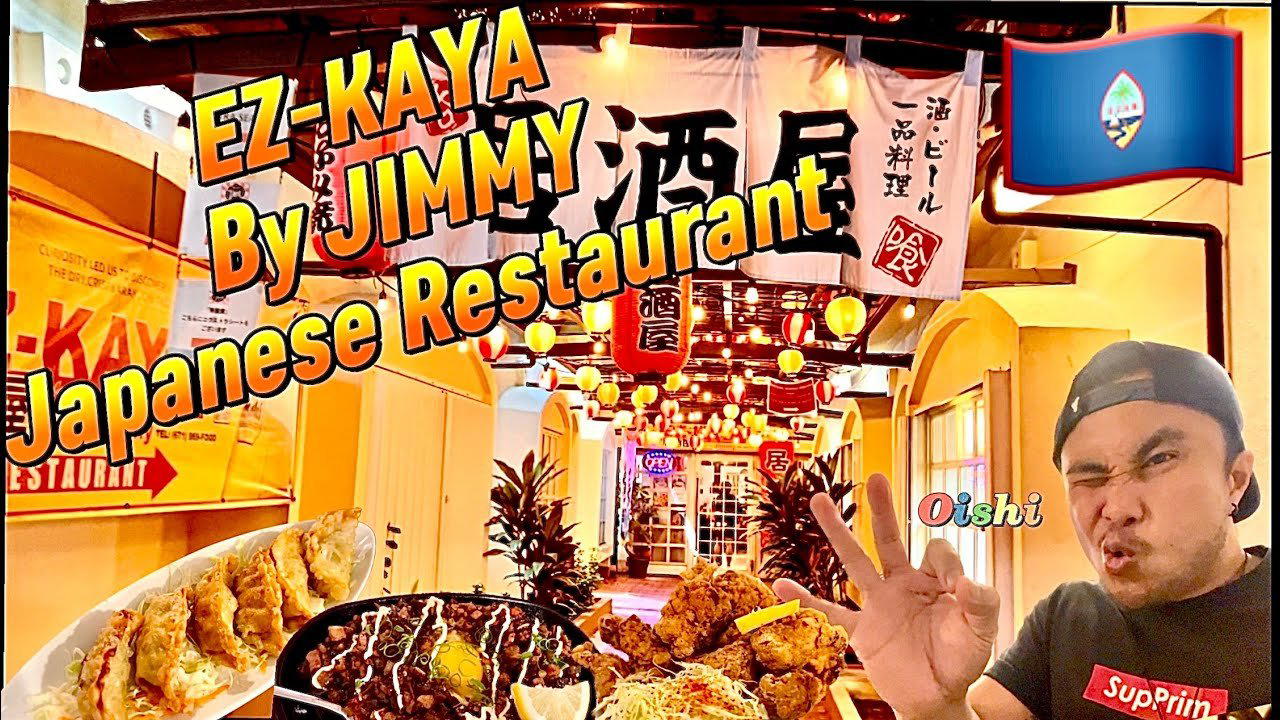
| Ez-Kaya By Jimmy | Tumon, Japanese Izakaya Fusion | $$ |
| L.A. Tofu & Galbi | Tamuning, Korean BBQ & Tofu House | $$ |
| Cham’s Thai Cuisine | Tamuning, Authentic Thai Cuisine | $$ |
| Onigiri Seven | Tumon, Japanese Take-Out Stand | $ |
Continue exploring
More in Tamuning
At a Glance
- Cozy
- Casual Hangout
Casual spot focused on hearty ramen bowls, evoking a comforting noodle house atmosphere.
Know Before You Go
- Getting there
- Tamuning Tamuning