Our verdict
L.A. Tofu & Galbi brings Korean comfort cooking to Tamuning's Chalan San Antonio corridor, where tofu stews and grilled short ribs define a category of everyday dining that Guam's Korean community has sustained for decades. The address in the Villo Trust Building places it within reach of the island's main commercial strip, making it a practical reference point for anyone mapping Korean food across the island.

Pearl is the En Primeur Club membership app, where members save venues, book tables and use the concierge.
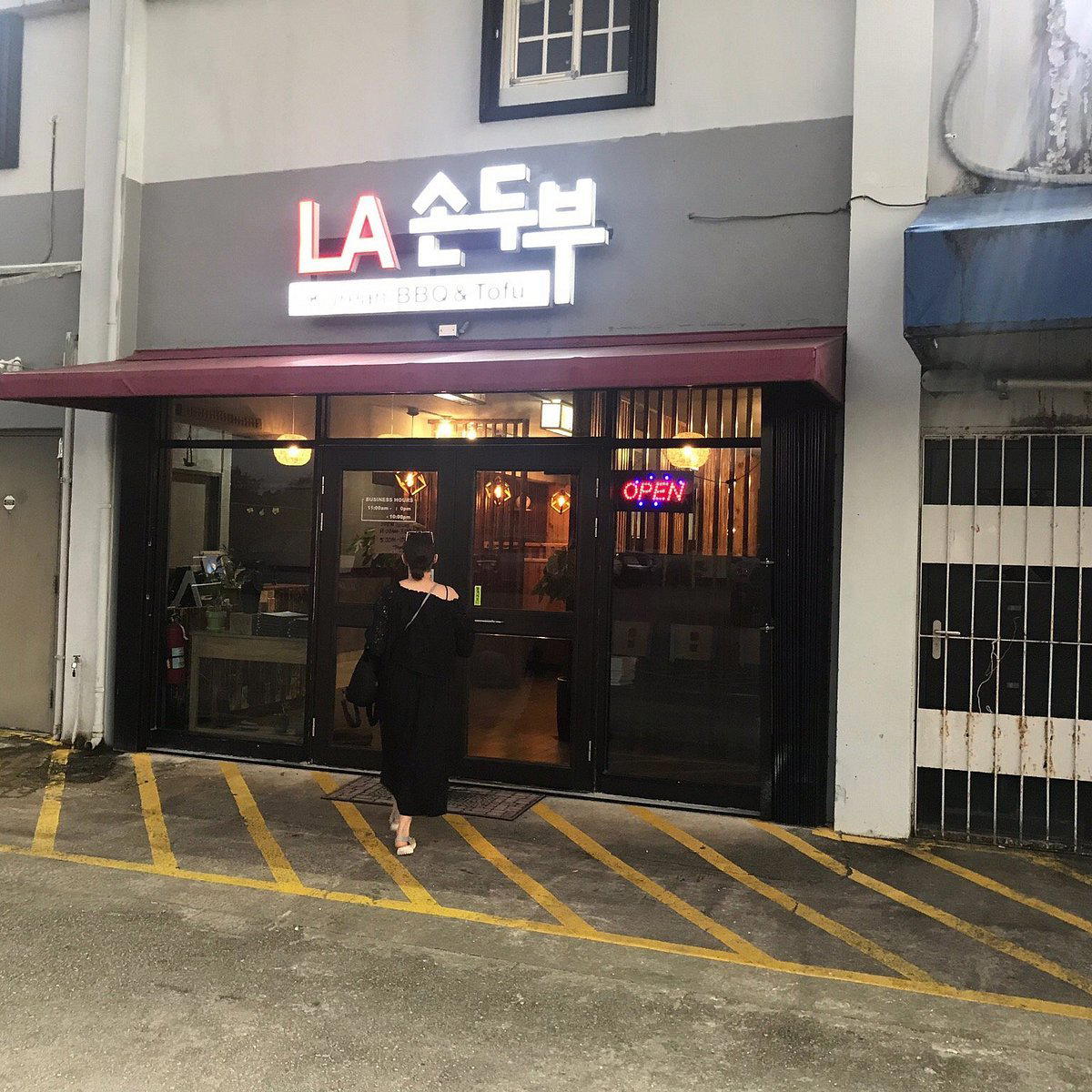
Korean Comfort Cooking on Chalan San Antonio
Tamuning's main commercial corridor, Chalan San Antonio, reads like a cross-section of Guam's food culture: Japanese ramen shops, Southeast Asian canteens, and Korean kitchens occupy the same blocks, each serving a different slice of the island's layered immigrant food history. L.A. Tofu & Galbi sits inside the Villo Trust Building at number 378, contributing to a stretch of dining that rewards walking rather than destination-targeting. The Korean segment of this strip has always been driven less by fine-dining ambition and more by the kind of cooking that sustains a community, soft tofu stews finished at the table, galbi cut to a familiar thickness, banchan that arrives without being ordered.
That model of cooking, centered on soybean-based dishes and grilled short ribs, carries a specific sourcing logic. Dubu, or Korean tofu, has historically been produced fresh and locally wherever Korean populations settled, because the texture window between freshly pressed and refrigerated tofu is narrow and consequential. The name itself signals a menu built around two load-bearing pillars: the tofu formats common to sundubu jjigae and doenjang-based preparations, and the galbi tradition that Korean barbecue culture exported globally from Los Angeles in the 1970s and 1980s before it became a worldwide phenomenon. The L.A. in the name almost certainly references that lineage, the LA-style galbi cut, in which flanken-style short ribs are sliced thinly across the bone, allows faster marinade penetration and a shorter grill time than the traditional Korean thick-cut version.
The Sourcing Logic Behind Tofu and Galbi
Guam's position in the Western Pacific shapes how its Korean restaurants source differently from their counterparts on the US mainland. Supply chains running through Honolulu and Tokyo converge on the island, meaning that Korean pantry staples, gochugaru, doenjang, ganjang, often arrive via Japanese wholesale infrastructure rather than the Korean-American distribution networks that mainland restaurants depend on. This gives Guam's Korean kitchens a subtly different pantry reality, one that intersects with the island's own fermentation traditions and the Japanese food culture that has shaped local tastes for generations.
Soft tofu, the ingredient that anchors one half of L.A. Tofu & Galbi's menu identity, is among the more logistically demanding proteins in Korean cooking. Unlike firm tofu, which tolerates handling and transport, silken and soft varieties are structurally fragile and degrade quickly. Restaurants that commit to soft tofu formats as a menu centerpiece are making an implicit sourcing commitment, the dish only works if the base ingredient is handled carefully through the supply chain. In the context of an island like Guam, that's a more deliberate operational choice than it might appear on the mainland.
The galbi side of the equation has its own sourcing dimension. Beef short ribs require a reliable supply of a specific primal cut, and in a market as geographically isolated as Guam, consistency of supply matters more than it does in a city with multiple daily wholesale deliveries. Korean restaurants on the island that maintain galbi on their menus are generally operating with a degree of supply-chain discipline that keeps them closer to the commodity end of the beef market.
Where This Fits in Tamuning's Korean Dining Pattern
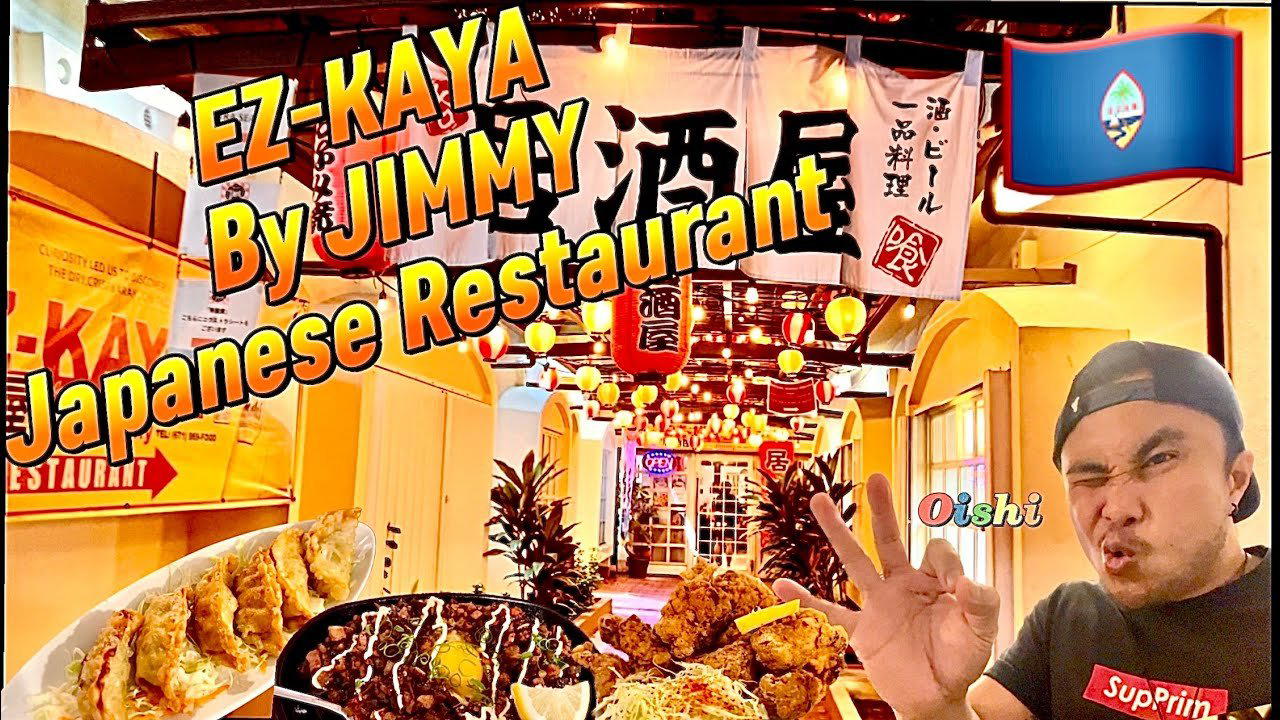
Tamuning's Korean food scene doesn't map neatly onto the concentrated Koreatown model that defines Korean dining in Los Angeles or New York. Instead, Korean restaurants distribute themselves across the island's main commercial zones, with Tamuning carrying a higher density than most other villages. The Chalan San Antonio address puts L.A. Tofu & Galbi in proximity to a cluster of Asian-focused dining options that includes Cham's Thai Cuisine, Ez-Kaya By Jimmy, Men Kui Noodle House, and Tokyo Mart, forming an informal circuit for anyone working through the neighborhood's range.
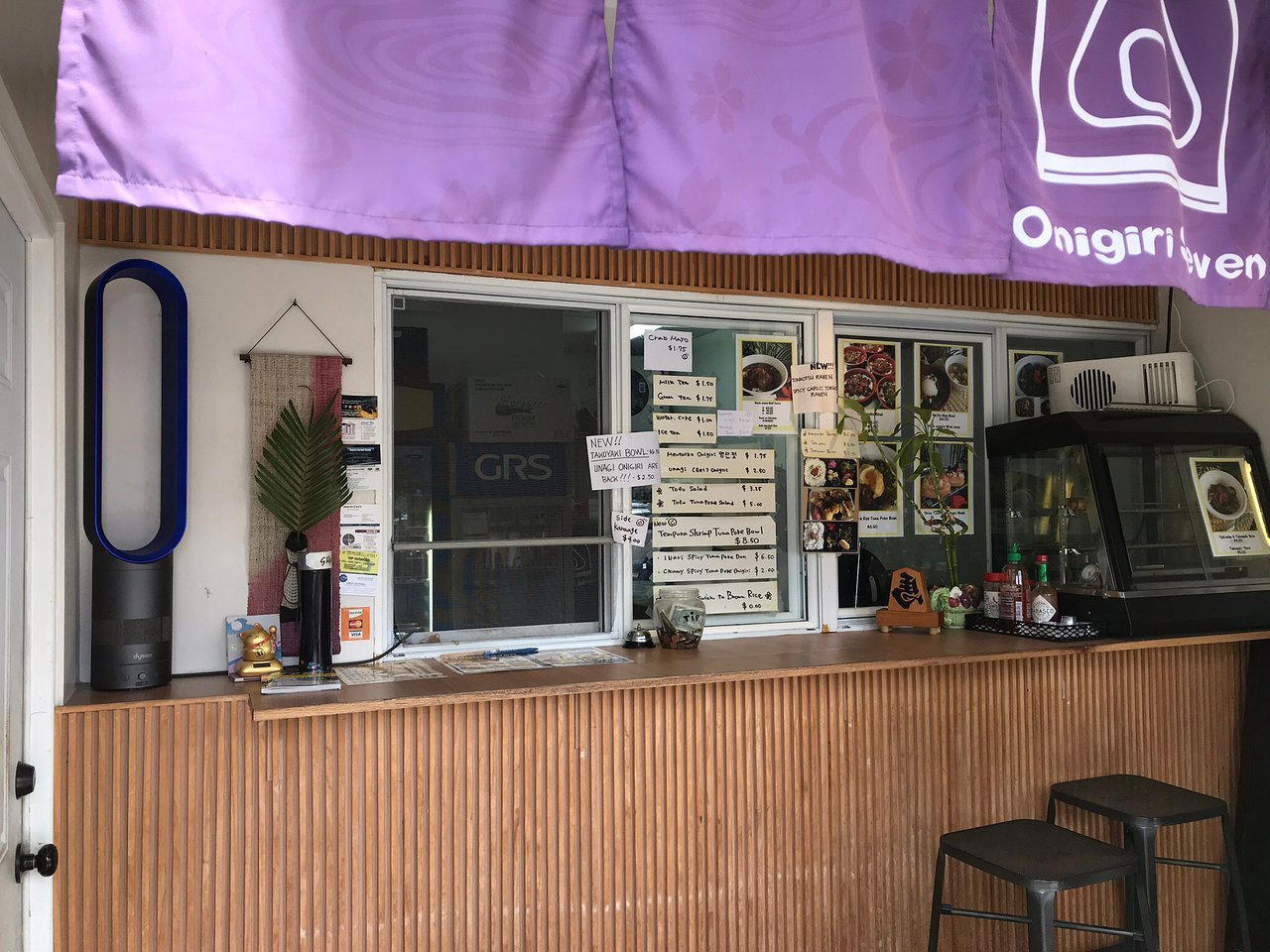
For Korean dining elsewhere on the island, Jin Mi in Harmon covers a comparable comfort-cooking register in a different village, while the broader picture of casual Asian dining across Guam includes options like Onigiri Seven in Tumon and Pepper Lunch in Dededo. Anyone building a more complete itinerary can consult our full Tamuning restaurants guide or cross-reference with Coffee Club Guam in Barrigada for a different register entirely.
At the opposite end of the formality spectrum, the same week that includes L.A. Tofu & Galbi might be bracketed by visits to Atomix in New York City, which operates at the apex of contemporary Korean fine dining, or Le Bernardin in New York City for a counterpoint in classical French seafood. The contrast is useful: it clarifies exactly what category L.A. Tofu & Galbi occupies, everyday Korean cooking executed with the consistency that defines neighborhood institutions rather than destination restaurants. Other reference points at the high end of the global dining spectrum include Alain Ducasse at Louis XV in Monte Carlo, Alinea in Chicago, Alléno Paris au Pavillon Ledoyen in Paris, Amber in Hong Kong, 8 1/2 Otto e Mezzo Bombana in Hong Kong, Emeril's in New Orleans, and Lazy Bear in San Francisco, all operating in a different tier and serving a different purpose, but useful context for where neighborhood Korean dining sits in the broader hierarchy of food experiences.
Planning Your Visit
L.A. Tofu & Galbi is located at 378 Chalan San Antonio inside the Villo Trust Building in Tamuning. The Chalan San Antonio corridor is accessible by car from most of Tamuning's main hotel zone in under ten minutes, and street-level parking is generally available along the building's approach.
Frequently asked questions
Can I bring kids to L.A. Tofu & Galbi?
The format at 378 Chalan San Antonio suits family dining. Korean comfort staples like tofu stew and galbi tend to be crowd-friendly across age groups, and the Villo Trust Building location on Tamuning's main commercial strip is accessible rather than formal. No booking system is listed, so walk-in timing during off-peak hours is the practical move with younger children.
What's the overall feel of L.A. Tofu & Galbi?
This is a neighbourhood Korean spot on Tamuning's busiest commercial corridor, not a destination restaurant built around atmosphere. The Villo Trust Building address puts it squarely in everyday-errand territory, which sets the tone: functional, unfussy, and oriented around the food rather than the room. Expect the kind of place where regulars show up for a reliable bowl of sundubu, not a curated dining experience.
How does L.A. Tofu & Galbi compare to Korean restaurants on the US mainland?
Guam's position in the Western Pacific means Korean restaurants here operate outside the concentrated Koreatown supply chains found in Los Angeles or New York. Sourcing runs through regional distributors serving the island, which can affect ingredient availability and menu range compared to mainland counterparts. L.A. Tofu & Galbi on Chalan San Antonio in Tamuning sits within a dispersed Korean dining pattern rather than a dense ethnic enclave, making it representative of how Korean cuisine adapts to Pacific island logistics.
What's the must-try dish at L.A. Tofu & Galbi?
The name itself signals the answer: tofu stew and galbi are the twin anchors of the menu. In Korean comfort-food restaurants of this type, soft tofu jjigae is typically available in multiple spice levels, while galbi, braised or grilled short rib, represents the heartier end of the order. Without a published menu on file, confirming current preparations is best done by calling ahead or visiting the Tamuning location directly.
How do I find L.A. Tofu & Galbi?
L.A. Tofu & Galbi is located at 378 Chalan San Antonio, Villo Trust Bldg, Tamuning, Guam, Tamuning.
Comparable Spots, Quickly
Comparable venues nearby, for context on price, style, and recognition.
| Venue | Cuisine | Price | Notes |
|---|---|---|---|
| L.A. Tofu & GalbiThis venue (the venue you are viewing) | Korean BBQ & Tofu House | Not listed | Not listed |
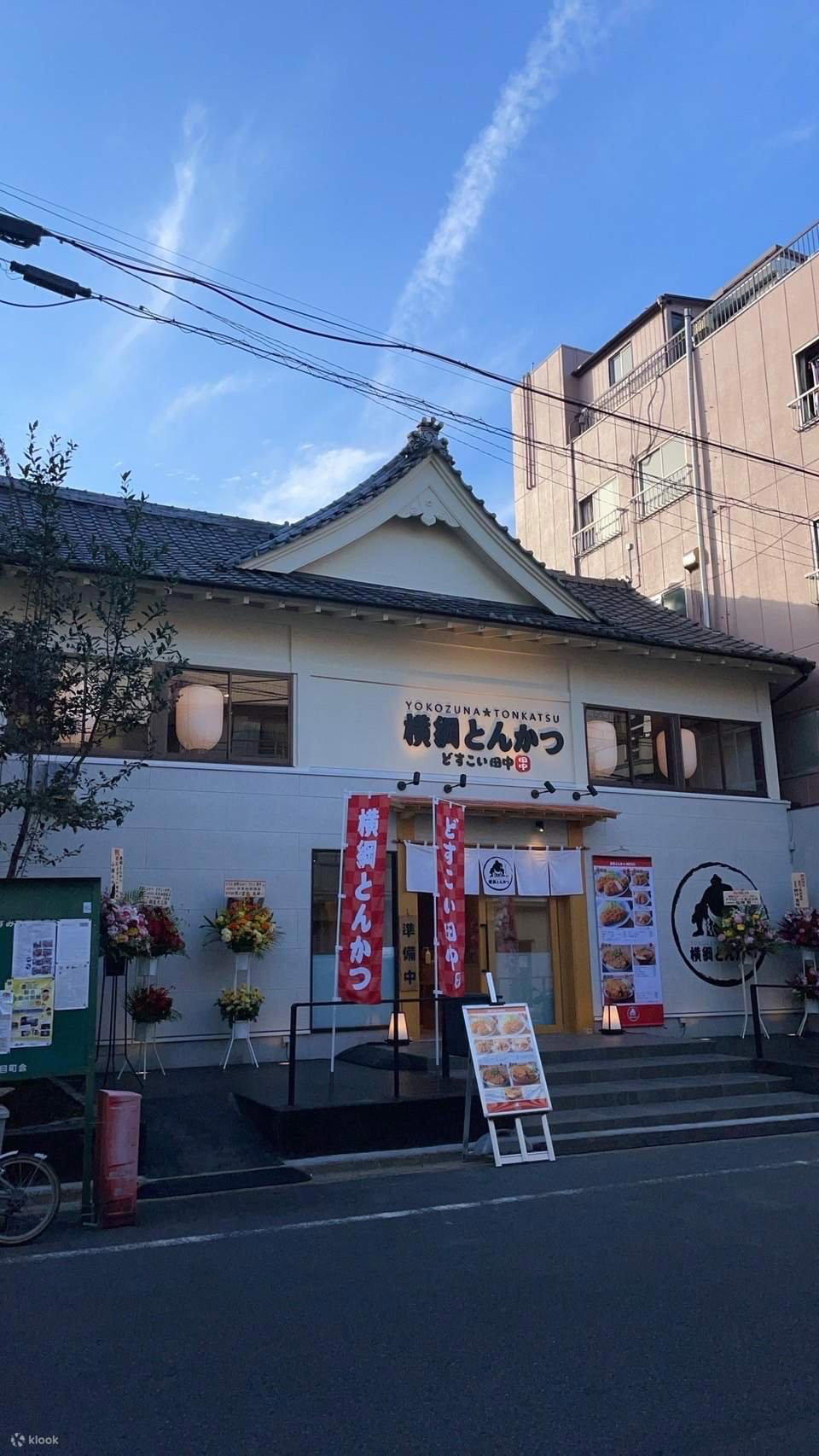
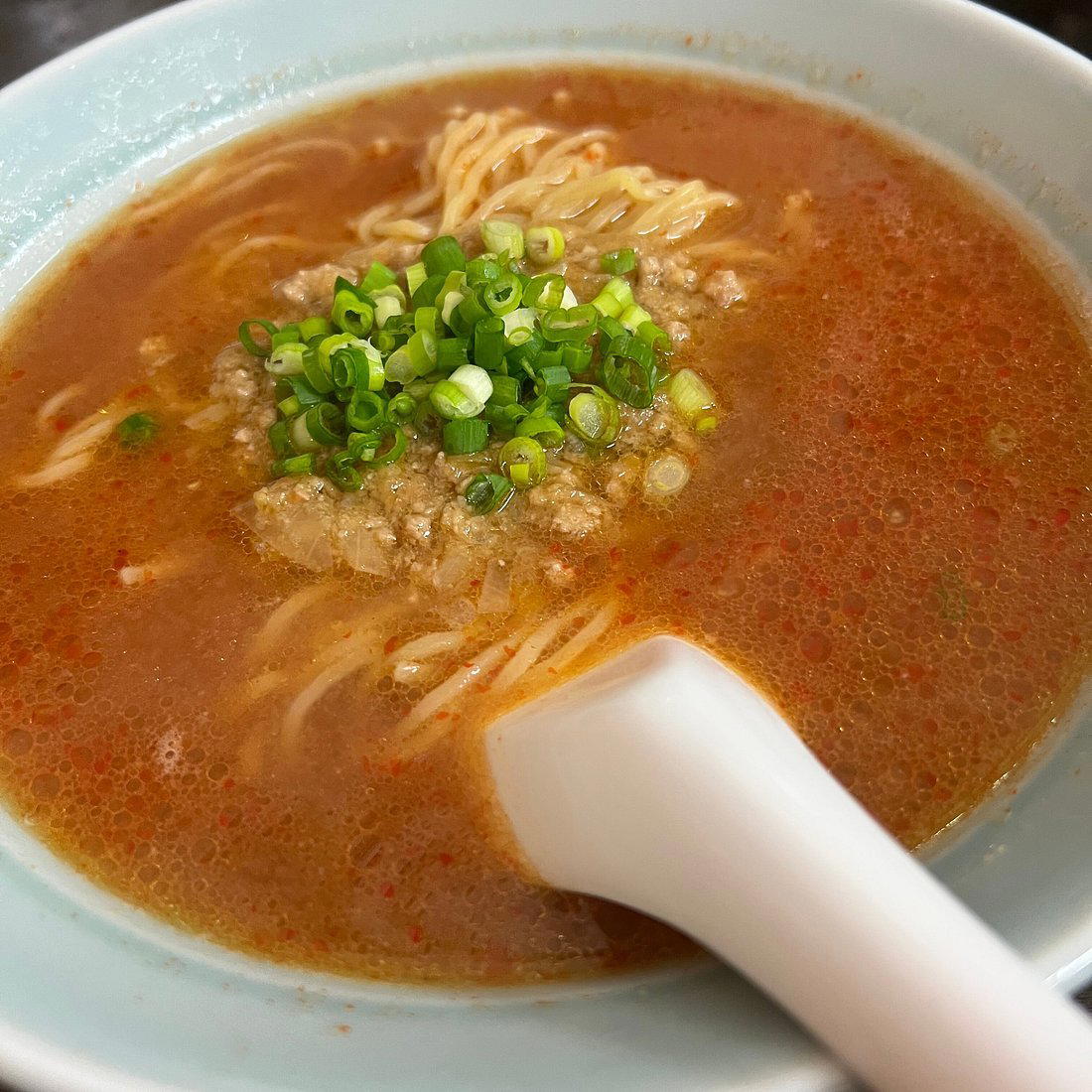
| Men Kui Noodle House | Japanese Ramen | $10–20 | Tamuning |
| Tokyo Mart | Japanese Bento Boxes | $1–10 | Tamuning |
| Ez-Kaya By Jimmy | Japanese Izakaya Fusion | $20–30 | Tumon |
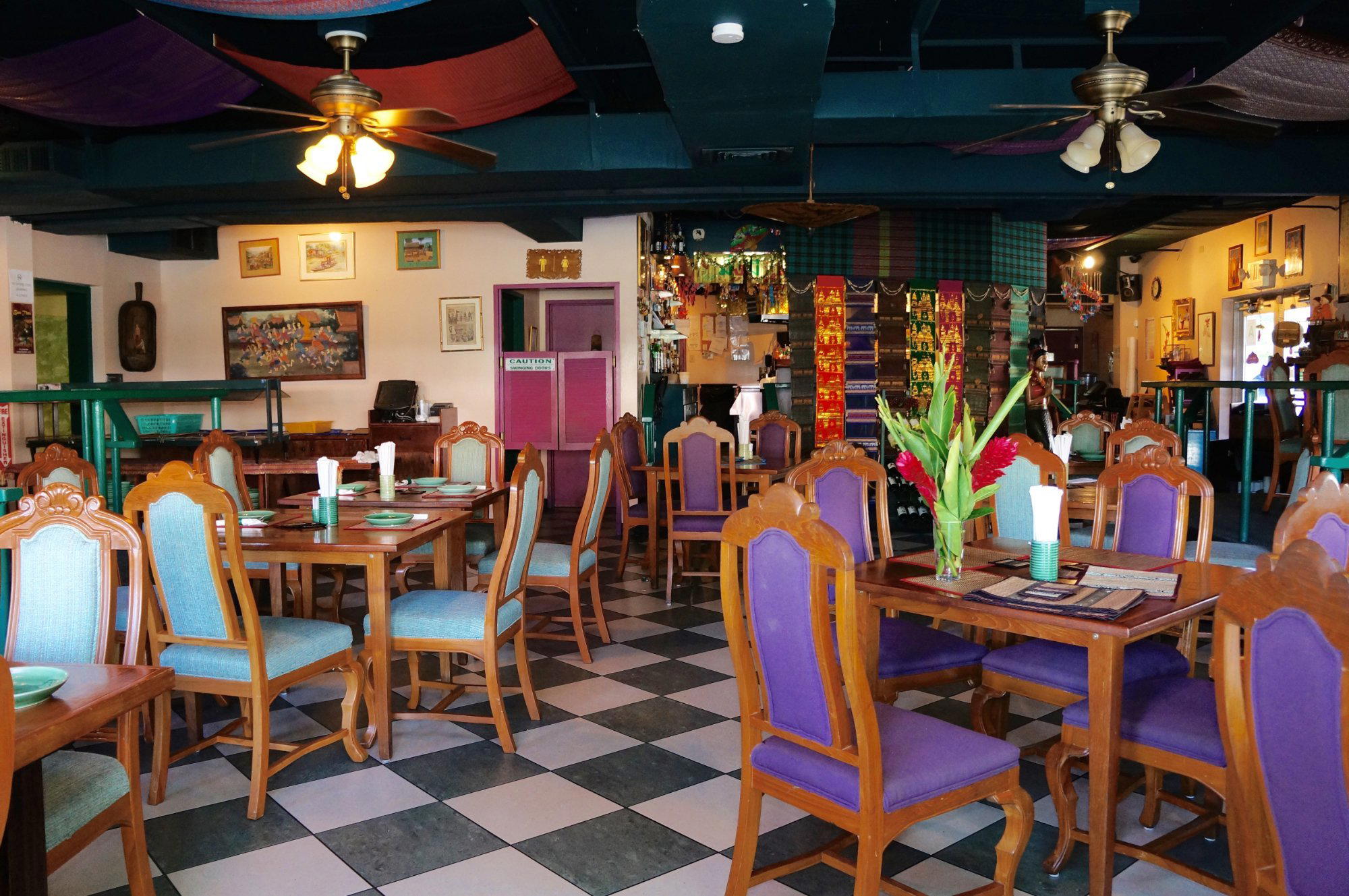
| Cham’s Thai Cuisine | Authentic Thai Cuisine | $10–20 | Tamuning |
| Jin Mi | Korean BBQ | $20–30 | Harmon |
Continue exploring
More in Tamuning
Details
- Lively
- Group Dining
- Casual Hangout
- Open Kitchen
- A La Carte
Current opening hours
- Monday
- 11 AM–3 PM, 5–10 PM
- Tuesday
- 11 AM–3 PM, 5–10 PM
- Wednesday
- 11 AM–3 PM, 5–10 PM
- Thursday
- 11 AM–3 PM, 5–10 PM
- Friday
- 11 AM–3 PM, 5–10 PM
- Saturday
- 11 AM–3 PM, 5–10 PM
- Sunday
- 11 AM–3 PM, 5–10 PM
Hours can change for holidays and private events. Hours as of .
Casual Korean BBQ atmosphere with self-grilling tables.