Ez-Kaya By Jimmy serves Japanese Izakaya Fusion in Tamuning, with a sake program, local sourcing, and an open kitchen that suits dinner or late-night plans.
Pearl is the En Primeur Club membership app — saves, bookings, and concierge access live there. Same editors, same standards.
- Address
- Tamuning Tamuning 96913
- Directions
- Get directions
 Saves & bookings on Pearl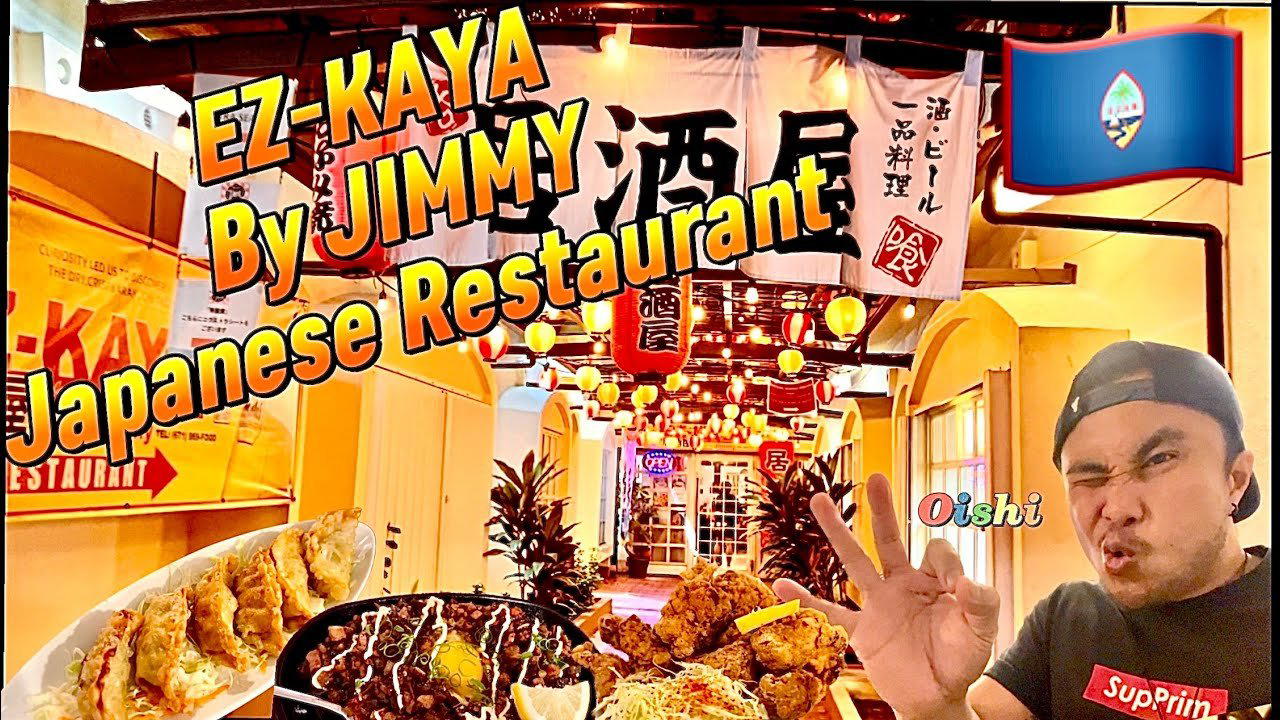
Izakaya Culture in the Pacific: What Ez-Kaya By Jimmy Represents in Tamuning
Tamuning sits at the commercial and culinary crossroads of Guam, where Japanese tourism infrastructure, Chamorro tradition, and a rotating cast of Asian dining concepts have shaped one of the most compressed and eclectic dining corridors in the Pacific. Within that corridor, the izakaya format occupies a specific and well-understood niche. Izakayas are not sushi bars, not ramen counters, not formal kaiseki rooms. They are Japan's answer to the pub: informal, food-forward, built around shared plates and extended evenings. The format traveled to Guam decades ago on the back of the island's deep commercial and cultural ties with Japan, and it has since become one of the dining categories locals and Japanese visitors reach for most reliably. Ez-Kaya By Jimmy, located in Tamuning, operates within that tradition.
Understanding the izakaya format matters before you book. These are not venues optimized for a quick dinner or a single main course. The rhythm is cumulative: small plates arrive in waves, drinks anchor the table, and the meal expands or contracts based on the group's pace. In Japan, the format is democratic by design, built to accommodate salarymen, students, and families under the same roof. In Guam, the izakaya has adapted to a tourist-heavy audience while retaining its essential logic of shared, unhurried eating. Ez-Kaya By Jimmy fits that adapted model, positioned in a city where Japanese-influenced dining spans everything from fast-casual bento counters to formal teppanyaki rooms.
Tamuning's Dining Context: A Compressed Scene with Real Range
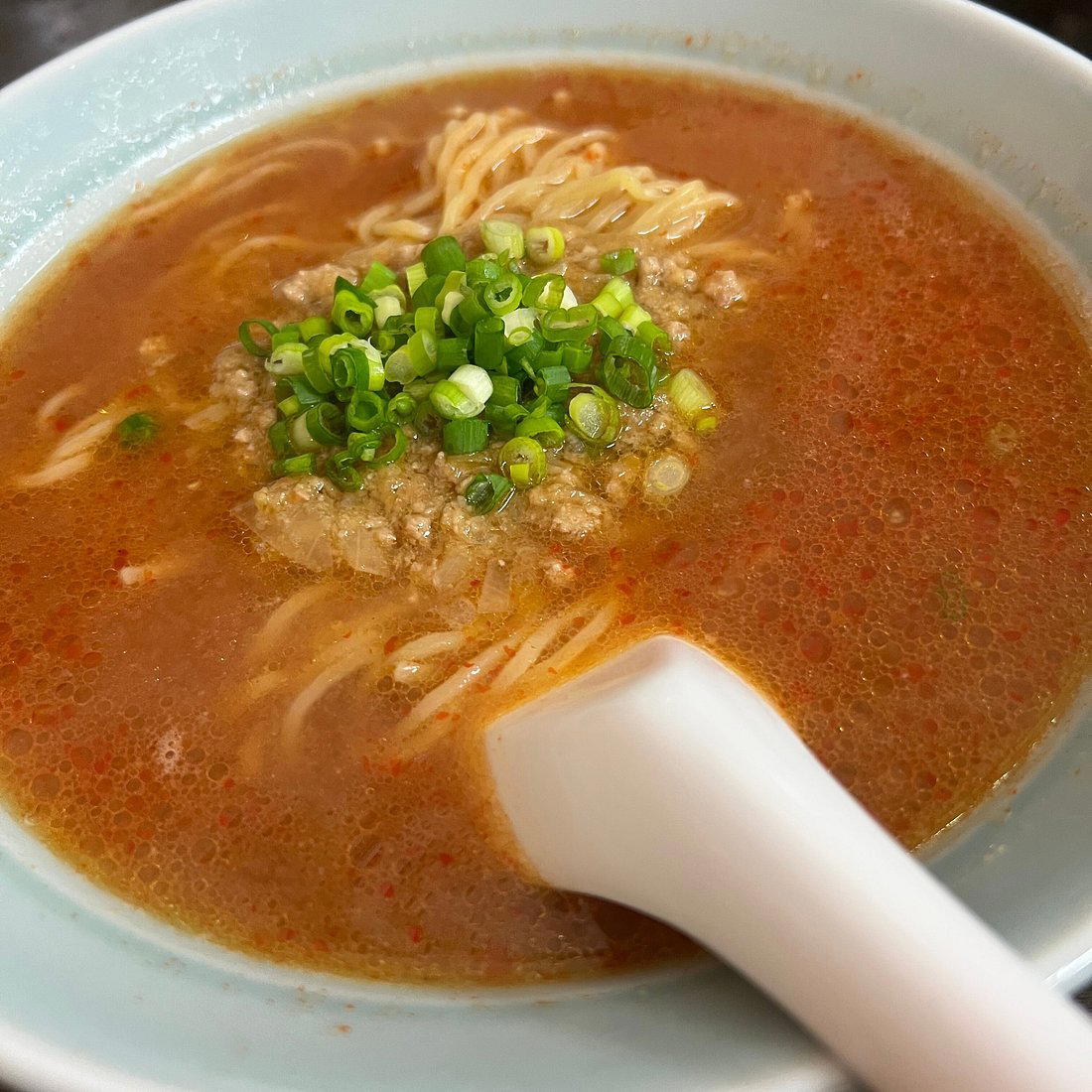
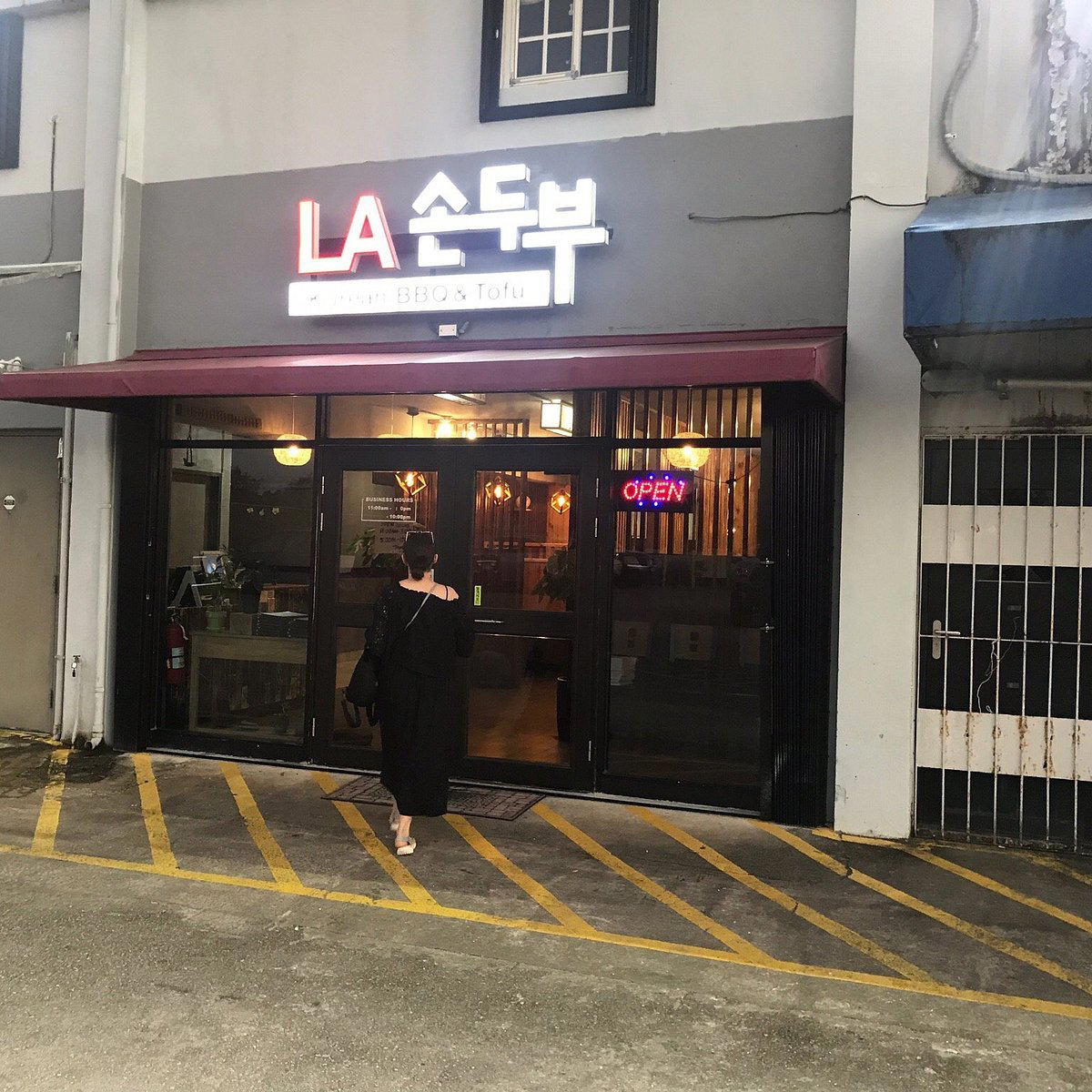
Tamuning is not a neighborhood that asks you to search hard for food. The dining density along its main corridors is high, and the range of cuisines represented reflects Guam's layered cultural history: Chamorro, Japanese, Korean, Filipino, Thai, and American formats coexist within short distances. Cham's Thai Cuisine represents the Thai strand of that mix, while L.A. Tofu & Galbi anchors the Korean side. Men Kui Noodle House covers Japanese ramen, and Tokyo Mart serves the grocery-and-prepared-food segment that keeps Japanese expats and visitors connected to familiar products. Ez-Kaya By Jimmy slots into this map as a Japanese-adjacent izakaya concept, distinct from the ramen counter format and from the formal end of Japanese dining.
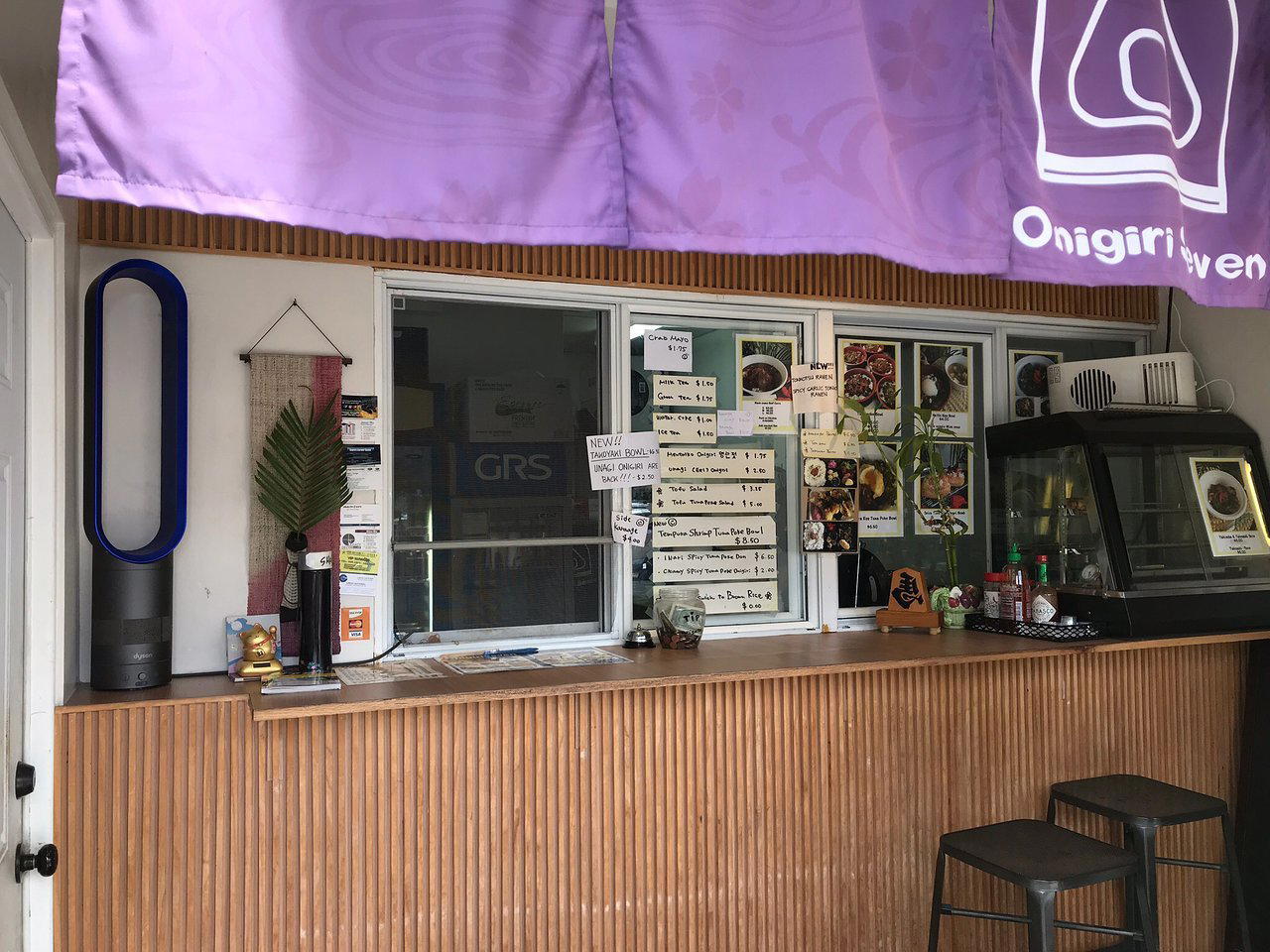
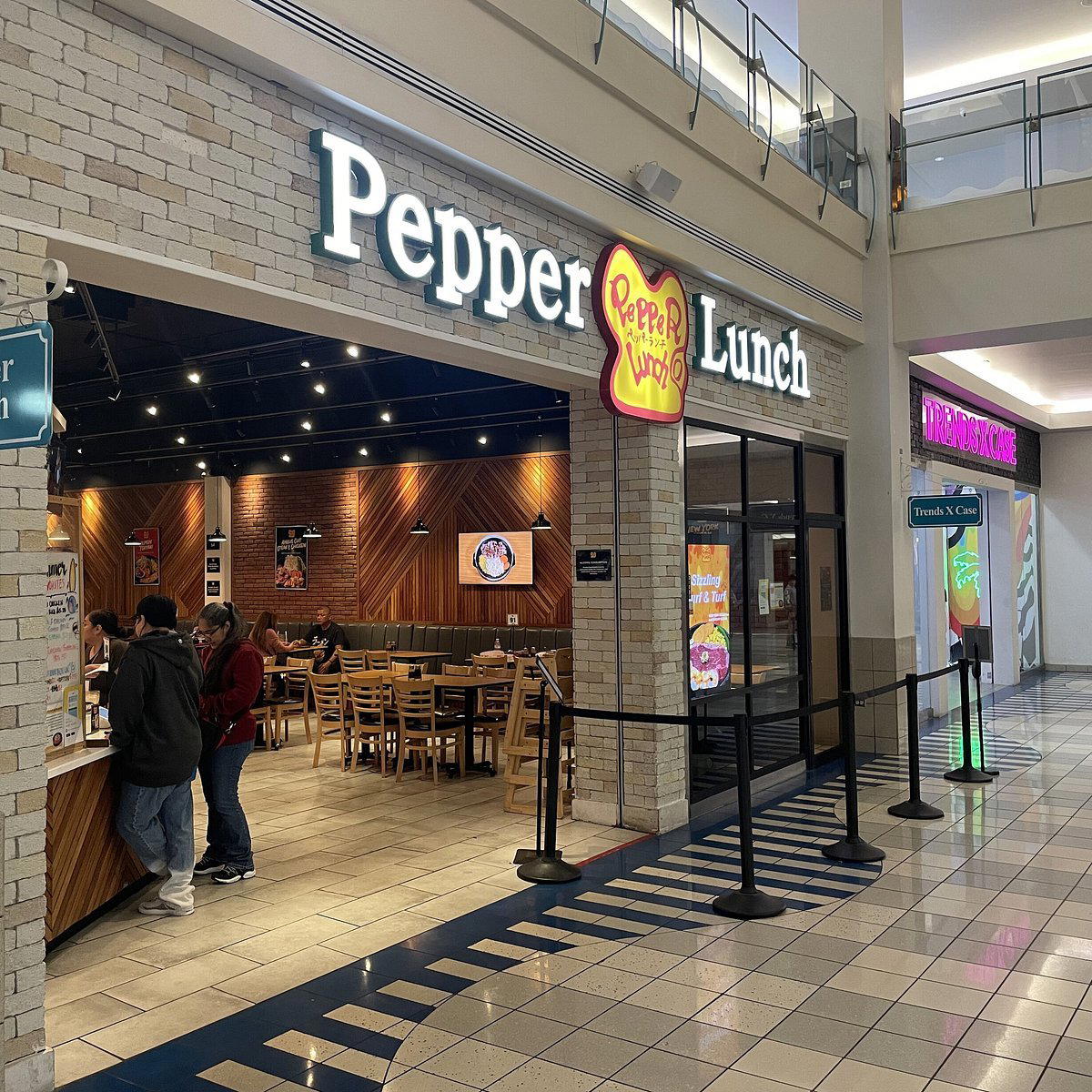
For context on how Tamuning's dining scene compares to the broader island, our full Tamuning restaurants guide maps the neighborhood's options across cuisines and price points. Elsewhere on Guam, options like Onigiri Seven in Tumon show how Japanese convenience-food formats have found a comfortable home on the island, while Jin Mi in Harmon and Pepper Lunch in Dededo illustrate how Korean and Japanese-influenced fast-casual concepts distribute across Guam's municipalities. Coffee Club Guam in Barrigada adds an all-day cafe dimension to the island's dining picture.
The Izakaya Tradition: Shared Plates, Long Tables, and the Logic of Drinking Food
The cultural roots of the izakaya stretch back to Edo-period Japan, where sake shops began serving small snacks to keep customers at the counter. Over centuries, the format evolved into something more substantial: a full menu of grilled skewers (yakitori), fried bites (karaage, edamame, gyoza), raw preparations, and simmered dishes, all calibrated to complement beer, shochu, and highballs rather than to stand alone as primary courses. The genius of the format is that it resists hierarchy. There is no first course, no main event. Everything arrives when it is ready, and the table accumulates plates the way a good evening accumulates stories.
That informality is the point. Izakayas are where the register drops, where the food is honest and repetitive in the leading sense, where the same chicken skewer has been done the same way for thirty years because it does not need to change. Contrast this with the ambition visible at formally structured venues like HAJIME in Osaka, where the kaiseki tradition drives toward invention and precision, or the tasting-menu rigour at Atomix in New York City, where Korean fine dining reframes tradition through a haute lens. The izakaya has no aspirations in that direction, and that is precisely its value.
In the Pacific context, that value is amplified. Guam sits at a cultural intersection where Japanese eating habits have been absorbed, adapted, and reinterpreted for decades. An izakaya in Tamuning is not a recreation of a Tokyo backstreet bar. It is something that has grown from the same root and found its own soil. The shared-plate logic, the drink-first orientation, the table-pacing that stretches a meal across two hours without friction: these survive the translation.
Where Ez-Kaya By Jimmy Sits in the Broader Dining Picture
The izakaya category in Guam sits between two other well-populated tiers. Below it, fast-casual Japanese formats handle high volume with limited table time. Above it, formal Japanese restaurants, teppanyaki houses, and hotel restaurants target the higher-spending tourist segment. The izakaya occupies the social middle: enough food range to anchor a proper evening, enough informality to make repeat visits easy. Ez-Kaya By Jimmy operates in that middle register in Tamuning, a city where that position has consistent demand from both local diners and the Japanese visitor segment that makes up a significant share of Guam's inbound tourism.
For readers who want to calibrate expectations against higher-formality benchmarks, venues like Le Bernardin in New York City, Lazy Bear in San Francisco, or Emeril's in New Orleans represent the tasting-menu, chef-driven end of the spectrum. European fine dining at the level of Dal Pescatore in Runate, Atelier Moessmer Norbert Niederkofler in Brunico, Quattro Passi in Marina del Cantone, or Reale in Castel di Sangro operates in an entirely different register. Ez-Kaya By Jimmy is not in conversation with any of those venues, nor does it need to be. The izakaya format answers a different question: where do you go when the goal is a convivial evening rather than a structured culinary event.
Planning Your Visit
Ez-Kaya By Jimmy is located in Tamuning, Guam 96913. Tamuning's dining scene is concentrated enough that nearby venues and hotel concierge desks can typically confirm hours and availability. The izakaya format generally accommodates walk-ins more readily than tasting-menu restaurants, though groups of more than four or five may benefit from calling ahead if contact details become available. As with most izakaya-format dining, evenings tend to be the primary service window, and the format rewards going with a group rather than solo.
Cost and Credentials
| Venue | Price |
|---|---|
| Ez-Kaya By JimmyThis venue — the venue you are viewing | This venue |
Continue exploring
More in Tamuning
At a Glance
- Lively
- Cozy
- Trendy
- Casual Hangout
- Group Dining
- Family
- Open Kitchen
- Sake Program
- Local Sourcing
Inviting and cozy izakaya atmosphere ideal for sharing food and drinks with family or coworkers in a lively, casual setting.
Know Before You Go
- Getting there
- Tamuning Tamuning 96913