Pelota Mestiza
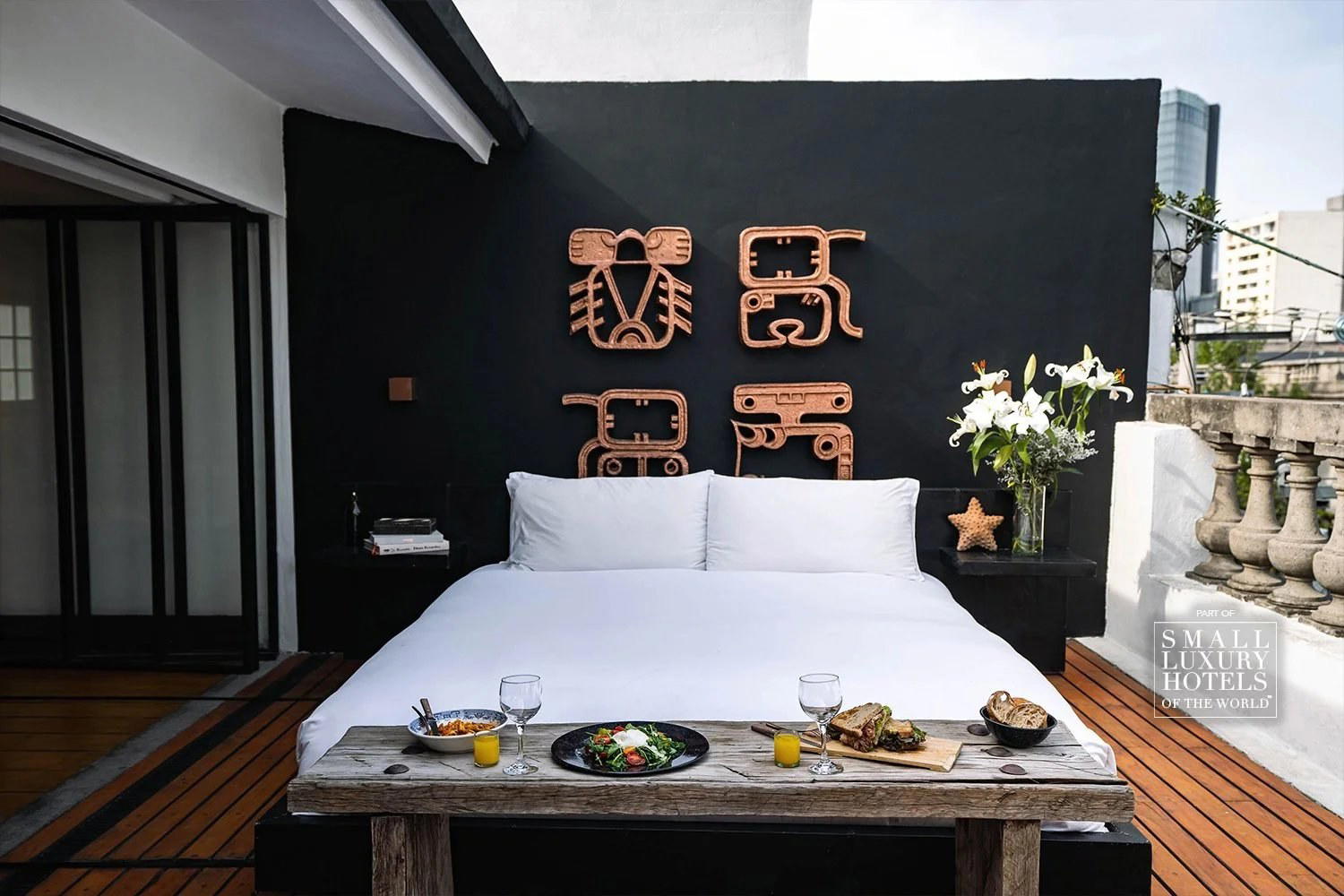
Pelota Mestiza pairs contemporary Mexican mestizaje with craft cocktails, local sourcing, and a historic-building setting on Av. de la República in Mexico City.
Pearl is the En Primeur Club membership app — saves, bookings, and concierge access live there. Same editors, same standards.
- Address
- Av. de la República 17, Cuauhtémoc, 06050 Ciudad de México, CDMX, Mexico
- Phone
- +525535211450
- Website
- pelotamestiza.mx
- Directions
- Get directions
 Saves & bookings on Pearl
Where the Republic Meets the Table
The stretch of Av. de la República in Cuauhtémoc carries its own particular atmosphere: government buildings and colonial-era facades at a remove from the taco-circuit crowds of Roma and Condesa, with a quieter civic weight that shapes everything around it. Pelota Mestiza occupies this address at number 17, a location that signals something about the kitchen's priorities before a plate has arrived. The name itself reaches back into the pre-Hispanic codices of the ball game, the ritual sport that crossed Mesoamerica for millennia, and it sets an agenda: this is not a venue translating Mexican cooking for an international audience. The conversation is internal, and the sourcing is the argument.
The Sourcing Argument in Mexican Fine Dining
Mexico City's serious dining circuit has split over the past decade along a clear fault line. On one side are the high-concept kitchens that frame Mexican ingredients through European technique, applying fermentation, hydrocolloids, and long tasting menus to local produce. On the other are the rooms that treat indigenous sourcing and regional specificity as the methodology itself, where a chile from Oaxaca or a corn variety from Tlaxcala is not a garnish on a European framework but the entire structural logic of a dish. Pelota Mestiza belongs to the second category. The Cuauhtémoc address, away from the polished dining strips, reinforces this posture.
This matters in the context of what's happening across Mexico's serious kitchens. Venues like Animalón in Valle de Guadalupe, Levadura de Olla in Oaxaca, and KOLI Cocina de Origen in Monterrey have each staked their identity on regional specificity rather than globalised technique. The pattern is consistent: sourcing as editorial voice. In Mexico City, the same logic plays out at addresses like this one, where the provenance of the corn, the chile, and the mole paste carries as much weight as the cooking temperature applied to the protein.
The comparison to bigger-ticket neighbours is instructive. Pujol and Quintonil sit at the top of the city's tasting-menu tier, with pricing and booking lead times to match. Em occupies a mid-formal register with a contemporary Mexican menu. Pelota Mestiza operates in a different register: less ceremony around the format, more concentration on where the food actually comes from.
The Ingredient as the Story
Mexican cuisine's diversity is not metaphorical; it is botanical and geographical. The country spans at least ten distinct agricultural and climatic zones, and serious kitchens that take sourcing as a starting point are effectively working with different raw material depending on which region's producers they've built relationships with. The highest-level version of this involves direct relationships with smallholder milpas for heirloom corn, with cooperatives growing indigenous chile varieties that never appear in commercial supply chains, and with regional cheese and charcuterie producers whose outputs rarely leave their home states. Whether Pelota Mestiza operates at that scale of supply chain specificity is not verifiable from public data, but the positioning of the name, the address, and the concept all point toward regional identity as the organising principle rather than technique as performance.
For the visitor calibrating expectations, the useful frame is not the tasting-menu rooms of Polanco. Alcalde in Guadalajara, Huniik in Merida, and HA' in Playa del Carmen each make this argument from their own regional starting point. In Mexico City, Pelota Mestiza makes it from the capital's peculiar position: a city that draws ingredients from every region without being rooted in any of them, and must therefore make deliberate choices about where it sources.
Cuauhtémoc as a Dining Destination
The Cuauhtémoc borough, which contains Colonia Cuauhtémoc as well as the broader civic core around Av. de la República, has historically hosted fewer destination restaurants than Roma Norte or Polanco. That has been changing. As rents in the more fashionable colonias have climbed and the audience for serious, no-ceremony cooking has grown, kitchens have been finding addresses in less trafficked parts of the borough. The result is a different kind of dinner: less scene-watching, more concentration on the plate. For a venue whose name invokes pre-Hispanic ritual and whose address is a wide civic avenue rather than a design-forward side street, this environment is appropriate.
Neighbouring rooms in this part of the city tend to serve a local lunch crowd and a more deliberate evening clientele. The proximity to government buildings and the historic centre means weekday traffic differs significantly from weekend traffic, and restaurants in this corridor often reflect that in their programming and pace.
Planning Your Visit
Verified booking and hours data for Pelota Mestiza is not available in public records at the time of writing. The table below positions it against comparable Mexico City rooms where those logistics are documented, to help calibrate expectations before visiting.
| Venue | Format | Price Range | Booking Lead |
|---|---|---|---|
| Pelota Mestiza | Not confirmed | Not confirmed | |
| Pujol | Tasting menu / omakase bar | $$$$ | Several weeks in advance |
| Quintonil | À la carte / tasting menu | $$$$ | 2-4 weeks |
| Em | Contemporary tasting format | $$$ | 1-2 weeks |
| Rosetta | À la carte, all-day | $$ | Walk-in or same week |
For the broader Mexico City dining picture, see our full Mexico City restaurants guide. Further context on Mexico's regional sourcing kitchens is available through profiles of Olivea Farm to Table in Ensenada, Lunario in El Porvenir, Pangea in San Pedro Garza García, and Le Chique in Puerto Morelos. For international comparison points in the sourcing-forward tasting format, Le Bernardin in New York and Atomix in New York each demonstrate how ingredient provenance can anchor a menu's identity across different cultural registers. Also worth cross-referencing: Sud 777, which operates in Mexico City's southern suburbs with its own produce-led approach.
Continue exploring
More in Mexico City
Restaurants in Mexico City
Browse all →
Bars in Mexico City
Browse all →


At a Glance
- Sophisticated
- Elegant
- Modern
- Date Night
- Special Occasion
- Business Dinner
- Historic Building
- Standalone
- Craft Cocktails
- Local Sourcing
Current opening hours
- Monday
- Closed
- Tuesday
- 1:30–9 PM
- Wednesday
- 1:30–9 PM
- Thursday
- 1:30–9 PM
- Friday
- 1:30–9 PM
- Saturday
- 1:30–9 PM
- Sunday
- 11 AM–9 PM
Hours can change for holidays and private events. Last verified .
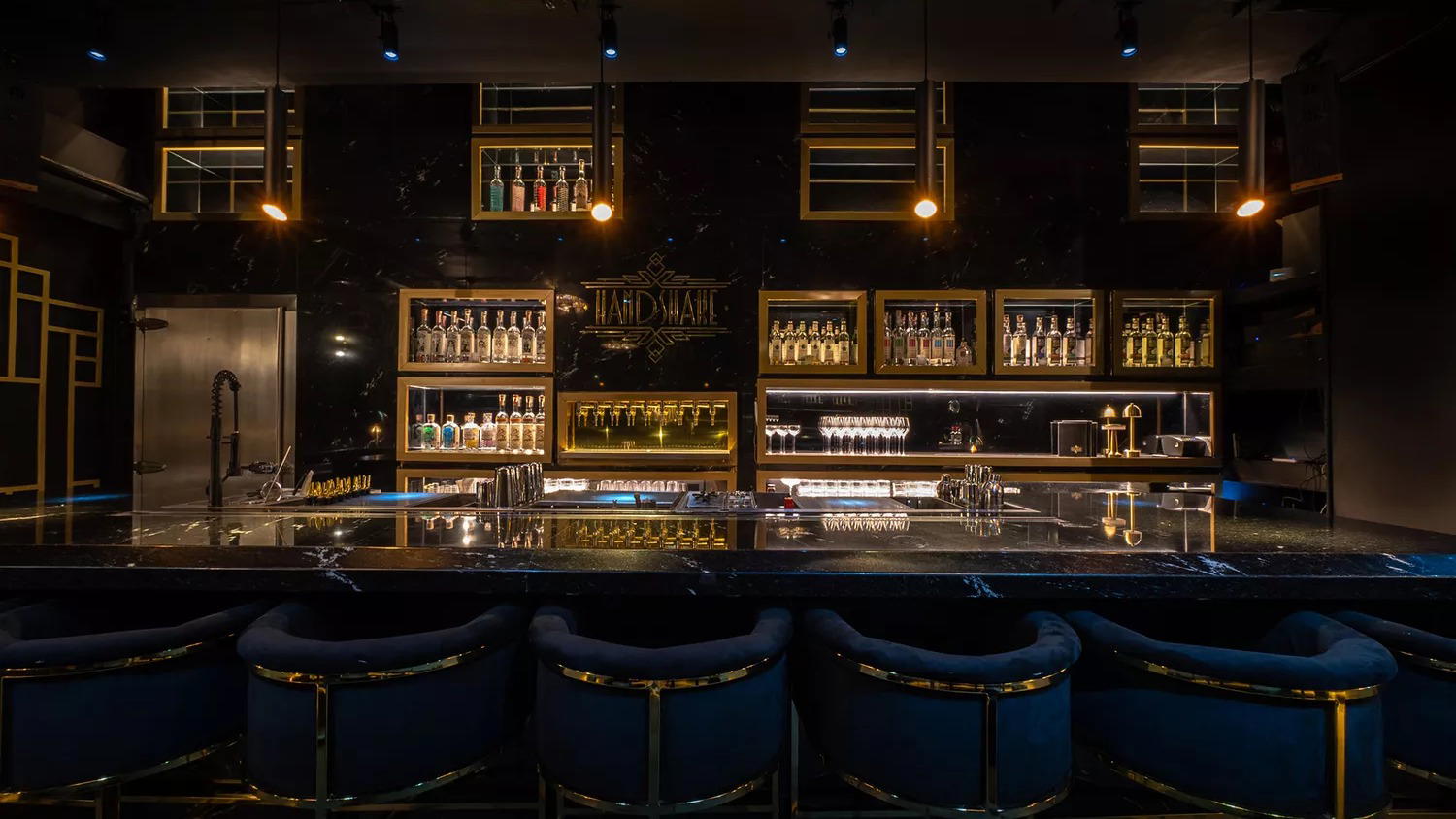
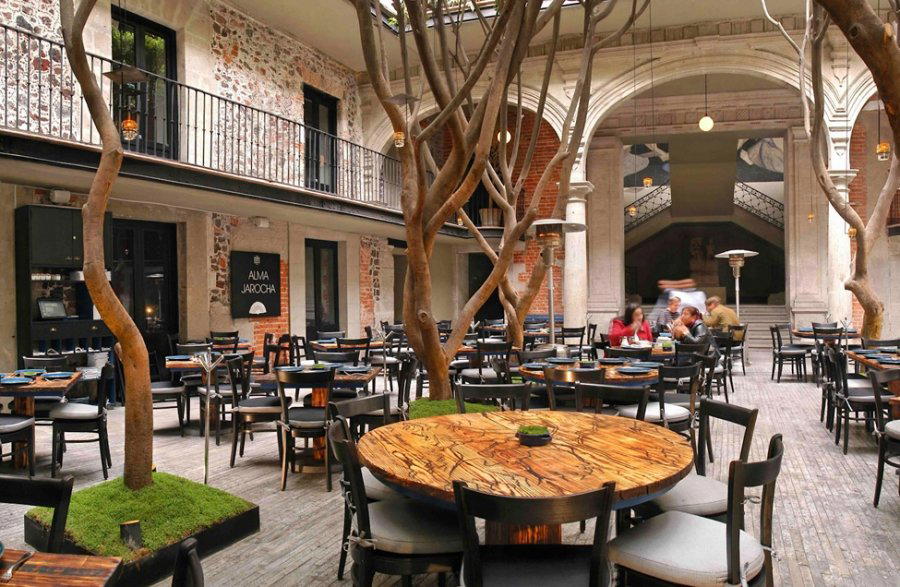
Refined and sensorial, with a theatrical fine-dining feel shaped by a historic venue and a modern reinterpretation of Mexican culinary heritage.
Know Before You Go
- Getting there
- Av. de la República 17, Cuauhtémoc, 06050 Ciudad de México, CDMX, Mexico