Carajillo Masaryk
Our verdict
Carajillo Masaryk sits on Polanco's most-travelled boulevard, where the café-bar format carries deeper roots than the address suggests. The venue draws its name from the carajillo, a Spanish-Mexican coffee-spirit ritual that has shaped Mexico City's café culture for generations. For visitors tracing the capital's more casual but culturally grounded dining registers, it belongs on the itinerary alongside the neighbourhood's heavier-hitting tasting-menu houses.

Pearl is the En Primeur Club membership app, where members save venues, book tables and use the concierge.

Polanco's Boulevard and What It Signals
Avenida Presidente Masaryk is Mexico City's answer to a European grand promenade: wide pavements, curated retail, and a density of restaurants that ranges from quick-service to full tasting-menu format. Carajillo Masaryk takes its position on that boulevard not as a fine-dining destination in the mould of Pujol or Quintonil, but as something that Polanco's high-spend dining corridor actually needs more of: a venue anchored in a specific, historically grounded Mexican drinking and café tradition rather than in the prestige-menu format that defines the area's top tier.
Polanco draws an international crowd alongside the city's own professional class, and the result is a neighbourhood where atmosphere at street level matters as much as what arrives on the plate. The boulevard's daytime energy shifts decisively toward evening, when pavement tables fill and the distinction between a long coffee and an early aperitivo becomes deliberately blurred. Carajillo Masaryk operates in exactly that register.
The Carajillo and Its Cultural Freight
The carajillo is one of the more travelled café drinks in the Spanish-speaking world, and its Mexican incarnation carries a distinct identity. In Spain, the drink is typically espresso cut with brandy or anise. In Mexico City, it arrived through the café culture that Spanish immigrants brought in the early twentieth century and was gradually absorbed into the capital's own hospitality vocabulary. The version that became standard in Mexico City is built on Licor 43, the Cartagena-origin Spanish liqueur, poured over espresso and ice. That formula is now so embedded in the city's café-bar scene that ordering a carajillo in almost any serious establishment in Condesa, Roma, or Polanco produces the same drink with minor variations in ratio and glassware.
A venue naming itself after that drink is making a positioning statement. It is anchoring itself to a practice that is neither purely Spanish nor generically Mexican but specifically Mexico City: a café tradition that crossed the Atlantic, transformed, and became local enough to feel native. That kind of cultural layering is not incidental to the experience here; it is the framing through which the venue's broader offer should be read. The same blending of references appears across the capital's more thoughtful casual addresses, from the Italian-inflected menus at Rosetta to the regional-ingredient focus at Em.
Where This Venue Sits in Mexico City's Casual Tier
Mexico City's restaurant scene has bifurcated sharply over the past decade. On one side sit the tasting-menu houses with international recognition and price points to match: Pujol and Quintonil at the leading, with Sud 777 and Em occupying the tier just below. On the other side sits a more fluid category of café-bars and bistros where the drink program and the food carry roughly equal weight, and where the format is deliberately permissive about how long a visit lasts or what it looks like. Carajillo Masaryk belongs to this second category.
That category is not a consolation bracket. Some of the most culturally specific drinking and eating in Mexico City happens outside tasting-menu formats, in venues where the kitchen supports the bar rather than the reverse, and where the menu reflects what people in the neighbourhood actually order at ten in the evening. The casual tier is also where Mexico City's café culture is most visible to visitors who arrive expecting taco stands and leave having discovered a café-bar scene that compares credibly with anything in Buenos Aires or Madrid.
For visitors building a Mexico City itinerary that reaches beyond the prestige tier, our full Mexico City restaurants guide maps the full range of formats and neighbourhoods.
Polanco vs. Other Neighbourhoods for This Format
The café-bar format that Carajillo Masaryk represents is more common in Condesa and Roma Norte, where lower rents historically allowed smaller, more experimental venues to establish themselves. Polanco came to it later, and the neighbourhood's demographic profile gives venues there a somewhat different commercial pressure: the clientele skews toward expense-account dinners and hotel guests, which means that casual formats need to carry a certain confidence in their own positioning to avoid drifting toward generic bistro territory.
Masaryk's boulevard setting places this venue in competition with the neighbourhood's more polished addresses, which is a useful test. A carajillo-anchored café-bar on a street lined with international brands and prestige-tier restaurants either earns its place through specificity or disappears into the background. The cultural depth of the drink tradition it references gives it a defensible identity that purely contemporary concept bars on the same street cannot claim.
The Broader Mexican Restaurant Scene in Context
Carajillo Masaryk is one reference point in a national restaurant conversation that extends well beyond the capital. The same interest in culturally specific, ingredient-led formats that drives Mexico City's better casual addresses appears in different registers across the country: at Animalón in Valle de Guadalupe, where the vineyard setting shapes the cooking; at Levadura de Olla in Oaxaca, where pre-Hispanic fermentation techniques organise the menu; at Alcalde in Guadalajara, which applies a similar ingredient discipline in a different urban register; and at KOLI Cocina de Origen in Monterrey, which draws on northern Mexican ranching traditions. The coastal tier has its own version of this conversation at Le Chique in Puerto Morelos, HA' in Playa del Carmen, and Arca in Tulum.
For international context, the café-bar format that Carajillo Masaryk represents has parallels in how venues like Lazy Bear in San Francisco or Le Bernardin in New York City occupy defined niches within their respective city scenes: the point is not similarity in format but the shared dynamic of a venue that earns its position through clarity of concept rather than scale or award accumulation. Pangea in San Pedro Garza García and Olivea Farm to Table in Ensenada represent further regional articulations of that same principle across Mexico.
Planning a Visit
| Venue | Format | Price range | Neighbourhood | Booking lead time |
|---|---|---|---|---|
| Carajillo Masaryk | Café-bar | Not confirmed | Polanco | Not confirmed |
| Pujol | Tasting menu | $$$$ | Polanco | Several weeks ahead |
| Quintonil | Tasting menu | $$$$ | Polanco | Several weeks ahead |
| Rosetta | À la carte | $$ | Roma Norte | Short to medium |
| Em | Tasting menu | $$$ | Roma Norte | Medium lead time |
Address: Av. Pdte. Masaryk 20, Polanco V Secc, Miguel Hidalgo, Mexico City, 11580.
Frequently asked questions
Where is Carajillo Masaryk in Mexico City?
Carajillo Masaryk is located at Av. Pdte. Masaryk 20, Polanco, Polanco V Secc, Miguel Hidalgo, 11580 Ciudad de México, CDMX, Mexico, Mexico City.
Is Carajillo Masaryk connected to other venues in the Carajillo group in Mexico City?
The Carajillo name in Mexico City is associated with a hospitality concept that has operated across multiple addresses in the capital, with the carajillo drink serving as the through-line across locations. The Masaryk address specifically anchors the concept in Polanco, the neighbourhood that arguably carries the most commercial visibility of any in the city.
What should I order at Carajillo Masaryk?
Start with a carajillo, the venue's namesake drink and the clearest statement of what this address is about. In Mexico City the carajillo is typically built on Licor 43 and espresso, a combination that diverged from the Spanish brandy-based original and became its own category. Everything else on the menu should be read against that starting point.
How far ahead should I plan for Carajillo Masaryk?
Avenida Presidente Masaryk sees consistent foot traffic, so arriving during off-peak hours, mid-afternoon or early evening on weekdays, is a practical hedge. Weekends on this boulevard fill faster across the board.
What's the defining dish or idea at Carajillo Masaryk?
The defining idea is the carajillo itself. The drink encodes a specifically Mexico City cultural move: taking a Spanish café tradition, rerouting it through locally adopted spirits, and landing somewhere that feels neither imported nor nostalgic. The address on Avenida Presidente Masaryk, Polanco's most prominent commercial promenade, reinforces that positioning.
How does Carajillo Masaryk handle allergies?
In Mexico City's mid-to-upper casual tier, communicating requirements directly to staff at the point of order is standard practice and generally handled without friction.
Is a meal at Carajillo Masaryk worth the investment?
What the Polanco address offers is access to a culturally specific drink format in one of Mexico City's most-watched dining corridors, context that carries its own weight independent of what the bill comes to. For visitors already on Avenida Presidente Masaryk, the marginal cost of the stop is low relative to what it communicates about the local café culture.
Budget Reality Check
Comparable venues nearby, for context on price, style, and recognition.
| Venue | Cuisine | Price | Notes |
|---|---|---|---|
| Carajillo MasarykThis venue (the venue you are viewing) | Modern Mexican Fusion | $20–30 | Not listed |
| Casa Benell - Roma | Northern Mexican Comfort | Not listed | Centro Urbano Benito Juarez, Northern Mexican Comfort |
| Apego, balcón del sur | Casual Mexican with terrace | $20–30 | Sociedad Cooperativa Poder Popular, Casual Mexican with terrace |
| La Imperial - Reforma | Traditional Mexican Cantina | $30–50 | Nva Anzures, Traditional Mexican Cantina |
| Jardín Alba | Modern Mexican Bistro | Not listed | Lomas Virreyes, Modern Mexican Bistro |
| Casa Imperial Polanco | Mexican Brasserie | Not listed | Polanco Chapultepec, Mexican Brasserie |
Continue exploring
More in Mexico City
Restaurants in Mexico City
All restaurants in Mexico City →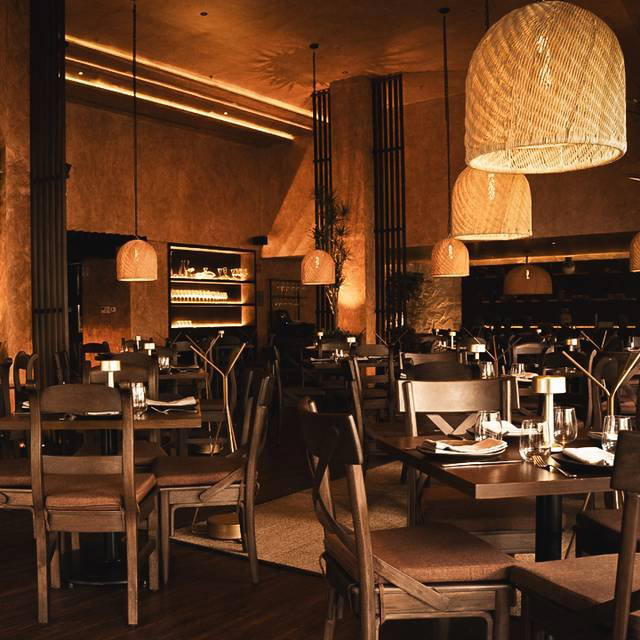
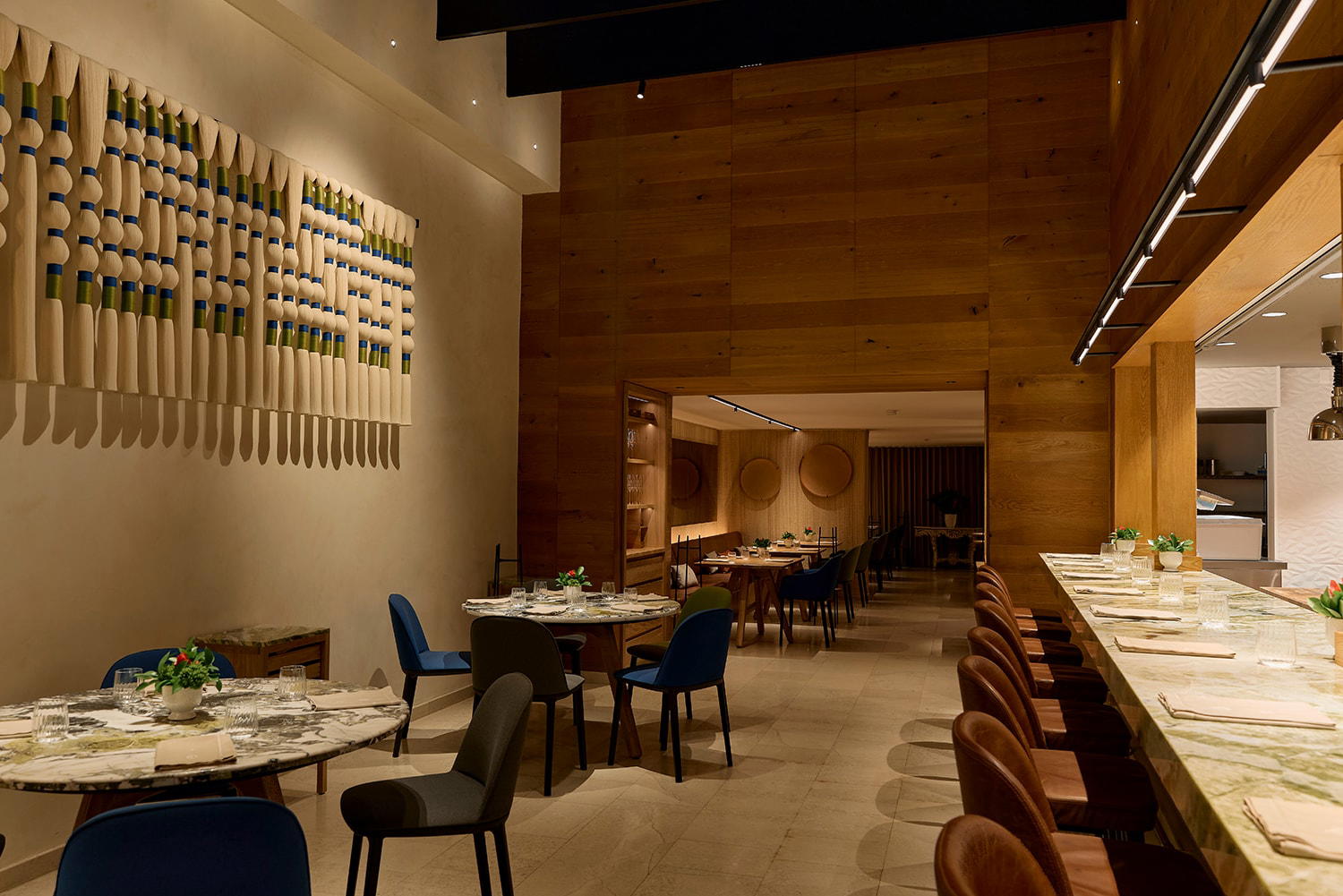
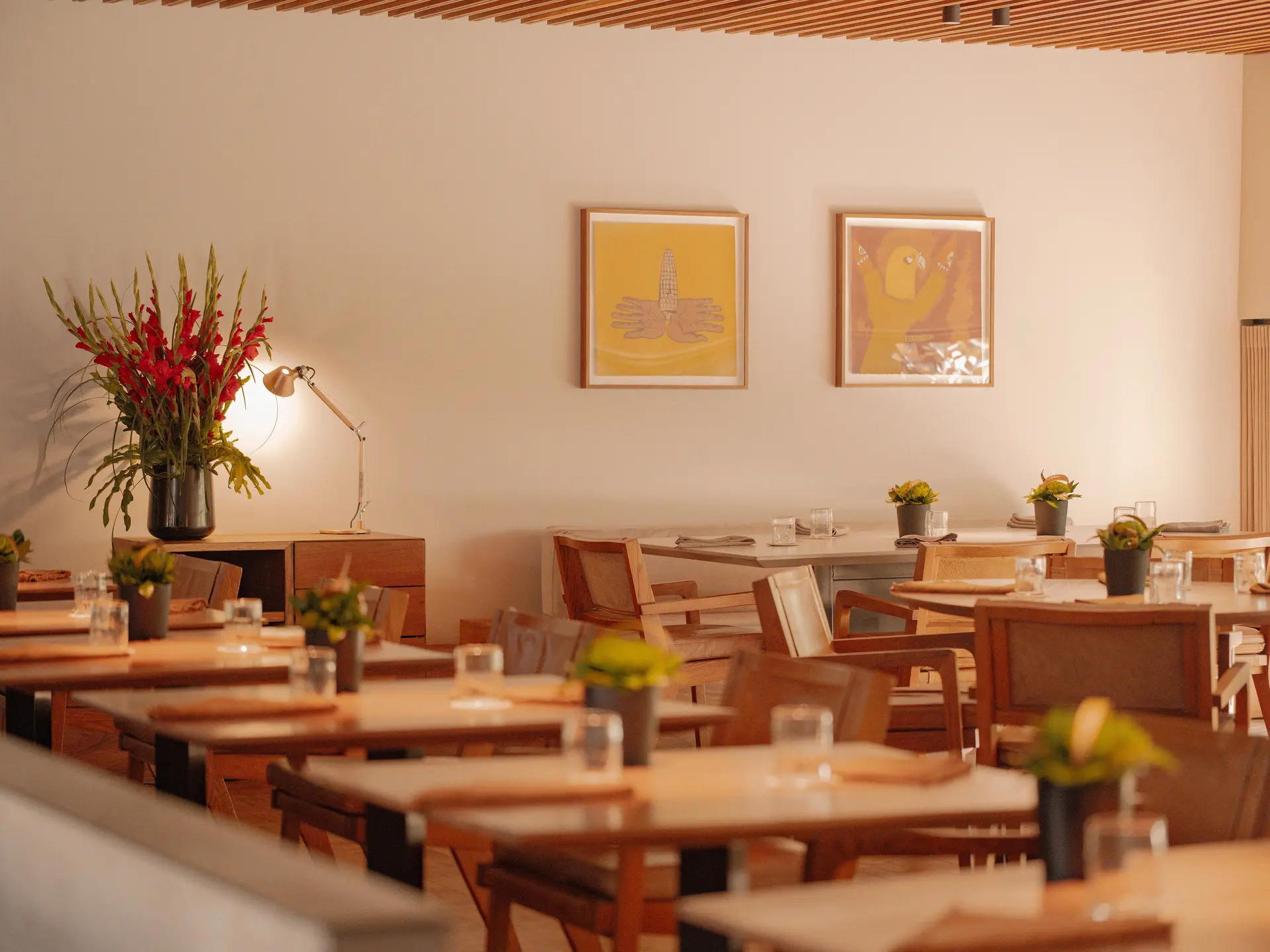
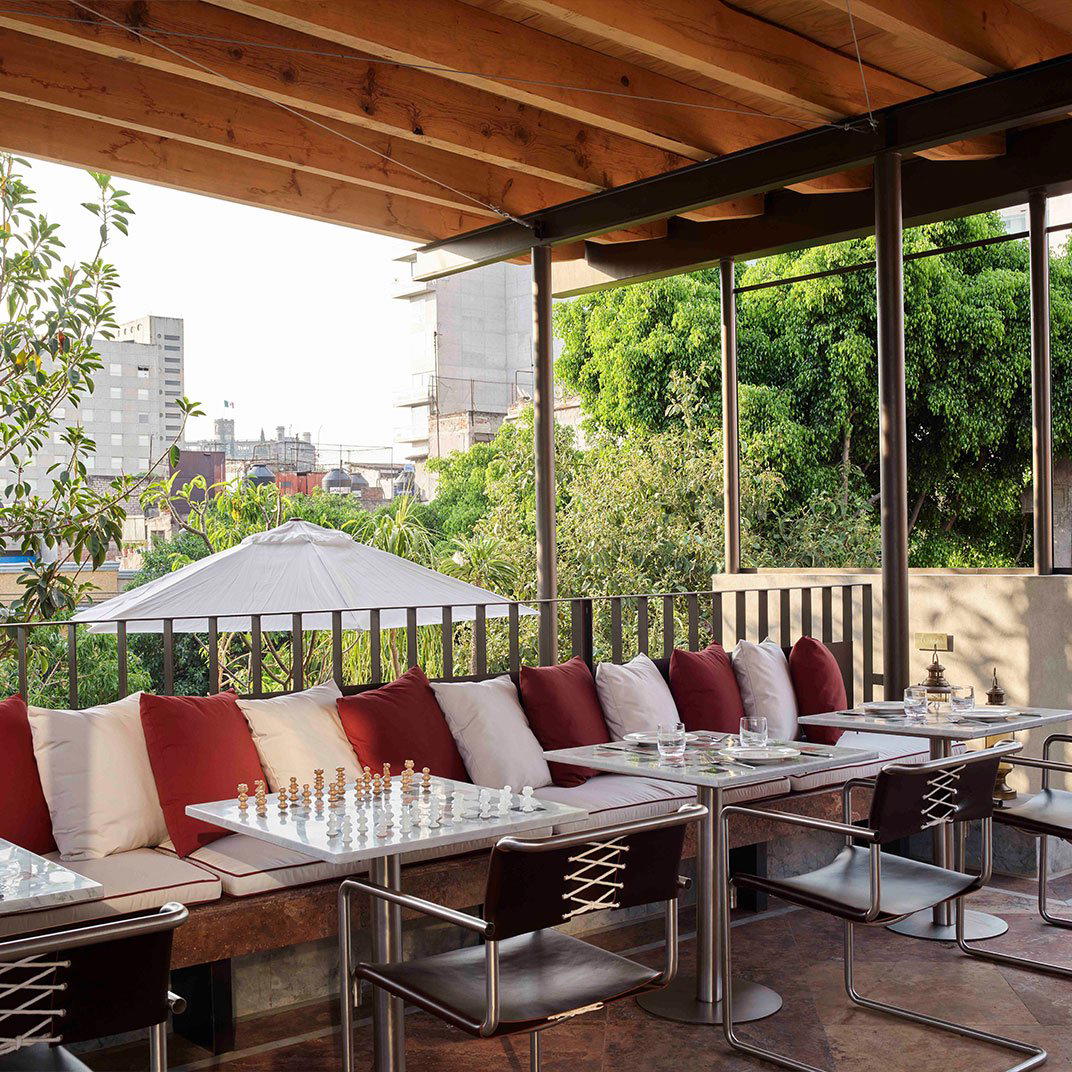
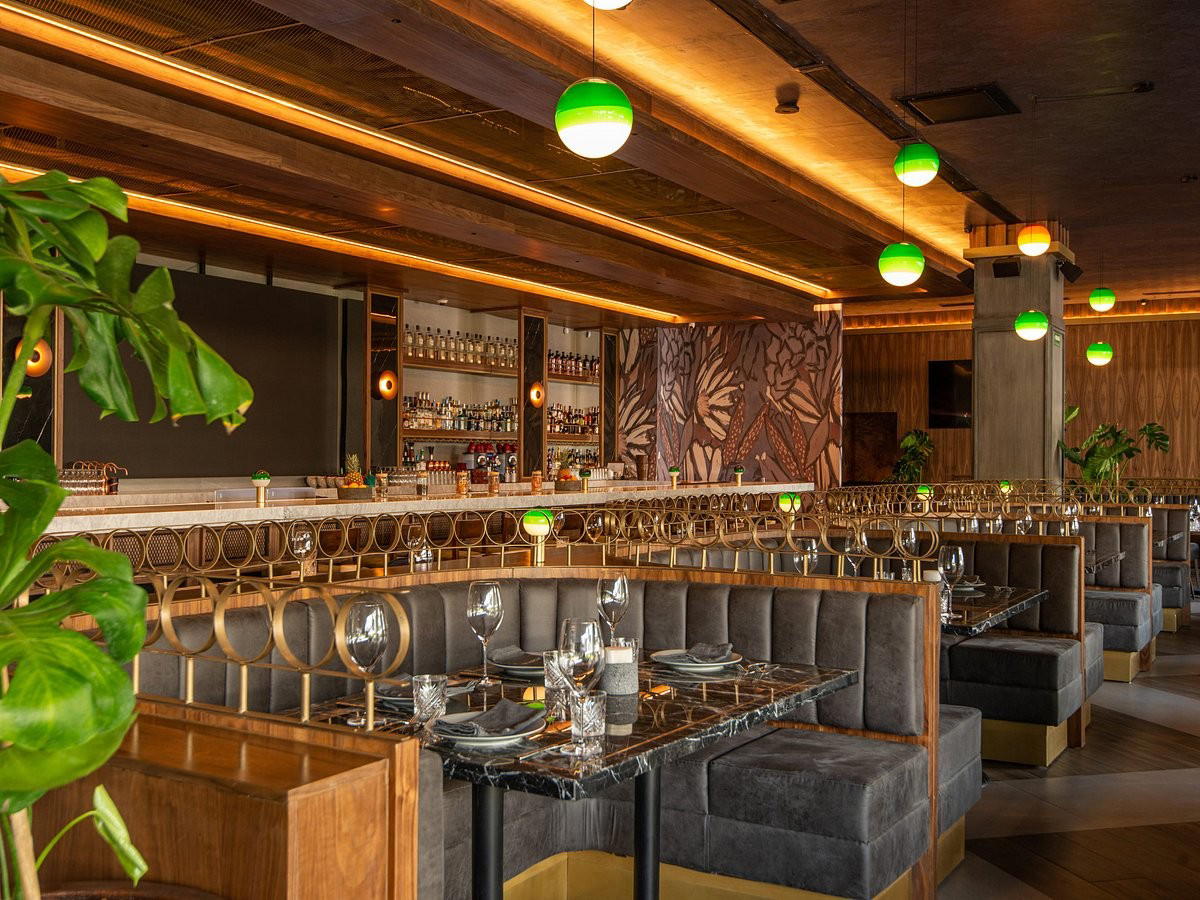
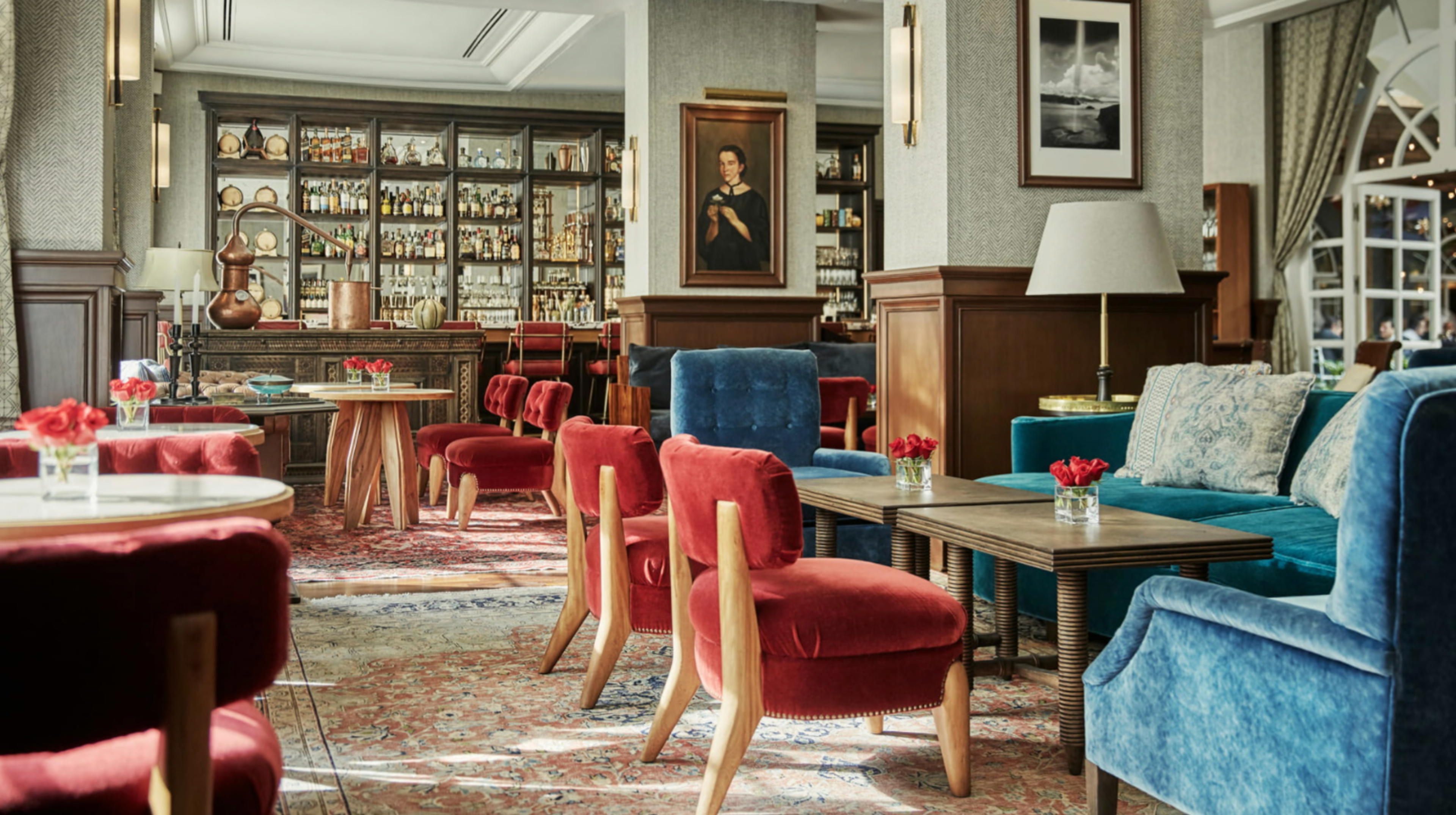
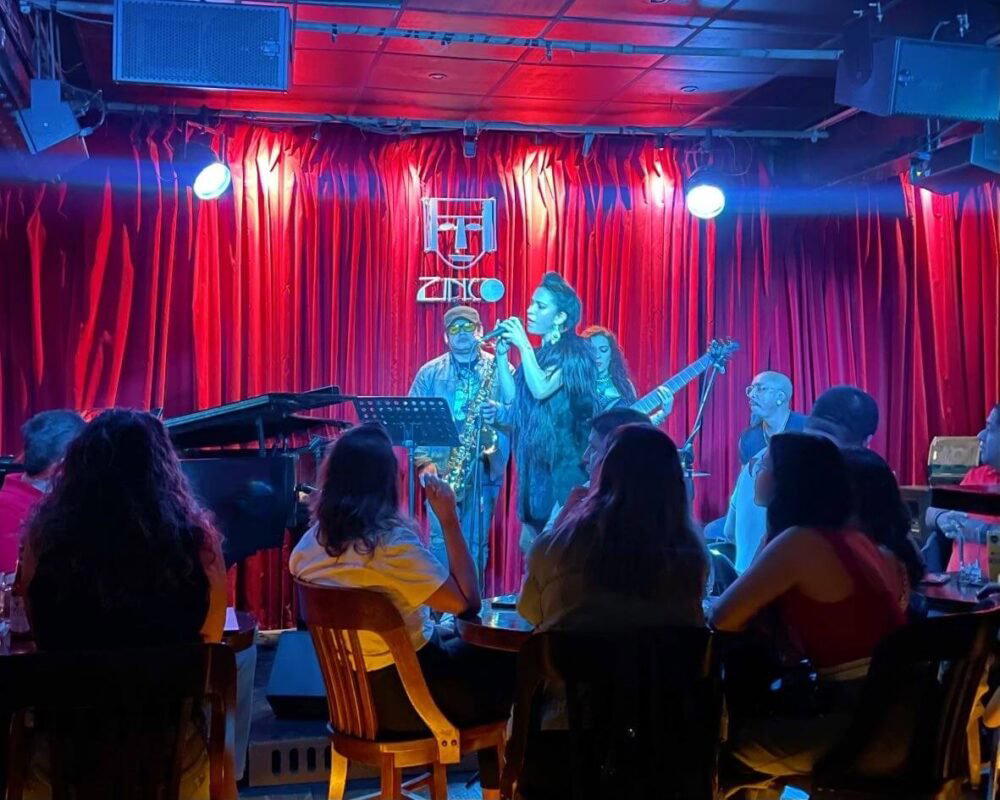
Details
- Lively
- Trendy
- Modern
- Elegant
- Date Night
- Special Occasion
- Group Dining
- Open Kitchen
- Craft Cocktails
- A La Carte
- Cocktails
- Vegetarian Friendly
- Gluten Free Options
Current opening hours
- Monday
- 1 PM–12 AM
- Tuesday
- 1 PM–12 AM
- Wednesday
- 1 PM–1 AM
- Thursday
- 1 PM–1 AM
- Friday
- 1 PM–1 AM
- Saturday
- 1 PM–1 AM
- Sunday
- 1–11 PM
Hours can change for holidays and private events. Hours as of .
Lively and energetic atmosphere with great music, upscale yet fun vibe, and theatrical service.