Pearl Liang
Pearl Liang occupies a precise address in Paddington's Sheldon Square development, W2, where Cantonese cooking has found a settled home among London's more serious Chinese restaurants. The kitchen draws a loyal following for its dim sum and roasted meats, placing it within a tier of London Chinese dining that takes technique seriously. Booking ahead is advisable, particularly for weekend dim sum service.
Pearl is the En Primeur Club membership app — saves, bookings, and concierge access live there. Same editors, same standards.
- Address
- 8 Sheldon Square, London W2 6EZ, United Kingdom
- Phone
- +44 20 7289 7000
- Website
- pearlliang.co.uk
- Directions
- Get directions
 Saves & bookings on Pearl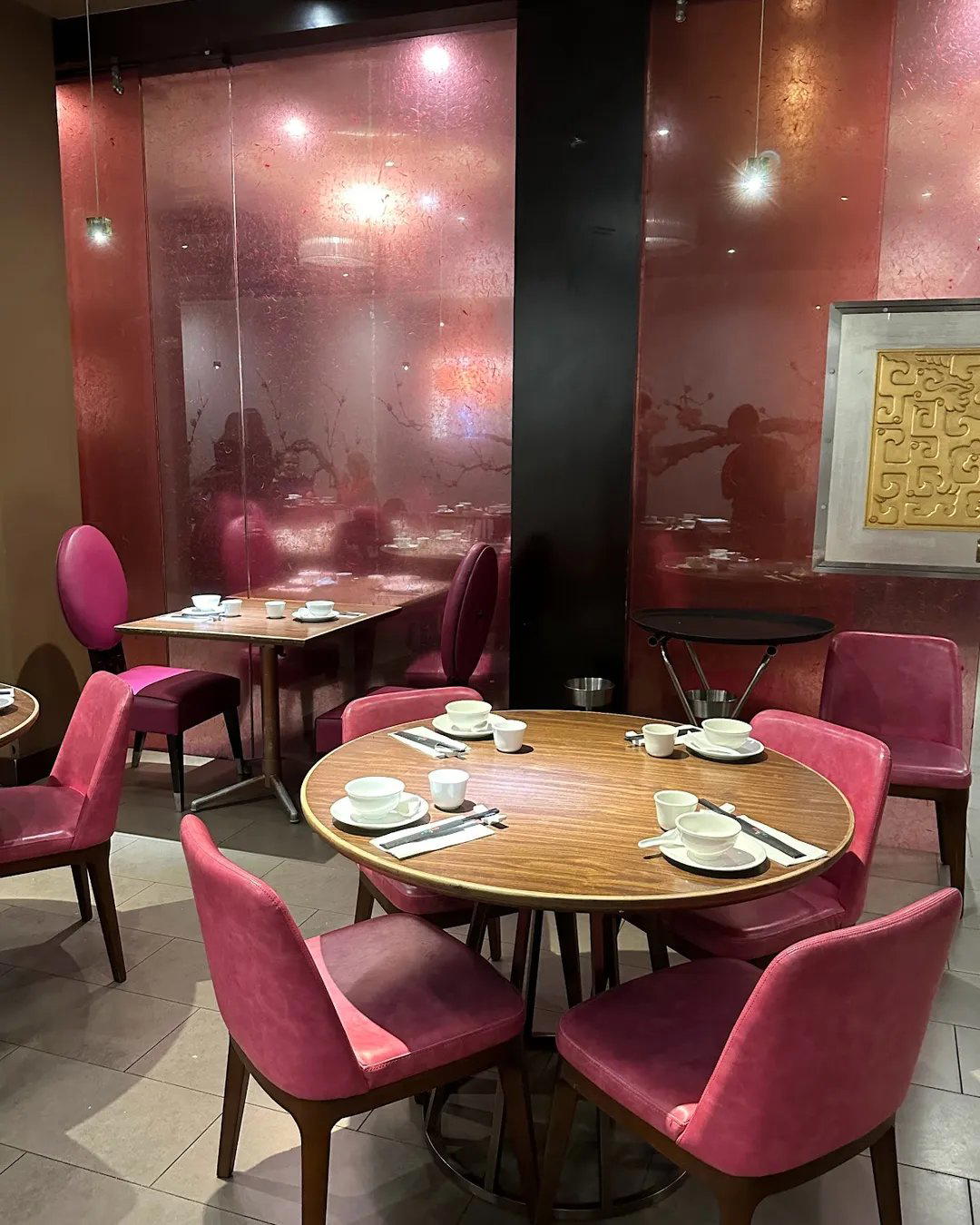
Where Cantonese Technique Meets Central London Convenience
London's Chinese restaurant scene has split into at least two distinct tiers over the past decade. The first is the dense, competitive corridor of Gerrard Street and the surrounding blocks of Chinatown, where volume and accessibility define the offer. The second is a more dispersed set of Cantonese-focused restaurants across zones one and two that have built reputations on specific technical strengths, whether roasted meats, hand-folded dim sum, or wok discipline under high heat. Pearl Liang, at 8 Sheldon Square in Paddington's W2 postcode, belongs to that second tier. Its address inside the Sheldon Square development, a canalside office and residential precinct that also serves Paddington station, means it draws a mixed audience: local residents, corporate lunches, and visitors who have done their research. That location is both its strength and the primary logistical question any first-time visitor needs to resolve before arriving.
The Paddington Dining Context
Paddington as a dining destination has historically been underserved relative to its foot traffic. The station feeds the Heathrow Express, the Elizabeth line, and First Great Western services into the West Country, making it one of London's highest-throughput transport hubs. Yet for years the restaurant offer in the immediate area tilted toward convenience over quality. Sheldon Square changed some of that calculus. The development attracted a cluster of sit-down restaurants with longer-term ambitions, and Pearl Liang has been among the more durable presences in that mix. For visitors arriving from or departing to Heathrow, it represents a far more considered option than the station concourse, provided you have the time to sit and order properly. For west London residents, it fills a gap that central Chinese dining corridors cannot: proximity without the travel overhead of Soho.
In London's broader Cantonese picture, Pearl Liang sits in a competitive peer group that includes well-regarded addresses in Bayswater, Queensway, and further east in the City. What separates the stronger performers in this group from the weaker ones is typically dim sum consistency and the quality of roasted meats: the two categories where Cantonese technique is most legible to a knowledgeable diner. These are also the categories where London's Chinese restaurants are most often compared unfavourably to Hong Kong, Sydney, or Vancouver, cities where Cantonese diaspora cooking has had longer to develop and a larger base of critical diners to sharpen against.
Planning a Visit: What the Booking Experience Requires
The editorial angle on Pearl Liang that matters most for a first-time visitor is not the menu itself but the logistics of getting a table at the right time for the right format. Dim sum service in London's better Cantonese kitchens tends to run at defined hours, typically a lunchtime window, and demand compresses into weekend slots where groups and families book ahead. This is standard for the tier the restaurant occupies, but it has practical consequences. Walking in on a Saturday morning without a reservation at a restaurant of this standing is a reasonable gamble on a quiet Tuesday but a poor one on a weekend. The sensible approach is to book in advance, allow at least ninety minutes, and arrive at the beginning of the dim sum window rather than toward its close, when kitchen output slows and specific items run out.
For comparison, London's highest-profile tasting menu restaurants operate on entirely different booking architectures. CORE by Clare Smyth, The Ledbury, and Restaurant Gordon Ramsay all require weeks or months of advance planning, operate from fixed tasting menus, and involve a different level of pre-commitment. Sketch, The Lecture Room and Library and Dinner by Heston Blumenthal add occasion-dining theatre to that equation. The restaurant operates in a more accessible register: no dress code expectation, no set menu obligation, and a format where you order to the table rather than surrendering control to a kitchen sequence. That accessibility is precisely the point for a certain kind of meal.
A Practical Comparison: Pearl Liang vs Peer Venues
| Venue | Cuisine | Price Tier | Booking Lead Time | Format |
|---|---|---|---|---|
| The restaurant | Cantonese | ££–£££ | Days to 1 week (weekends) | À la carte / dim sum |
| The Ledbury | Modern European | ££££ | Weeks to months | Tasting menu |
| CORE by Clare Smyth | Modern British | ££££ | Weeks to months | Tasting menu |
| Dinner by Heston Blumenthal | Modern / Traditional British | ££££ | 1 to 4 weeks | À la carte / set menu |
What London's Cantonese Scene Signals About Pearl Liang's Position
Cantonese restaurants that hold a sustained reputation in London over multiple years tend to do so because they serve a specific community of regular diners who will return when the standard slips and leave when it does. This is a more demanding quality filter than the tourist or occasion-dining traffic that sustains many high-profile addresses. The restaurant's continued presence at Sheldon Square across the years that the surrounding development has evolved suggests it has held enough of that local, return-visitor loyalty to remain viable in a location that requires diners to seek it out rather than stumble upon it. That is a meaningful signal in a city where restaurant closures in the post-pandemic period have been concentrated among venues without a committed regular base.
For visitors who have eaten at Cantonese restaurants of note in other cities, including at addresses in New York that occupy a different competitive tier, the frame of reference matters. Le Bernardin and Atomix in New York City represent the American fine dining context, while London's Chinese restaurants largely operate outside that formal structure, in a more direct, technique-led mode where the quality argument is made through the food rather than through occasion architecture. The restaurant is part of that London tradition.
For those planning a broader London trip that includes both formal and informal dining, see our full London restaurants guide. If your trip extends beyond the capital, The Fat Duck in Bray, L'Enclume in Cartmel, Moor Hall in Aughton, Gidleigh Park in Chagford, Hand and Flowers in Marlow, and Le Manoir aux Quat' Saisons in Great Milton cover the range from two-Michelin-star pub dining to countryside destination kitchens. For accommodation, bars, and activities during your stay, consult our London hotels guide, London bars guide, London wineries guide, and London experiences guide.
A Credentials Check
Comparable venues nearby, for context on price, style, and recognition.
| Venue | Cuisine | Price | Notes |
|---|---|---|---|
| Pearl LiangThis venue — the venue you are viewing | Cantonese Dim Sum | $$ | Not listed |
| Royal China Baker Street | Cantonese Dim Sum | $$ | Marylebone |
| Haozhan | Cantonese Dim Sum & Roast Meats | $$ | Chinatown |
| Singapore Garden | Singaporean & Malaysian Chinese | $$ | South Hampstead |
| Golden Dragon | Cantonese Dim Sum | $$ | Chinatown |
| Three Gorges | Modern Cantonese & Hubei | $$$ | Fitzrovia |
Continue exploring
More in London
Restaurants in London
Browse all →
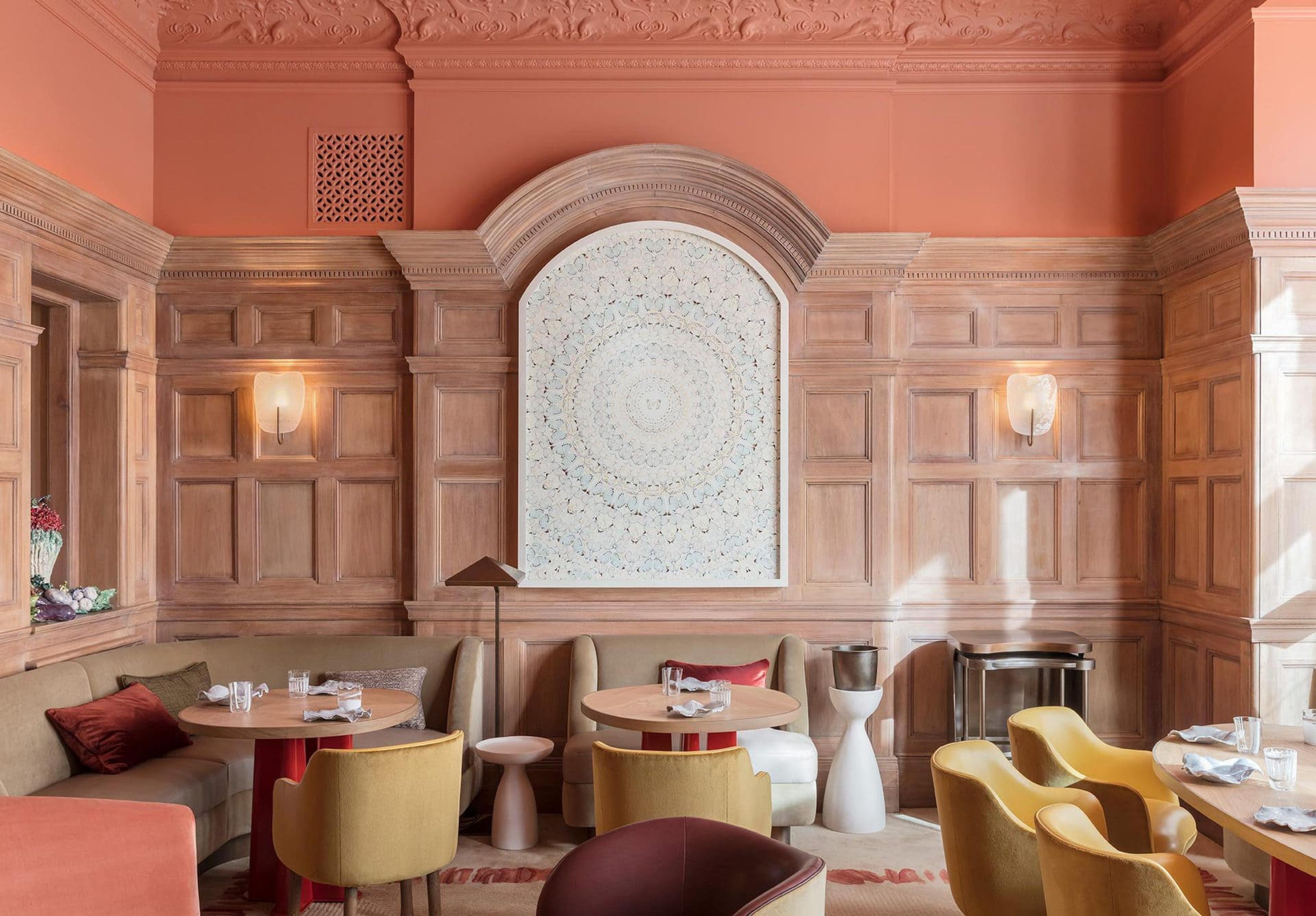
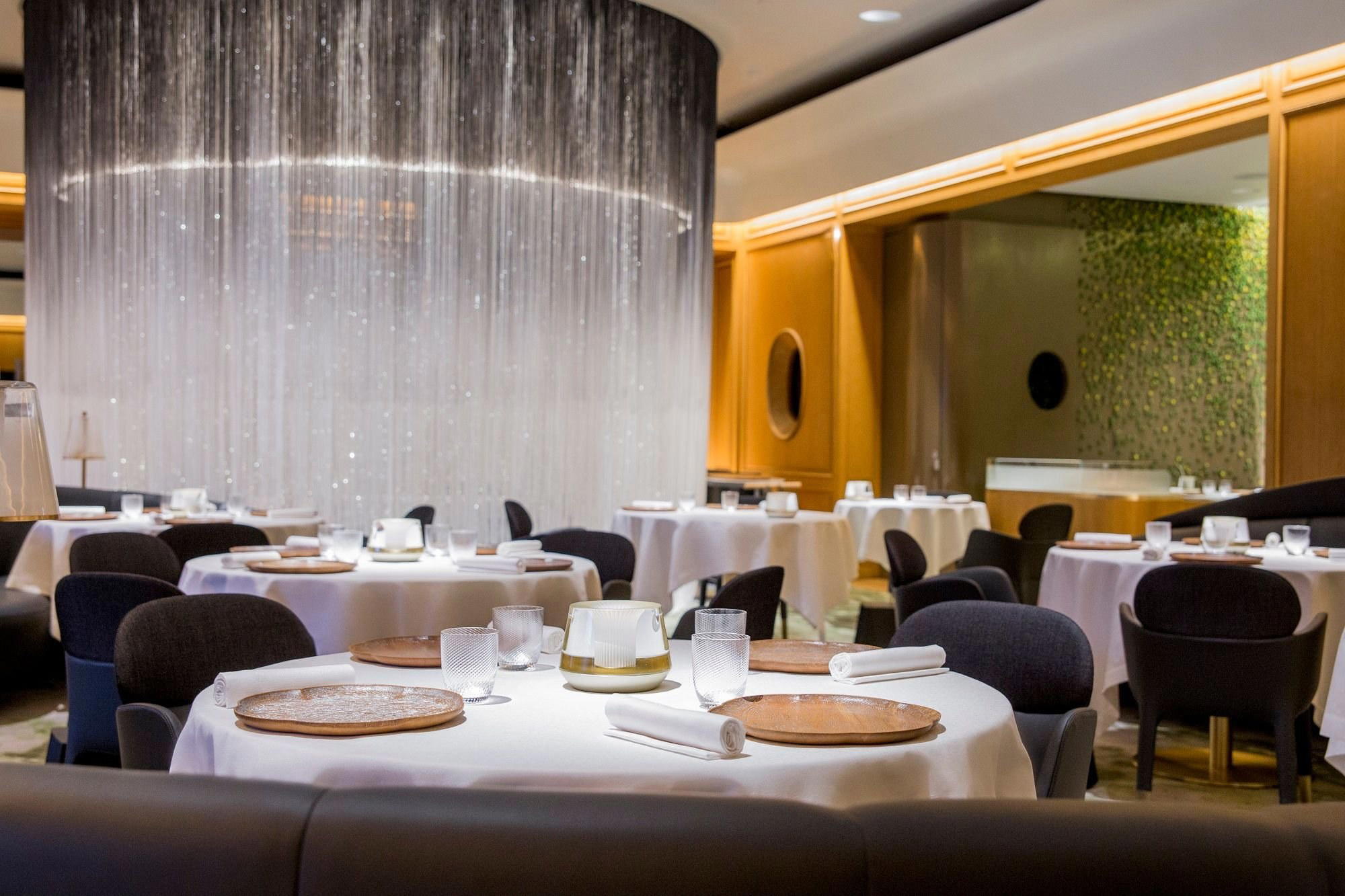
Bars in London
Browse all →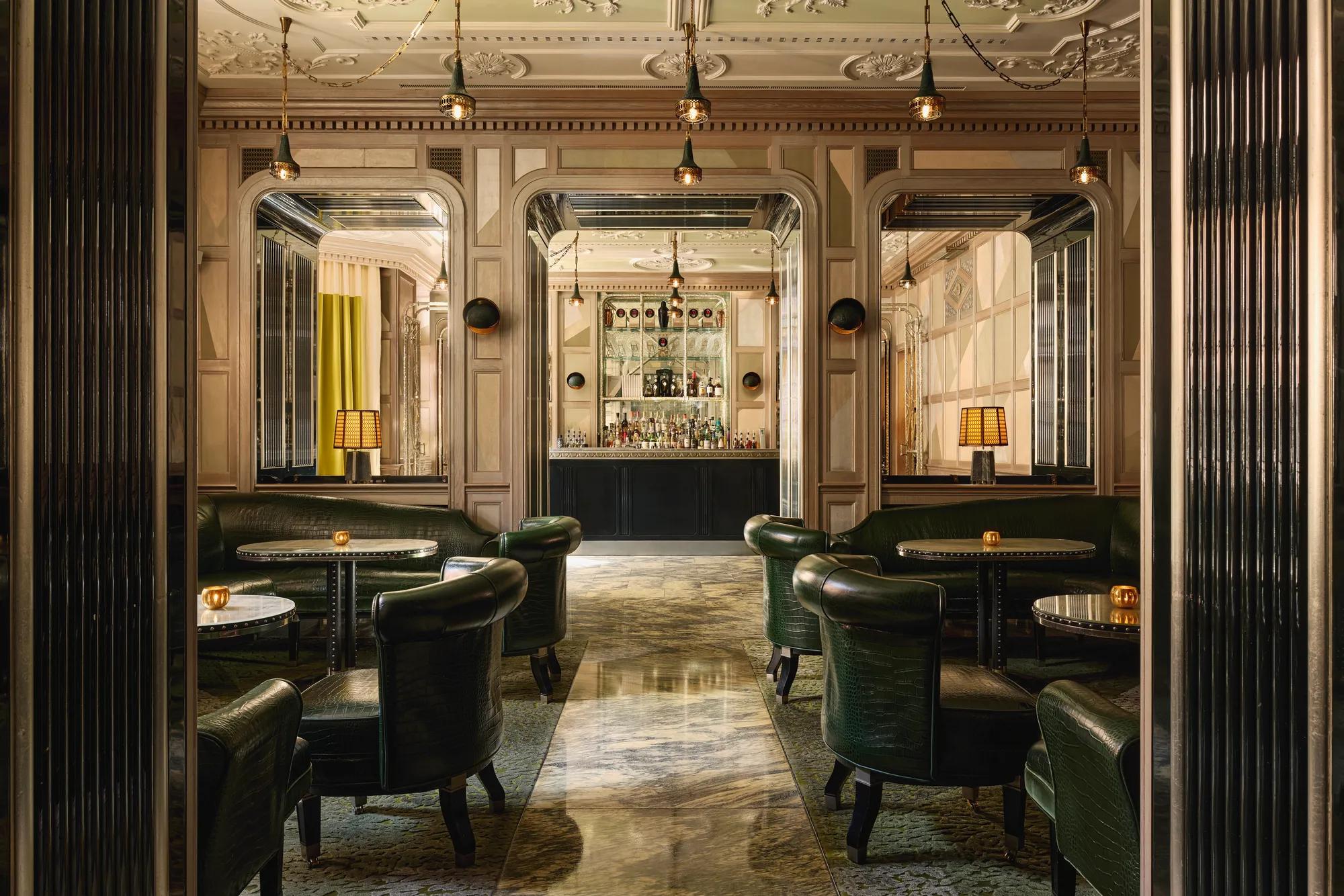
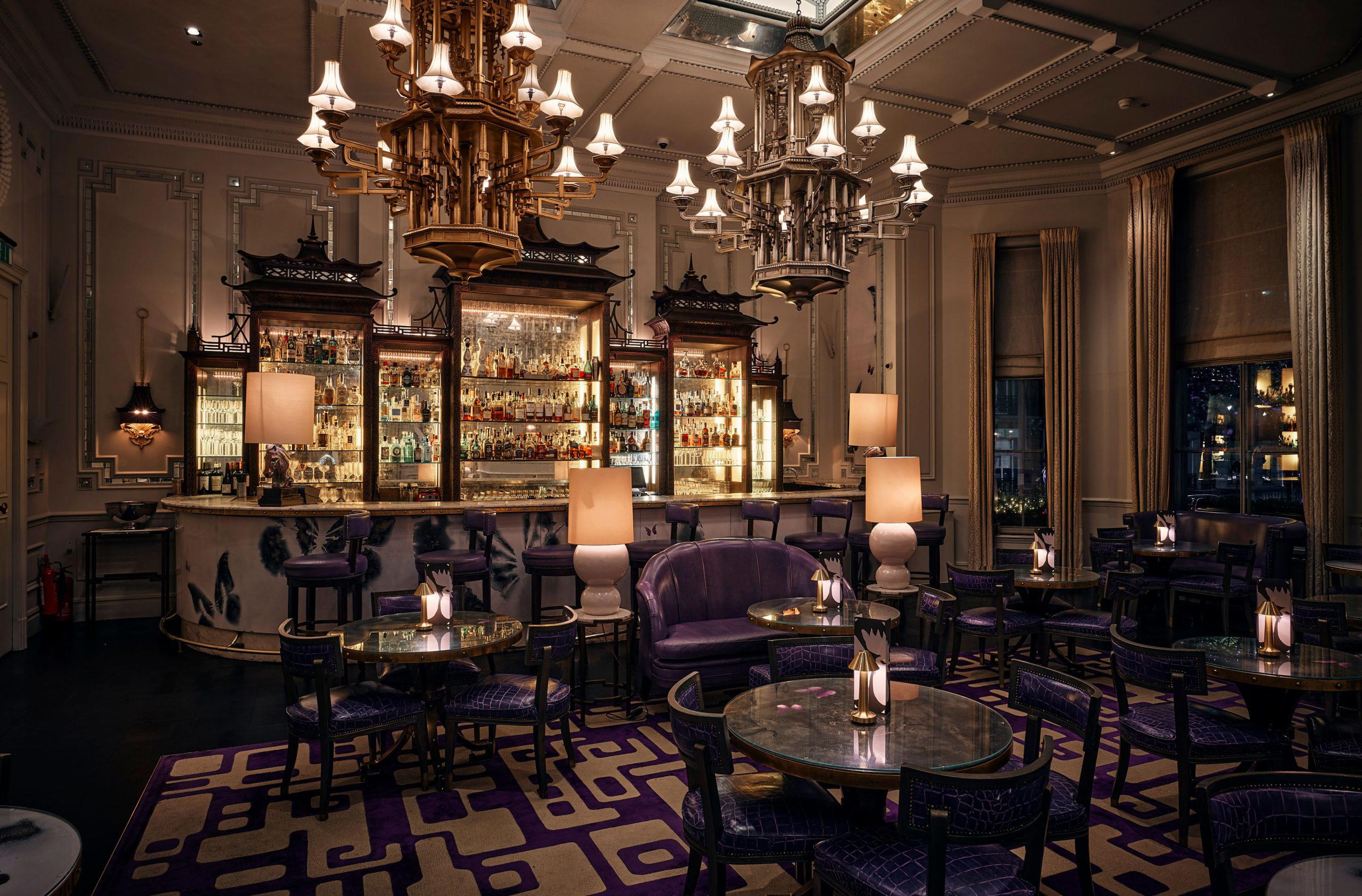
Hotels in London
Browse all →


At a Glance
- Elegant
- Modern
- Sophisticated
- Business Dinner
- Family
- Group Dining
- Private Dining
Current opening hours
- Monday
- 12–10:30 PM
- Tuesday
- 12–10:30 PM
- Wednesday
- 12–10:30 PM
- Thursday
- 12–10:30 PM
- Friday
- 12–10:30 PM
- Saturday
- 12–10:30 PM
- Sunday
- 12–10:30 PM
Hours can change for holidays and private events. Last verified .
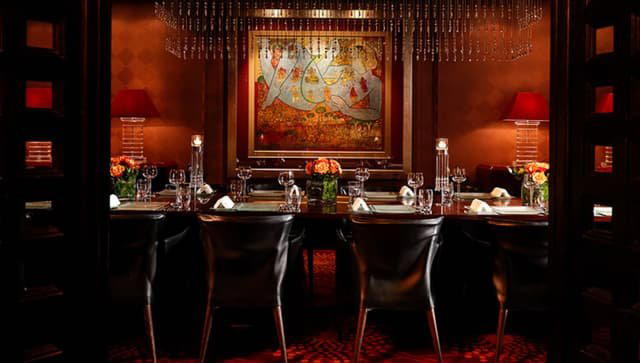
Modern and elegant with low lighting, rosewood accents, and a relaxing yet sometimes noisy atmosphere when busy.