3 Gorges
Three Gorges in London’s Fitzrovia presents premium Cantonese and Hubei cuisine with modern finesse. Must-try plates include melt-in-the-mouth Shanghai dumplings, black pepper Sachima beef and soft-shell crab with almonds. Led by Chef Qian, formerly of Hakkasan and Gouqi, the menu balances luxury ingredients, abalone, Iberico pork and geoduck, with light, precise techniques. The three-floor restaurant (80 covers) pairs polished, family-style sharing with an intimate private dining room and bar. Expect refined textures, layered aromatics and bright finishes that make every course memorable. Reservations are recommended for evenings and weekend lunches.
Pearl is the En Primeur Club membership app — saves, bookings, and concierge access live there. Same editors, same standards.
- Address
- 36 Goodge St, London W1T 2QN, United Kingdom
- Phone
- +44 20 3943 8238
- Website
- 3gorges.co.uk
- Directions
- Get directions
 Saves & bookings on Pearl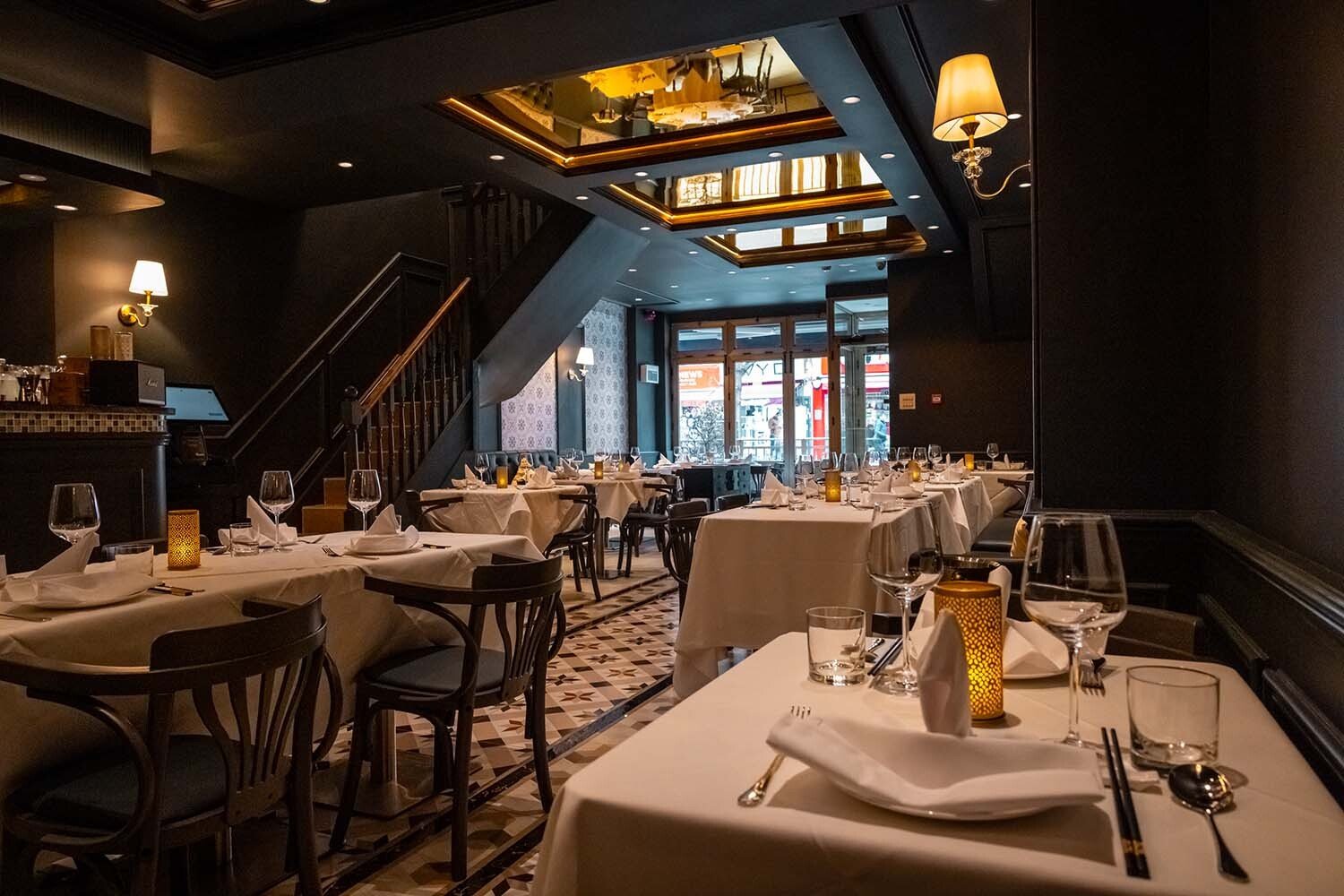
A Chinese Restaurant Worth Seeking on Goodge Street
If you eat one Chinese meal in London this year, make it count by understanding what separates a serious regional Chinese kitchen from the broad-strokes Cantonese menus that still dominate the capital. Three Gorges, at 36 Goodge Street in Fitzrovia, occupies a stretch of W1 that has quietly become one of central London's more interesting blocks for independent restaurants. In a city where the £££+ tier fills rapidly with Modern British and French kitchens, a focused regional Chinese address at this postcode operates in a different register entirely.
The Three Gorges Region and What It Means on the Plate
The name references the Yangtze River gorge system spanning Hubei and Chongqing, a corridor where the cooking traditions of central China converge. This is not the sweeter, more accessible Cantonese canon that shaped British-Chinese dining from the 1960s onward, nor the numbing-spice dominance of Sichuan that London rediscovered in the 2010s. Three Gorges cuisine draws on a heavier, earthier palette: preserved vegetables, fermented bean pastes, freshwater fish preparations, and a layering of aromatics that is smoke-adjacent without reaching the fire-roasted extremes of Hunan. The ingredient logic in this tradition is rooted in preservation and agriculture rather than coastal access, which means the sourcing signals on a serious menu differ substantially from a Cantonese seafood house or a Sichuan mala specialist.
London's Chinese dining scene has expanded considerably beyond the Chinatown core in the past decade. Sichuan houses in Soho and Islington, Shanghainese dumplings in Fitzrovia, and Hunanese kitchens in Zone 2 have all found audiences willing to engage with regional specificity. Three Gorges sits within this broader shift toward defined regional identity, where provenance of technique, the origin of a pickling tradition, the age of a fermentation process, the specific chili variety used, carries as much weight as the source of the protein.
Ingredient Sourcing as the Editorial Frame
Central Chinese cooking traditions like those associated with the Three Gorges corridor place particular emphasis on preserved and fermented components as foundational flavour builders rather than condiments. Ingredients like suancai (fermented mustard greens), doubanjiang variants specific to Hubei, and dried chili preparations each carry region-of-origin significance in the same way that Burgundy-trained chefs treat their wine sourcing. When a London restaurant commits to this cuisine category, the sourcing question becomes whether the kitchen is working with genuinely regional imports or domestic substitutions. This distinction is not always visible on a menu, but it lands clearly in the cooking.
The parallel in fine dining is instructive. Kitchens like L'Enclume in Cartmel and Moor Hall in Aughton have built their reputations partly on hyper-local ingredient provenance as a statement of culinary identity. In regional Chinese cooking, the logic is inverted: the sourcing commitment runs toward specific imported components, fermented, aged, or dried, that cannot be faithfully replicated with British produce substitutions. Both approaches treat ingredient origin as non-negotiable, for different structural reasons.
Fitzrovia as Context
Goodge Street sits at the southern edge of Fitzrovia, a neighbourhood that functions as a transit zone between Soho's density and Marylebone's residential quiet. The restaurant concentration here skews toward independent operators rather than group-backed concepts, and the lunchtime trade from nearby media and tech offices supports kitchens that would struggle in higher-rent locations to the south or east. For a restaurant focused on central Chinese cuisine, the postcode carries no particular legacy or expectation, which gives it operational freedom that a Chinatown address would not. Diners arriving at W1T are not arriving with Cantonese assumptions baked in.
This matters for how a kitchen can present its menu. Fitzrovia Chinese restaurants are not competing against a local cluster of the same cuisine type. The competitive set is the broader central London independent dining scene, where a table at Three Gorges is evaluated against price-tier peers across all cuisines rather than against neighbouring Chinese restaurants offering a similar format.
Placing Three Gorges in the UK Dining Picture
The serious end of UK restaurant culture in 2024 extends well beyond London. But the case for a focused regional Chinese address in central London is different: it is about access to a cuisine tradition that has almost no serious representation outside the capital. Three Gorges occupies a similar position of specialisation, if at a different scale.
Planning Your Visit
Three Gorges is located at 36 Goodge Street, London W1T 2QN, within walking distance of Goodge Street Underground station on the Northern line. Reservations are recommended, and the restaurant’s regular hours are Monday to Saturday 12:00 pm to 10:30 pm, and Sunday 12:00 pm to 9:30 pm.
Quick reference: 36 Goodge Street, London W1T 2QN. Nearest tube: Goodge Street (Northern line).
Just the Basics
Comparable venues nearby, for context on price, style, and recognition.
| Venue | Cuisine | Price | Notes |
|---|---|---|---|
| Three GorgesThis venue — the venue you are viewing | Fitzrovia, Modern Cantonese & Hubei | $$$ | Not listed |
| Duck and Rice | Soho, Chinese Gastropub | $$$ | Not listed |
| Shanghai Me | Not listed | $$$$ | Mayfair, Modern Pan-Asian with Chinese and Japanese influences |
| Cafe Kowloon | Not listed | $$$ | London Fields, Modern Cantonese inspired by Hong Kong cafés |
| Beijing Dumpling | Chinatown, Authentic Chinese Dumplings | $$ | Not listed |
| Sichuan Fry and Dumpling Shack | Not listed | $$ | London Fields, Sichuan Fried Chicken & Dumplings |
Continue exploring
More in London
Restaurants in London
Browse all →
Bars in London
Browse all →
Hotels in London
Browse all →



At a Glance
- Elegant
- Sophisticated
- Cozy
- Intimate
- Date Night
- Business Dinner
- Group Dining
- Special Occasion
- Private Dining
- Craft Cocktails
Current opening hours
- Monday
- 12–10:30 PM
- Tuesday
- 12–10:30 PM
- Wednesday
- 12–10:30 PM
- Thursday
- 12–10:30 PM
- Friday
- 12–10:30 PM
- Saturday
- 12–10:30 PM
- Sunday
- 12–9:30 PM
Hours can change for holidays and private events. Last verified .
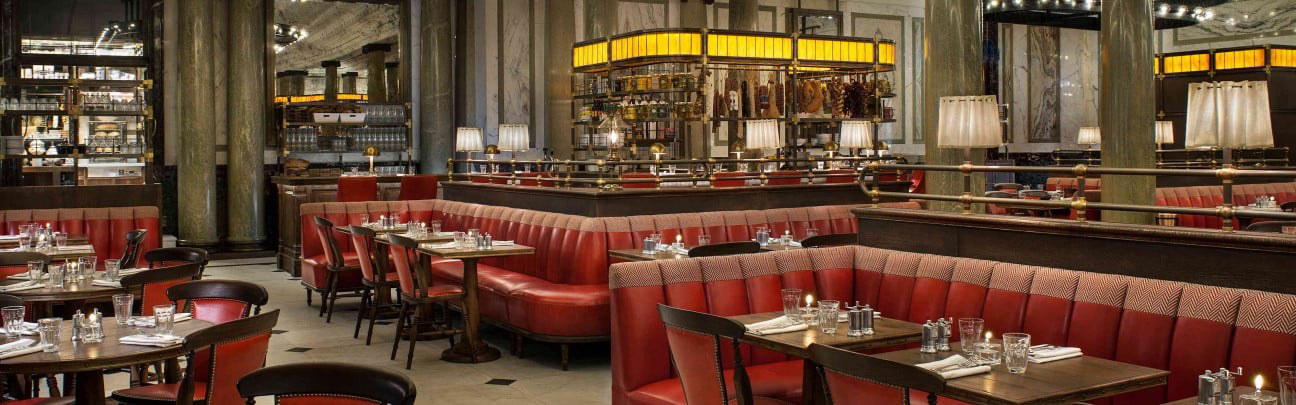
Blends vintage-Shanghai charm with contemporary elegance through dark woods, leather furniture, wood paneling, marble accents, and smooth jazz, creating a refined and comfortable atmosphere.