Singapore Garden

Open on Fairfax Road in West Hampstead since 1983, Singapore Garden is one of London's longest-serving flag-bearers for Singaporean and Straits Chinese cooking. Chilli crab, pork satay, laksa, and ho jien appear alongside Chinese regional staples on a menu that draws expats and locals in equal measure. Prices pitch toward the West End, but the flavours are grounded and the room fills regularly.
Pearl is the En Primeur Club membership app — saves, bookings, and concierge access live there. Same editors, same standards.
- Address
- 83 Fairfax Rd, London NW6 4DY, United Kingdom
- Phone
- +44 20 7624 8233
- Website
- singaporegarden.co.uk
- Directions
- Get directions
 Saves & bookings on Pearl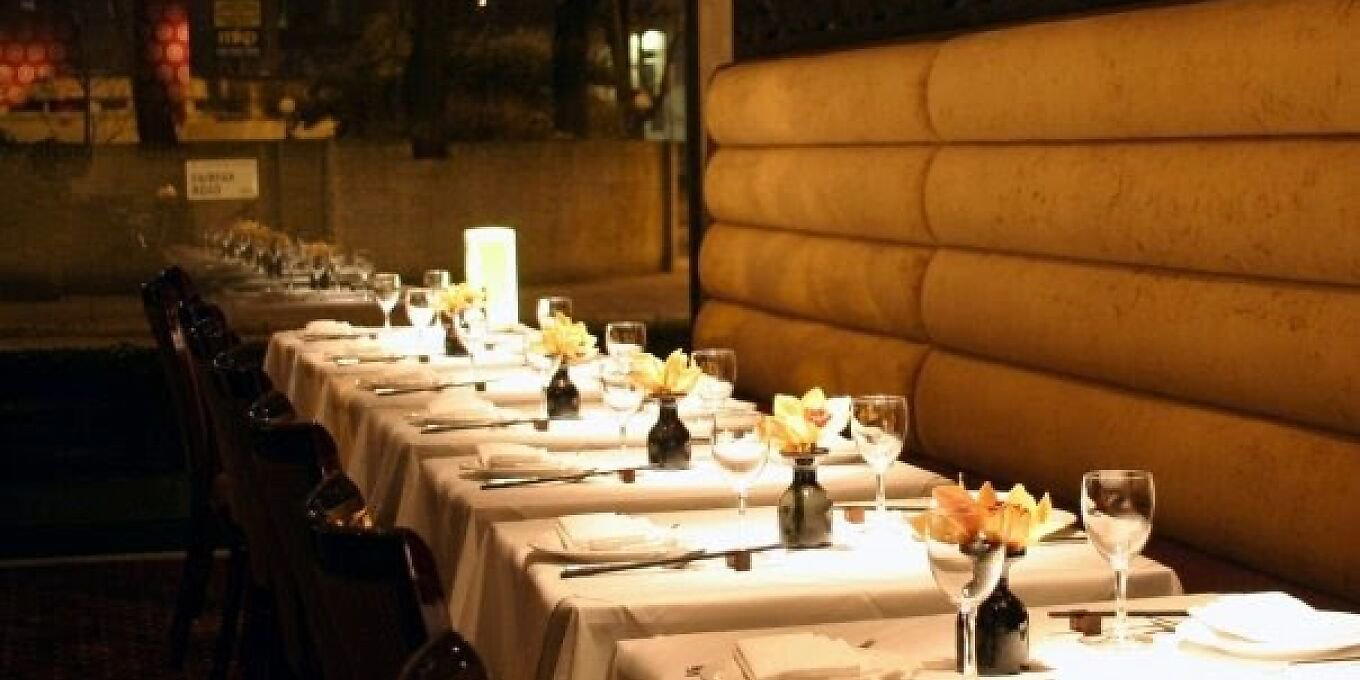
Forty Years of Straits Cooking in NW6
Singapore Garden is a Singaporean and Malaysian Chinese restaurant on Fairfax Road in London NW6. That is not a casual recommendation. Singapore Garden has occupied its spot on Fairfax Road in West Hampstead since 1983.
The physical room tells you something before the food arrives. The interior is smartly dressed rather than casual, with the kind of considered presentation that signals the kitchen takes itself seriously without positioning the evening as occasion dining. Waitresses in traditional batik costumes reinforce a deliberate aesthetic choice, one that connects the room to a specific cultural tradition rather than the generic pan-Asian register that defines much of London's mid-market Southeast Asian offer. The effect is a dining space that feels anchored to a particular place and sensibility,
The Architecture of the Menu
Straits cooking developed among the Peranakan communities of Singapore, Penang, and Malacca, and sits at a crossroads of Chinese, Malay, and Indonesian culinary traditions. It is a tradition that rewards specificity: dishes have precise technical and flavour identities that distinguish them sharply from both the Chinese and Malay cooking they draw on. Singapore Garden's menu is structured to honour that range rather than simplify it for a Western audience,
The pork satay arrives with a nicely caramelised finish, with char but no dryness and peanut sauce that supports the meat. The chilli crab is garlicky and spicy, and it lands with the confidence the dish needs. The kuay pie tee, delicate pastry cups filled with finely shredded bamboo shoots and chicken, require a kitchen confident enough to serve something that doesn't read as immediately dramatic but earns its place through technique and texture.
Ho jien, the stir-fried oyster omelette with chives, and stir-fried beef ho fun, flat rice noodles with wok hei, point to a kitchen operating with real heat control. Wok hei, the breath of the wok, is a quality that can't be faked and doesn't survive a low-temperature or overcrowded wok. Its presence in the beef ho fun is a reliable indicator of kitchen discipline. The broader menu extends through Singapore laksa, fiery squid blachan, beef rendang, and rojak, the Singaporean fruit and vegetable salad tossed in shrimp paste with peanuts and sesame, all of which are described as precise on flavour.
The menu also carries a section of Chinese regional cooking, from steamed sea bass with black bean sauce to Szechuan crispy chilli beef, which widens the kitchen's apparent range and situates the restaurant in the tradition of Chinese-Singaporean family restaurants that move fluidly across both culinary registers. Desserts follow Singaporean form: sago pudding with coconut milk and gula melaka (palm sugar) and ice kachang, shaved ice with red beans and evaporated milk, are the right way to end.
Context in London's Southeast Asian Scene
London's high-end dining map in recent years has concentrated around a cluster of multi-Michelin-starred rooms, including CORE by Clare Smyth, Restaurant Gordon Ramsay, Sketch, The Lecture Room and Library, The Ledbury, and Dinner by Heston Blumenthal, which together define the city's formal dining tier. The restaurant operates at a completely different register, but its longevity and continued audience among the Singaporean expatriate community in London function as a form of credentialing that is harder to acquire than any award. Expat communities eat critically, and restaurants that hold that audience across decades do so on flavour, not nostalgia.
The comparison point is not with West End luxury. It is with the small number of London restaurants maintaining genuine Straits Chinese and Singaporean cooking at any price point. That pool is thin, which is part of why the restaurant's long record on Fairfax Road reads as a meaningful signal. For context on the wider UK dining scene, operators like L'Enclume in Cartmel, Moor Hall in Aughton, and Gidleigh Park in Chagford demonstrate how a sustained commitment to a culinary identity builds institutional authority over time. The restaurant's version of that commitment is different in register but comparable in duration.
Planning a Visit
The restaurant sits at 83 Fairfax Road, NW6, a short walk from West Hampstead or Finchley Road stations. The restaurant has operated as a neighbourhood fixture since 1983, and booking ahead is recommended, particularly on weekend evenings. The price is around $25 per person.
Further afield, The Fat Duck in Bray, Hand and Flowers in Marlow, and Le Manoir aux Quat' Saisons in Great Milton round out the high-commitment day-trip options from London. For international reference points in the same editorial tier, Le Bernardin in New York City and Atomix in New York City illustrate what sustained commitment to a culinary tradition looks like across different scales and price points.
Comparable Venues
Comparable venues nearby, for context on price, style, and recognition.
| Venue | Cuisine | Price | Notes |
|---|---|---|---|
| Singapore GardenThis venue — the venue you are viewing | Singaporean & Malaysian Chinese | $$ | Not listed |
| Master Wei Xi'an Cuisine | Authentic Xi'an Noodles | $$ | Bloomsbury |
| Mandarin Kitchen | Traditional Cantonese Seafood | $$ | Queensway |
| Din Tai Fung Centre Point | Authentic Taiwanese Dim Sum | $$ | St Giles |
| Bao Fitzrovia | Modern Taiwanese Bao Buns | $$ | Fitzrovia |
| Wong Kei | Cantonese | $ | Chinatown |
Recognition history
Dated appearances from independent guides and award organizations, with the underlying list record or original source where available.
The Good Food Guide GFG Good
The Good Food Guide
Continue exploring
More in London
Restaurants in London
Browse all →
Bars in London
Browse all →
Hotels in London
Browse all →


At a Glance
- Cozy
- Lively
- Family
- Date Night
- Casual Hangout
- Standalone
Current opening hours
- Monday
- 5:30–10:30 PM
- Tuesday
- 5:30–10:30 PM
- Wednesday
- 5:30–10:30 PM
- Thursday
- 5:30–10:30 PM
- Friday
- 12–3 PM, 5:30–11 PM
- Saturday
- 12–3 PM, 5:30–11 PM
- Sunday
- 12–4 PM, 5–10 PM
Hours can change for holidays and private events. Last verified .
Relaxed and cozy with a busy, lively atmosphere and friendly service.