Golden Dragon
On Gerrard Street, the spine of London's Chinatown, Golden Dragon has been a fixture of the neighbourhood's Cantonese dining scene for decades. Sitting on the strip that draws both local families and first-time visitors, it occupies a tier of mid-scale, high-volume Chinese restaurants that define the area's accessible, communal character. For context on where it fits within London's broader dining map, the full London restaurants guide covers the range.
Pearl is the En Primeur Club membership app — saves, bookings, and concierge access live there. Same editors, same standards.
- Address
- 28-29 Gerrard St, London W1D 6JW, United Kingdom
- Phone
- +44 20 7734 1073
- Website
- gdlondon.co.uk
- Directions
- Get directions
 Saves & bookings on Pearl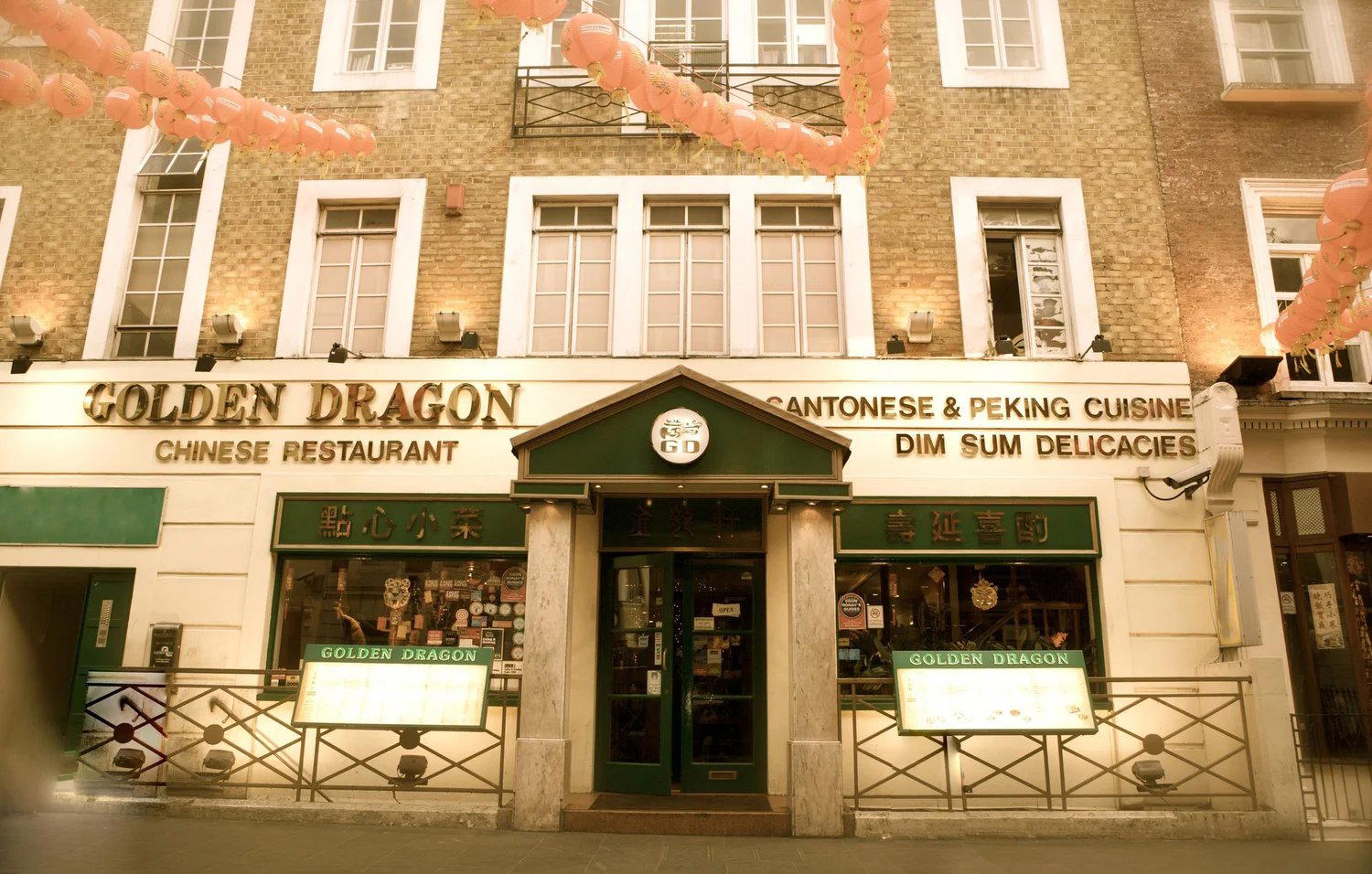
Gerrard Street and the Cantonese Dining Tradition It Sustains
London's Chinatown is one of the older ethnic dining districts in a Northern European capital, and Gerrard Street has been its commercial centre since the community resettled there in the postwar decades. The street's restaurant density is high and the format is consistent: large dining rooms oriented around Cantonese cooking, with an emphasis on shared plates, roasted meats, and weekend dim sum service. Golden Dragon, at 28-29 Gerrard St in London, is a Cantonese dim sum restaurant with a casual dress code and walk-in-friendly service.
Chinese cuisine has expanded well beyond the Chinatown corridor. Sichuan and Hunanese kitchens have opened across Soho and the West End. Contemporary Chinese tasting-menu formats have appeared in Mayfair and Fitzrovia, closing some of the formality gap with the Michelin-starred European rooms. Yet the Gerrard Street model has not changed materially. It remains a high-turnover, group-oriented format, with value derived from volume of dishes rather than from rarity or technique theatre. Golden Dragon fits that mould, and for a specific kind of London dining occasion, that mould is exactly what is called for.
The Neighbourhood Context: What Chinatown Delivers and Where It Sits
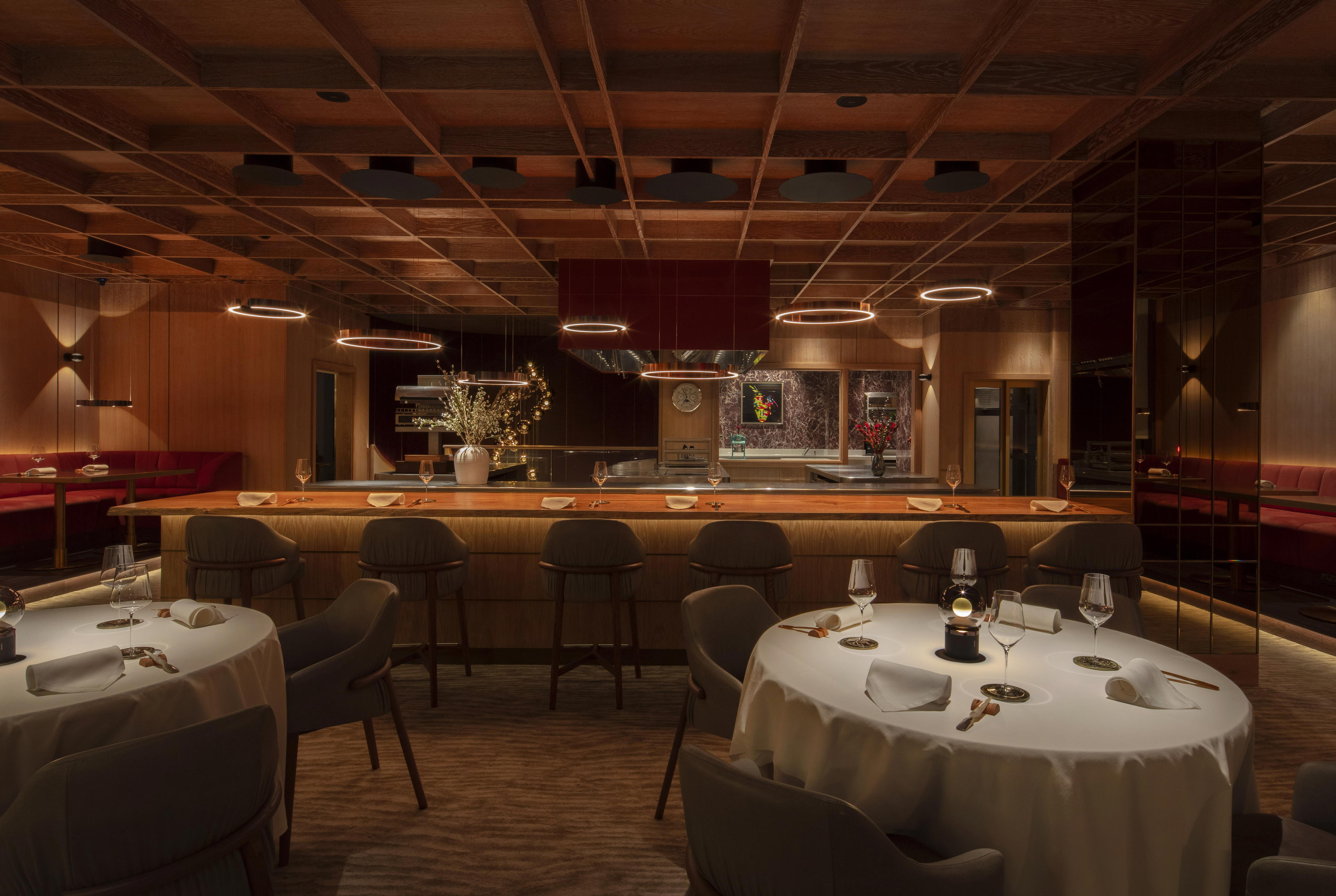
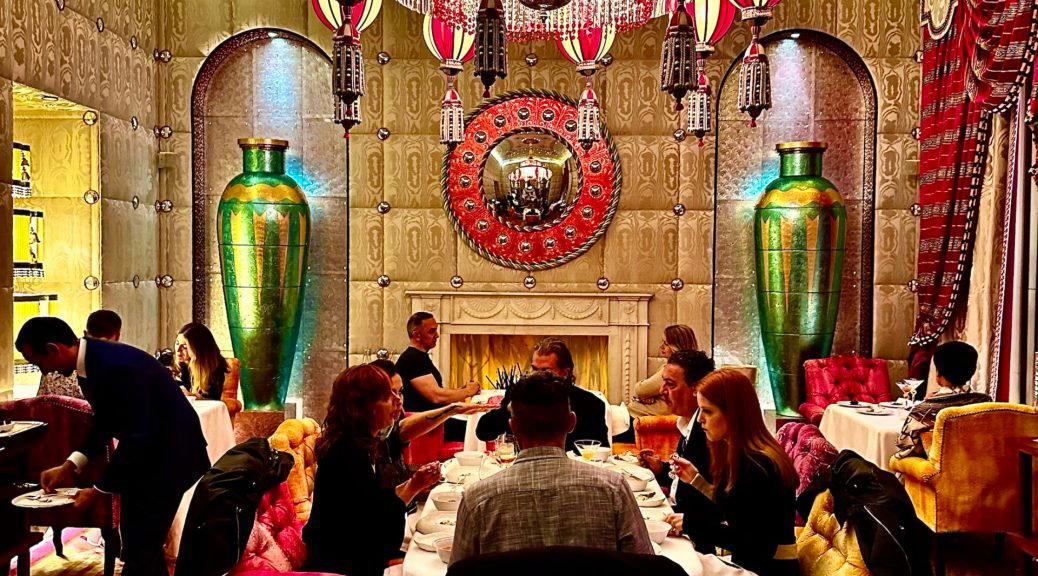
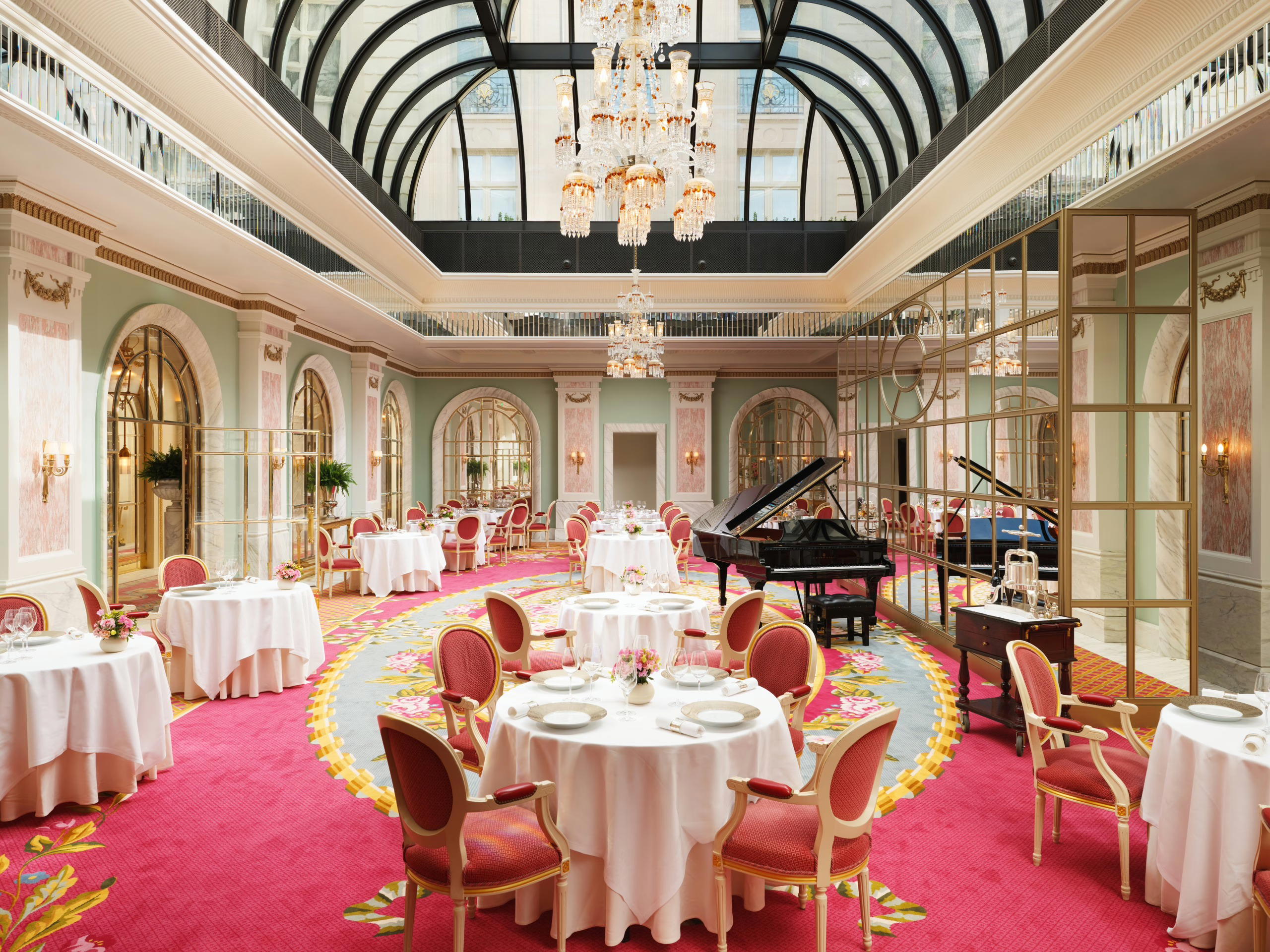
Positioning Golden Dragon within London's dining hierarchy requires a calibration that many visitors skip. The street's restaurants compete in a different market from the Michelin-starred rooms in Chelsea, Mayfair, or Notting Hill. CORE by Clare Smyth, Restaurant Gordon Ramsay, Sketch, The Lecture Room and Library, and The Ledbury occupy a different competitive tier entirely, one defined by pre-booked tasting menus, extensive wine programmes, and per-head spends that bear no comparison to a shared Cantonese meal on Gerrard Street. Even Dinner by Heston Blumenthal, which operates at a somewhat more accessible register within the Michelin two-star category, targets a fundamentally different occasion and audience.
The restaurant's competitive set is the Gerrard Street peer group itself: a dozen or so Chinese restaurants within a few metres of each other, differentiated primarily by the quality of their roast duck, the freshness of their seafood tanks, and the efficiency of the dim sum trolley on Saturday and Sunday mornings. That is the relevant comparison, and it is the frame through which the restaurant is best evaluated.
The Wine Question in a Cantonese Context
Wine lists at Gerrard Street Cantonese restaurants are, almost without exception, functional rather than curatorial. That is not a criticism distinctive to the restaurant, it reflects a structural reality of the format. The cooking here is built around high-heat wok technique, soy-forward sauces, and the fat-rich textures of Cantonese barbecue. These are not flavour profiles that European fine-wine programmes are built to frame, and the operators know it. House wines, lager, and jasmine tea are the practical defaults, and they work in context.
The contrast with London's high-spend dining rooms is instructive. Restaurants like Sketch, The Lecture Room and Library or The Ledbury maintain wine lists of genuine depth, where sommelier expertise and cellar age are part of what justifies the cover charge. In Chinatown, that is simply not the model. The better approach for a wine-focused visit is to treat Gerrard Street as the second half of a London evening, preceded by drinks at one of Soho's more considered bar programmes,
Planning a Visit: Gerrard Street Logistics
Chinatown sits at the eastern edge of Soho, walkable from Leicester Square Underground in under two minutes. The neighbourhood is dense and pedestrianised on Gerrard Street itself, which means arrival on foot is the practical standard. Weekend dim sum attracts the highest footfall, typically between 11:00 and 14:00, when queues form outside several restaurants on the strip. Weekday evenings are typically less busy. The area connects easily to Covent Garden, Soho, and the West End theatre district, which makes it a logical pre-theatre or post-museum dinner option.
| Venue | Format | Price Tier | Booking Lead Time | Relevant For |
|---|---|---|---|---|
| The restaurant | Cantonese, group dining | £–££ | Walk-in or short notice | Chinatown occasion, dim sum |
| CORE by Clare Smyth | Modern British tasting menu | ££££ | Weeks to months ahead | Special occasion, wine programme |
| The Ledbury | Modern European tasting menu | ££££ | Weeks to months ahead | Notting Hill, fine dining |
| Dinner by Heston Blumenthal | Modern British à la carte | ££££ | Several weeks ahead | Knightsbridge, Michelin two-star |
Compact Comparison
Comparable venues nearby, for context on price, style, and recognition.
| Venue | Cuisine | Price | Notes |
|---|---|---|---|
| Golden DragonThis venue — the venue you are viewing | Chinatown, Cantonese Dim Sum | $$ | Not listed |
| Royal China Baker Street | Marylebone, Cantonese Dim Sum | $$ | Not listed |
| Pearl Liang | Paddington, Cantonese Dim Sum | $$ | Not listed |
| North China | Not listed | $$ | Ealing Common, Traditional Northern Chinese & Peking Style |
| Beijing Dumpling | Chinatown, Authentic Chinese Dumplings | $$ | Not listed |
| RedFarm | Covent Garden, Modern Chinese Dim Sum | $$$ | Not listed |



At a Glance
- Lively
- Classic
- Group Dining
- Family
- Casual Hangout
- Standalone
Current opening hours
- Monday
- 12–11 PM
- Tuesday
- 12–11 PM
- Wednesday
- 12–11 PM
- Thursday
- 12–11 PM
- Friday
- 12–11:30 PM
- Saturday
- 11 AM–11 PM
- Sunday
- 11 AM–10 PM
Hours can change for holidays and private events. Last verified .
Crowded and noisy with dated decor and cramped seating.