Royal China Baker Street
Royal China Baker Street sits within one of London's most established Cantonese dining groups, occupying a prominent address on Baker Street in Marylebone. The restaurant is a reference point for dim sum in central London, drawing regulars for weekend yum cha as well as longer Cantonese banquet-style dinners. It competes in a tier defined by consistency, capacity, and group dining credentials rather than tasting-menu theatre.
Pearl is the En Primeur Club membership app — saves, bookings, and concierge access live there. Same editors, same standards.
- Address
- 24-26 Baker St, London W1U 3BZ, United Kingdom
- Phone
- +44 20 7487 4688
- Website
- royalchinagroup.co.uk
- Directions
- Get directions
 Saves & bookings on Pearl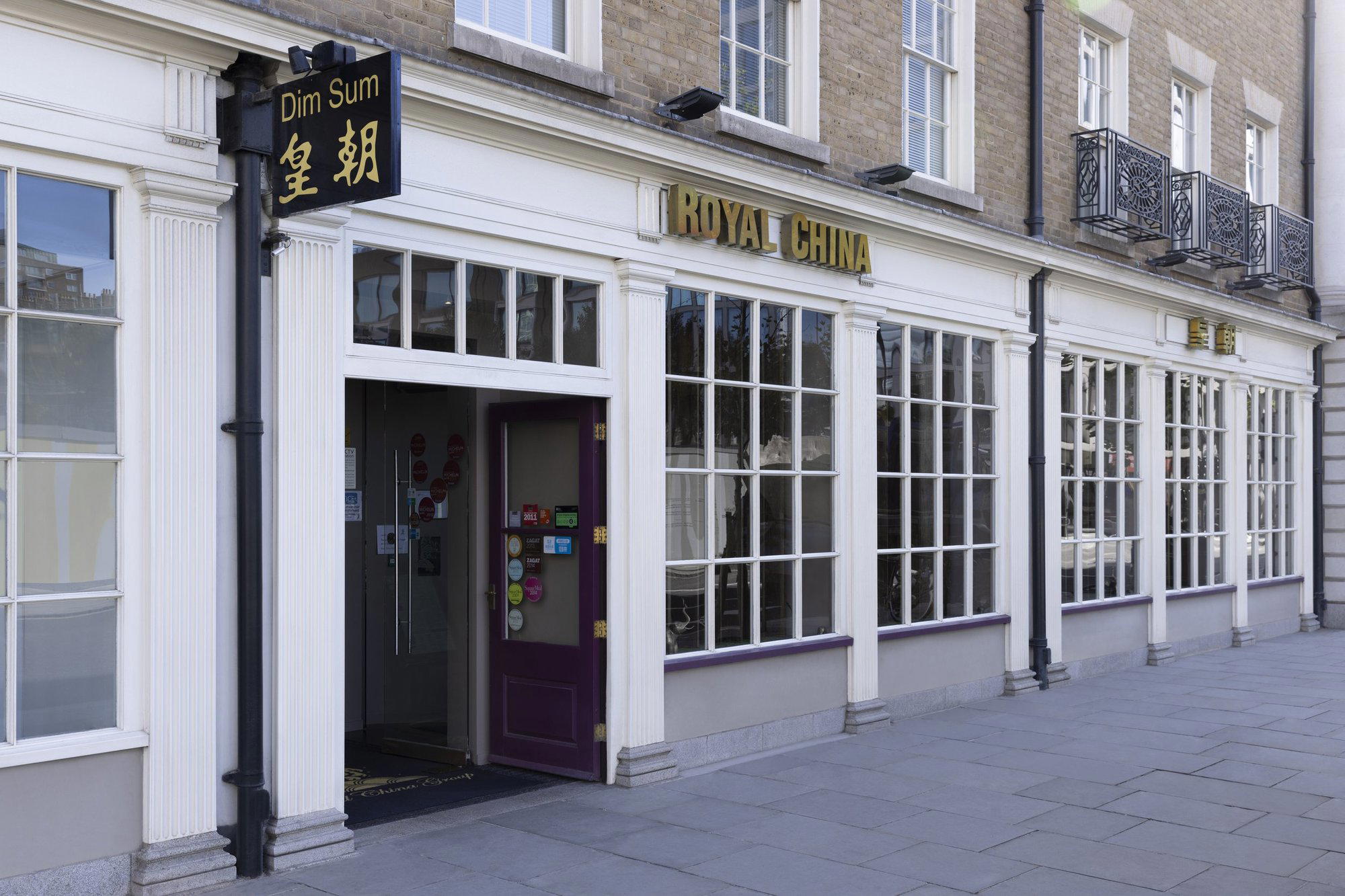
Where Cantonese Sequencing Still Holds in Central London
Royal China Baker Street is a Cantonese dim sum restaurant in Marylebone, London, at 24-26 Baker St, with a recommended reservation policy and a price tier of about $40 per person. Places like CORE by Clare Smyth, The Ledbury, and Sketch, The Lecture Room and Library build their meal around a single authored progression, each course a deliberate editorial act. Cantonese restaurants work through a different architecture: the meal arrives in overlapping waves, dishes chosen by the table rather than handed down from the kitchen, the progression shaped by collective appetite rather than a fixed script. Royal China Baker Street, at 24-26 Baker Street in Marylebone W1U 3BZ, is one of the principal addresses in London where that format is taken seriously.
The Royal China group has been a fixture of London's premium Cantonese offer since the 1990s, and the Baker Street branch sits in the context of that longer institutional presence. In a city where the Chinese restaurant tier has fragmented considerably, with newer openings clustering around Mayfair and the City targeting a different price point and demographic, the Royal China addresses have maintained their position through consistency and scale rather than reinvention. That is a deliberate choice, and for a certain kind of Cantonese meal, it is the right one.
The Architecture of the Meal
The logic of a meal at a Cantonese restaurant of this standing follows a structure that rewards familiarity. The meal does not begin with an amuse-bouche or a chef's greeting. It begins with tea selection, a ritual that in serious yum cha culture carries its own considered weight: pu-erh for the heavier dishes to follow, jasmine for a lighter afternoon sitting, chrysanthemum as a palate-clearing constant. The choice of tea signals how you intend to eat, and experienced staff at this level of Cantonese dining read that signal.
Dim sum, if ordered, defines the first movement of the meal. Cantonese dim sum at this standard is a kitchen discipline distinct from the main menu, requiring different skill sets and different timing. Har gow wrappers should be thin enough to show the prawn filling beneath the surface but hold their structure through the brief transit from steamer to table. Char siu bao, the barbecue pork buns, come in two registers here as elsewhere in the Cantonese tradition: baked, with a glazed crust, or steamed, with a softer, cloudlike exterior. The steamed version is the more technically demanding of the two, and the quality of the filling, its balance of fat, char, and sweetness, is the marker by which kitchen consistency is measured across sittings.
The mid-section of a properly sequenced Cantonese meal moves into roasted meats and seafood. Cantonese roasting technique, particularly for duck and pork, depends on controlled drying of the skin before high heat application, a process that cannot be rushed without sacrificing the lacquered, crackling result that defines the category. This is the stage of the meal where a Cantonese kitchen reveals whether it is operating at production scale or craft scale. Lobster and crab preparations, where available, follow the seafood sequencing logic that places lighter, cleaner preparations before richer sauced versions, mirroring the same arc that a European tasting menu achieves through different means.
The final movement, noodle and rice dishes, is often underestimated by first-time visitors to this format. In Cantonese tradition, the starch course is not a filler but a resolution, a way of grounding the meal after the intensity of the seafood and meat courses. Congee, fried rice, or noodles in a well-made stock each serve that function differently, and the choice among them shapes the overall impression of how the meal lands.
Marylebone and the Logic of the Location
Baker Street is not the neighbourhood most associated with Chinese dining in London. That concentration sits in Gerrard Street and the surrounding blocks of Chinatown, or in newer clusters around Bayswater and further east. The Royal China Baker Street location positions itself differently: it is a Cantonese restaurant within a broadly European dining neighbourhood, drawing on local residential and office trade rather than a cultural cluster. That positioning places it in direct competition with the broader Marylebone restaurant offer, including the kind of neighbourhood addresses that serve a more casual European format. For visitors or residents who want Cantonese cooking at this level without travelling to Chinatown or Bayswater, Baker Street is the closer alternative.
Marylebone itself has become one of central London's more coherent dining villages, with a density of independent and group-backed restaurants along Marylebone High Street and its surrounding streets. The Royal China address is a few minutes' walk from that concentration, on Baker Street proper, which gives it a slightly different footfall character: more passing trade, more hotel guests from the surrounding area, and a recognisable local repeat-visit base.
How It Sits in the Wider UK Restaurant Picture
Positioning Royal China Baker Street against the Michelin-starred European end of the London market, venues like Restaurant Gordon Ramsay or Dinner by Heston Blumenthal, or indeed against destination restaurants outside the capital such as The Fat Duck in Bray, L'Enclume in Cartmel, Moor Hall in Aughton, Gidleigh Park in Chagford, Hand and Flowers in Marlow, or Le Manoir aux Quat' Saisons in Great Milton, is not especially useful. These are different formats serving different purposes. The more instructive comparison is within the London Cantonese tier itself, where Royal China competes on dim sum quality, roasting-kitchen standards, and the capacity to handle larger-table group bookings with consistency. In that competitive set, its Baker Street address is one of the more recognised names.
For readers whose frame of reference extends internationally, the London Cantonese category operates at a level comparable to mid-to-upper Chinese restaurant tiers in other major Western cities, though it remains some distance behind Hong Kong's reference addresses. The comparison to formats like Le Bernardin in New York City or Atomix in New York City is again a different axis entirely: those are authored chef-driven tasting experiences, whereas the restaurant is a kitchen-led, table-ordered Cantonese address where the intelligence is in the sourcing and the technique, not the narrative.
Planning Your Visit
The restaurant is located at 24-26 Baker St, London W1U 3BZ. Reservations are recommended. The restaurant is open Monday to Saturday from 12 PM to 11 PM, and Sunday from 11 AM to 10 PM. Weekend dim sum sittings can be busy, particularly for larger tables, so advance planning is advisable. Weekday lunch and dinner generally offer more flexibility. Given the group-dining format, the meal works well with four or more people, which allows a fuller range of dishes across the sequencing described above.
The Essentials
Comparable venues nearby, for context on price, style, and recognition.
| Venue | Cuisine | Price | Notes |
|---|---|---|---|
| Royal China Baker StreetThis venue — the venue you are viewing | Marylebone, Cantonese Dim Sum | $$ | Not listed |
| Singapore Garden | Not listed | $$ | South Hampstead, Singaporean & Malaysian Chinese |
| Din Tai Fung Centre Point | St Giles, Authentic Taiwanese Dim Sum | $$ | Not listed |
| Mandarin Kitchen | Queensway, Traditional Cantonese Seafood | $$ | Not listed |
| Beijing Dumpling | Chinatown, Authentic Chinese Dumplings | $$ | Not listed |
| Yipin China | Angel, Authentic Hunanese & Sichuan | $$ | Not listed |
Continue exploring
More in London
Restaurants in London
Browse all →
Bars in London
Browse all →
Hotels in London
Browse all →

At a Glance
- Classic
- Family
- Group Dining
- Private Dining
Current opening hours
- Monday
- 12–11 PM
- Tuesday
- 12–11 PM
- Wednesday
- 12–11 PM
- Thursday
- 12–11 PM
- Friday
- 12–11 PM
- Saturday
- 12–11 PM
- Sunday
- 11 AM–10 PM
Hours can change for holidays and private events. Last verified .
Welcoming family-friendly atmosphere with efficient but sometimes brusque service in a large, busy space.