Peach Farm
Peach Farm is a Chinatown institution on Tyler Street, where the dining room has long functioned as an anchor for Boston's Chinese seafood tradition. The kitchen runs on live tanks and volume, with whole fish, shellfish, and Cantonese-rooted preparations drawing regulars from across the city. It occupies a different register from the neighbourhood's casual noodle shops without crossing into formal dining territory.
Pearl is the En Primeur Club membership app — saves, bookings, and concierge access live there. Same editors, same standards.
- Address
- 4 Tyler St, Boston, MA 02111
- Phone
- +16174823332
- Website
- peachfarmseafood.com
- Directions
- Get directions
 Saves & bookings on Pearl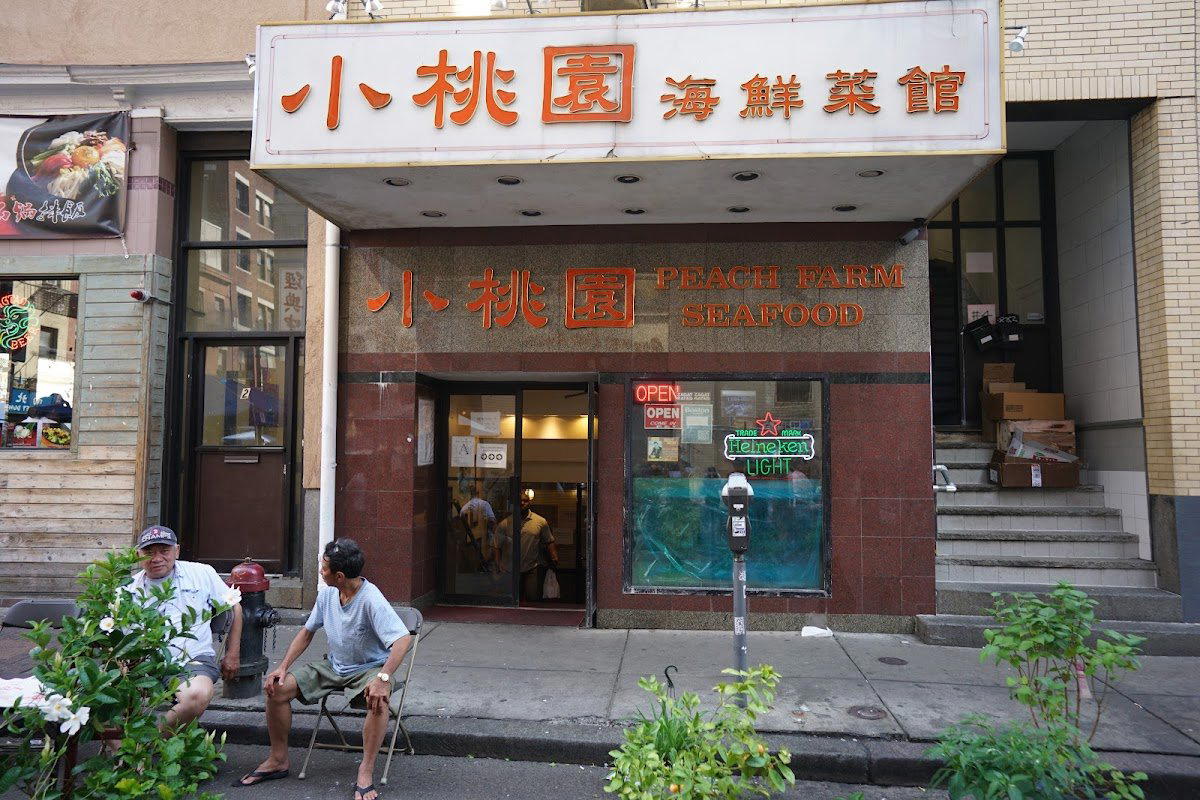
Chinatown's Seafood Counter and What It Tells You About Boston
Boston's Chinatown sits within a few blocks of the Financial District and the Theater District, which means it absorbs a lot of foot traffic from people who didn't plan to eat there. Peach Farm, at 4 Tyler Street, is not that kind of destination. The people who come here tend to know what they're ordering before they arrive, and the room reflects that assumption: no hand-holding, no translated explanations of every dish, no ambient lighting softening the edges of a working kitchen's reality. That directness is not a flaw in the experience. It is the experience.
Within Boston's Chinese dining scene, the restaurant occupies a position that doesn't map neatly onto the city's broader fine-dining structure. It is not competing with the tasting-menu counters of the South End or the high-concept rooms near the waterfront. The comparable set here is the city's handful of Cantonese seafood houses, places where live tanks are the menu's organizing principle and where the quality signal is the freshness of what's swimming, not a chef's pedigree on a printed card. That comparison matters because it explains why Peach Farm has retained a loyal following for decades in a neighbourhood that has seen considerable turnover.
The Live Tank Tradition in a City That Mostly Ignores It
Most of Boston's celebrated seafood dining runs through the raw bar tradition: oysters, clam chowder, the kind of New England coastal shorthand that Neptune Oyster and 75 on Liberty Wharf have refined into their own distinct formats. The Cantonese approach to seafood is fundamentally different. The live tank is not a theatrical prop but a logistical commitment: the kitchen is built around whatever is alive that day, prepared in ways that prioritize the ingredient's natural texture and salinity over sauce or char.
Whole steamed fish, geoduck prepared two ways, live lobster in black bean sauce, clams in ginger and scallion: these are the kinds of preparations that define the format. The kitchen's job is to not get in the way. That restraint requires real discipline across the brigade, from the staff managing the tanks to the wok cooks reading heat and timing on orders that don't tolerate mistakes. What looks like simplicity from the dining room is actually a highly coordinated service operation. In that sense, Peach Farm's team dynamic is more demanding than it appears: the front-of-house needs to communicate table size, preference, and pace to a kitchen that is executing to order on live product.
How the Room Works
The dining room is large by Chinatown standards, configured for family-style service, and operates at volumes that produce a particular kind of energy: not quiet, not curated, and genuinely indifferent to whether you've been before. Tables turn, orders arrive in waves, and the service cadence is set by the kitchen's rhythm rather than a paced tasting format. That model suits the food. Cantonese seafood at this level is not meant to be deconstructed course by course. It's meant to arrive at the table together, shared, eaten while hot.
The front-of-house team at the restaurant functions differently from what you'd encounter at, say, Agosto's chef's counter or the omakase format at 311 Omakase. There are no sommelier pairing suggestions or structured hospitality choreography. Instead, the coordination between floor and kitchen is about throughput and accuracy: getting the right live selections to the right table in the right preparation at the right moment. For groups unfamiliar with the format, one reliable approach is to ask the staff what came off the boat recently and let that steer the order.
Where This Fits in Boston's Broader Dining Picture
Boston's premium dining tier has expanded considerably over the past decade. Spots near the waterfront like 1928 Rowes Wharf and Japanese-leaning rooms like Abe & Louie's operate in a register defined by formal service, curated wine lists, and prix-fixe or steakhouse conventions. The restaurant is not in that conversation, and it doesn't need to be. The value proposition here is access to live seafood prepared in a tradition that has almost no representation elsewhere in New England's restaurant scene.
To put it in broader American context: the Cantonese seafood house format that restaurant represents is more commonly associated with San Francisco's Richmond District or New York's Flushing than with Boston. That comparative scarcity is part of why regulars treat the address with a loyalty that has little to do with ambience. The city has plenty of options for technically accomplished fine dining, including destinations whose peers include Le Bernardin in New York City, Alinea in Chicago, or The French Laundry in Napa. What Boston has far less of is restaurants where the live tank is the menu's backbone and where Cantonese preparation methods govern the kitchen's logic. That gap is what the restaurant fills, and it fills it consistently.
The format shares more with a serious Hong Kong-style seafood house, in the vein of what 8 1/2 Otto e Mezzo Bombana in Hong Kong represents at the formal end of that city's dining culture, than with any New England coastal restaurant. The price point and setting are entirely different, but the commitment to the ingredient as the primary event is the same.
Know Before You Go
Address: 4 Tyler St, Boston, MA 02111
Neighbourhood: Chinatown
Format: Cantonese seafood house, family-style service, live tanks
Booking: Reservations are recommended; larger groups should call ahead
Leading for: Groups eating Cantonese-style, seafood-focused orders, regulars who direct their own meal
Not suited to: Those expecting tasting-menu pacing or formal service choreography
Nearby context: Tyler Street sits in the core of Chinatown, walkable from Downtown Crossing and the Theater District
Recognition Snapshot
Comparable venues nearby, for context on price, style, and recognition.
| Venue | Cuisine | Price | Notes |
|---|---|---|---|
| Peach FarmThis venue — the venue you are viewing | Authentic Cantonese Seafood | $$ | Not listed |
| Myers+Chang | Pan-Asian (Chinese, Taiwanese, Thai, Vietnamese) | $$ | South End |
| China Pearl | Authentic Cantonese Dim Sum & Banquet | $$ | Chinatown |
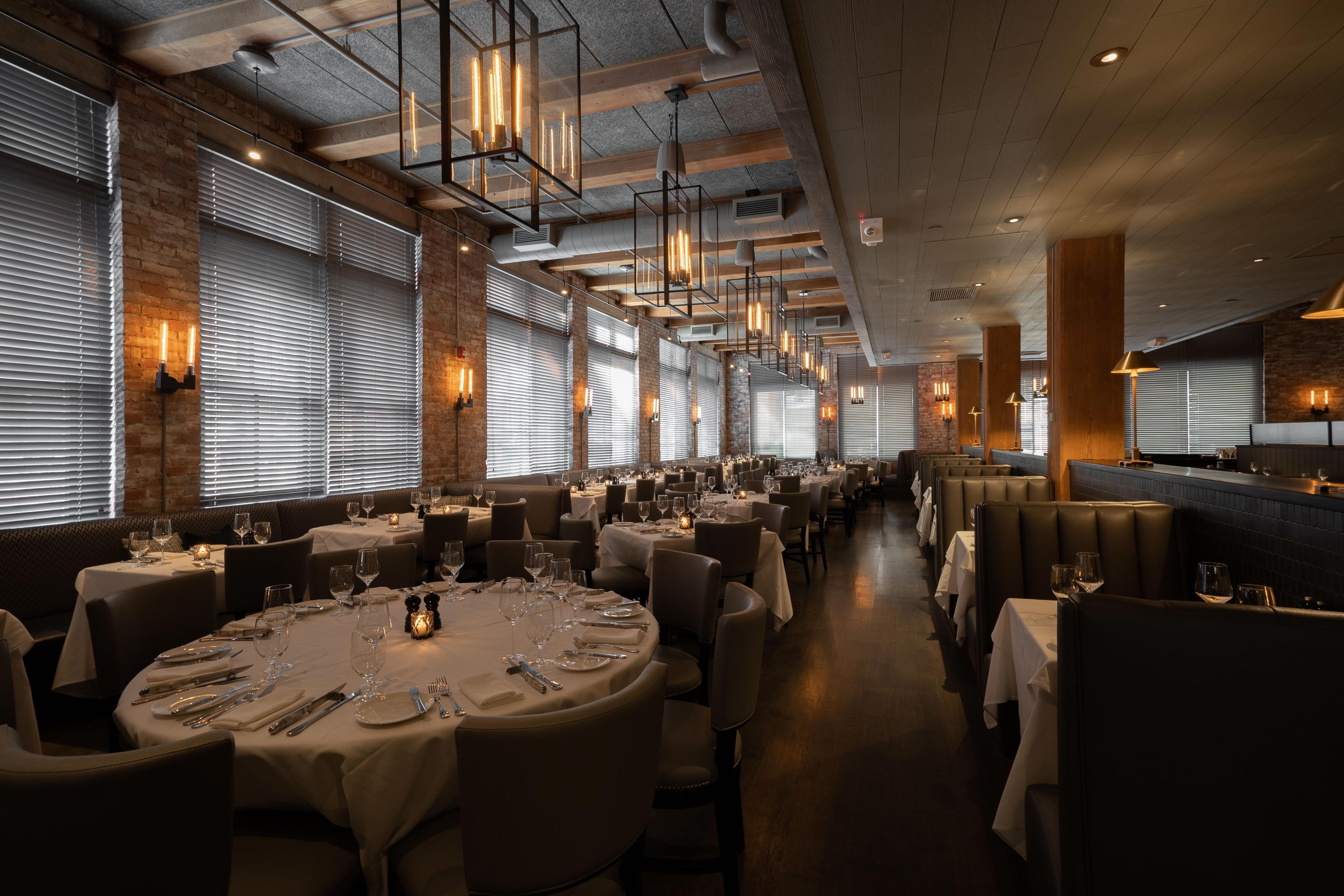
| Clio | Dining | Not listed | Boston |
| Joia | Modern Italian | $$ | Downtown |
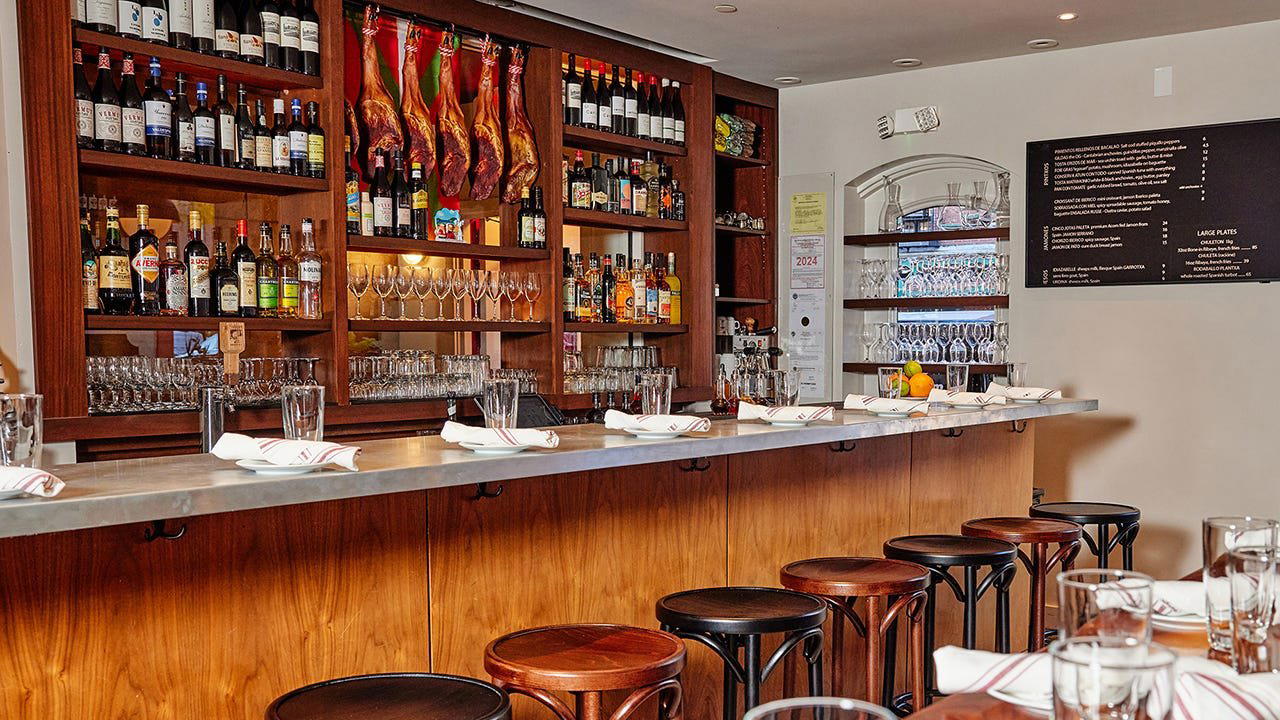
| Quattro | Neapolitan Pizza & Italian Grill | $$ | North End |
Continue exploring
More in Boston
Restaurants in Boston
Browse all →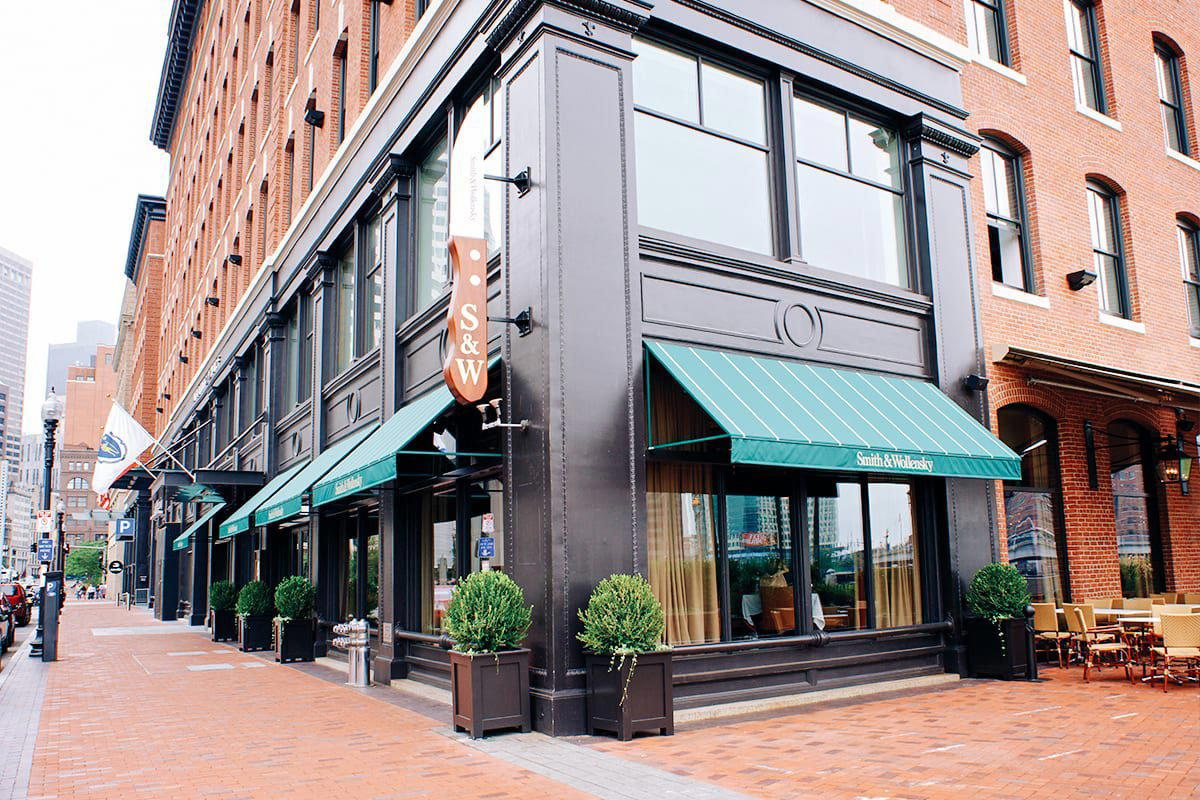
Bars in Boston
Browse all →
Hotels in Boston
Browse all →
Wineries in Boston
Browse all →
At a Glance
- Lively
- Well Known
- Group Dining
- Late Night
- Casual Hangout
- After Work
- Open Kitchen
- Beer Program
- Sustainable Seafood
Current opening hours
- Monday
- 11:30 AM–12:30 AM
- Tuesday
- 11:30 AM–12:30 AM
- Wednesday
- 11:30 AM–12:30 AM
- Thursday
- 11:30 AM–12:30 AM
- Friday
- 11:30 AM–12:30 AM
- Saturday
- 11:30 AM–12:30 AM
- Sunday
- 11:30 AM–12:30 AM
Hours can change for holidays and private events. Last verified .
Lively and casual with pink tablecloths and lazy Susans; transforms into a late-night hub after midnight with an energetic, social atmosphere.