Myers+Chang
Myers+Chang on Washington Street brings an unapologetically casual approach to Asian-American cooking that has made it one of South End's most consistently talked-about tables. The menu draws from Chinese, Taiwanese, Vietnamese, and Thai traditions without subordinating any one to another, producing a format where dim sum logic and wok technique sit alongside cocktails and shared plates. It occupies a distinct position in Boston's broader dining conversation.
Pearl is the En Primeur Club membership app — saves, bookings, and concierge access live there. Same editors, same standards.
- Address
- 1145 Washington St, Boston, MA 02118
- Phone
- +1 617 542 5200
- Website
- myersandchang.com
- Directions
- Get directions
 Saves & bookings on Pearl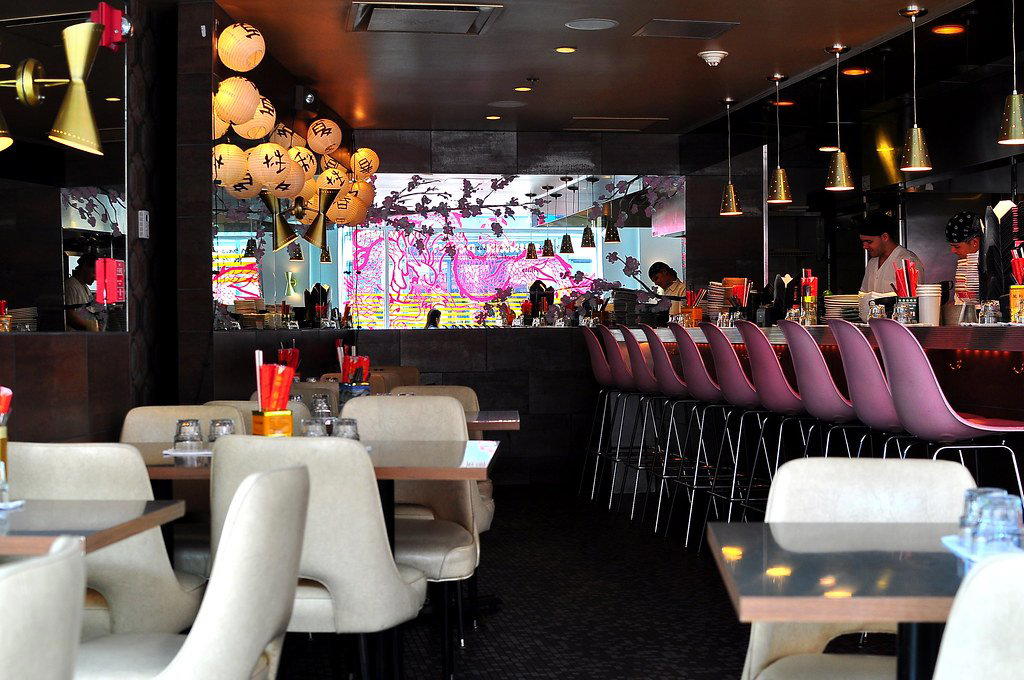
Washington Street, South End: What the Room Signals Before You Order
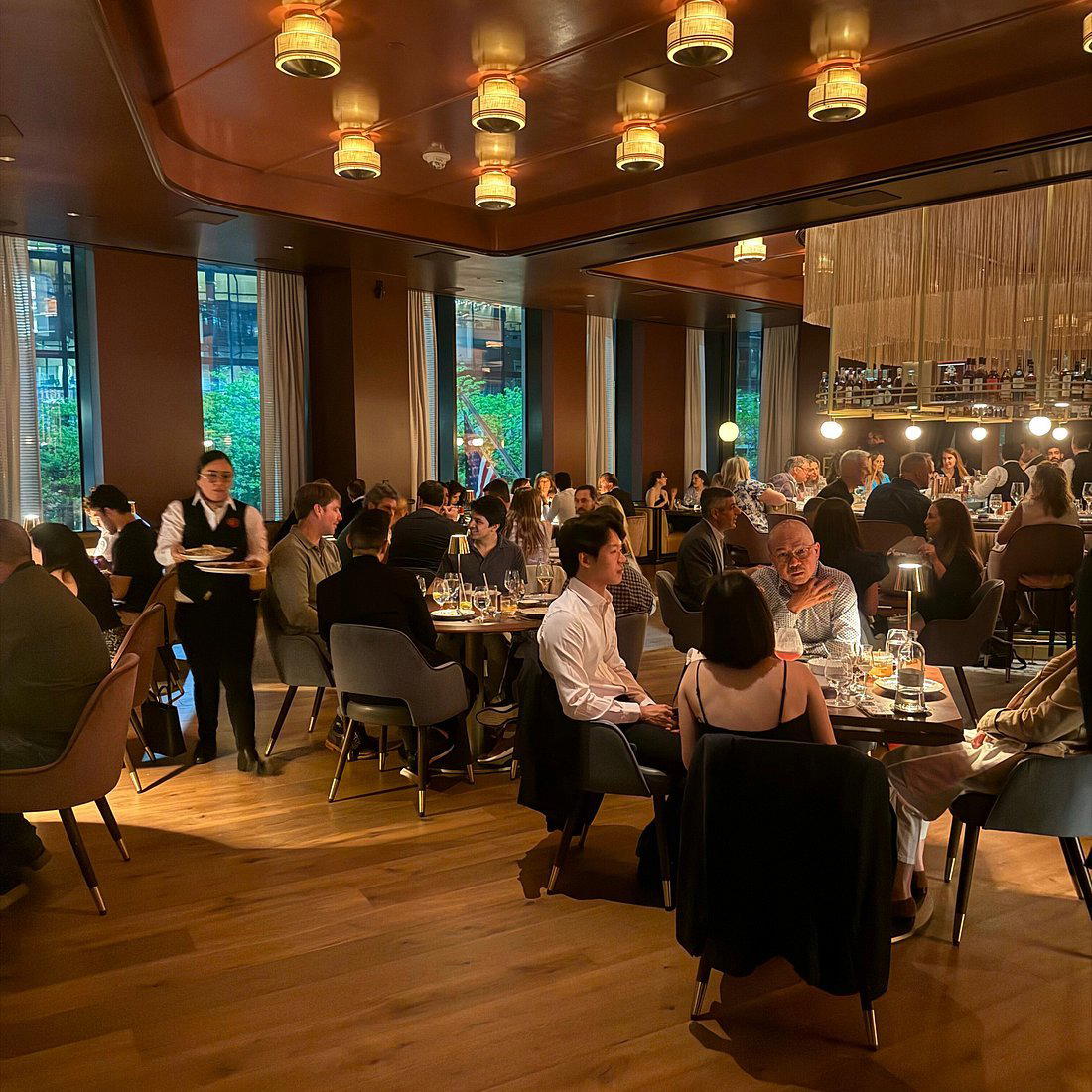
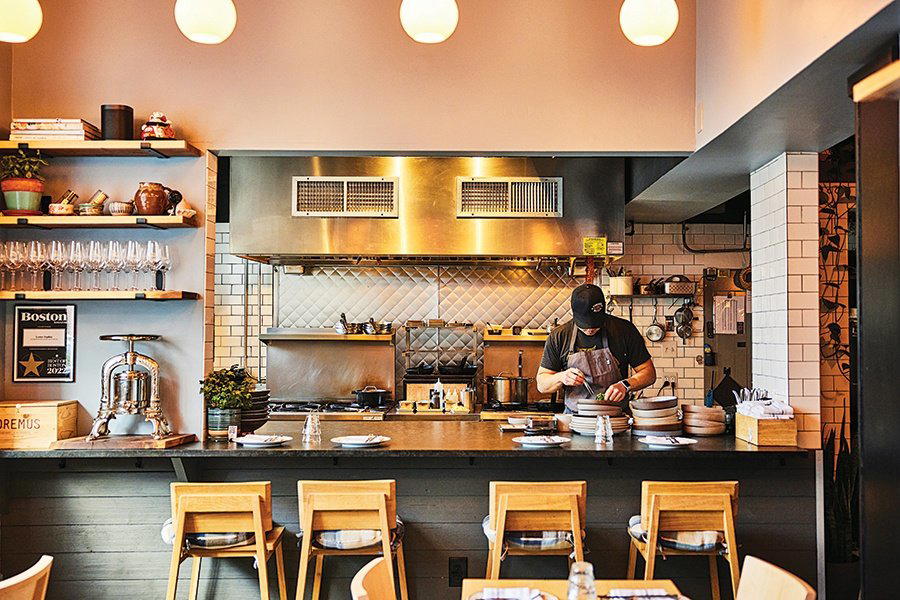
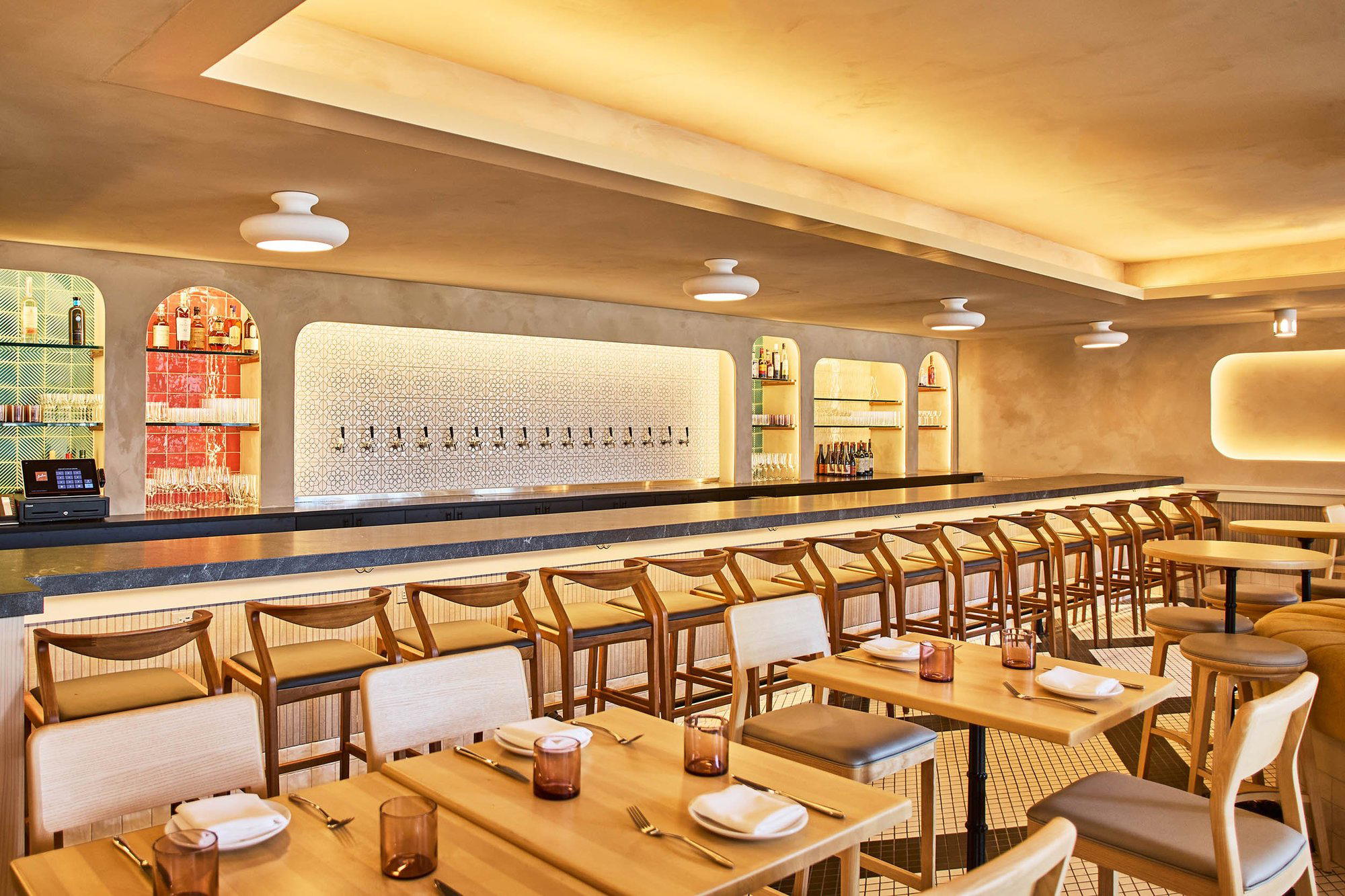
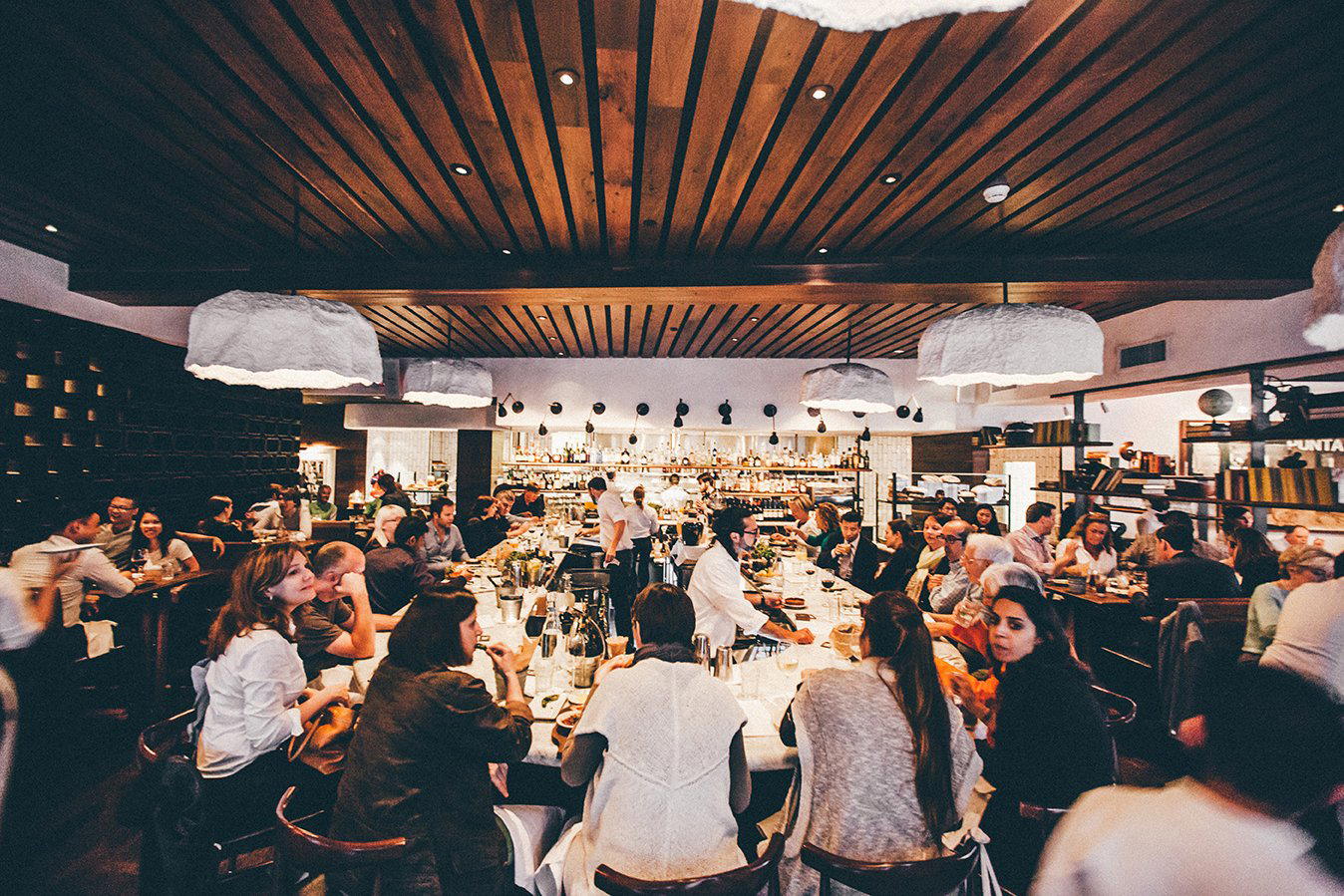
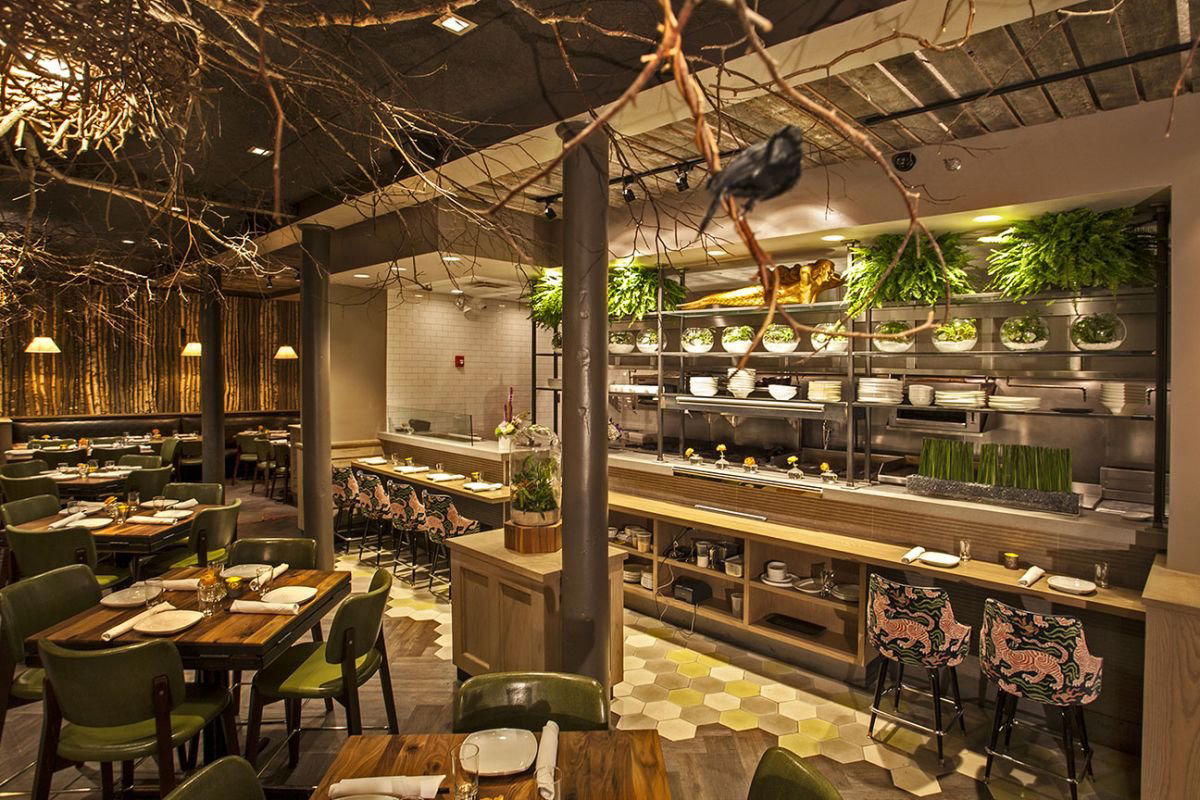
The South End dining corridor along Washington Street has spent the better part of two decades sorting itself into a clear hierarchy: tasting-menu counters at the leading, neighbourhood bistros in the middle, and a handful of genuinely category-resistant spots that resist easy placement. Myers+Chang at 1145 Washington St in Boston is a casual Pan-Asian restaurant with. It sits firmly in that last group. The room is loud in the way that signals intent rather than oversight, bare surfaces, close tables, an open energy that communicates from the first moment that this is not a place asking you to lower your voice or your expectations of comfort. That physical register matters, because it sets up the menu logic that follows.
In a city where the more serious the cooking, the more formal the container tends to be, the casual room at Myers+Chang functions as an editorial statement. Boston's premium end, tasting-menu counters like 311 Omakase or chef's-counter formats like Agosto, asks diners to commit to a fixed arc, a price point, a duration. Myers+Chang asks none of that. The format is deliberately open: come early, come late, share everything, order more if something landed well. That hospitality posture, borrowed partly from the dim sum tradition and partly from the kind of Taiwanese casual restaurants that don't distinguish between lunch service and dinner service, is itself a considered position.
How the Menu Is Built, and What It Argues
The architecture of the restaurant menu is the clearest window into what the kitchen is actually doing. Rather than organising around protein or cooking method in the Western fashion, the menu operates closer to a Chinese household logic: multiple small and medium dishes arrive at the table to be shared, some with immediate heat, some building slowly, the meal accumulating across rounds rather than progressing through courses. This is not fusion in the blending sense. It is a menu that draws from Chinese, Taiwanese, Vietnamese, and Thai cooking as distinct source traditions, treating each with enough specificity that the distinctions remain legible on the plate.
That approach places the restaurant in a broader American conversation about what Asian-American cooking can be when it stops apologising for its own complexity. Nationally, restaurants like Atomix in New York City have demonstrated that Korean culinary tradition can command the highest tier of fine dining attention. The argument the restaurant makes is different but related: that the shared-plate, high-energy, wok-forward format drawn from Chinese and Southeast Asian cooking is not a lesser register, not a stepping stone toward something more serious. It is the serious thing, executed with discipline.
Wok technique is worth pausing on here, because it is the technical anchor of the menu's credibility. Achieving proper wok hei, the smoky, slightly charred character produced by extreme heat and rapid movement, requires equipment calibrated to temperatures that most Western restaurant kitchens don't reach and training that takes years to consolidate. When a kitchen commits to that technique as a load-bearing element of its menu identity, rather than a decorative flourish, it signals a level of investment in craft that is easy to overlook in a room that feels this relaxed.
South End Context: Where Myers+Chang Sits in the Neighbourhood
Boston's South End has the densest concentration of independently operated restaurants in the city, and the Washington Street corridor in particular functions as a kind of pressure test for what can survive long-term in a neighbourhood that gentrified quickly but retained genuine residential character. The restaurants that have endured here tend to have a clear point of view and a regular clientele that treats them as infrastructure rather than occasion. The restaurant fits that profile.
For visitors mapping the South End dining circuit, the restaurant occupies a different register from the area's seafood-heavy options or the old-school steakhouse logic of a place like Abe and Louie's. It also sits at a different price point and energy level from the harbour-facing dining that defines spots like 75 on Liberty Wharf or the more occasion-framed format of 1928 Rowes Wharf. None of those comparisons are criticisms in either direction, they describe a genuine diversity of register across the city's dining offer, which
Nationally, the casual Asian-American shared-plate format has proven remarkably durable. Where ambitious fine dining restaurants, even decorated ones like Le Bernardin in New York City, The French Laundry in Napa, or Blue Hill at Stone Barns, require significant advance planning and commitment, the format the restaurant uses can absorb walk-ins, accommodate groups with conflicting preferences, and function equally well as a quick meal or a long evening. That flexibility is structural, not accidental.
Planning Your Visit
The restaurant is located at 1145 Washington St in Boston's South End, accessible by the Orange Line (Back Bay or Massachusetts Ave stations place you within a short walk). The restaurant's shared plates and multiple rounds make it especially well suited to groups of two to four, though the counter or bar area can work for single diners who want to eat at pace. The noise level in the main dining room during peak evening service is significant; if that's a factor, earlier in the week or earlier in the evening will give you a quieter experience without sacrificing menu access. Reservations are recommended. For context on how the restaurant fits within a broader Boston itinerary that might include tasting-menu formats or waterfront dining,
Accolades, Compared
Comparable venues nearby, for context on price, style, and recognition.
| Venue | Cuisine | Price | Notes |
|---|---|---|---|
| Myers+ChangThis venue — the venue you are viewing | Pan-Asian (Chinese, Taiwanese, Thai, Vietnamese) | $$ | Not listed |
| China Pearl | Authentic Cantonese Dim Sum & Banquet | $$ | Chinatown |
| Jumbo Seafood 珍寶軒 | Traditional Cantonese Seafood | $$ | Chinatown |
| Victoria Seafood | Authentic Cantonese Seafood | $ | Allston |
| Joia | Modern Italian | $$ | Downtown |
| Yellow Door Taqueria | Traditional Mexican Taqueria | $$ | Dorchester |
At a Glance
- Lively
- Whimsical
- Intimate
- Energetic
- Group Dining
- Casual Hangout
- Date Night
- After Work
- Open Kitchen
- Standalone
- Craft Cocktails
- Beer Program
Current opening hours
- Monday
- 4–9 PM
- Tuesday
- 4–9 PM
- Wednesday
- 4–9 PM
- Thursday
- 11:30 AM–10 PM
- Friday
- 11:30 AM–10 PM
- Saturday
- 11:30 AM–10 PM
- Sunday
- 11:30 AM–9 PM
Hours can change for holidays and private events. Last verified .
Lively and compact with bright colors, graphic touches, and social energy; the room feels convivial and fun even when packed, with unmistakably playful design elements.