UNI

Ken Oringer opened Clio inside the Eliot Hotel on Commonwealth Avenue in 1997, and for the better part of two decades it served as the clearest expression of what Boston fine dining could look like when ambition matched execution. The restaurant earned Boston magazine's Best Chef award in 2000 and Best Restaurant award in 2001, recognition that reflected its standing in a city where the Back Bay hotel-restaurant format had rarely produced cooking of this register. The menu moved between modern American and French foundations with consistent Asian inflection — a combination that felt less like fusion hedging and more like a coherent point of view. Uni preparations, Nantucket scallops paired with grilled Asian pears and black trumpet mushrooms, foie gras terrine, and suckling pig appeared across the years as signatures of that approach: technically demanding plates built around seasonal New England sourcing but plated with a precision more associated with larger coastal cities. One period review described the room and crowd as "New York meets San Francisco," which captured both the aspiration and the achievement. The setting reinforced the positioning. The Eliot Hotel provided a discreet, residential-scale address rather than a grand lobby backdrop, and the dining room itself was refined without formality as its primary register — comfortable enough that the cooking, rather than the décor, held attention. Pricing sat firmly at the upper end of the Boston market; a later celebratory tasting event was priced at $250 per person before extras, consistent with the tier Oringer had maintained from the beginning. Clio closed in 2015 after eighteen years of operation. Its run covered a period when Boston's restaurant culture was reorienting around a generation of chefs who had trained in serious kitchens elsewhere and returned to build something with local identity. Oringer's flagship was central to that shift, and its record — two decades at the same address, sustained critical recognition, and a menu that kept evolving rather than calcifying — marks it as a reference point in the city's modern dining history.
- Address
- Eliot Hotel, 370 Commonwealth Avenue, Boston, Massachusetts, 02215, United States
- Phone
- +16172671607
- Website
- eliothotel.com
- Directions
- Get directions
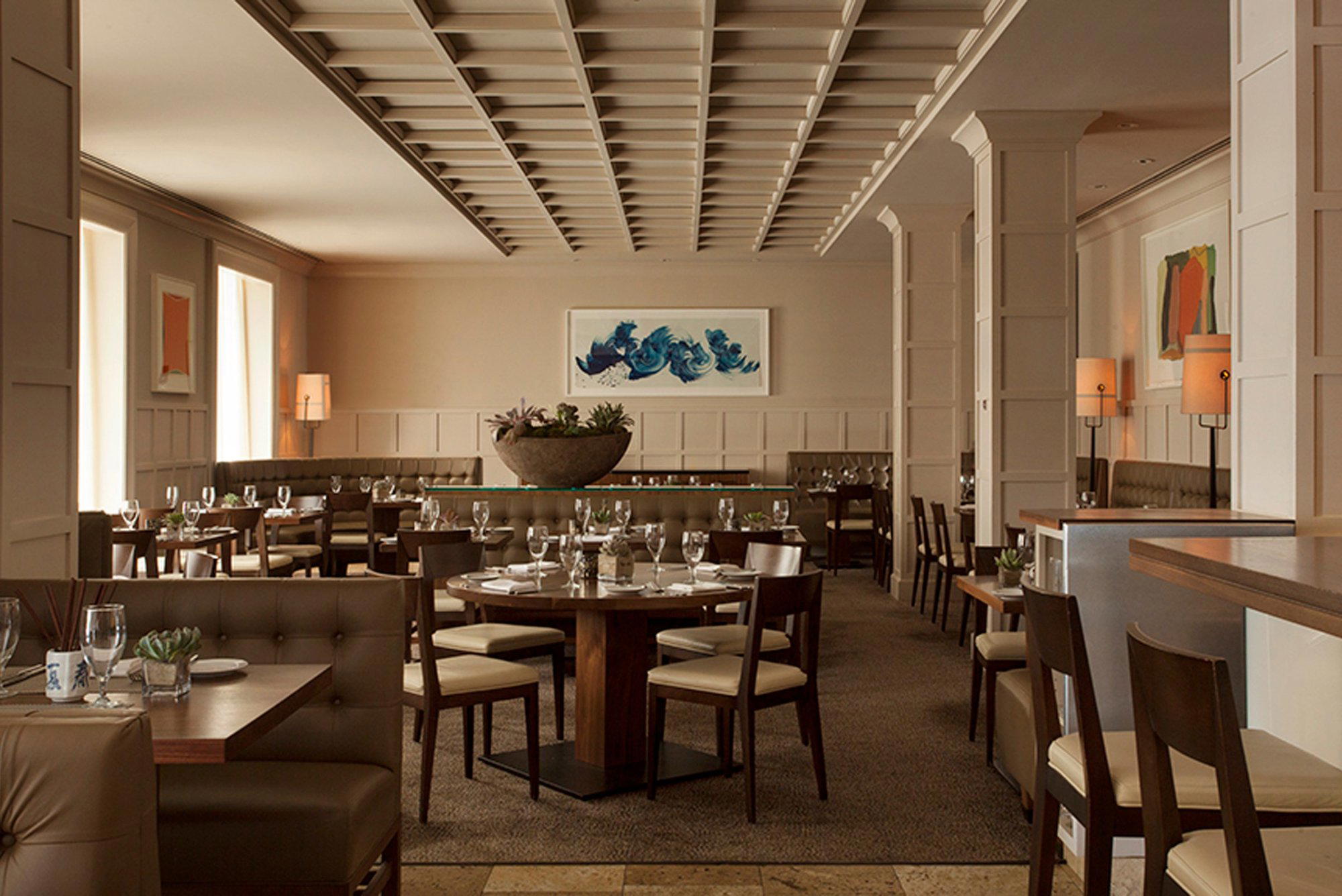
Ken Oringer opened Clio inside the Eliot Hotel on Commonwealth Avenue in 1997, and for the better part of two decades it served as the clearest expression of what Boston fine dining could look like when ambition matched execution. The restaurant earned Boston magazine's Best Chef award in 2000 and Best Restaurant award in 2001, recognition that reflected its standing in a city where the Back Bay hotel-restaurant format had rarely produced cooking of this register.
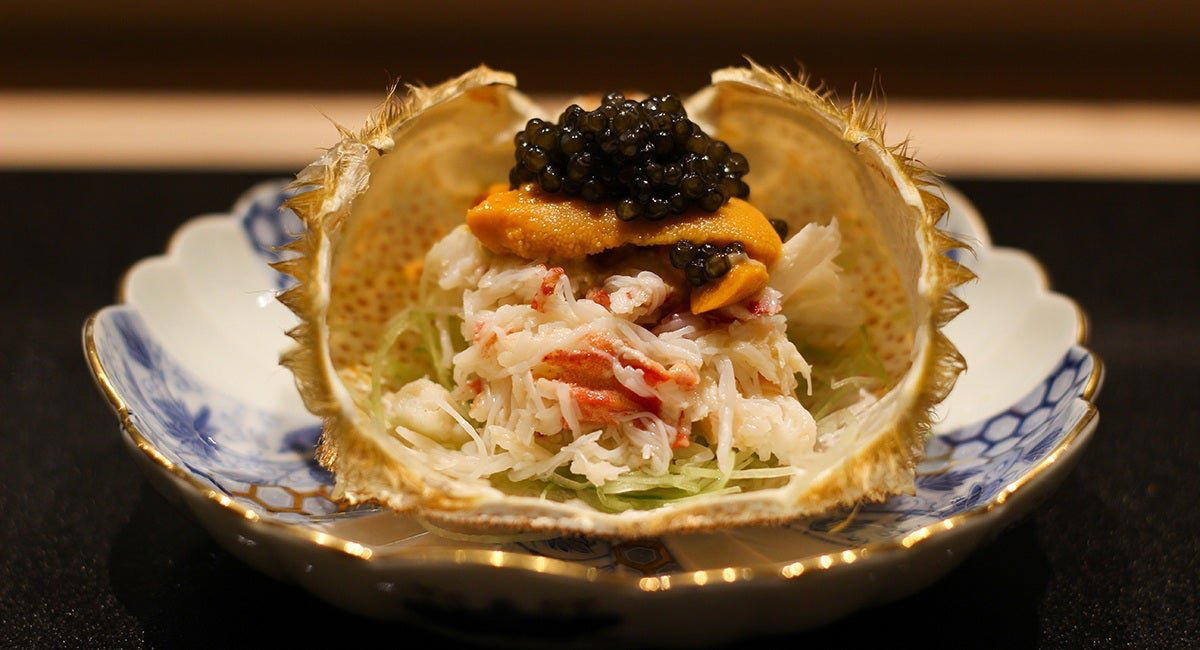
The menu moved between modern American and French foundations with consistent Asian inflection — a combination that felt less like fusion hedging and more like a coherent point of view. Uni preparations, Nantucket scallops paired with grilled Asian pears and black trumpet mushrooms, foie gras terrine, and suckling pig appeared across the years as signatures of that approach: technically demanding plates built around seasonal New England sourcing but plated with a precision more associated with larger coastal cities. One period review described the room and crowd as "New York meets San Francisco," which captured both the aspiration and the achievement.
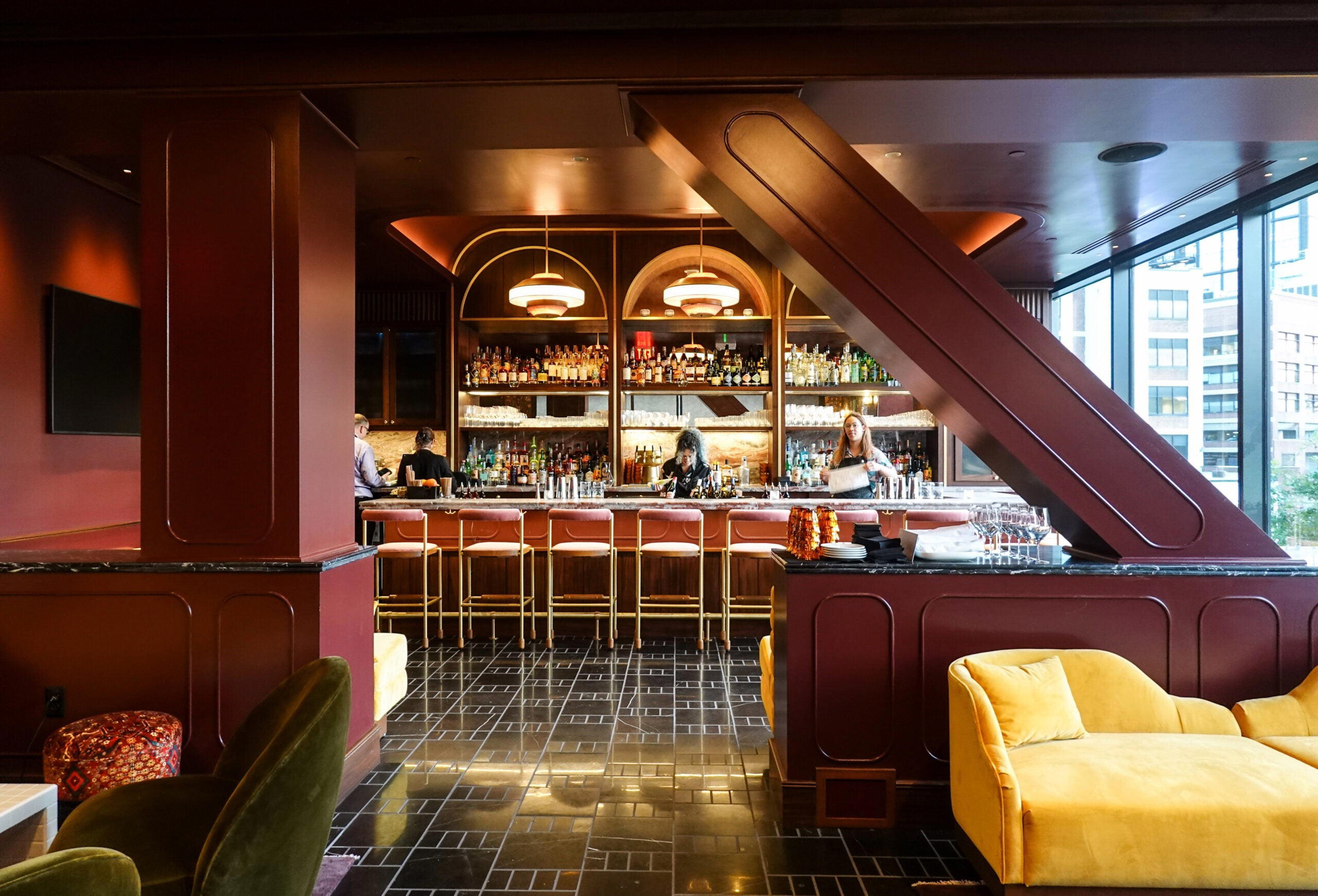
The setting reinforced the positioning. The Eliot Hotel provided a discreet, residential-scale address rather than a grand lobby backdrop, and the dining room itself was refined without formality as its primary register — comfortable enough that the cooking, rather than the décor, held attention. Pricing sat firmly at the upper end of the Boston market; a later celebratory tasting event was priced at $250 per person before extras, consistent with the tier Oringer had maintained from the beginning.
Clio closed in 2015 after eighteen years of operation. Its run covered a period when Boston's restaurant culture was reorienting around a generation of chefs who had trained in serious kitchens elsewhere and returned to build something with local identity. Oringer's flagship was central to that shift, and its record — two decades at the same address, sustained critical recognition, and a menu that kept evolving rather than calcifying — marks it as a reference point in the city's modern dining history.
How It Compares
Comparable venues nearby, for context on price, style, and recognition.
| Venue | Cuisine | Price | Notes |
|---|---|---|---|
| UNIThis venue — the venue you are viewing | Dining | Not listed | Not listed |
| Shojo | Modern Asian Fusion | $$ | Chinatown |
| Dona Habana | Caribbean | Not listed | Roxbury |
| Suya Joint | Nigerian & West African | $$ | Roxbury |
| Cafe sauvage | Modern French Bistro | $$ | Back Bay |
| Forcella | Modern Italian | $$ | North End |
Recognition history
Dated appearances from independent guides and award organizations, with the underlying list record or original source where available.
James Beard Award Best Chefs
James Beard Award
Continue exploring
More in Boston
Restaurants in Boston
Browse all →
Bars in Boston
Browse all →
Hotels in Boston
Browse all →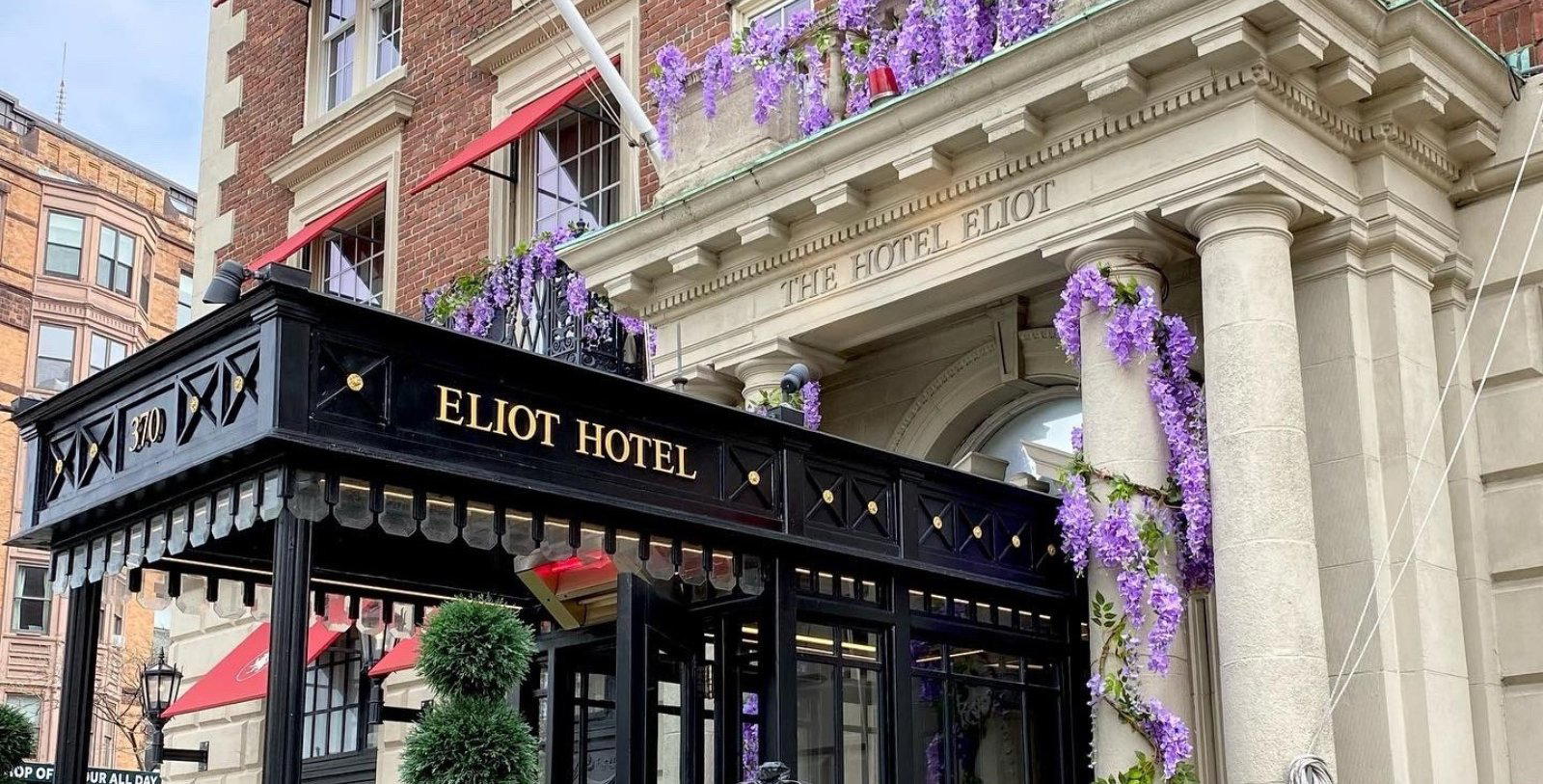
Wineries in Boston
Browse all →
At a Glance
Current opening hours
- Monday
- 5–11 PM
- Tuesday
- 5–11 PM
- Wednesday
- 5–11 PM
- Thursday
- 5–11 PM
- Friday
- 5 PM–12 AM
- Saturday
- 12 AM–12 PM, 5 PM–12 AM
- Sunday
- 12 AM–12 PM, 5–11 PM
Hours can change for holidays and private events.