Our verdict
Bonaparte occupies a landmark address on Saint-François-Xavier in Old Montreal, where the French classical tradition has held its ground for decades against the city's appetite for the new. The room and the sequence of courses position it within a dining bracket where formality of execution, not novelty, is the currency. For visitors weighing where Old Montreal's French dining heritage concentrates, Bonaparte is a reference point.

Pearl is the En Primeur Club membership app — saves, bookings, and concierge access live there. Same editors, same standards.
- Address
- 447 Saint Francois Xavier St, Montreal, Quebec H2Y 2T1, Canada
- Phone
- (514) 844-4368
- Hours
- Daily 5:30–10:30 PM
- Website
- restaurantbonaparte.com
- Directions
- Get directions
- Booking
- Book on OpenTable
The menu
What to order
- Bisque de homard
- Raviolis de champignons
- Salade de homard
- Carré d'agneau
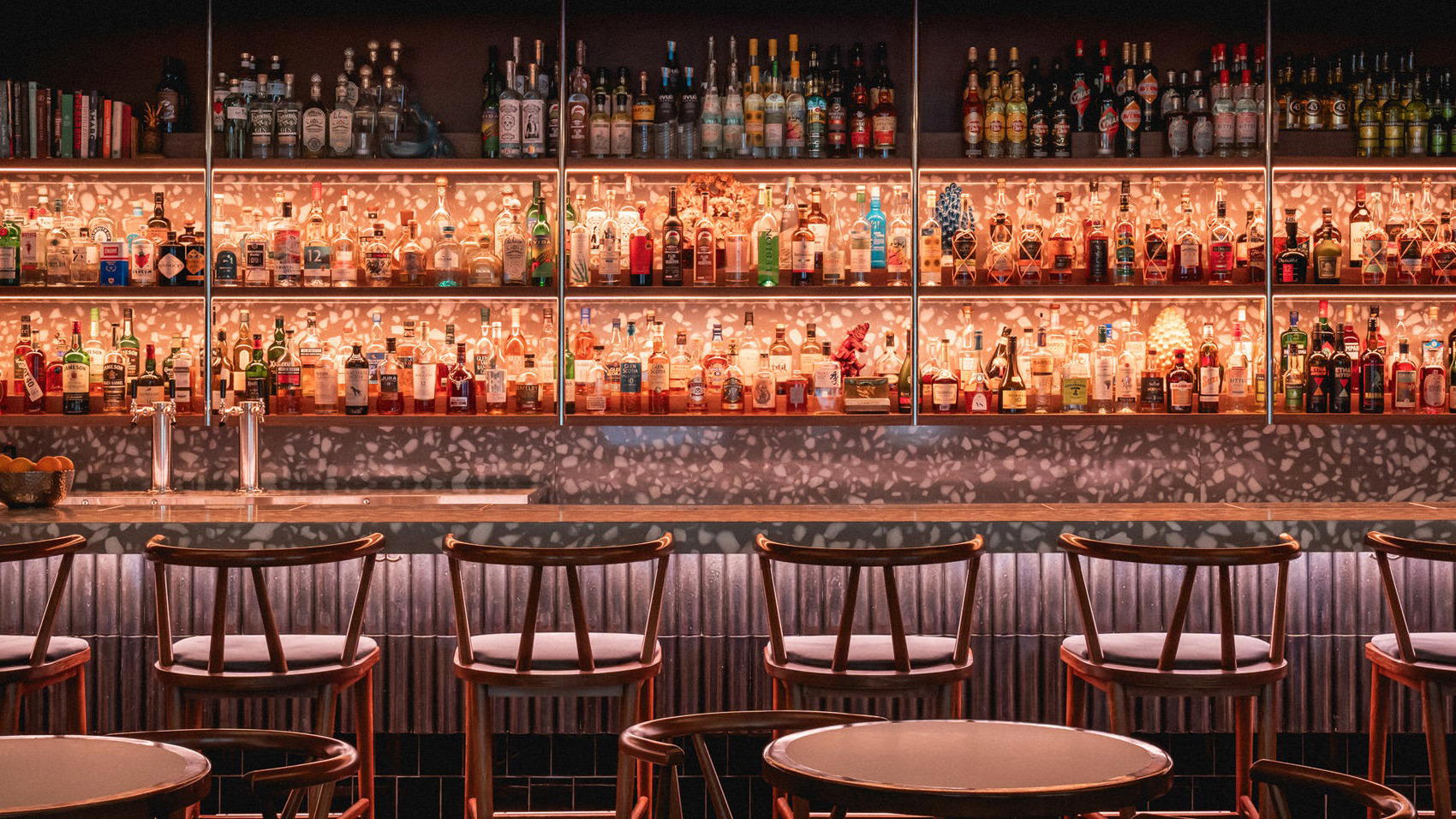
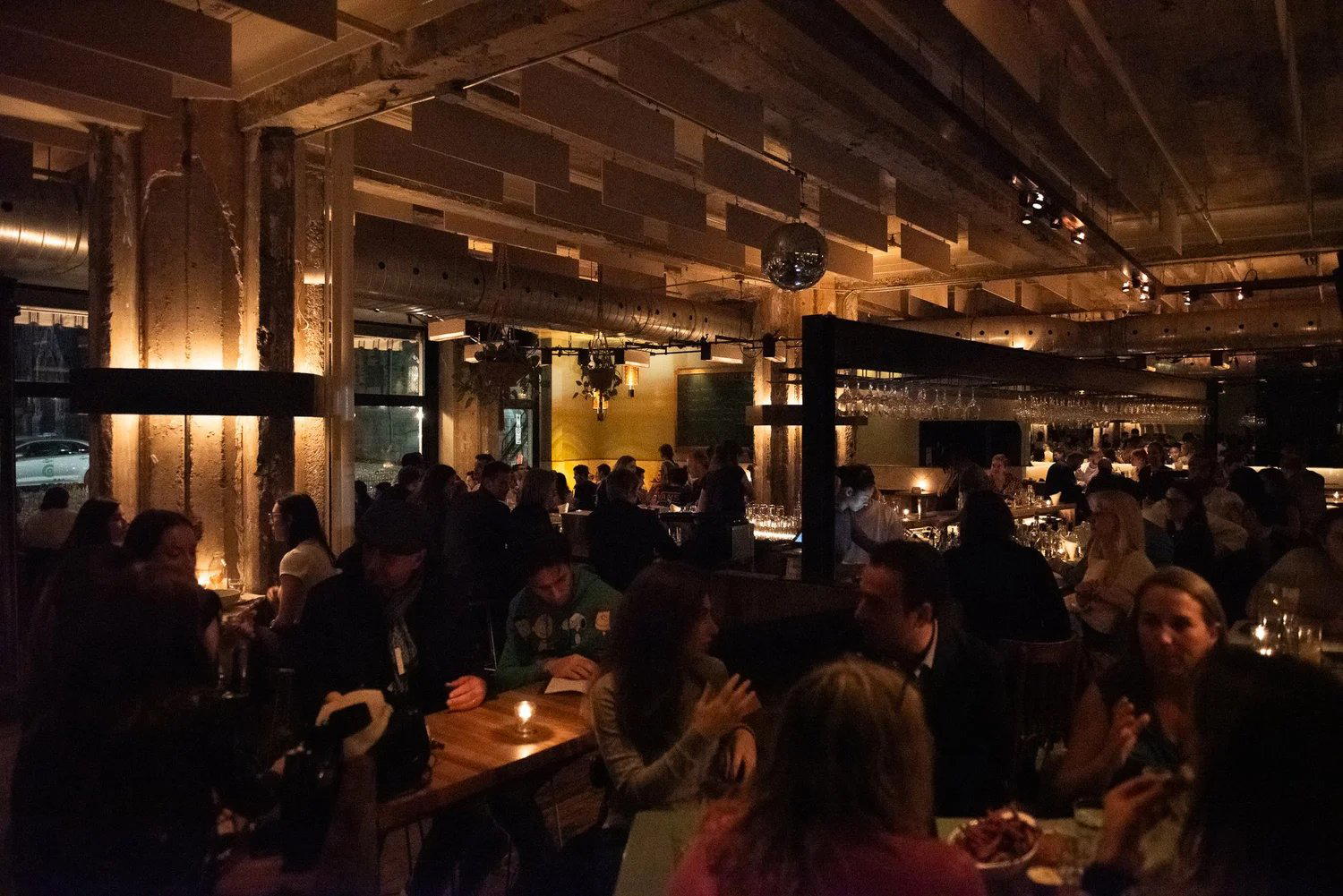
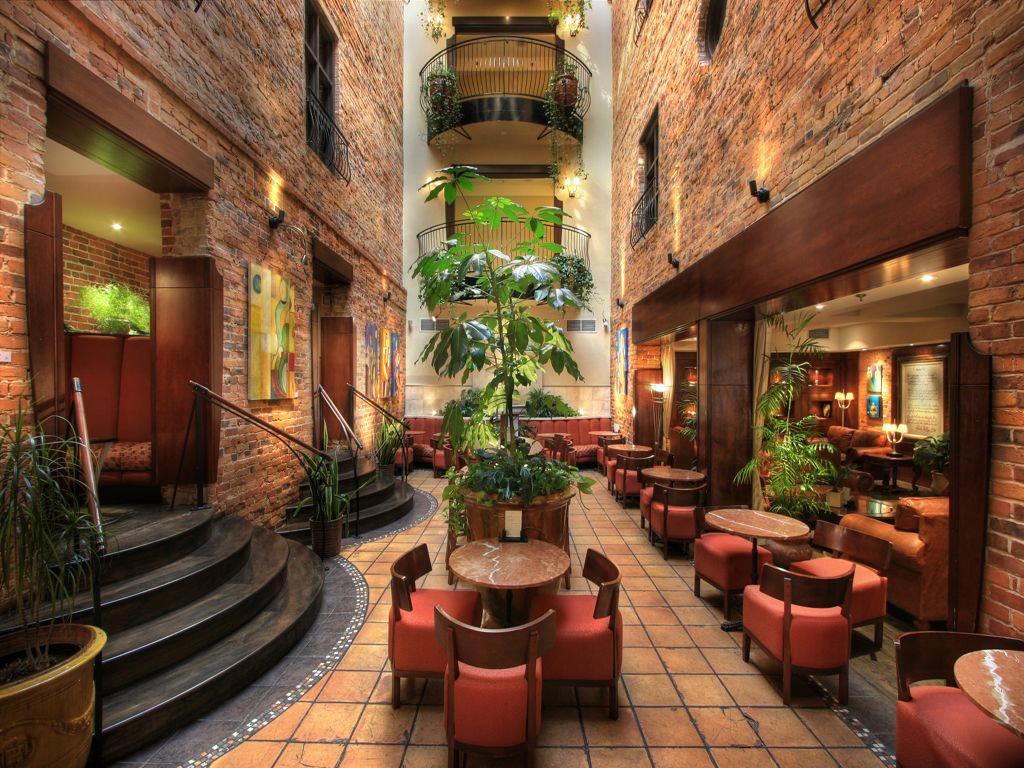
A Room That Declares Its Allegiances Early
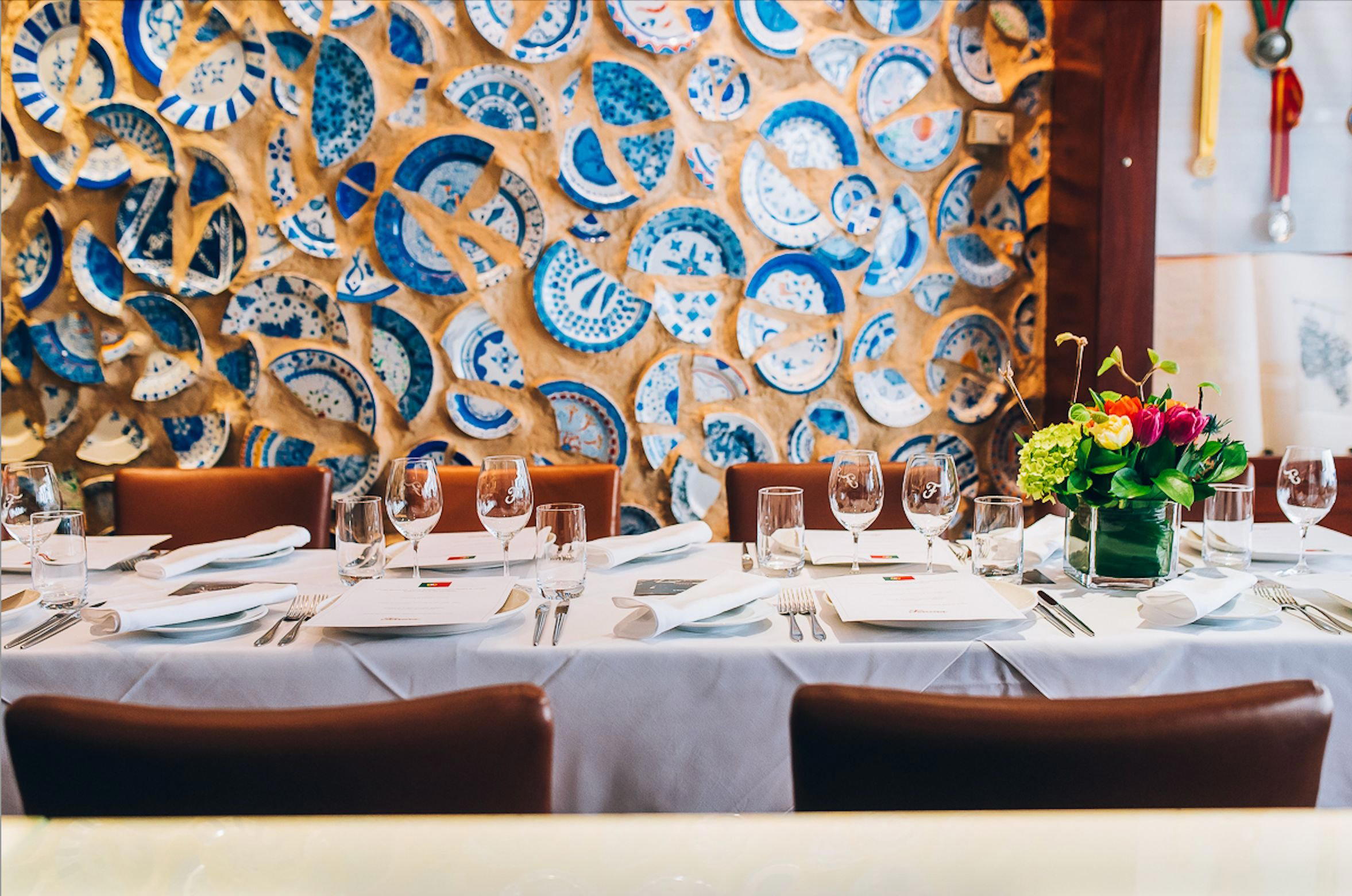
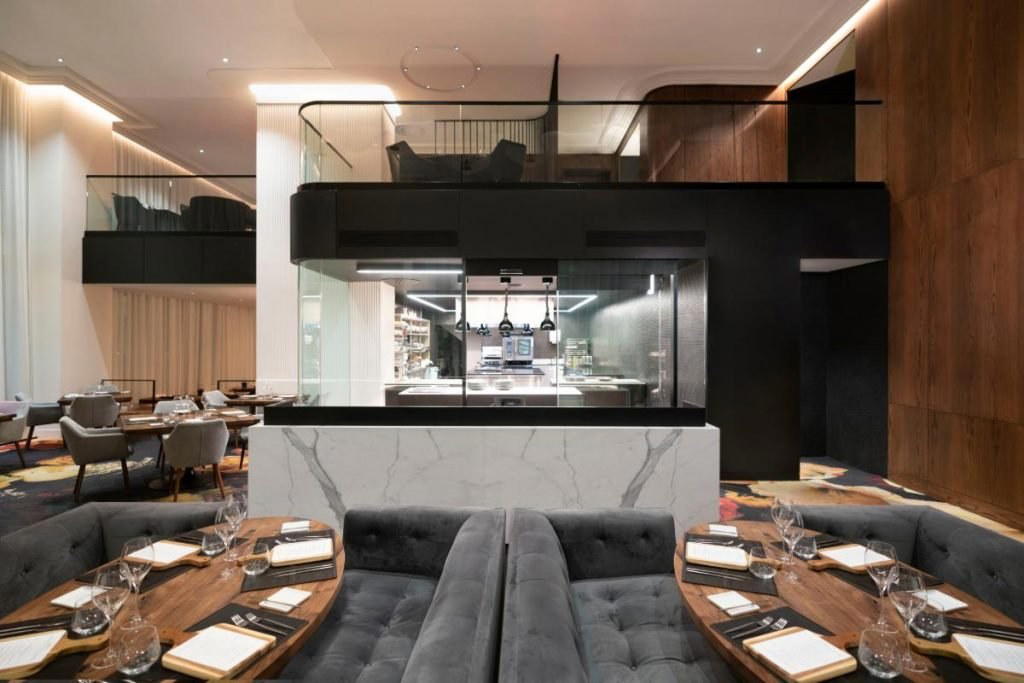
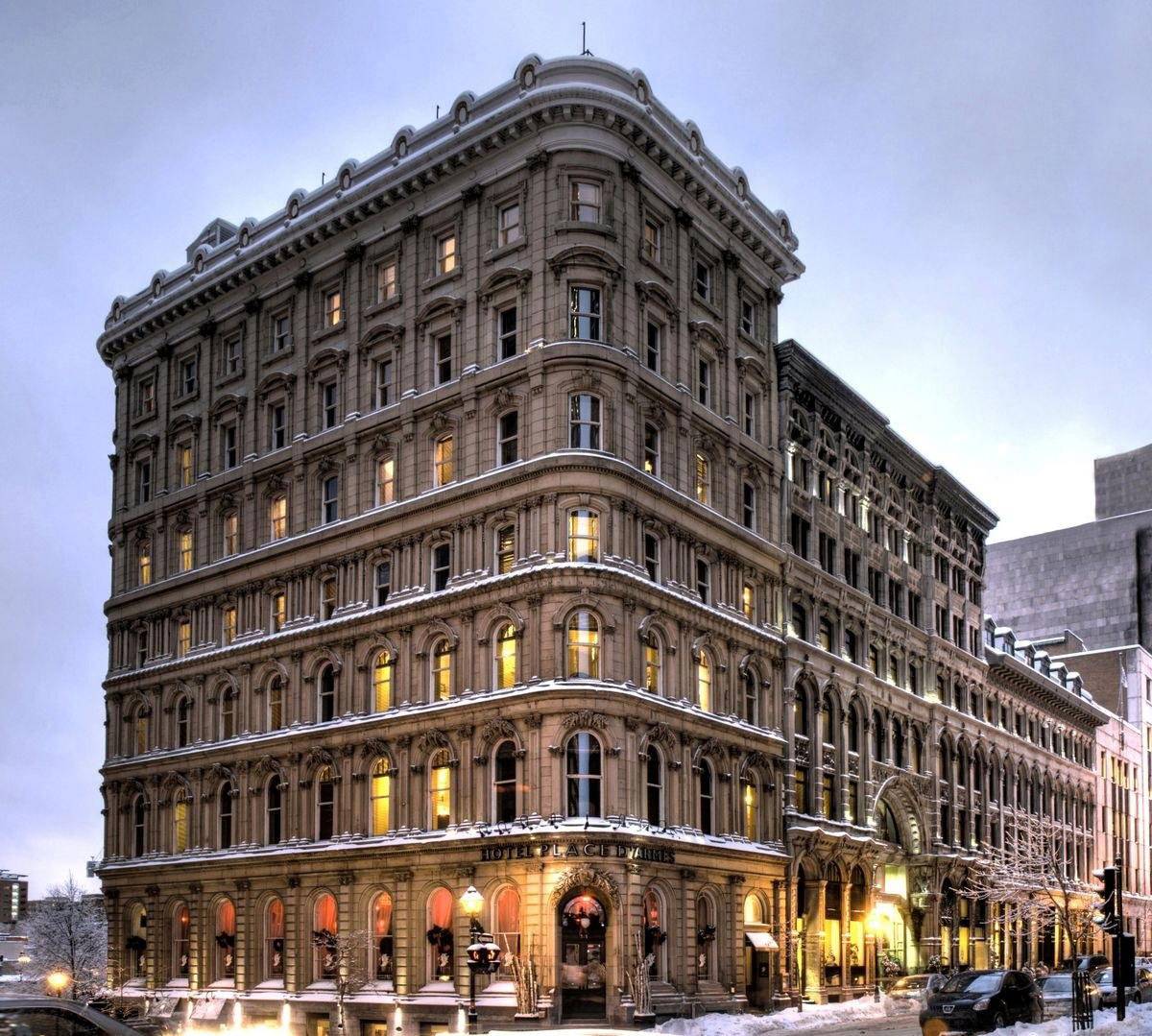
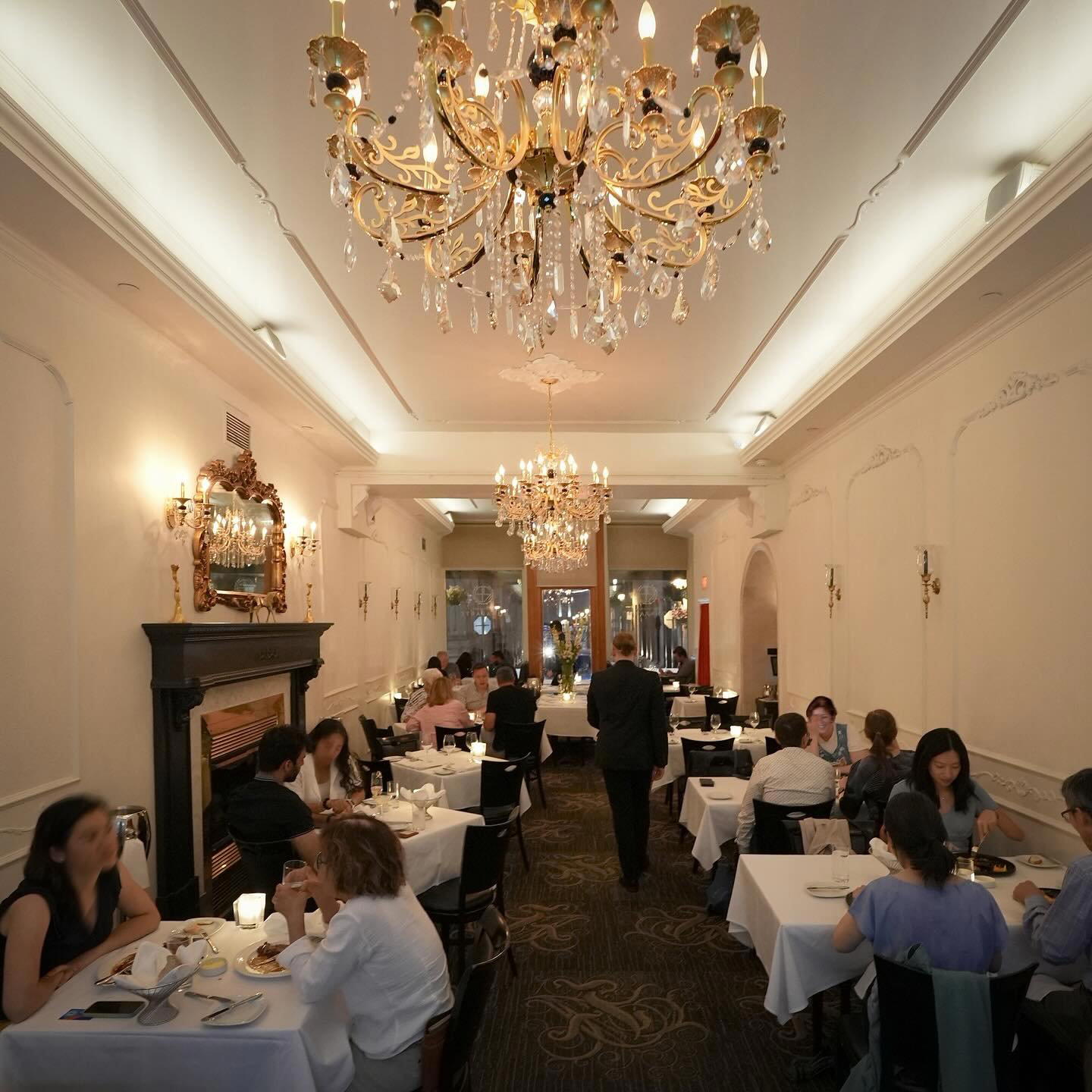
Saint-François-Xavier Street in Old Montreal runs through the kind of stone-and-timber fabric that predates most of Canada's restaurant culture by a century. The buildings here carry the physical memory of the city's merchant past: thick limestone walls, narrow street frontage, ceilings that were built before electricity was a design variable. Bonaparte occupies one such address, at number 447, and the room does what these buildings do leading — it situates the meal before the first course arrives. Old Montreal's dining character has always been shaped by this inherited architecture, and the better rooms use it as context rather than costume.
What this part of the city sustains, better than most North American neighbourhoods, is a dining environment where classical French form doesn't feel borrowed. The stone, the candlelight, the unhurried table spacing: these are not affectations here. They are the baseline against which the food is measured. Arriving on foot from Place d'Armes or the Old Port, the approach through the neighbourhood prepares the register of the evening in a way that a taxi drop-off at a glass-and-steel address simply cannot replicate.
French Classical Cooking in a City That Has Moved Fast
Montreal's restaurant evolution over the past fifteen years has been steep. The city that once mapped its fine dining almost entirely onto French and Québécois classical models has since developed a credible modern cuisine cohort. Venues like Jérôme Ferrer - Europea and Mastard represent the $$$$-to-$$$ bracket of that newer wave, where format, ingredient sourcing, and seasonal signalling carry as much weight as technical execution. Sabayon fits a similar modernist register.
Bonaparte has held a different position. Where much of the city's dining ambition has shifted toward the tasting-menu format and the chef-as-auteur model, the French classical tradition that Bonaparte represents draws its authority from a longer continuity. The competitive set is not Toqué or Europea — those restaurants operate inside a different conversation entirely. Bonaparte's peer group is closer to the white-tablecloth French rooms that have anchored Old Montreal for several decades, venues where the dining experience is structured around the recognisable progression of a French meal rather than around a signed artistic statement.
That distinction matters when choosing where to eat in this neighbourhood. 3 Pierres 1 Feu and Abu el Zulof offer different registers entirely, which underlines how varied Old Montreal's dining offer has become. Bonaparte is the address for the specifically French formal meal, not for culinary experimentation.
The Architecture of the Meal
French classical dining operates through a legible sequence: an amuse or opening gesture, a cold starter, a hot starter, a fish course, a meat course, a cheese moment, and a dessert that arrives without apology for being sweet. The progression has logic built into it, temperature, weight, texture, and fat content all modulate from course to course in a way that accumulates rather than resets. This is not a format that demands novelty at every turn. It demands execution and internal coherence.
Old Montreal's better French rooms live or die on this coherence. The risk in a room like Bonaparte's is that the setting, the stone, the warmth, the formality, does so much atmospheric work that the kitchen is expected to do less. The tradition demands the opposite: that the food carry the full weight of the expectation that the room creates. Where Montreal's newer fine dining venues, including the full range of the city's current dining field, have moved toward shorter, more compositionally complex menus, classical French rooms maintain longer sequences that reward patience and attention.
The progression through a classical French meal at this level, in any city, also demands a wine programme that can be read in the same register. The food's arc from delicate to rich requires bottles that can move with it, not a list assembled for price-point optics. This is one area where classical rooms either earn the formality of their setting or expose its limits.
Where Bonaparte Sits in the Canadian Context
Across Canada, the restaurants that attract sustained editorial and critical attention have generally been those working within defined formats: the farm-to-table tasting menu at Eigensinn Farm, the seafood-anchored tasting format at Fogo Island Inn, the modern Québécois framework at Tanière³ in Quebec City, or the technically demanding tasting programmes at Alo in Toronto and Restaurant Pearl Morissette in Lincoln. AnnaLena in Vancouver and Narval in Rimouski add further depth to the national picture.
Classical French rooms occupy a quieter position in this conversation, not because they are less skilled but because critical frameworks have shifted toward novelty and concept as primary evaluation criteria. The rooms that maintain French classical form are frequently underrepresented in award cycles that favour the new. Internationally, this pattern is familiar: Le Bernardin in New York City has maintained its classical French seafood authority across decades, and communal-format experimenters like Lazy Bear in San Francisco have built recognition through format invention rather than tradition. Bonaparte's position in Old Montreal follows neither of those models. It occupies a more local authority: the restaurant that the neighbourhood has sustained because the neighbourhood understands what it is for.
Other Canadian rooms occupying distinct geographic or format positions include The Pine in Creemore, Busters Barbeque in Kenora, and Cafe Brio in Victoria, each legible in their own regional contexts. The breadth of that Canadian field makes Bonaparte's specifically Montréalais classicism more rather than less interesting as a reference point.
Know Before You Go
- Address: 447 Saint-François-Xavier Street, Old Montreal, Quebec H2Y 2T1
- Neighbourhood: Old Montreal, walkable from Place d'Armes métro station and the Old Port waterfront
- Format: Classical French dining room; full multi-course progression available
- Booking: Contact directly to confirm availability; phone and online booking details should be verified on arrival or via current local listings, as operational at time of publication
- Setting: Limestone building interior consistent with Old Montreal's 17th- and 18th-century commercial architecture
- Season: Old Montreal dining is year-round; summer terrasse season (June to September) adds outdoor options across the neighbourhood
Frequently asked questions
Where exactly is Bonaparte?
Bonaparte is located at 447 Saint Francois Xavier St, Montreal, Quebec H2Y 2T1, Canada, Montreal.
Is Bonaparte good for a business dinner in Montreal?
The French classical format at Bonaparte — structured courses, a formal room inside a limestone building in Old Montreal's historic core — provides the kind of predictable, unhurried pacing that works well for extended business meals. Saint-François-Xavier sits within walking distance of the financial and legal districts that anchor the western edge of Vieux-Montréal. The setting signals occasion without requiring explanation to out-of-town guests.
What dish is Bonaparte famous for?
Bonaparte operates within the French classical tradition, where the cuisine is defined by category and sequence rather than by a single signature item. The kitchen works through the established progression of courses — cold starter, hot starter, fish, meat — that has structured formal French dining for generations. In that format, the cooking as a whole is the statement, not any one plate.
Can I walk in to Bonaparte?
Old Montreal's formal dining rooms generally accommodate walk-ins during lower-demand service times, particularly early seatings on weeknights. Bonaparte at 447 Saint-François-Xavier operates in that category, where the room's structure and pacing suit a deliberate, pre-planned visit. A reservation remains the reliable approach for weekend evenings or occasion dining in this part of the city.
How It Stacks Up
Comparable venues nearby, for context on price, style, and recognition.
| Venue | Cuisine | Price | Awards | Notes |
|---|---|---|---|---|
| BonaparteThis venue — the venue you are viewing | Classic French Bistro | $50–100 | Not listed | Not listed |
| Chez Alexandre | Classic French Brasserie | $50–100 | Not listed | Golden Square Mile |
| Le 9e | Classic French with Quebec influences | $30–50 | Not listed | Centre-Ville |
| Brasserie Milton | Quebec-Inspired French Brasserie | $50–100 | Not listed | Quartier des Spectacles |
| Restaurant les Héritiers | French Brasserie with Quebecois Ingredients | Not listed | Not listed | Lorimier |
| Chez Victoire | French-Canadian Bistro | $50–100 | Star Wine List | Parc-Laurier |