Positioned along Jl. Embong Malang in Surabaya's Tegalsari district, Pavilion Restaurant at JW Marriott Surabaya occupies a tier of hotel dining that handles both international and local expectations. For a city where five-star hotel restaurants remain among the more reliable addresses for consistent kitchen output and accessible multi-cuisine formats, Pavilion sits at a recognisable point in that hierarchy.
Pearl is the En Primeur Club membership app — saves, bookings, and concierge access live there. Same editors, same standards.
- Address
- JW Marriott Surabaya, JL. Embong Malang No. 85-89, 60261, Kedungdoro, Kec. Tegalsari, Surabaya, Jawa Timur 60261, Indonesia
- Phone
- +628113529278
- Website
- bit.ly
- Directions
- Get directions
 Saves & bookings on Pearl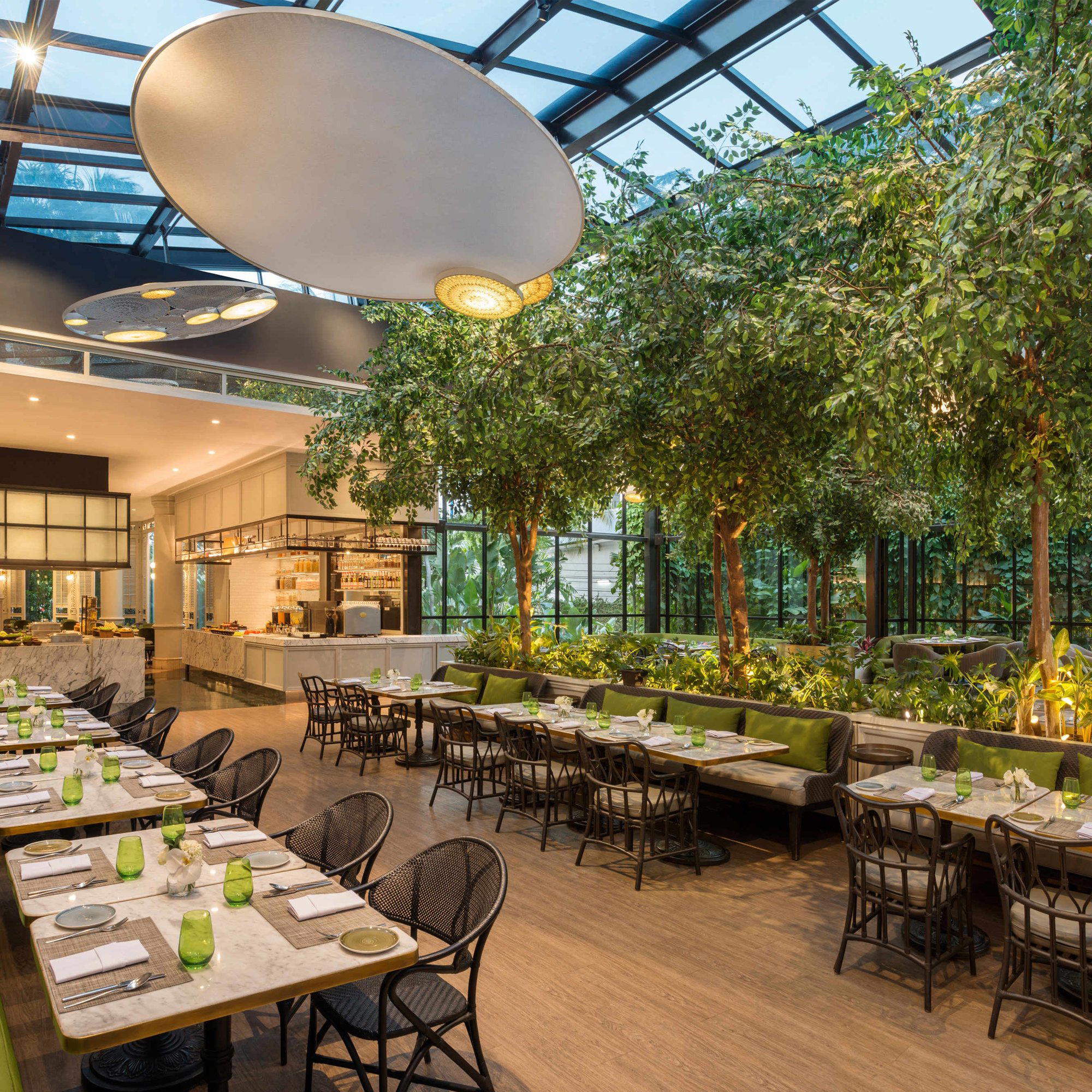
Where Tegalsari Places You
Jl. Embong Malang is not a street that surprises anyone who knows central Surabaya. It runs through Tegalsari, one of the city's denser commercial corridors, where international hotel brands cluster alongside local retail and the kind of mid-century shophouse blocks that give the neighbourhood its particular texture. Arriving at the JW Marriott along this stretch, you register the familiar contrast that defines so much of Surabaya's inner city: the pressure and noise of the street giving way, almost immediately, to the insulated air and wider sightlines of a large hotel lobby. Pavilion Restaurant sits inside that transition. Its position within the property means it draws from two distinct crowds: hotel guests who want reliable, multi-cuisine dining without having to negotiate unfamiliar streets, and Surabaya residents who treat five-star hotel restaurants as social venues in their own right, a pattern common across Indonesian cities where the hotel dining room has historically been a marker of occasion.
Hotel Dining in Surabaya: What the Category Means
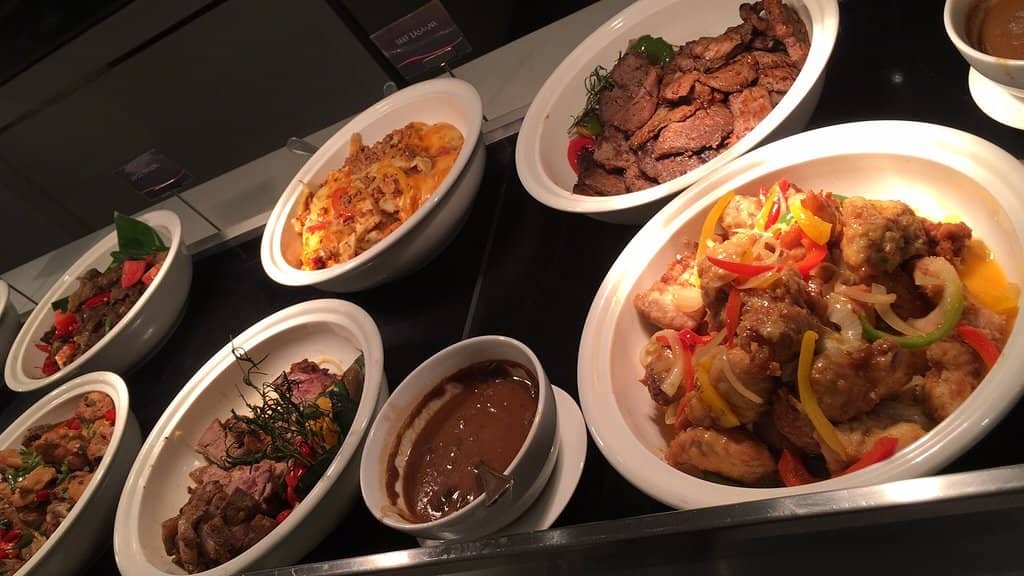
In a city of Surabaya's scale, the restaurant tier operating inside international five-star properties occupies a specific position. These are not typically the addresses that food specialists seek out for innovation, but they handle something that specialist restaurants often cannot: breadth. A table that needs to accommodate a vegetarian, a guest avoiding pork for religious reasons, a child, and someone expecting a recognisable Western dish is a common scenario in Surabaya's corporate and family dining culture, and hotel all-day dining formats are built precisely around that requirement. Pavilion, as the principal restaurant within the JW Marriott Surabaya, operates in that functional tier. That is not a criticism, it reflects a genuine demand that the city's more focused independent restaurants, however strong on their chosen cuisine, are not structured to meet.
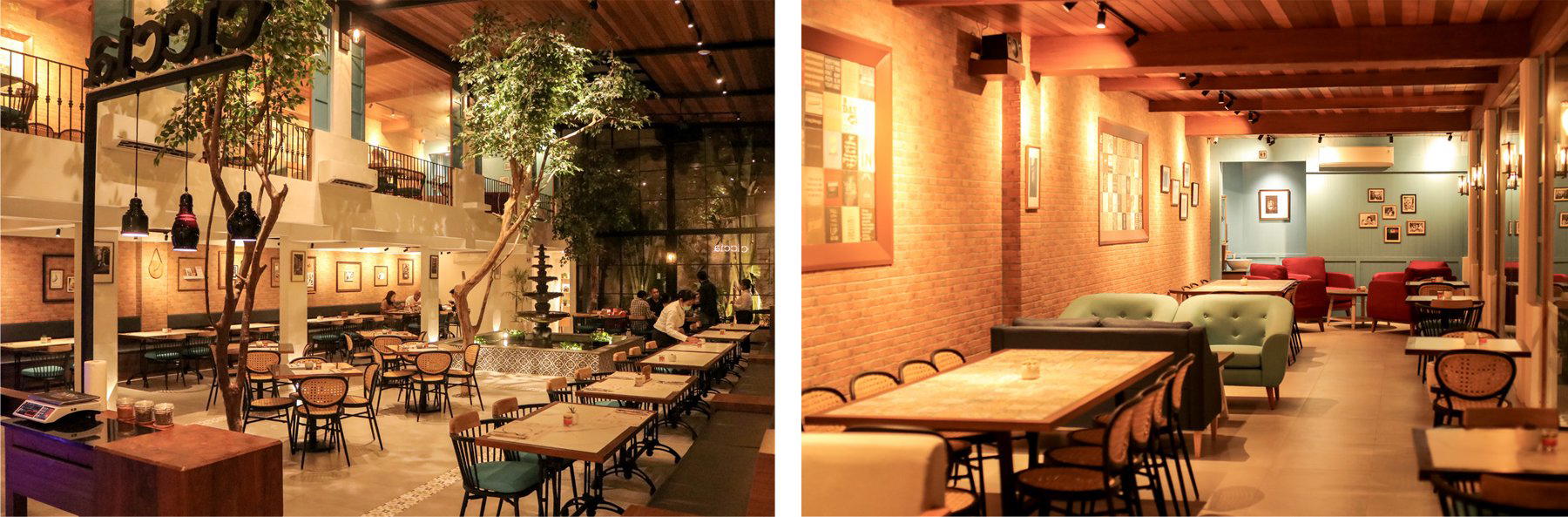
For comparison, Surabaya's independent scene does contain some sharp specialists. Ciccia Ristorante holds a more defined Italian position, while Layar Seafood KH Abdul Wahab Siamin draws on the city's coastal ingredient base in a way that no hotel kitchen typically attempts with the same specificity. Kahyangan Resto and Jamoo Restaurant each occupy their own corners of the local dining picture, and venues like BV Luxury Club & KTV speak to a different evening-out logic entirely. Pavilion exists alongside these options rather than in competition with them. The decision to eat here is usually driven by context, not by ranking one kitchen above another.
The Logic of the All-Day Format
Across Indonesia's larger cities, the all-day dining format at international hotel chains has evolved into something more deliberate than it once was. The buffet-heavy hotel restaurant of the 1990s and early 2000s has in many properties been refined toward a la carte offerings with wider sourcing claims and tighter kitchen discipline. Whether that evolution has reached every outlet uniformly is uneven, but the category is moving. In Jakarta, properties along the same international hotel circuit have pushed hotel dining into genuinely competitive territory: August in Jakarta represents one end of that ambition, though it operates outside the hotel format. Closer comparisons would be the all-day restaurants at comparable five-star addresses across the archipelago, where consistency of execution across breakfast, lunch, and dinner is the primary technical challenge.
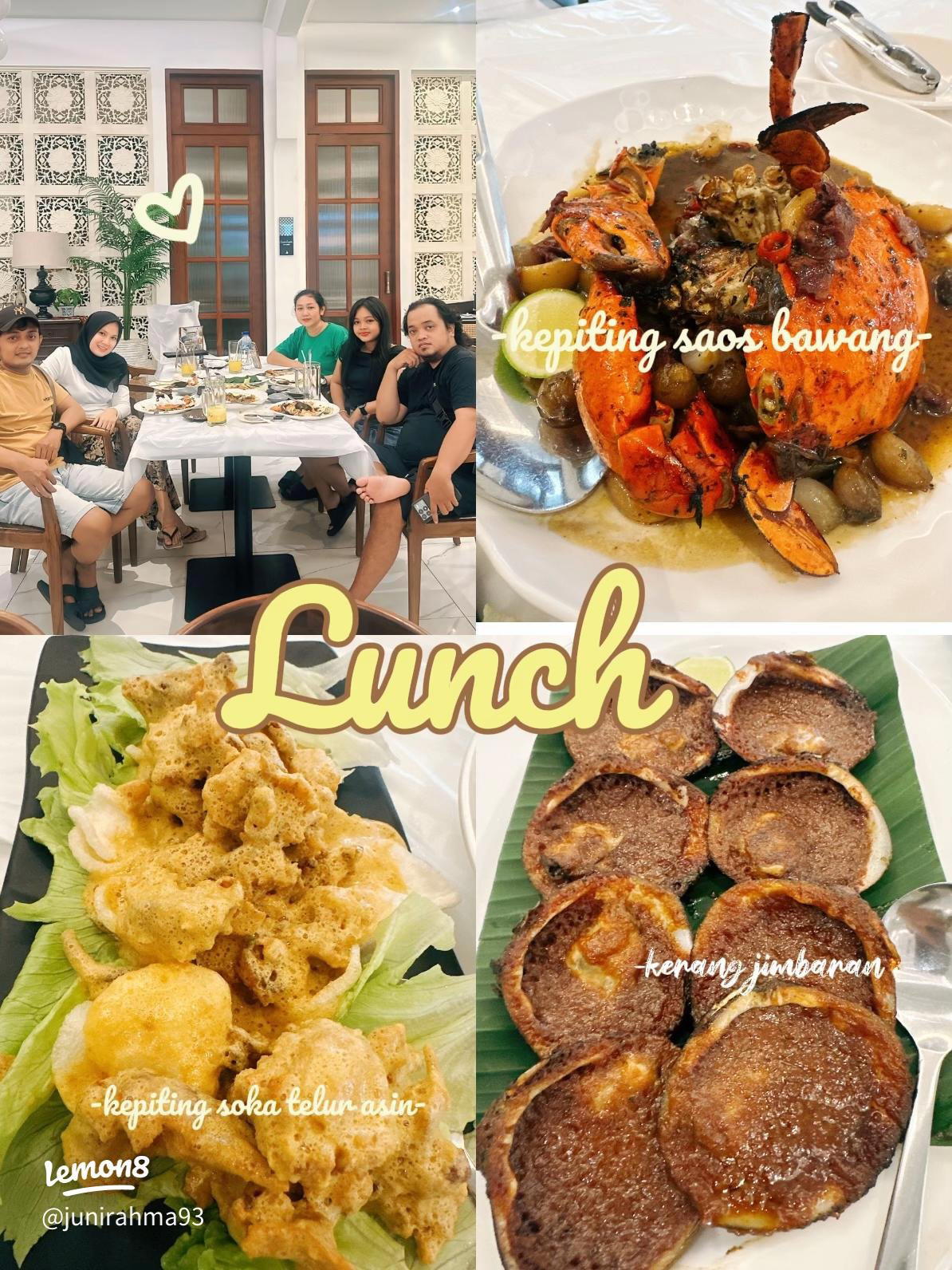
Surabaya is Indonesia's second-largest city, and its food culture is dense with local specificity, rawon, lontong balap, semanggi, dishes that belong to the street and the warung rather than the hotel dining room. A hotel restaurant operating in this city has a choice: engage with that local texture or position itself as a deliberate counterpoint to it, offering the international standards that long-stay corporate guests and transit visitors rely on. The tension between those two orientations is not distinctive to Pavilion; it defines hotel dining across much of Southeast Asia, from the regional capitals to the resort corridors. Properties in Bali's Badung district face a version of the same question, as do addresses in Ubud where visitor demographics shift sharply. Locavore NXT in Ubud and Bikini Restaurant Bali in Badung both operate in that context, though at a different price point and ambition level than a hotel all-day restaurant. Even further afield, operations like Jungle Fish Bali in Gianyar demonstrate how Indonesian dining venues outside the hotel circuit have carved out specific identities.
What the Neighbourhood Does to the Experience
Tegalsari as a district shapes the Pavilion experience in a practical way. The neighbourhood's commercial density means that anyone staying at the JW Marriott for business has a broad range of daytime contexts within walking or short-drive distance: the Tunjungan Plaza complex, offices, and the older commercial streets of central Surabaya. This makes the hotel restaurant a natural bookend to the working day rather than a destination in its own right. Breakfast here, for a corporate guest, is functional; dinner, in a city with Surabaya's independent scene available, becomes more of a convenience or group-logistics decision. That is the honest framing for what Pavilion does well: it handles the in-between moments of a Surabaya visit when the logistics of finding a table elsewhere feel like unnecessary friction.
For those building a wider picture of dining in the city and across Indonesia, our full Surabaya restaurants guide maps the independent scene more completely. And for a sense of where Indonesian dining sits in a broader regional context, the range runs from Jakarta addresses like Kita 喜多 Restaurant And Bar in Kecamatan Menteng to the hotpot circuit represented by Hai Di Lao in Central Jakarta and Chongqing Liuyishou Hotpot in South Jakarta, through suburban finds like Hwang Fu Dimsum in Tangerang and Agreya Coffee Bogor in Bogor, to international reference points like Le Bernardin in New York City and Atomix in New York City for those benchmarking against global standards. Even beyond Indonesia, places like İstanbul kebab in Lombok Utara illustrate how varied the regional dining picture has become.
Planning a Visit
Pavilion Restaurant is located within the JW Marriott Surabaya at Jl. Embong Malang No. 85-89, Kedungdoro, Tegalsari. As a hotel restaurant, it is accessible to non-guests, and walk-in dining is a standard part of how hotel all-day restaurants operate in Indonesia. For larger groups or business dinners where table configuration matters, contacting the hotel directly through its front desk or concierge is the reliable route. The Tegalsari location places it close to Surabaya's central business district, making it a practical choice for post-meeting dining when the group's composition makes a more specialist independent restaurant a harder logistical fit.
The Short List
Comparable venues nearby, for context on price, style, and recognition.
| Venue | Cuisine | Price | Notes |
|---|---|---|---|
| Pavilion Restaurant at JW Marriott SurabayaThis venue — the venue you are viewing | Not listed | $$$$ | Not listed |
| BV Luxury Club & KTV | South Surabaya, Karaoke Club | $$$$ | Not listed |
| Layar Seafood KH Abdul Wahab Siamin | Dukuh Pakis, Indonesian Seafood | $$$ | Not listed |
| Ciccia Ristorante | Not listed | $$$ | Imam Bonjol, Authentic Italian Ristorante & Grill |
| Jamoo Restaurant | Not listed | $$$ | Jl. Mayjen Sungkono, International Buffet |
| Kahyangan Resto | Not listed | $$ | Citraland, Authentic Indonesian with Javanese Influences |
Continue exploring
More in Surabaya
At a Glance
- Elegant
- Sophisticated
- Family
- Brunch
- Group Dining
- Hotel Restaurant
- Open Kitchen
- Garden
Current opening hours
- Monday
- 6 AM–10 PM
- Tuesday
- 6 AM–10 PM
- Wednesday
- 6 AM–10 PM
- Thursday
- 6 AM–10 PM
- Friday
- 6 AM–10 PM
- Saturday
- 6 AM–10 PM
- Sunday
- 6 AM–10 PM
Hours can change for holidays and private events. Last verified .
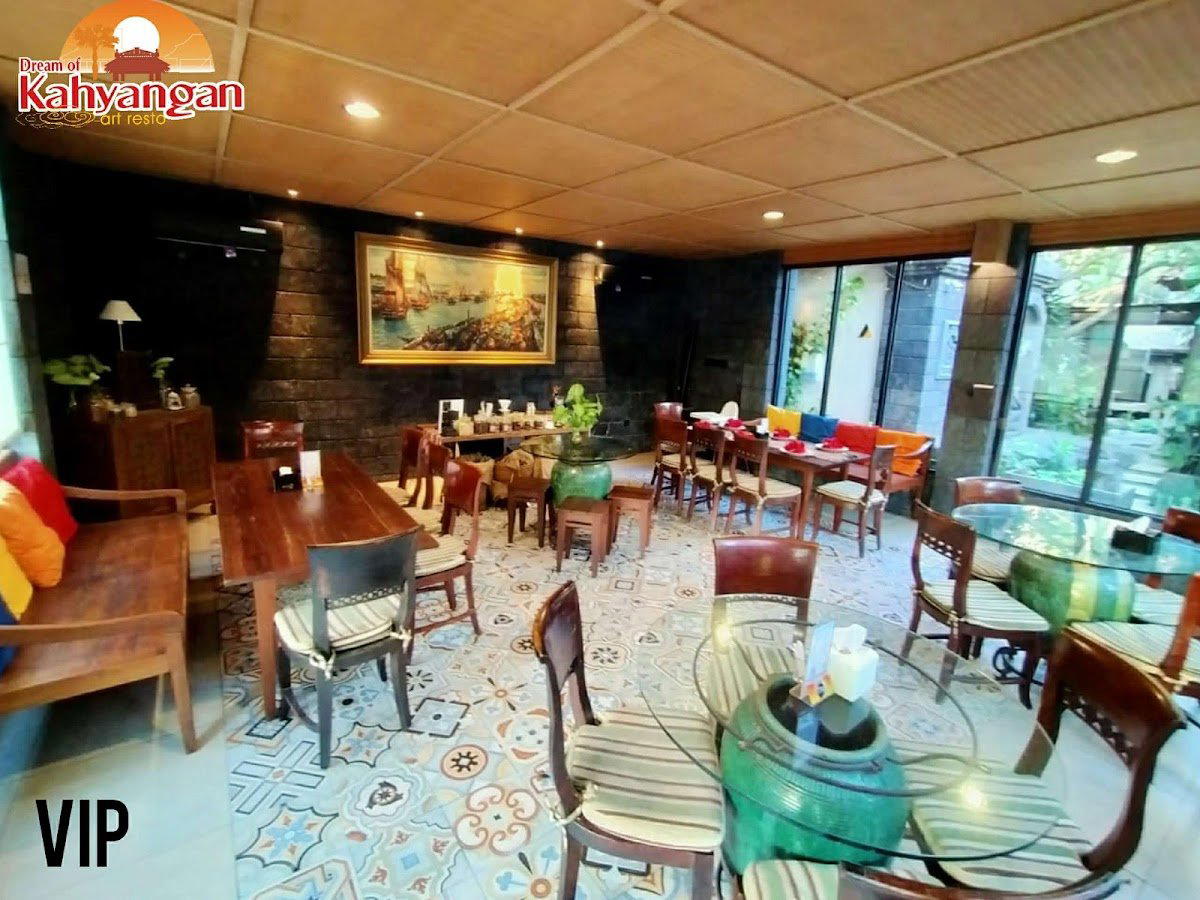
Warm and inviting atmosphere with natural light from tall glass windows overlooking manicured tropical gardens, warm lighting, and modern decor.