Ciccia Ristorante occupies a shophouse address on Jl. Imam Bonjol in Surabaya's Tegalsari district, operating within a city where Italian-inflected dining sits alongside Javanese and Chinese-Indonesian traditions. The name, ciccia being Italian slang for meat or flesh, signals a kitchen oriented around protein-forward cooking. Visitors approaching Surabaya's mid-range-to-premium dining tier will find Ciccia within that bracket alongside several neighbourhood contemporaries.
Pearl is the En Primeur Club membership app — saves, bookings, and concierge access live there. Same editors, same standards.
- Address
- Jl. Imam Bonjol No.82, DR. Soetomo, Kec. Tegalsari, Surabaya, Jawa Timur 60264, Indonesia
- Phone
- +628113168909
- Website
- cicciaristorante.com
- Directions
- Get directions
 Saves & bookings on Pearl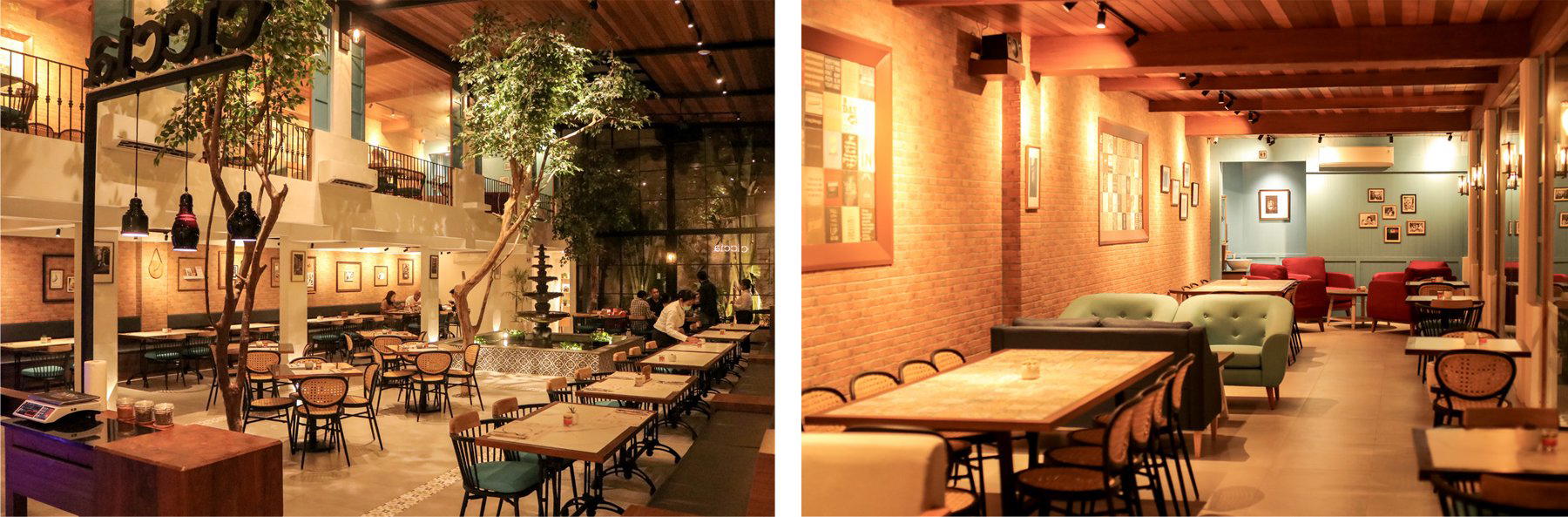
Italian Cooking in Surabaya's Commercial Belt
Surabaya's relationship with European cuisine has always been mediated through its identity as a port city. The Dutch colonial period left administrative architecture and, less visibly, some culinary cross-pollination, but the city's dominant food culture remains rooted in Javanese, Madurese, and Peranakan traditions. Against that backdrop, Italian restaurants in Surabaya occupy a specific niche: they serve a middle and upper-middle class that has travelled, that eats Italian food in Jakarta or abroad, and that judges local versions against a known reference point rather than against novelty. Ciccia Ristorante, an Italian restaurant on Jl. Imam Bonjol No. 82 in Surabaya, positions itself within that informed local audience.
The name itself is a useful starting point. Ciccia is colloquial Italian, used in northern and central Italy to mean meat or, more affectionately, flesh, the word a grandmother might use with a grandchild, or a butcher with a regular customer. It carries warmth and familiarity rather than ceremony, which places the restaurant's ambitions somewhere between the formal white-tablecloth Italian that Jakarta's hotel dining rooms supply and the casual trattoria model. That positioning, between comfort and seriousness, is where Italian restaurants in Southeast Asian cities most often find their audience.
The Tegalsari Address and What It Signals
Jl. Imam Bonjol runs through one of Surabaya's more commercially active zones, flanked by shophouses, small businesses, and a mix of dining formats that reflect the city's pragmatic approach to eating out. Tegalsari is not a destination neighbourhood in the way that Surabaya's newer developments further south have become, but it holds its own logic: accessible, unpretentious, and embedded in the city's workaday fabric. Restaurants here tend to succeed on repeat custom from nearby offices and residents rather than on destination dining tourism.
That context matters when reading Ciccia's address. A restaurant choosing Jl. Imam Bonjol is making a statement about its intended community: it is not positioning itself primarily as a venue for special occasions or for visitors staying in the hotel corridors of central Surabaya. For comparison, the Pavilion Restaurant at JW Marriott Surabaya and Jamoo Restaurant operate within hotel environments that carry a different set of expectations.
Italian Cooking as Cultural Transplant
The challenge for any Italian restaurant operating outside Italy is that Italian cuisine, more than most European traditions, resists abstraction. Its authority derives from locality: specific flour, specific olive oil, specific cured meats from named regions. When those ingredients are sourced locally or substituted, the question becomes whether the kitchen is making Italian food or making an honest interpretation of it, and whether the distinction matters to the diner. In Southeast Asian cities, both approaches find audiences. The more interesting restaurants tend to be explicit about where they stand.
Across Indonesia, the Italian dining conversation is more active in Bali than in Surabaya or Jakarta, partly because Bali's international visitor base creates demand and partly because the island's ingredient access, through Seminyak and Canggu's import networks, is relatively strong. Restaurants like Sarong Bali in Canggu and Cuca Restaurant in Badung operate in a more competitive and internationally scrutinised environment. Surabaya's Italian restaurants, by contrast, operate in a more self-contained market, which can allow for a more locally calibrated version of the cuisine.
At the other end of the spectrum, precision-driven European cooking in Indonesia appears at venues like August in Jakarta and internationally recognised formats such as Locavore NXT in Ubud. Ciccia's name and neighbourhood position suggest it is aiming for something more grounded than that tier, which is not a criticism. Surabaya's dining culture rewards consistency and familiarity as much as ambition.
Surabaya's Broader Dining Character
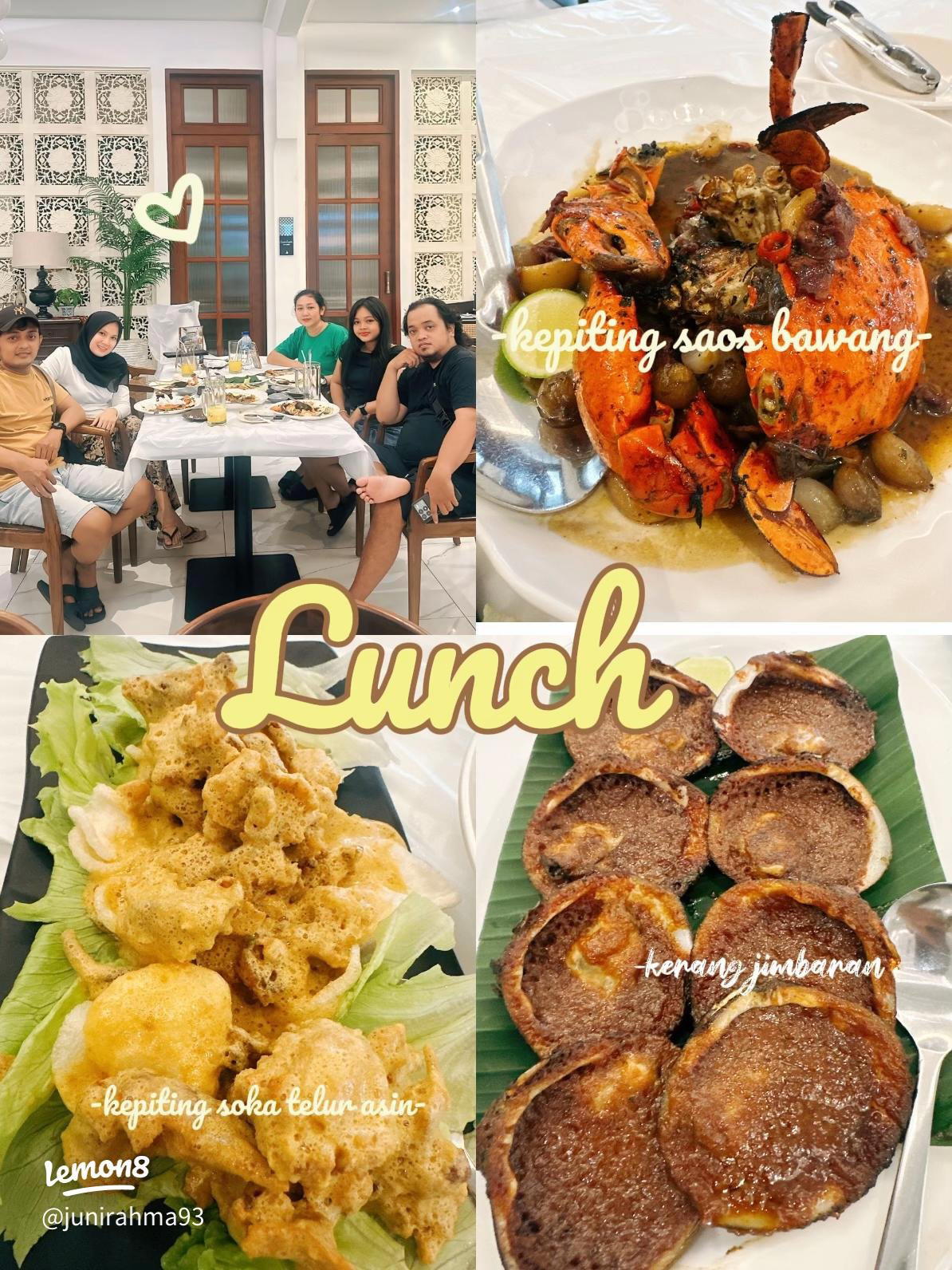
Indonesia's second city has historically received less international dining attention than Jakarta or Bali, but its food scene is substantive and particular. Surabaya is the city of rawon, rujak cingur, and lontong balap, dishes with strong Javanese and Madurese identities that require no European influence to justify their place in the conversation. Premium dining in Surabaya, when it happens, tends to involve either seafood (as at Layar Seafood KH Abdul Wahab Siamin) or the kind of celebratory mixed-format dining represented by venues like BV Luxury Club and KTV. Against that backdrop, Italian restaurants serve a specific sub-segment: families who want a comfortable, shareable meal in a format that feels internationally legible.
That dynamic appears across Indonesian cities. CARANO Masakan Padang in Bekasi illustrates the opposite pole: deeply local, regionally specific, and not interested in international reference points. Both models are coherent. The question for a Surabaya Italian restaurant is whether it has enough command of either the cuisine's technical foundations or its emotional register, the warmth, the generosity of portion, the ease of sharing, to justify the choice of format. The name Ciccia suggests at least an awareness of that warmth as a target.
Planning a Visit
Ciccia Ristorante is located at Jl. Imam Bonjol No. 82, in the DR. Soetomo neighbourhood within Tegalsari, Surabaya, East Java. The address is in a well-navigated commercial corridor, and Tegalsari is accessible from most parts of central Surabaya without difficulty. Arriving with some flexibility in timing is advisable, particularly for larger groups. Indonesian dining culture generally accommodates walk-ins at neighbourhood-format restaurants, though weekend evenings in this district can draw local regulars in numbers that reduce available seats.
For those building a broader Indonesia itinerary, the gap between Surabaya's neighbourhood Italian and what Bali's more export-facing dining scene offers is instructive. Moksa in Bali, Rumari in Jimbaran, and Jungle Fish Bali in Gianyar all operate in a different register of ambition and international visibility. Ciccia is a neighbourhood Italian in a city where that format serves a clear need.
Budget and Context
Comparable venues nearby, for context on price, style, and recognition.
| Venue | Cuisine | Price | Notes |
|---|---|---|---|
| Ciccia RistoranteThis venue — the venue you are viewing | Not listed | $$$ | Not listed |
| Layar Seafood KH Abdul Wahab Siamin | Dukuh Pakis, Indonesian Seafood | $$$ | Not listed |
| Jamoo Restaurant | Not listed | $$$ | Jl. Mayjen Sungkono, International Buffet |
| BV Luxury Club & KTV | South Surabaya, Karaoke Club | $$$$ | Not listed |
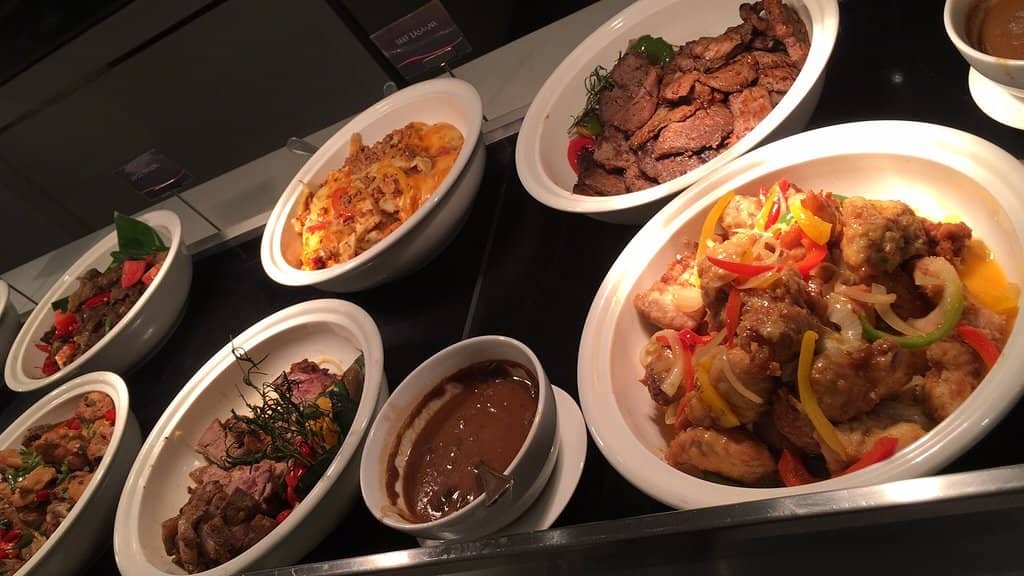
| Pavilion Restaurant at JW Marriott Surabaya | Not listed | $$$$ | Surabaya Center, International Buffet with Indonesian Specialties |
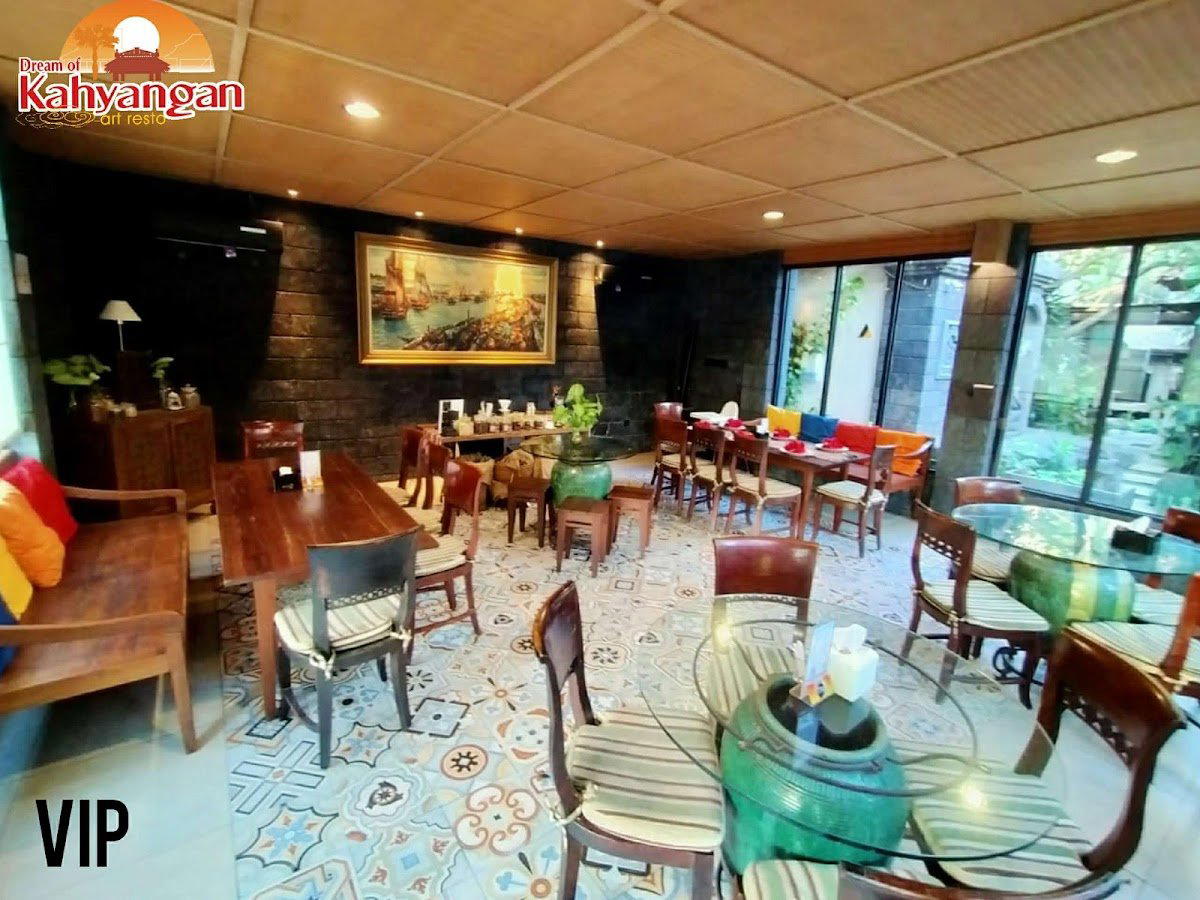
| Kahyangan Resto | Not listed | $$ | Citraland, Authentic Indonesian with Javanese Influences |
Continue exploring
More in Surabaya
At a Glance
- Elegant
- Cozy
- Sophisticated
- Date Night
- Group Dining
- Family
- Open Kitchen
Current opening hours
- Monday
- 10 AM–10 PM
- Tuesday
- 10 AM–10 PM
- Wednesday
- 10 AM–10 PM
- Thursday
- 10 AM–10 PM
- Friday
- 10 AM–10 PM
- Saturday
- 10 AM–10 PM
- Sunday
- 10 AM–10 PM
Hours can change for holidays and private events. Last verified .
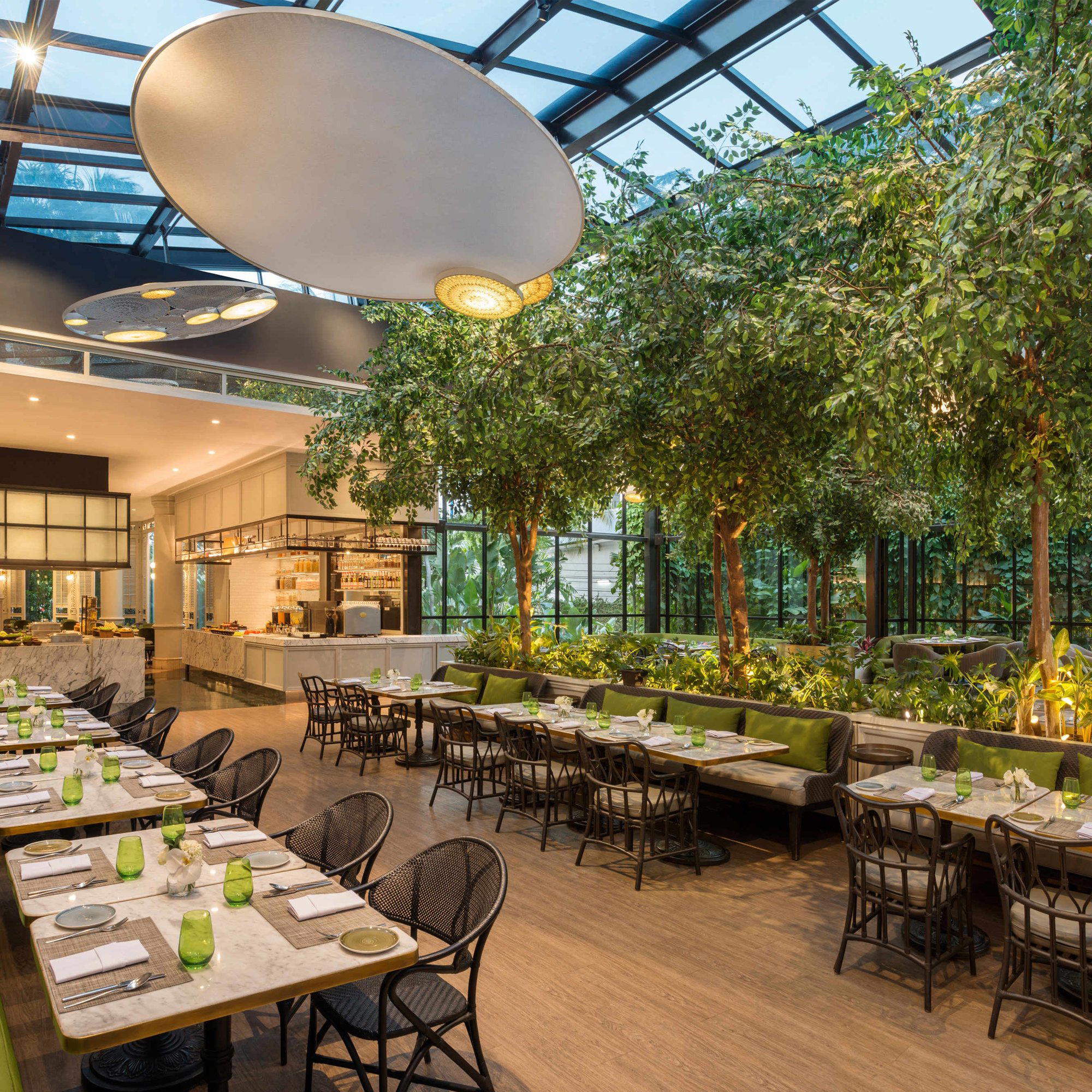
Beautiful semi-outdoor setting with glass walls, high ceilings, and a funky vibe