Kahyangan Resto occupies a residential address in Lakarsantri, on Surabaya's western fringe, placing it outside the dense commercial dining corridors that define the city's better-known restaurant clusters. The venue sits within the broader tradition of Indonesian dining that favours neighbourhood roots over central visibility, a format that rewards diners who seek it out rather than stumble upon it.
Pearl is the En Primeur Club membership app — saves, bookings, and concierge access live there. Same editors, same standards.
- Address
- Jl. Puri Widya Kencana LL, RW.05, Lidah Kulon, Kec. Lakarsantri, Surabaya, Jawa Timur 60213, Indonesia
- Phone
- +6262317411999
- Website
- api.whatsapp.com
- Directions
- Get directions
 Saves & bookings on Pearl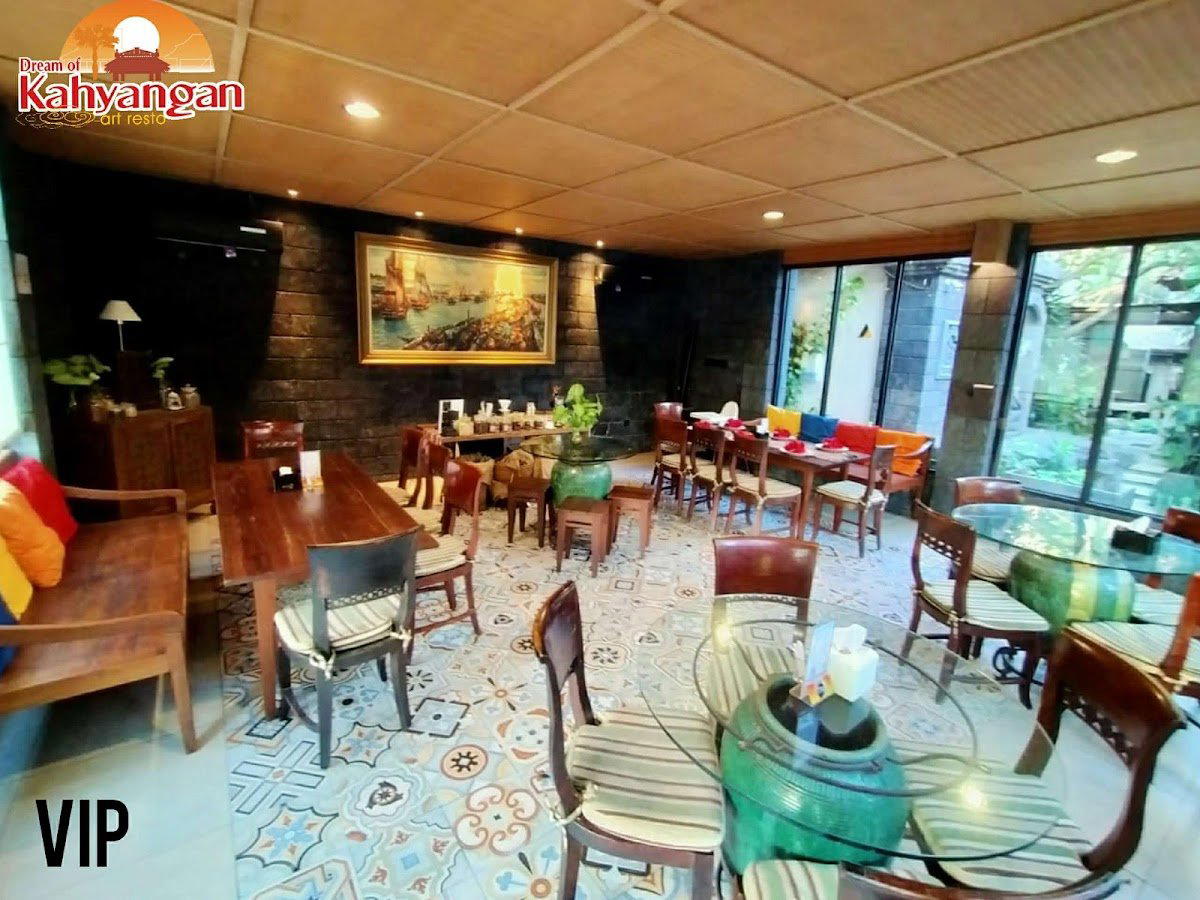
West Surabaya and the Logic of the Neighbourhood Restaurant
Surabaya's dining scene divides along a familiar Indonesian axis: the centrally located, internationally legible venues clustered around commercial districts and hotel rows, and the neighbourhood-rooted establishments that draw their identity from the communities around them. Kahyangan Resto, addressed on Jl. Puri Widya Kencana in Lidah Kulon, sits firmly in the second category. Lakarsantri, the kecamatan that frames this part of the city's west, is a residential zone rather than a dining destination in the conventional sense, which means the restaurant's footfall is built on local repetition and word-of-mouth rather than passing trade or hotel referrals.
That geography is not incidental. Across Indonesia, particularly deeply rooted dining traditions operate exactly this way: outside the tourist sightlines, sustained by regulars who measure value in consistency and familiarity rather than novelty. The format is older than the country's modern restaurant industry, descending from the warung and rumah makan traditions that organised communal eating around neighbourhood identity rather than commercial spectacle. For visitors accustomed to dining in central Surabaya, venues like Jamoo Restaurant or the Pavilion Restaurant at JW Marriott Surabaya represent a different register entirely, one oriented toward international formats and hotel-grade presentation. Kahyangan Resto operates in a distinct register from both.
Indonesian Dining Tradition and What It Asks of the Diner
The cultural logic of Indonesian restaurant dining is worth understanding before arriving at any neighbourhood-rooted venue in a city like Surabaya. Indonesia's food culture places high value on regional specificity: Javanese cuisine, which forms the backbone of Surabaya's local dining tradition, is characterised by its use of sweet soy-based preparations, aromatic spice combinations built around galangal, lemongrass, and candlenut, and dishes that carry deep historical relationships with Javanese social ceremony. Surabaya, as East Java's principal city, carries a culinary identity distinct from the more widely exported Sundanese or Balinese traditions. Rawon, the black beef soup coloured by kluwek nut and often treated as one of the region's defining dishes, and lontong balap, a pressed rice cake preparation served with fried tofu, bean sprouts, and lentho, are among the preparations that define local expectation.
Venues operating in residential neighbourhoods like Lakarsantri tend to anchor their menus to these local reference points rather than international or fusion frameworks. The relationship between a neighbourhood restaurant and its immediate community is often closer to a sustained cultural contract than a commercial transaction: the menu reflects what the surrounding households eat, the pricing aligns with local economics, and the atmosphere is shaped by the rhythms of daily life rather than hospitality design. This pattern is visible across Indonesian cities, from the warung clusters of South Jakarta documented by venues like Chongqing Liuyishou Hotpot in its local dining context, to the community-facing coffee and food culture tracked through venues like Agreya Coffee Bogor in Bogor.
Surabaya's Wider Dining Context
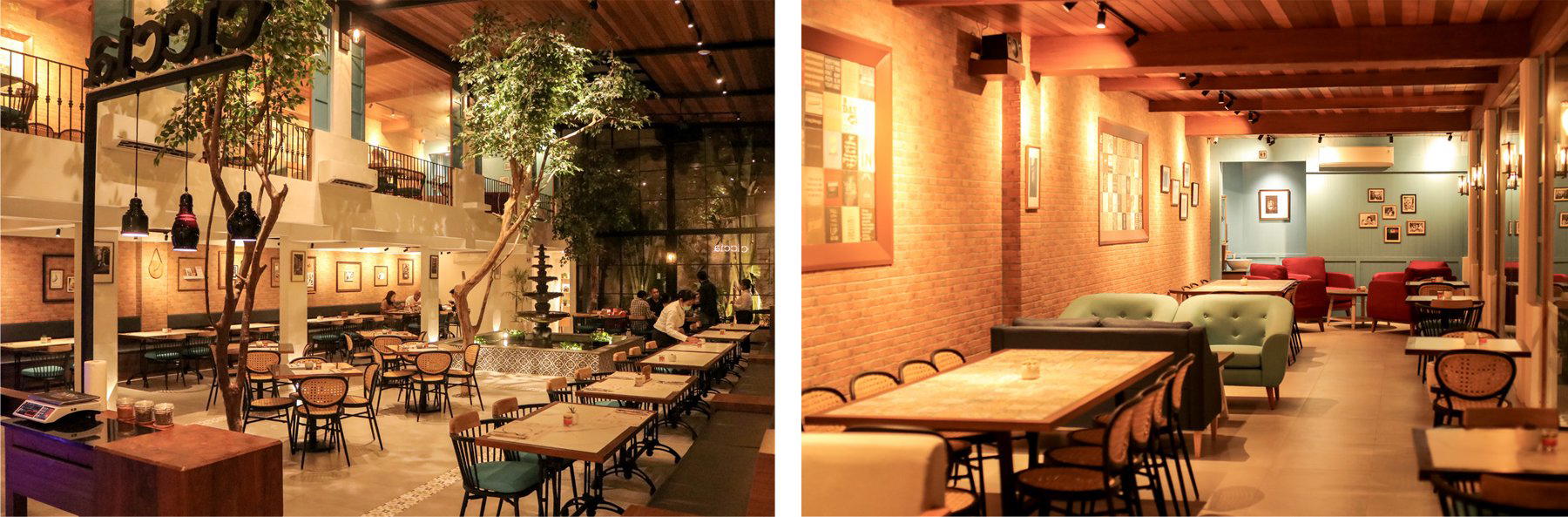
Understanding where Kahyangan Resto sits requires some sense of how Surabaya structures its restaurant offer more broadly. The city of over three million is Indonesia's second-largest urban centre, and its dining scene reflects that scale without always achieving the international visibility of Jakarta or Bali's resort corridors. At the premium end, hotel-anchored venues set the formal dining standard: the Pavilion Restaurant at JW Marriott Surabaya represents the international hotel-dining format, while venues like Ciccia Ristorante bring European-format dining into the local market. Seafood holds a significant position in Surabaya's dining culture given the city's coastal geography, with venues like Layar Seafood KH Abdul Wahab Siamin representing that tradition. Entertainment-integrated dining, visible through venues like BV Luxury Club and KTV, forms another distinct segment of the market.
Neighbourhood restaurants like Kahyangan Resto occupy the space between these categories, serving a local diner who is neither seeking international hotel formats nor pure entertainment, but rather consistent, familiar food at an accessible price point within their own community. Across Indonesia's restaurant economy, this middle tier is where the majority of daily dining actually happens, and it is frequently the tier most invisible to international visitors who route through hotel concierges and destination dining guides.
For comparison, the premium Indonesian dining tier that has attracted international attention, represented by venues like Locavore NXT in Ubud or August in Jakarta, involves tasting-menu formats, international award recognition, and advance booking windows measured in weeks or months. The restaurant operates in a different economy of scale and expectation entirely, shaped by neighbourhood access rather than destination positioning.
Planning a Visit to Lakarsantri
The restaurant's address in Lidah Kulon, Lakarsantri places it in the western residential belt of Surabaya, removed from the city's commercial centre and from the hotel clusters around Jl. Basuki Rahmat and Jl. Embong Malang. Visitors staying in central Surabaya should account for travel time accordingly; the western suburbs are accessible by ride-hailing apps including Gojek and Grab, which remain the practical transport options for most intra-city movement. Reservations are recommended, and the restaurant is open daily from 11 AM to 10 PM.
Indonesia's wider dining scene, from the dim sum traditions trackable through Hwang Fu Dimsum in Tangerang to the fusion-forward approaches of Kita Restaurant and Bar in Menteng and resort-anchored dining visible through Bikini Restaurant Bali and Jungle Fish Bali, is a market where neighbourhood venues like Kahyangan Resto represent the foundation rather than the exception. The high-profile tasting room formats at venues like Le Bernardin in New York or Atomix occupy a global category that is structurally remote from the community dining model that sustains restaurants like this one in Surabaya's residential west. That distance is not a critique; it is a description of how different dining traditions organise themselves around different values.
Booking and Cost Snapshot
Comparable venues nearby, for context on price, style, and recognition.
| Venue | Cuisine | Price | Notes |
|---|---|---|---|
| Kahyangan RestoThis venue — the venue you are viewing | Not listed | $$ | Not listed |
| BV Luxury Club & KTV | South Surabaya, Karaoke Club | $$$$ | Not listed |
| Layar Seafood KH Abdul Wahab Siamin | Dukuh Pakis, Indonesian Seafood | $$$ | Not listed |
| Jamoo Restaurant | Not listed | $$$ | Jl. Mayjen Sungkono, International Buffet |
| Pavilion Restaurant at JW Marriott Surabaya | Not listed | $$$$ | Surabaya Center, International Buffet with Indonesian Specialties |
| Ciccia Ristorante | Not listed | $$$ | Imam Bonjol, Authentic Italian Ristorante & Grill |
Continue exploring
More in Surabaya
At a Glance
- Classic
- Cozy
- Scenic
- Family
- Group Dining
- Casual Hangout
- Garden
- Garden
Current opening hours
- Monday
- 11 AM–10 PM
- Tuesday
- 11 AM–10 PM
- Wednesday
- 11 AM–10 PM
- Thursday
- 11 AM–10 PM
- Friday
- 11 AM–10 PM
- Saturday
- 11 AM–10 PM
- Sunday
- 11 AM–10 PM
Hours can change for holidays and private events. Last verified .
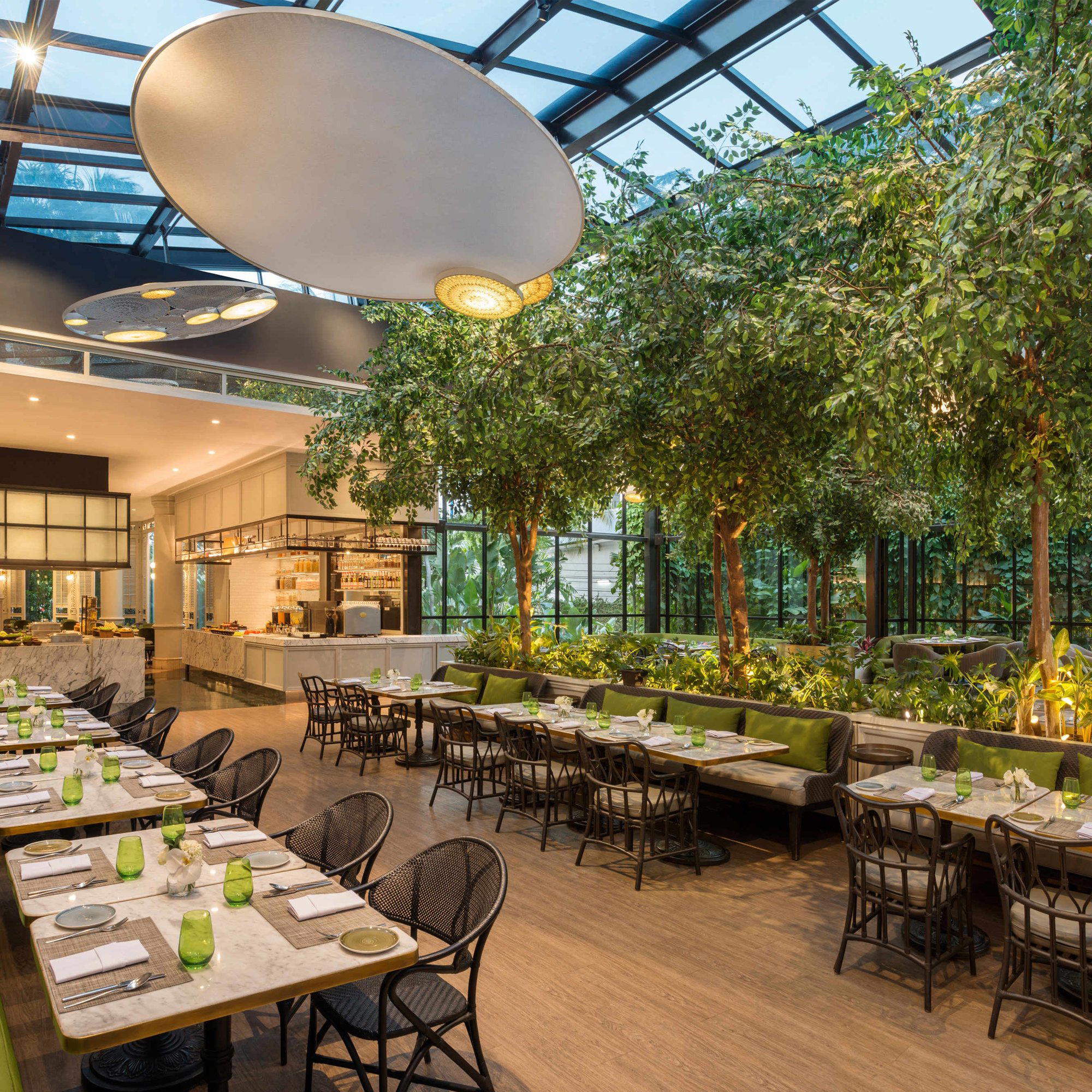
Enchanting traditional Javanese ambiance with serene garden views, cozy lighting, and cultural artifacts creating a warm, nostalgic atmosphere.