Layar Seafood KH Abdul Wahab Siamin serves Indonesian seafood on Jl. KH Abdul Wahab Siamin in Surabaya, with kepiting telur asin and ikan bakar sambal matah on the menu.
Pearl is the En Primeur Club membership app — saves, bookings, and concierge access live there. Same editors, same standards.
- Address
- Jl. KH Abdul Wahab Siamin Surabaya No.216, Dukuh Pakis, Kec. Dukuhpakis, Surabaya, Jawa Timur 60225, Indonesia
- Phone
- +6262315683716
- Website
- layarseafood.com
- Directions
- Get directions
 Saves & bookings on Pearl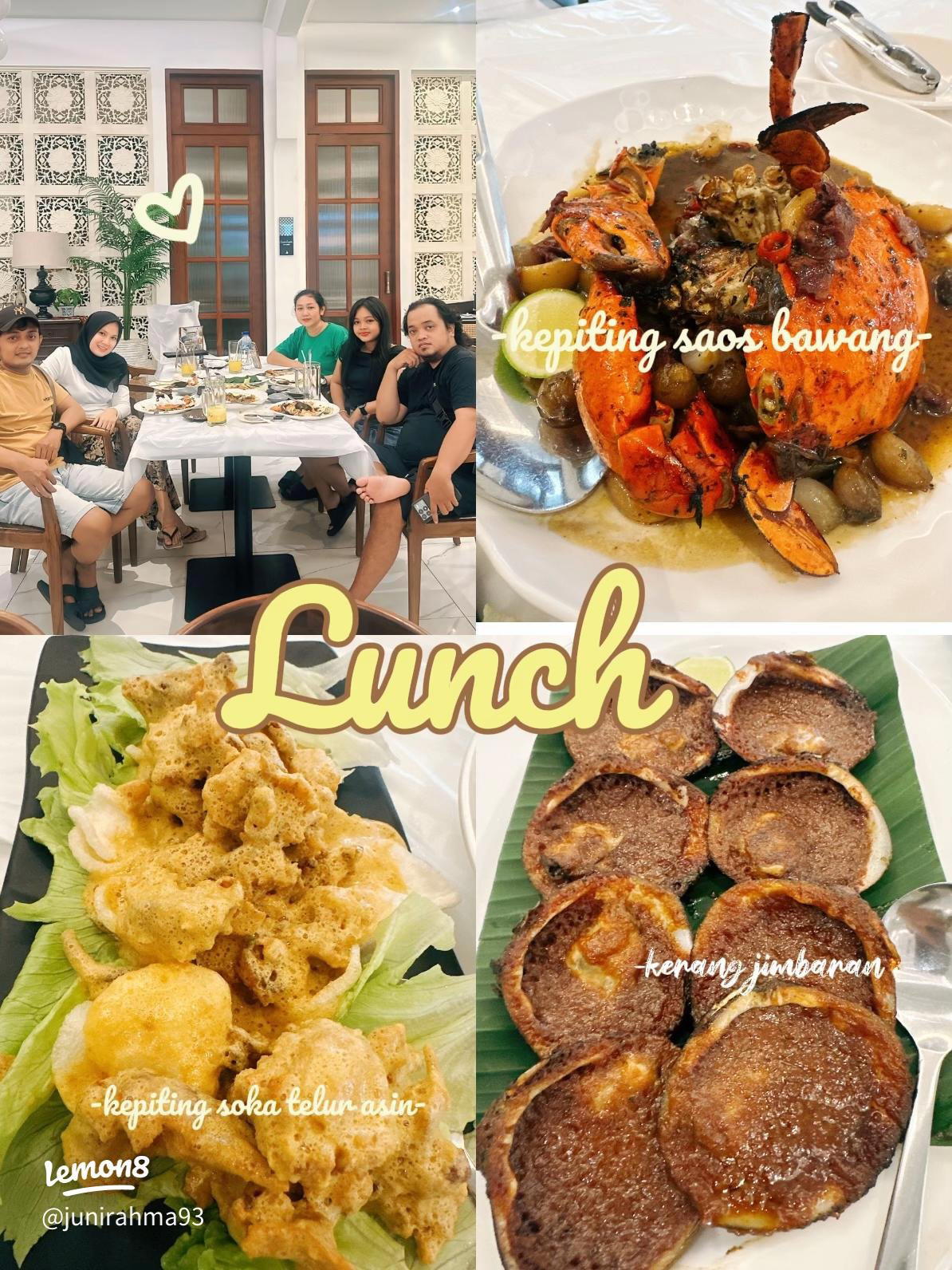
Seafood on the Street: What Surabaya's Warung Tradition Does Differently
Layar Seafood KH Abdul Wahab Siamin is a casual Indonesian seafood restaurant in Surabaya, with a recommended reservation policy and an average price of about $20 per person. Along Jalan KH Abdul Wahab Siamin in the Dukuh Pakis district, the ritual of eating seafood in Surabaya plays out in a format most international visitors never encounter. The approach here belongs to a particular category of Indonesian dining: the seafood warung that operates as a neighbourhood anchor, where ordering is guided by what arrived from the market that morning, and the pace of the meal is set by shared plates rather than individual courses. Layar Seafood KH Abdul Wahab Siamin sits within that tradition, at the address 216 on a street where the food speaks before the signage does.
This is not a format built around ceremony in the Western sense. There are no tasting menus, no amuse-bouches, and no choreographed service beats. Instead, the ritual is communal: dishes arrive as they are ready, the table fills incrementally, and the meal ends when the fish is finished. That structure is a feature, not an oversight. It reflects the way Javanese coastal eating has been organised for generations, where proximity to the Jawa Timur fishing supply means freshness is assumed and the cook's role is to clarify flavour rather than construct it.
Dukuh Pakis and the Geography of Surabaya's Seafood Belt
Surabaya's dining geography tends to confuse first-time visitors who expect the city's leading food to cluster in its commercial centre. In practice, the seafood spots worth knowing are distributed across residential corridors where rent is lower and the customer base is local. Dukuh Pakis sits southwest of the city core, a working residential district without the hotel-adjacent polish of areas around Pavilion Restaurant at JW Marriott Surabaya or the more international-facing dining of the central business district.
That positioning matters. A seafood restaurant operating in a local residential corridor prices and serves for a neighbourhood clientele, which typically means portions calibrated for sharing, a menu that rotates with the catch, and a speed of service that assumes you are eating, not performing. For visitors willing to leave the hotel zone, spots like this represent the practical, unselfconscious side of Surabaya eating that rarely appears in international coverage. Our full Surabaya restaurants guide covers the full spectrum, from local warung formats to international venues.
The Dining Ritual: How a Seafood Warung Meal Actually Works
The grammar of a seafood warung meal in East Java is worth understanding before you arrive. You do not scan a printed menu and order a fixed sequence. In many operations of this type, the selection begins at a display of the day's catch, sometimes iced, sometimes held in tanks, where you indicate what you want and specify the preparation. Grilled, fried, or cooked in a broth with aromatics are the usual options. Sambal arrives as a given, not an add-on, and its heat level varies by the cook's hand that day.
Rice comes in a shared bowl. Vegetables, often water spinach or young papaya, arrive alongside. The sequencing is lateral rather than linear: everything lands roughly together, and the meal is assembled at the table by whoever is eating rather than by a kitchen sending courses in deliberate order. This format rewards groups. A table of two can manage it, but a table of four or six allows for more variety across the catch and more of the communal rhythm the format is designed around.
For context on how this approach compares to more structured Indonesian dining experiences elsewhere in the country, it is worth looking at venues like Locavore NXT in Ubud, which works within Indonesian ingredient traditions but through an entirely different format logic, or August in Jakarta, which applies a course-by-course structure to local produce. The warung model that Layar represents is the older and more widespread format, and in many respects the more demanding one for the cook: there is no constructed progression to absorb an ingredient's weaknesses.
Seafood Cooking in East Java: The Flavour Logic
East Javanese seafood cooking draws on a flavour vocabulary that is distinct from the coconut-forward profiles of Balinese food or the more herb-driven registers of Padang cuisine. Here, the dominant notes tend toward fermented shrimp paste, sweet soy, and a chilli heat that reads as direct rather than layered. Grilled preparations often use a basting of kecap manis that caramelises over charcoal, producing a finish that is simultaneously sweet and smoky. Fried fish in this tradition tends toward whole preparations, where the texture contrast between crisp skin and soft flesh is treated as the main event.
For visitors familiar with Southeast Asian seafood cooking from coastal Thailand or Vietnam, the East Javanese register will feel related but distinct: less citrus-forward, more reliant on fermented depth, and typically hotter. The sambal served alongside is less a condiment and more a structural component of the meal, present in quantities that suggest it should be eaten with the fish rather than applied to it.
Indonesia's coastal seafood tradition, explored through other lenses, appears in venues like Jungle Fish Bali in Gianyar and Bikini Restaurant Bali in Badung, both working with Indonesian coastal ingredients in formats oriented toward international visitors. The warung model is the reference point that precedes all of them.
Placing Layar in Surabaya's Wider Dining Context
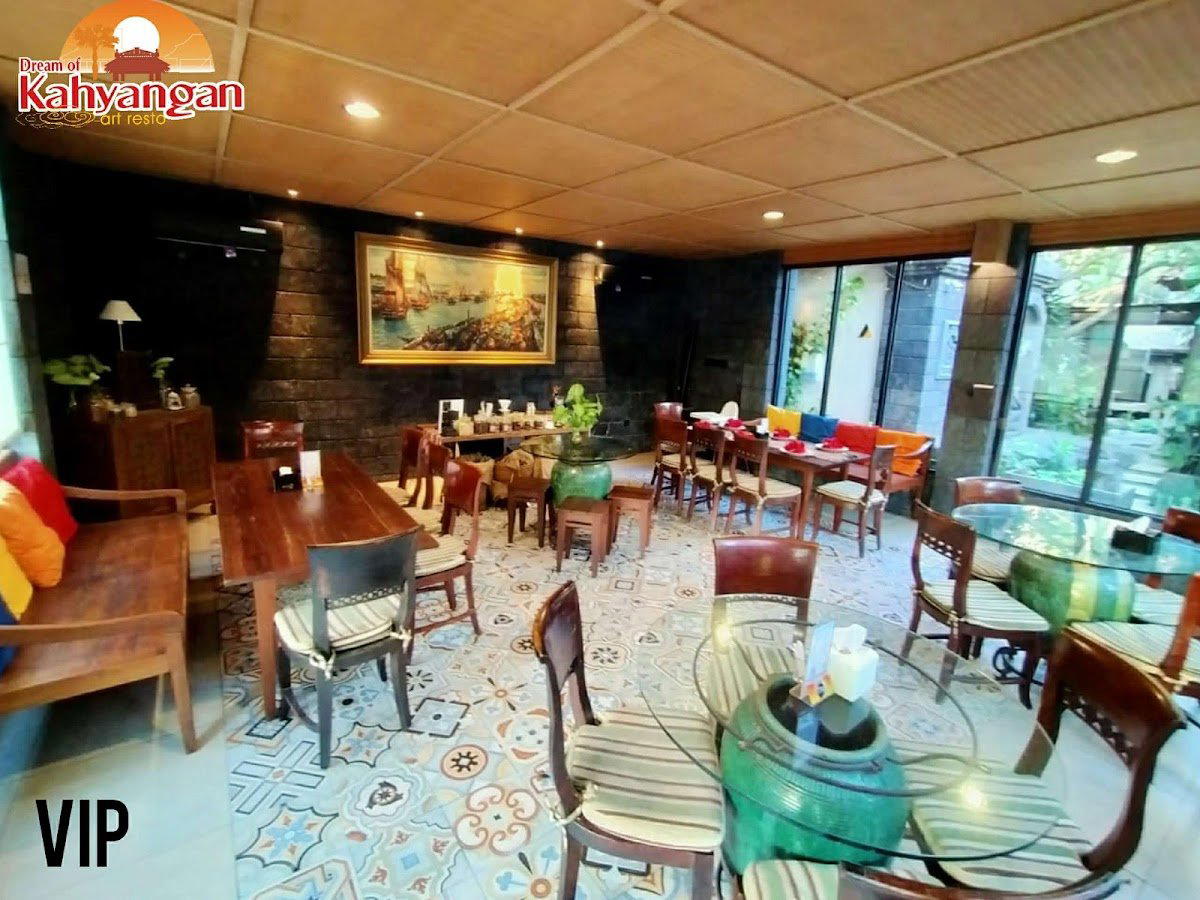
Surabaya's restaurant scene spans formats that have little in common beyond geography. Venues like Ciccia Ristorante and Jamoo Restaurant operate in the city's international-facing tier, while Kahyangan Resto and BV Luxury Club & KTV represent the entertainment-dining crossover that has grown in Indonesian cities over the past decade. Layar occupies a different position entirely: it is a neighbourhood seafood operation in a residential district, priced and formatted for local use.
That distinction matters for the reader deciding how to spend an evening. If you are looking for a structured meal in a designed interior, Layar is not the reference. If you are looking for the format that defines how most Surabayan families eat seafood on a weekday, it is precisely the reference. The two are not in competition; they answer different questions.
For those exploring wider Indonesian dining, the contrasts are instructive: Kita 喜多 Restaurant And Bar in Kecamatan Menteng and Hwang Fu Dimsum in Tangerang show the Chinese-Indonesian culinary inheritance that runs through much of the archipelago's urban food culture, while Chongqing Liuyishou Hotpot in South Jakarta and Hai Di Lao in Central Jakarta represent the communal, shared-pot format that shares some structural logic with the warung table.
Planning Your Visit
Layar Seafood KH Abdul Wahab Siamin is located at Jalan KH Abdul Wahab Siamin No. 216 in the Dukuh Pakis subdistrict of Surabaya. The address is accessible by ride-hailing apps including Gojek and Grab, which are the practical transport options for visitors not travelling with a driver. Reservations are recommended, and the restaurant is open daily from 11 AM to 9:30 PM.
Style and Standing
Comparable venues nearby, for context on price, style, and recognition.
| Venue | Cuisine | Price | Notes |
|---|---|---|---|
| Layar Seafood KH Abdul Wahab SiaminThis venue — the venue you are viewing | Indonesian Seafood | $$$ | Not listed |
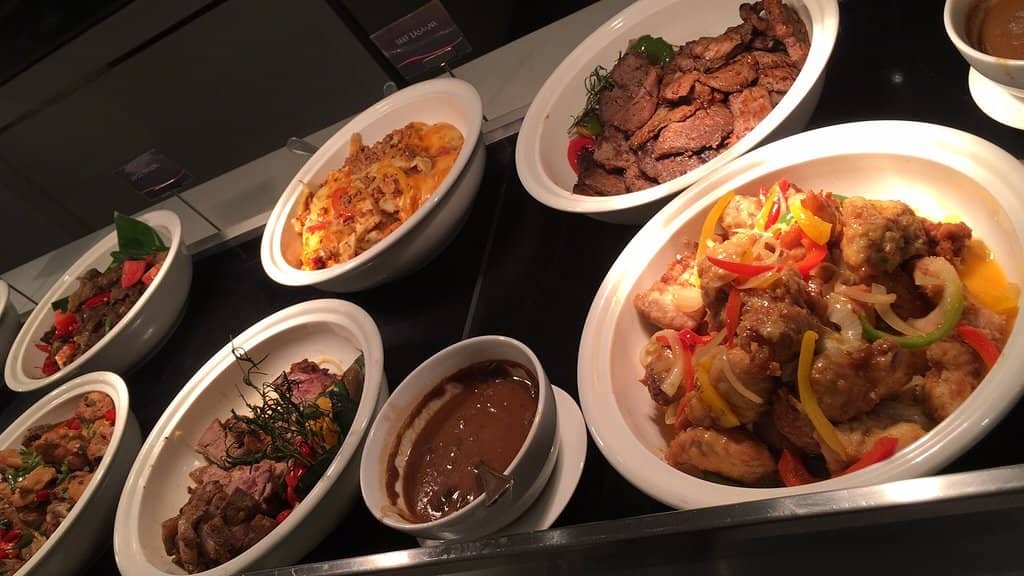
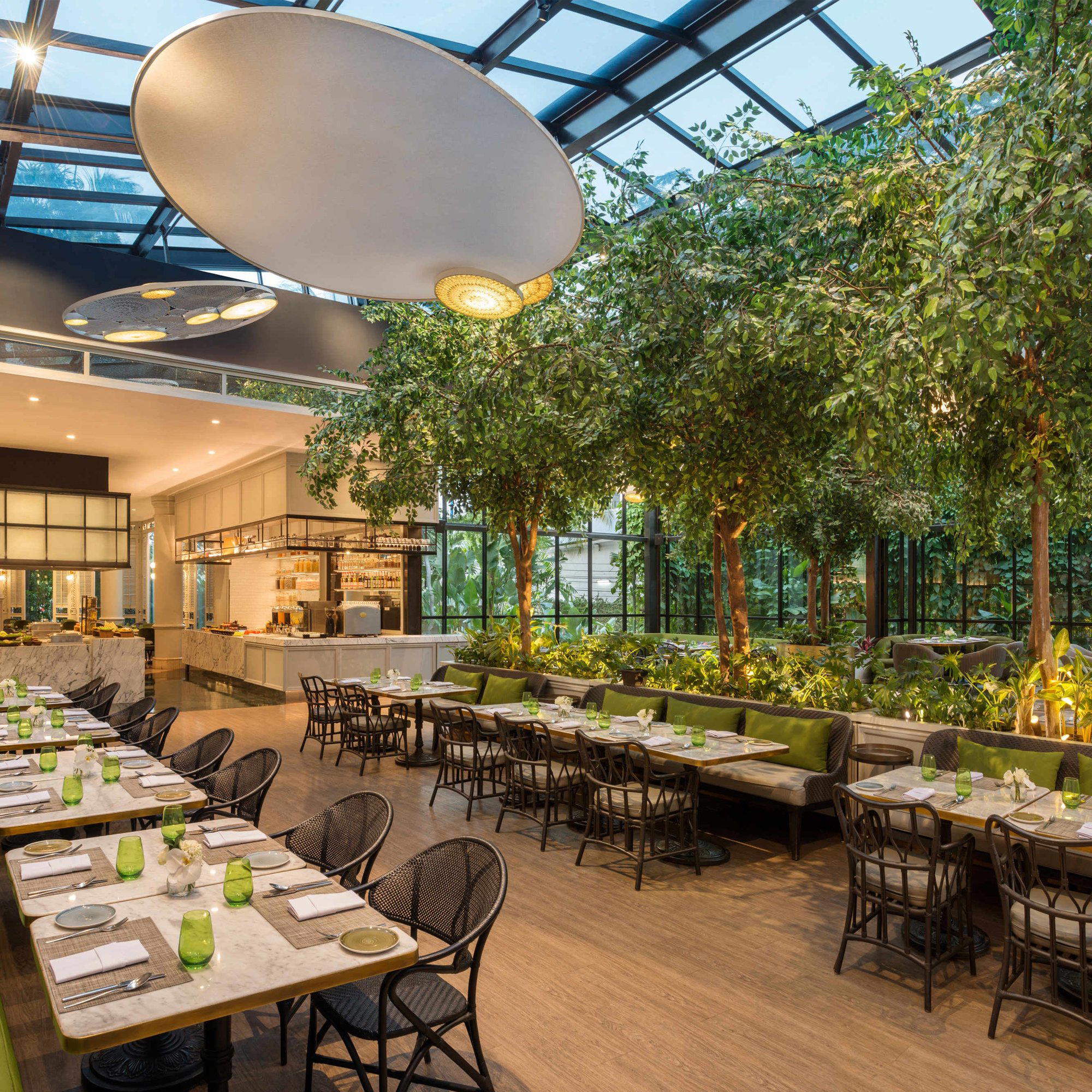
| Pavilion Restaurant at JW Marriott Surabaya | International Buffet with Indonesian Specialties | $$$$ | Surabaya Center |
| Jamoo Restaurant | International Buffet | $$$ | Jl. Mayjen Sungkono |
| Kahyangan Resto | Authentic Indonesian with Javanese Influences | $$ | Citraland |
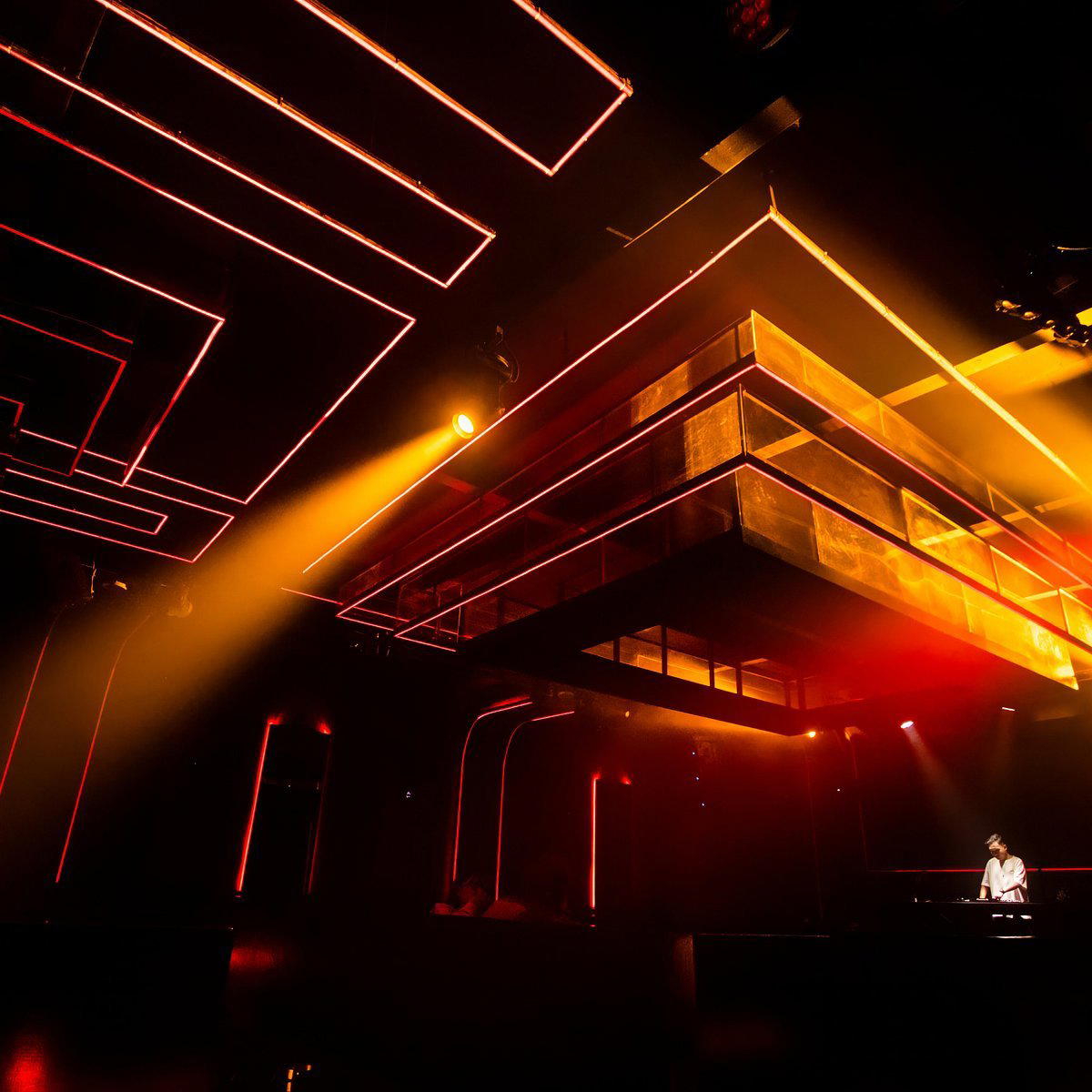
| BV Luxury Club & KTV | Karaoke Club | $$$$ | South Surabaya |
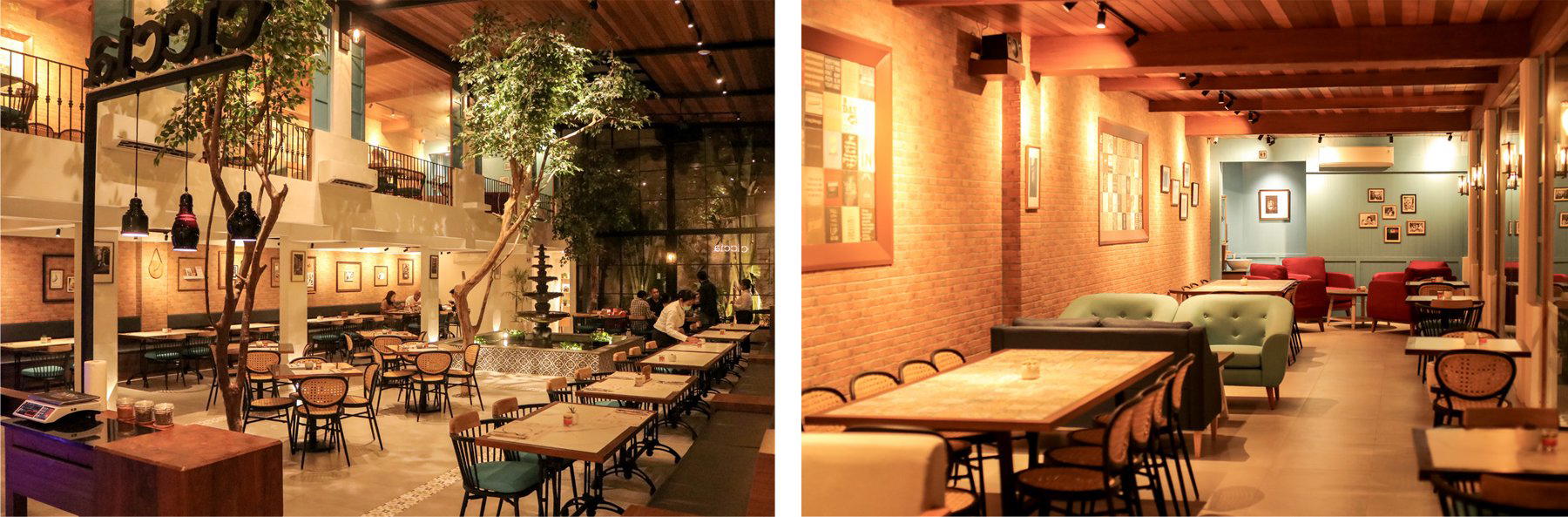
| Ciccia Ristorante | Authentic Italian Ristorante & Grill | $$$ | Imam Bonjol |
Continue exploring
More in Surabaya
At a Glance
- Lively
- Family
- Group Dining
- Business Dinner
- Celebration
- Standalone
Current opening hours
- Monday
- 11 AM–9:30 PM
- Tuesday
- 11 AM–9:30 PM
- Wednesday
- 11 AM–9:30 PM
- Thursday
- 11 AM–9:30 PM
- Friday
- 11 AM–9:30 PM
- Saturday
- 11 AM–9:30 PM
- Sunday
- 11 AM–9:30 PM
Hours can change for holidays and private events. Last verified .
Spacious modern venue with good decor, popular and bustling especially on weekends.