Jamoo Restaurant sits on Jl. Mayjen Sungkono in Surabaya's Sawahan district, positioning itself within a city whose dining scene has grown considerably more ambitious in recent years. The address places it close to the commercial density of West Surabaya, where a cluster of restaurants now competes across international formats and local culinary traditions.
Pearl is the En Primeur Club membership app — saves, bookings, and concierge access live there. Same editors, same standards.
- Address
- Jl. Mayjen Sungkono No.120, Pakis, Kec. Sawahan, Surabaya, Jawa Timur 60256, Indonesia
- Phone
- +623160038888
- Website
- shangri-la.com
- Directions
- Get directions
 Saves & bookings on Pearl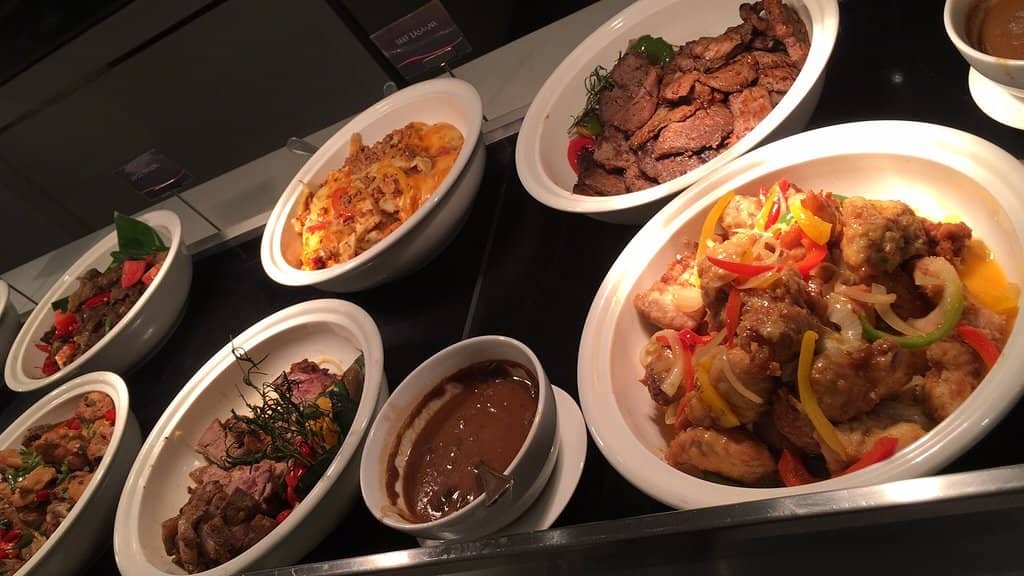
West Surabaya's Dining Axis and Where Jamoo Sits
Surabaya's restaurant geography has shifted noticeably over the past decade. The city's commercial and culinary energy, long concentrated around the historic northern port and Tunjungan corridor, has spread west along arterials like Jl. Mayjen Sungkono. That stretch now carries a cross-section of the city's mid-to-upper dining formats: hotel restaurants drawing corporate accounts, standalone operations targeting the residential catchment of Pakis and Sawahan, and a growing number of venues building menus around Indonesian ingredient sourcing rather than imported frameworks. Jamoo Restaurant occupies that address at No. 120.
In the broader Indonesian context, Surabaya occupies an underappreciated position. Jakarta commands media attention, and Bali draws international visitors to places like Locavore NXT in Ubud and Bikini Restaurant Bali in Badung, where ingredient provenance has become a competitive differentiator and a point of editorial focus. Surabaya has its own sourcing story, proximity to East Java's agricultural production, the Madura Strait's fisheries, and the island's deep tradition of fermented and slow-cooked preparations, but fewer venues have built that story into a legible dining proposition. The ones that do tend to find a distinct position in the market.
The Ingredient Question in East Java
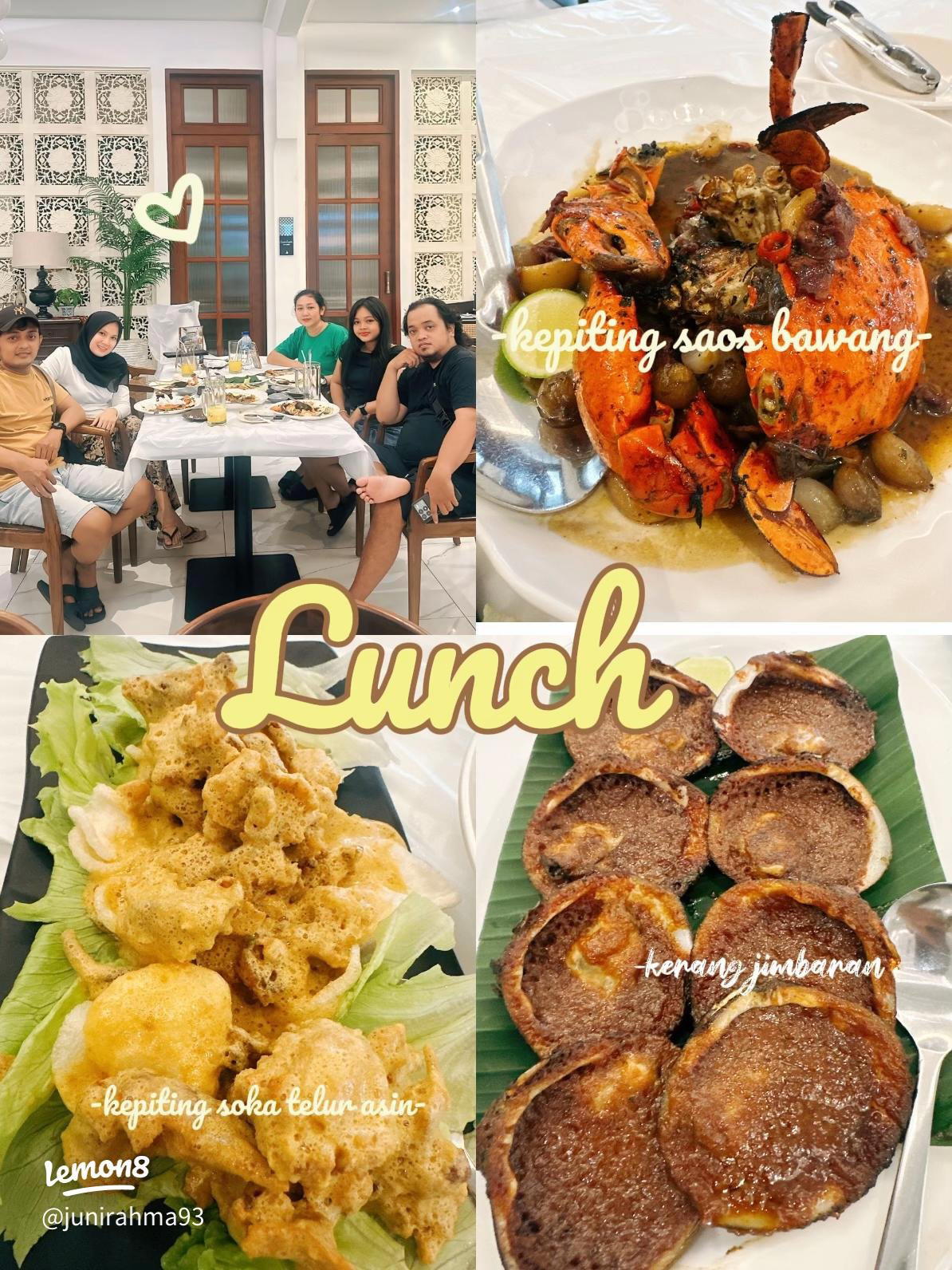
East Java's food culture is built on a specific larder. Rawon, with its keluak-blackened broth, represents one end of the spectrum: a dish that requires specific fermented seeds, long cooking, and a knowledge base that does not translate easily to substitution. Rujak cingur draws on banana flower and cow's muzzle in combinations that are locally intuitive and externally opaque. The region's seafood runs through both Surabaya's own harbour supply and the broader East Java coastline, which feeds into preparations that differ from the lighter, coconut-forward traditions of Central Java or the Balinese approach seen at venues like Jungle Fish Bali in Gianyar.
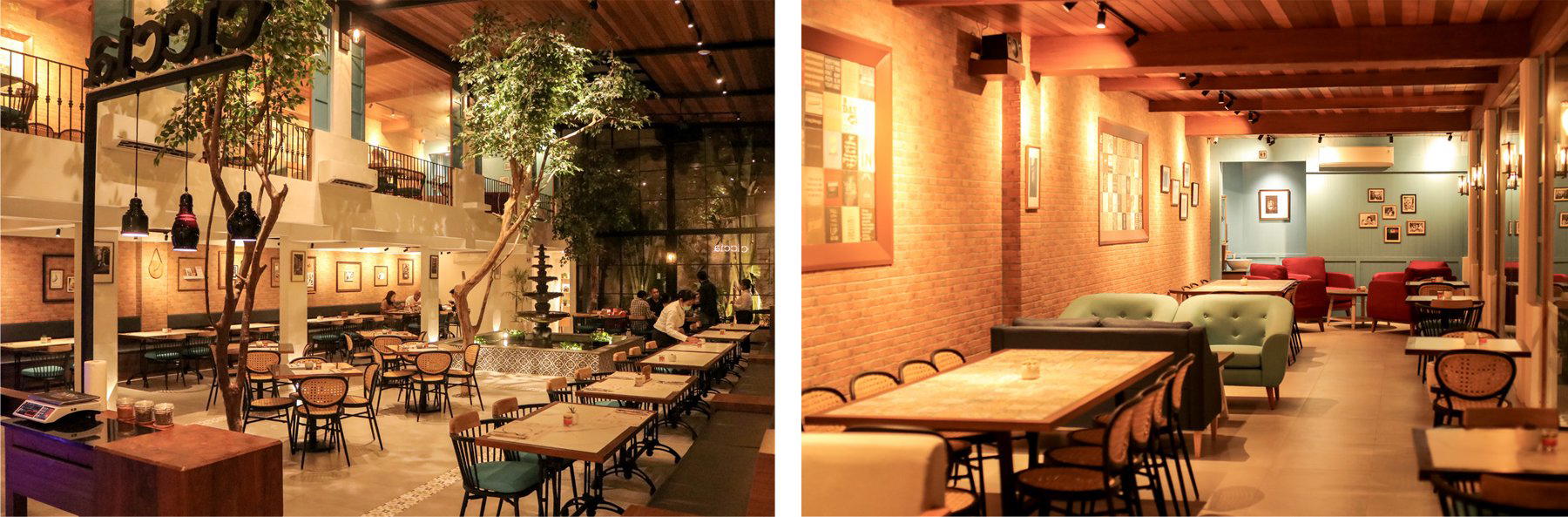
Restaurants that anchor themselves to this sourcing tradition take on a different kind of credibility than those operating international formats. The tradeoff is narrower addressable reach but deeper local resonance. Surabaya venues doing this work sit in a different competitive tier than hotel all-day dining rooms, where the sourcing conversation rarely drives the menu. The Pavilion Restaurant at JW Marriott Surabaya serves a different function for a different traveller profile, as does the more entertainment-focused BV Luxury Club and KTV. Kahyangan Resto and Layar Seafood KH Abdul Wahab Siamin address the local seafood appetite more directly, while Ciccia Ristorante operates in the Italian format that has found a consistent upper-middle audience in Indonesian cities.
Benchmarking Against Indonesia's Broader Scene
The conversation around Indonesian sourcing has matured considerably at the national level. In Jakarta, August has built a reputation around local produce framed in a contemporary European structure. Kita Restaurant and Bar in Kecamatan Menteng approaches the same territory from a different format. Further afield, Hwang Fu Dimsum in Tangerang and Chongqing Liuyishou Hotpot in South Jakarta represent the Chinese-Indonesian dining tradition that runs parallel to the archipelago's own culinary production. Internationally, the ingredient-first framing is well established at places like Le Bernardin in New York City, where sourcing credentials function as a primary trust signal for a sophisticated audience.
What this means for Surabaya is that the frame already exists and the audience for it is growing. Visitors arriving from Jakarta or internationally, and local diners who travel regularly, carry comparative references that make sourcing claims legible in a way they might not have been five years ago. A restaurant in Surabaya that can articulate its ingredient relationships, whether to East Java producers, local fishermen, or traditional fermentation suppliers, is competing in a conversation that now has national and international purchase.
Planning a Visit: What to Know
Jamoo Restaurant's address at Jl. Mayjen Sungkono No. 120 places it in the Sawahan administrative district of Surabaya, accessible by ride-hailing services that operate throughout the city. Jl. Mayjen Sungkono is a major west Surabaya arterial, which means traffic density during evening peak hours should factor into journey planning. The surrounding area has enough dining and commercial activity that the street is well-lit and active at night, which is relevant for later sittings.
Jamoo Restaurant is open daily from 10 AM to 10 PM, and reservations are recommended. The restaurant's price tier sits at about $25 per person.
Travellers building a multi-city Indonesia itinerary will find Surabaya a logical stop between Bali and Jakarta. The city's airport (Juanda International) connects to both, and the dining scene in the west of the city rewards an evening's attention rather than a rushed single meal. Those interested in the regional ingredient tradition should cross-reference what is available in Surabaya with the more internationally publicised operations in Bali and Jakarta, since the East Java sourcing story remains relatively underreported compared to its culinary depth. Resources like Agreya Coffee Bogor and Istanbul Kebab in Lombok Utara illustrate how Indonesia's mid-tier dining scene carries genuine regional specificity well outside the headline cities.
How It Stacks Up
Comparable venues nearby, for context on price, style, and recognition.
| Venue | Cuisine | Price | Notes |
|---|---|---|---|
| Jamoo RestaurantThis venue — the venue you are viewing | International Buffet | $$$ | Not listed |
| Ciccia Ristorante | Authentic Italian Ristorante & Grill | $$$ | Imam Bonjol |
| Pavilion Restaurant at JW Marriott Surabaya | International Buffet with Indonesian Specialties | $$$$ | Surabaya Center |
| Layar Seafood KH Abdul Wahab Siamin | Indonesian Seafood | $$$ | Dukuh Pakis |
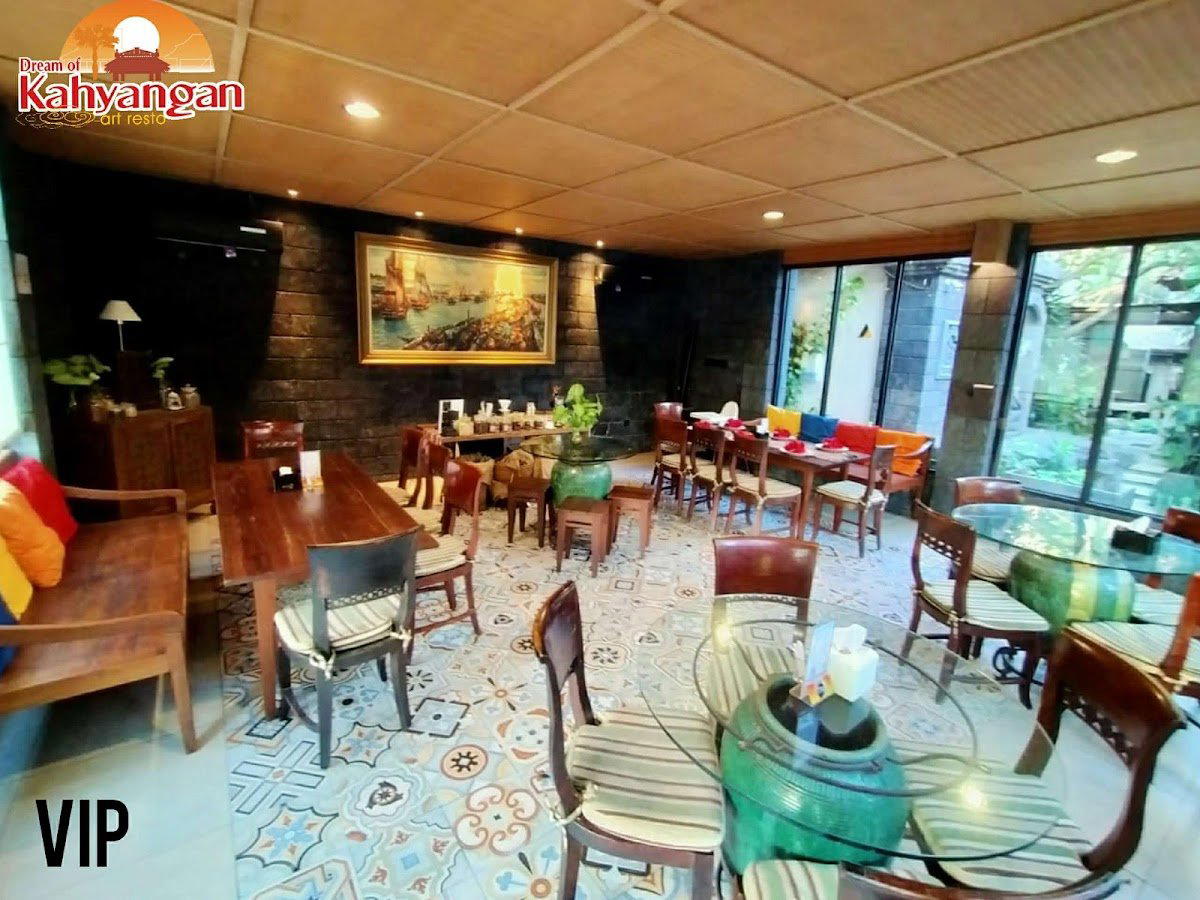
| Kahyangan Resto | Authentic Indonesian with Javanese Influences | $$ | Citraland |
| BV Luxury Club & KTV | Karaoke Club | $$$$ | South Surabaya |
Continue exploring
More in Surabaya

At a Glance
- Modern
- Elegant
- Family
- Celebration
- Brunch
- Open Kitchen
- Terrace
- Hotel Restaurant
- Garden
Current opening hours
- Monday
- 10 AM–10 PM
- Tuesday
- 10 AM–10 PM
- Wednesday
- 10 AM–10 PM
- Thursday
- 10 AM–10 PM
- Friday
- 10 AM–10 PM
- Saturday
- 10 AM–10 PM
- Sunday
- 10 AM–10 PM
Hours can change for holidays and private events. Last verified .
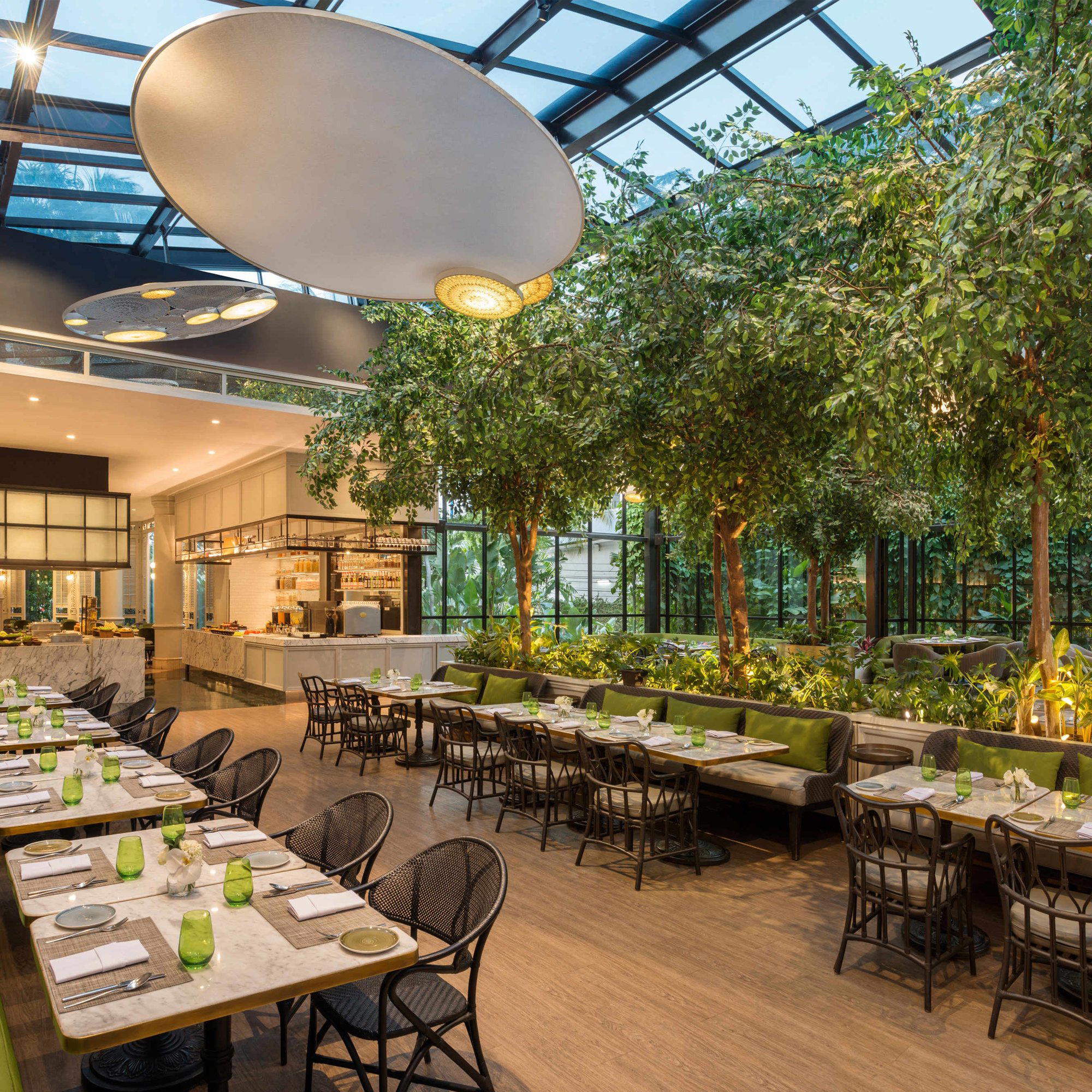
Sleekly designed dining room with outdoor garden terrace overlooking the pool, offering a modern and comfortable atmosphere.