Paul's Fusion Kitchen
On West Kennedy Boulevard, Paul's Fusion Kitchen occupies a middle register in Tampa's dining conversation, a neighborhood-rooted spot where cross-cultural cooking meets an accessible price point. Positioned against Tampa's higher-end contemporary tables like Ebbe and Lilac, it draws a different crowd: regulars who return for the concept rather than the occasion. The address puts it squarely in the South Tampa corridor that has quietly accumulated dining options over the past decade.
Pearl is the En Primeur Club membership app — saves, bookings, and concierge access live there. Same editors, same standards.
- Address
- 4034 W Kennedy Blvd, Tampa, FL 33609
- Phone
- +18133583558
- Website
- paulsfusionkitchen.com
- Directions
- Get directions
 Saves & bookings on Pearl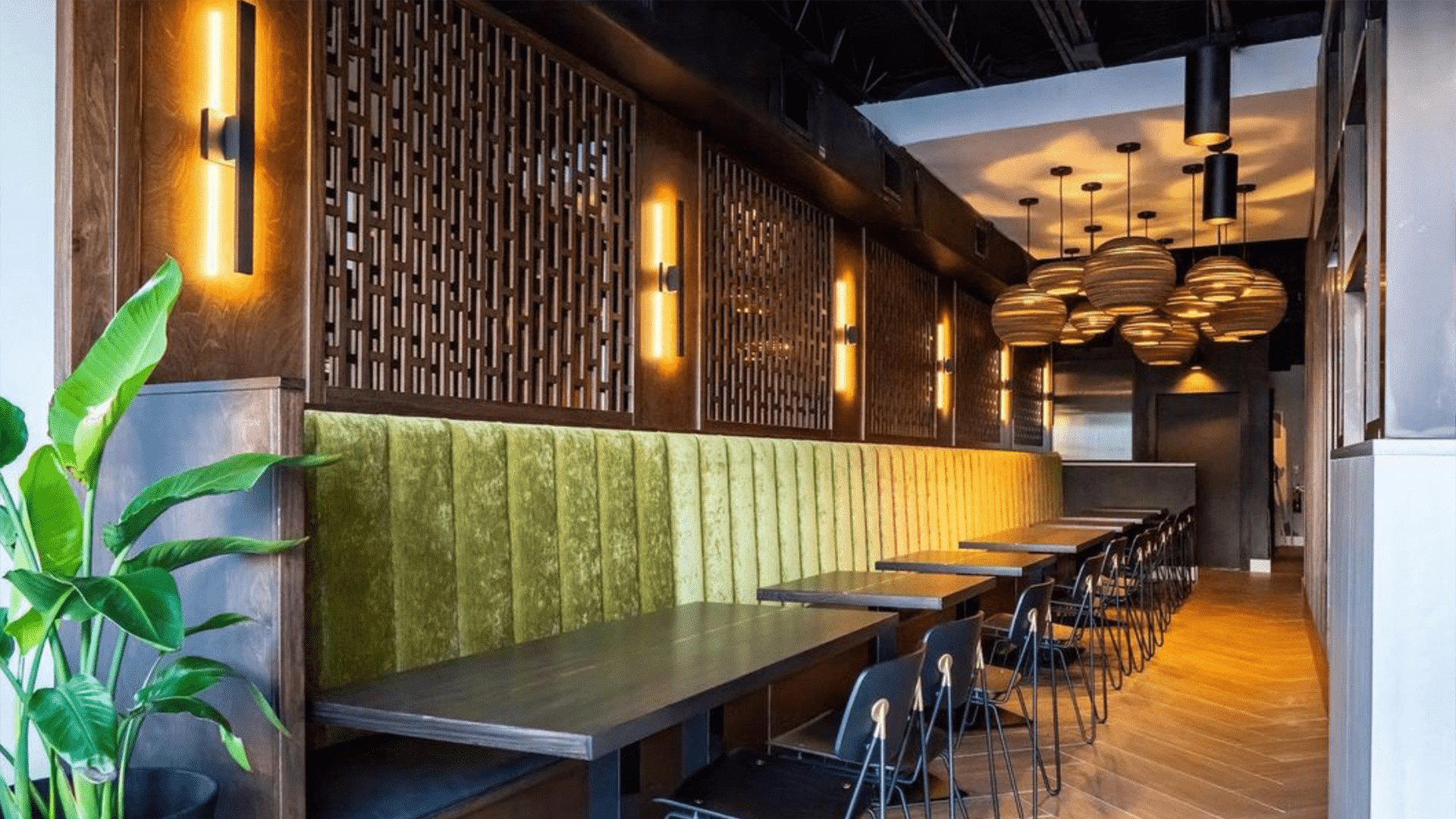
West Kennedy and the Fusion Middle Ground
South Tampa's dining corridor along West Kennedy Boulevard has developed in uneven bursts. For most of its commercial history, the stretch between the Westshore business district and the Hyde Park edge functioned as a strip of convenience, fast casual, chain outposts, and the occasional independent that never quite stuck. The independents that have lasted tend to occupy a specific niche: accessible enough for weekly visits, distinctive enough to resist being replaced by the next arrival. Paul's Fusion Kitchen at 4034 W Kennedy Blvd sits in that category, with a casual, reservation-recommended dining room serving Thai Fusion at about $25 per person.
Fusion, as a cooking category, has had a complicated decade in American cities. After a period in which the term became shorthand for arbitrary combination, any two cuisines thrown together under a single roof, a more considered version has re-emerged in mid-tier urban dining. The better examples use cross-cultural technique to solve a specific problem: how to make a neighborhood restaurant feel worth the detour without pricing out the repeat visitor. That is the operative tension at this level of the market, and it shapes what fusion kitchens like this one are trying to do in a city where the upper bracket is increasingly occupied by single-concept specialists.
In Tampa specifically, the $$$$ tier has consolidated around a handful of clearly defined identities. Koya and Kōsen represent the Japanese precision end of the market. Ebbe and Lilac occupy contemporary and Mediterranean registers respectively. Rocca anchors the Italian end. Each operates with a tight culinary identity and price signals that match. Paul's Fusion Kitchen operates one tier below that cluster, which is not a disadvantage. It is, in fact, a different market entirely, one where the guest is weighing whether to come back next week, not whether to book three months out.
How the Concept Has Shifted
Fusion kitchens rarely stay still. The format almost requires iteration: cross-cultural menus reflect the cumulative influence of supply chains, staff backgrounds, and what a local audience will actually order over time. Nationally, the pattern is visible at restaurants like Lazy Bear in San Francisco, where format pivots shaped the restaurant's identity more than any single opening decision, or at Atomix in New York City, where Korean fine dining has evolved through deliberate reinvention across multiple service formats. At the neighborhood level, evolution tends to be less dramatic but equally consequential: adjustments to the menu's cultural reference points, shifts in what the kitchen treats as its anchor protein or preparation style, changes in how aggressively the fusion premise is pressed.
The restaurant's current positioning reflects a West Kennedy address that has remained part of the corridor's dining mix in a market where turnover is high. In South Tampa, that kind of durability is itself a signal. The restaurants that disappear on Kennedy tend to be the ones that opened with a single gimmick and no adaptive capacity. The ones that remain tend to have built a repeatable experience that neighborhoods actually use, rather than visit once and file away.
The broader evolution in American fusion dining has run in parallel: away from the novelty-first approach of the 1990s and early 2000s, toward kitchens that treat cross-cultural technique as a tool rather than a brand identity. Restaurants at the high end of this shift, Alinea in Chicago, The French Laundry in Napa, Providence in Los Angeles, have long since absorbed influence from multiple culinary traditions without labeling the result fusion at all. At the neighborhood level, the better fusion operations have done something similar: letting the influences become background infrastructure rather than the headline.
Where It Sits in the Tampa Picture
Tampa's dining scene has expanded meaningfully since 2018, with Channelside, Water Street, and the South Howard corridor attracting investment and new openings that have raised the overall ceiling. That rising ceiling has had a sorting effect: it has made the mid-tier market more competitive, because guests who might once have considered a neighborhood fusion spot a special occasion now have more options at every price point. The restaurants that hold ground in this environment tend to do so through regularity of quality rather than spectacle, the kind of kitchen that produces a consistent experience on a Tuesday as on a Saturday.
For context on what the upper end of Tampa's competitive set looks like, the city's most formally ambitious tables now benchmark against nationally recognized formats. Le Bernardin in New York City, Blue Hill at Stone Barns in Tarrytown, Addison in San Diego, and The Inn at Little Washington represent the kind of destination dining that Tampa's top tier aspires toward. Paul's Fusion Kitchen is not in that conversation, nor does the West Kennedy address suggest it is trying to be. It is operating in the neighborhood-anchor register, which is a harder commercial problem to solve than it appears and one that the majority of independent restaurants in mid-size American cities fail to crack.
Internationally, the fusion format has produced particularly formally ambitious restaurants in the world. 8 1/2 Otto e Mezzo Bombana in Hong Kong represents what happens when cross-cultural influence is applied at the highest technical level with formal Italian structure. Emeril's in New Orleans built its identity on the fusion of Louisiana tradition with classical French technique in a way that shaped American dining for a generation. Single Thread Farm in Healdsburg integrates Japanese kaiseki discipline with Northern California produce in a format that is fusion in everything but name. These are useful reference points not because Paul's Fusion Kitchen operates at their level, but because they illustrate the range the category spans, from neighborhood staple to national reference point.
Planning Your Visit
The restaurant is located at 4034 W Kennedy Blvd in Tampa's South Tampa corridor, accessible by car with street and lot parking typical of the Kennedy commercial strip. The West Kennedy address puts it within reasonable distance of Hyde Park and the Westshore business district, making it a practical option for weekday evenings as well as weekend dining. The restaurant is open Wednesday through Sunday, 11 AM to 3 PM and 5 to 9 PM, with Monday and Tuesday closed. Reservations are recommended.
Just the Basics
Comparable venues nearby, for context on price, style, and recognition.
| Venue | Cuisine | Price | Notes |
|---|---|---|---|
| Paul's Fusion KitchenThis venue — the venue you are viewing | Palma Ceia, Thai Fusion | $$ | Not listed |
| Sunda New Asian | Midtown Tampa, Modern Southeast Asian | $$$ | Not listed |
| Columbia Cafe at the Tampa Bay History Center | Garrison Channel District, Spanish-Cuban | $$ | Not listed |
| Blasys Pizzeria | Not listed | $$ | Sweetwater Creek, Cuban-Style Pizza Fusion |
| Bernini of Ybor | Ybor City, Innovative Italian Cuisine | $$ | Not listed |
| La Casa della Pasta | Not listed | $$ | Greater Northdale, Authentic Italian Pasta |
At a Glance
- Cozy
- Casual Hangout
Current opening hours
- Monday
- Closed
- Tuesday
- Closed
- Wednesday
- 11 AM–3 PM, 5–9 PM
- Thursday
- 11 AM–3 PM, 5–9 PM
- Friday
- 11 AM–3 PM, 5–9 PM
- Saturday
- 11 AM–3 PM, 5–9 PM
- Sunday
- 11 AM–3 PM, 5–9 PM
Hours can change for holidays and private events. Last verified .
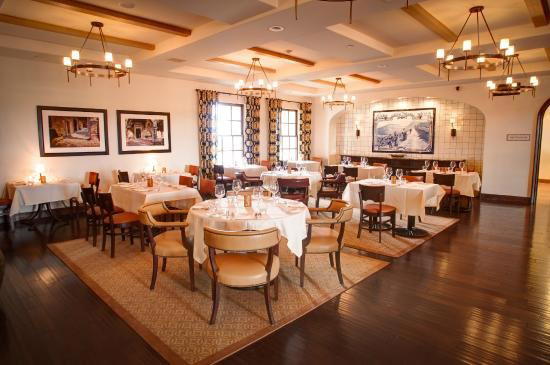
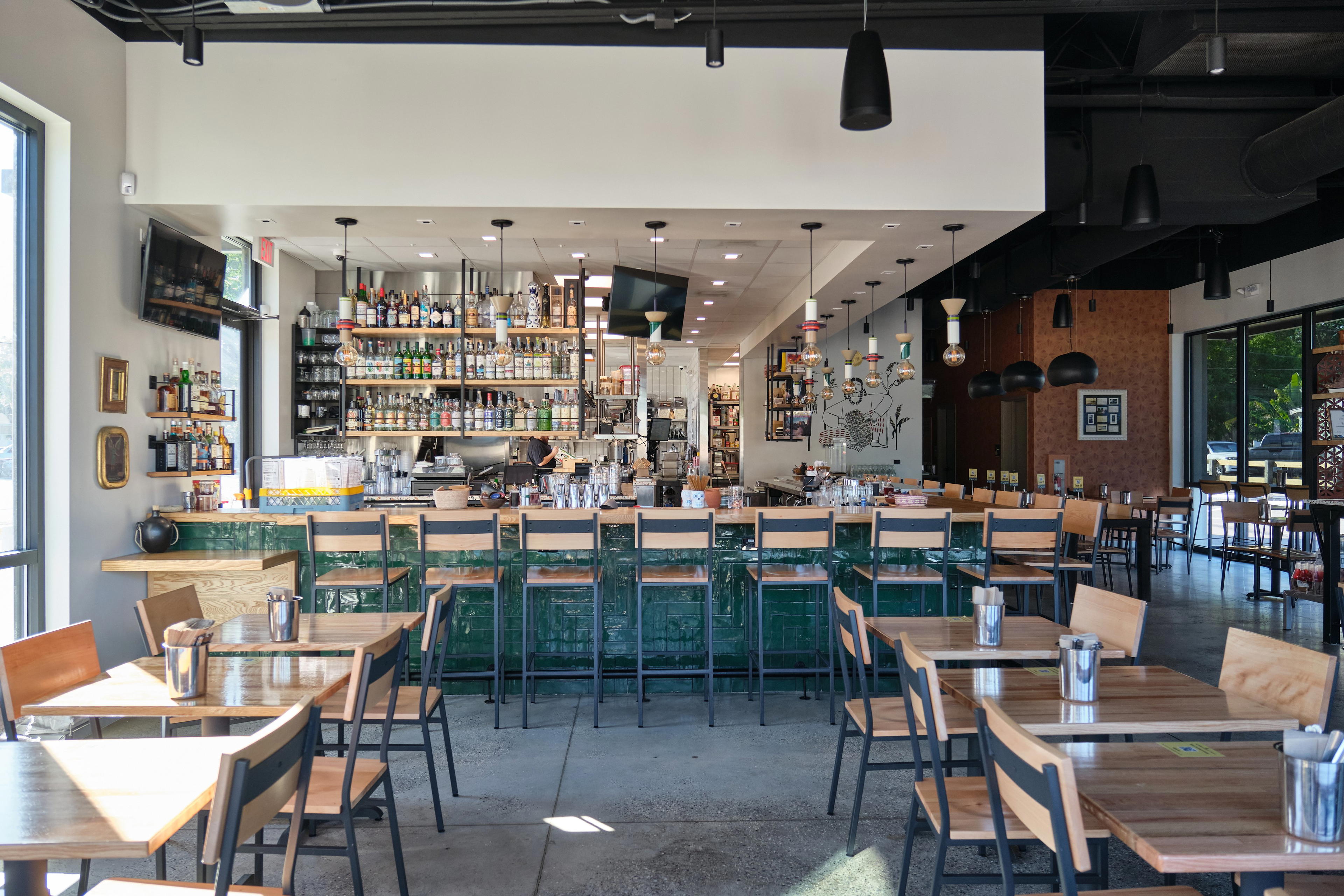
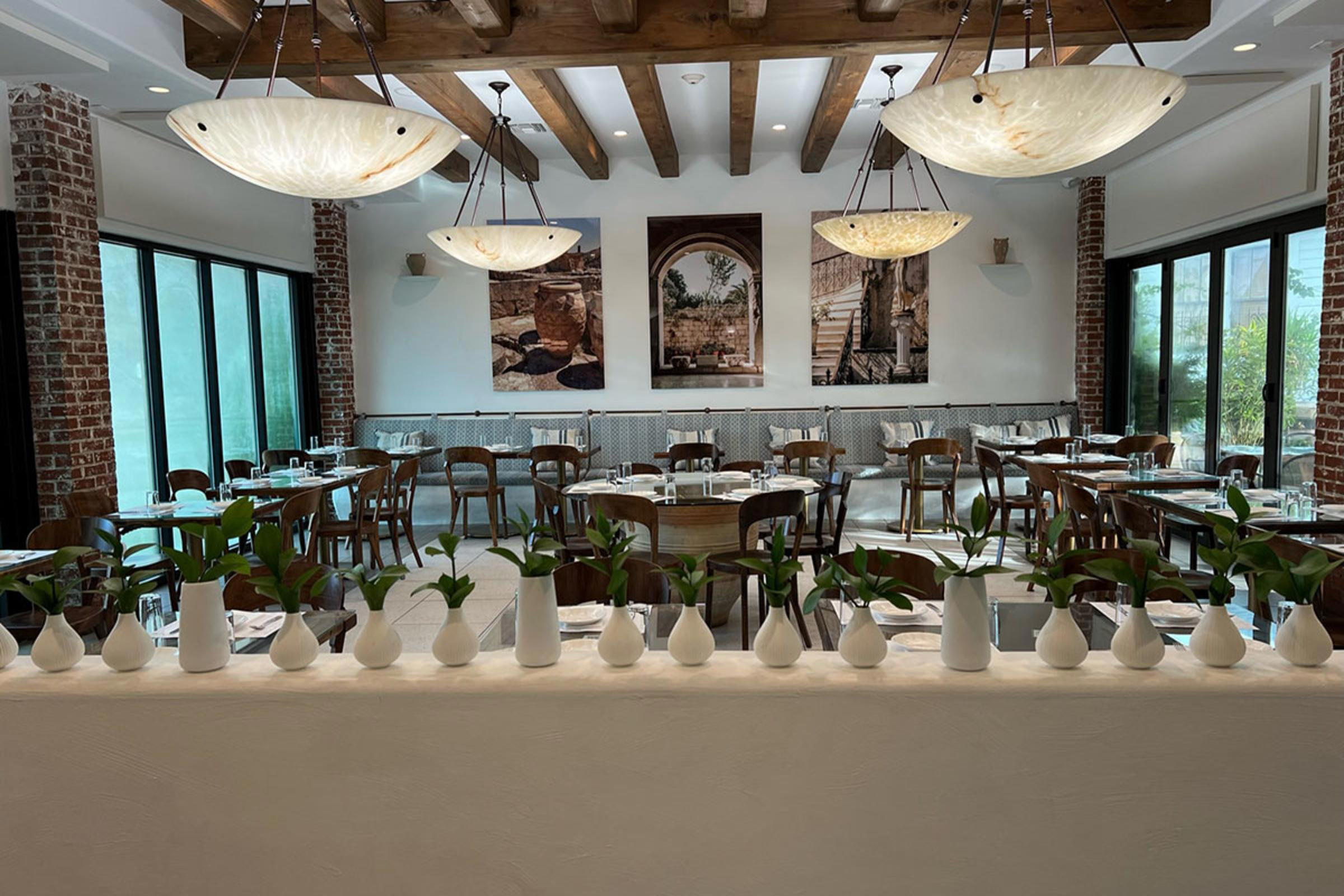
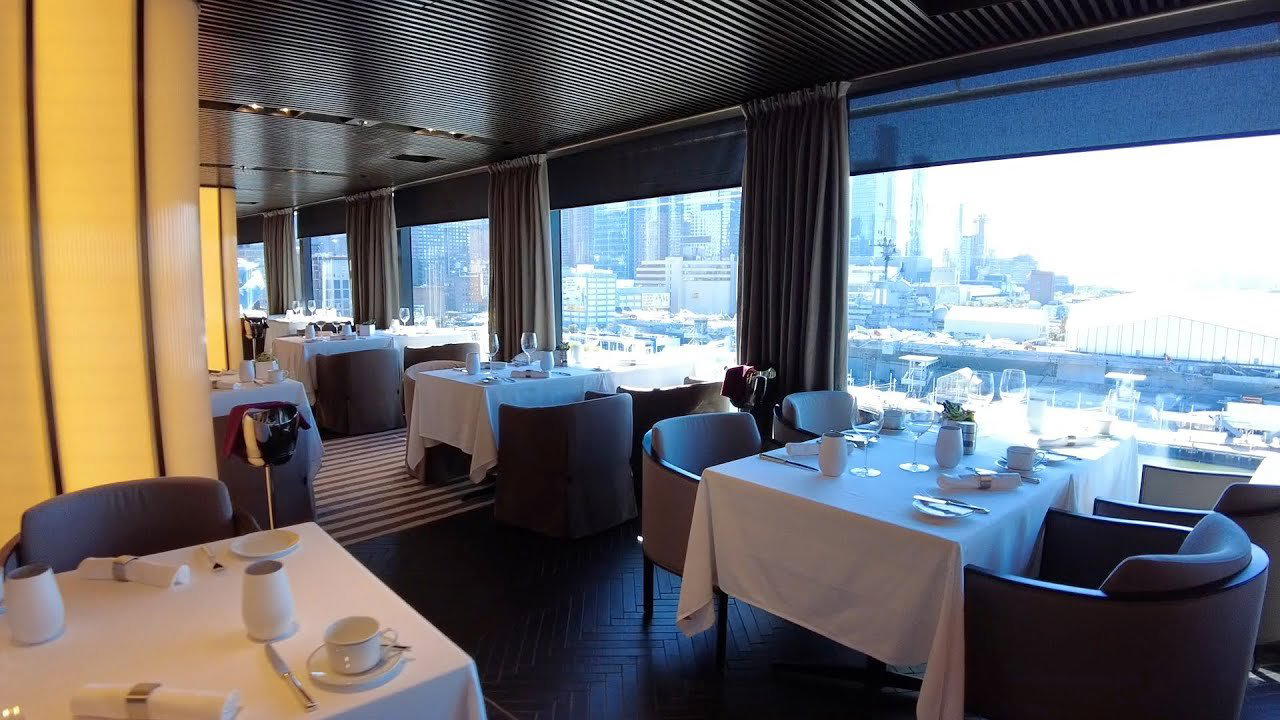
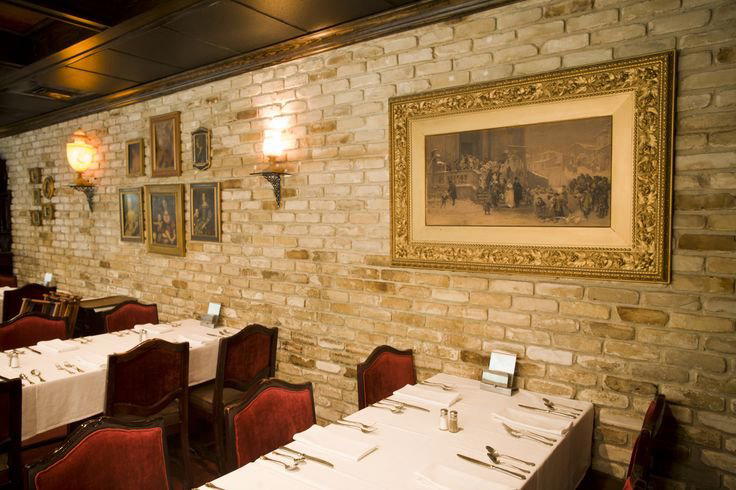
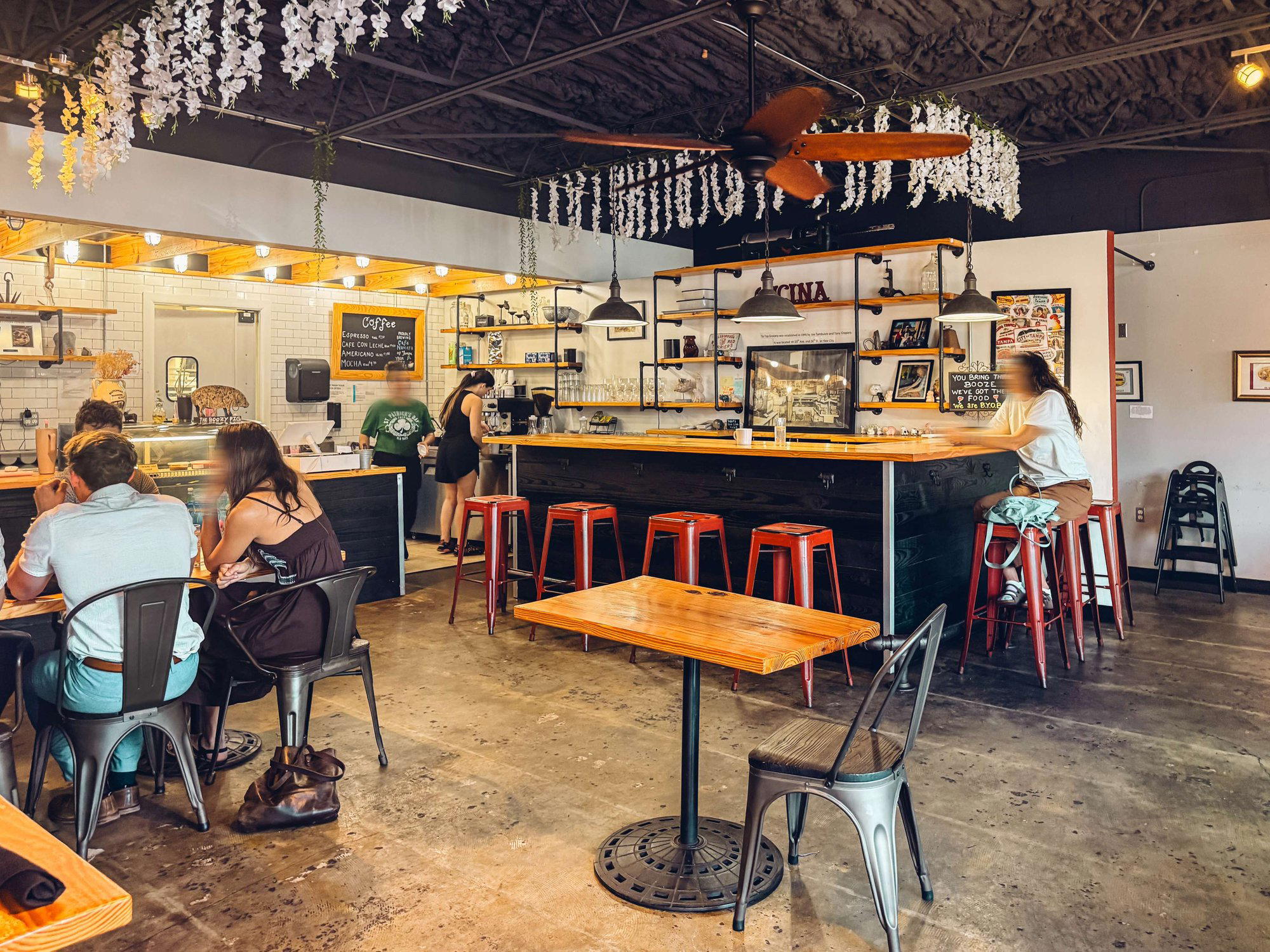
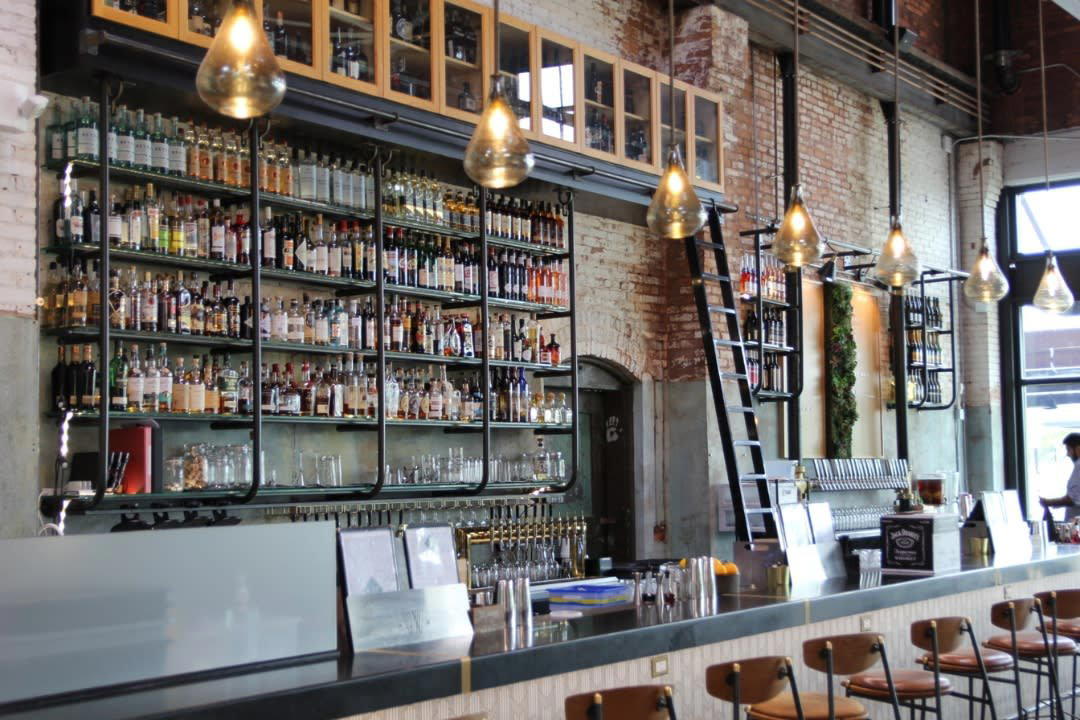
Cozy dining room with a relaxed, friendly atmosphere.