Google: 4.3 · 1,356 reviews
Boulon Brasserie and Bakery
Boulon Brasserie and Bakery occupies a prime address on Tampa's Water Street, where a brasserie format meets a drinks program built around serious bottle depth. The setting positions it at the intersection of Tampa's waterfront development and a broader American shift toward bar programs that reward slow exploration. Visitors who drink deliberately will find the back bar worth their time.
 Discover on Pearl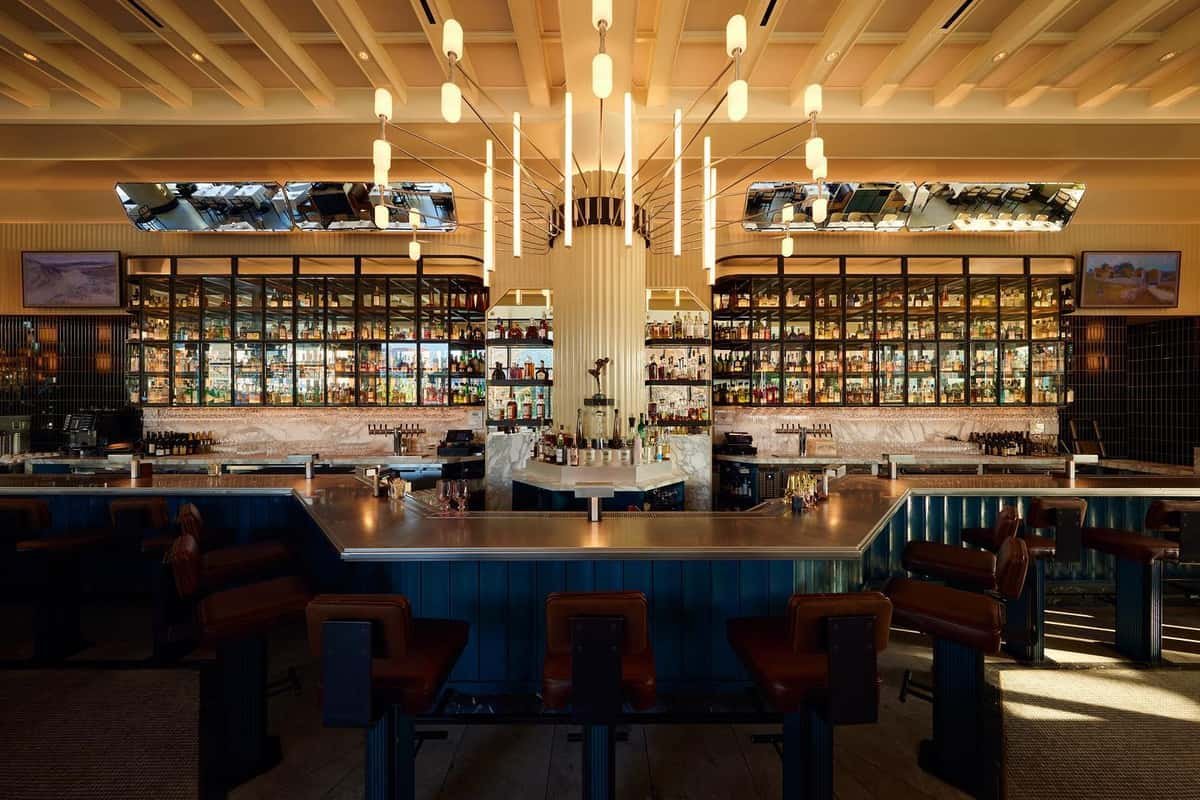
Water Street and the Architecture of a New Tampa Drinking Culture
Tampa's Water Street district arrived with the ambition of a full neighbourhood rather than a development project, and the hospitality that followed has had to match that scale. Along this stretch of the city's southern waterfront, the question for any bar or brasserie isn't simply whether the food is competent, but whether the drinks program carries enough intellectual weight to justify the real estate. Boulon Brasserie and Bakery, situated at 1001 Water St, answers that question through the depth of its back bar rather than through spectacle or volume.
The approach here fits a pattern visible in American cities that have rebuilt a waterfront identity in the past decade: the most durable venues are those that treat spirits curation as a long-term editorial project, not a monthly rotation. ABV in San Francisco established that model on the West Coast with a bottle selection built around producer provenance rather than category breadth. Kumiko in Chicago applied similar discipline to Japanese whisky and amaro. Boulon sits within that tradition of the brasserie format reimagined around serious spirits knowledge, where the bread program and the brunch plate are understood as supporting acts.
The Back Bar as Editorial Statement
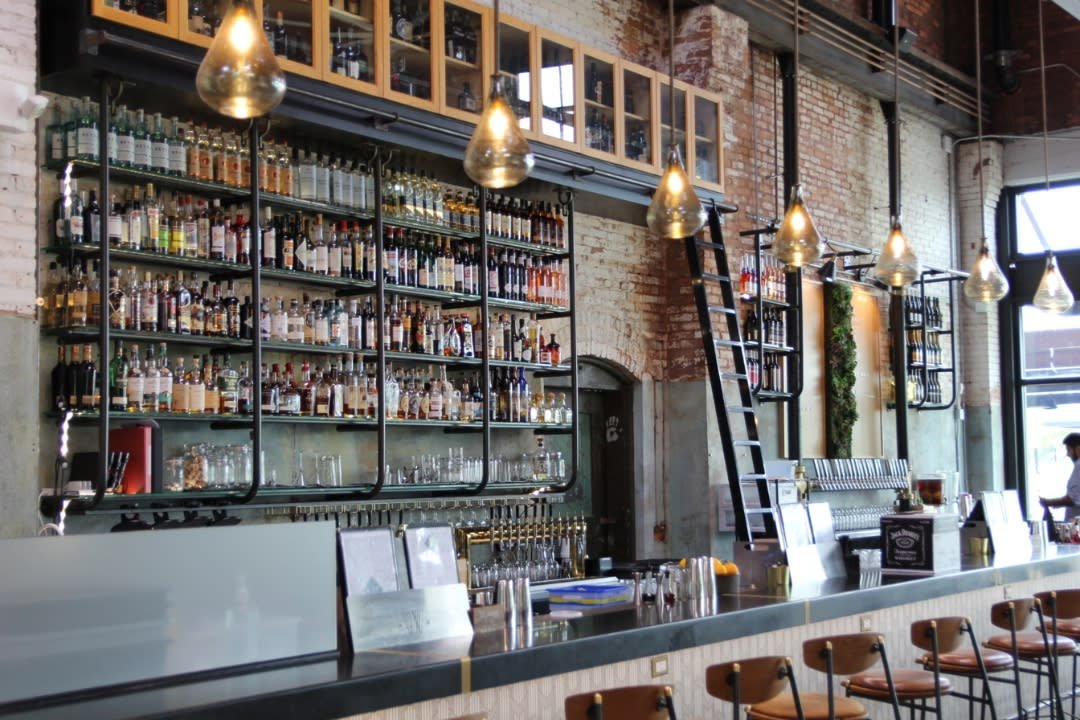
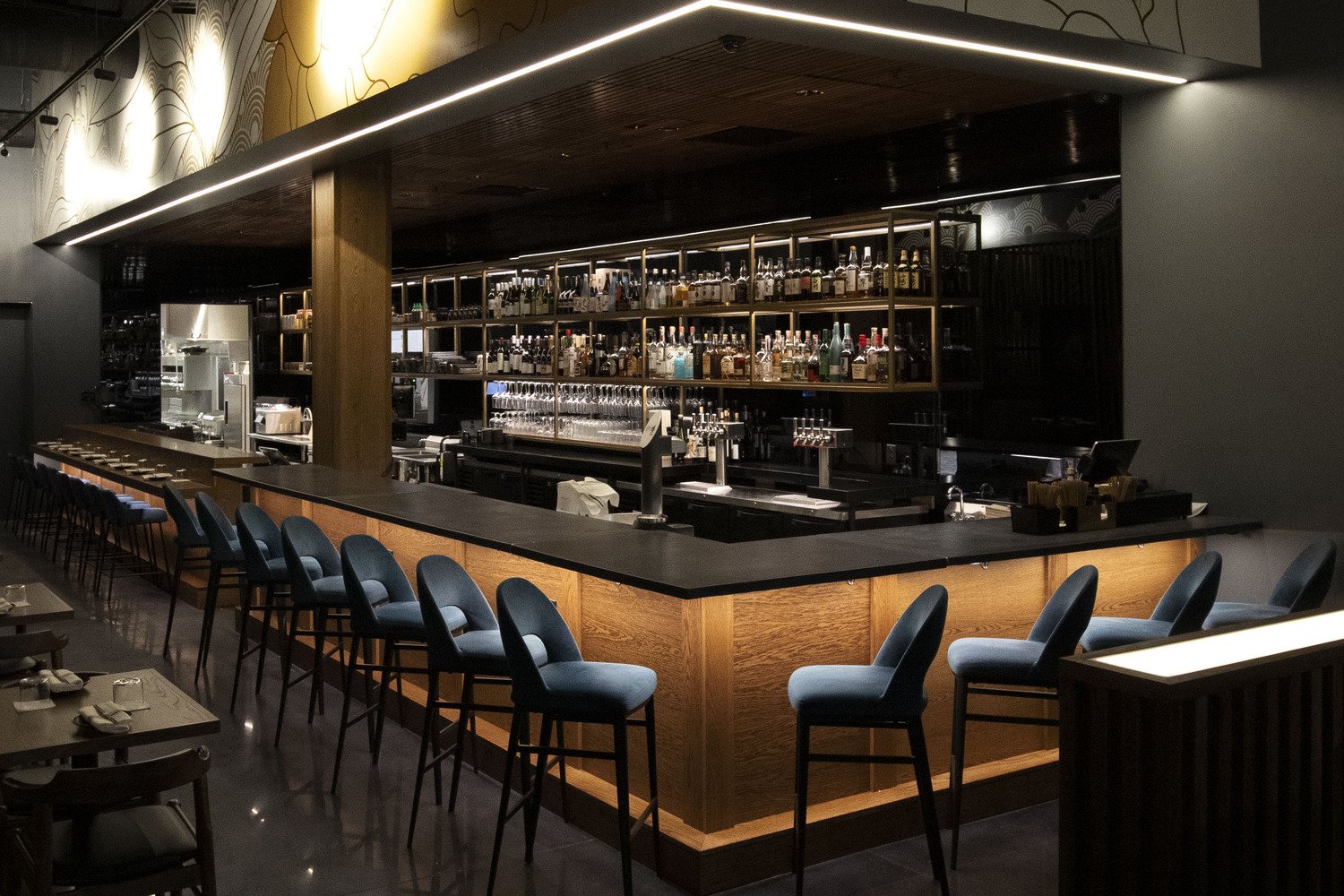
In contemporary American bar culture, the back bar is where a program's real priorities become legible. A wall of matching bottles arranged by color is a design choice. A back bar organized around producer lineage, regional distilling traditions, and age statements is an argument about how drinking should work. The distinction matters because it shapes what a guest can actually order and learn from a visit.
Brasseries that invest seriously in spirits collections tend to do so in a specific direction: either toward depth in a single category, or toward comparative breadth across categories that share a philosophical thread, such as terroir-driven production or minimal intervention. The latter approach has gained momentum in cities where the drinking public has moved past brand recognition toward producer literacy. Tampa's bar scene, anchored by venues like Ash and the collaborative energy of Armature Works, has been shifting in this direction over recent years, with programs that assume the guest wants context alongside the pour.
Nationally, the reference points for this kind of program are instructive. Jewel of the South in New Orleans built its reputation around pre-Prohibition recipe research and bottle archaeology. Julep in Houston used Southern whiskey heritage as an organizing principle for both the menu and the physical space. Bar Leather Apron in Honolulu demonstrated that serious curation could thrive outside traditional cocktail cities. What each of these programs shares is a willingness to let the collection do the editorial work, with the bartender as interpreter rather than entertainer.
Brasserie Format and Its Particular Demands
The brasserie as a format carries specific expectations: an all-day or extended operating rhythm, a menu that spans from morning pastry through late evening drinking, and a room that works for breakfast meetings and after-dinner digestifs with equal comfort. That range creates a drinks program challenge that a cocktail bar doesn't face. A pure cocktail bar can focus its spirits inventory narrowly. A brasserie with a bakery component must serve the table ordering eggs at noon with the same conviction it brings to the guest ordering Calvados at ten in the evening.
This is where bottle depth becomes a practical necessity rather than a luxury. A curated spirits collection allows the program to shift registers across the day without losing coherence. Aperitif categories, aged spirits, digestif-oriented bottles, and the range of things in between can each serve a different moment in the brasserie's daily arc. Venues that get this right, like Superbueno in New York City with its considered approach to mezcal and agave spirits, demonstrate that curation and accessibility are not opposites.
Tampa's Position in the Broader American Bar Conversation
Tampa has not historically been the city that American drinks media gravitates toward when mapping the country's bar culture. That position has been changing, driven partly by the Water Street development bringing new hospitality density to the downtown core, and partly by a local bar community that has been producing programs with genuine technical ambition. 7th + Grove and American Legion Post 111 represent different facets of that local character, from neighborhood precision to community-anchored formats.
What Boulon adds to this is the brasserie register: a format that appeals to the guest who wants a serious drink without the commitment of a full cocktail bar experience, and who wants that drink alongside food that treats the bakery component as a genuine culinary contribution rather than an afterthought. In European brasserie tradition, this balance is assumed. In American cities, venues that execute it consistently occupy a distinct and durable position in the dining and drinking ecosystem.
Internationally, the bar programs that have refined this balance most successfully, including The Parlour in Frankfurt on the Main, demonstrate that the brasserie and the serious bar program are not incompatible categories. They require more operational complexity, but the reward is a venue that can serve a wider range of guest intentions without diluting its core identity.
Planning a Visit
Boulon Brasserie and Bakery sits at 1001 Water St in Tampa's Water Street district, placing it within walking distance of the city's waterfront and the concentration of hotels and offices that make this corridor active across multiple dayparts. For visitors arriving in Tampa for the first time, the Water Street area is the most efficient starting point for understanding the city's current dining and drinking ambition, and Boulon fits logically into a longer evening that might include a cocktail at one of the neighborhood's more specialized bar programs. For practical planning across Tampa's broader bar and restaurant scene, our full Tampa restaurants guide covers the city's neighborhoods and format categories in detail.
Comparison Snapshot
Comparable venues for orientation, based on our database fields.
| Venue | Cuisine | Price | Awards | Notes |
|---|---|---|---|---|
| Boulon Brasserie and Bakery | This venue | |||
| La Sétima Club | ||||
| Wine on Water | ||||
| La Creperia Cafe @ Ybor City | ||||
| Haven | ||||
| Hampton Station Pizza & Records |
At a Glance
- Elegant
- Modern
- Sophisticated
- Classic
- Date Night
- Brunch
- Special Occasion
- Live Music
- Lounge Seating
- Outdoor Terrace
- Craft Cocktails
- Conventional Wine
- Street Scene
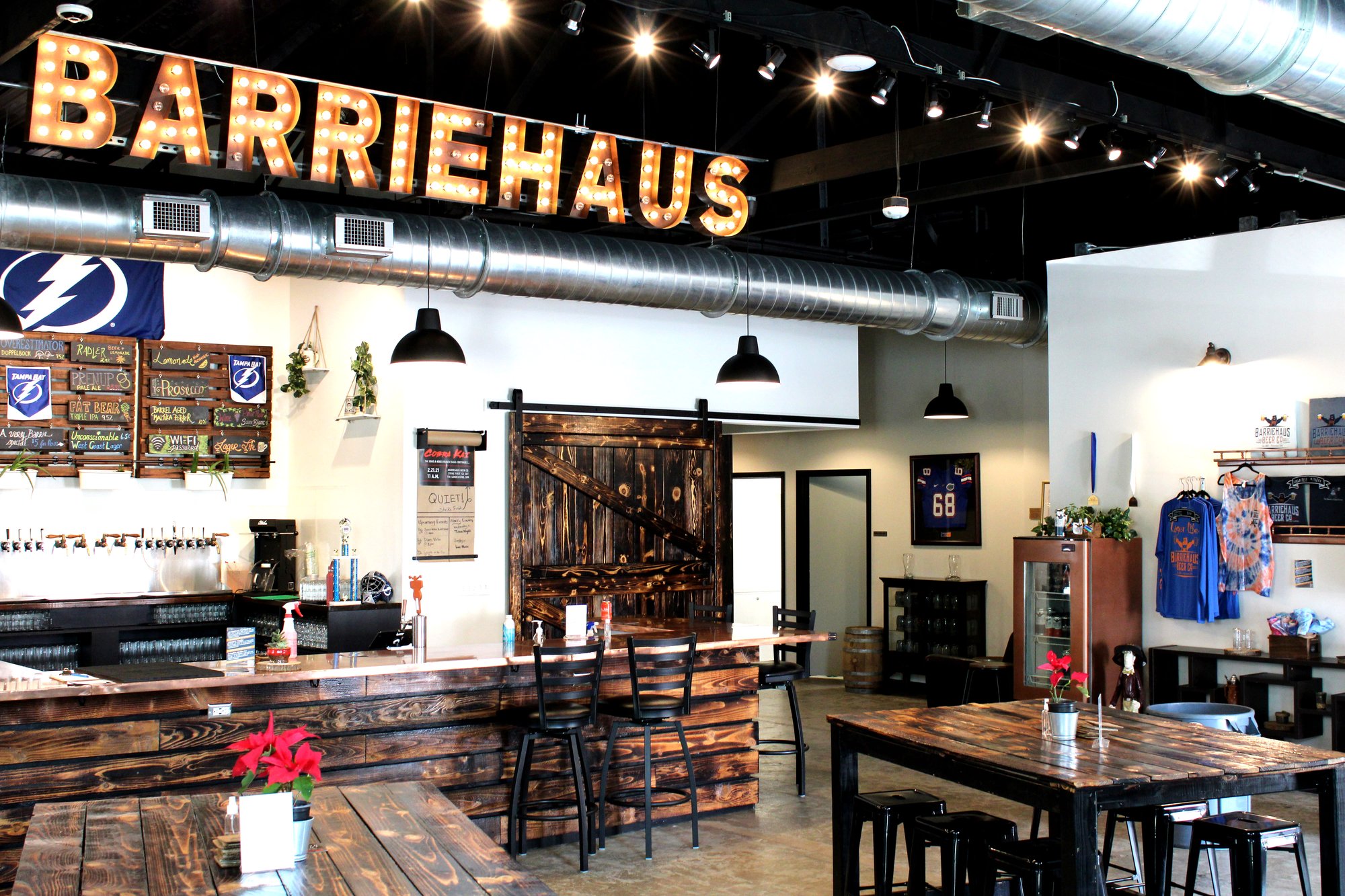
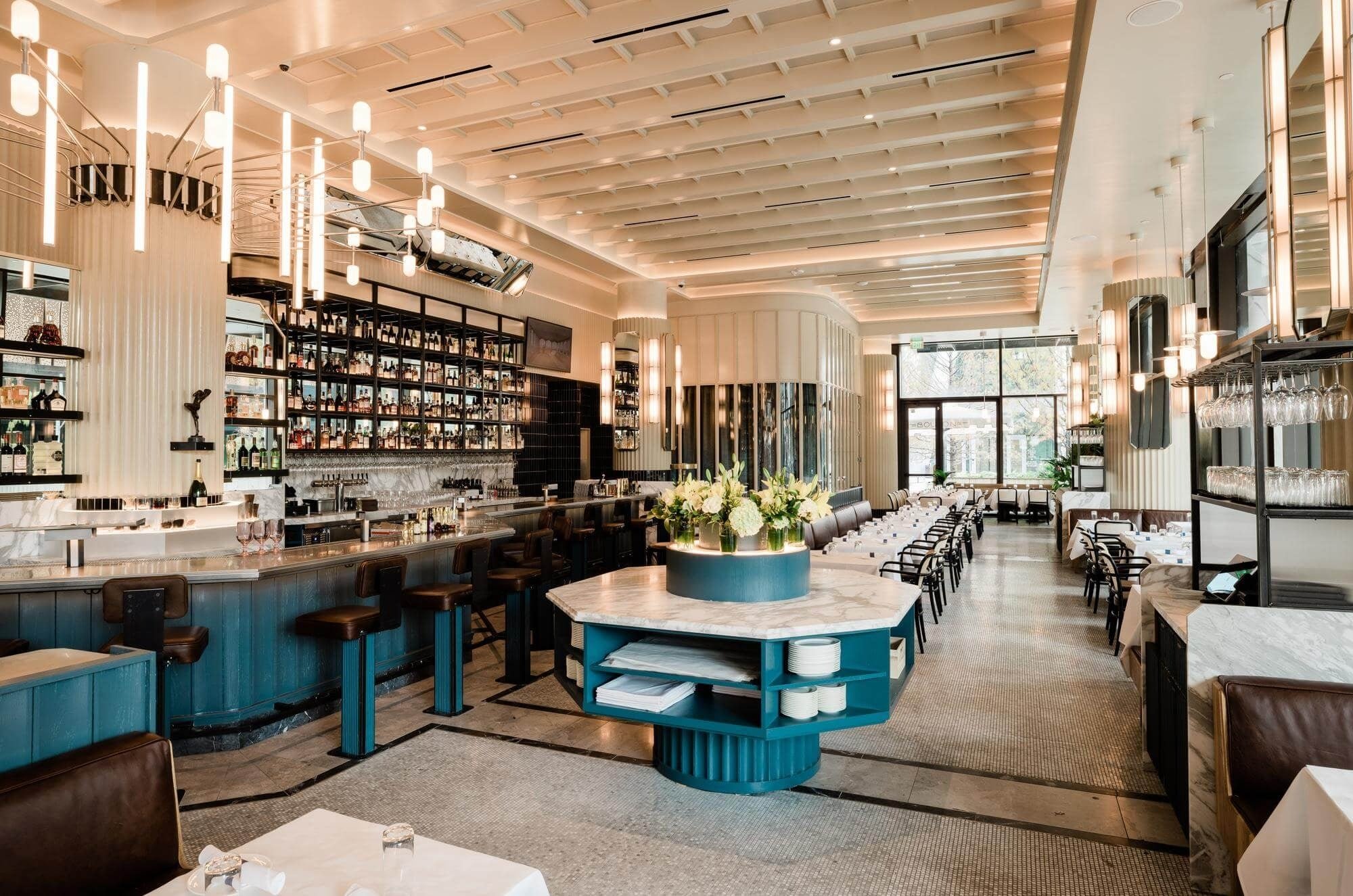
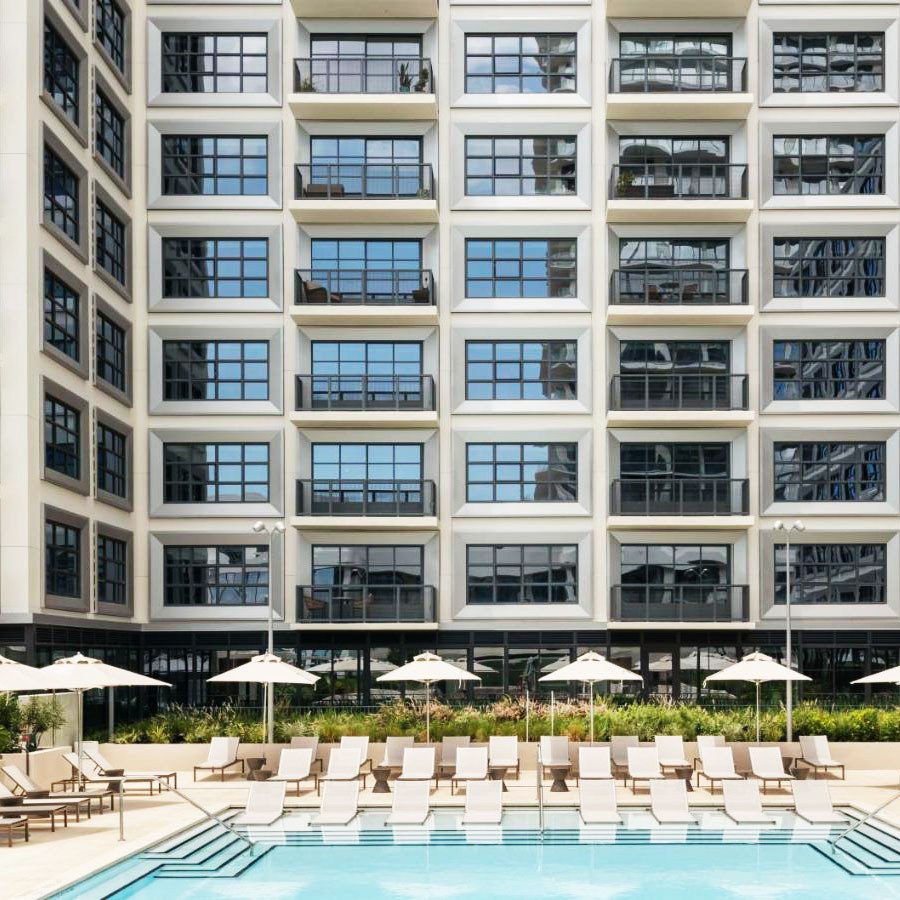
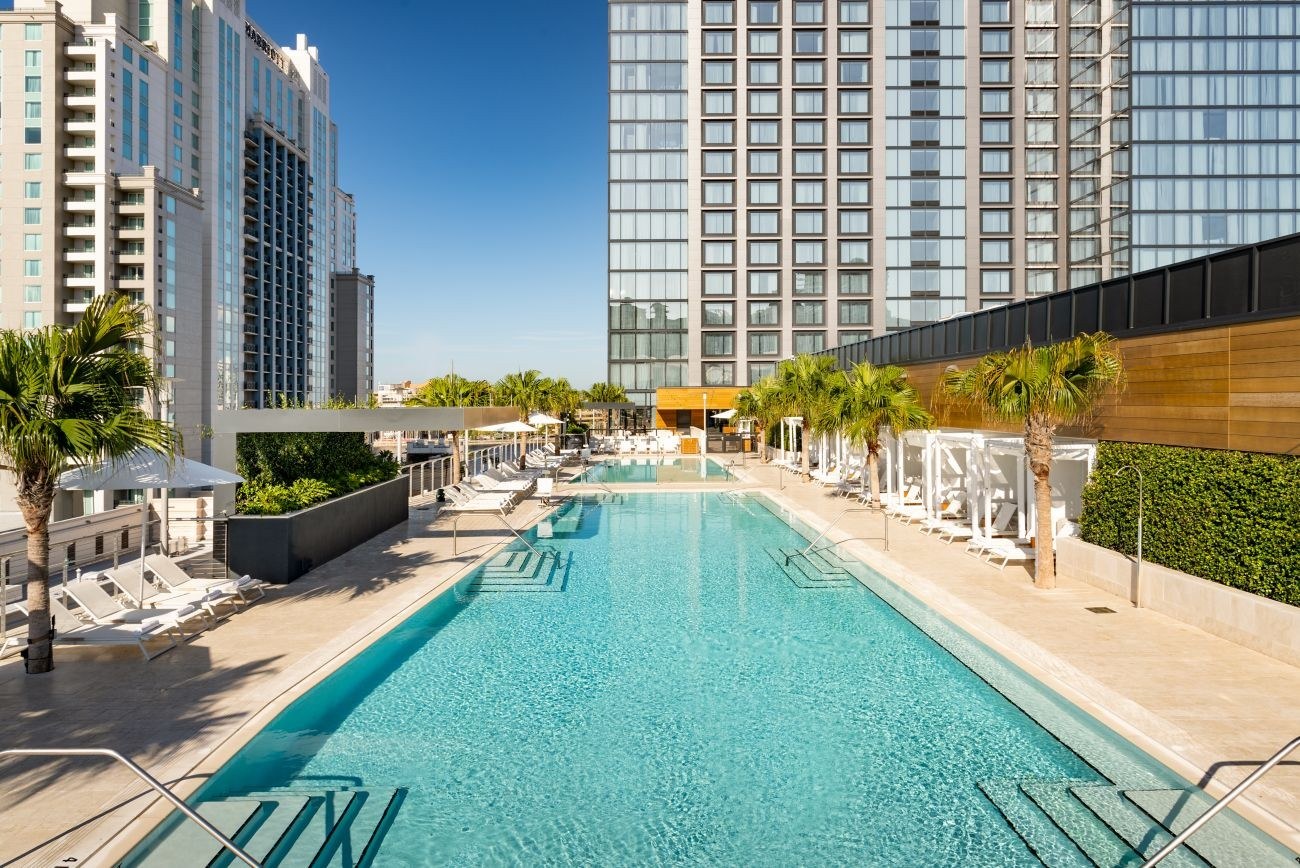
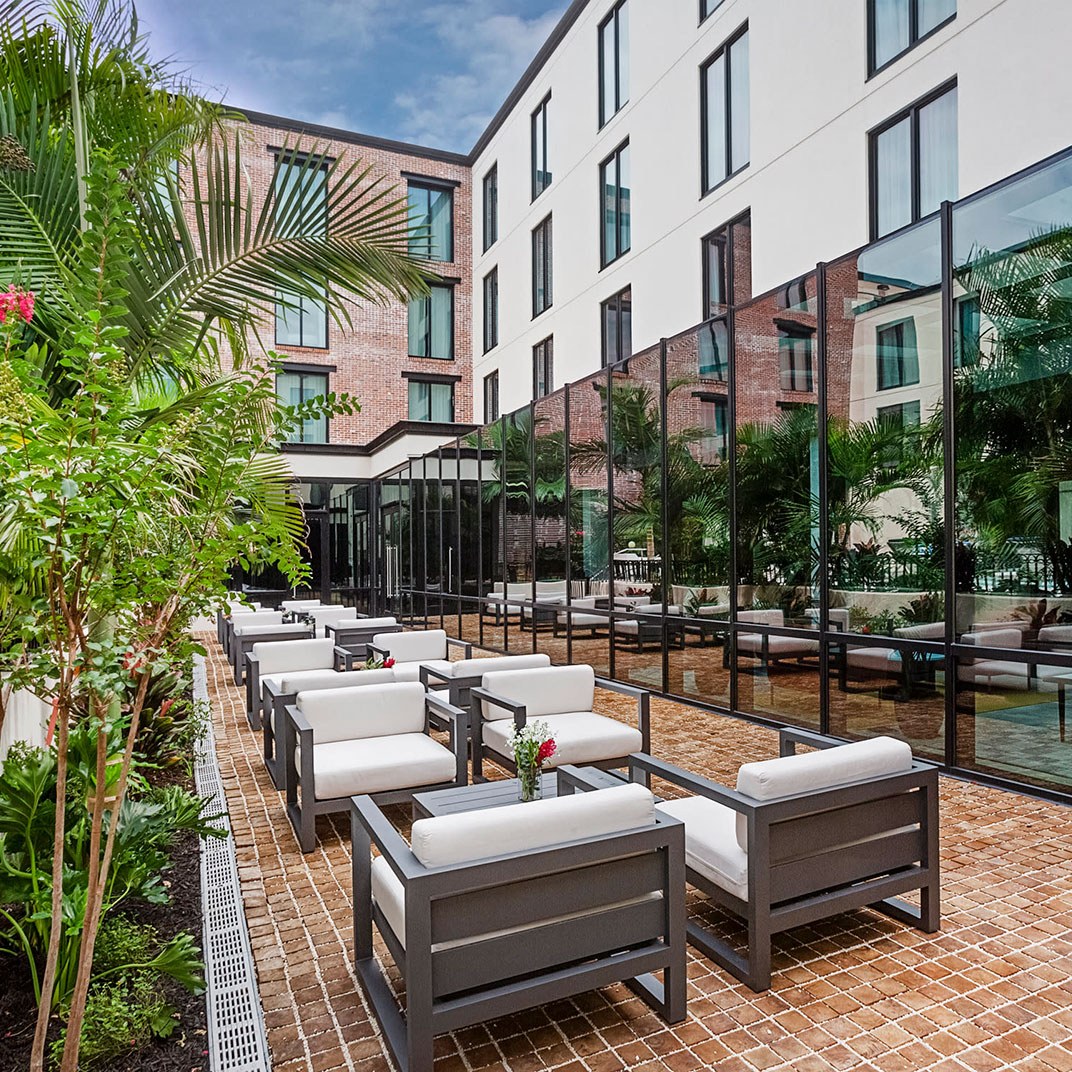
Brightly-lit décor with a vibrant and elegant atmosphere.